
14 Amazing Aquariums And Animal Attractions To Explore In Michigan
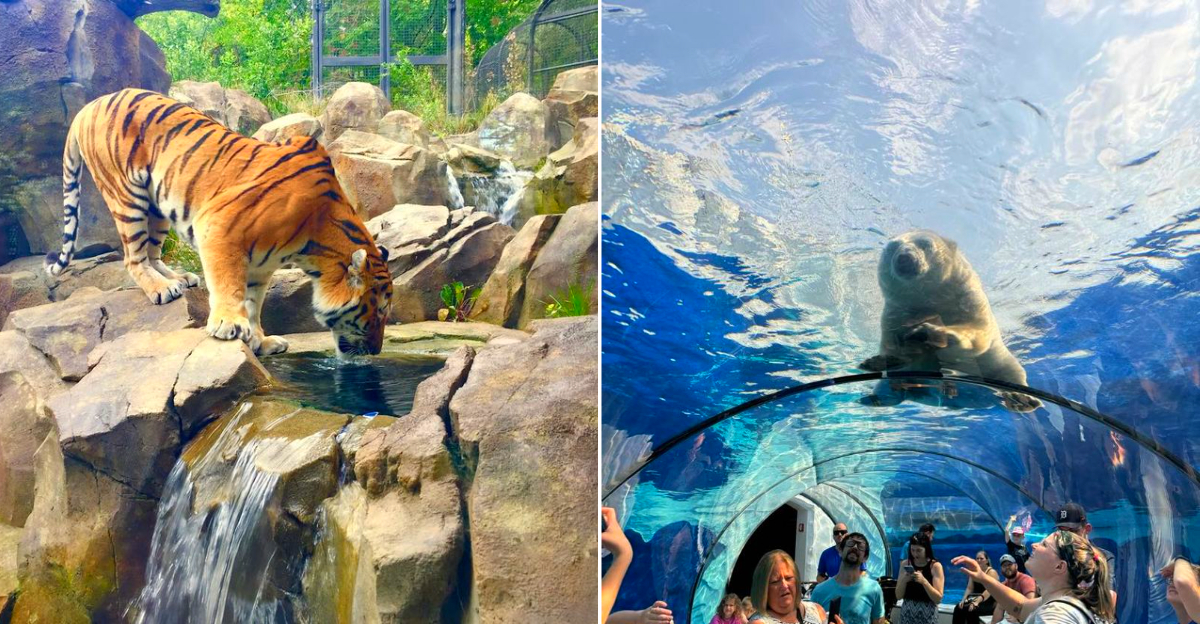
There’s something so grounding about trading the Great Lakes wind for the quiet, humid hush of a leafy habitat or an underwater tunnel. I still remember the first time I stood in a hall draped in historic emerald tiles, it felt less like a field trip and more like stepping into a watery cathedral.
Then you have those modern spots where you can just lay back and watch sharks drift over you like silent, living kites. It’s in those layered moments, where conservation meets pure, wide-eyed wonder, that I really feel connected to the world we’re trying to protect.
Exploring Michigan’s best aquariums and wildlife centers is an unforgettable experience where historic architecture meets immersive underwater shark tunnels and hands-on nature discovery.
If you’re heading out, my best advice is to wear your “walking” shoes and leave plenty of room in your schedule to just… linger. Some of my favorite memories happened in those quiet, accidental beats when a rescue animal decides to come say hello on its own terms.
1. Detroit Zoo, Royal Oak
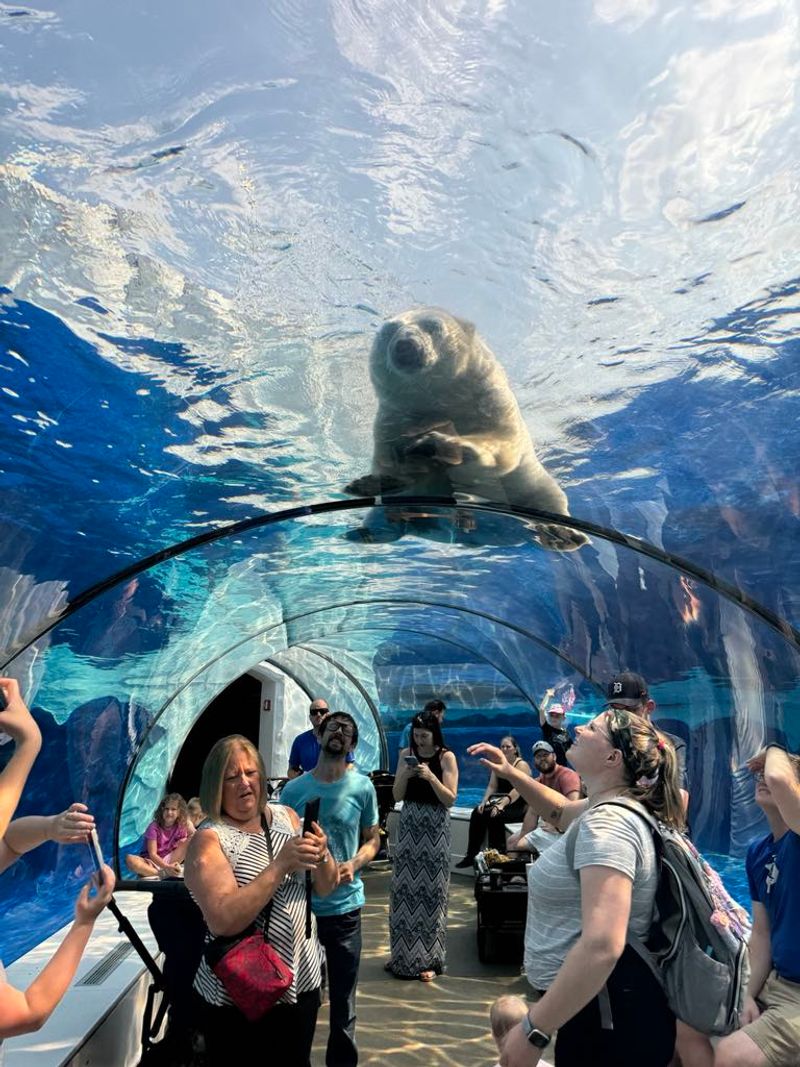
Begin at the Arctic Ring of Life, where a polar bear can glide overhead and the tunnel feels like lake ice turned liquid. The Polk Penguin Conservation Center hums with chilled air and purposeful design, its ramp circling lively rockhopper dives.
Paths stitch through quiet gardens, and the green line of the miniature railroad adds a small city’s rhythm. Opened in 1928, the zoo grew into 125 acres that balance immersion and space, housing thousands of animals across many species.
Exhibits prioritize naturalistic scale, not tricks. Aim for weekday mornings, loop clockwise from the penguins to the wolf woods, and leave time for the whispering butterfly house.
2. John Ball Zoo, Grand Rapids
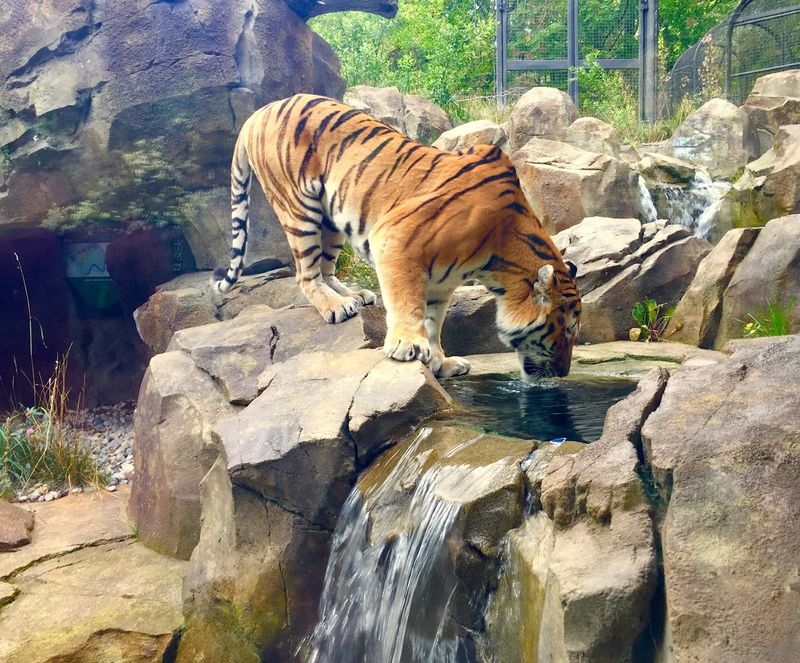
Hillside paths tilt you toward tree canopies, so the zoo feels part forest, part campus. The Van Andel Living Shores Aquarium anchors the lower grounds, with a kelp forest tank that moves like a Michigan river after rain. Penguins practice efficient chaos nearby, slaloming past glass with athletic shrugs.
Grand Rapids adopted the park in the 1890s, and the modern zoo expanded into 140 acres, threading rope courses, zip lines, and intimate habitats.
Keeper chats lean practical, focused on enrichment rather than spectacle. Start high, descend toward Living Shores, then ride the funicular back up if legs protest. Late afternoon light makes the aquarium’s schooling fish shimmer like tinsel without the holiday noise.
3. Potter Park Zoo, Lansing
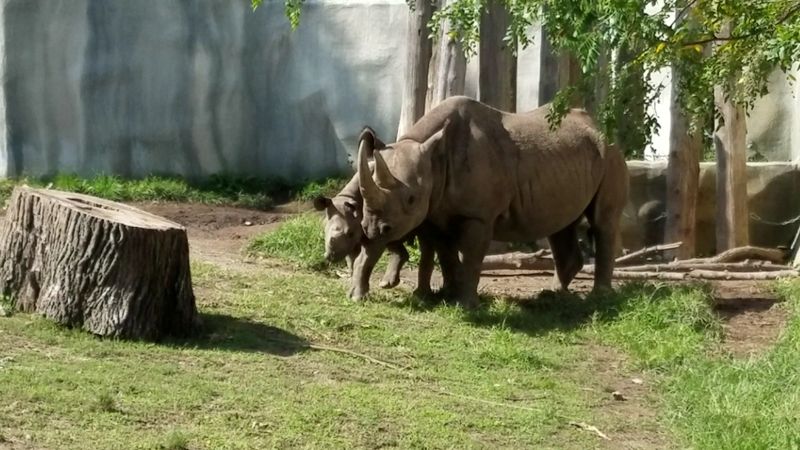
Riverside cottonwoods give Potter Park a park within a park feeling, quiet and neighborly. Red pandas nap like commas on branches, then unspool with brisk, careful steps. The feline and primate houses keep scale sensible, while murals nod to Lansing’s civic pride without shouting.
Opened in 1920, the zoo sits inside one of Michigan’s oldest public parks, shaped by Works Progress Administration stonework and steady community support. Exhibits emphasize rehabilitation stories and environmental stewardship.
Visit early, loop along the river first, and save the barnyard for last so young travelers end with something gentle. Parking is straightforward, and you can picnic under mature trees that carry the sound of peacocks farther than expected.
4. Binder Park Zoo, Battle Creek
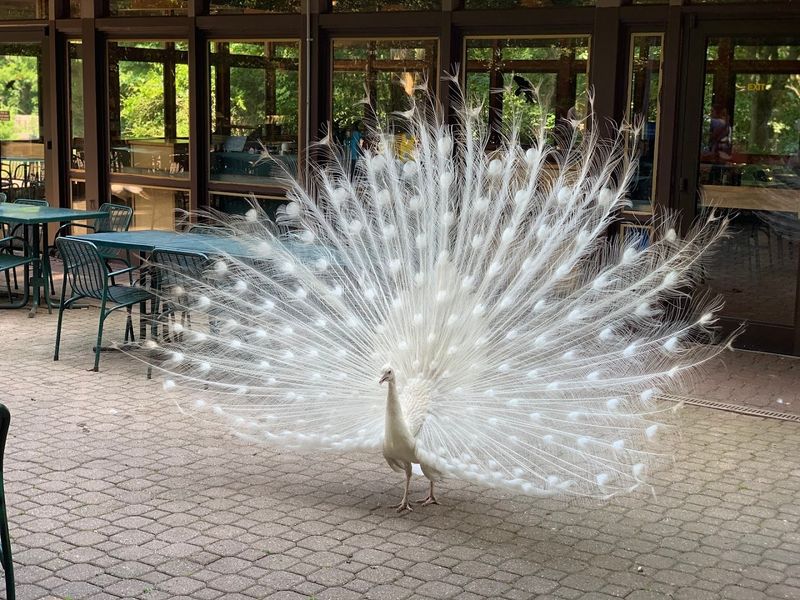
Wild Africa opens like a savanna stage, all wind and warm straw smells. The giraffe feeding platform creates a level eye line, where a long purple tongue negotiates lettuce with monk like focus. Farther out, zebras and antelope move in compositional stripes that reward unhurried watching.
Since 1977, Binder Park has grown across hundreds of acres, emphasizing immersive plains and woodland edges. The tram ride extends the illusion without rushing it.
I grabbed coffee at the village before stepping onto the boardwalk and lingered long enough for the giraffes to set the pace of the morning. Tickets sell quickly on weekends, so reserve ahead and aim for midweek shade.
5. SEA LIFE Michigan Aquarium, Auburn Hills
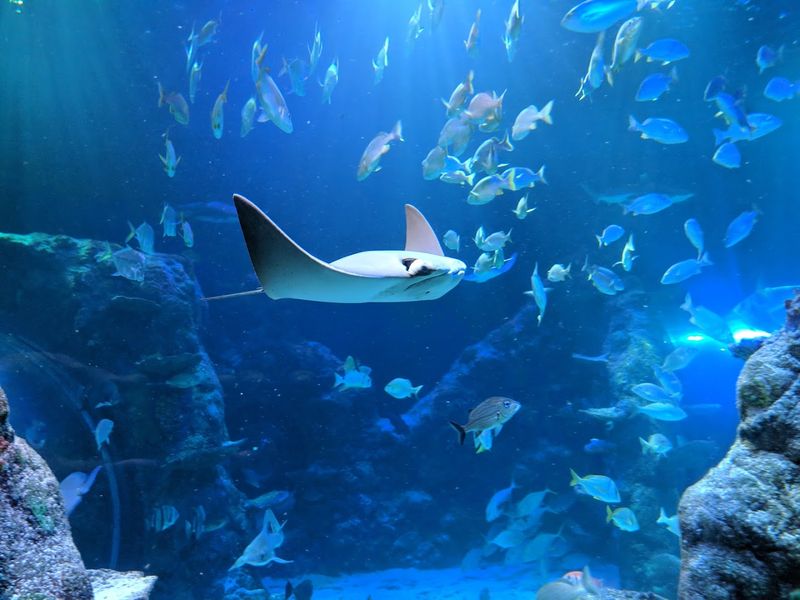
Inside Great Lakes Crossing, the light shifts to ocean blue and pulse. The 180 degree tunnel carries sharks and rays above like quiet aircraft working night shifts. At the touchpool, tidal textures surprise cautious fingers, especially when a sea star grips gently, patient as a zipper.
Michigan’s largest indoor aquarium spans themed zones, linking local Great Lakes stories with tropical color. Signage is clear, not preachy, and the jelly gallery feels like slow motion weather.
Timed entry keeps crowds from turning into currents of their own. Book online, arrive early, and loop back to the tunnel at closing hour, when reflections soften and you notice tiny fish running security along the edges.
6. Belle Isle Aquarium, Detroit
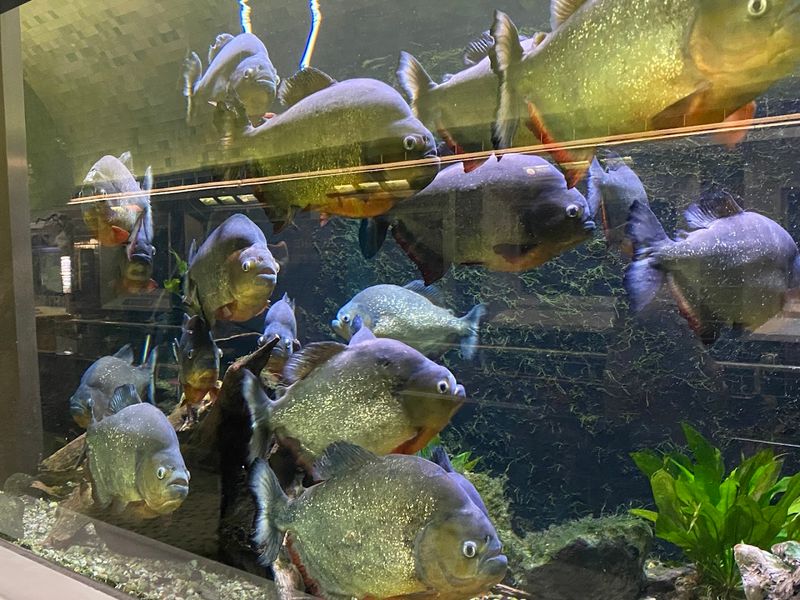
The ceiling glows emerald, a tiled river curling above arched tanks. Sounds hush on entry, as if the building remembers its 1904 debut and expects hats. Fish from the Great Lakes and far beyond drift like punctuation, turning commas into semicolons with each flick.
Albert Kahn’s design is the draw as much as the collection, and restoration work kept the room’s historic bones intact. Detroiters rallied to reopen it, and the result feels like civic memory made aquatic.
Parking on Belle Isle is simple with a recreation passport. Visit late in the day, then step outside for skyline views that frame the island like an elegant green porch on the river.
7. LegaSea Aquarium & The Reptarium, Utica
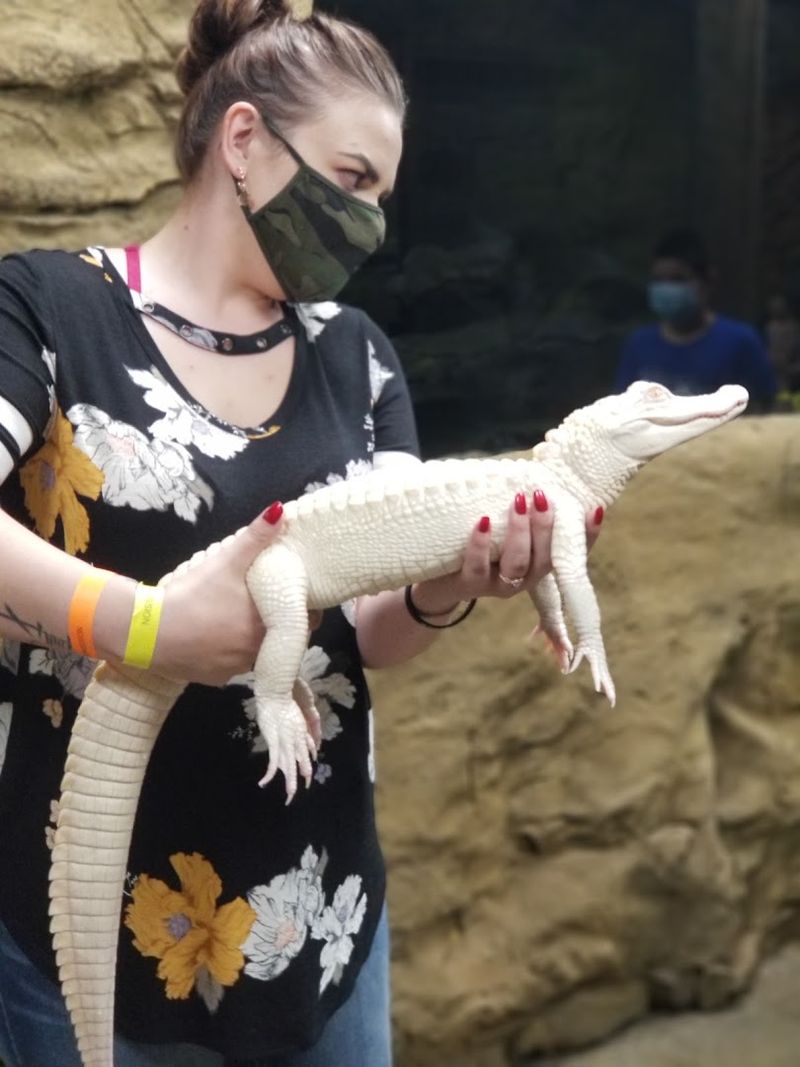
Glass terrariums hum quietly at The Reptarium, where snakes rest like coiled calligraphy and lizards survey with theatrical poise. Keeper talks feel neighborly and precise, and supervised encounters replace bravado with careful respect.
Next door, signage and updates outline the developing LegaSea Aquarium project, promising aquatic habitats to complement the reptile focus. Utica’s downtown scale keeps the visit walkable, with restaurants a short stroll away. The Reptarium’s hands on moments are choreographed for safety and learning, not thrill seeking. I held back at first, then let a gentle tortoise set a slow benchmark for attention.
Book timed tickets, watch social channels for LegaSea updates, and plan a flexible schedule in case special encounters open up.
8. Saginaw Children’s Zoo, Saginaw
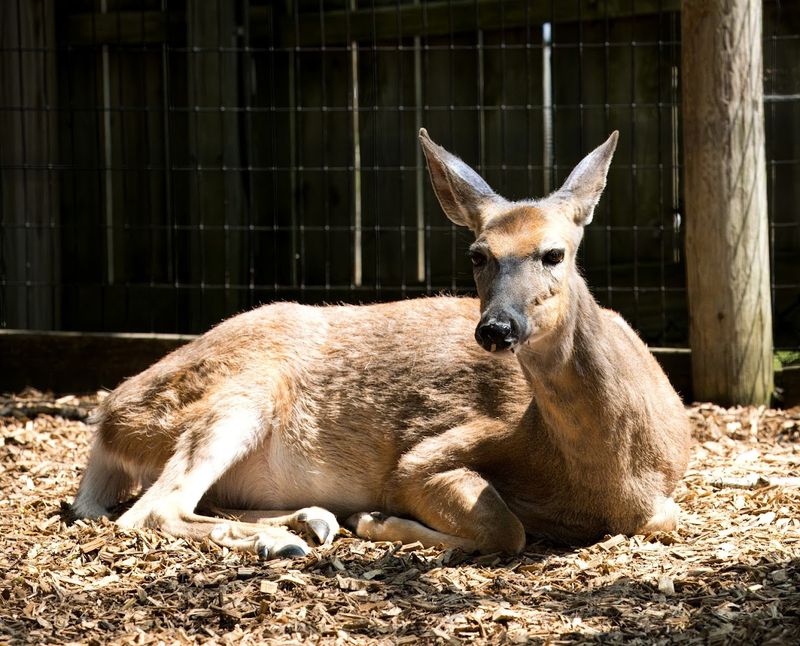
Past the gate, color and scale skew younger in the best way. The hand carved carousel spins stories of local wildlife, while the miniature train traces a leafy loop that seems to slow adult time. Animal areas tuck into gardens so you feel like a guest in a friendly backyard.
As a community fixture, the zoo builds programs around curiosity rather than spectacle, keeping encounters short and engaging.
Seasonal events add small town theater to conservation messages. Go early to ride the train before lines grow, then wander to the aviary when shade stretches across benches. Pack water, because kid speed can outrun normal pacing as easily as a peacock outruns good intentions.
9. The Creature Conservancy, Ann Arbor
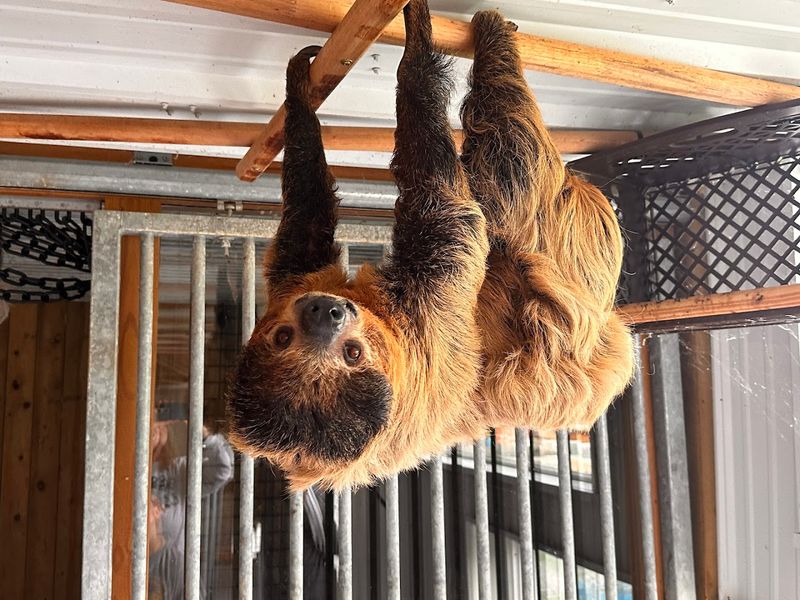
Nothing here feels anonymous. Animal ambassadors have names, backstories, and rooms that read like tidy studios with climbing lines and thoughtful corners. During presentations, educators balance humor with science, and you learn how enrichment looks on a Tuesday, not just a festival day.
The nonprofit roots show in the mission, centered on rescue, education, and long term care. Ann Arbor’s academic gravity adds context without pretension.
Weekends fill fast, so reserve for public programs or small group sessions, then leave space for quiet observation afterward. The most surprising moments often arrive when a sloth blinks with deliberate timing and the room edits its volume to match, like a classroom that remembers every good question.
10. Howell Nature Center Wild Wonders Wildlife Park, Howell
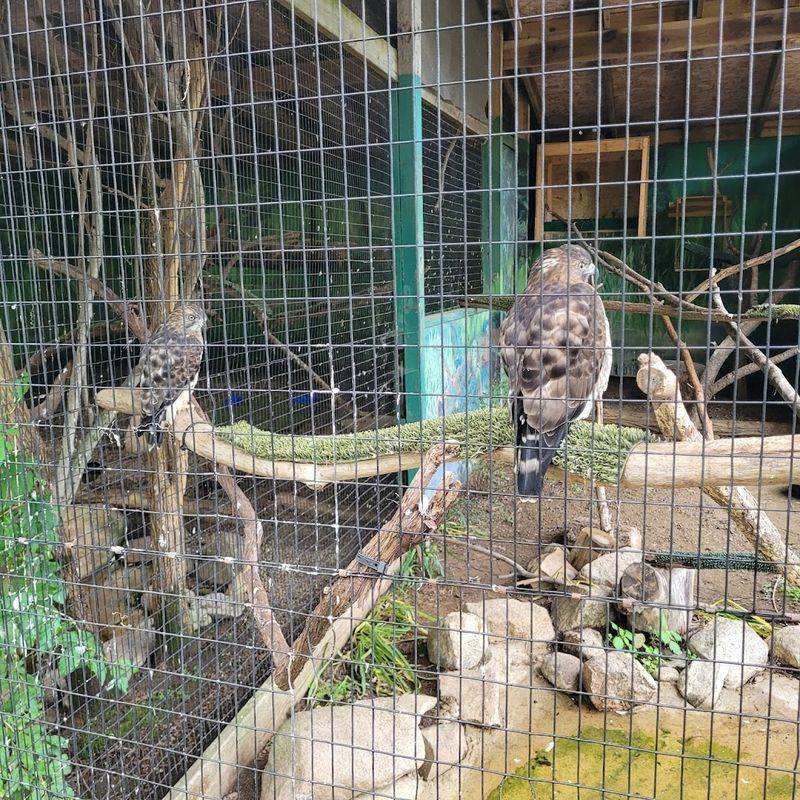
Trails lace through oaks and pines, and the wildlife park reveals itself in quiet chapters. Red tailed hawks watch from shaded perches, foxes thread along logs, and signage favors clarity about rehabilitation over heroics.
The setting reads more sanctuary than spectacle, with ponds reflecting weather and patient stewardship. As part of a broader nature center, Wild Wonders highlights permanent residents that cannot return to the wild. Staff and volunteers lean into teaching moments shaped by Michigan seasons.
I followed a short raptor talk, then slipped to a boardwalk where frogs wrote punctuation on the water. Wear shoes you do not mind getting a little muddy, and leave time for the treehouse and zip line if traveling with kids.
11. Wilderness Trails Zoo, Birch Run
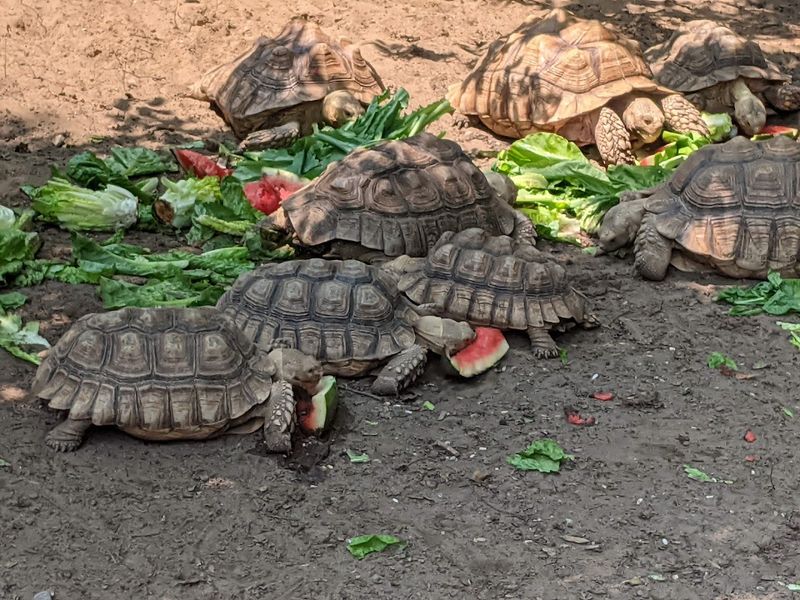
The path moves like a story, a mile of dappled sun guiding you past mixed species habitats. Rustic signs and simple overlooks keep attention on animals rather than architecture. Peacocks step through picnic light with the ease of locals who know all the shortcuts.
Privately operated since the 1990s, the zoo pairs approachable exhibits with a walk that never quite loses the feeling of backyard woods.
Expect a little dust and a lot of bird calls. Plan for water and bug spray in warm months, and pace yourself so the return leg still feels curious. If you prefer crowds thin, slide in after lunch when outlet shoppers return to Birch Run’s main drag.
12. Critchlow Alligator Sanctuary, Athens
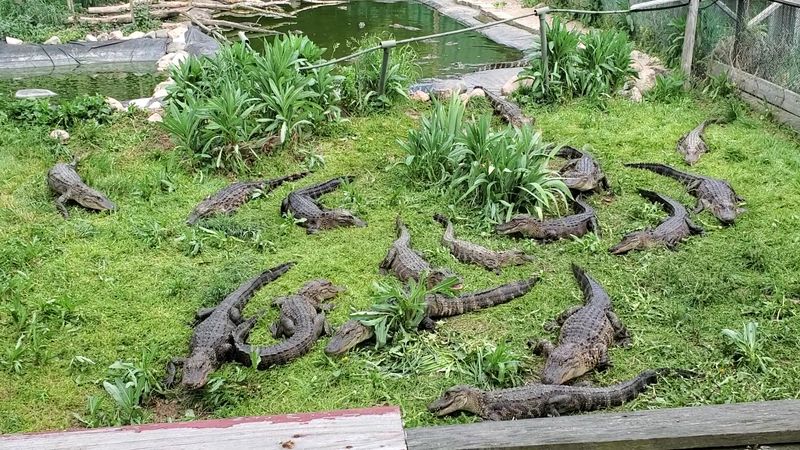
Humidity greets you like a greenhouse that learned to rumble. Rescued alligators bask on platforms, eyelids resting at half mast, while heaters hum a Florida tune in rural Michigan. The water’s surface keeps still until a casual slide turns it into a mirror losing patience.
This sanctuary specializes in taking in unwanted or confiscated reptiles, emphasizing safety and steady care. Talks focus on responsibility more than bravado.
Visit earlier in the day for active warming swims, and watch your lenses fog as a souvenir of microclimate reality. I lingered by a quiet pond and felt time slow, the way it does when a large animal reminds you that stillness can be choreography.
13. Roscommon Zoo, Roscommon
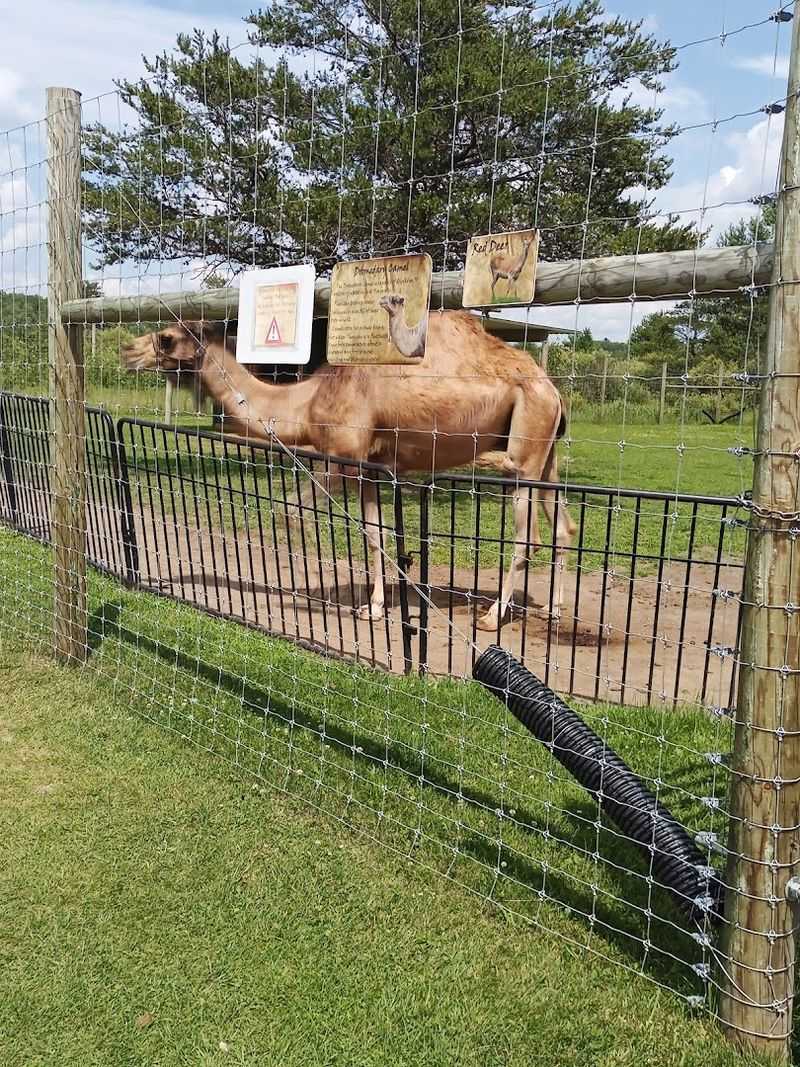
Country roads deliver you to a family run pocket of animals and shade. Kangaroos bounce a beat behind your expectations, while camels practice the slow art of eyebrow communication. The petting area trades polish for sincerity, and the gravel underfoot narrates every step.
Small operations like this lean on seasonal rhythms and hands on care. Staff share husbandry notes with the tone of neighbors lending tools.
Bring cash as a backup, check hours before you go, and expect the kind of visit where conversation turns into guidance. I left with dust on my shoes and two or three new facts about everyday feed routines, which felt like exactly the right souvenir.
14. Oswald’s Bear Ranch, Newberry
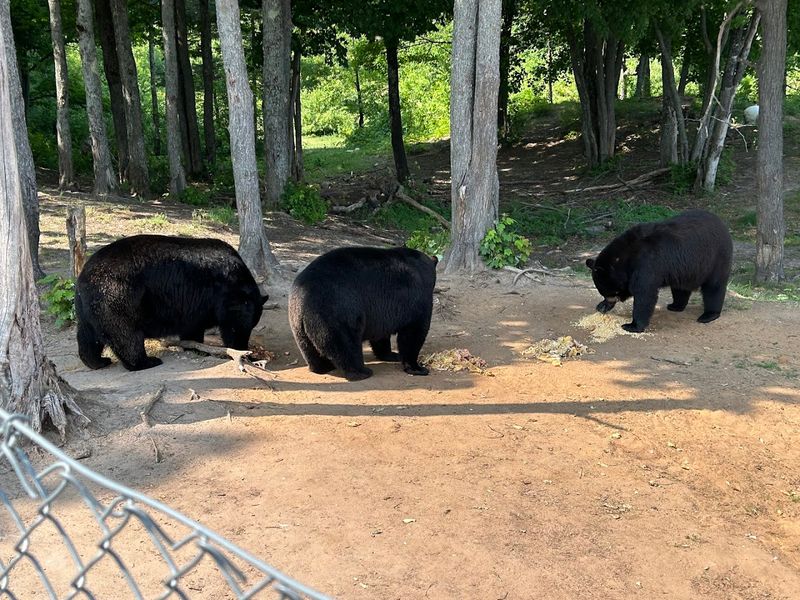
Pines hold the wind like a choir at Oswald’s Bear Ranch, and the viewing platforms turn your stride into quiet surveillance. Black bears move with deliberate softness, paws writing careful cursive across packed earth. The scale is larger than expected, a series of forested enclosures stitched by gravel.
This Upper Peninsula stop centers on rescued or relocated bears, with decades of growth shaped by regional tourism. Information boards address diet and seasonal habits in plain language.
Arrive early on hot days when activity peaks, and keep voices low on platforms to let the woodpeckers and the bears do the talking. The drive from Tahquamenon adds a scenic prelude of ferns and river bends.
15. Lewis Adventure Farm & Zoo, New Era
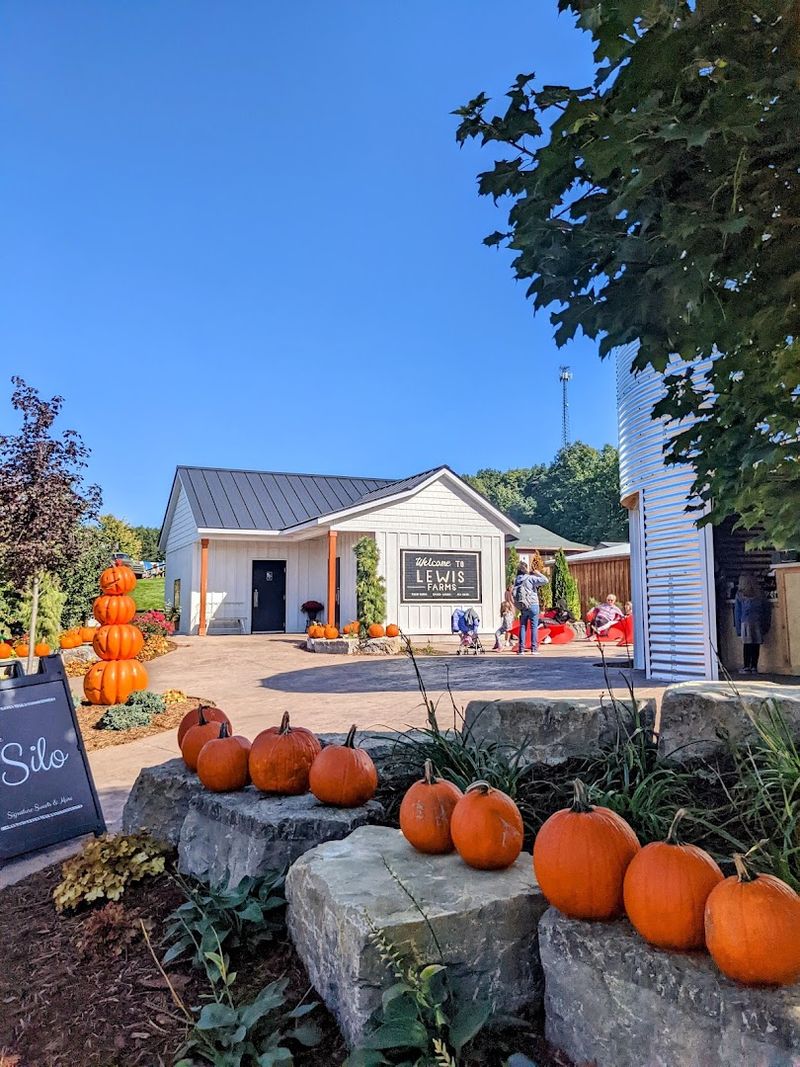
Color blocks of fruit, sunflowers, and bright signage make this place feel like a cheerful storyboard. Camels yawn like comedians, while kangaroos pace the fence line with measured curiosity. The farm layers rides and games between animal meetups so energy can crest and fall naturally.
New Era’s agricultural roots shape the seasons here, with u pick moments that crown summer and fall festivals that smell like cider arithmetic.
Staff skim between zoo and orchard with the efficiency of harvest crews. Plan a weekday visit for shorter lines, and save a bag for donuts on the way out. I left with dusty boots, a phone full of camel close ups, and exactly one excellent apple.
16. Binder Park Zoo Wild Africa Giraffe Feeding Tip, Battle Creek
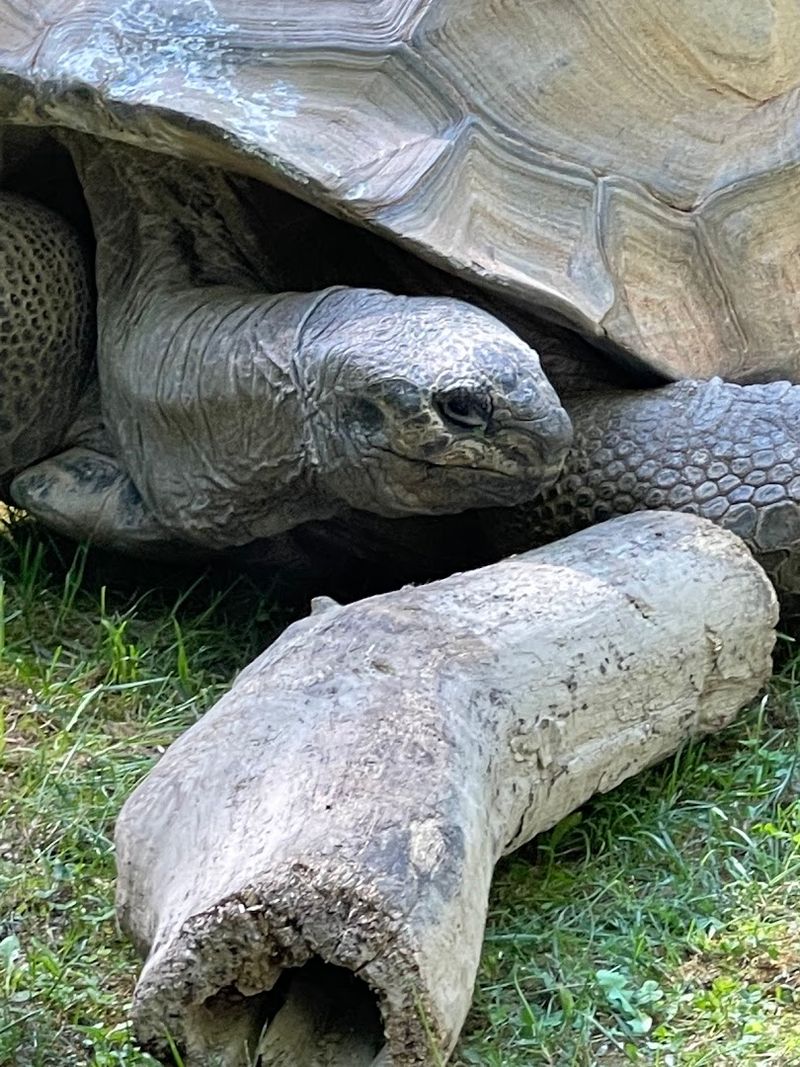
The giraffe platform sits at shoulder height with the savanna, a simple piece of design that rewrites perspective. Lettuce becomes currency, and careful hands learn to wait for that lavender ribbon of a tongue.
Nearby, the village storefronts echo an African streetscape without stealing attention from the animals. Binder Park’s decades of expansion prioritized long sightlines and calm staging. The feeding itself is brief, but the pause afterward is the real gift.
Buy feed early, store it out of the sun, and step aside between nibbles to let other visitors rotate through. I watched shadows lengthen on the boardwalk and realized the day had decided to slow for me.