
This Small But Stunning Michigan Beach Still Flies Under The Radar
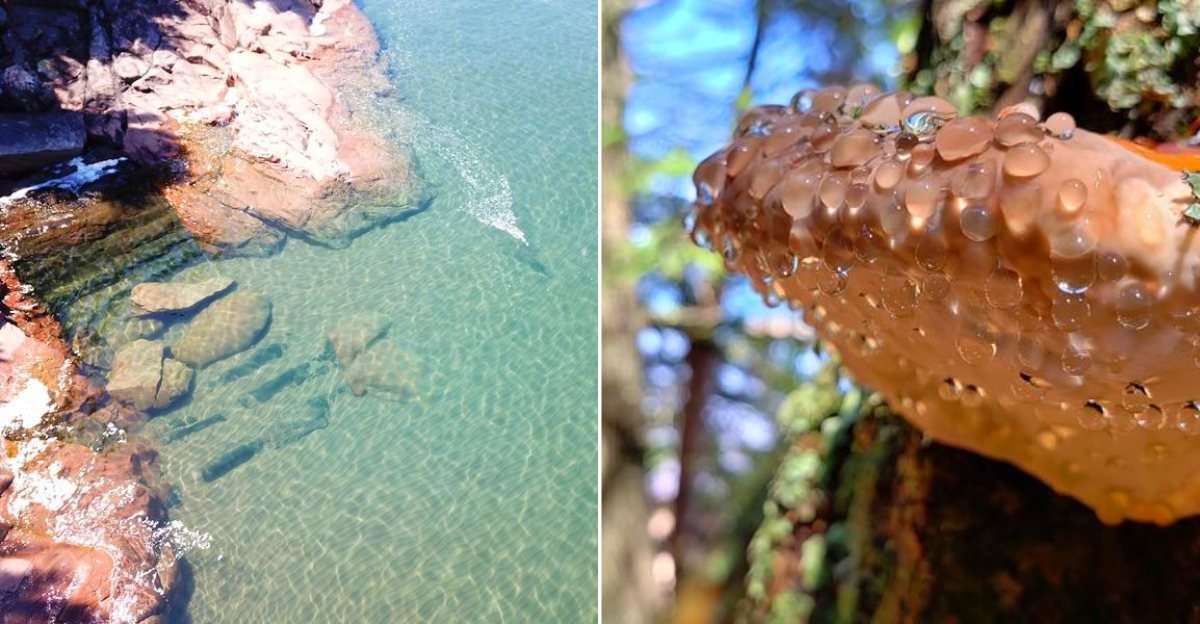
On the northern edge of Marquette, I’ve found that the best invitations are often the ones written on modest, weather-beaten signs.
There is a specific sandy pull-off that hints at a shoreline locals treasure with a quiet, protective pride, the kind of beach that stays pristine because visitors tend to race right past it. When you step out of the car, Lake Superior meets you with water so clear and cold it feels like a literal reset for the soul.
I love the way the pines here lean desperately into the wind, shadowing a trail that whispers along the bluff before finally slipping down to a curve of pale, secluded sand pinned between dramatic rocky points.
This hidden Marquette beach offers the ultimate Lake Superior escape with scenic hiking trails, crystal-clear swimming, and peaceful northern Michigan sunsets. You really have to approach this spot with curiosity rather than a checklist.
First Glimpse From County Road 550
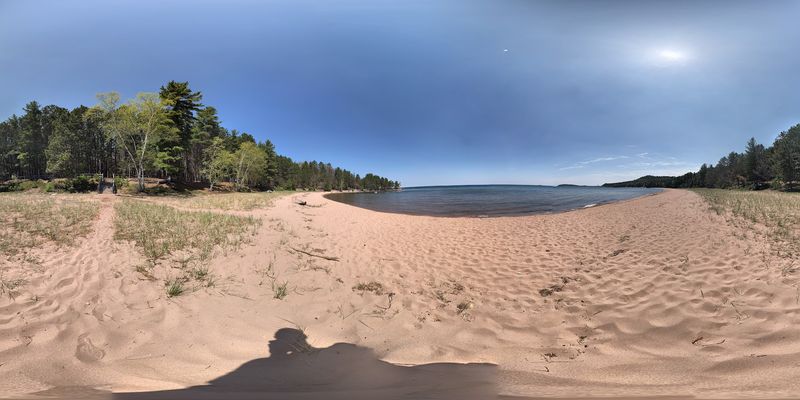
The approach is simple, almost shy. A small gravel lot breaks from County Road 550, and a sandy footpath slides through jack pines and blueberry scrub. Lake Superior announces itself before it appears, with that bright metallic hiss and a breath of cold air that feels a degree truer than inland breeze.
The first view is a shallow bowl of shoreline, guarded by rock on either side, horizon squared and clean. Even before you reach the water, the landscape has already started editing your pace and pulling your attention outward.
History tucks in quietly here. The North Country Trail threads above the beach, using old travel lines that predate pavement. Trust your pace. This is not a sprinted stop but a steady arrival that rewards unhurried eyes and small, exact choices about where to stand.
Stay long enough for the sound of the waves to separate into layers, because that slow noticing is part of what makes the place land so deeply.
Rugged Shores And Ancient Pines
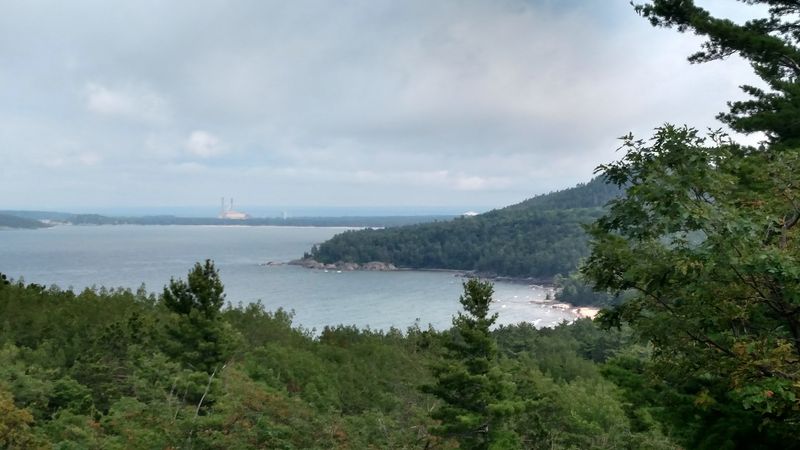
Reaching Wetmore Landing at Marquette, Michigan 49855 requires a short, scenic drive north from downtown Marquette along State Highway M-550. The trailhead is clearly marked and serves as a gateway to one of the most picturesque stretches of the Lake Superior shoreline.
The walk from the trailhead to the beach is a manageable trek through a dense forest of hemlock and pine. The path is part of the larger North Country Trail system, offering well-maintained footpaths that eventually open up to dramatic views of the rocky coast.
Once you hit the shoreline, the landscape transforms into a stunning mix of smooth sandstone cliffs and hidden pocket beaches. This area is perfect for those who want to witness the raw power of the Great Lakes without a grueling expedition.
Whether you’re navigating the shoreline rocks or sitting by the water, the landing offers a quintessential Upper Peninsula experience.
The Short Approach Trail
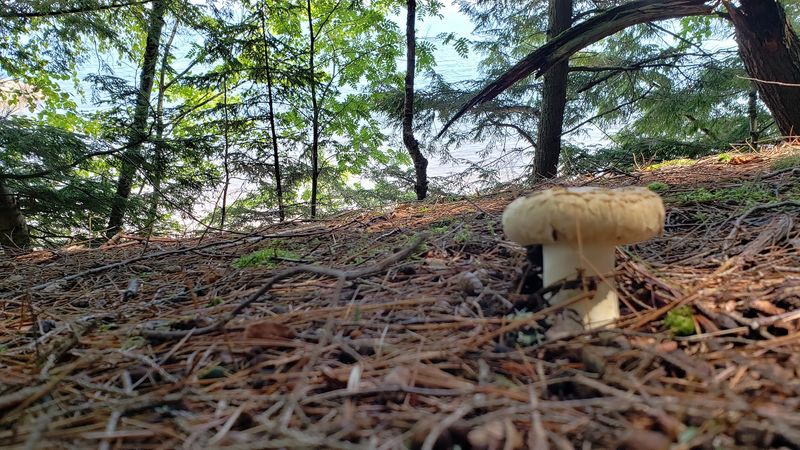
The walk in is modest but engaging, with roots stitched across sandy soil and occasional wooden steps holding the slope. Jack pines draft cool shade, and low blueberry plants edge the path in dusty greens. Birdsong carries from the interior forest to the open shore, a gradual swap from warbler chatter to wave rhythm. It feels like a handshake, firm but not showy.
Look for spur paths that pop to bluff overlooks. Stay on durable surfaces to protect the thin soils. I like pausing where the trees part just enough to frame Superior like a stage. That pause turns the final descent into a small ceremony, a moment that resets your sense of scale before toes meet sand.
North Country Trail Connection
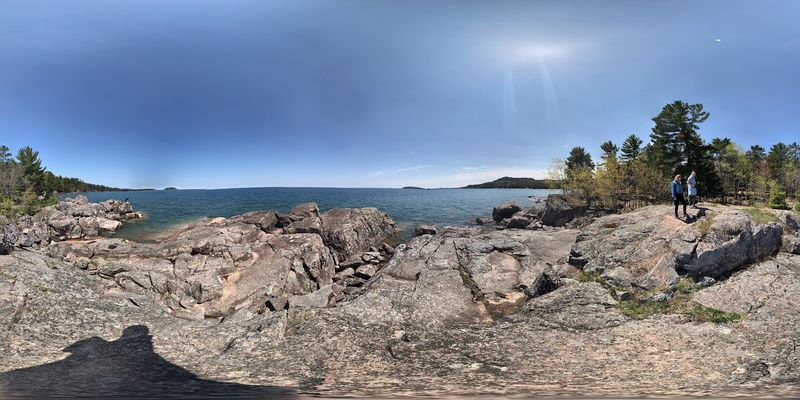
High above the beach, the North Country National Scenic Trail skims the bluff with occasional blue blazes winking from birch and pine. This segment moves with the shoreline’s logic, bending around coves and tucking behind windbreaks.
Views open and close like a slow camera shutter. Hikers pass with quiet nods, sharing that small, satisfied look of people who found a good line.
History rides every footstep.
The route echoes older travel corridors used long before paint marked trees. For a sampler, walk north toward Little Presque Isle, then loop back on beach. Bring water, respect crumbly edges, and keep dogs leashed. The reward is a threaded day, stitched between forest and lake without losing the seam.
Little Presque Isle In The Distance
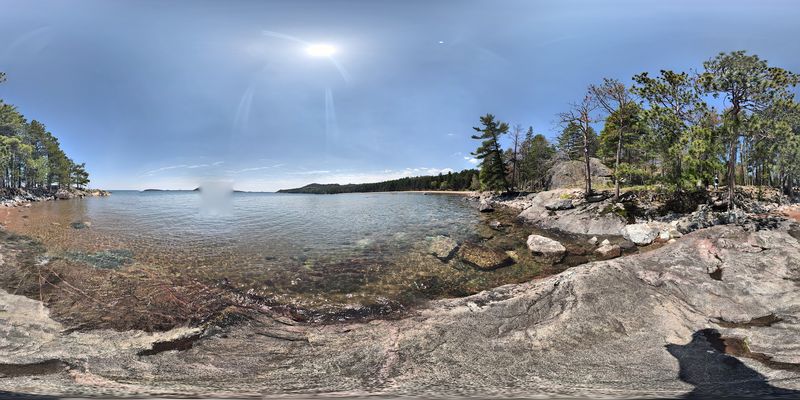
From the middle of the cove, look north and the profile of Little Presque Isle settles into view, a modest hump of green ringed by rock. Light plays tricks here, sliding the island closer or farther depending on sky mood. It is not a destination from this beach, but a companion shape that steadies the horizon.
Waves curl around the points like punctuation. The longer you watch, the more the island seems to organize the whole view without ever demanding attention.
On still mornings, reflections sharpen and the island reads like a charcoal drawing. I like using it as a weather gauge. If its edges blur, wind is rising and a rougher hour may be coming. Keep cameras ready but minds steadier.
The picture matters, yet the patient look is what stays.
That calm act of noticing often becomes the real memory, more durable than any single frame you carry home.
Quiet Hours And Crowd Patterns
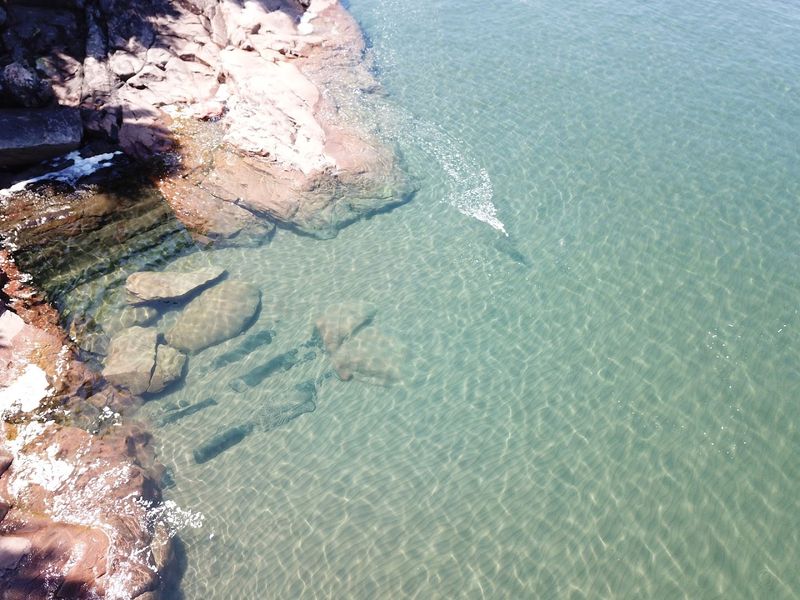
Dawn here feels like a held note. Gulls sketch the air, and the first footprints are often your own. Weekdays lean calmer than weekends, and shoulder seasons multiply the quiet. When college terms shift in Marquette, the rhythm changes again, tilting in favor of late afternoon walks.
Sound travels far on cold air, so even a few conversations can feel bigger than they are. To keep the hush intact, choose soft voices and tuck gear close. Leave only prints, gather only memories, and pack out everything.
Those simple courtesies keep this place small in the best way, even when the calendar says busy. The reward is room to listen, which is rarer than a wide beach these days.
Weather And Lake Superior Mood
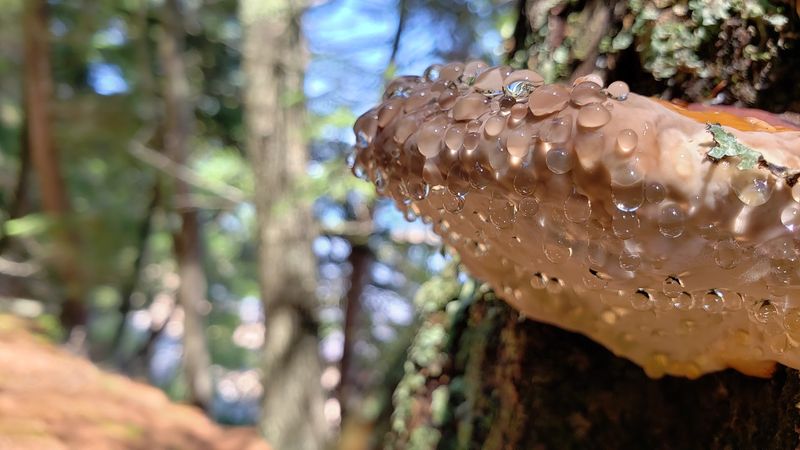
Superior writes in capitals and whispers, often within the same hour. A calm sheet can crumple into whitecaps when a north wind drops its shoulder. Clouds here move like time-lapse, peeling open sudden sunbeams that light the sand from underneath.
The water stays cold, even in July, honest to its latitude and depth. That chill is part of the charm, a reset for wandering thoughts. It keeps the shoreline alert, as if comfort here must always make room for respect.
Check marine forecasts before swimming and watch flags on passing bikes or backpacks for wind hints. Keep an extra layer in your bag. I learned that lesson after a blue sky turned slate in ten minutes.
The beach remained beautiful, just sharper. Flex your plan, and the day will still land well. A thermos, dry socks, and a slower pace can make the difference between getting pushed out early and settling fully into the place.
Winter And Shoulder Season Magic
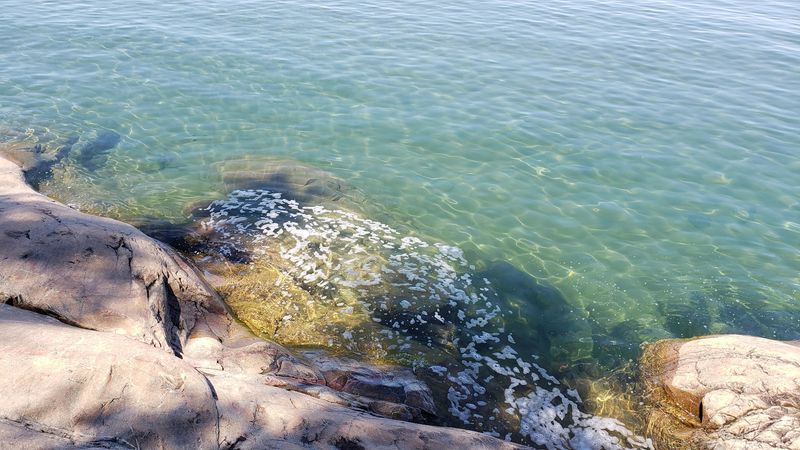
When crowds thin, the textures multiply. October paints the hillside trees beyond the beach, and the lake tosses brighter blues under a lower sun. In late winter, shore ice sometimes stacks into delicate plates that chime when waves shift them.
Spring brings smoky snowmelt smells, plus drifting sand lines you do not see in July. Light comes slantwise, sharpening small details.
For traction on icy mornings, wear microspikes and mind the bluffs. Keep a thermos in the car and extra socks in the pack. The reward is solitude that feels earned rather than found. Cold amplifies sound, so the wave note changes.
Walk anyway. You may spot northern lights on the drive home.
Rock Forms And Subtle Geology
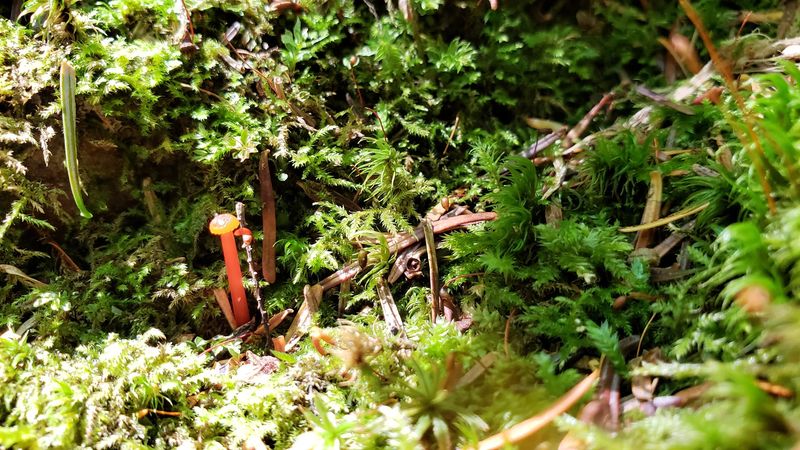
Rocks at the points hold stories without shouting them. Weathered ledges show soft bedding lines and pockets where freeze thaw carved bowls. Beach stones skew small and well rounded, a testament to patient waves.
Lichens stencil gray greens on sunlit faces, tiny maps within the larger map. Everything here seems edited, nothing extra. Step carefully on wet rock, which turns surprisingly slick. Avoid cliff edges and respect closures.
I keep a pocket lens for a closer look at lichen islands and copper tinted grains.
That micro view changes the way the whole cove reads, like noticing brushstrokes in a painting. Geology guides the shoreline’s shape, and your route should read that guidance kindly.
Wildlife And Plant Notes
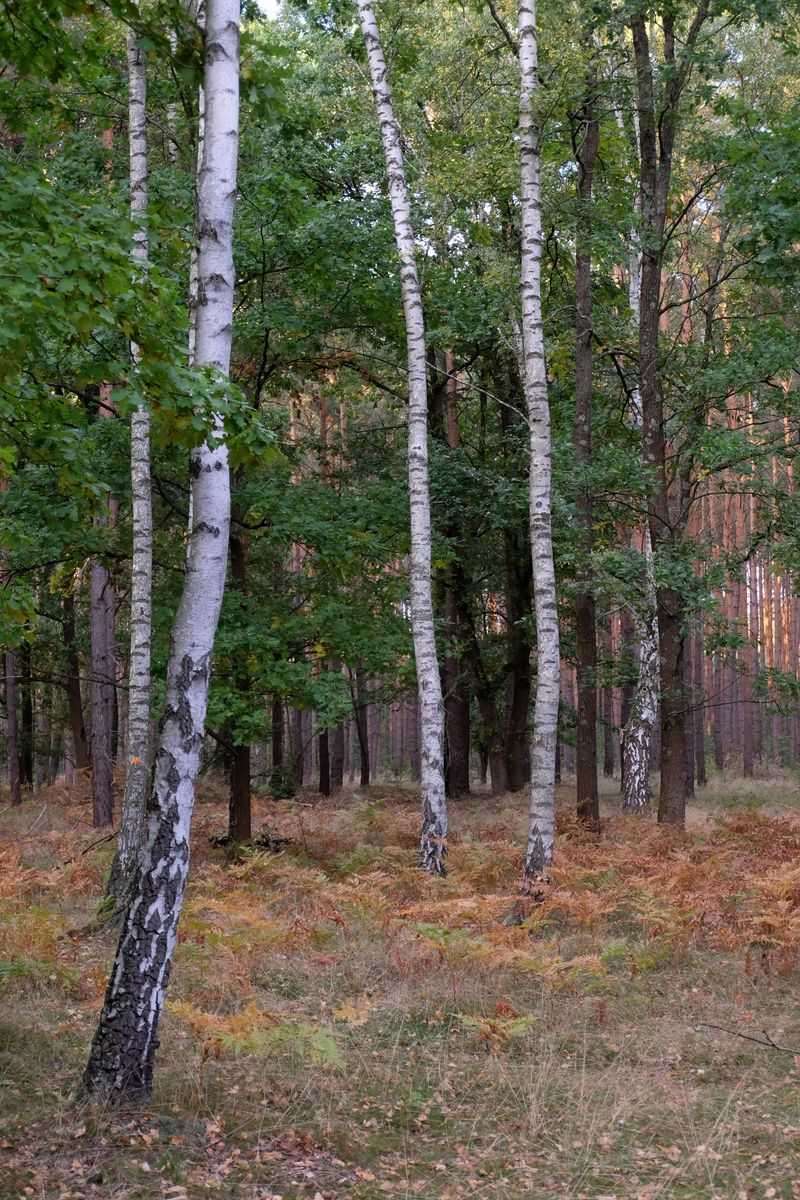
Jack pines and birch frame the approach, with beach grass stitching the back line of sand. You may hear white throated sparrows or catch a raven skating the wind above the bluff. On quiet mornings, deer prints score the damp sand, heading toward cover before traffic rises.
Insect life spikes in early summer, including biting flies on certain wind days, which is worth timing around. Even small shifts in weather seem to ripple through everything here, from sound to scent to the way the dunes hold movement.
Keep dogs leashed to protect ground nests and keep everyone relaxed. Learn to read plant signals. When beach grass bows hard, bring extra layers and shorten your swim.
I carry a small field guide and close it more often than not. Curiosity improves the walk without turning it into homework. The best version of this visit comes from paying attention lightly, letting the landscape teach you without insisting that every detail become a lesson.