
This Grand Arkansas Home Is A Victorian Masterpiece Fit For An Empress
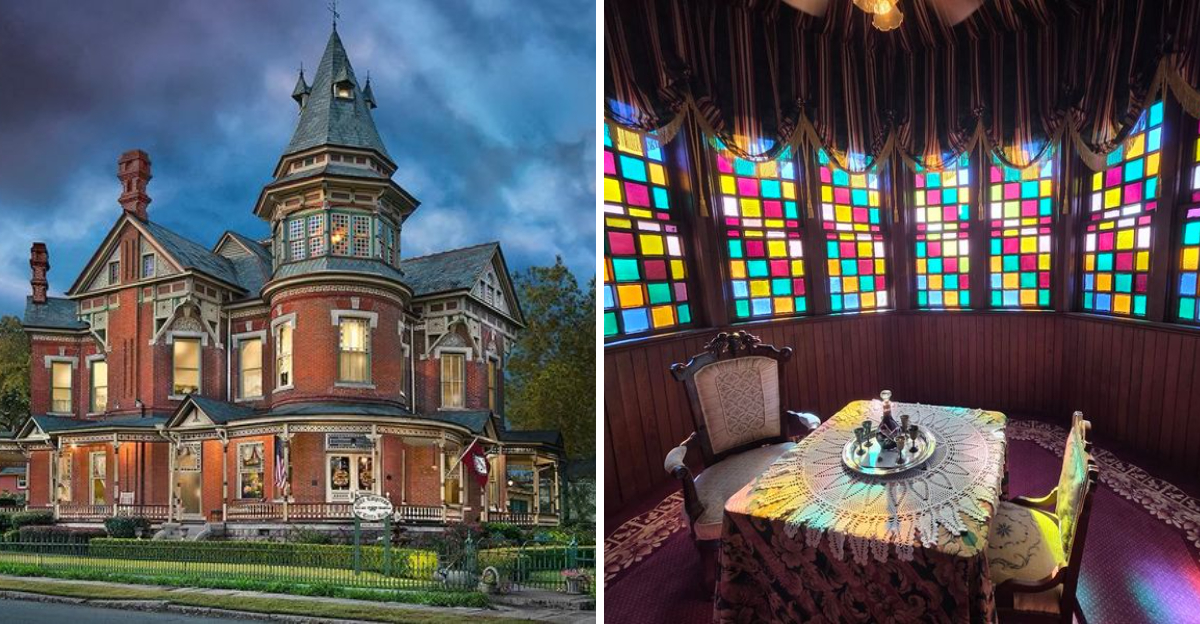
You are halfway down the street when it catches your eye. Then you stop.
Really stop. This Victorian mansion, standing proudly in Arkansas, has been doing that to people since 1888.
The roofline rises with dramatic flair, full of intricate detail that feels impossible to ignore. Then the rest of the house starts to speak.
Rich textures, layered design, and craftsmanship that rewards every second you spend looking. Nothing fades into the background here.
Every piece contributes to the overall presence. It is easy to imagine the past still lingering, shaping the atmosphere in subtle ways.
The longer you look, the more it reveals. That is what makes it so compelling.
Keep going, because fascinating details bring this remarkable home into full focus, drawing you deeper into its story with every glance.
Architectural Details Shape A Bold Historic Presence
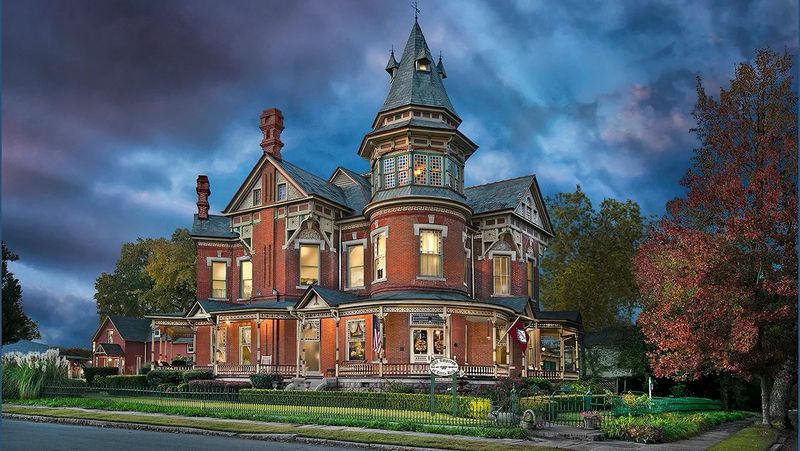
Before you even reach the front gate, the turret stops you cold. Rising three and a half stories into the Arkansas sky, this dramatic corner tower is a defining feature of a standout Victorian home in the region.
Built in 1888, the mansion was designed in the Queen Anne style, which was known for its playful rooflines, asymmetrical shapes, and bold decorative details. The turret captures all of that energy in one vertical statement, pulling the eye upward and making the whole structure feel almost theatrical.
Architects of the Gilded Age used towers like this one to signal status, ambition, and artistic confidence. This particular tower does all three with total ease.
The octagonal rooms tucked inside add another layer of surprise, because the unusual shape creates a sense of discovery that flat-walled rooms simply cannot match.
Standing outside and looking up at the full silhouette, you get the feeling that the building was designed to inspire wonder from the very first glance. The address that anchors all of this history is The Empress of Little Rock at 2120 S Louisiana St, Little Rock, AR 72206.
Hand Carved Millwork Reveals Gilded Age Craftsmanship
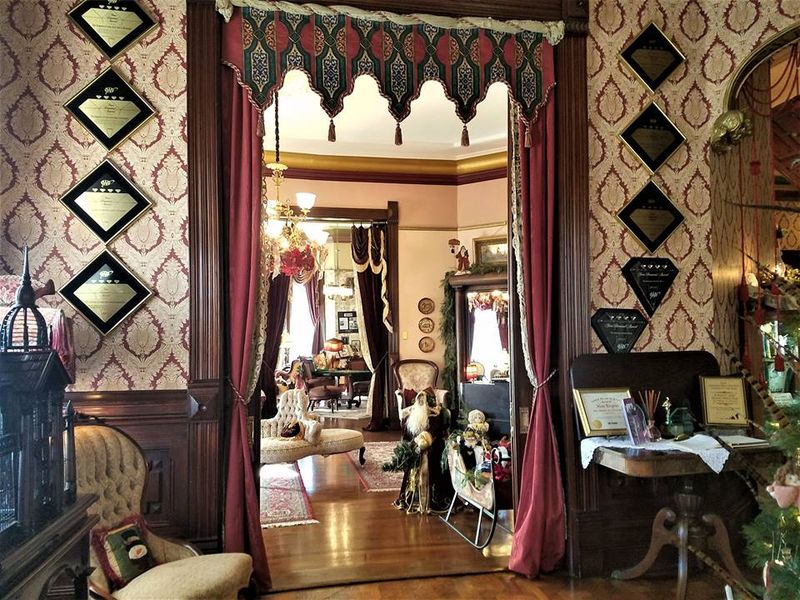
Run your hand along any doorframe inside this mansion and you quickly realize you are touching something made with extraordinary patience. The hand-carved millwork throughout the home is a direct window into the skills and values of late 19th-century craftsmen who treated woodworking as a serious art form.
Every banister spindle, every decorative bracket, and every carved panel reflects detailing that was largely shaped by hand using traditional tools of the time. That means the repeating floral patterns, the layered moldings, and the precisely cut corner details were all produced through hours of careful, deliberate work by skilled artisans.
James H. Hornibrook, the Canadian saloon keeper who commissioned the mansion in 1888, clearly wanted his home to project refinement and ambition.
The millwork delivers on both counts, giving every room a sense of depth and texture that painted walls alone could never provide.
Guests who take time to notice these details often describe the experience as humbling, because the level of care invested in even the smallest decorative element is genuinely hard to comprehend from a modern perspective where speed usually wins over artistry.
Stained Glass Panels Scatter Jewel Toned Light
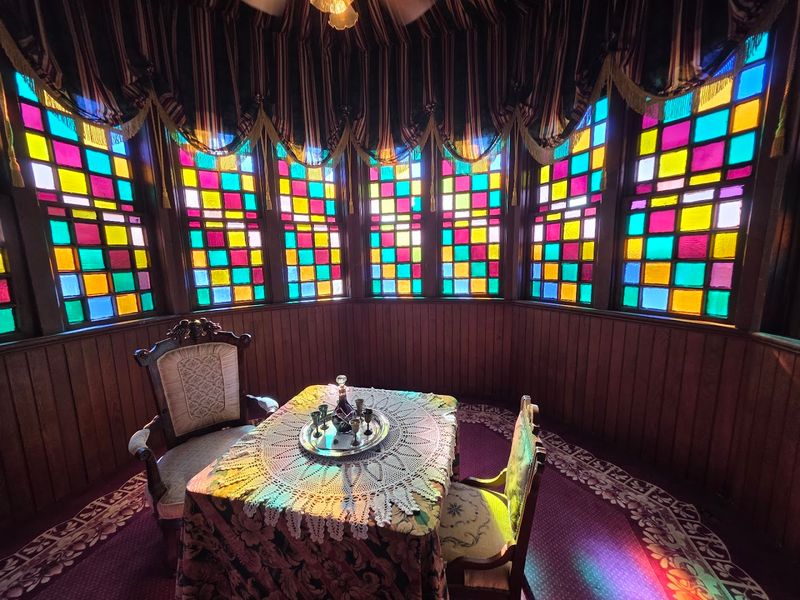
Certain moments inside this mansion feel almost cinematic, and the stained glass is largely responsible for that effect. When afternoon sunlight pushes through the jewel-toned panels, the floors and walls come alive with shifting pools of amber, ruby, sapphire, and emerald that move as the sun tracks across the sky.
The mansion features a stained-glass skylight that is particularly striking, flooding the upper stairwell with color from above in a way that feels both dramatic and surprisingly peaceful. Victorian designers used stained glass not just for beauty but also to filter harsh sunlight into something warmer and more flattering inside the home.
Each panel was crafted using techniques that date back centuries, with individual pieces of colored glass cut and joined with lead came to create patterns that hold together under the pressure of time and weather. The fact that these panels have survived well over a hundred years speaks to both the quality of their original construction and the care taken during the 1994 restoration.
Photographers and design enthusiasts consistently name the stained glass among the most memorable features of the property, and it is easy to understand why once you have stood in that colored light yourself.
Wraparound Veranda Invites Slow Southern Evenings
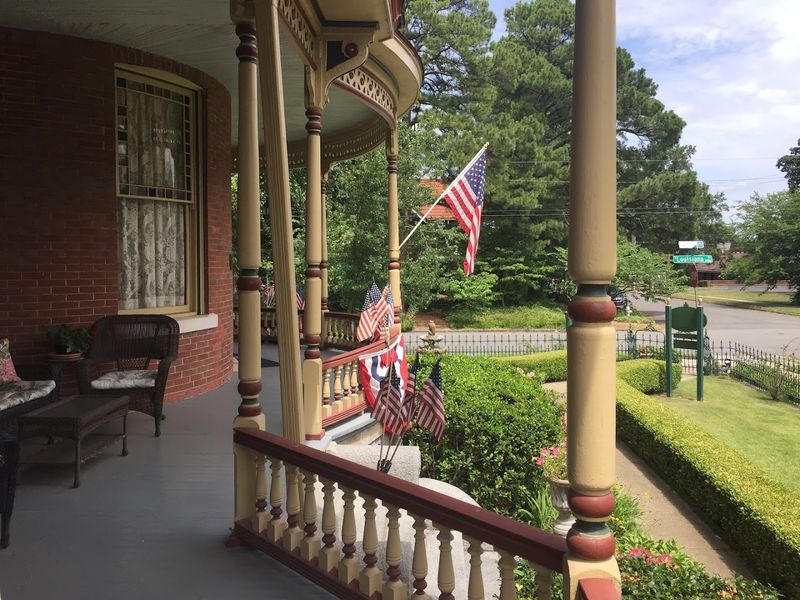
There is a particular kind of pleasure that comes from sitting on a wide porch when the air is warm and the neighborhood is quiet, and this veranda delivers that experience in full. The wraparound design means there is always a shaded spot to claim, no matter where the sun happens to be sitting.
Guests at this bed and breakfast often describe enjoying breakfast on the front porch as one of the highlights of their stay, and that tracks completely. A well-prepared meal, a cup of coffee, and an unobstructed view of a beautifully maintained Victorian garden create a combination that is hard to beat on any morning.
The veranda also serves as a social hub where guests naturally drift together, trading travel stories and soaking up the atmosphere of the historic Quapaw Quarter neighborhood. Victorian homeowners built these wide porches intentionally, understanding that a home with generous outdoor living space communicates hospitality before anyone even knocks on the door.
Evening hours bring a softer, more reflective mood, with warm light spilling from the parlor windows and creating exactly the kind of scene that makes you want to stay one more night.
Soaring Ceilings Crown Intricately Plastered Rooms
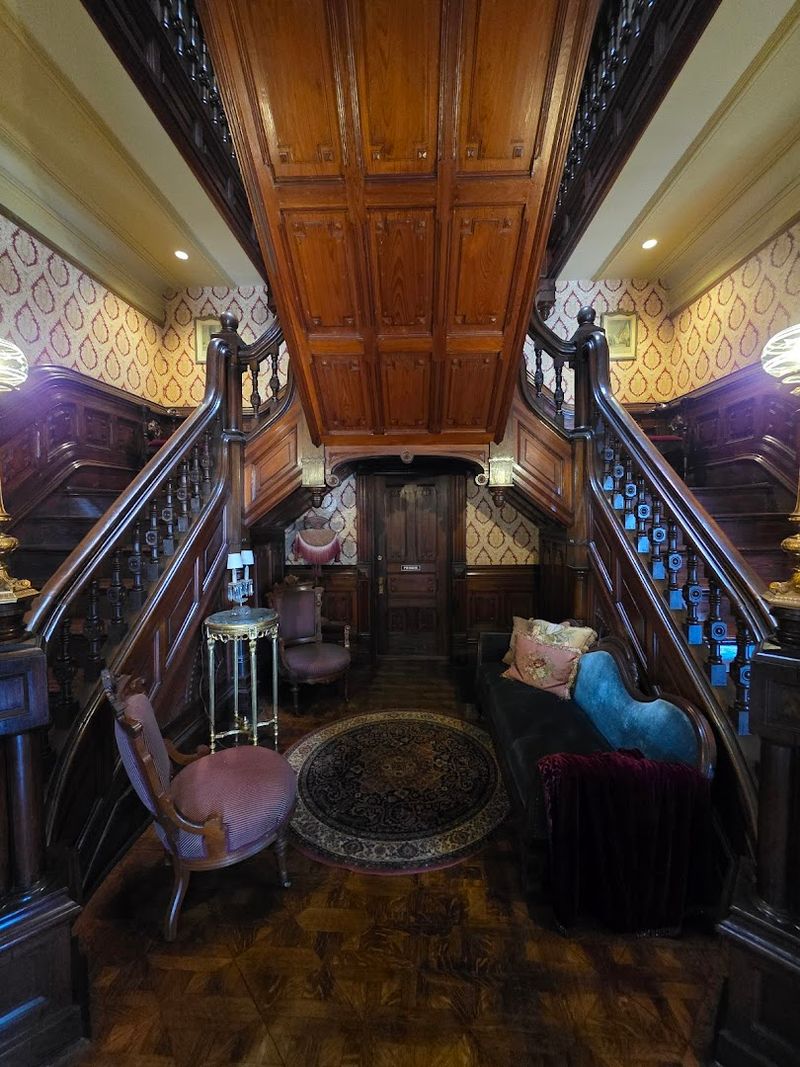
Entering a room with a ceiling that seems to keep going creates a physical experience, not just a visual one. The soaring ceilings throughout this mansion create a sense of openness and grandeur that immediately signals you are somewhere special, somewhere built by people who believed that space itself was a form of luxury.
Victorian plasterwork was a highly specialized trade, and the intricate ceiling medallions, detailed cornices, and layered crown moldings found throughout this home represent the upper tier of that craft. Skilled plasterers would build up these designs in stages, working with wet material that had to be shaped quickly and accurately before it hardened.
The height of the ceilings also serves a practical historical purpose, because taller rooms allowed hot air to rise away from the living areas during warm Southern summers, making the home more comfortable long before air conditioning existed. That clever design logic is now just a bonus, since the mansion has been fully updated with modern climate control.
Restored carefully during the 1994 renovation, these plastered surfaces retain their original character while aligning with the expectations of a carefully maintained historic property that continues to welcome modern guests.
Formal Parlor Showcases Period Fireplaces And Mantels
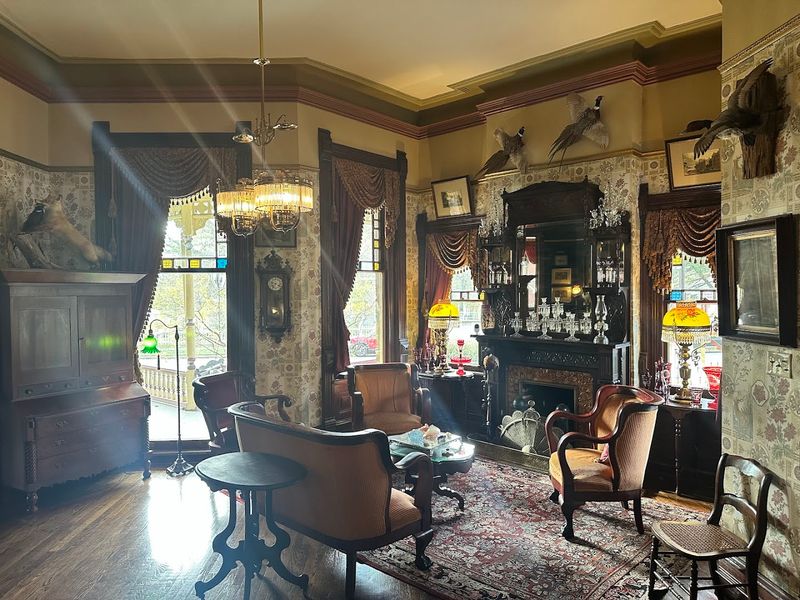
Few spaces in a Victorian home carry as much social weight as the formal parlor, and this one earns every bit of that reputation. The room is anchored by a period fireplace with an elaborately carved mantel that draws the eye immediately, framing the hearth the way a museum frame sets off a painting.
In the 19th century, the parlor was where families received guests, held formal conversations, and demonstrated their taste and standing in the community. Every object in the room, from the upholstered furniture to the decorative accessories on the mantel shelf, was chosen to communicate refinement and cultural awareness.
One guest described spending hours in the drawing room simply talking and learning about the home’s history, and that reaction makes perfect sense in a space this carefully considered. The fireplace provides both a visual focal point and a genuine source of warmth that shifts the atmosphere from elegant to intimate the moment it is lit.
The mantels found throughout the mansion vary in design and detail, reflecting the Victorian love of layering different ornamental vocabularies across different rooms so that each space feels distinct while still contributing to the overall coherence of the home.
Grand Staircase Curves Beneath A Towering Foyer
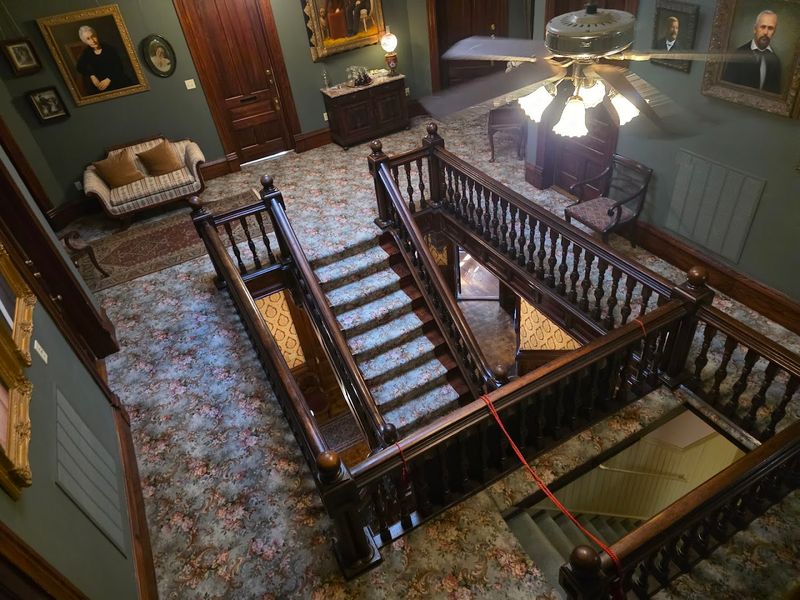
The moment you step through the front door, the staircase immediately draws attention. This distinctive stairway is one of the architectural signatures of the mansion, rising through the towering foyer with a sense of balance and elegance that makes first impressions stick.
Divided staircases were considered the height of residential sophistication during the Victorian era, appearing in the grandest homes of the period as a way of turning the simple act of going upstairs into a small ceremony. The design also allowed for better traffic flow during large social gatherings, which the original owner clearly anticipated when he commissioned this home in 1888.
The wooden banisters and turned newel posts that line the staircase are part of the same hand-crafted millwork tradition found throughout the rest of the mansion, maintaining a visual consistency that makes the whole interior feel like a single composed work rather than a collection of separate rooms.
Guests who have taken the owners up on their offer of a full house tour consistently single out this foyer moment as the point where the scale and ambition of the original design truly lands, because no photograph quite captures the feeling of standing beneath that ceiling and looking up.
Landscaped Grounds Frame A Regal Historic Presence
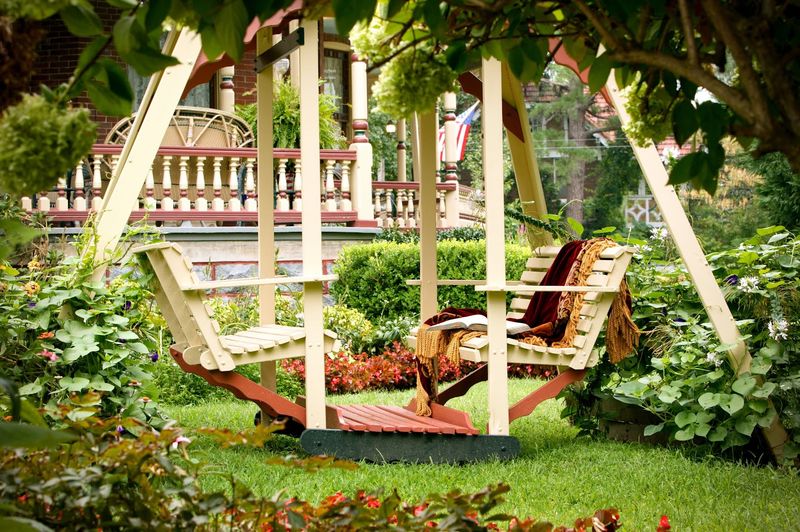
A mansion of this caliber deserves grounds that match its ambition, and the landscaping around this property holds up its end of the bargain with quiet authority. Mature trees, carefully tended garden beds, and a serene outdoor space combine to give the exterior a layered, composed quality that photographs beautifully from every angle.
The property sits in the historic Quapaw Quarter, a neighborhood that has retained much of its 19th-century residential character, making the surrounding streetscape a natural extension of the mansion’s own visual story. Approaching the home from the sidewalk feels like encountering something that has always been here, rooted and unhurried in the best possible way.
Certain accommodations on the property are pet-friendly, offering designated outdoor space where guests traveling with animals can relax comfortably. That practical detail is integrated thoughtfully without disrupting the overall aesthetic, reflecting the care behind the current management’s approach to hospitality.
One guest mentioned hoping to spend more quiet time in the gardens during a future visit, and that sentiment captures something real about what these grounds offer, which is not just visual appeal but a genuine invitation to slow down, breathe, and take in a remarkable historic setting.