
This Free Belle Isle Michigan Aquarium Is The Place To See Massive Great Lakes Sturgeon And Support Conservation
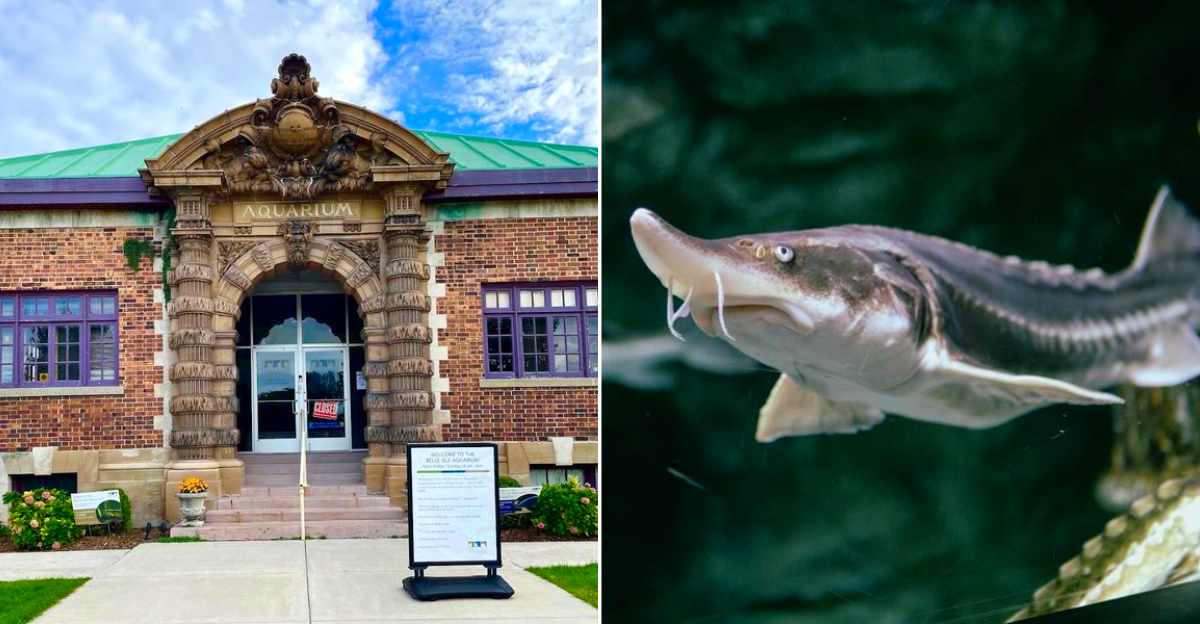
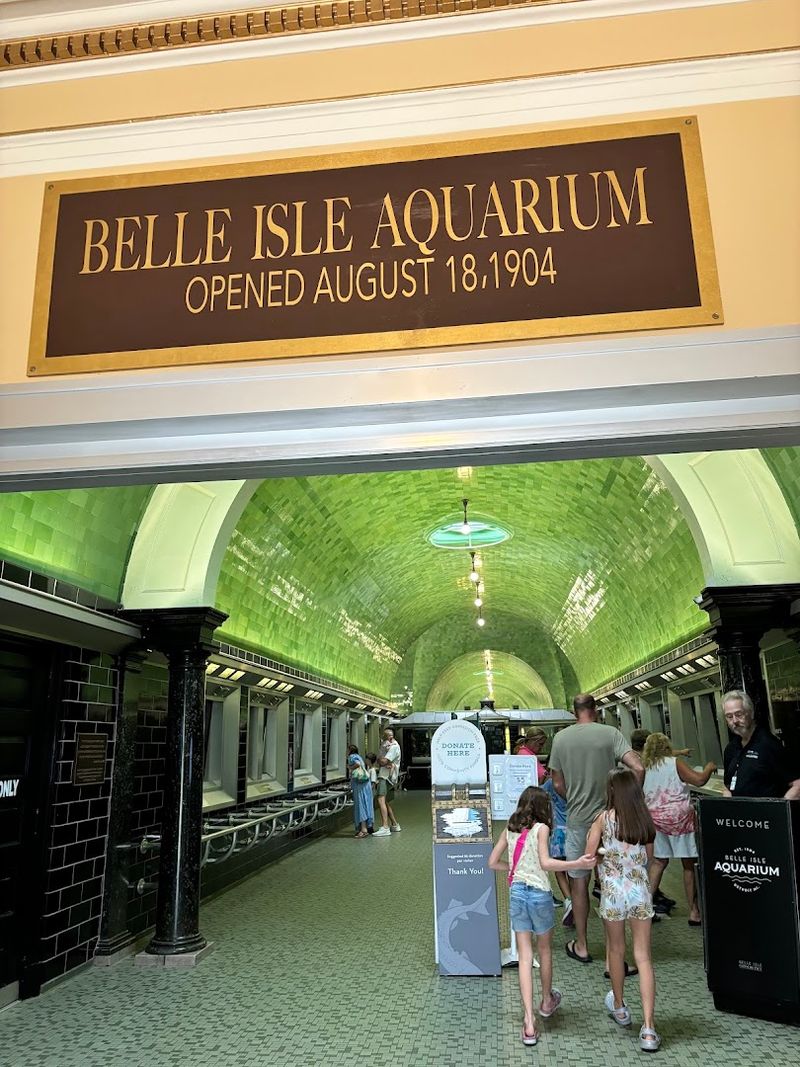
Step into this glass-domed sanctuary on the island and your entire world instantly turns a deep, moody lake-green, like you’ve slipped beneath the surface of the Detroit River without the hassle of getting wet.
I love the way the light hits those historic green glass tiles, it’s an architectural “hug” that makes you want to whisper, even when it’s busy.
While the free admission is a great hook, the real magnet for me is the tank of Great Lakes sturgeon. These fish are absolute units, ancient, armor-plated, and oddly elegant in a way that makes you feel like you’re staring at a living fossil.
The historic aquarium on Detroit’s Belle Isle offers a world-class look at Great Lakes conservation, featuring ancient lake sturgeon, rebuilt reef exhibits, and stunning 1904 architecture.
It’s a powerful reminder that our industrial river is also a nursery for giants. Bring a small donation for the conservancy if you can, but definitely bring a sense of wonder.
Start With The Sturgeon Exhibit
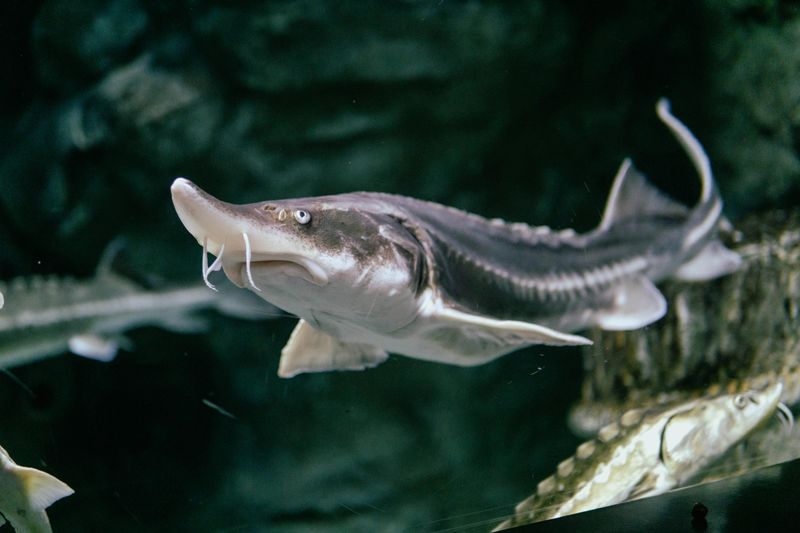
Begin where the giants glide. The lake sturgeon exhibit pairs live juveniles with a life-sized model, so scale lands immediately. These ancient Great Lakes fish can reach seven feet, live a century, and wear armored scutes.
Signage and soft current settings explain spawning needs and why Michigan lists them as threatened. Graphics note DNR reef work in the Detroit River, making conservation feel tangible.
Take a slow minute and watch snouts sweep the gravel like careful brooms. You will notice whisker-like barbels testing for food and bodies moving with surprising grace. Photograph the model for context, then meet the real youngsters. Keep elbows off the glass, give others space, and scan the QR codes for deeper science during your visit.
An Architectural Underwater Oasis
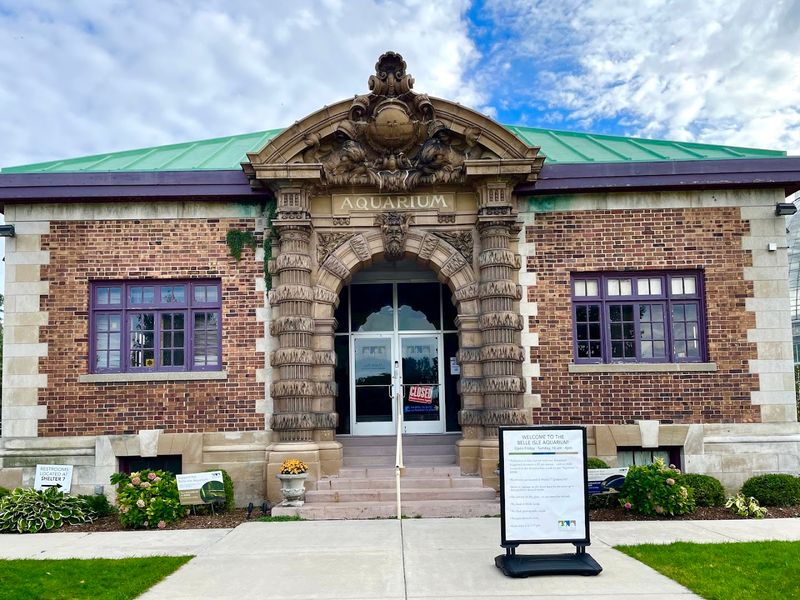
Reaching the Belle Isle Aquarium at 3 Inselruhe Ave, Detroit, MI 48207 involves a picturesque drive across the MacArthur Bridge onto the island park. Once you cross the Detroit River, follow the signs toward the heart of the island’s cultural center.
Walking through the entrance is like stepping into a submerged cathedral. Designed by the famed Albert Kahn, the interior is lined with shimmering green glass tiles that mimic the feel of being underwater.
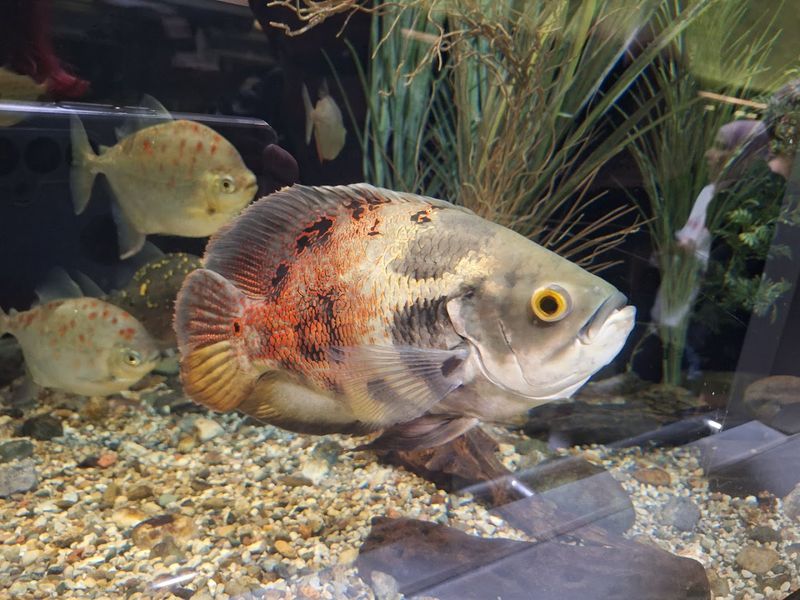
The gallery features dozens of tanks housing a diverse collection of fish from the Great Lakes and around the globe. As you stroll through the historic halls, you’ll encounter everything from local sturgeon to exotic freshwater species, all showcased within the oldest aquarium in the country.
Notice The Green Tile Ceiling
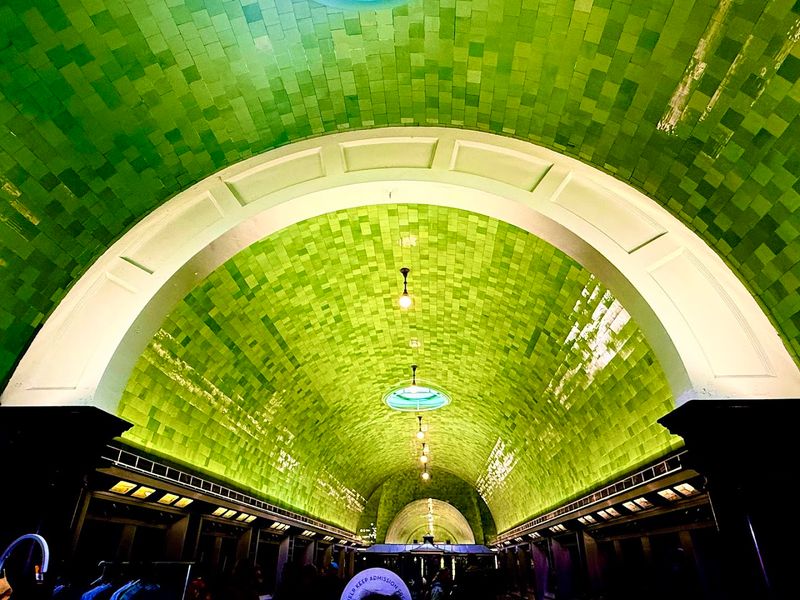
Look up before the fish steal every glance. The vaulted ceiling is sheathed in emerald tiles that shimmer like overlapping scales, a century-old trick that makes you feel underwater. Designed in the early 1900s, the architecture sets a calm, immersive mood without modern theatrics.
The hall’s curve guides you tank to tank, steady as a river bend. Learning the room’s rhythm helps when crowds appear. Step to the center line for architecture views, then slide back to the glass for species detail. Photograph ceilings early, before condensation and handprints create glare.
That simple shift keeps memories balanced between animals and the space that protects them, honoring a building that nearly disappeared and now thrives again.
Time Your Visit Right
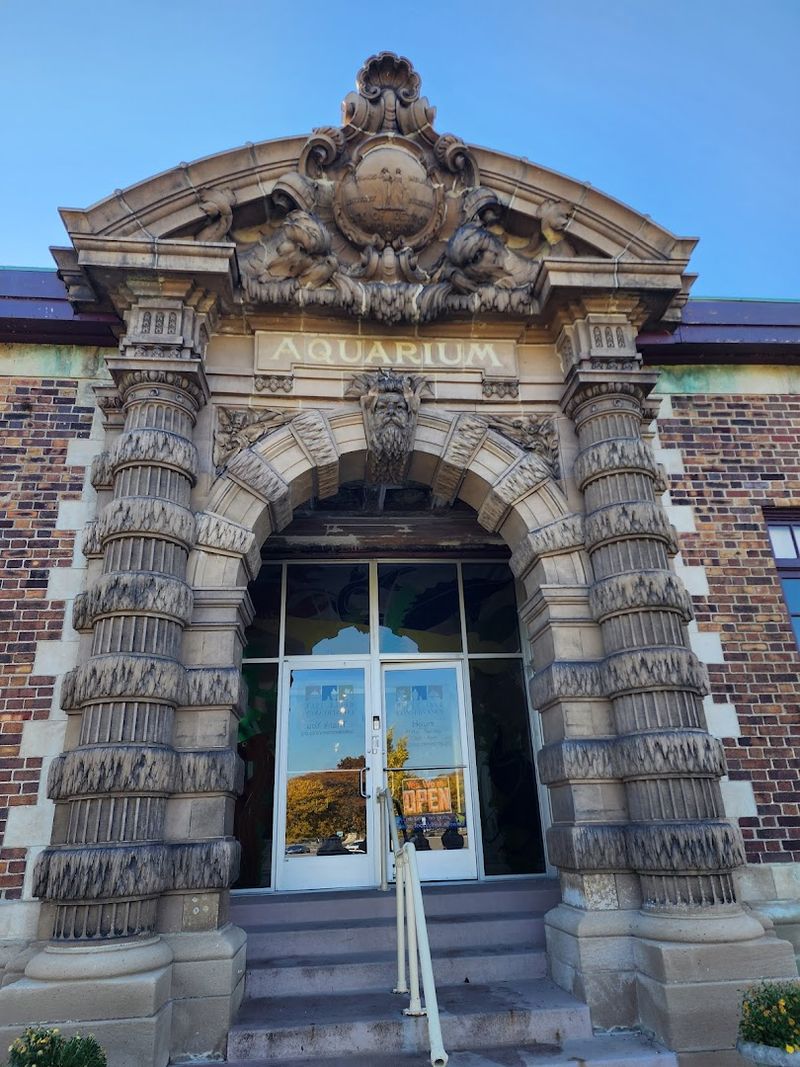
Hours are compact, so planning pays off. The aquarium typically opens 10 am to 4 pm Thursday through Sunday, with free admission and donations encouraged. Mornings tend to feel quieter, especially in colder months when the island breeze keeps casual traffic down.
By early afternoon, families and photo seekers fill the central aisle, and patience becomes part of the experience.
Arrive near open if you want reflective glass and room to read panels. Midwinter brings cozy warmth indoors, while summer heat can add a gentle stuffiness, so dress in layers.
Check the Belle Isle Conservancy site for updates before you go. A little timing turns this compact space into a relaxed, thoughtful walk rather than a shuffle.
Meet The Volunteers
Near the sturgeon tanks, you might catch a volunteer describing barbels, scutes, or why gravel size matters for spawning. These are locals, students, and longtime caretakers who know the building’s quirks and the fish’s habits. Their calm delivery keeps the science sturdy and approachable.
You will often get a practical tidbit, like where the QR codes hide or how to avoid glare. I once asked about reef restoration and got a quick map lesson tied to Belle Isle’s shoreline.
That two-minute chat reframed the whole visit. Say thanks, drop a small donation if you can, and pass their advice along. The aquarium’s heart beats through this human layer, quietly knitting curiosity to stewardship.
Follow The Great Lakes Tanks
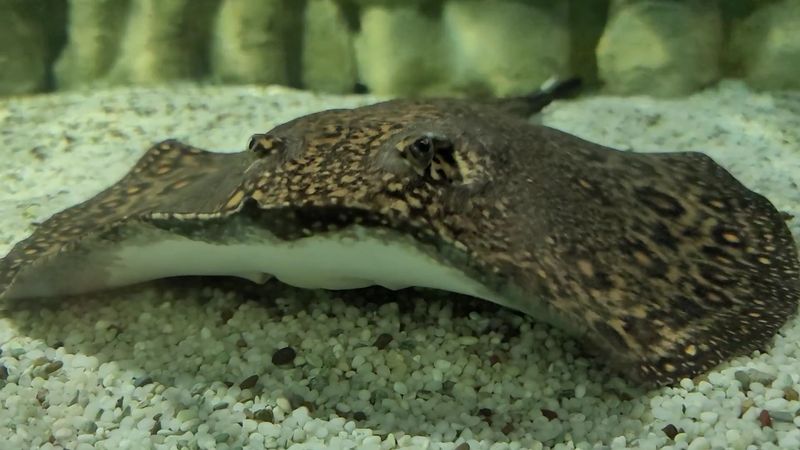
Trace a loop that prioritizes native fish. You will find long-nosed gar holding steady like patient punctuation, sunfish flashing coins of color, and juvenile sturgeon cruising low. Labels emphasize watershed connections rather than spectacle.
The effect is grounding, a map of the region told in fins and silt instead of highways. Use reflections to your advantage. Stand slightly off center so room lights slip past your lens or eyes. Read the species range notes, then picture where the Detroit River carries larvae, plankton, and stories between lakes.
That mental map turns a small hall into a continental corridor. When you return home, that nearby creek will look different, stitched into everything you saw here.
Explore Detroit River Connections
Outside the walls, the Detroit River moves the plot. Sturgeon need rocky riffles for eggs to settle, so agencies and partners have built spawning reefs near Belle Isle to restore lost habitat. The panels outline gravel size, current speed, and placement, translating engineering into plain language.
Suddenly the tanks feel like windows rather than endpoints. Use that context to read behaviors differently. When a juvenile noses stones, imagine adult fish navigating river flow and structure.
If you have time, step outside after your visit and look across the channel. The water that shapes downtown also shapes recovery. Keeping both in mind turns conservation from concept into a living, local system you can picture clearly.
Appreciate The Historic Comeback
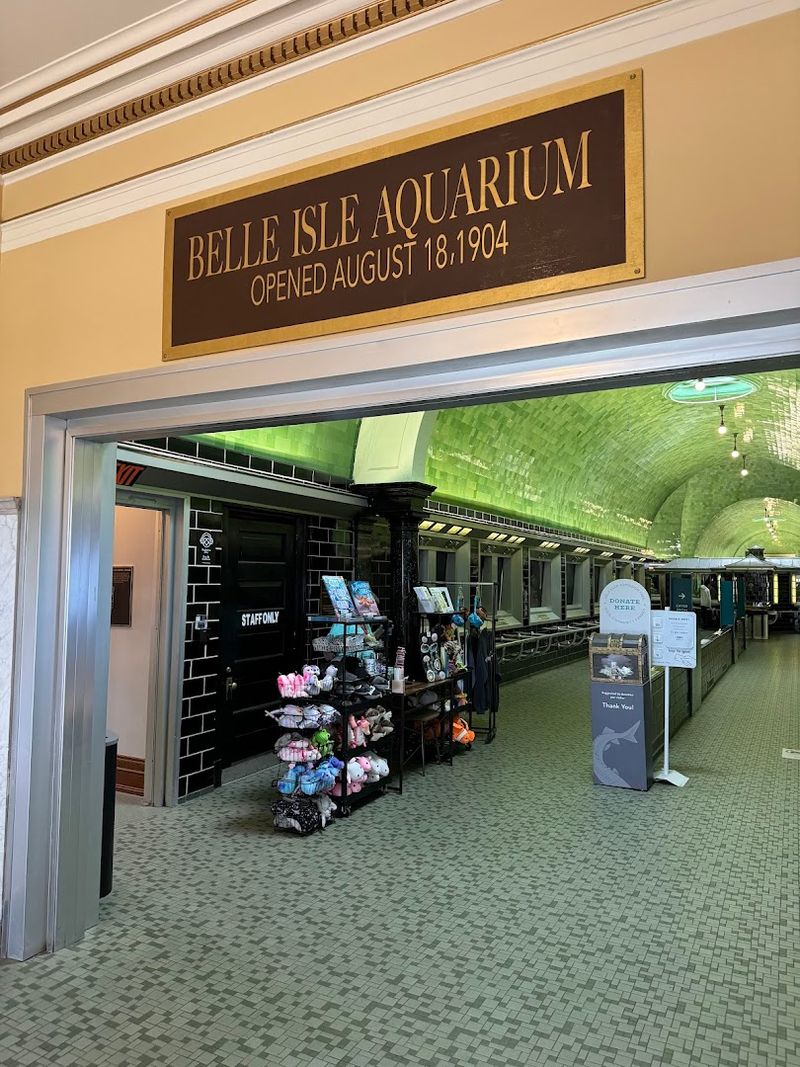
The building’s survival adds heft to every tank. Opened in 1904, shuttered for years, and reopened in 2012, it now runs with a lean, community-forward model. That arc mirrors the sturgeon story itself, from decline to careful rebuilding. What you see is less a blockbuster attraction and more a civic promise kept, one tile and one tank at a time.
Let that history shape your pace. Move slowly, notice mortar repairs, and read small plaques that might otherwise blur. I left appreciating how modest rooms can carry big missions when neighbors show up.
The comeback is not flashy, but it is durable, and that durability is exactly what long-lived fish need from us.
Pair With The Conservatory Next Door
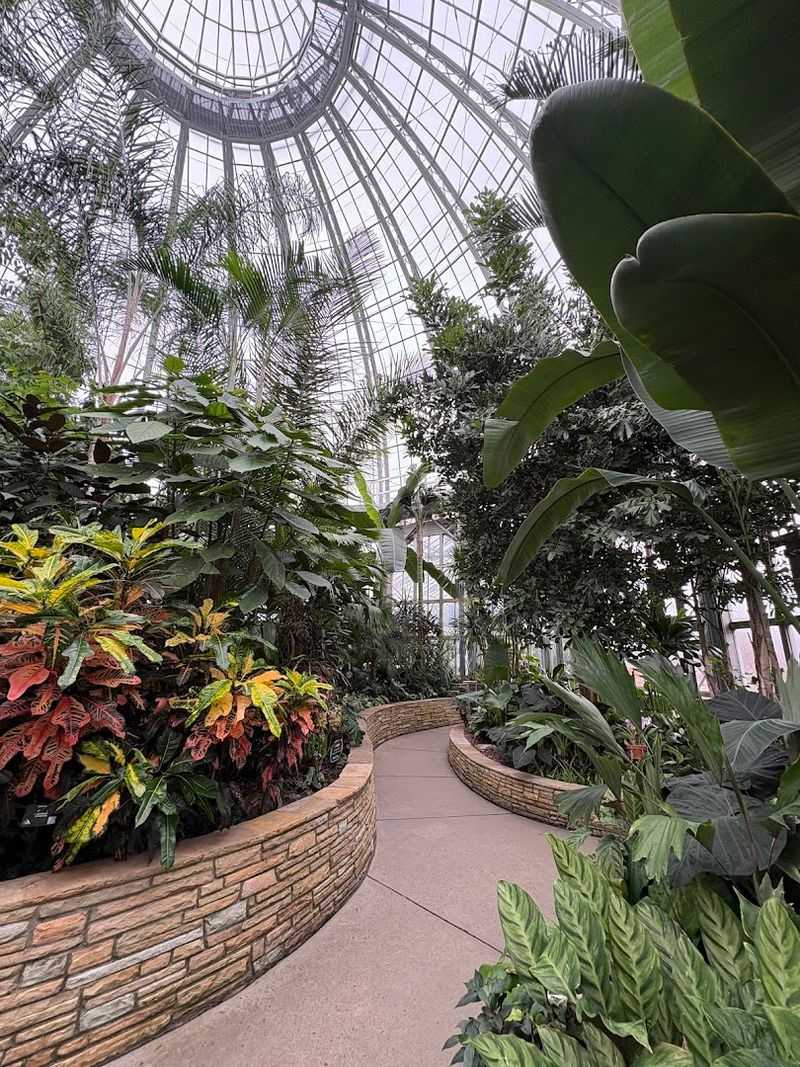
Step outside and the Anna Scripps Whitcomb Conservatory sits a short stroll away. The pairing works beautifully: sturgeon lessons about habitat meet greenhouse air thick with plant strategies for survival. After tanks and tiles, palms and ferns reset your senses.
It is also practical, giving restless kids a different pace without leaving the island’s cultural core. Check hours for both before planning. The conservatory offers warmth in winter and shaded pathways in summer, a complementary bookend to watery themes.
I like moving aquarium to conservatory, then circling back for one more sturgeon glance. Habitat, then habit. It makes the day feel whole.
Support Through Donations
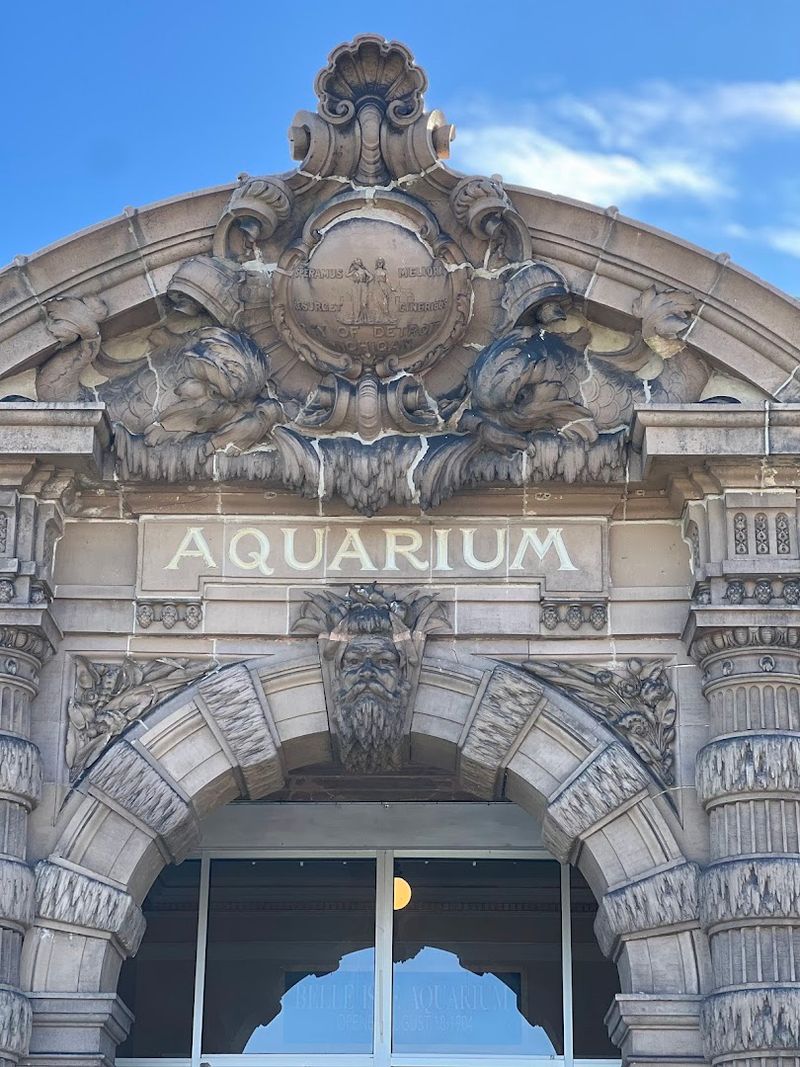
Free admission lowers the threshold, but care still costs. Filters hum, lights glow, water chemistry gets constant love. A small donation sustains that invisible labor and the conservation storytelling that rides along.
The sturgeon exhibit, especially, benefits from ongoing refinement as new research and reef data emerge. Think of your gift as habitat maintenance, delivered indoors.
Carry small bills or use posted digital options if available. Give early so you are not fumbling at the exit. Mention the free model to friends, but emphasize the donation habit.
Conservation thrives on follow-through, not one-off awe. Your quiet contribution helps keep the lights soft, the tiles gleaming, and the sturgeon swimming slow and sure.
Mind The Flow Of People
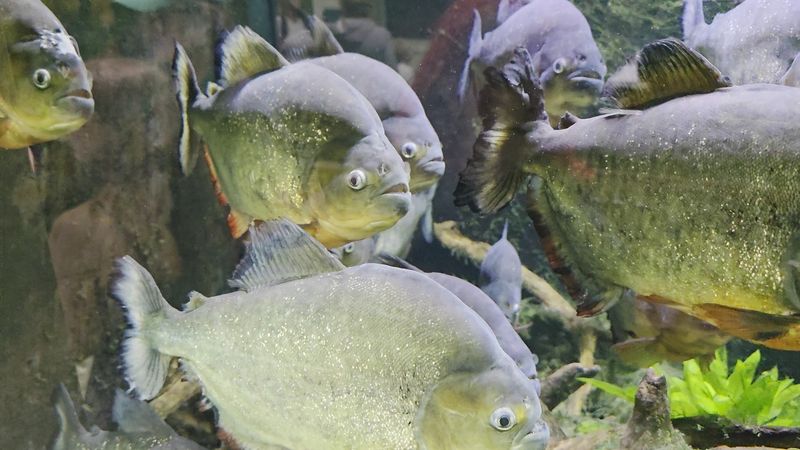
The hall is linear, so your body becomes part of the exhibit choreography. When families cluster, slide to the opposite side and read the next panel. Step back a foot and reflections often vanish, revealing scales and textures.
Accessibility is solid, with a straight path and clear sightlines, but strollers can bunch at pinch points. Patience keeps the mood generous.
I prefer a slow two-pass loop. First for wonder, second for notes, photos, and the details that only show when your eyes settle. Offer a turn to someone shorter than you. The fish do not rush, and neither should we.
That unhurried rhythm matches the building and the species it celebrates.
Savor Stillness By A Single Tank
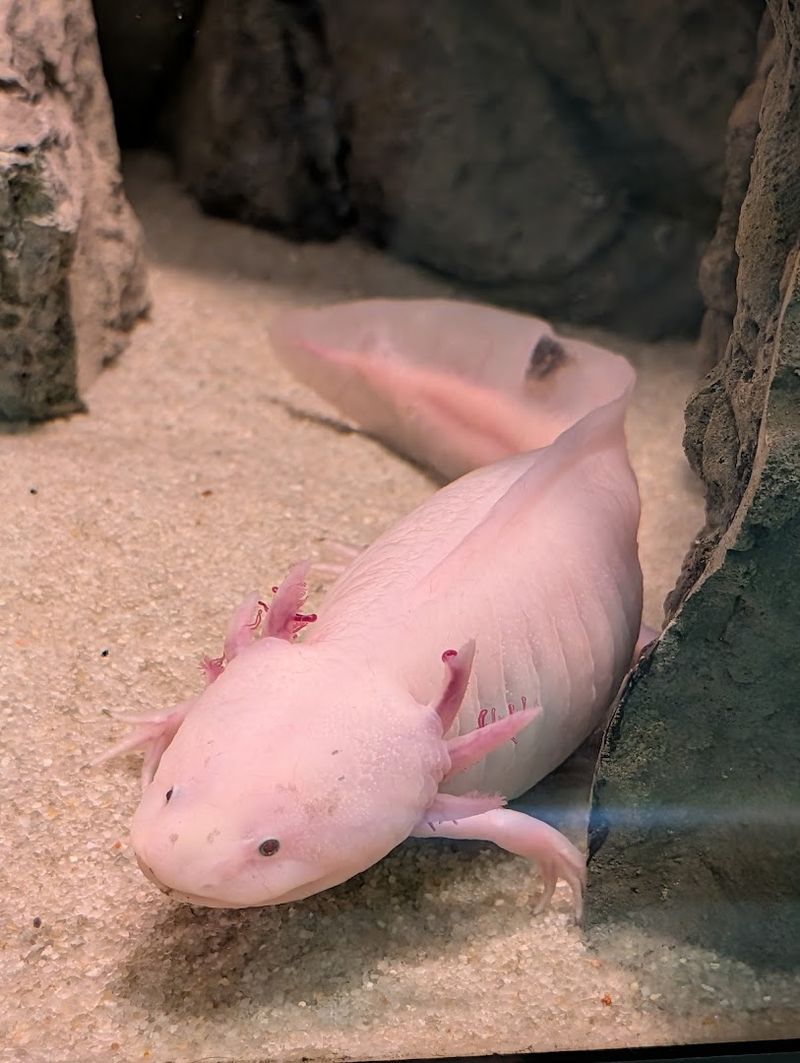
Pick one tank and treat it like a short story. Watch the same fish complete a circuit, note how fins adjust at corners, and how light changes the mood when a cloud passes outside. After three minutes, tiny patterns bloom. Behavior replaces novelty, and the room’s slow heartbeat becomes audible in your chest.
Use that stillness to tie the aquarium to the river beyond. Picture spring currents, rocky pockets, and eggs clinging against chance. Then consider how reef projects turn intention into habitat.
When you finally move, the rest of the hall feels newly legible. Small focus, big payoff, and a memory that lasts longer than any quick scroll.