
This Hidden Arkansas River Has Some Of The Most Intense Rapids In The State
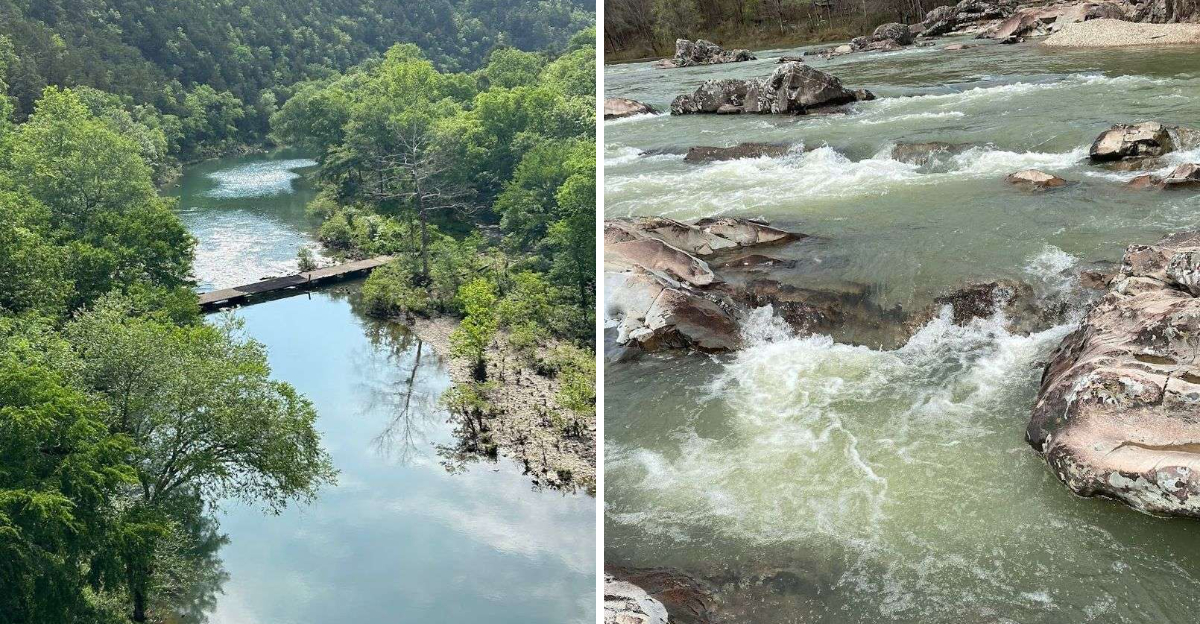
There is a river in the Ouachita Mountains of Arkansas that feels intense before you even step near the water. It starts with the sound.
A constant rush that cuts through everything else. You slow down without thinking.
Reaching it is part of the experience. It takes effort, and that makes it feel earned.
Then you see the current. Fast, clean, powerful.
The name comes from a French phrase meaning crushed head, and it stops sounding abstract once you watch the flow. This is not relaxed water.
It keeps you alert the entire time. I found myself reading every section, trying to stay one step ahead.
That focus pulls you in deeper. It is not just about getting through it.
It is about understanding it. I wrote down a few things that really define the experience, the kind that stay with you long after you leave.
Remote Mountain Run Through Rugged Forest Terrain
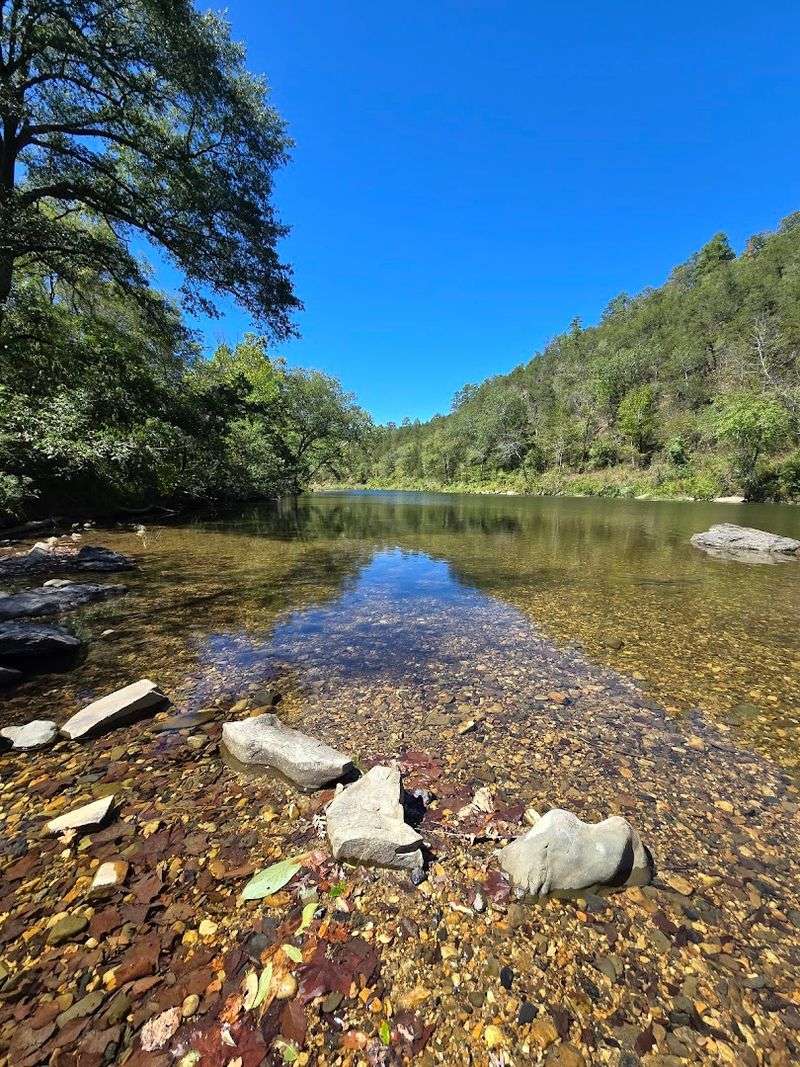
Getting there feels like earning something before you even touch the water.
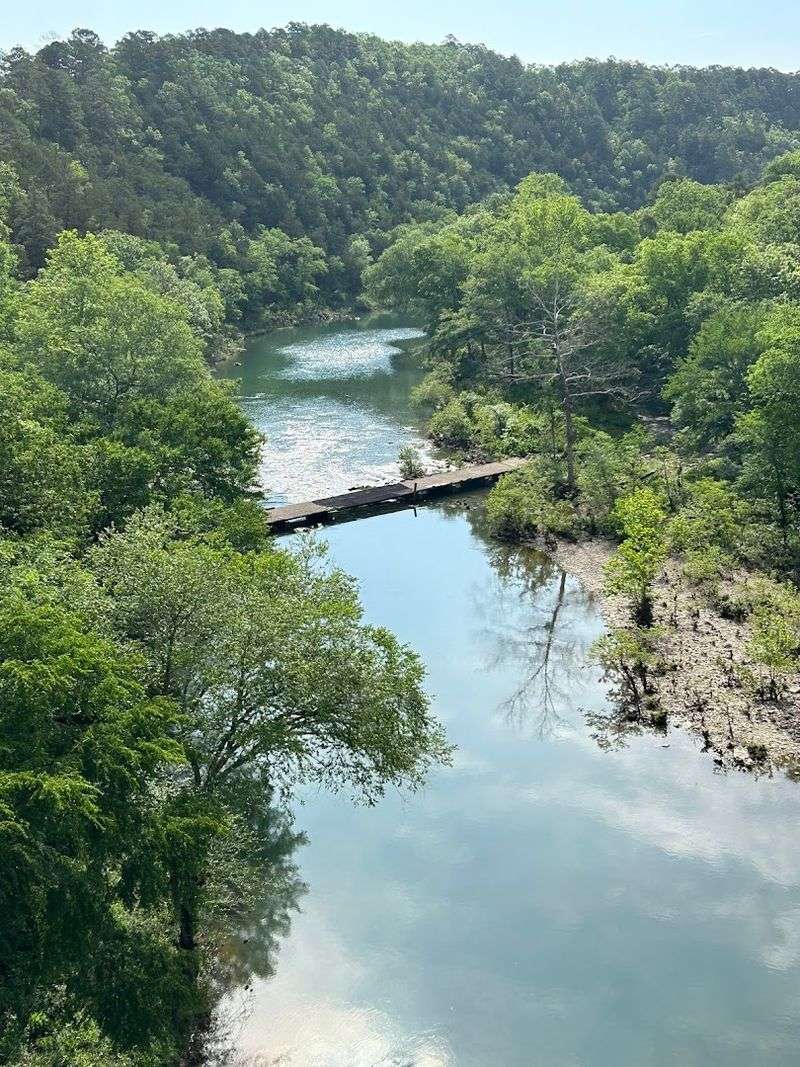
The river carves its way through the heart of the Ouachita Mountains in southwest Arkansas, surrounded by thick forest that stretches in every direction.
You will not find commercial development crowding the banks, just towering hardwoods, sandstone bluffs, and the steady sound of moving water pulling you forward.
The terrain itself is rugged, with steep slopes and occasional bluffs rising above the riverbank and root-tangled trails that remind you nature is firmly in charge.
Reaching a put-in point often involves a short hike that makes the transition from road to river feel intentional and immersive.
The isolation is not a drawback; it is the whole point, and it gives the run an atmosphere that polished, well-traveled rivers simply cannot replicate.
Every bend in this mountain corridor rewards you with something raw, dramatic, and completely unforgettable, making the long drive feel like a bargain along the Cossatot River.
Rocky Ledge Drops Carved Through Jagged Bedrock
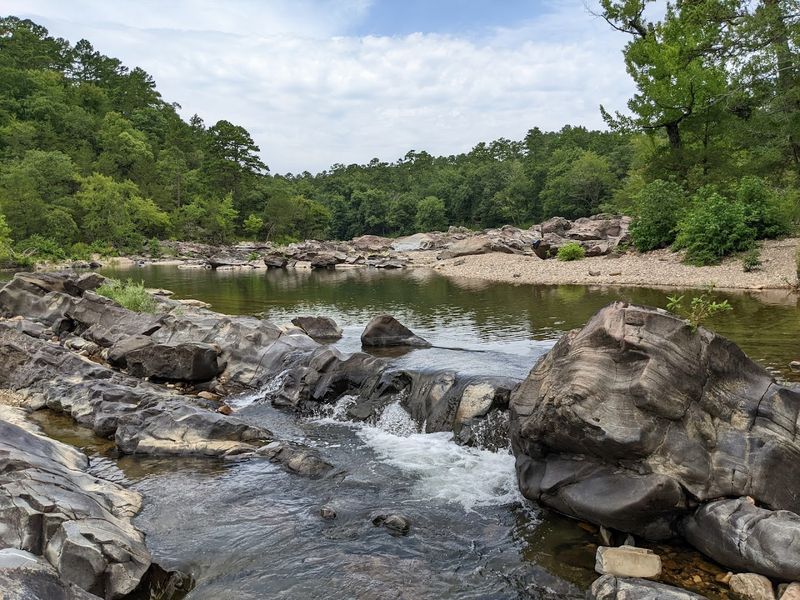
Few geological features stop a paddler cold quite like a ledge drop carved straight through bedrock, and the Cossatot has plenty of them.
The river cuts through formations including sandstone, shale, and harder rock layers typical of the region, creating a series of sharp, angular drops that look almost sculpted by intention.
Cossatot Falls stands as the most well-known section, where the river descends rapidly through a compact stretch of stacked Class III to IV-plus rapids that demand attention and respect.
The bedrock shelves here are not smooth or forgiving; they are fractured, tilted, and unpredictable, which is exactly what makes each drop its own puzzle to solve.
Scouting becomes part of the experience, with paddlers studying lines and adjusting their approach before committing to a route.
That kind of deliberate, focused engagement with terrain is rare, and the Cossatot delivers it in abundance.
Standing on those jagged rocks with mist rising off the falls below, the scene feels like a vivid lesson in how moving water shapes the land over time.
Fast Technical Water Demanding Precise Boat Control
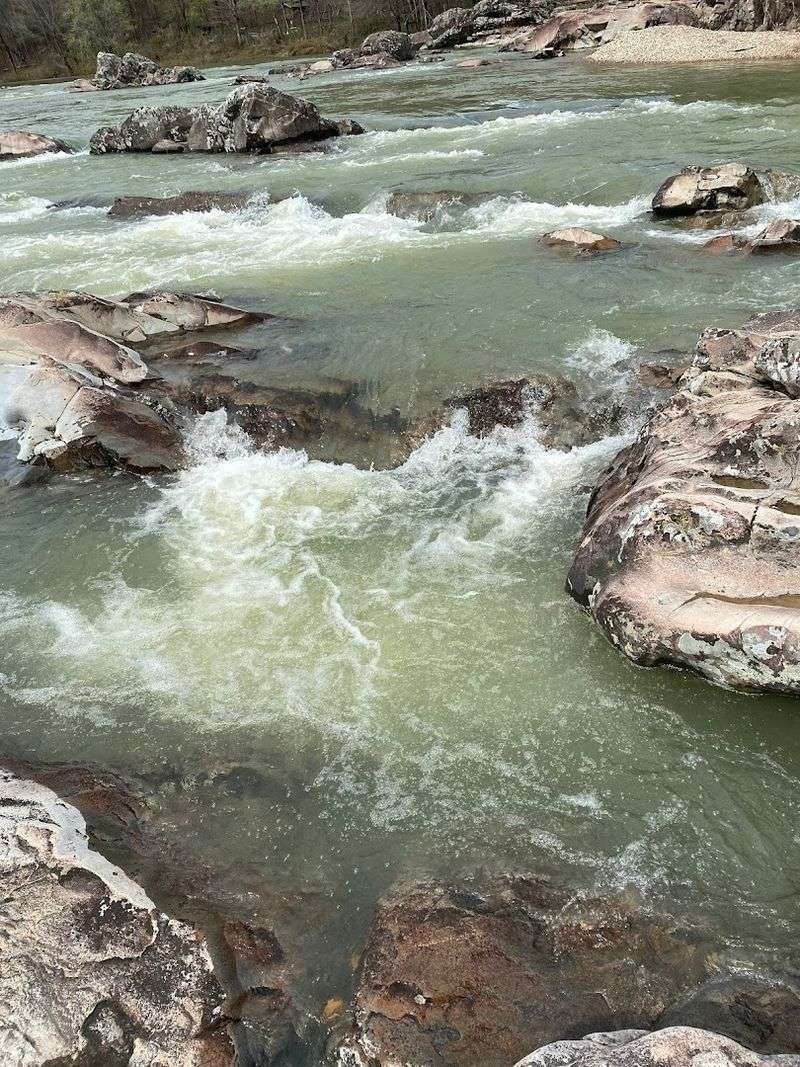
Speed and precision are not optional on this river; they are the price of admission.
The Cossatot moves fast, and its technical nature means that a paddler who hesitates or misreads a line will find themselves pinned against a rock or flipped in a hydraulic before they have time to reconsider.
The river demands active, committed boat control from the first stroke to the last eddy catch, with tight ferry angles, quick pivot moves, and split-second decisions stacking up one after another.
I paddled a stretch here that required four distinct moves in rapid succession, and getting even one of them slightly wrong meant swimming through the next rapid uninvited.
Experienced paddlers describe runs on the Cossatot as a full-body mental workout, and that description is accurate in the most satisfying way possible.
There is no cruising on autopilot, no lazy drifting while you admire the scenery, only sharp focus and physical engagement from put-in to take-out.
When you finally pull your boat out at the end and your forearms are burning, that exhaustion carries the very specific pride of having matched wits with a river that never once went easy on you.
Rain Swells Turning Quiet Flow Into Fierce Whitewater
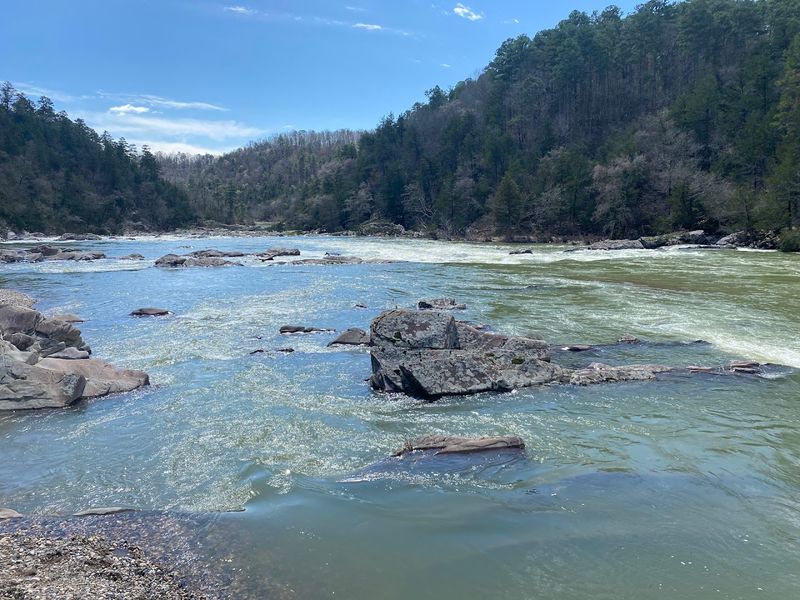
One of the most fascinating and humbling things about the Cossatot is how completely it transforms after a good rain.
During dry stretches, parts of the river run shallow and almost gentle, with exposed boulders and calm pools that give little hint of what the channel is capable of doing.
Then the sky opens up over the Ouachita Mountains, and within hours the Cossatot swells into something fierce, filling those rocky corridors with fast, heavy water that reshapes every rapid.
The river has a relatively small watershed, which means it responds quickly to rainfall and drops back down almost as fast, giving paddlers a narrow window to catch it at its most exciting.
I arrived at the river one morning after two days of steady rain, and the transformation from my previous visit was genuinely startling, like meeting a quiet neighbor who turns out to be a competitive athlete.
Higher flows punch up the hydraulics and create powerful holes that demand even more respect than the river earns at normal levels.
Watching the Cossatot rise and flex after a rainstorm is a reminder that rivers are living things, not static scenery waiting politely for visitors to arrive.
Hazardous Rapids Packed With Strong Hydraulic Power
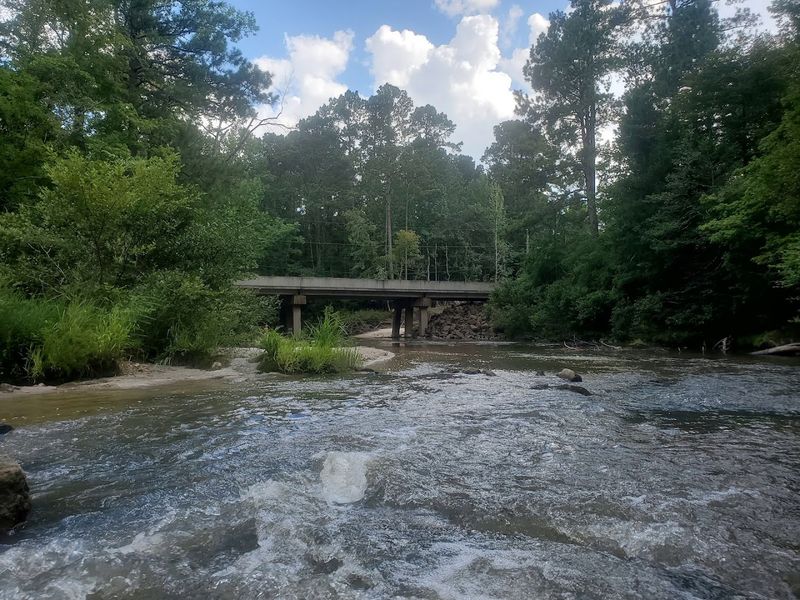
Hydraulic power is what separates a challenging rapid from a genuinely hazardous one, and the Cossatot carries both types in the same stretch of water.
The river’s Class IV and V rapids generate recirculating hydraulics that can hold a swimmer or a boat with surprising force, and understanding that danger is part of what draws serious paddlers here in the first place.
A hydraulic forms when water pours over a ledge and curls back on itself, creating a churning zone that resists anything trying to pass through it.
On the Cossatot, these features can appear suddenly around a blind corner or at the base of a seemingly manageable drop, which is why scouting is not just recommended but genuinely necessary.
I watched a very experienced paddler flip in one of these hydraulics and get held for a few unsettling seconds before the current finally released him downstream.
That moment reframed the river for me in a useful way, because it made clear that respect here is not optional.
The Cossatot’s power is real, measurable, and worth taking seriously, and that honesty about risk is part of what makes successfully running it feel so rewarding.
Expert Paddlers Chasing One Of Arkansas’ Toughest Runs
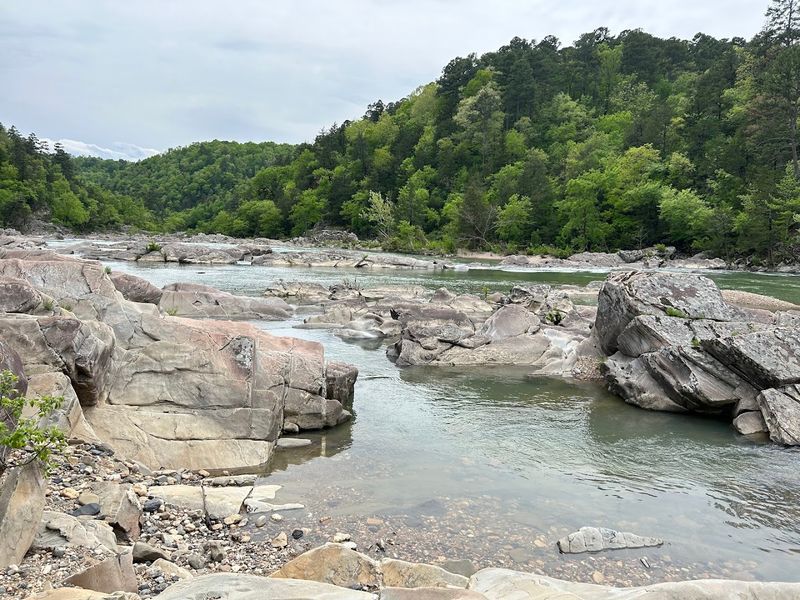
Word travels fast in the whitewater community, and the Cossatot has developed a serious reputation among paddlers who collect difficult rivers the way other people collect passport stamps.
Arkansas is not the first state that comes to mind when people think of elite whitewater, but those who know the Cossatot will argue that it belongs in any conversation about the toughest runs in the American South.
The combination of technical rapids, powerful hydraulics, and remote terrain creates a challenge that filters out casual floaters and rewards those who have genuinely put in the training time.
I paddled alongside a group of seasoned kayakers on one of my visits, people who had run rivers across the country, and they spoke about the Cossatot with the kind of focused enthusiasm usually reserved for legendary runs.
Several of them had made the drive specifically because the river had been on their must-paddle list for years.
There is a community feeling among paddlers here that forms naturally when everyone present has earned their spot on the water through skill and preparation.
The Cossatot does not hand out easy victories, and that is precisely why the paddlers who love it keep coming back for more.
Wild River Corridor Far From Typical Float Crowds
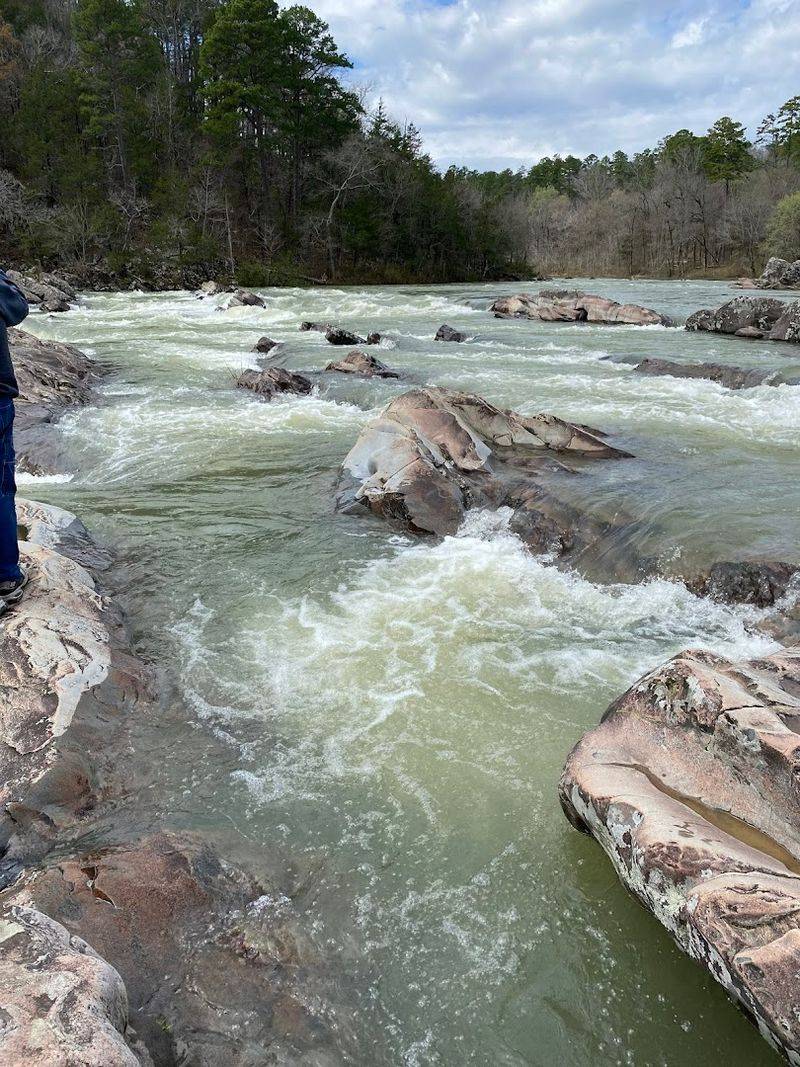
Crowded takeout lines and flotillas of inflatable flamingos are simply not part of the Cossatot experience, and that absence defines its appeal.
The river runs through a protected 12.5-mile stretch within Cossatot River State Park-Natural Area, a designation that keeps the corridor largely undeveloped and free of heavy commercial float traffic.
The number of paddlers is often far fewer than on more accessible rivers, and stretches of quiet water can feel surprisingly empty compared to busier routes.
That solitude changes the experience in a meaningful way, allowing the sound of the current to carry without interruption from crowds or noise.
Wildlife sightings are common in these quieter stretches, with great blue herons, river otters, and white-tailed deer occasionally appearing along the banks.
The park protects a diverse aquatic ecosystem that supports a variety of native fish species in clear to lightly stained pools depending on recent rainfall.
Time spent on this stretch of river feels removed from busier waterways, offering a sense of space that is increasingly rare.
Short Rain-Fed Windows Bringing The Best Whitewater
Timing is everything on the Cossatot, and the river rewards those who watch the weather forecast with the same intensity others reserve for sports scores.
Because the Cossatot depends almost entirely on rainfall rather than snowmelt or dam releases, its prime whitewater windows are short, unpredictable, and absolutely worth chasing when they open up.
The river can go from too low to paddle comfortably to peak running condition within a matter of hours after significant rain, and it can drop back below ideal levels just as quickly.
Experienced paddlers monitor gauge readings obsessively, set alerts on their phones, and have been known to drop weekend plans at a moment’s notice when the numbers look right.
I missed a perfect window once by about eighteen hours and arrived to find a river that was beautiful but barely runnable, which taught me to move faster when the forecast lines up.
That urgency is part of the Cossatot’s appeal, because it makes every successful run feel like a small act of planning and luck coming together at exactly the right moment.
If you want to experience the Cossatot River at its roaring, thrilling best, keep your gear packed and your eyes on the rain gauge near Wickes, Arkansas, because the river will not wait.