
The Spiritual, Low-Key Side Of Colorado You Need To See In Spring
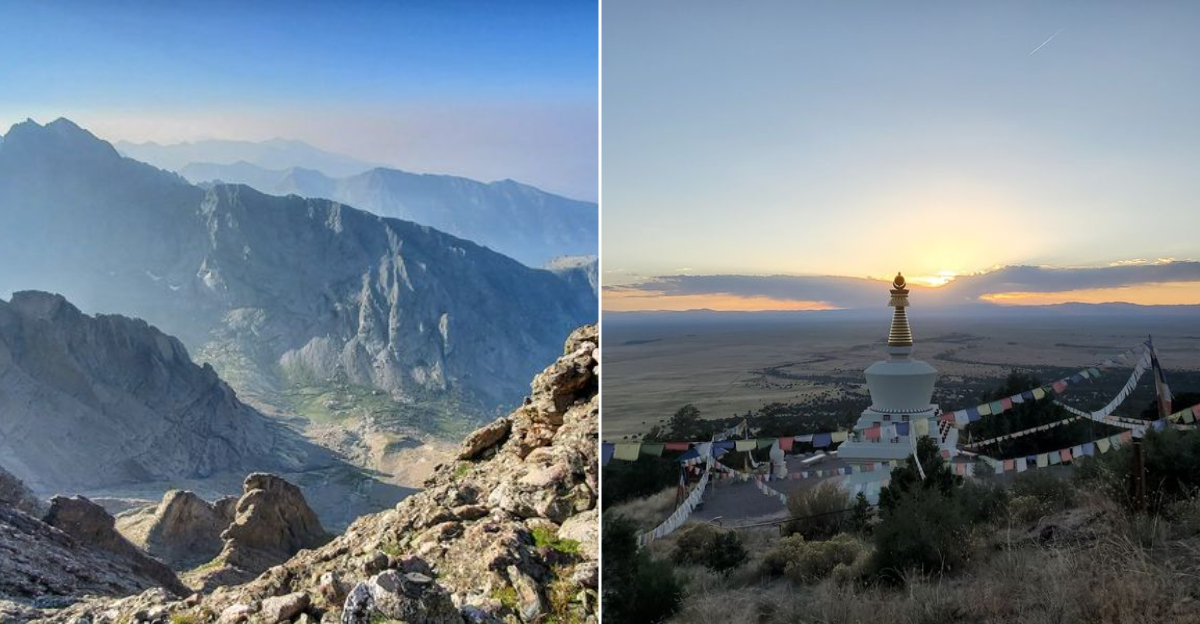
Plenty of travelers speed by this stretch of southern Colorado chasing louder adventures, never realizing what they are missing. In Colorado, some of the most unforgettable moments happen in the places that do not beg for attention.
Here, spring feels like a quiet secret finally being shared. The last traces of winter slip away, sunlight lands softly on the peaks, and the whole landscape seems to exhale.
Everything invites you to slow down: the crisp air, the wide-open views, the deep stillness that makes every sound feel sharper and every color feel brighter. Instead of crowds and overhyped stops, you get something far more exciting, a sense that you have stumbled onto a place that remains wonderfully true to itself.
Colorado’s hidden corners have a special kind of magic, and this one delivers it with ease. It feels grounded, peaceful, and surprisingly thrilling all at once, like discovering the world has been whispering when everyone else was shouting.
A Town Small Enough To Actually Feel
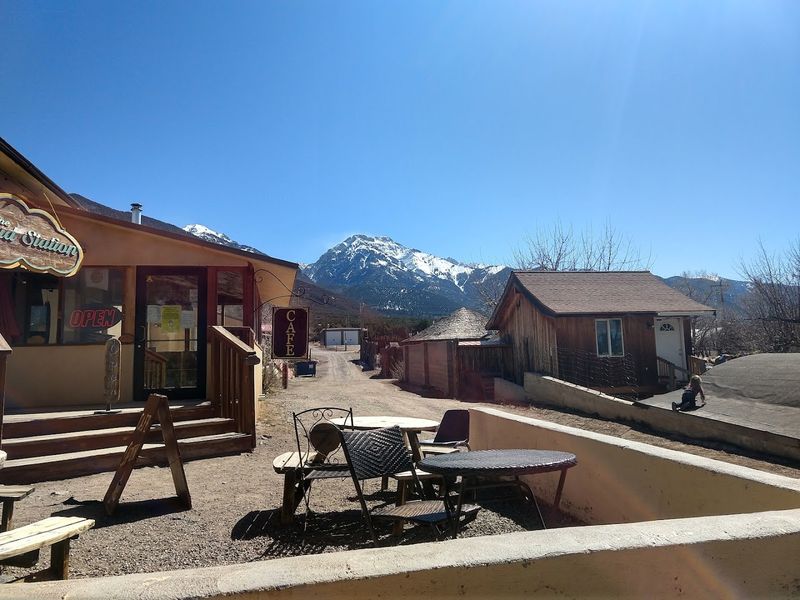
With a recorded population of 141 as of the 2020 United States census, Crestone is not a town you pass through accidentally. You come here on purpose, or you come here because something in your planning instincts finally overruled the louder options on the map.
The statutory town status means Crestone operates with its own municipal identity, small but official, planted firmly in Saguache County. There are no chain restaurants performing enthusiasm at you from the roadside.
What exists here exists because the community decided it should.
Insider Tip: Spring is the ideal season to visit precisely because the shoulder season keeps the pace genuinely unhurried. You can actually hear yourself think, which turns out to be underrated.
Families traveling with curious kids will find the scale of Crestone surprisingly manageable. Couples looking for a weekend that does not require a spreadsheet of reservations will feel the relief almost immediately.
Solo visitors tend to linger longer than planned.
Who This Is For: Weekend planners who want a real small-town experience without the performance of one. Who This Is Not For: Anyone requiring a resort amenity checklist to feel satisfied.
Where The Mountains Decide The Mood
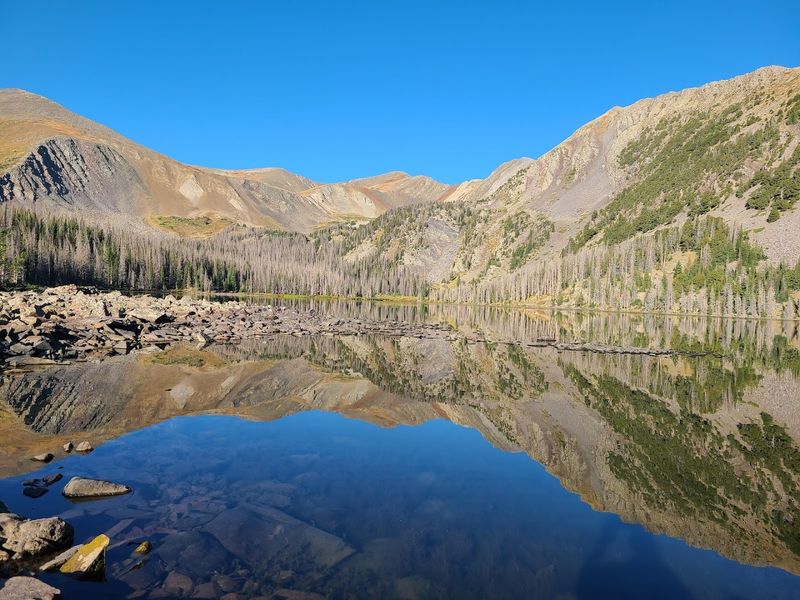
There is a specific moment, somewhere between leaving the highway and entering Crestone, when the Sangre de Cristo Range stops being a backdrop and becomes the entire conversation. The mountains rise sharply from the western edge of the San Luis Valley floor with a kind of geological confidence that makes you reconsider your own schedule.
Crestone sits at the foot of that western slope, positioned in the northern section of the San Luis Valley in Saguache County, Colorado. The geography alone does most of the heavy lifting.
Spring brings snow melt from the peaks above, and the light shifts in ways that photographers chase for entire careers.
Pro Tip: Arrive on a weekday morning in April or May when the valley mist still clings to the lower slopes. The crowd, such as it is in a town of 141 people, has not yet assembled.
This is not a place that tries to impress you with signage or curated experiences. The Sangre de Cristo Range simply stands there, doing what mountains do, and Crestone quietly benefits from being the town lucky enough to sit directly beneath it.
Best For: Landscape photographers, geology enthusiasts, and anyone who needs nature to do the convincing.
The San Luis Valley As Your Front Yard
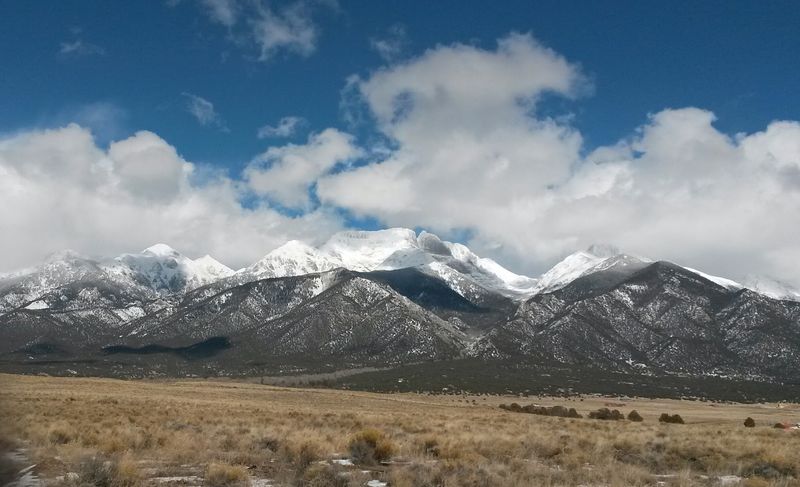
The San Luis Valley is one of the largest alpine valleys in the world, and Crestone sits at its northern edge like a quiet punctuation mark at the end of a very long sentence. The scale of the valley takes a moment to register.
Your eyes keep searching for the other side and finding only more sky.
Spring transforms the valley floor in gradual, unhurried stages. The high desert grasses shift from winter brown toward something greener, and the air carries the particular clarity that only arrives after snowmelt has done its seasonal work on the landscape.
Why It Matters: The San Luis Valley context gives Crestone a geographic drama that most small towns simply do not have access to. You are not just visiting a town; you are arriving at the edge of something enormous.
Driving into Crestone from the valley floor on a clear spring morning is one of those experiences that travel writers reach for metaphors to describe and usually fall short. The mountains ahead, the open valley behind, and the town in between create a spatial logic that feels almost cinematic.
Planning Advice: Allow extra drive time. You will stop the car at least twice before reaching town.
Spiritual Gravity In A Very Quiet Package
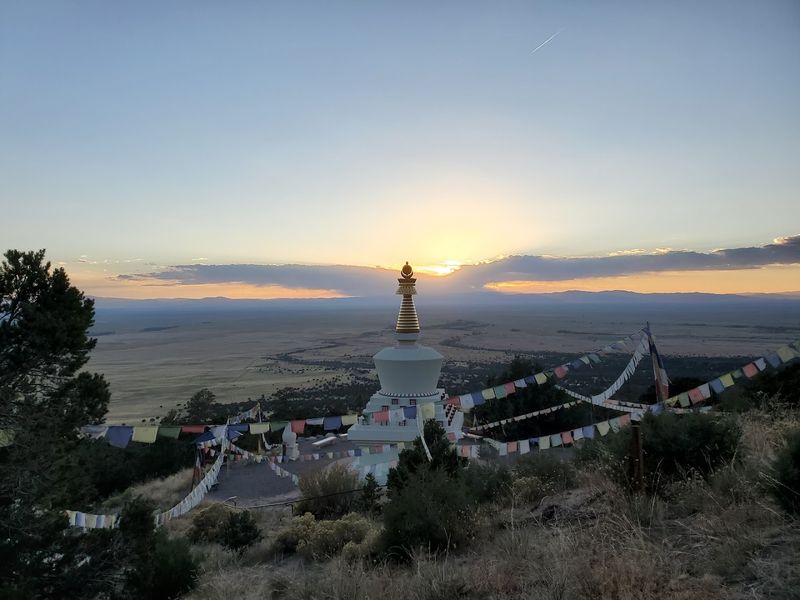
Crestone has developed a reputation as one of the more spiritually concentrated small towns in the American West, and that reputation did not arrive by accident. The town hosts an unusual collection of spiritual centers and retreat spaces representing diverse traditions, drawing visitors seeking reflection rather than recreation.
This is not a theme park version of spirituality. The centers here operate with genuine intention, and the surrounding landscape, high desert meeting alpine slope, seems to cooperate with that intention in ways that are difficult to explain without sounding slightly unhinged at a dinner party.
Quick Verdict: If you have been meaning to build a long weekend around something more grounding than a hotel pool, Crestone makes that plan surprisingly straightforward to execute.
Spring amplifies the appeal. The crowds that occasionally find their way here in summer have not yet arrived, and the landscape is in its most cooperative seasonal mood.
The quiet is not the absence of sound so much as the presence of something more patient than noise.
Best For: Couples needing a reset, solo travelers processing a big decision, and families wanting to show kids that not every trip needs a theme park at the center of it.
Spring Timing That Actually Rewards Patience
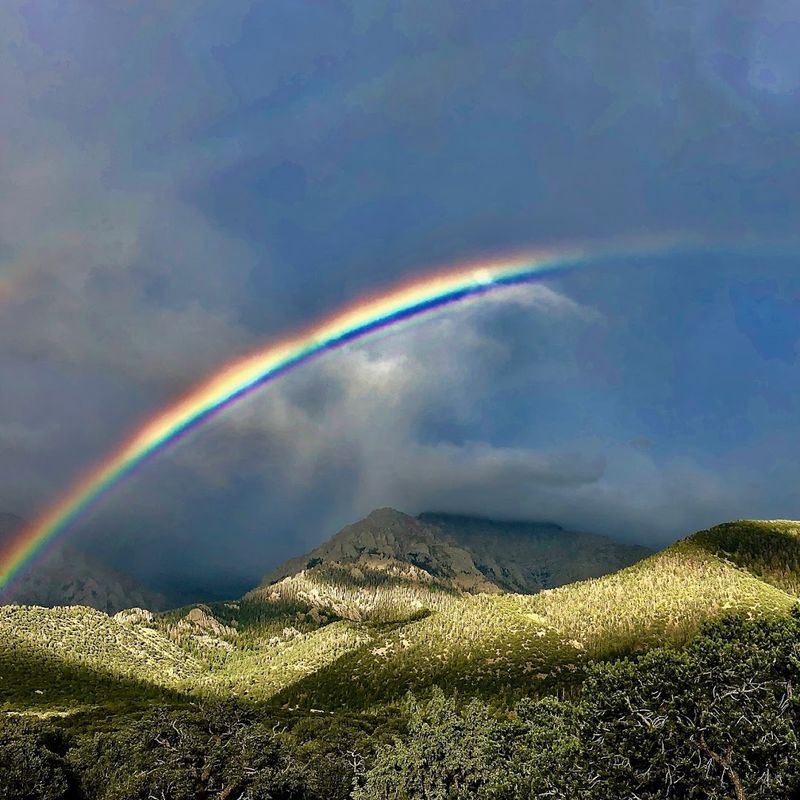
Colorado spring is a negotiation. The mountains hold snow well into May, the valley floor warms faster than the slopes, and the weather on any given day reserves the right to change its mind entirely by noon.
Crestone, positioned where high desert meets mountain base, sits right at the intersection of all those competing seasonal personalities.
That instability is actually the point. Visiting in spring means catching Crestone in a state of becoming rather than arrival.
The landscape is mid-sentence, and there is something genuinely compelling about a place that has not yet finished deciding what the season will look like.
Common Mistakes to Avoid: Do not pack only warm-weather clothing in April. Mornings at this elevation carry a chill that the afternoon sunshine does not always bother to apologize for.
Layers are not optional; they are the strategy.
The reward for tolerating the unpredictability is access to a version of this place that summer visitors never experience. The light is different in spring, softer and more directional, and the valley has a spaciousness that fuller seasons gradually crowd out.
Best Strategy: Book flexible accommodations, pack for variable conditions, and treat the weather as part of the character rather than an inconvenience.
What A Population Of 141 Actually Teaches You
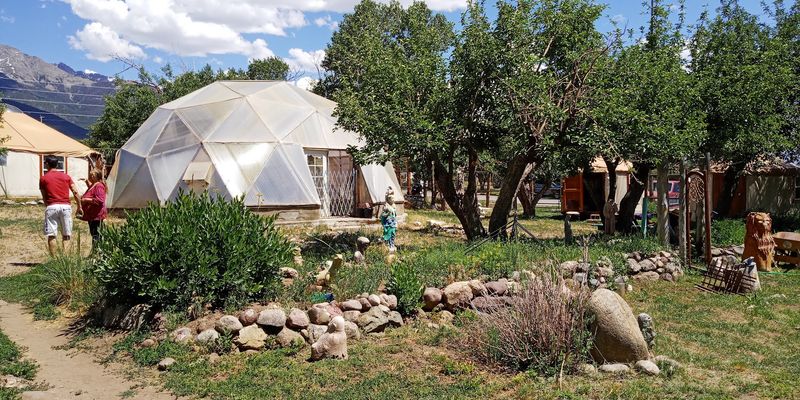
There is a peculiar freedom that comes with visiting a town where the entire population could fit inside a modest school gymnasium with room left over for a bake sale. Crestone operates on a scale that forces a different kind of attention.
You notice individual buildings. You notice the specific quality of the silence between them.
The 2020 census counted 141 residents, which means the town does not have the infrastructure to pretend it is something it is not. What you see is what the community has decided matters.
That editing process, applied over years by a small group of people with strong convictions about place, produces something that larger towns rarely achieve.
Mid-Article Check-In: If you have been reading this and mentally drafting a weekend itinerary, the second half of this list covers exactly how to make that plan work without overcomplicating it.
Visitors who arrive expecting a polished tourist experience sometimes leave confused. Visitors who arrive expecting something honest and slightly unclassifiable tend to leave wanting to return.
Who This Is Not For: Travelers who need a packed activity schedule to feel a trip was worthwhile. Who This Is For: Anyone ready to let the place set the pace for once.
Final Verdict: The Low-Key Colorado Trip That Stays With You
Crestone is the kind of place that travel writers describe as a hidden gem until enough travel writers describe it as a hidden gem and the phrase collapses under its own weight. So skip the cliche.
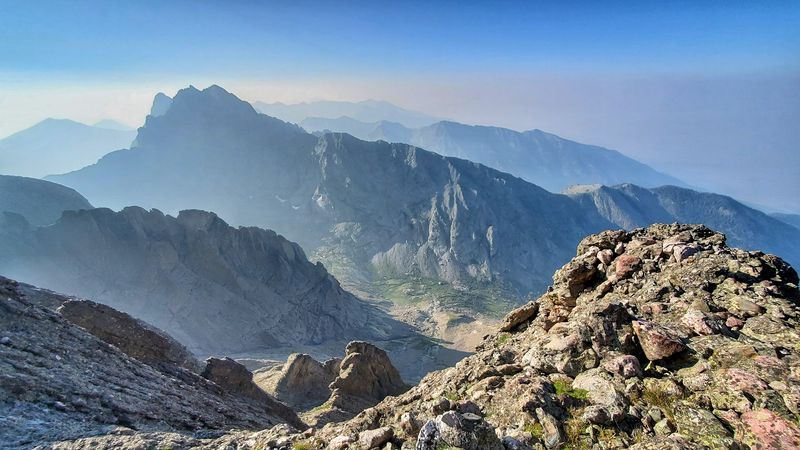
What Crestone actually offers is rarer: a genuinely small, genuinely intentional community sitting at the foot of one of Colorado’s most dramatic mountain ranges, in a valley so large it resets your sense of scale.
Spring is the right season because it catches the place in honest form, before summer brings more visitors, and after winter has finished its long argument with the landscape. The Sangre de Cristo Range is still carrying snow on its upper reaches, the valley floor is waking up, and the town of 141 people is doing what it does without performing for an audience.
Key Takeaways: Crestone, Colorado sits in Saguache County at the foot of the Sangre de Cristo Range in the northern San Luis Valley. Population 141.
Best visited in spring for uncrowded access and shifting seasonal light. Bring layers, flexible plans, and a genuine appetite for quiet.
A friend who knows Colorado well and sends you a single text that reads simply: Crestone, spring, go. That is the recommendation this place earns.
Quick Verdict: One of Colorado’s most rewarding low-effort, high-meaning weekend destinations.