
This Iconic Maine Lighthouse Looks Like A Postcard Brought To Life
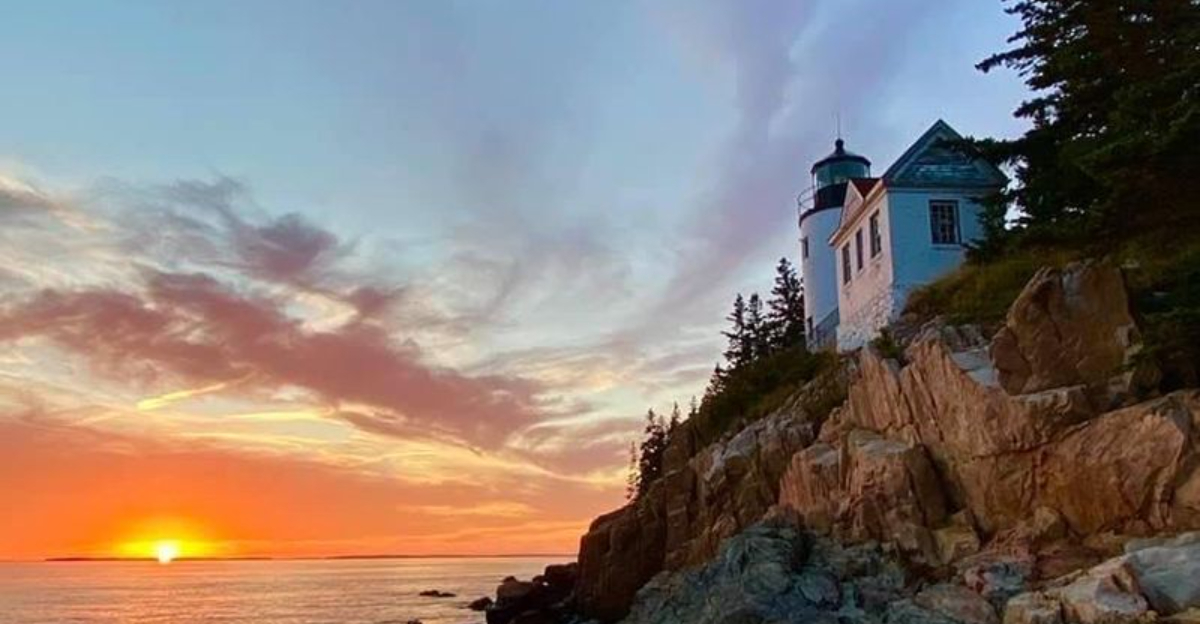
Some places feel almost unreal until you stand right in front of them. On the rugged coast of Maine, a historic lighthouse clings to a granite cliff, surrounded by wind-shaped pines and the restless Atlantic below.
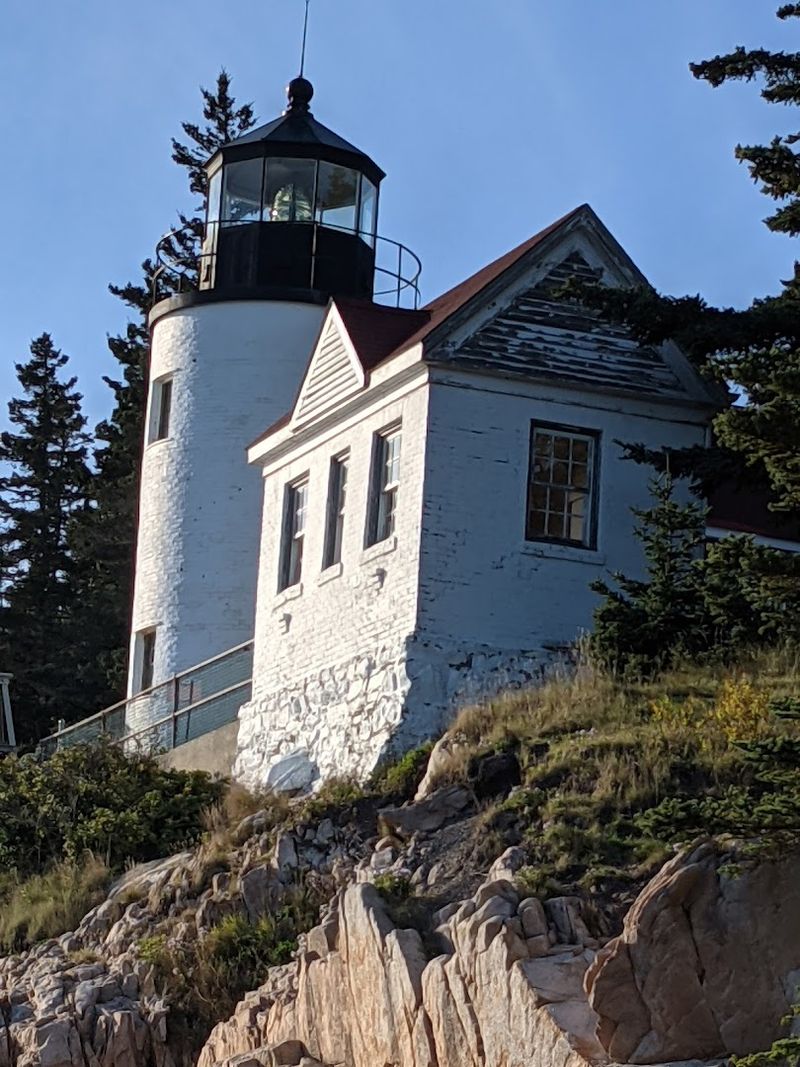
Built in 1858, this compact yet striking structure has become one of the most iconic coastal scenes in New England. The contrast of white tower, dark rocks, and deep blue water creates a view that feels carefully designed by nature itself.
Waves crash beneath while seabirds circle overhead, adding to the drama. Despite its age, the lighthouse remains a powerful symbol of Maine’s maritime past and enduring coastal beauty.
It Has Been Standing For Over 165 Years
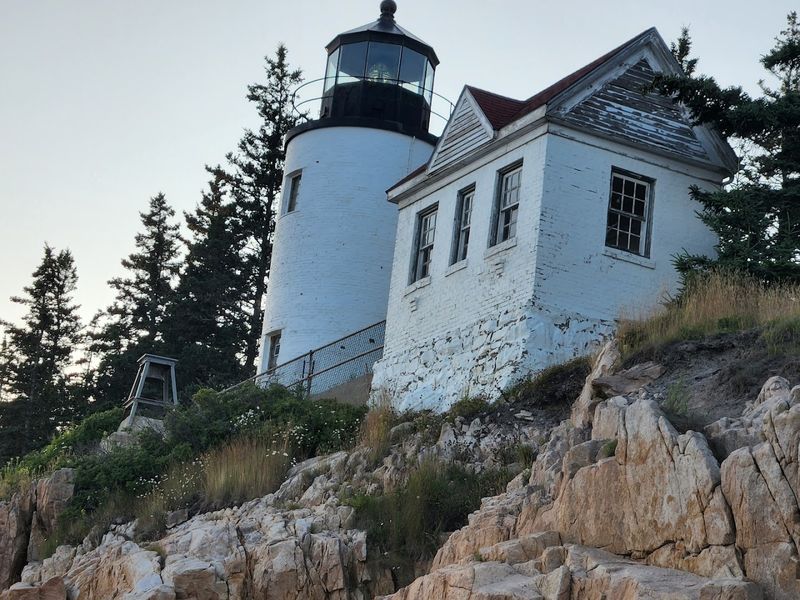
Few buildings in Maine have witnessed as much history as this one. Bass Harbor Head Light Station was completed in 1858, making it over 165 years old.
That makes it one of the older surviving coastal structures in Maine, and it still stands firm against the relentless Atlantic winds and crashing waves.
The lighthouse was built during a period when maritime trade along the Maine coast was booming. Sailors needed reliable guides through the rocky, fog-prone waters surrounding Mount Desert Island, and this station answered that call.
A Fresnel lens was installed when the station first opened, though the lighting system has been updated over time.
The brick keeper’s house and the compact tower have both survived over a century and a half of brutal New England winters. While the station retains much of its historic appearance, parts of it have been updated and modified over time, preserving its character while adapting to modern needs.
A Dramatic Sea Cliff Above The Atlantic
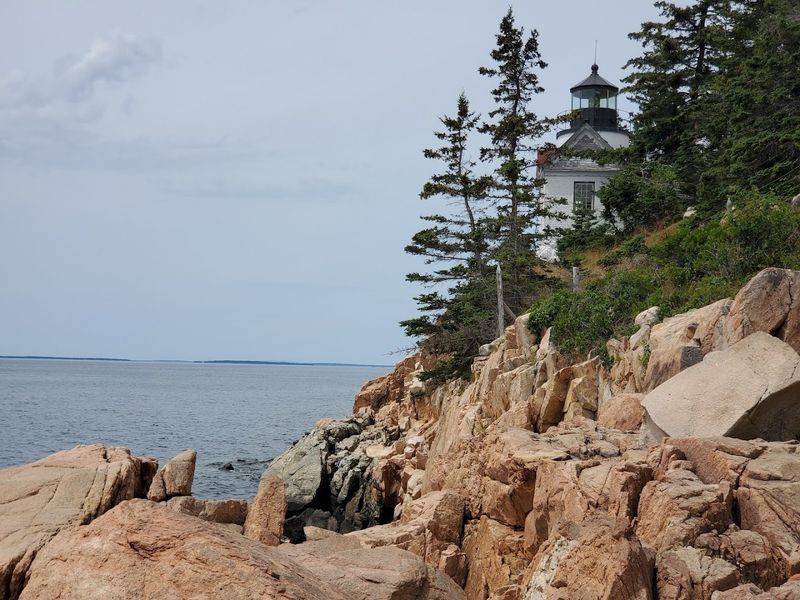
Standing at the edge of the rocky overlook at Bass Harbor Head Light Station, you get an immediate sense of just how wild and powerful the Maine coast really is. The lighthouse sits directly on a sea cliff, with the Atlantic Ocean churning far below and jagged granite boulders stretching out in every direction.
The cliffside setting is what makes this lighthouse so visually striking. Most lighthouses sit on flat ground or gentle hills, but this one clings to the edge of the earth in a way that feels almost theatrical.
The contrast between the white lighthouse tower, the deep green pines, and the dark ocean below creates a scene that photographers travel from across the country to capture.
Visitors who make it down the wooden stairs to the rocky shoreline are rewarded with a low-angle view that frames the lighthouse against the sky in a way that no parking lot photo could ever match. The drama is absolutely worth the scramble.
Two Completely Different Views
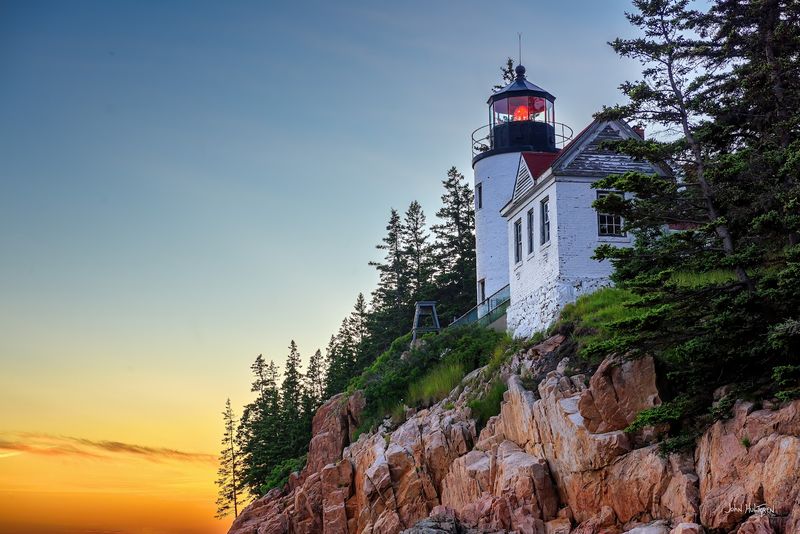
One of the most interesting things about visiting Bass Harbor Head Light Station is that you can explore both the lighthouse area and a short path leading to a shoreline viewpoint. From the small parking lot, a short path with stairs leads down to the rocky shoreline, where visitors can carefully explore the boulders and view the lighthouse from below.
The trail to the right takes a different approach entirely. It follows a gravel path on a gentle incline directly to the lighthouse structure itself, where a few educational signs explain the station’s history and a small fenced viewing area gives you a close-up look at the keeper’s house and tower.
Both trails are relatively short, making them accessible for most visitors. Each one reveals a completely different personality of the same place, so taking both is highly recommended.
Wear sturdy, non-slip shoes no matter which path you choose, especially when the rocks are wet.
It Is Part Of Acadia National Park
Bass Harbor Head Light Station is not just a roadside attraction. It is an official part of Acadia National Park, one of the most visited national parks in the entire United States.
This means the site is protected, well-maintained, and managed by the National Park Service, which keeps the grounds clean and the pathways safe for the thousands of visitors who arrive each year.
Being inside Acadia National Park also means the lighthouse benefits from the surrounding landscape of dense pine forests, pristine coastline, and the raw, untouched beauty that the park is famous for.
The station sits on the quieter, less-trafficked southwestern side of Mount Desert Island, away from the main hub of Bar Harbor.
Visiting the lighthouse pairs naturally with other Acadia adventures, including the nearby Ship Harbor Trail, which winds through a beautiful coastal forest with far fewer crowds. Rangers are often present at the lighthouse area, helping with parking management and answering visitor questions during peak season.
Sunrise And Sunset Here Are Absolutely Legendary
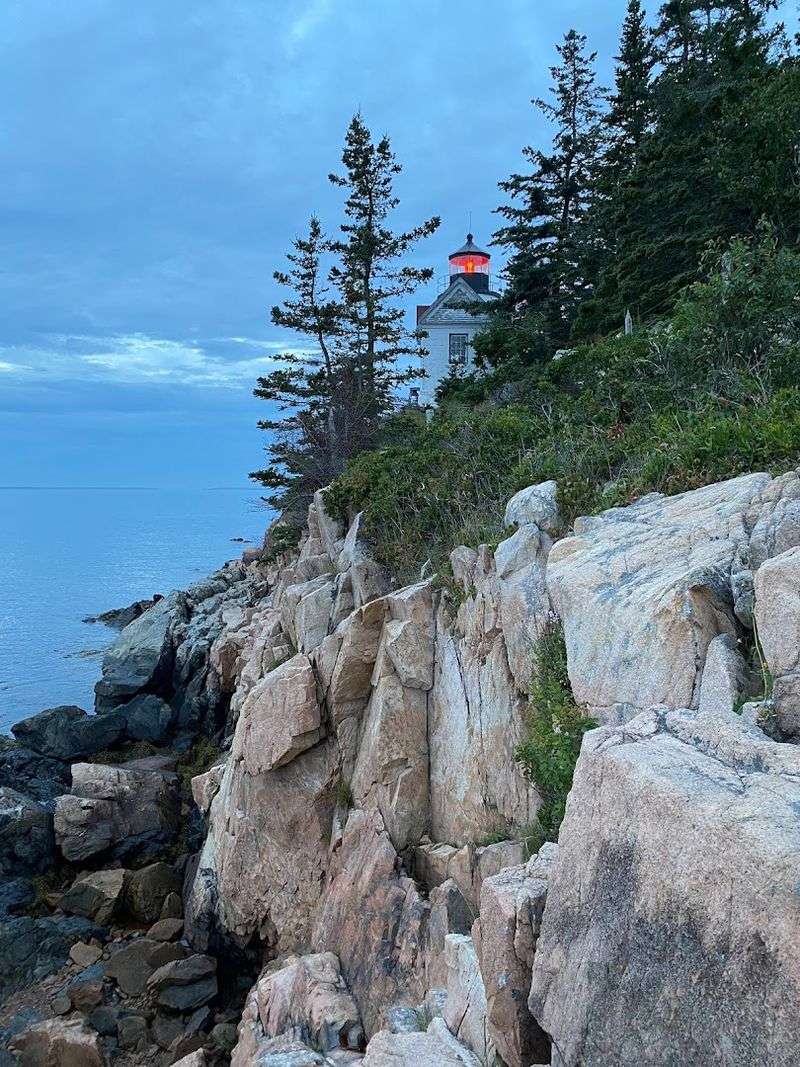
Ask any serious landscape photographer in New England where to catch the most breathtaking light of the day, and Bass Harbor Head Light Station will almost certainly come up.
The way the setting sun paints the granite cliffs in shades of amber and rose while the lighthouse stands silhouetted against the glowing sky is the kind of moment that makes people put down their phones and just stare.
Sunset is the most popular and widely photographed time to visit, while sunrise offers a quieter, more peaceful experience.
Arriving at dawn means you will likely share the rocky shoreline with only a handful of other early risers, giving you space to breathe, explore, and set up a shot without elbows in your frame. Sunset, by contrast, draws significant crowds, especially during summer and fall.
The eastern-facing rocks also catch a beautiful cool light in the morning hours, with the color of the water and the texture of the granite creating a completely different mood from the warm glow of evening. Both are worth experiencing if your schedule allows.
The Parking Situation
Here is a practical truth that every visitor should know before pulling off the main road: the parking lot at Bass Harbor Head Light Station is tiny. It fits roughly 15 to 25 cars depending on how creatively people park, and during peak season it fills up fast.
Lines of vehicles waiting along the narrow road leading to the lighthouse are a common sight on summer afternoons and at sunset.
The good news is that there is an overflow dirt parking area further up the road that can accommodate an additional 30 or more vehicles. Many visitors do not know about it, which means walking from there can actually be faster than sitting in the car line waiting for a spot to open in the main lot.
The absolute best strategy is to arrive early in the morning, ideally around sunrise or shortly after the site opens at 9 AM. The crowds are minimal, the light is gorgeous, and the whole experience feels far more relaxed.
A little planning goes a long way here.
Tide Pools Along The Rocky Shore
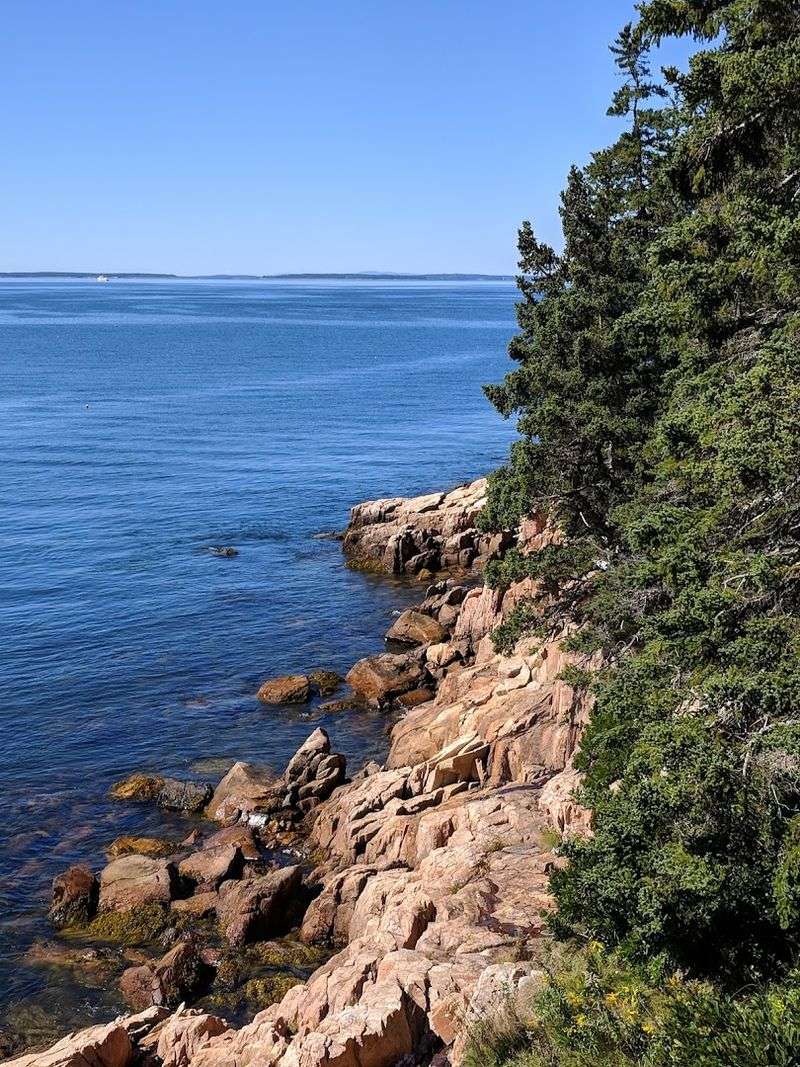
Beyond the photography and the jaw-dropping views, the rocky shoreline below Bass Harbor Head Light Station hides a whole miniature world worth slowing down to explore.
The tide pools scattered across the granite boulders are teeming with marine life, including barnacles, snails, and occasionally small crabs tucked into the crevices between rocks.
Exploring tide pools is one of those activities that appeals to just about everyone. Kids love crouching down and peering into the shallow pools, while adults often find themselves equally absorbed by the tiny ecosystems thriving just inches from the open ocean.
The pools are best explored during low tide, when the most interesting creatures are exposed and accessible.
Because the area is within Acadia National Park, all marine life is protected. Looking is absolutely encouraged, but removing anything from the tide pools is not permitted.
Wearing waterproof shoes or boots with good grip is strongly recommended, since the rocks can be extremely slippery even when they appear dry on the surface.
A Coast Guard Family That Lives On The Property
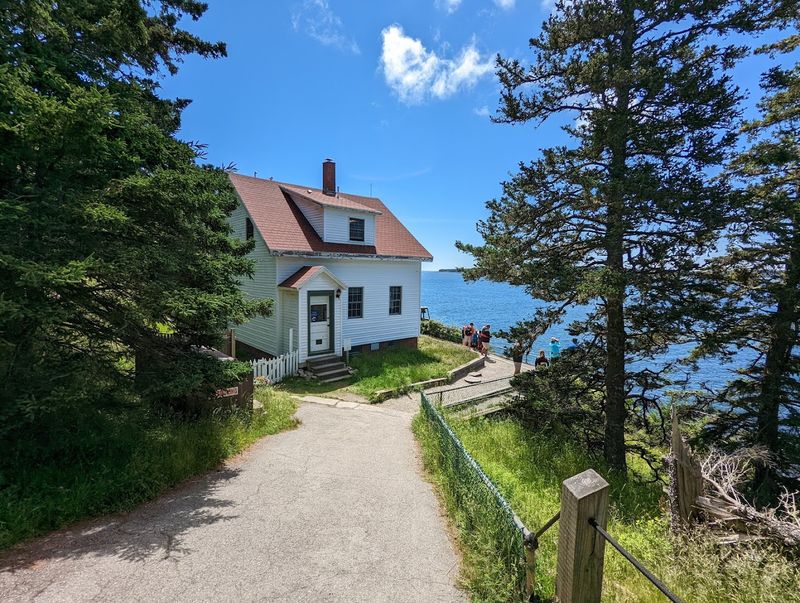
Not many people realize that Bass Harbor Head Light Station is not just a historic monument. It is also an active residence.
The keeper’s house on the property is still used as a residence, adding a layer of living history to the site that most lighthouses in America no longer have.
This means that while visitors are welcome to walk the trails and explore the grounds, the house itself is a private home and should be treated with respect.
Signage at the site reminds guests not to disturb the residents, and the fencing around part of the property helps define the boundary between the public viewing area and the private living space.
The fact that someone actually calls this stunning cliffside lighthouse home is one of those details that makes the place feel genuinely alive rather than like a preserved relic behind glass. It is a reminder that lighthouses were always meant to be lived in, tended, and loved, not just admired from a distance.
It Appeared On A U.S. Postage Stamp
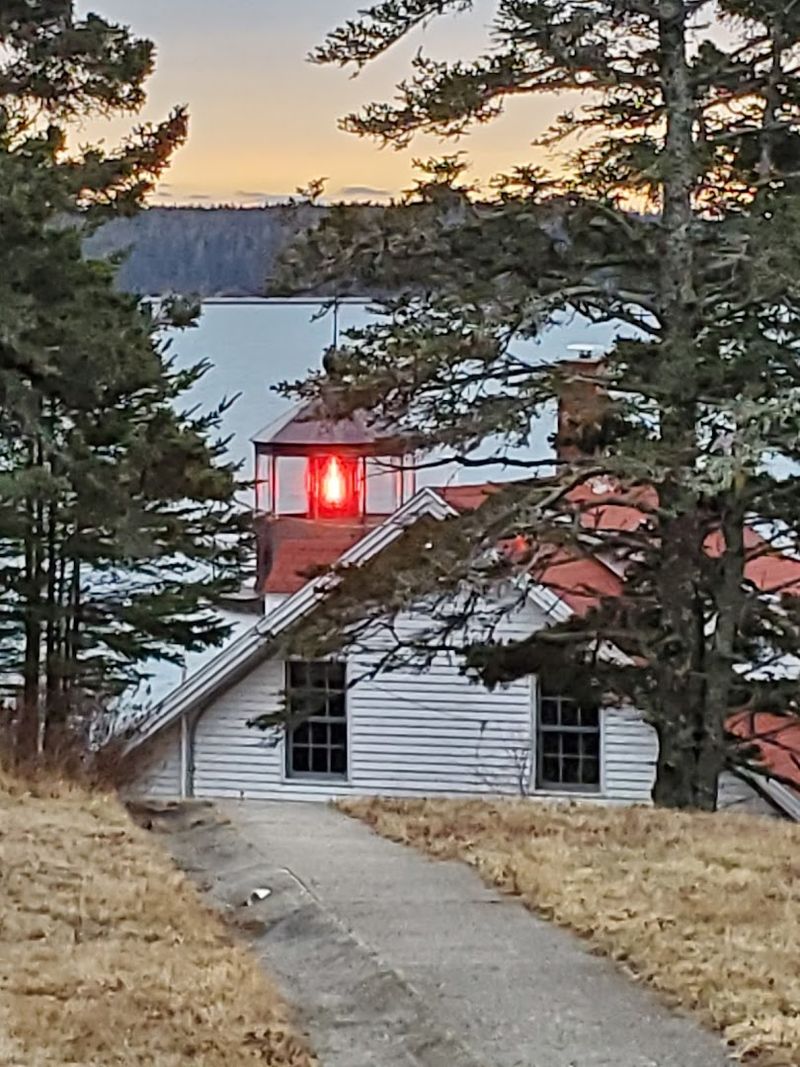
When a landmark ends up on a postage stamp, you know it has reached a certain level of cultural significance. Bass Harbor Head Light Station was featured on a U.S. postage stamp as part of a National Parks series highlighting iconic American landscapes.
That kind of recognition speaks to just how deeply this small Maine lighthouse has embedded itself into the national imagination.
The image used for the stamp highlights the lighthouse’s dramatic coastal setting, a view that continues to inspire photographers today. It is the same shot that photographers still chase today, more than a century after the lighthouse was built.
Being immortalized on a stamp alongside other iconic American lighthouses puts Bass Harbor Head Light Station in rare company.
For collectors and history enthusiasts, this adds yet another layer of meaning to an already fascinating destination. The lighthouse is not just a Maine treasure, it is a piece of American cultural heritage.
Changing Of Seasons
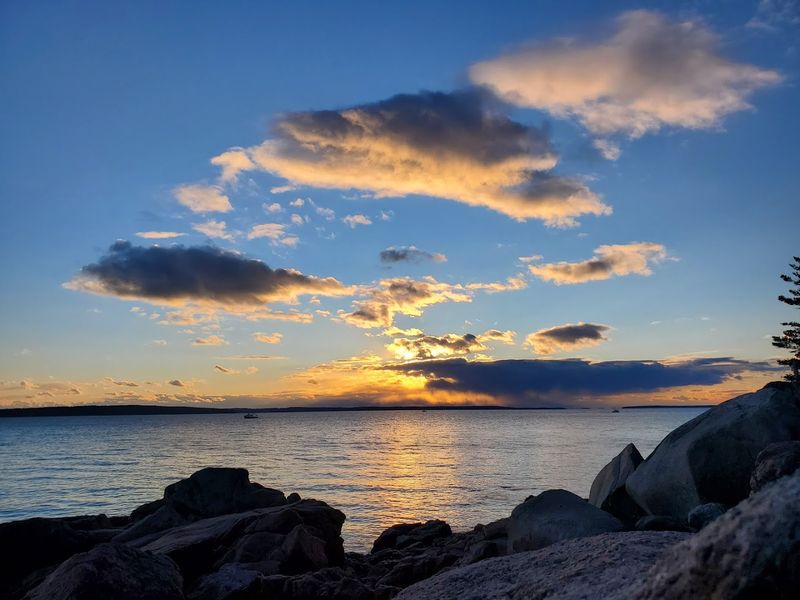
Maine in October is already one of the most visually stunning places in the country, and Bass Harbor Head Light Station during fall foliage season takes that beauty to a completely different level.
The surrounding pine and hardwood forest bursts into shades of deep red, burnt orange, and golden yellow, framing the white lighthouse against a backdrop that looks almost too colorful to be real.
October visits are extremely popular, which means the parking situation becomes even more competitive than during summer.
Rangers have been known to issue parking violations to vehicles parked illegally along the road, so following the rules and using the overflow lot is genuinely important during this time of year.
Despite the crowds, fall is arguably the most rewarding season to visit. The cooler temperatures make the walk down to the rocks more comfortable, the air is crisp and clear, and the combination of autumn color, granite cliffs, and ocean light creates a scene that no filter could ever improve.