
This Small Town In Washington Feels Like One Of The Most Relaxed, Stress-Free Spots In The Pacific Northwest
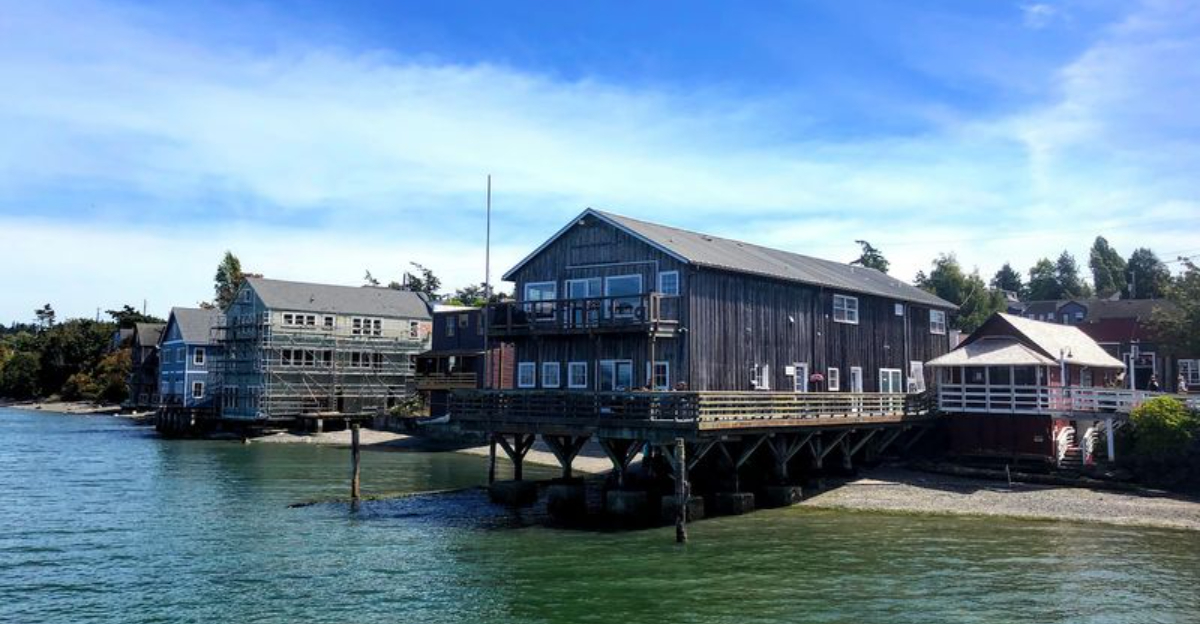
If you were to look at a map of Washington, you might glaze over the tiny peninsulas and scattered coastal inlets. That’s a mistake. I recently stumbled upon a place so quiet and picturesque that I debated keeping it a secret forever.
It’s the kind of town where the biggest dilemma of the day is deciding which bench offers the best view of the harbor. The architecture feels pulled from a different century, the coffee is strong, and the local pace is so remarkably slow that it’s almost meditative.
I walked down the main street feeling my to-do list dissolve into the salty breeze.
Established in 1853, this second-oldest town in Washington State has mastered the art of unhurried living, where locals greet you with genuine smiles and the biggest decision you’ll face is whether to watch the sunset from the beach or a harborside bench.
Historic Downtown That Takes You Back In Time
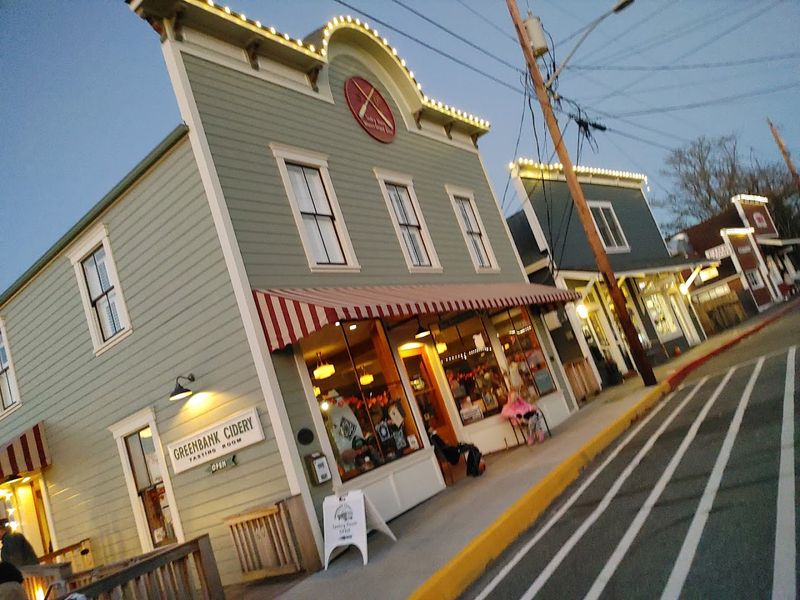
Downtown Coupeville has the sort of charm that a lot of towns try to manufacture and rarely pull off. Front Street is lined with historic buildings from the 1850s and 1860s, and instead of feeling like a polished tourist set, it feels like a real place where daily life simply happens to unfold in a remarkably beautiful setting.
The wooden facades, old storefronts, and views over Penn Cove all work together in a way that feels effortless.
What I liked most is that downtown still belongs to the community. These old buildings are not just there to be admired from the sidewalk. They hold working businesses, local galleries, bookshops, cafés, and shops where people actually linger and talk.
The Island County Historical Society Museum sits right in the center of it all, adding another layer of meaning without making the area feel formal or heavy.
Because Coupeville sits within Ebey’s Landing National Historical Reserve, the town has been protected from the kind of careless development that flattens the personality out of small places. That preservation shows.
You feel it in the boardwalk, the windows, the old details, and the slightly weathered look that makes the whole place more lovable rather than less polished. Penn Cove gives downtown its finishing touch.
The water is always there in the background, reflecting light, drawing your eye, and quietly reminding you to slow down. I spent more time than I planned just sitting by the waterfront and watching boats drift past, which turns out to be a very good use of an afternoon.
Penn Cove Mussel Farms and Waterfront Dining
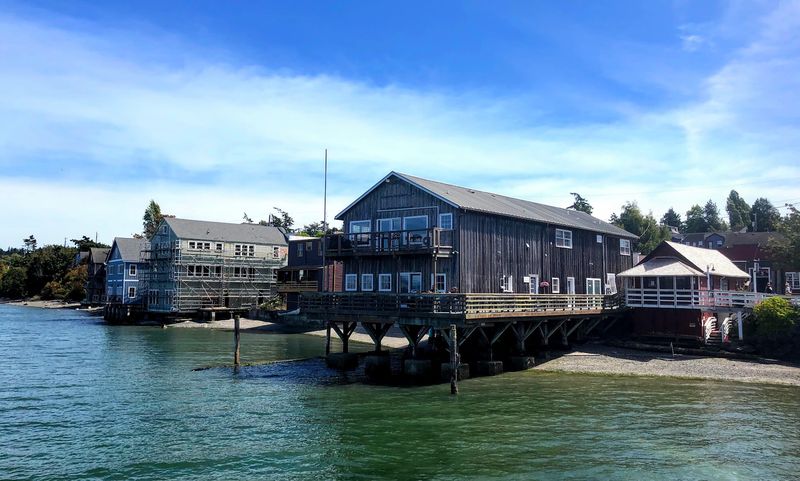
Few things fit Coupeville better than a meal eaten beside the water, especially when that meal involves Penn Cove mussels. This local specialty is not some generic coastal menu item tossed in for atmosphere. The mussels come from the waters right there in the cove, and that closeness gives the whole dining experience a sense of place that is hard to fake.
Watching the mussel rafts floating in Penn Cove makes the connection even clearer. The farming here has been part of the local story for decades, and it feels woven into the town rather than packaged for visitors.
There is something deeply satisfying about sitting down to seafood while looking out at the same waters that produced it, especially in a place where nobody seems interested in rushing you through the meal.
Front Street Grill is an easy favorite for this kind of experience. The deck views alone are enough to make you want to stay a while, and the mussels feel like exactly what you should be eating there.
The Oystercatcher is another standout if you want something a little cozier and more polished without losing the town’s relaxed spirit. Either way, Coupeville makes waterfront dining feel restorative rather than performative.
That is really the theme here. Meals in Coupeville tend to stretch out naturally. Conversations move slower. The gulls make noise overhead, the light shifts on the water, and suddenly lunch becomes one of the most relaxing parts of the day.
Ebey’s Landing National Historical Reserve Trails
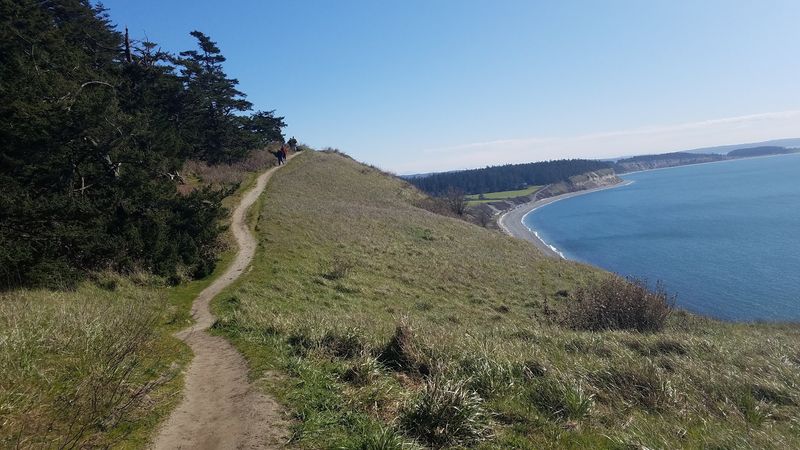
If downtown Coupeville settles you down, Ebey’s Landing makes you breathe deeper. The national historical reserve protects a huge landscape of prairie, bluff, beach, farmland, and sea, and the result is one of the most calming places I have walked in Washington. It is not just pretty.
It feels spacious in a way that gives your brain room to exhale.
The Bluff Trail is the best-known route for good reason. The full loop gives you a mix of shoreline, open views, and high stretches where you can look out across Admiralty Inlet toward the Olympic Mountains.
It is scenic in a way that feels almost too perfect, but it never loses that natural, unpolished edge that keeps it from feeling precious.
What makes Ebey’s Landing especially good for a stress-free trip is that it encourages wandering rather than achievement. You do not have to treat it like a fitness test. You can stop often, look around, watch birds, take in the prairie grasses, and simply let the landscape do its work.
Even the history woven through the reserve adds depth without weighing things down.
There is something deeply grounding about a place where farming, preservation, and wild beauty all still coexist. Ebey’s Landing does not feel staged for visitors. It feels lived with, cared for, and respected, and that gives the whole area a calm that is hard to explain until you are standing there.
Charming Bed And Breakfasts And Vacation Rentals
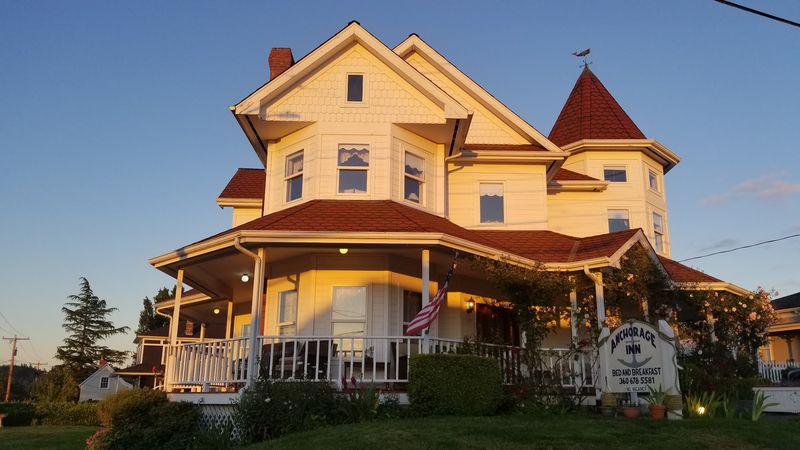
Coupeville is the kind of place that gets better once you stop trying to do it in a hurry. Staying overnight changes the rhythm completely. Instead of squeezing everything into one afternoon, you get to experience the town in the softer hours, when the streets are quieter, the water changes color, and the historic buildings start to glow a little.
The bed and breakfasts here fit the town perfectly. Many are set inside older homes full of character, and they feel personal in a way chain hotels never can. The Anchorage Inn is a lovely example, with its Victorian presence and easy access to downtown.
Just outside town, Captain Whidbey Inn brings even more rustic atmosphere, with a log lodge setting that makes it feel removed from everyday life in the best possible way.
Vacation rentals work well here too, especially if you want to cook with local ingredients, move at your own pace, or pretend for a weekend that you live on Whidbey Island.
What matters most is that Coupeville’s accommodations tend to feel connected to the place instead of separate from it. You are not staying in a generic room dropped onto a scenic backdrop.
You are staying inside part of the town’s texture. That changes the whole trip. Mornings feel slower, evenings feel softer, and the town stops feeling like a stop on an itinerary and starts feeling like somewhere you could happily keep returning to.
Island County Historical Society Museum
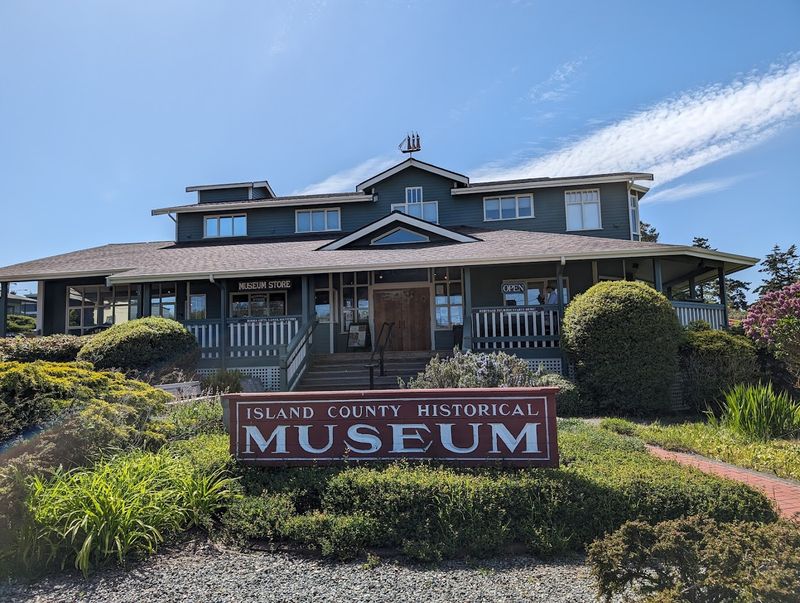
Small-town museums can sometimes feel like something you visit out of politeness. The Island County Historical Society Museum is much better than that. It adds real depth to Coupeville, helping you understand why the town feels the way it does and how its story has been shaped by water, isolation, settlement, and community memory.
The exhibits cover maritime history, pioneer life, and the Coast Salish peoples whose ancestral lands include this region. T
he Alexander Blockhouse, built in 1855, is one of the strongest parts of the experience because it makes the past feel tangible rather than distant. Instead of flattening history into something decorative, the museum gives it texture and complication.
I also liked how manageable the museum feels. It is not overwhelming, and it fits naturally into a day downtown. You can spend a quiet hour there, learn something meaningful, and walk back outside seeing the town a little differently.
The old streets and buildings stop being just attractive scenery and start to feel connected to real lives and layered histories.
That is one of Coupeville’s strengths in general. It does not separate beauty from substance. The pretty views are real, but so is the history underneath them, and the town feels richer because it lets both exist at once.
Fort Casey Historical State Park
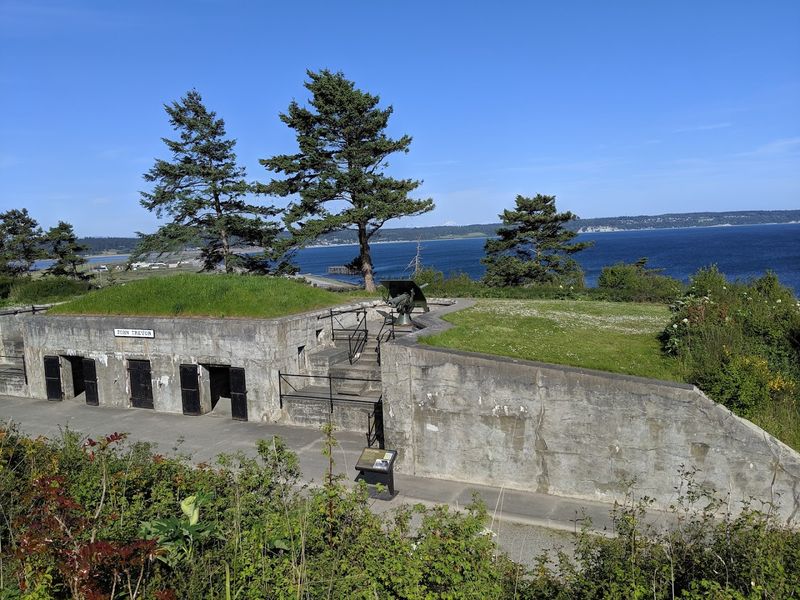
A short drive from Coupeville, Fort Casey Historical State Park brings in a completely different mood while still fitting the area’s stress-free appeal.
At first glance it seems like a place defined by military history, with big concrete gun batteries, bunkers, and the old Admiralty Head Lighthouse. In practice, it feels surprisingly peaceful.
The massive fortifications are fascinating because they now sit quietly against one of the prettiest coastal settings in the state. The structures were built for defense, but today they are surrounded by open sky, sea views, grass, and the sound of wind.
Walking through the tunnels and climbing around the batteries feels more curious than tense, especially because nature has softened the whole setting.
The lighthouse adds another layer of character, and the beach below the fort is perfect for a slower stretch of the day. It is a good place to walk, sit, or simply stare out at the water for a while. Fort Casey proves that not every relaxing destination has to be soft or quaint.
Sometimes a place can be visually stark and historically heavy, yet still leave you feeling strangely peaceful.
That contrast works beautifully here. Coupeville gives you charm, and Fort Casey gives you scale. Together they make the area feel more complete.
Quiet Beaches And Coastal Access Points
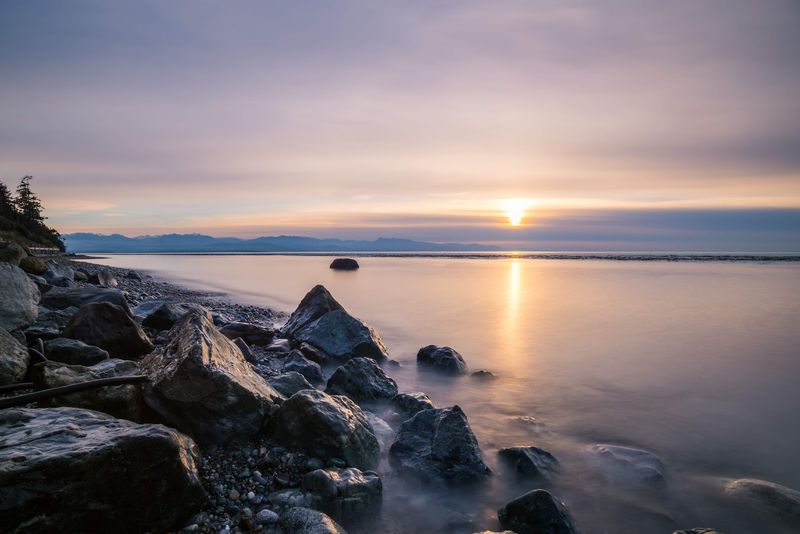
One of the best things about Coupeville is that the calm is not just in the downtown atmosphere. It extends right out to the shoreline. The beaches and coastal access points around town feel wonderfully uncommercial, which means they offer the kind of peace that is getting harder to find.
Keystone Spit is especially memorable, with its long reach into Admiralty Inlet and its excellent birdwatching. Other stretches of beach are ideal for driftwood walks, tide pooling, and slow wandering with no real destination. These are not beaches built around activity or entertainment.
They are beaches for clearing your head, looking for interesting shells, and listening to the water long enough that your nervous system finally gets the message.
The driftwood alone gives these shores a kind of rugged beauty. Add gulls, changing tides, soft light, and the occasional wildlife sighting, and you have the sort of place where time becomes pleasantly slippery. You can spend an hour there without realizing it, which is part of the point.
That lack of pressure matters. Nobody is trying to turn your beach walk into an event. You just show up, find a stretch of shoreline that feels good, and let the place do what it does.