
This Beautiful Washington Hike Ends At Three Stunning Waterfalls
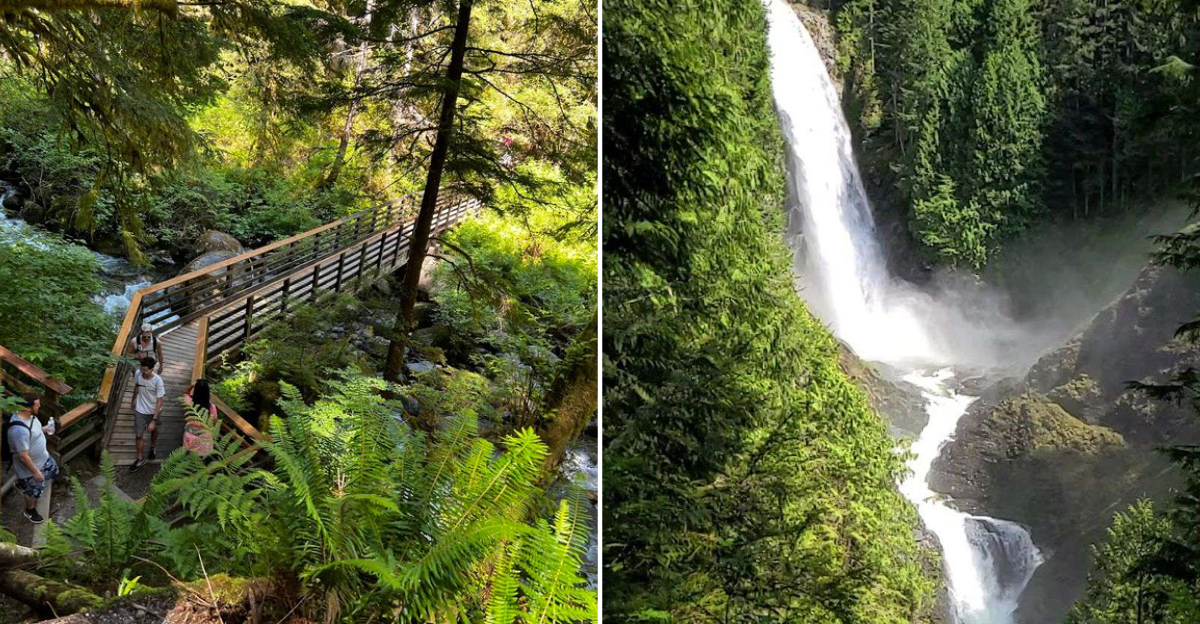
My boots were definitely not as waterproof as the salesman promised, but honestly, by the second mile, I couldn’t find it in me to care. There’s a specific kind of magic that happens when you’re deep in the Washington wilderness and the forest starts to “speak.”
For me, that voice was the thunderous boom of three different waterfalls tucked away in the jagged mountains. I spent my morning dodging puddles and high-fiving mossy rocks as I made my way up the winding switchbacks.
The reward for my leg day workout? Seeing that first spray of crystal-clear water catch the light through the hemlock trees. It’s a bit of a climb, sure, but reaching those overlooks felt like winning the outdoor lottery.
If you need a reminder that the world is still wild, this trek is it.
Getting To Gold Bar And The Park Entrance
The drive alone sets the tone for what is coming. Gold Bar sits about 50 miles east of Seattle along US-2, a highway that cuts through some of the most gorgeous scenery in western Washington. You pass through small towns, cross rivers, and watch the mountains slowly rise around you like a curtain going up before a show.
Wallace Falls State Park is located at 14503 Wallace Falls Road, Gold Bar, WA 98251. Plug that into your map app and follow the signs once you get into town.
The road leading to the park entrance is narrow, so please resist the urge to park along the county road, as the park specifically asks visitors to avoid that for safety reasons.
The parking lot fills up fast on weekends, sometimes before 9 a.m. in summer. I arrived at 7:30 a.m. and still found only a handful of spots left.
The park is open year-round from 8:00 a.m. to dusk, and a Discover Pass is required for day use, priced at $10 for a single day or $45 annually.
The Trailhead And First Steps Into The Forest
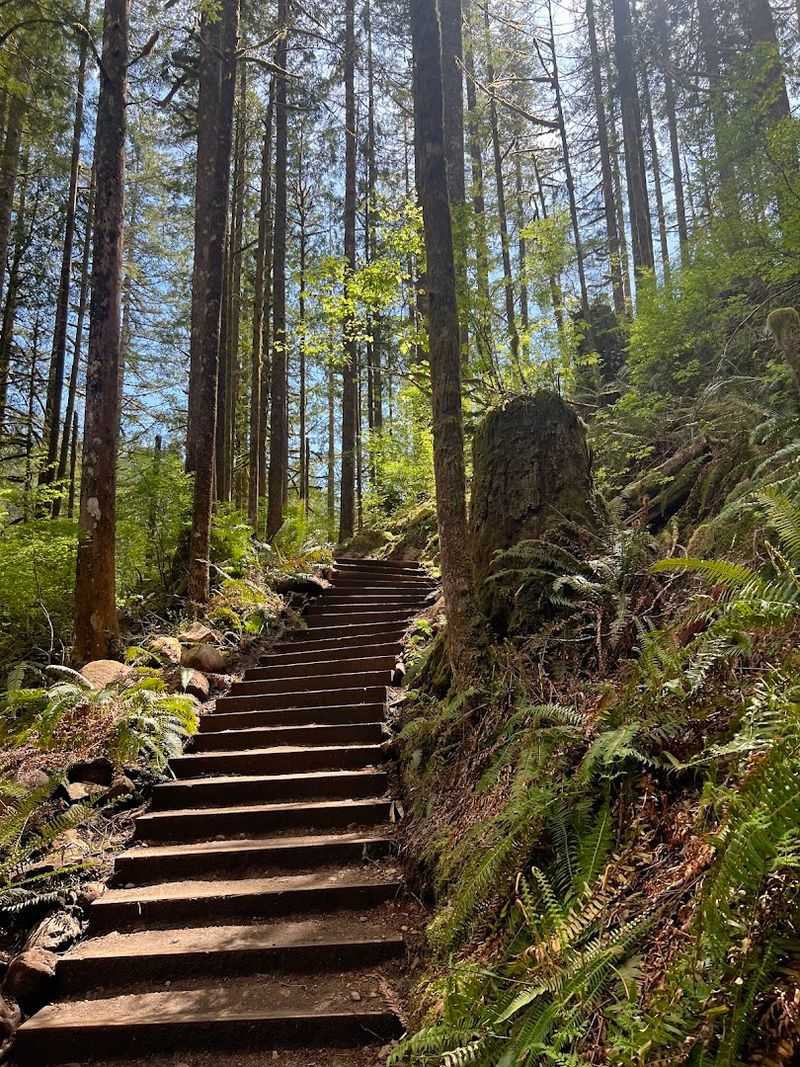
Stepping past the trailhead at Wallace Falls feels like walking through a door into a completely different world. The air gets cooler almost immediately, and the sounds of the parking lot fade behind a wall of towering Douglas firs, red cedars, and big-leaf maples draped in soft green moss.
The forest here is the kind that makes you speak in hushed tones without anyone asking you to. The main trail is approximately 5.6 miles round-trip with an elevation gain of around 1,300 feet. T
hat number sounds intimidating, but the trail is well-maintained with a gradual climb that makes the effort feel manageable for most hikers with a reasonable fitness level. Switchbacks help ease the steeper sections, and the path is clearly marked throughout.
Two route options exist at the start: the Woody Trail and the Railroad Grade Trail. I took the Railroad Grade on the way up because it runs alongside the Wallace River, treating you to the sound of rushing water almost from the very first steps.
Both trails eventually reconnect higher up the mountain.
Hiking Alongside The Wallace River
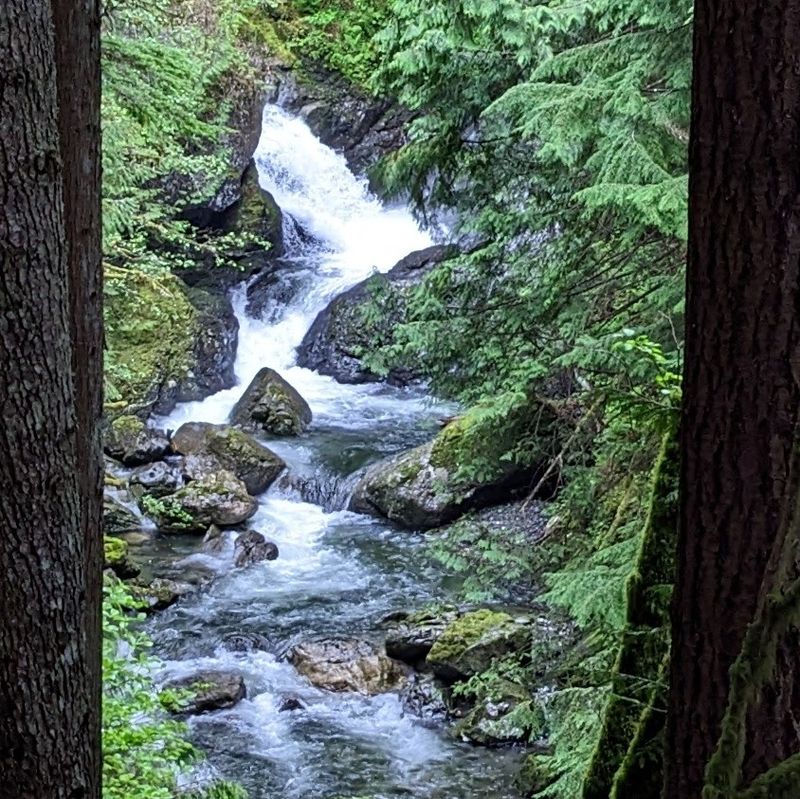
There is something deeply satisfying about hiking with a river as your trail companion. The Wallace River runs alongside the lower portion of the Railroad Grade Trail, and the sound of it is constant, energizing, and honestly a little hypnotic.
On warm days, the mist rising off the water cools the air around you in the most refreshing way. The river changes personality as you climb. Near the bottom, it moves with a calm, steady confidence.
Further up, it starts to pick up speed and attitude, tumbling over boulders and sending up little sprays of white water that catch the light beautifully. I stopped at nearly every bend just to take it in.
Keep your eyes open along this stretch for wildlife. I spotted a great blue heron standing perfectly still in a shallow pool, looking completely unbothered by my presence.
Dippers, those small gray birds that actually walk underwater, are also commonly seen here. The river section alone is worth the trip, even before the waterfalls enter the picture.
Lower Wallace Falls: Your First Big Reward
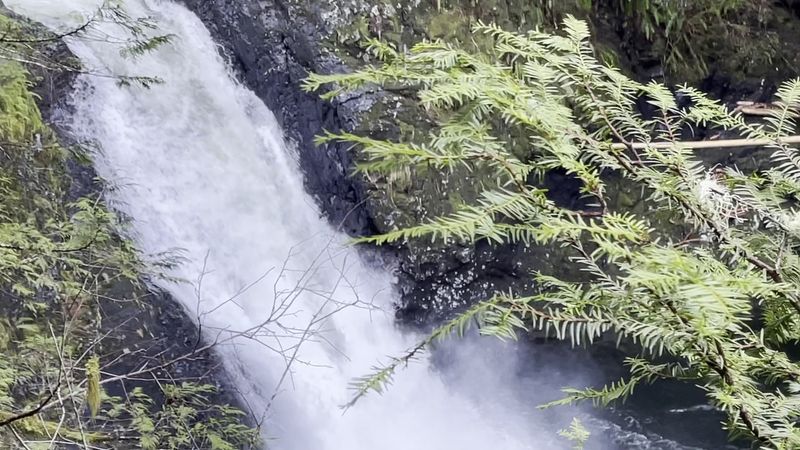
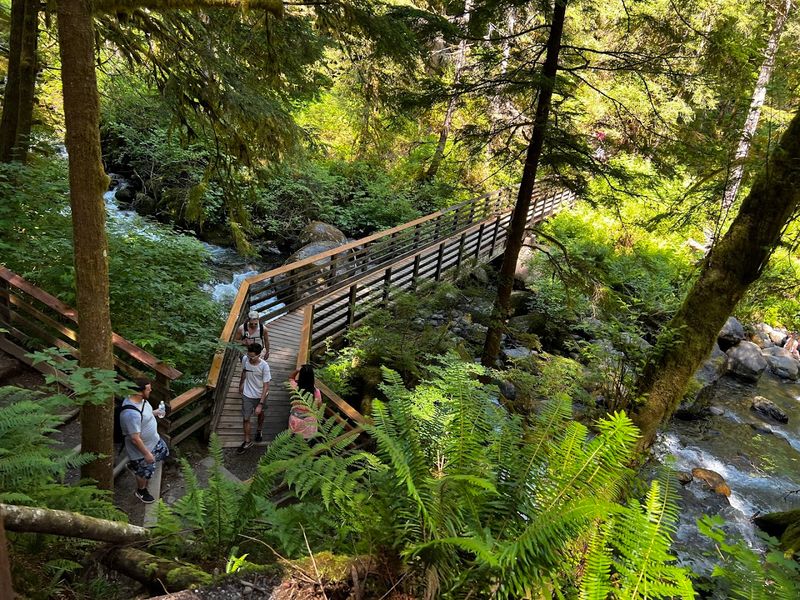
After about 1.5 miles of steady hiking, the forest opens up and Lower Wallace Falls announces itself with a roar you hear before you see it. The first glimpse through the trees is genuinely thrilling.
Water pours over a wide ledge and crashes into a pool below, sending mist drifting across the viewing platform in cool, refreshing waves. A sturdy wooden viewing platform sits right in front of the falls, giving you a clear, close-up look at the cascading water.
I watched a family let their toddler press her tiny palms against the mist-covered railing, completely transfixed by the noise and the movement. That moment said everything about what this place does to people of all ages.
Lower Wallace Falls is a great turnaround point for younger kids or anyone who wants a shorter outing. But if your legs are feeling good and your curiosity is pulling you upward, keep moving.
The trail continues climbing, and what waits above is even more spectacular. The best is genuinely still ahead at this point in the hike.
Middle Wallace Falls: The Star Of The Show
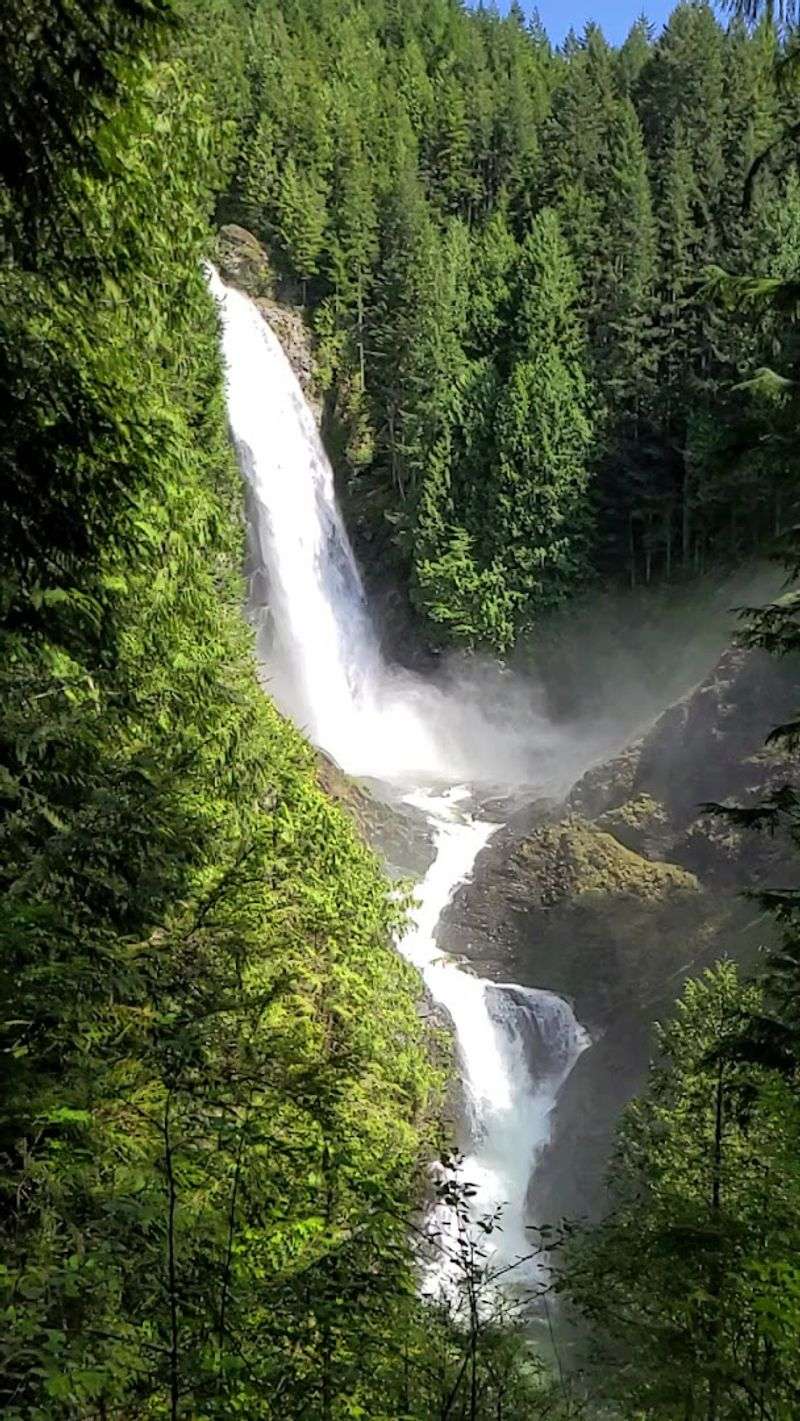
Middle Wallace Falls is the one that stops you cold. At 265 feet, it is the tallest of the three tiers, and the viewing area frames it against a backdrop of the Skykomish River Valley and, on clear days, the distant Olympic Mountains.
I stood there for a solid ten minutes just staring, which felt both completely reasonable and not nearly long enough.
The sheer volume of water moving through this falls is remarkable. After rain or during spring snowmelt, the flow intensifies dramatically, and the sound is powerful enough to make conversation nearly impossible at close range.
Summer visits offer a slightly calmer version that still impresses everyone who sees it.
Fun fact: Middle Wallace Falls is often cited as one of the most photographed natural landmarks in Snohomish County. Photographers set up tripods here at all hours, chasing that perfect long-exposure shot of silky water against dark rock.
Even with a phone camera, the images come out stunning because the falls themselves do most of the creative heavy lifting. Bring your camera fully charged.
Upper Wallace Falls: The Hiker’s Trophy
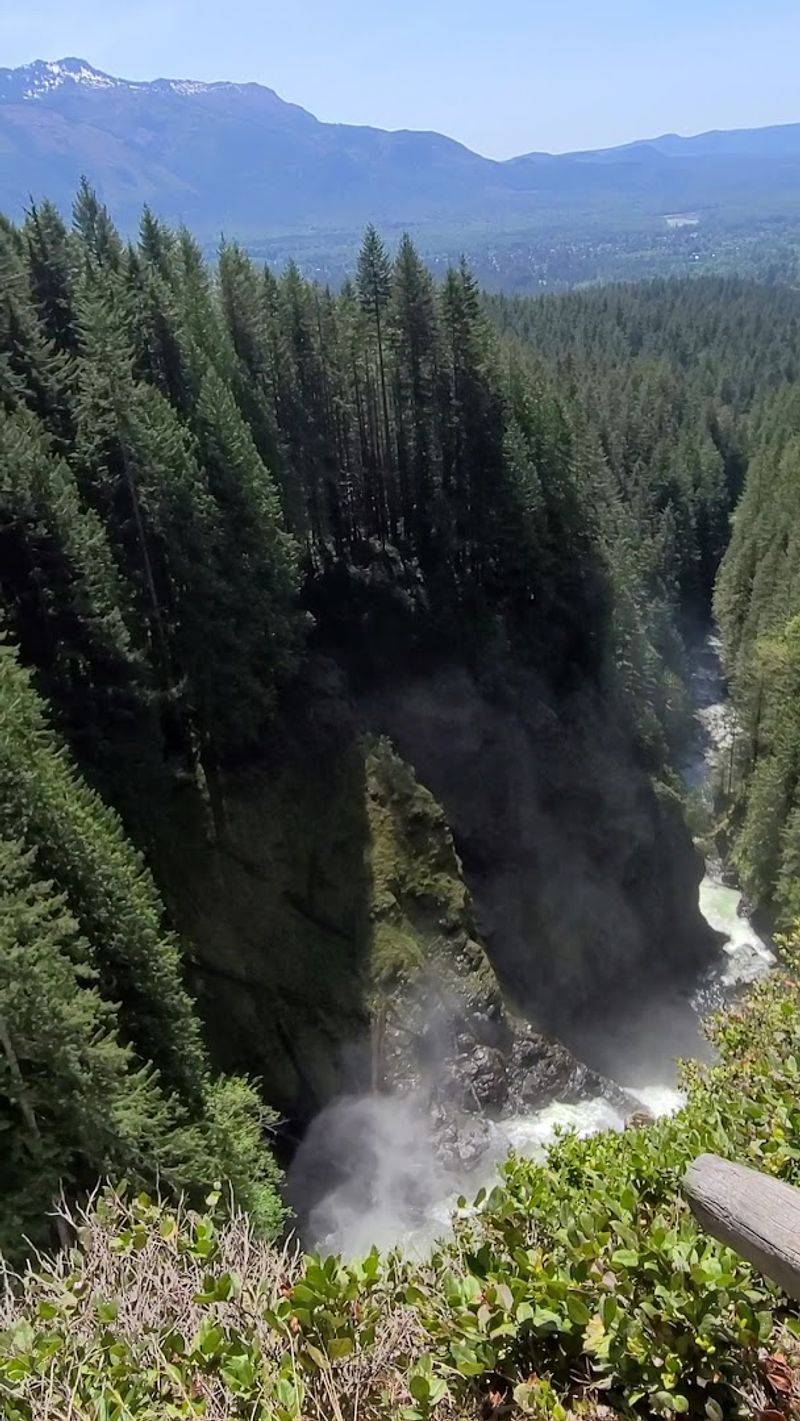
Reaching Upper Wallace Falls feels like earning a badge. The trail from Middle to Upper gets noticeably steeper, with roots and rocks adding a bit of scramble to the climb.
Trekking poles are genuinely helpful here, and the effort is real, but the payoff is a quieter, more secluded waterfall experience that most casual visitors never reach.
Upper Wallace Falls has a wilder, less polished feel compared to the lower two tiers. The viewing area is smaller and more rugged, and the falls tumble through a narrower channel with raw, unfiltered energy.
Standing there, you feel like you actually earned your spot in the scenery rather than just walking up to it.
The sense of accomplishment at this point in the hike is hard to describe. You have climbed through old-growth forest, followed a river, and stood in front of three separate waterfalls.
On my visit, a solo hiker at the top looked over and said simply, “Worth it,” and then turned back to the falls. That two-word review felt completely accurate and entirely sufficient.
The Greg Ball Trail Extension To Wallace Lake
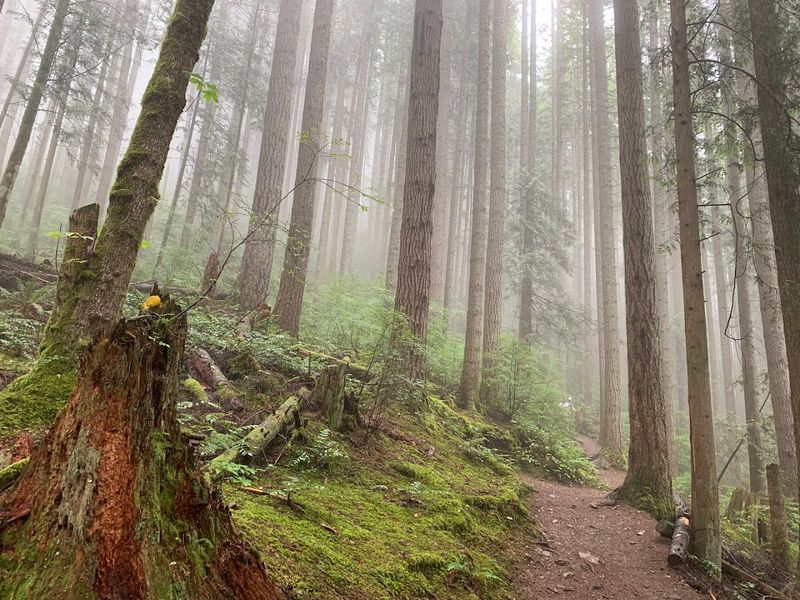
If three waterfalls and 5.6 miles of trail feel like a warm-up rather than a workout, the Greg Ball Trail extension to Wallace Lake is calling your name. This longer route adds significant mileage to the day, bringing the total to approximately 8.2 miles round-trip with an elevation gain of around 1,500 feet.
Wallace Lake sits quietly at the top of the ridge, ringed by conifers and reflecting the sky in that mirror-like way that makes mountain lakes look almost too perfect to be real.
The trail up to the lake passes through increasingly wild terrain, with fewer crowds and a genuine sense of backcountry solitude that the main waterfall trail cannot quite match.
I have not personally completed the full loop to Wallace Lake yet, but multiple hikers I spoke with at the trailhead described it as a completely different experience from the waterfall hike, more meditative, more remote, and deeply rewarding in its own right.
It is firmly on my return-visit list for next spring when the snow clears from the upper trail sections.
Camping, Cabins, And Staying Overnight
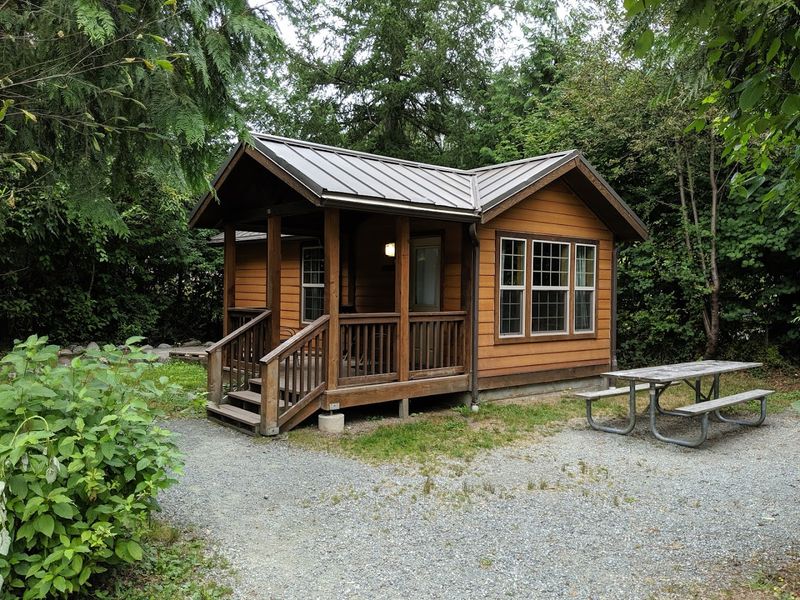
Spending one night at Wallace Falls transforms the entire experience. The park offers two walk-in tent sites and five cabins available by reservation through the Washington State Parks reservation system. Booking ahead is essential, especially for summer weekends, because these spots go quickly and with very good reason.
Each cabin comes equipped with a covered porch, a picnic table, a fire pit, a barbecue stand, and electricity. They accommodate up to five people, making them a solid option for small families or a group of friends who want comfort without hauling a full camping setup.
Waking up in the middle of that forest, with the sounds of the river carrying through the trees, is genuinely something special.
Staying overnight also solves the parking problem entirely. Early morning hikers who camp on-site get the trail almost completely to themselves in those first golden hours before the day-trippers arrive.
I cannot think of a better reason to pack a sleeping bag and a good book than having a 265-foot waterfall as your backyard for the evening.
Tips, Gear, And Making The Most Of Your Visit
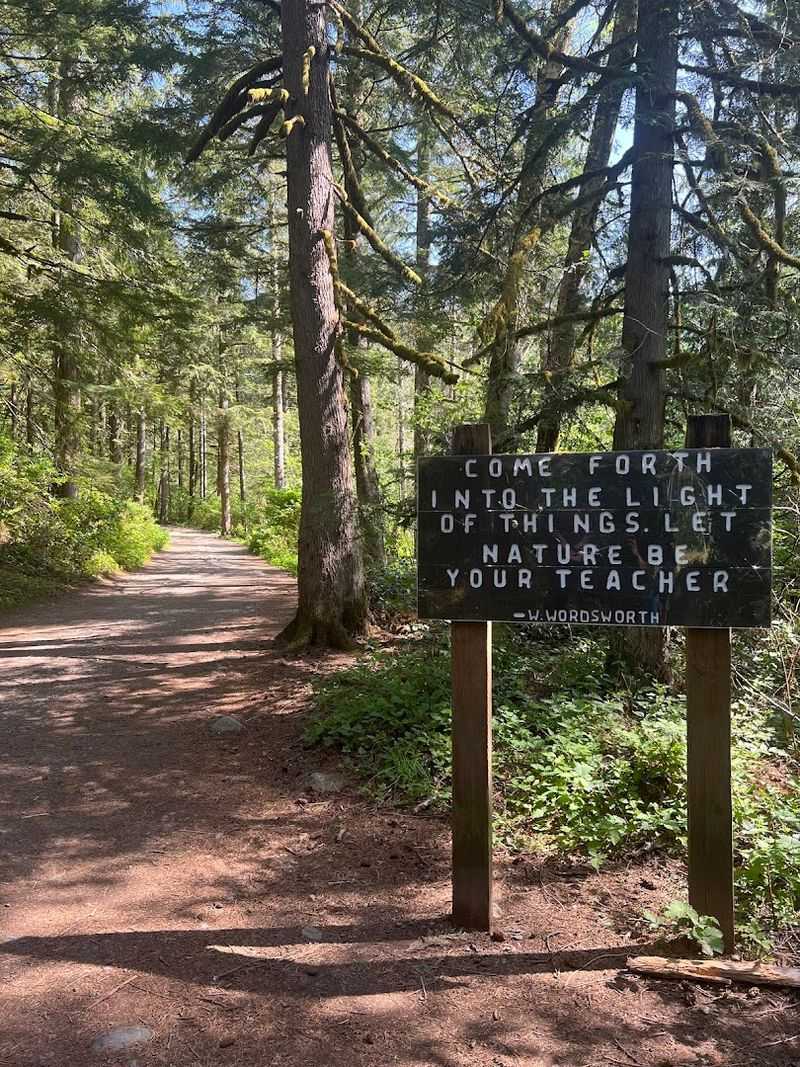
A few smart choices before you leave the house will make your Wallace Falls experience significantly better. Waterproof footwear is non-negotiable in Washington, where trail conditions can shift from dry to muddy within a single mile.
Even on sunny days, the shaded sections near the river stay damp, and the mist from the falls will find its way onto everything near the viewing platforms.
Bring more water than you think you need. The climb to Upper Wallace Falls covers real elevation, and staying hydrated keeps your energy consistent throughout. Snacks are equally important.
I packed a peanut butter sandwich and some trail mix, and eating lunch on a mossy log near Middle Falls was one of the highlights of my entire day.
Dogs are welcome on leash, and the trail is generally well-suited for leashed pets with reasonable fitness. Check current trail conditions on the Washington Trails Association website before heading out, especially after heavy rain.
Cell service near the upper trail is limited, so download an offline map in advance and let someone know your planned return time before you head in.