
14 Reasons Why Eastern And Western Washington Barely Feel Like The Same State
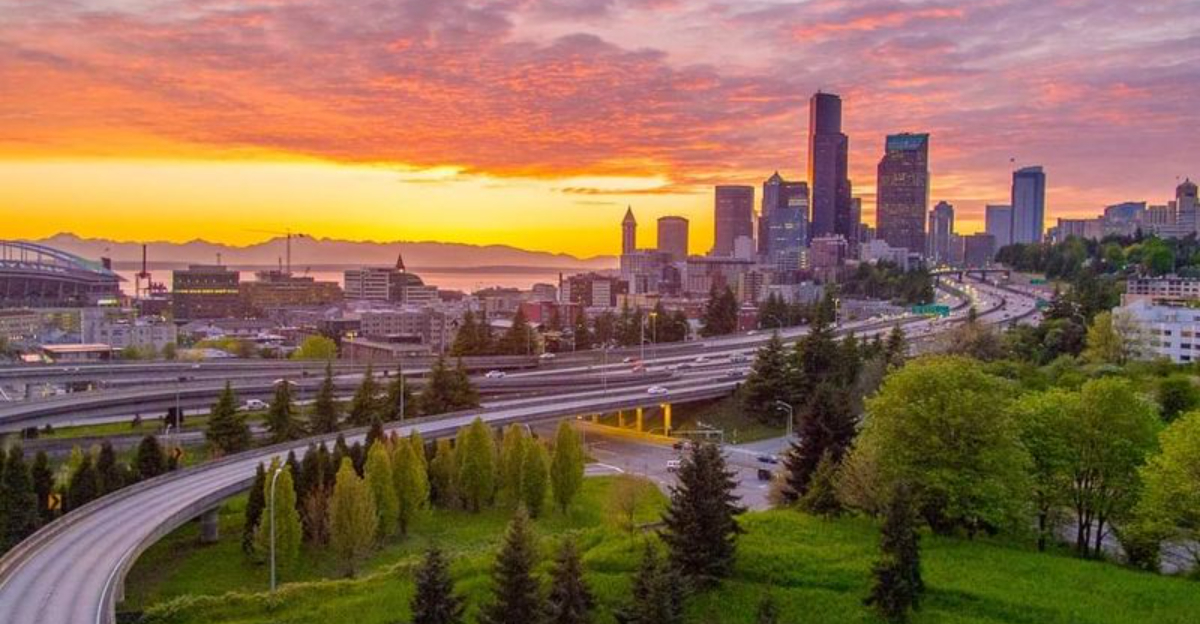
If you opened my closet, you would probably think I have a serious identity crisis. On one side, I have heavy waterproof shells and enough fleece to insulate a small house.
On the other, I keep my dusty hiking boots and shorts meant for heat that actually bites.
That is just the reality of living in a place that behaves like two different planets sharing a single zip code. I love the variety, but I’ve definitely had those moments where I wake up to evergreen shadows and end the day staring at wide-open, golden plains that seem to go on forever.
It’s all part of the charm of Washington, of course, but it’s hard not to feel like I’m living a double life. Sometimes, the only thing these two halves have in common is the name on our driver’s licenses.
1. The Cascade Range Acts As A Natural Wall
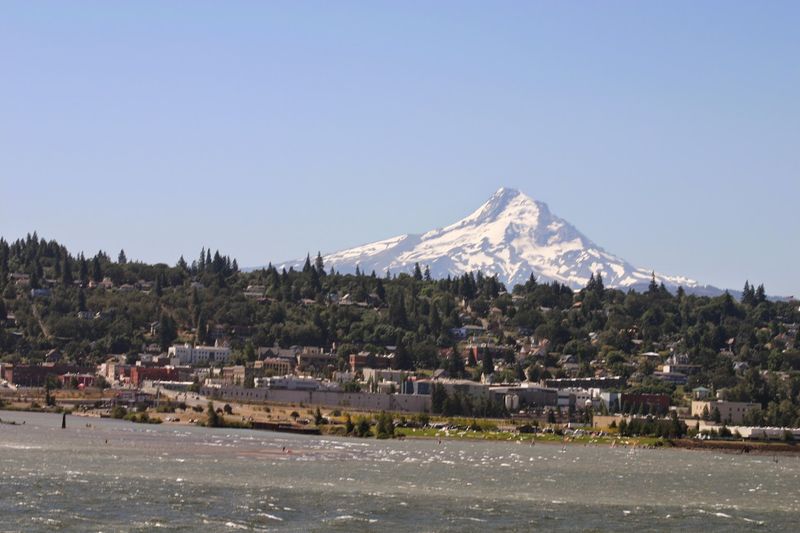
Standing at a Cascade mountain pass and looking east versus west is one of those travel moments that genuinely stops you in your tracks. The mountains do not just divide Washington geographically on a map.
They create two completely separate climate zones, ecosystems, and ways of life on either side.
Snoqualmie Pass, Stevens Pass, and White Pass are the main crossing points, and each one feels like a gateway between two worlds. Heading west, the air gets damp and the trees get thick.
Heading east, the landscape opens up fast into dry shrub-steppe and wide open sky.
The Cascades rise to elevations over 14,000 feet at Mount Rainier, and that sheer height is what blocks Pacific moisture from reaching the interior. That one geographic fact is responsible for almost every other difference between the two sides of Washington State.
2. Western Washington Gets Soaked While Eastern Washington Stays Dry
Seattle averages around 38 inches of rain per year, which is actually less than New York City, but the number of overcast and drizzly days makes it feel perpetually damp. That constant moisture feeds some of the lushest temperate rainforests in North America.
Moss grows on everything, ferns line every trail, and the air smells like fresh rain almost year-round.
Cross the mountains and the story flips entirely. Yakima, one of Eastern Washington’s most well-known cities, averages only about 8 inches of rain annually. That is closer to a semi-arid desert than anything you would picture in the Pacific Northwest.
The contrast between these two precipitation zones is not subtle. Western Washington feels like a rainforest world where umbrellas are a lifestyle. Eastern Washington feels like a sunbaked open range where irrigation ditches are the difference between farmland and dust.
3. Ferry Culture Defines The West Side
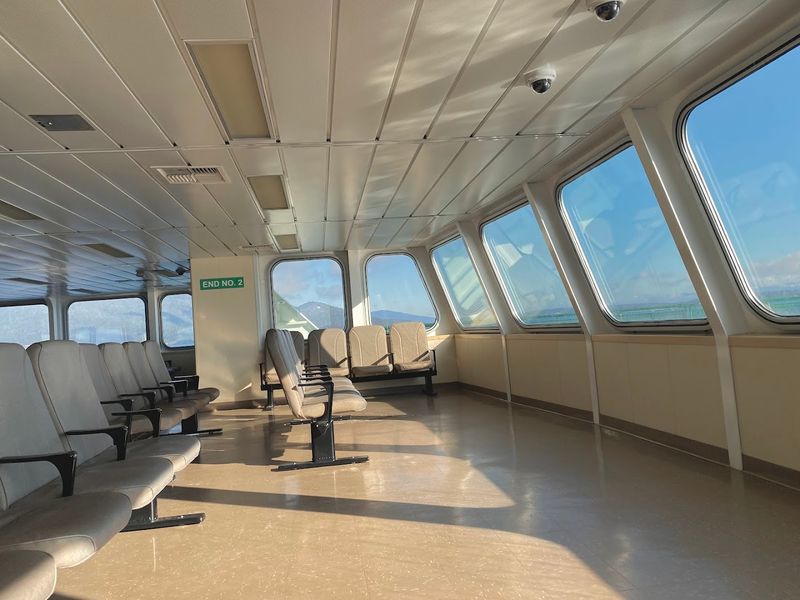
Riding a Washington State Ferry is not just transportation. For millions of residents and visitors on the west side, it is a daily ritual, a scenic experience, and a deeply ingrained part of regional identity.
The Washington State Ferries system is one of the largest in the entire country, connecting Seattle to Bainbridge Island, Bremerton, and other Puget Sound destinations.
You can sip coffee on the upper deck, watch harbor seals swim past, and arrive at your destination feeling like you actually traveled somewhere meaningful. That ferry culture shapes the pace and personality of western Washington communities in ways that are hard to overstate.
Eastern Washington does not have anything remotely like this. Getting around over there means long highway drives through open terrain, not boat rides across saltwater bays.
The idea of a daily ferry commute would sound like a fantasy to most people living in Spokane or the Tri-Cities.
4. The Population Gap Is Enormous
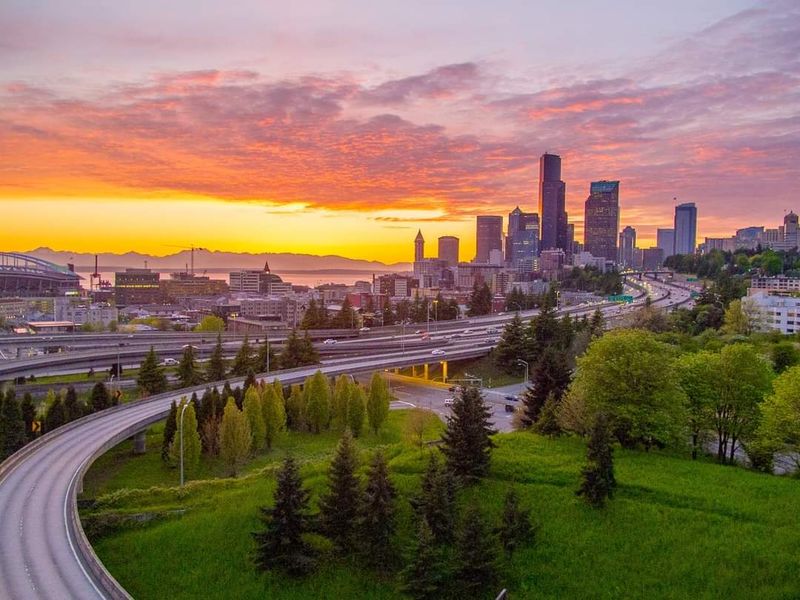
Seattle alone holds more people than the entire eastern third of Washington State. When you factor in Tacoma, Bellevue, Olympia, Bellingham, and the surrounding suburbs, the population imbalance between the two sides becomes almost hard to believe.
The west side is packed, connected, and constantly growing. Eastern Washington’s largest city, Spokane, has a population of around 230,000, which makes it a genuine regional hub but still nowhere near the scale of the greater Seattle metro area.
The Tri-Cities region of Kennewick, Richland, and Pasco adds more, but the overall density stays dramatically lower east of the mountains.
That population gap shapes everything from road quality and transit options to restaurant variety and event access. Living in rural Eastern Washington means you might drive 45 minutes for a grocery run. On the west side, you might have three coffee shops within a two-block walk.
5. The Economy Runs On Very Different Engines
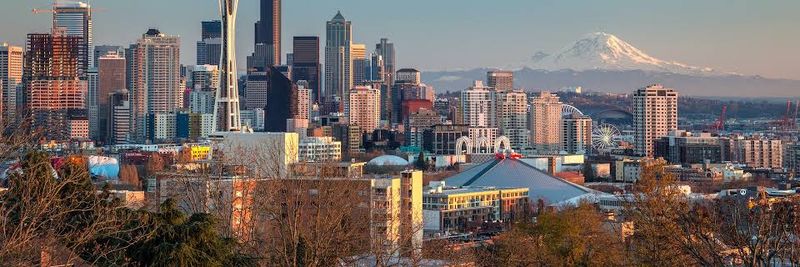
Western Washington’s economy is powered by technology, aerospace, trade, and a massive port system. Amazon and Boeing have shaped the region’s workforce and culture for decades, drawing highly educated workers from around the world and pushing the cost of living to some of the highest levels in the nation.
Eastern Washington operates on a completely different economic engine.
Agriculture dominates the landscape and the livelihood of thousands of families. Apples, wheat, potatoes, hops, cherries, and wine grapes are not just crops here. They are community identity, seasonal rhythm, and economic backbone all wrapped into one.
Washington grows more than 300 different crops, and the vast majority of that agricultural output comes from the irrigated eastern side of the state. The contrast between a tech campus in Redmond and a wheat farm outside of Pullman could not be more striking, and both are completely real Washington experiences.
6. Eastern Washington Depends Heavily On Irrigation
Without irrigation, much of Eastern Washington would simply not be farmable. The Columbia Basin Project, one of the largest irrigation systems in the United States, transformed what was once dry shrub-steppe into one of the most productive agricultural regions in the country.
That kind of human engineering on a massive scale is not something most people associate with Washington State. Water rights, snowpack levels, and reservoir storage are topics that Eastern Washington farmers track the way western Washington commuters track traffic apps.
When snowpack runs low in the Cascades, the stakes for eastern growers get very real very quickly.
Recent drought pressures across Washington have highlighted just how dependent the east side is on a reliable water supply.
Western Washington residents rarely think about irrigation at all. That difference in relationship with water is one of the most fundamental ways the two sides of the state live completely different daily realities.
7. The Landscapes Could Fool You Into Thinking You Left The State
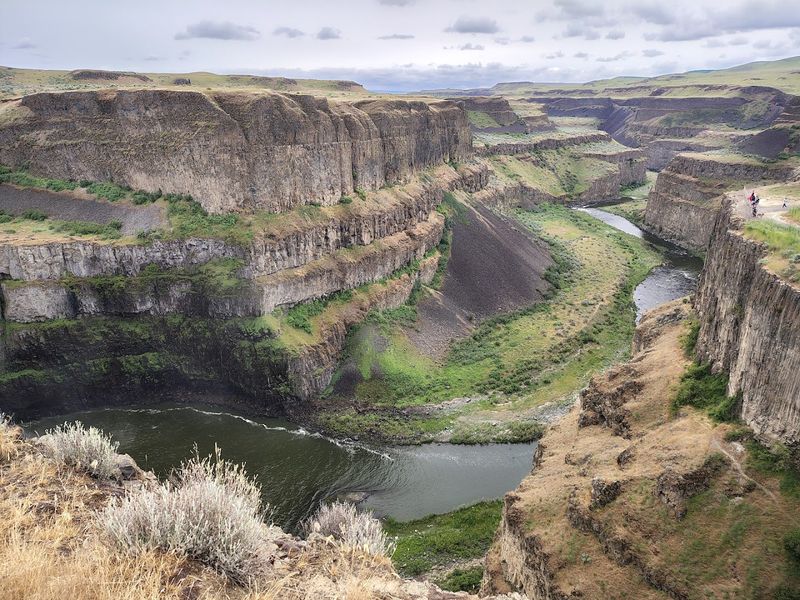
Driving through the Channeled Scablands of Eastern Washington, you could easily convince yourself you had crossed into Idaho, Oregon, or even parts of Nevada. The basalt rock formations, dry canyons, and sweeping treeless horizons look nothing like the mossy green forests that most people picture when they think of Washington State.
Western Washington’s landscape is defined by towering Douglas firs, rocky coastlines, fog-laced islands, and the deep blue of Puget Sound. It is a coastal Pacific Northwest postcard come to life. Eastern Washington is all wide sky, golden wheat fields, volcanic rock, and canyon country.
Palouse Falls, carved into basalt by ancient floods, sits in Eastern Washington and looks more like something from the American Southwest than the Pacific Northwest. That geological drama is part of what makes road-tripping through the east side so surprisingly rewarding for people who only know the rainy western half.
8. Outdoor Adventures Pull You In Opposite Directions
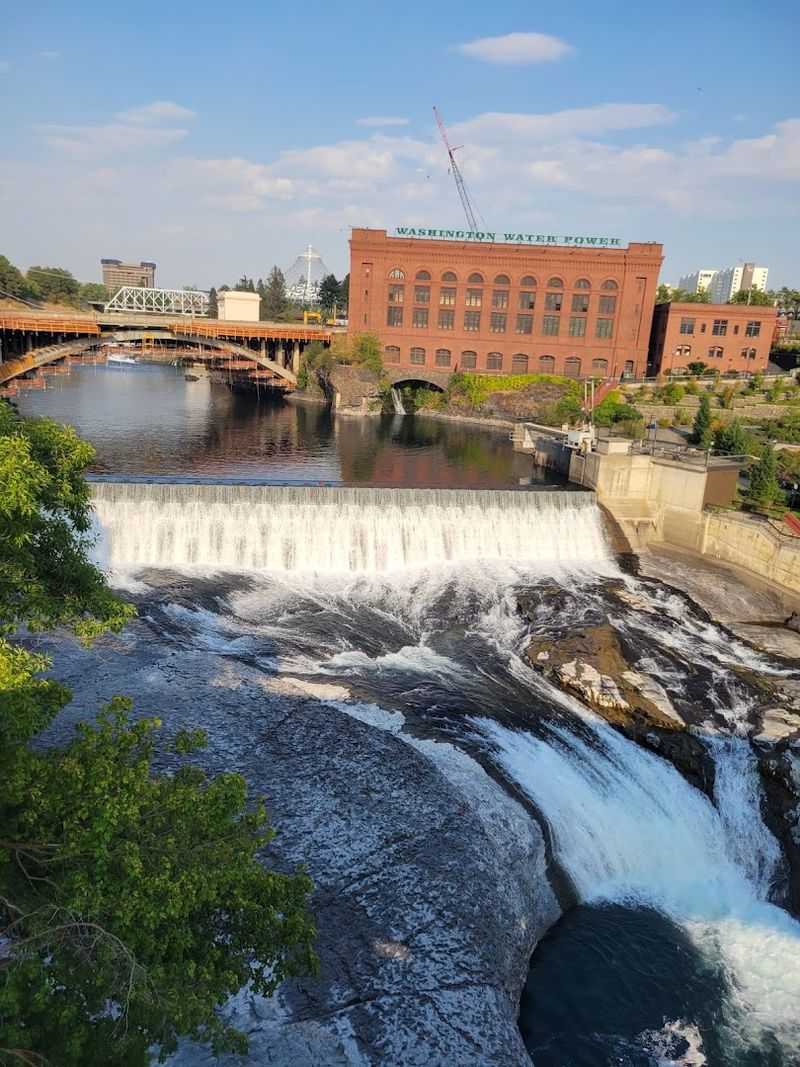
Ask a western Washington outdoor enthusiast what their favorite weekend activity looks like and you might hear about kayaking the San Juan Islands, hiking through old-growth rainforest in Olympic National Park, or tide-pooling along the rocky coast near La Push.
Water is almost always part of the picture.
Flip the question to someone from the east side and you are more likely to hear about mountain biking through the Palouse hills, hiking the canyon rim above the Snake River, or camping in Riverside State Park near Spokane. The terrain invites a different kind of adventure entirely.
Neither side is better. They are just genuinely different outdoor universes. Western Washington’s adventures feel lush, coastal, and layered with mist.
Eastern Washington’s feel open, sun-drenched, and quietly dramatic.
Trying to squeeze both into a single Washington road trip is one of the best travel decisions you can make.
9. Crossing The Mountains In Winter Is Genuinely Challenging
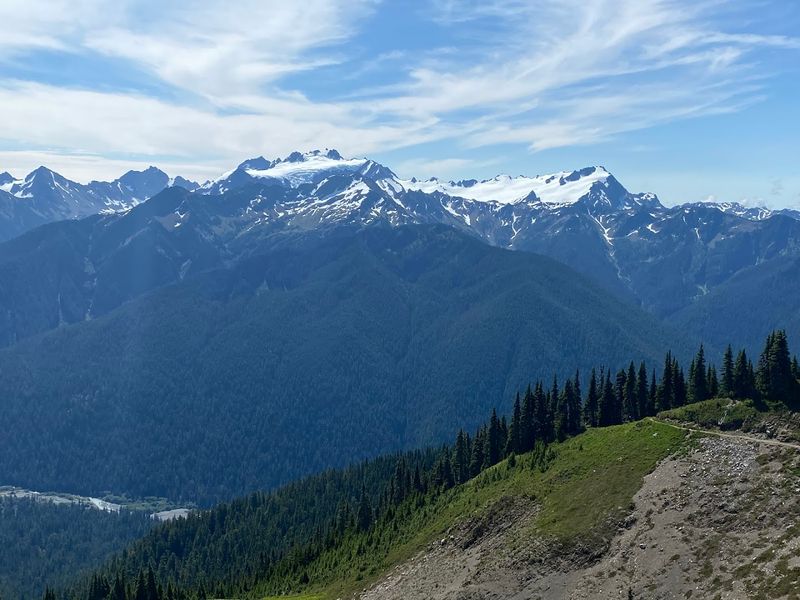
Snoqualmie Pass sits at about 3,000 feet elevation on Interstate 90 and is the main corridor connecting Seattle to Eastern Washington. In winter, that pass can go from passable to chain-required to fully closed within a matter of hours.
For anyone trying to get from one side of the state to the other during a big storm, the mountains stop being a scenic backdrop and start being a real obstacle.
The Washington State Department of Transportation updates mountain pass conditions constantly during winter months, and checking those reports before heading out is just part of life for anyone who travels between the two sides regularly.
It is not unusual for drivers to get stuck or turned back entirely.
Eastern Washington residents sometimes feel cut off from the coast for days at a time during bad winters. That seasonal isolation adds to the sense that the two halves of the state live on genuinely separate schedules and timelines.
10. The Political And Cultural Mood Shifts Noticeably
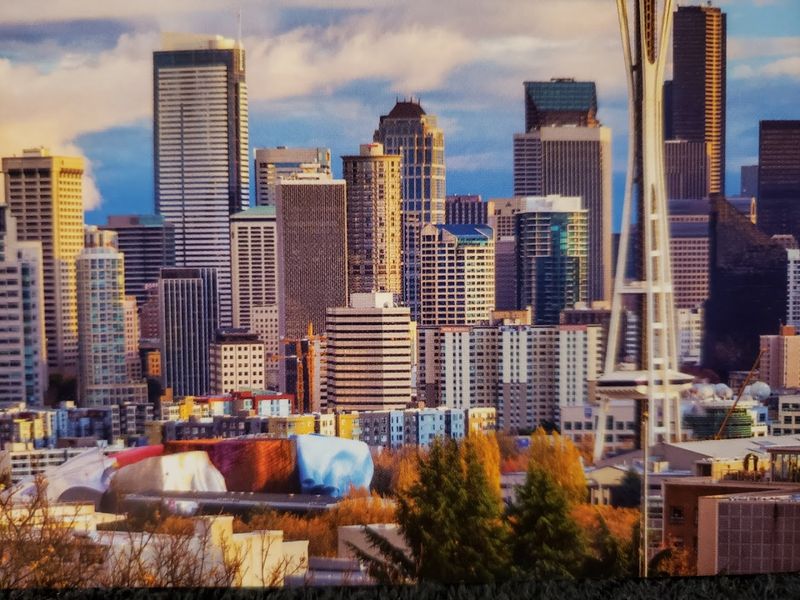
Washington State as a whole leans politically progressive, largely because the massive population centers on the west side carry enormous electoral weight. But travel east of the Cascades and the cultural and political mood shifts in a way that surprises many first-time visitors from the coast.
Eastern Washington communities tend to reflect more conservative rural values, with strong ties to agriculture, land rights, and self-reliance.
The differences show up in local politics, community priorities, and even in the kinds of businesses and bumper stickers you see along the highway.
There have been ongoing conversations for years about whether Eastern Washington should form its own state, reflecting just how deep the cultural divide runs. Whether you agree with that idea or not, the fact that it keeps coming up says a lot about how differently people on each side of the Cascades experience life in Washington.
11. Spokane Gives The East Side Its Own Urban Identity
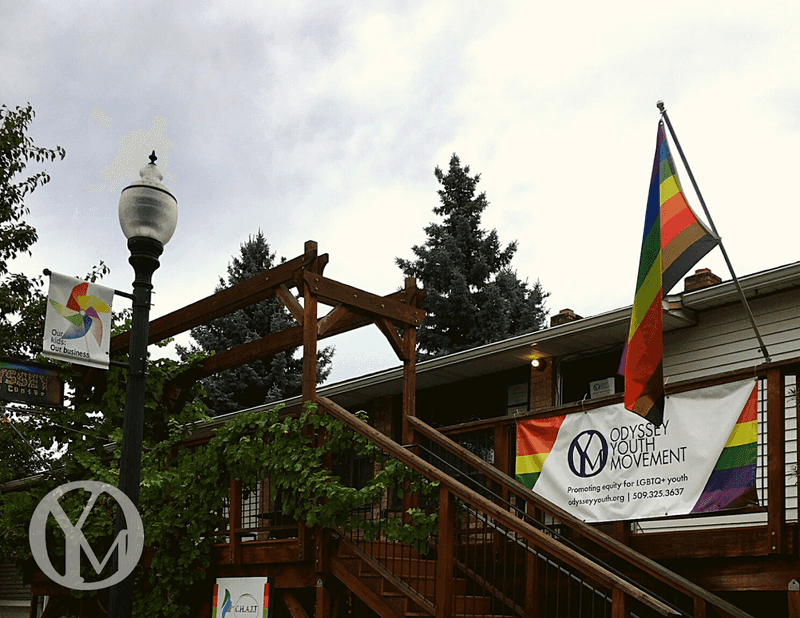
Spokane is not just the largest city in Eastern Washington. It is the cultural, commercial, and social anchor for an entire region that stretches into northern Idaho and beyond. Locals call the area the Inland Northwest, and Spokane is its undisputed center of gravity.
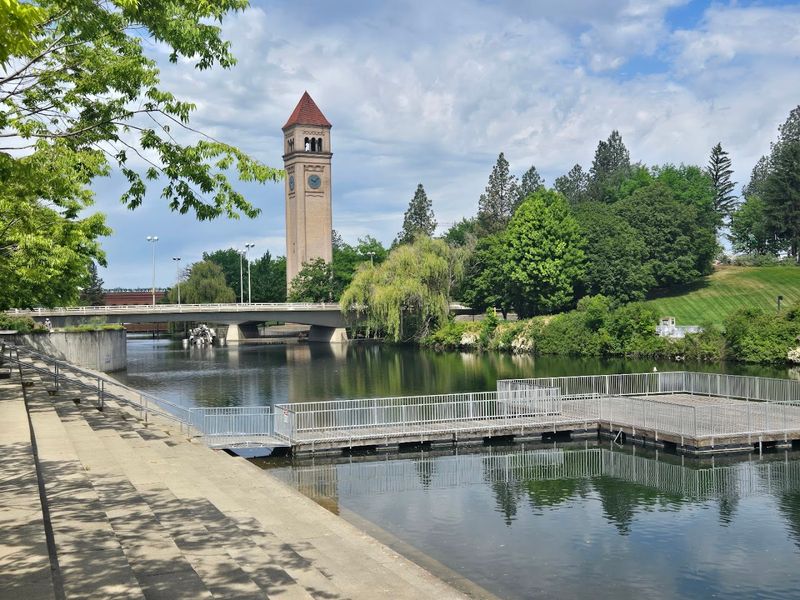
Riverfront Park, built on the site of the 1974 World’s Fair, sits right in the heart of downtown and gives the city a surprisingly polished outdoor gathering space. The Spokane River runs through town with real visual drama, and the food scene has grown considerably over the past decade.
Comparing Spokane to Seattle is a little like comparing a comfortable hiking boot to a designer sneaker. Both are great, but they serve completely different purposes and appeal to different personalities.
Spokane has a grounded, unpretentious quality that many travelers find refreshing after the fast-paced energy of the west side.
12. The Palouse Region Looks Like Nowhere Else On Earth
If you have never seen the Palouse, the rolling agricultural hills of southeastern Washington near Pullman and Colfax, add it to your travel list immediately. The landscape is unlike anything else in the Pacific Northwest and honestly unlike most things you will see anywhere in the United States.
The hills are formed from windblown soil called loess, deposited over thousands of years, and they roll in every direction with a rhythm that almost looks painted. In spring, the fields glow with different shades of green. In late summer, the wheat turns gold and the whole region looks like a slow-motion ocean of grain.
Steptoe Butte State Park offers a panoramic viewpoint that photographers travel from across the country to reach.
Standing up there and looking out over the Palouse on a clear morning is one of those genuinely jaw-dropping Washington experiences that the west side simply cannot replicate.
13. The Summers Feel Like Two Different Seasons
Western Washington summers are mild, pleasant, and relatively short. Seattle’s average July high sits around 75 degrees Fahrenheit, and many summer days come with a refreshing marine breeze off Puget Sound.
Locals celebrate those sunny months with an almost giddy enthusiasm that makes perfect sense once you have survived a long gray winter on the coast.
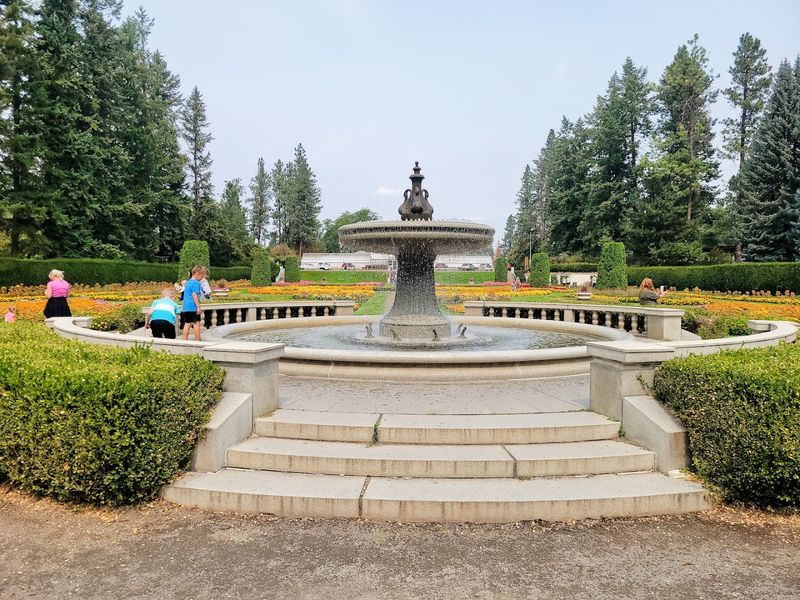
Eastern Washington summers are a completely different story. Yakima and the Tri-Cities regularly see July temperatures climb past 100 degrees Fahrenheit, and the dry heat settles in for weeks at a time. Air conditioning is not optional over there.
It is a survival necessity.
That temperature gap means the two sides of the state attract very different summer travelers. Western Washington draws people who want cool hikes and misty coastlines.
Eastern Washington draws people who want heat, sunshine, outdoor concerts, and long lazy days in the kind of dry warmth that the coast just never delivers.
14. The Overall Vibe Tells Two Completely Different Stories
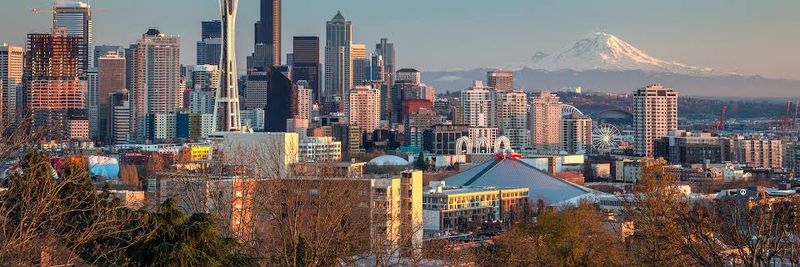
Put everything together and the contrast between Eastern and Western Washington becomes almost impossible to ignore. One side is maritime, densely populated, tech-driven, and rain-soaked. The other is agricultural, spacious, sun-drenched, and deeply tied to the land.
Both identities are completely authentic, and both deserve to be explored on their own terms.
Travelers who only visit Seattle are missing a huge and genuinely fascinating part of what Washington State actually is. The east side rewards curiosity with canyon hikes, farm-fresh produce stands, stargazing far from city lights, and a slower pace that feels like a real exhale.
Washington is proof that geography shapes culture more powerfully than any state motto or tourism campaign ever could. The Cascades drew a line, and both sides ran with it in completely different directions.
Crossing that mountain range and watching the world change around you is one of the great American road trip experiences.