
This Beloved Michigan Hummingbird Hotspot Is Worth Adding To Your Bucket List
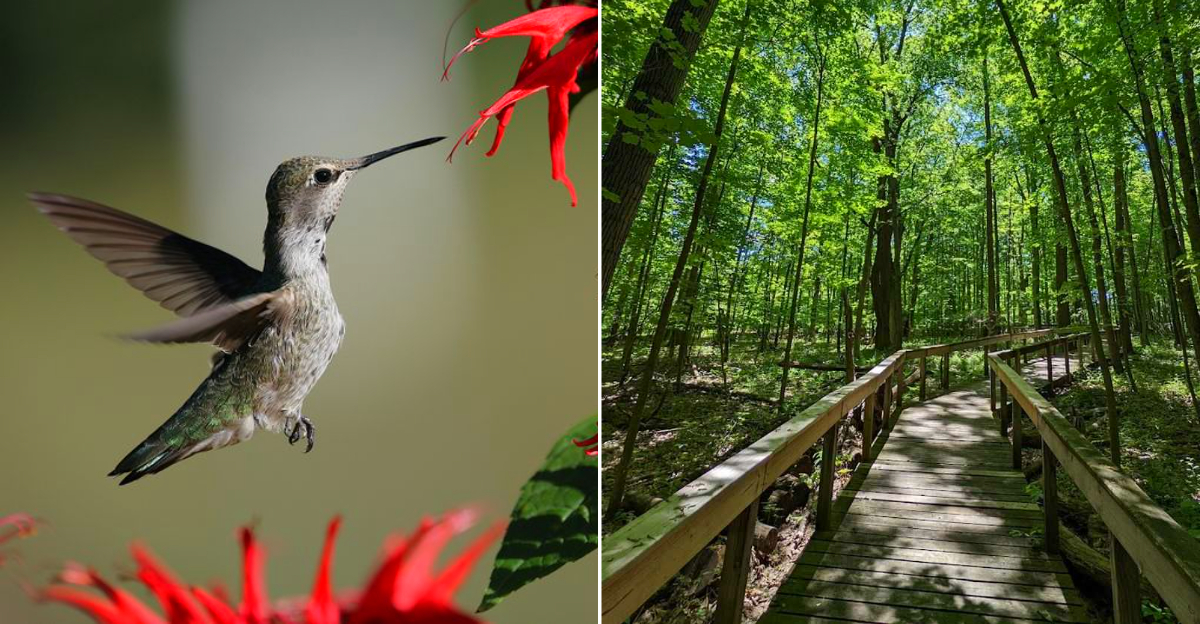
Some places ask you to slow down, but this sanctuary on the slopes of the Kalamazoo River does it with a literal whisper of wings.
Wandering through the sun-dappled trails that open into wide-reaching prairies, you’ll find yourself in a world where time is measured by the frantic, beautiful flicker of Ruby-throated Hummingbirds.
These living sparks are the masters of the meadow here, and if you visit between late April and September, you’re almost guaranteed to catch that iconic ruby flash pausing over vibrant stalks of bee balm or cardinal flower.
It’s a masterclass in patient stewardship and thoughtful design, where the habitat feels so honest and undisturbed that you almost feel like an intruder in a very tiny, very fast-paced kingdom.
The best birdwatching in Southwest Michigan can be experienced at this amazing nature preserve featuring hummingbird sightings, riverfront hiking trails, and interactive wildlife exhibits.
Early May Magic
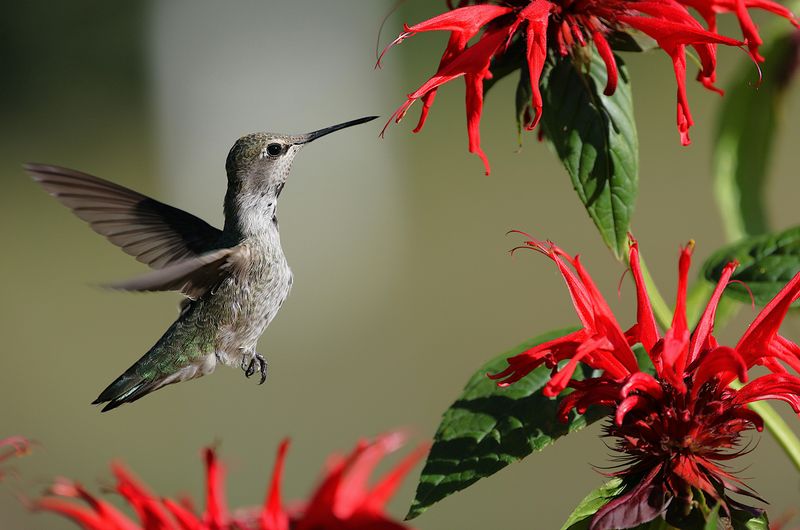
Morning air feels cool along the Prairie Trail, and the first flashes of green return to hedgerows. Ruby-throated Hummingbirds ride north on tailwinds, slipping into the Nature Center as nectar rises and insects hatch.
Edges near the arboretum sculptures and old prairie grasses make a lively corridor, where you can stand still and watch the tree line breathe. Founded in 1960, the Kalamazoo Nature Center manages prairies, forests, and floodplain to invite seasonal movement, not force it.
That patient history shows in May, when feeders supplement, but flowers lead. Step lightly, speak softly, and scan between bee balm leaves; your eyes will adjust, and sudden glitter will feel like a shared secret. Then breathe again, slower than you planned today.
A Forested Retreat On The Ridge
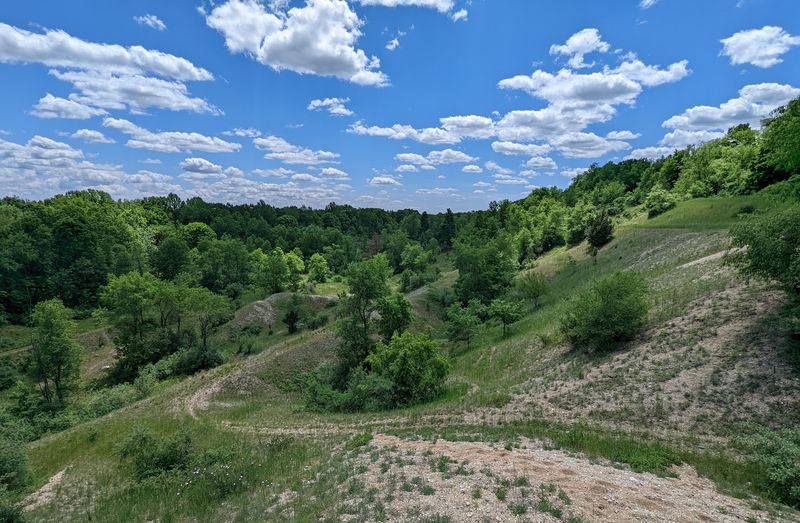
The air at Kalamazoo Nature Center is filled with the rhythmic drumming of woodpeckers and the rustle of wind through an old-growth canopy. Within minutes of arriving, the 1,100-acre sanctuary unfolds into a tapestry of beech-maple forests and sun-drenched prairies that feel worlds away from the city.
Pro tip: take the trail down to the Kalamazoo River for a quiet moment by the water, or explore the pioneer homestead to see history in a living landscape. Between the soaring glass walls of the interpretive center and the miles of rugged ridgeline paths, the experience is a deep dive into the region’s wilder side.
Finding this forested retreat at 7000 N Westnedge Ave, Kalamazoo, Michigan is a simple northward climb from the downtown core. The transition from the suburban hill to the sandy glacial ridges marks your entry into one of the state’s most diverse natural preserves.
Native Nectar Garden
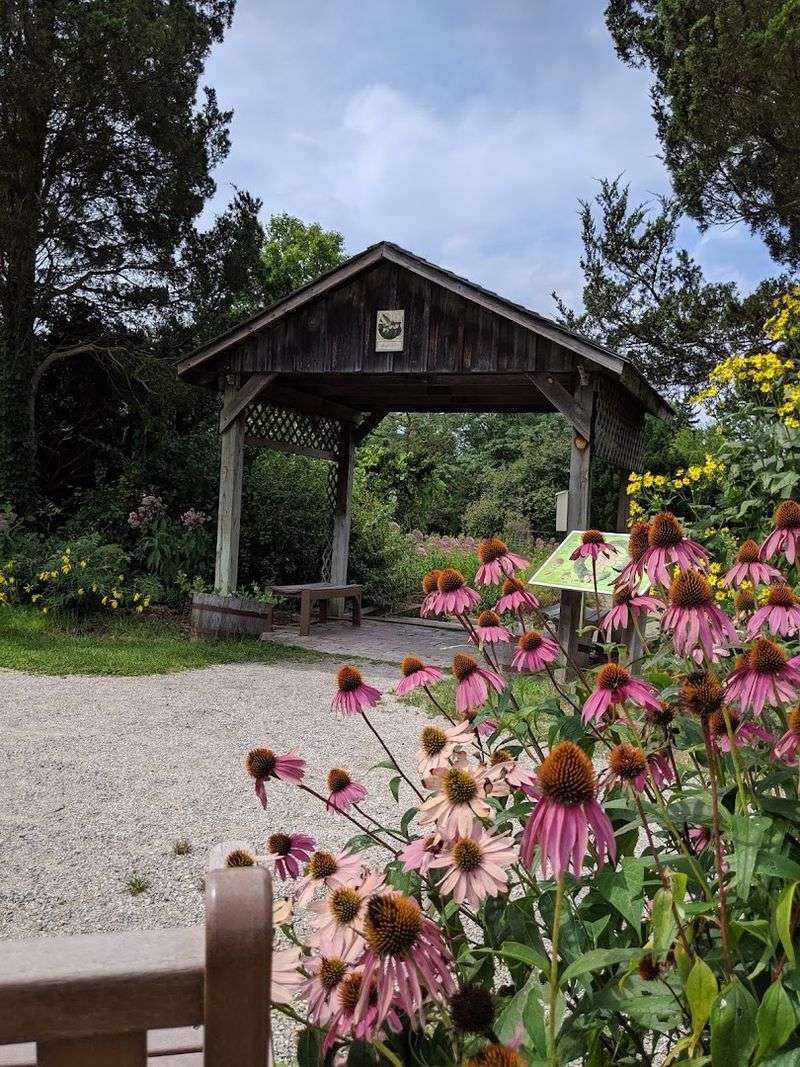
Bee balm flares like little fireworks beside cardinal flower spears, and trumpet vine threads the fence with orange mouths. This garden artery sits between open meadow and woodland shadow, a perfect mix of bloom, perch, and quick escape.
You feel movement on the edges first, a zip, a pause, then a hover that holds your breath for you. I follow the plant labels because they double as a map through seasons. Mid to late summer is generous here, when blossoms ladder up and insects hum.
Stand where sun strikes your shoulder, but leaves cast dapple on the path, and you will see the throat flash. Avoid fragrant sprays, give space, and note which colors pull the most traffic for hummingbirds.
Visitor Center Vantage
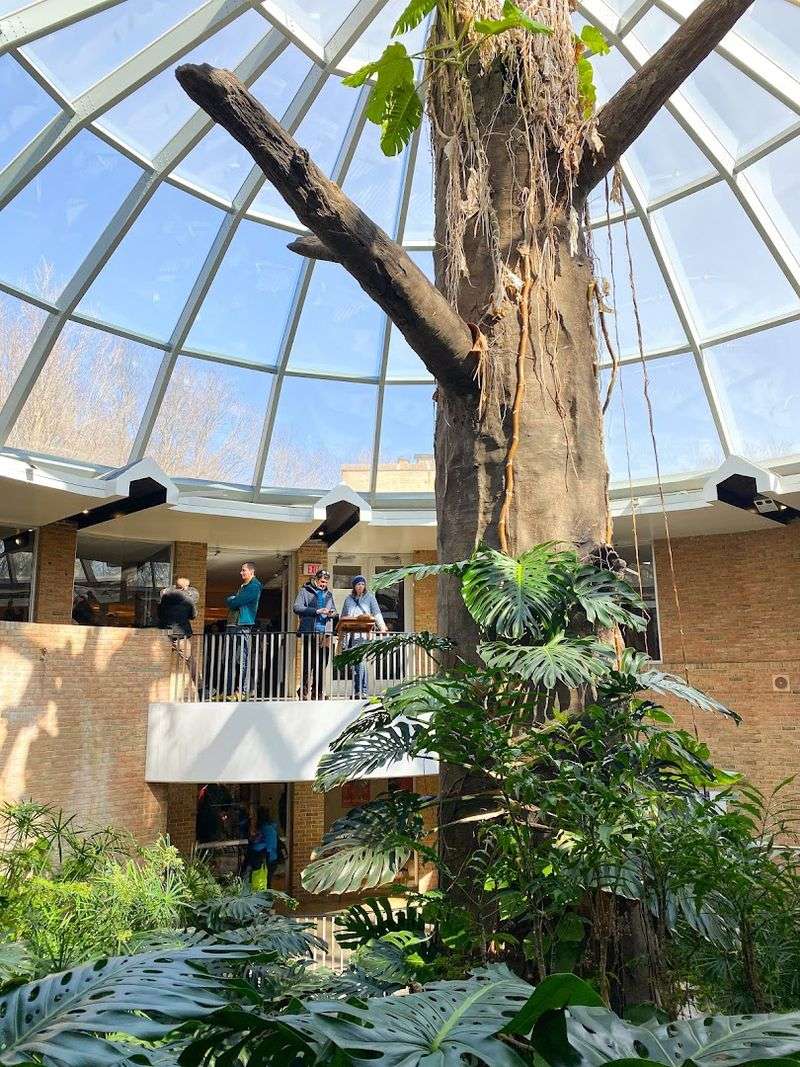
The welcome building by Alden B. Dow wears clean lines and warm materials that sit gently against the hill. Glass draws the eye to treetops, turning lobby corners into viewing blinds whenever rain passes through. Inside, exhibits hum with kid energy, yet windows frame the prairies wide enough for a patient gaze.
History glows in the midcentury angles, a reminder that design can invite curiosity without shouting. On cool afternoons, step upstairs near the visitor services desk and scan along the edge where shrubs meet open air.
Early morning light is kindest to feathers. Keep movements efficient, hold doors softly, and use indoor time to learn calls you can then recognize outdoors. It rewards patience and respectful, unhurried watching today.
Quiet Meadow Edges
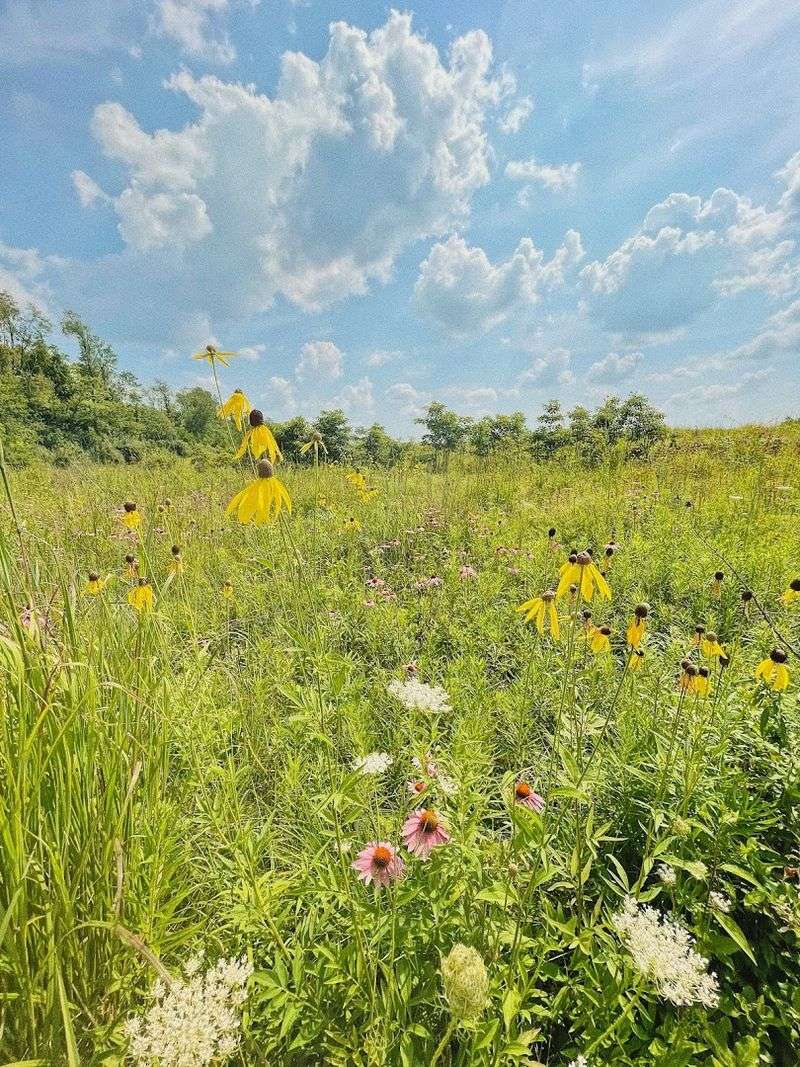
Out on the meadow rim, sound falls into layers you did not expect. Crickets lay down a steady line while distant road noise folds thin, and above it all, a single zip rewrites the space. The edges are where shrubs throw shade and flowers keep nectar within easy reach.
Culturally, this is where people drift to talk softly, compare field guides, and point without interrupting each other. Keep to the mowed path to protect restoration work, and stand off the main intersection so birds do not dodge your shoes.
Bring binoculars with close focus. After ten quiet minutes, the place begins to introduce itself, and your shoulders remember how to rest. Stay a little longer than feels necessary for sightings.
Prairie Light And Wind
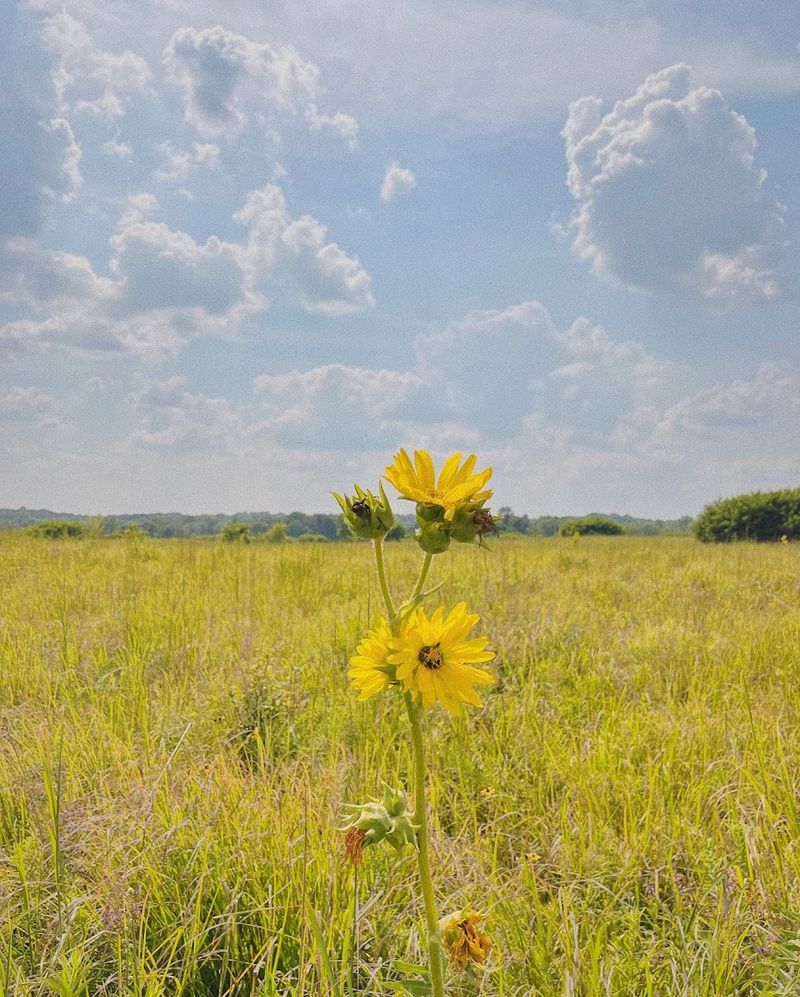
Sun over the restored prairie looks like a sheet of coins, every blade rimmed with light. Wind shifts, and stems tilt, creating aerial lanes that hummingbirds use like highways. The openness makes color easy to track, especially when coneflower and blazing star bloom.
I walk the gentler grades in late afternoon, when heat has softened and shadows lengthen toward the woods. History lives in the maintenance schedule, with burns and mowing timed to favor native structure. Stand leeward of tall grasses so your silhouette breaks less sky.
Keep hats snug, silence phone alerts, and move your feet deliberately. If a bird hovers nearby, resist pointing, and breathe before you lift binoculars. Small choices make sightings last a little longer today.
Boardwalk Stillness
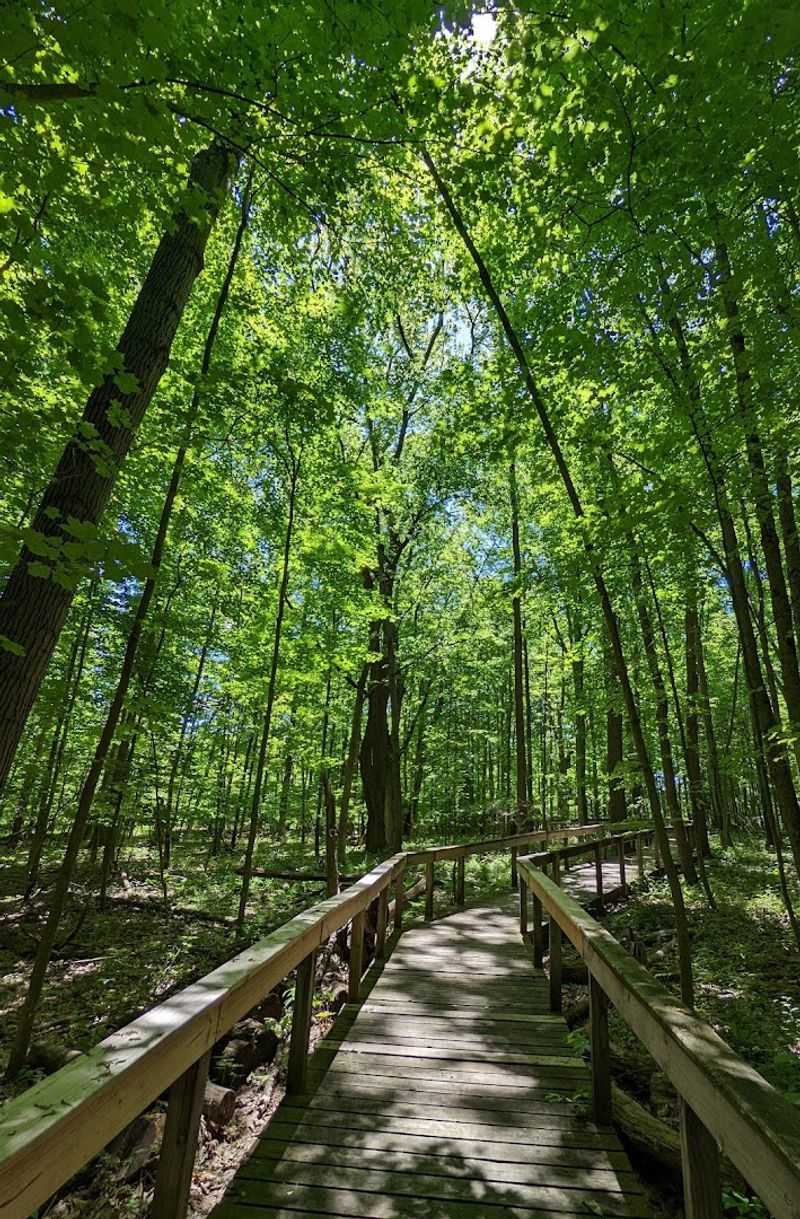
On the river boardwalk, water carries a clean wooden smell that settles the mind. Dragonflies patrol like careful lifeguards, and plops from turtles punctuate long pauses. Overhanging branches create a filtered tunnel that begs for slow steps and softer shoes.
The boardwalk serves a practical purpose, lifting visitors over sensitive floodplain and keeping boots off plants that need undisturbed soil. In late summer mornings, stand near openings where sunlight cuts triangles across the rail.
Keep elbows tucked, brace against the railing, and let your breathing match the current. Photography works best at shoulder height with a faster shutter. When a bird zips through, resist chase instincts and stay still; the return pass often comes sooner than expected. Than you think.
Alden B. Dow Welcome
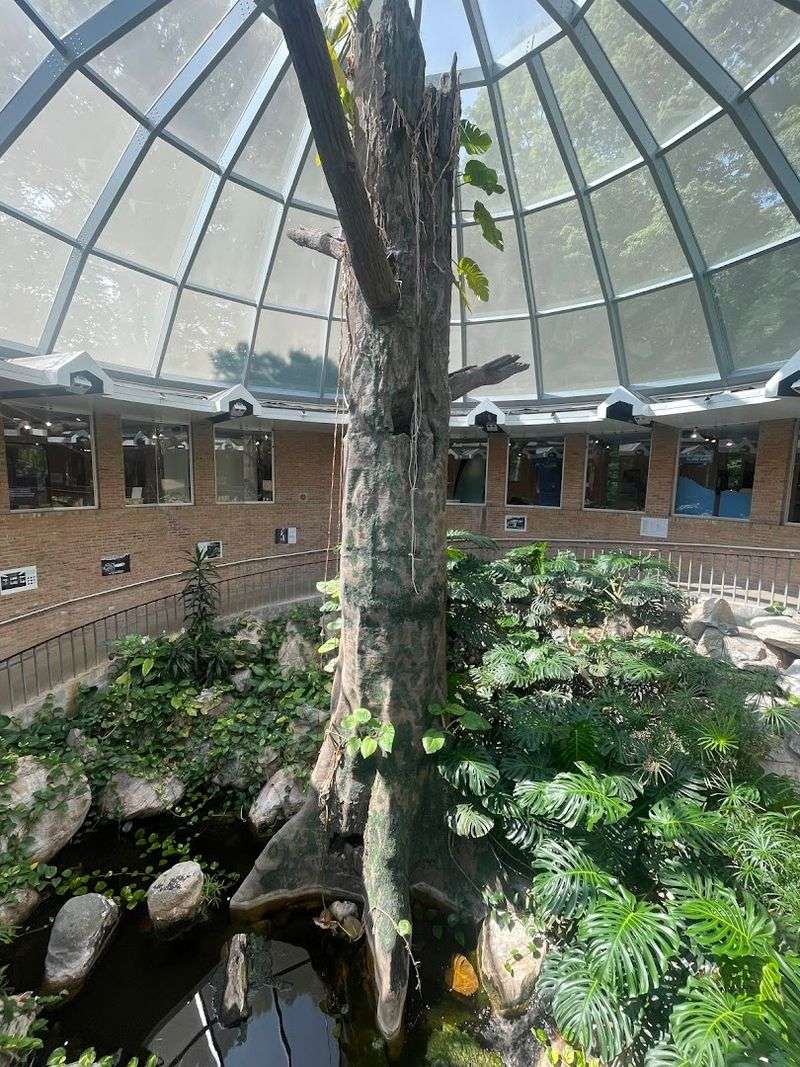
Angles, cedar, and glass make the welcome center feel both modern and rooted, a rare mix in a nature preserve. The interior light lands softly on exhibits while framing trees like portraits, giving your eyes something to rest on between trail miles. Even stairwells hold little views that slow your pace.
Dow’s design history here is not a museum piece; it still works for living programs and daily visitors. If weather turns, pivot indoors and watch the margins where shrubs and architecture meet.
Ask staff about accessible routes and the Glen Vista gallery hours. Keep voices low near classrooms, step aside for school groups, and notice how good sightlines turn waiting into observation rather than idling. It rewards courteous pacing.
Staff-Led Bird Banding
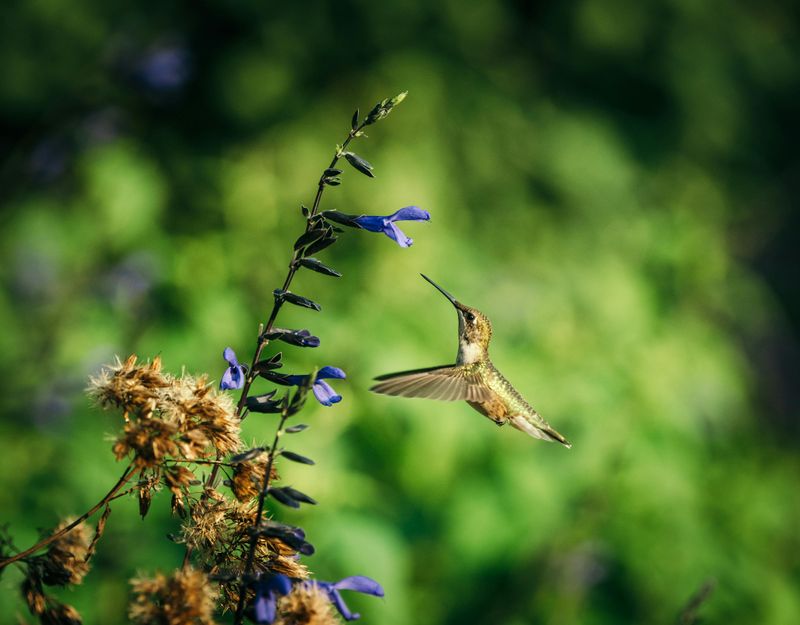
Watching a hummingbird weighed and measured feels surprisingly tender, more science lullaby than spectacle. The station moves with quiet choreography, tools arranged, data cards ready, and a gentle hand guiding each step.
You learn how migration pulses through the county, not as rumor, but as numbers that mean habitat decisions. I ask questions about timing and safety, and the answers are specific, respectful, and patient. Local culture here treats knowledge as something to be shared carefully rather than guarded.
Stand back unless invited closer, follow every instruction, and keep cameras at a respectful angle. If a bird is released near you, hold still and watch the pause before lift. That hesitation feels like gratitude even if it is not today.
Winter Prep for Spring
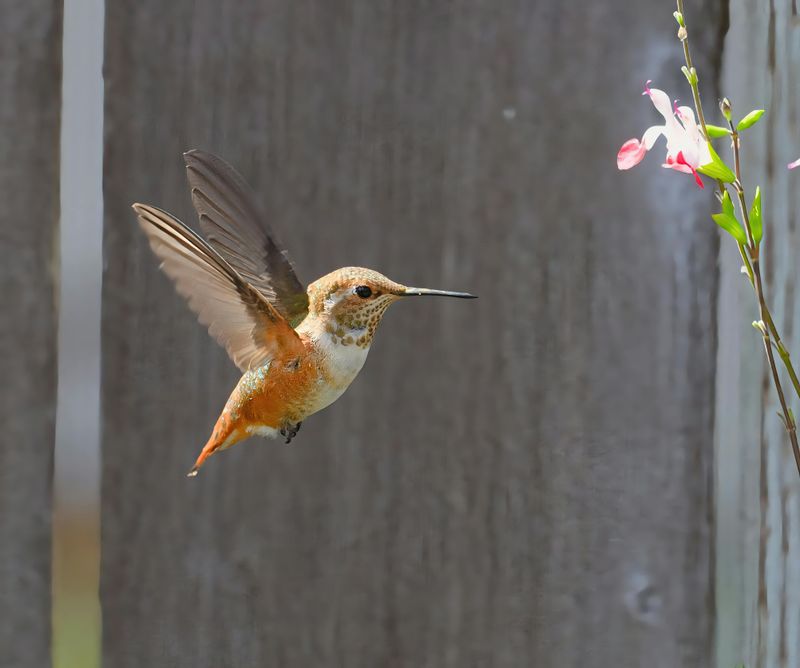
Snow hushes the trails and suddenly the visitor center windows become the theater. Winter looks sleepy, yet planning starts now for spring arrivals that beat the calendar. The quiet makes lists feel satisfying, a small ritual while chickadees flick through the pines.
Tradition among regulars is to clean and store feeders early, mix fresh solution when April warms, and plant native starters indoors. Check the Nature Center website for current seasonal hours before you go, since holiday and weather closures happen.
Before thaw, scout garden spots where bee balm and cardinal flower will thrive. The reaction sneaks up on you in May, when preparation turns into a blur of wings at exactly the place you cleared. Ready for their return.
Photography On The Fly
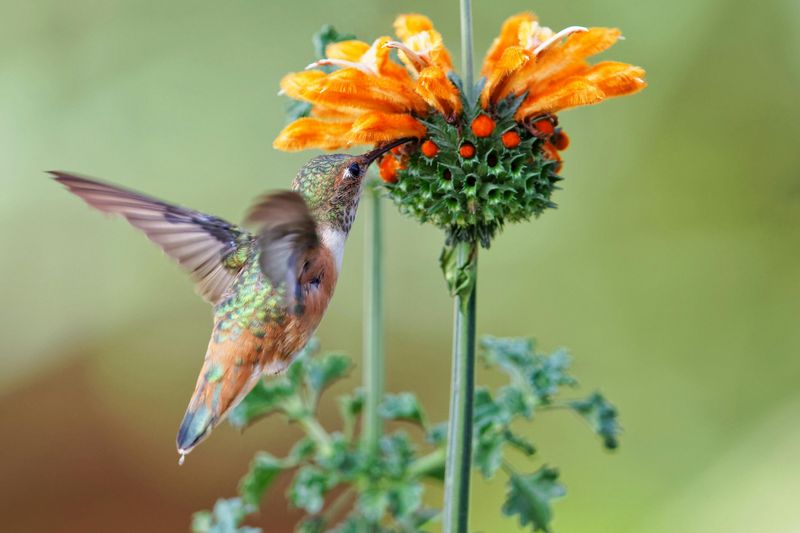
Fast wings require faster thinking, but calm wins more keepers than caffeine speed. Position yourself near feeders set beside perches so a bird has a reason to pause. Light at your back gives ruby throats their famous gemstone sparkle without harsh contrast.
Technique matters as much as luck. Use higher shutter speeds, open the aperture, and nudge ISO gently until motion freezes without crushing color. Visitors often hunch too close and end up chasing blurs; step away, pre-focus on a likely spot, and wait.
Respect boundaries, avoid flash, and mind tripods in crowded areas. When the scene clicks, take a breath before chimping, because the second pass can be the one you actually wanted. Let patience do the framing today.