
This Quiet Maine Town Feels Like A Step Back To Life’s Simpler Days
In coastal Maine’s Washington County sits a tiny town that really does feel set apart. With just over 1,200 people, life moves slower in a way that doesn’t feel forced, just natural.
The shops are simple, the harbor is still working, and people actually say hello when you pass by. I noticed it almost right away.
The usual rush just sort of dropped off. Instead of checking the time, I found myself taking long walks along the rocky shore and stopping to talk with locals who seemed genuinely happy to share stories about where they live.
It’s not stuck in the past, but it definitely moves to its own rhythm.
America’s Easternmost Town
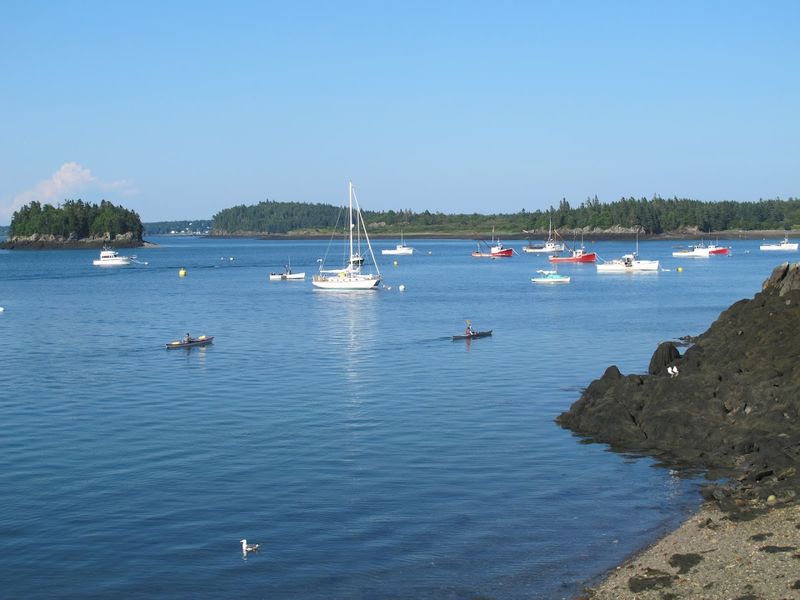
When you stand at the edge of Lubec, it actually feels like standing at the edge of everything. This town holds the unique distinction of being the easternmost municipality in the contiguous United States.
I watched the sun rise over the water here, knowing I was among the first people in the country to see daylight that morning.
The geography isn’t just a fun fact. It shapes everything about life here.
The light hits differently at this longitude, painting the sky in shades I’d never seen anywhere else. The ocean stretches endlessly eastward, and on clear days, you can see Campobello Island across the narrow channel.
Walking through town, I noticed how this eastern edge status infuses local pride. Small signs and shop windows celebrate the distinction.
It’s not boastful, just a quiet acknowledgment of place.
Being this far east means harsh winters and strong winds, but the hardy folks who call Lubec home wouldn’t have it any other way.
Quoddy Head State Park’s Candy-Striped Lighthouse
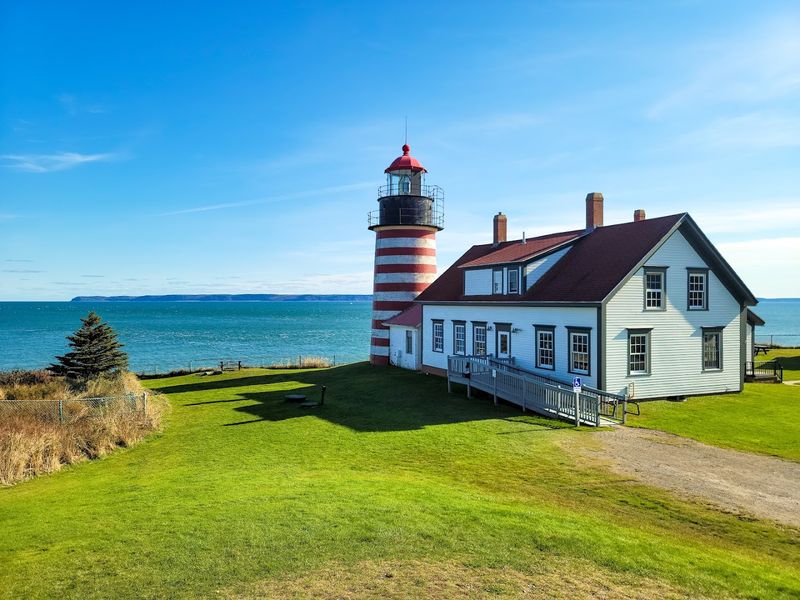
The red and white stripes of West Quoddy Head Lighthouse practically glow against the gray Maine sky. I spent an afternoon at Quoddy Head State Park, and this iconic lighthouse became my constant companion as I explored the rugged trails.
Built in 1858, it stands as a beacon near the easternmost point of land in the contiguous United States at West Quoddy Head.
What struck me wasn’t just the lighthouse itself but the dramatic landscape surrounding it. Cliffs drop sharply to the churning Atlantic below, where waves crash against volcanic rock formations that look like something from another planet.
The fog rolled in while I was there, wrapping everything in mystery.
The park offers more than just lighthouse photos. I hiked trails that wound through coastal bogs and spruce forests, spotting wildflowers I couldn’t name.
Seabirds wheeled overhead, their calls mixing with the constant rush of waves. This place demands you slow down and pay attention to details.
Working Harbor Frozen In Time
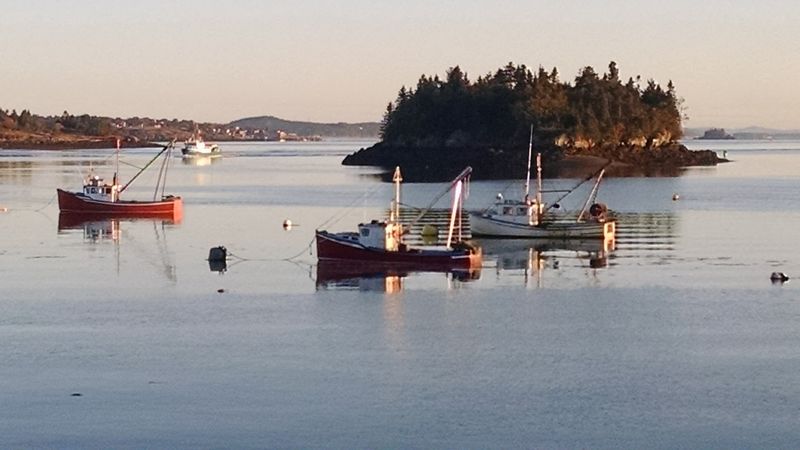
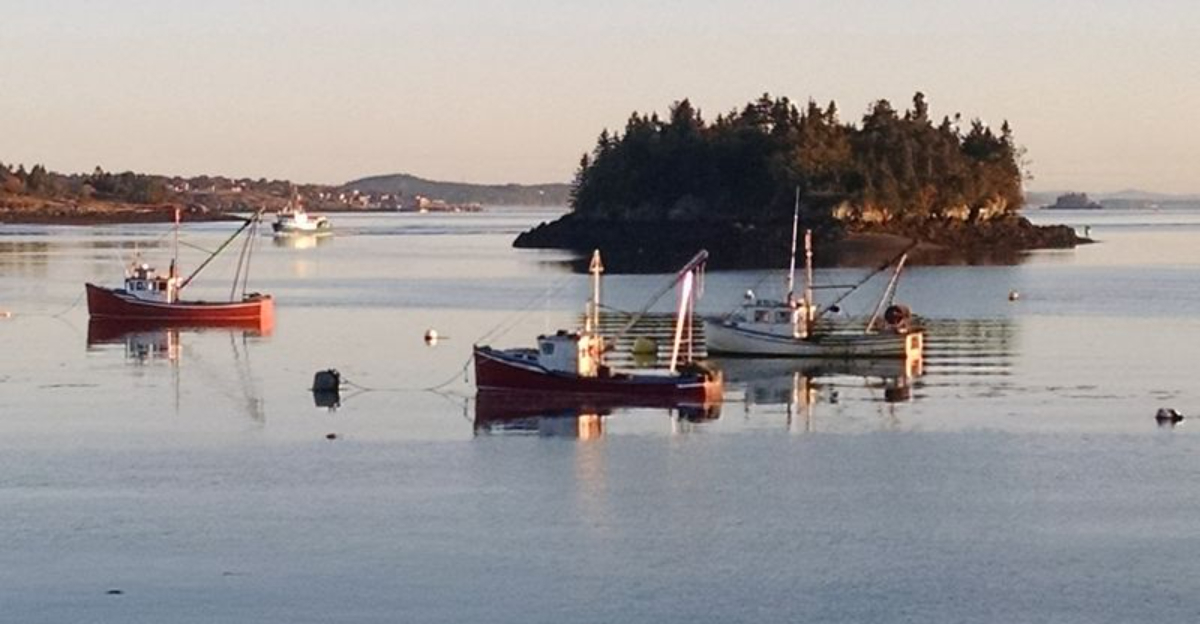
Lubec’s harbor doesn’t put on airs for tourists. Fishing boats bob in the water, their paint peeling in that perfectly authentic way that says they’re here to work, not pose.
I wandered the docks early one morning and watched fishermen mending nets, their hands moving with practiced efficiency born from decades of repetition.
The smell hit me first: salt, seaweed, and fish in a combination that somehow felt comforting rather than off-putting.
Old fish processing buildings line the waterfront, some still operating, others standing empty but proud. These structures tell stories of boom times and lean years, of families who’ve made their living from the sea for generations.
What I loved most was how little had changed here. No fancy marina condos, no yacht clubs with pristine docks.
Just honest work happening the way it has for over a century. The harbor represents Lubec’s soul, a place where people still earn their living with their hands and the ocean’s bounty.
Population Under 1,300 Souls
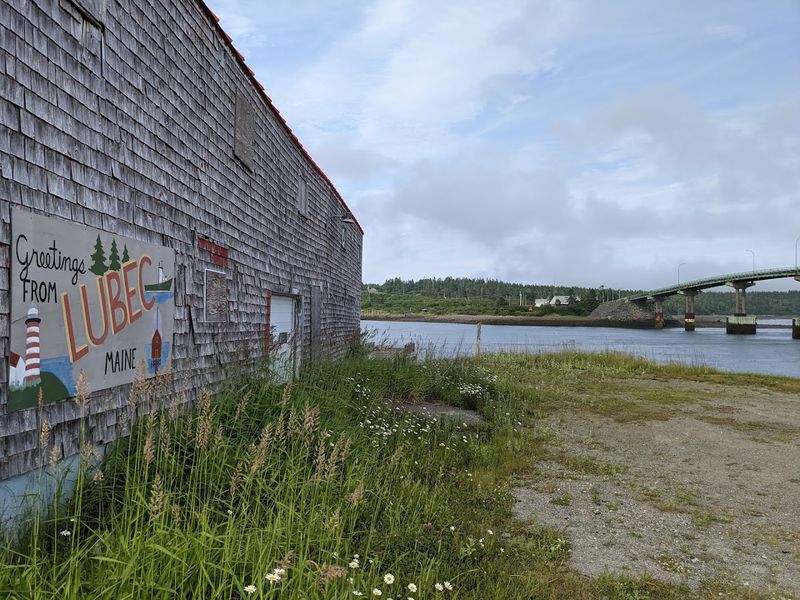
Only 1,237 people call Lubec home according to the latest census. I could feel that small number in every interaction.
The woman at the tiny grocery store knew everyone who walked through the door by name. The guy pumping gas asked about my visit like he genuinely cared about the answer.
This population size creates something rare: actual community. I watched neighbors stop on the sidewalk for real conversations, not just quick hellos.
People looked out for each other in ways that felt almost foreign to someone used to city anonymity. Everyone seemed to know everyone else’s business, but not in a gossipy way, more like extended family keeping tabs.
The small population also means limited services. No big box stores, no chain restaurants, no movie theater.
But that’s exactly the point.
Lubec hasn’t been homogenized by corporate America. It remains stubbornly itself, a place where individual personalities and local businesses define the character of the town rather than national brands.
Sardine Canning History
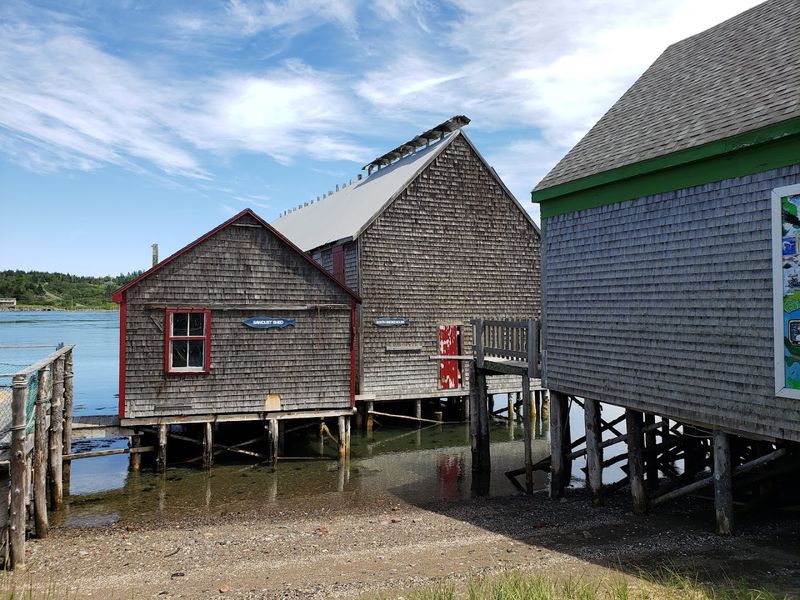
Lubec once processed more sardines than anywhere else in the country. Walking past the old cannery buildings, I tried to imagine the scene during peak season: hundreds of workers, mostly women, standing at long tables processing fish with incredible speed.
The industry shaped this town’s identity for over a century. The last sardine cannery closed in 2010, ending an era that stretched back to the 1870s.
I visited the remains of these industrial buildings, their brick walls still standing proud despite years of weathering. Some have found new life as artist studios or small businesses, while others wait patiently for someone to reimagine their purpose.
Local folks shared stories with me about working in the canneries. The work was hard, smelly, and seasonal, but it provided steady income for generations of families.
The industry’s decline hit hard, forcing Lubec to reinvent itself. Yet the sardine legacy remains visible everywhere you look, a reminder of simpler times when this town thrived on one industry.
Campobello Island Connection
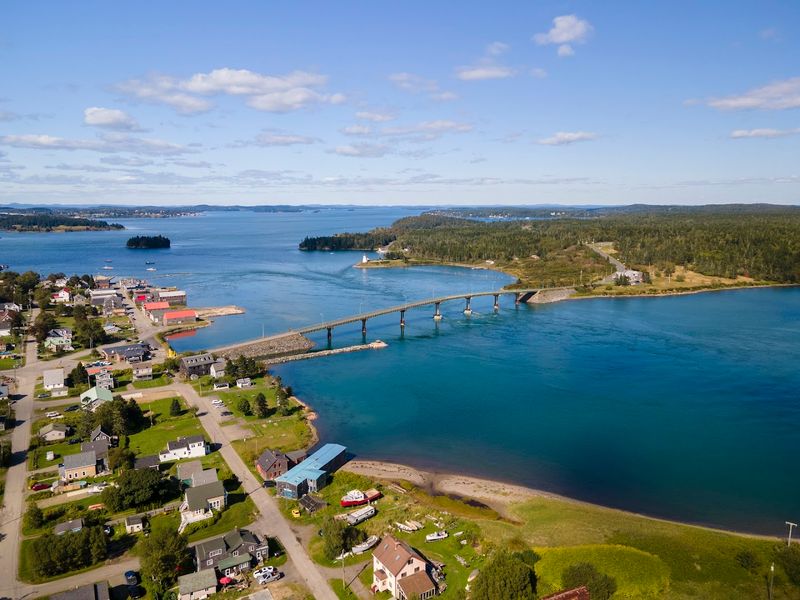
Cross the Franklin D. Roosevelt Memorial Bridge from Lubec, and suddenly you’re in Canada.
Campobello Island sits just across a narrow channel, connected to Maine but belonging to New Brunswick. I made the crossing on a whim, passport in hand, and found myself charmed by this quirky international relationship.
The bridge itself is modest, nothing grand or imposing. But it represents something special: Campobello Island is more easily accessible from Lubec than from anywhere in Canada.
Islanders often shop in Lubec, and locals cross over for visits. The border here feels less like a hard line and more like a neighborly boundary.
Roosevelt’s summer cottage on Campobello draws history buffs, but I enjoyed simply experiencing how these two communities interact across an international border. It adds another layer to Lubec’s character, this easy relationship with Canadian neighbors.
The connection reminds you that borders are human constructions, and sometimes geography creates bonds stronger than nationality.
Fog-Shrouded Mornings
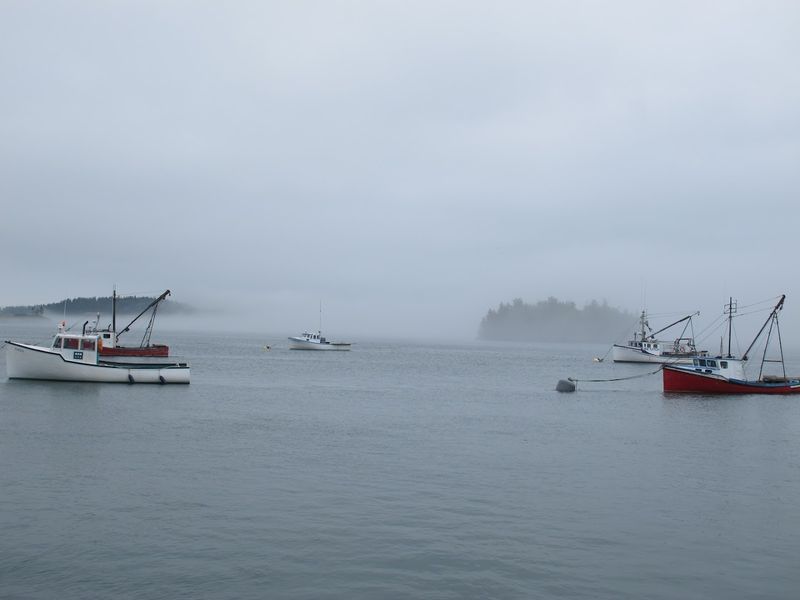
Fog in Lubec isn’t occasional; it’s practically a resident. I woke most mornings to find the town wrapped in thick mist that muffled sound and transformed familiar shapes into ghostly suggestions.
The foghorn’s low moan became my alarm clock, a sound both melancholy and strangely comforting.
This isn’t the light mist you might encounter elsewhere. Lubec’s fog arrives in walls of white that reduce visibility to mere feet.
I walked through town feeling like I’d stepped into another era, when ships relied on bells and horns to navigate safely. The moisture settled on my jacket in tiny droplets, and everything smelled of salt and sea.
The fog shapes life here in subtle ways. Locals plan around it, knowing certain tasks are better saved for clearer moments.
But there’s also an appreciation for it, a recognition that this atmospheric blanket adds mystery and beauty to an already enchanting place. When the fog finally lifts, revealing the coastline in sharp detail, it feels like a daily gift.
Unchanged Main Street
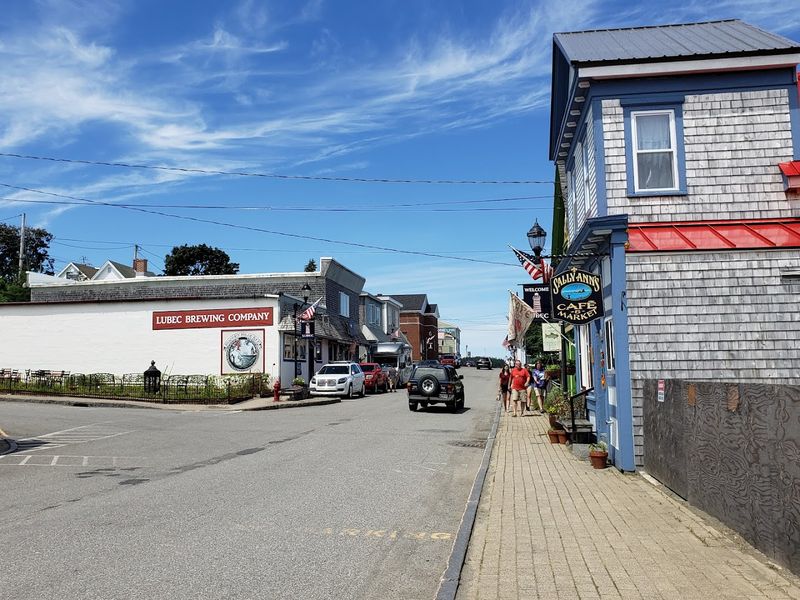
Lubec’s Main Street could serve as a movie set for 1950s America. I walked the short stretch of downtown and counted exactly zero chain stores.
Instead, I found family-owned shops, a hardware store that’s been operating for generations, and storefronts that clearly prioritize function over flash.
The buildings themselves tell stories through their architecture: simple wooden structures, some with fading paint that somehow adds to their charm. Hand-painted signs advertise services in straightforward language.
There’s no slick marketing here, no carefully crafted brand identities. Just honest businesses run by people who live in town.
What Main Street lacks in polish, it makes up for in authenticity. I chatted with shopkeepers who actually owned their stores, not employees of distant corporations.
The pace was unhurried. Nobody rushed me to make a purchase or move along.
This street represents everything that’s been lost in so many American towns, preserved here almost by accident because Lubec never boomed enough to attract the developers who homogenize everything they touch.
Tidal Extremes Shape Daily Life
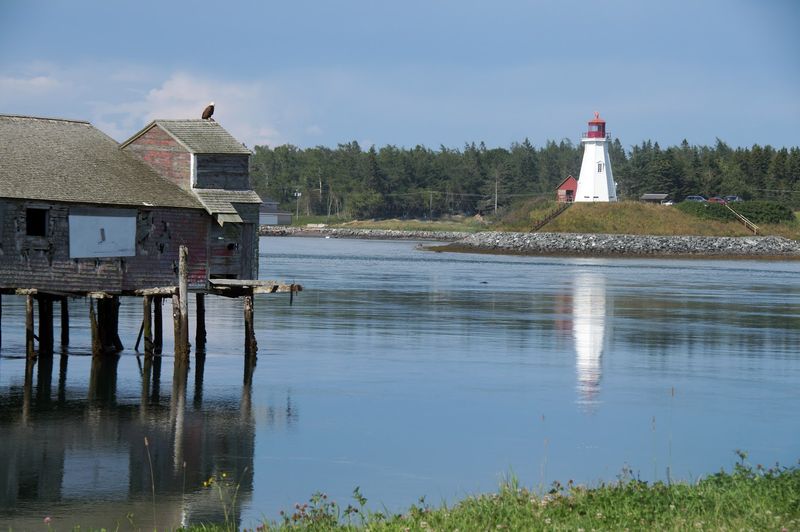
Lubec experiences some of the highest tides in the United States, with differences between high and low reaching over 20 feet.
I watched in fascination as the harbor transformed throughout the day. Morning brought boats floating peacefully; by afternoon, those same vessels rested on exposed mud, waiting patiently for the water’s return.
The tides dictate everything here. Fishermen time their departures and returns by tidal schedules, not clocks.
I learned to check tide tables before planning walks along the shore, discovering that entire beaches appear and disappear with lunar predictability. The power of it all felt humbling, a reminder that nature still calls the shots in some places.
Living with these extreme tides requires attention and respect. I heard stories of visitors getting stranded on rocks or finding their boats high and dry.
But locals navigate these rhythms instinctively, their lives synchronized with the moon’s pull on the ocean. It’s yet another way Lubec operates on nature’s schedule rather than society’s artificial urgency.