
This Arkansas River Town Blends Blues, History, And Small-Town Soul Like Nowhere Else
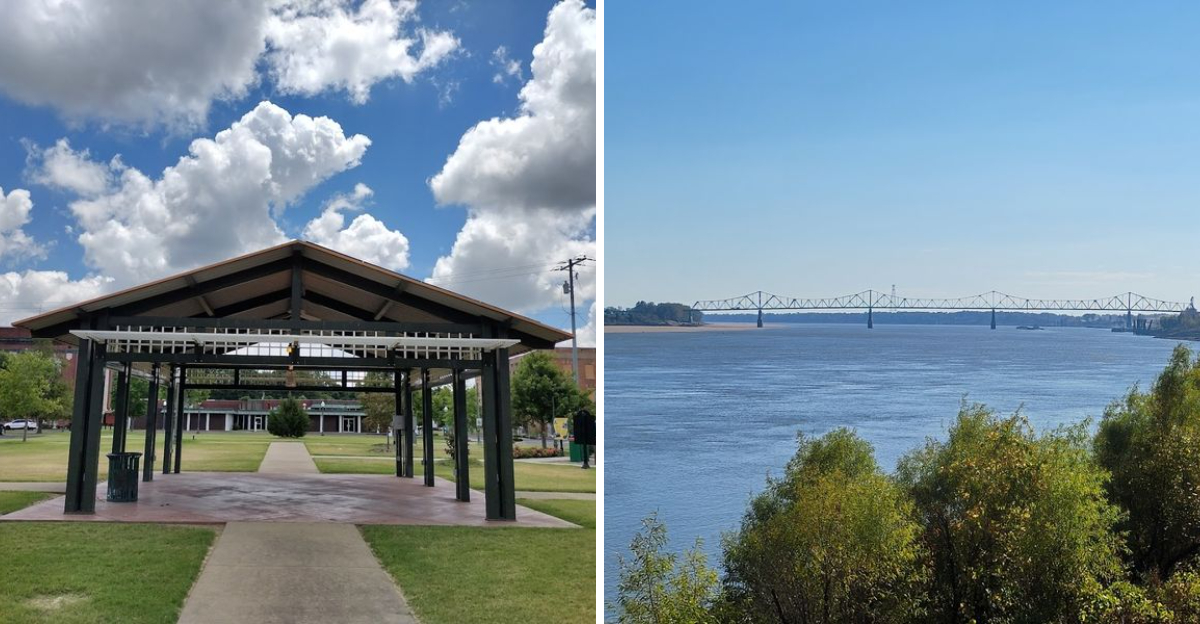
Right on the Mississippi River, there’s a town that feels alive in a way you don’t expect. It doesn’t ease you in.
It pulls you right into its rhythm. I showed up with no real plan, just passing through. That didn’t last long. My notebook filled up fast, and my playlist grew even faster.
Arkansas is full of stories, but this one sticks. The feeling here isn’t something you can fake.
It shows up in the worn brick storefronts and the quiet spaces between them. Walk a little farther and you’ll hear it before you see it.
Music drifting, people gathering, something always happening. Time moves differently here. Slower, but fuller. You start paying attention without trying.
Every street feels connected to something bigger. And when you finally leave, it’s not just another stop.
It’s something you carry with you.
Delta Blues Echoes Along The Riverfront
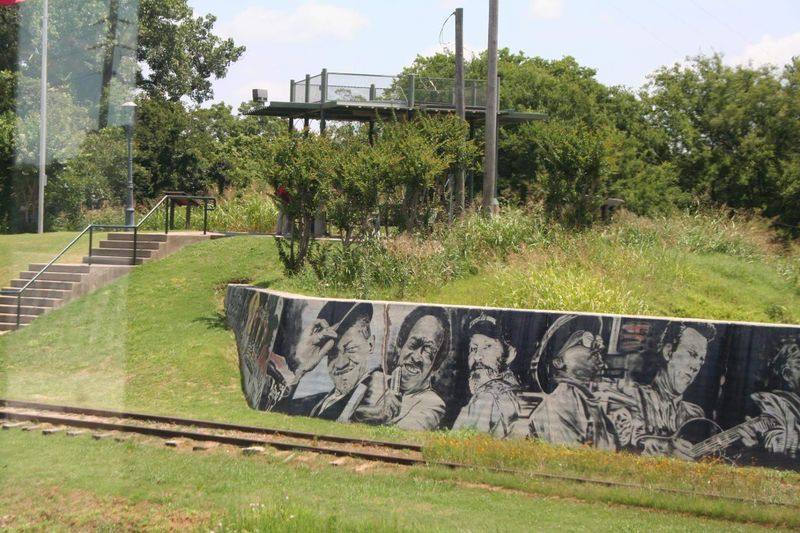
Near the riverfront, I felt a low, steady energy that I couldn’t quite name at first, but then I heard it: a guitar riff drifting from somewhere nearby, unmistakably rooted in the Delta blues tradition.
This town was a genuine crossroads for blues music during the 1940s and 1950s, when juke joints and cafes hosted legendary figures like Sonny Boy Williamson II, Roosevelt Sykes, and Robert Johnson, whose raw, soulful sounds defined an entire genre.
The riverfront itself carries that legacy like a living museum, with the Mississippi rolling quietly in the background while the music seems to seep right out of the soil. The landscape here is wide, flat, and open, shaping the mood in a way that makes every note feel louder and every story feel older.
Helena-West Helena, Arkansas, is not just a place where blues was played; it is a place where blues was born, breathed, and carried forward, and the riverfront is where that story feels most alive.
Brick Storefronts And Vintage Facades Define Downtown
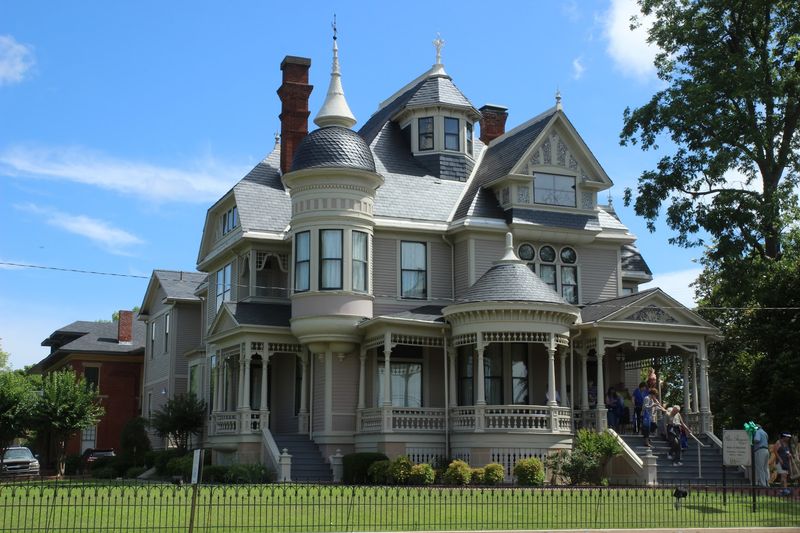
As I walked down Cherry Street, I was immediately struck by the architecture, which demanded my attention in the best possible way.
The downtown district is lined with brick storefronts and Victorian-era facades that have held their ground through decades of change, and the Cherry Street Historic District includes standout structures like the 1896 Queen Anne Pillow-Thompson House, a beautifully preserved example of antebellum and Victorian design.
I spent an entire morning just walking slowly, tilting my head back to study cornices and window details that most people rush past without noticing.
Old buildings that refuse to disappear carry a quiet triumph, and downtown Helena-West Helena exudes that quality, with storefronts that still carry the bones of another era even as new purposes fill them.
Photographers, history enthusiasts, and anyone who appreciates craftsmanship from a time when buildings were built to last will find this downtown stretch genuinely rewarding to explore at a leisurely pace.
Community Gatherings Fill Open-Air Spaces
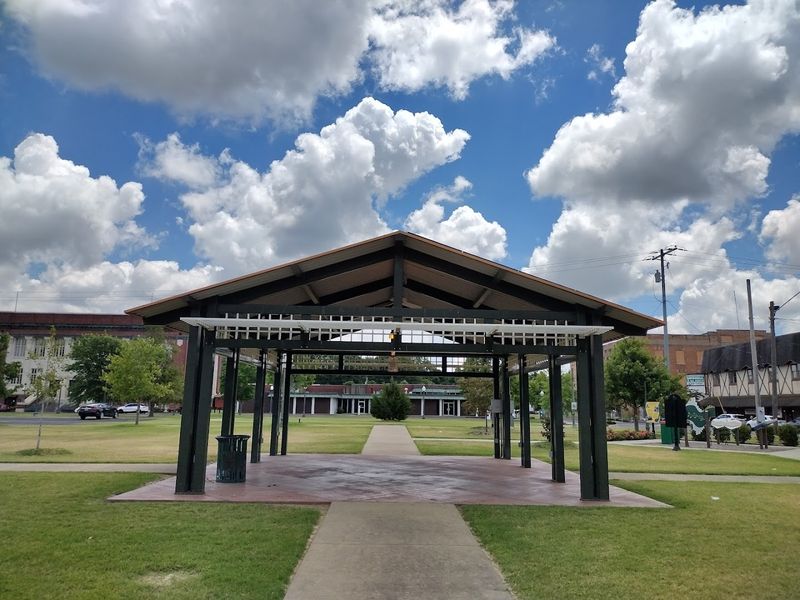
Almost immediately, I noticed how naturally people gathered outdoors in Helena-West Helena, not out of obligation, but out of genuine enjoyment of each other’s company.
Open-air spaces throughout the town become informal stages for community life, from casual weekend meetups to organized cultural events that bring together residents of all ages and backgrounds.
The Delta Cultural Center, located in the heart of town, serves as a hub for many of these gatherings, offering exhibits, programming, and community events that connect people to the region’s layered history and ongoing cultural story.
One afternoon, I watched a group of older men playing checkers in the shade near a public square, and the ease of that scene told me more about the town’s character than any brochure ever could.
Communities that genuinely enjoy spending time together have an unmistakable warmth, and Helena-West Helena radiates exactly that kind of welcoming, unhurried energy that makes visitors feel less like outsiders and more like temporary neighbors.
Mississippi River Views Shape Daily Life
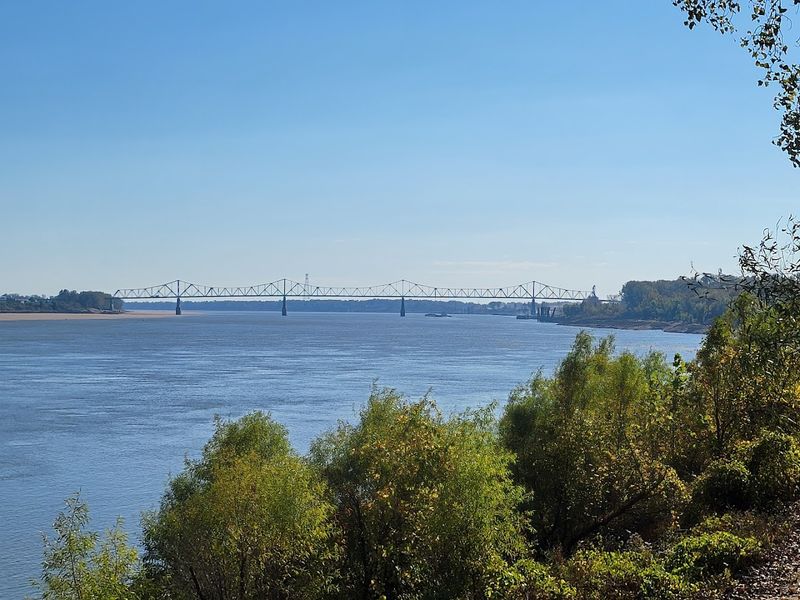
Standing at the edge of the Mississippi River, I felt a unique perspective on life, watching that enormous body of water move with slow, unstoppable confidence toward the Gulf.
In Helena-West Helena, the river is not just a backdrop; it is a central character in the town’s identity, having shaped its economy, culture, and daily rhythms since long before the city was officially consolidated in 2006.
The town served as a major port and Union supply depot during the Civil War, and the Battle of Helena on July 4, 1863, underscored just how strategically important this riverfront location was to both sides of the conflict.
Locals describe their relationship with the Mississippi in deeply personal terms, as something they grew up watching, fishing in, and measuring seasons by.
I sat on the levee one quiet morning and understood exactly what they meant, because a particular stillness only a great river can produce settled in, and Helena-West Helena is positioned perfectly to receive it every single day.
Local Musicians Keep Traditions Alive
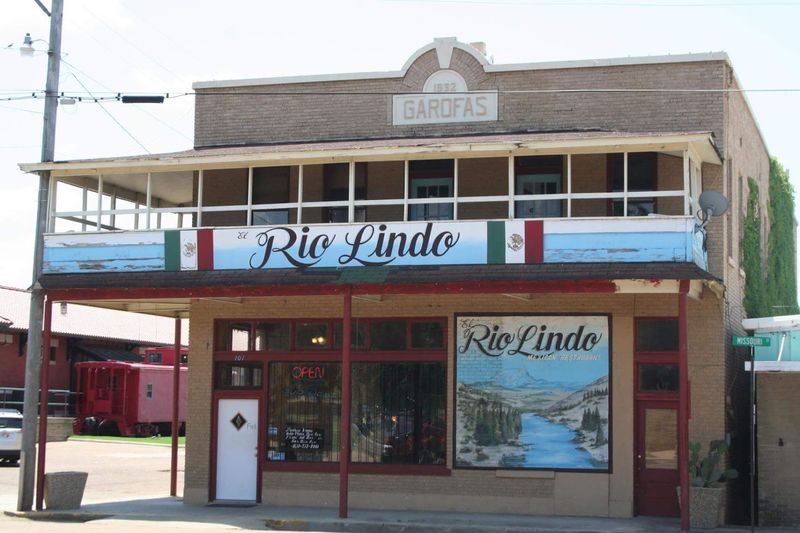
Traditions do not survive on their own; they survive because people decide, generation after generation, that something is worth keeping, and in Helena-West Helena, local musicians have made that decision with extraordinary commitment.
The blues tradition here is not a museum piece dusted off for tourists; it is a living practice passed down through families, neighborhoods, and informal mentorships that happen in kitchens and back porches as much as on formal stages.
I had the good fortune of catching a local performer at a small venue one evening, and the way he played suggested decades of practice shaped by listening to the right people in the right rooms at the right time.
The Helena Museum of Phillips County and the Delta Cultural Center both work to document and celebrate these musical lineages, ensuring that younger generations understand where the sound came from and why it matters.
Hearing a Helena-West Helena musician play on home turf is a reminder that authenticity has a geography, and this town sits right at the heart of one of American music’s most important maps.
Historic Radio Broadcasts Amplified Southern Sound
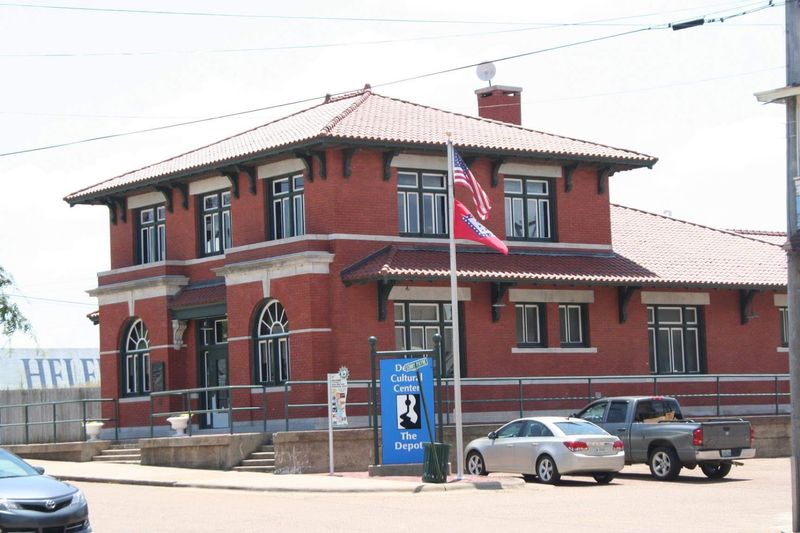
On January 21, 1941, a radio program called King Biscuit Time aired for the first time on KFFA 1360 AM in Helena, and American music was quietly, permanently changed that afternoon.
Sonny Boy Williamson II and Robert Lockwood Jr. performed live on that inaugural broadcast, bringing raw Delta blues directly into homes across the region at a time when most people had never heard anything quite like it.
King Biscuit Time became a daily institution, running for decades and introducing countless listeners to the blues sound that would eventually influence rock and roll, soul, and virtually every genre that followed.
I visited the Delta Cultural Center, which now houses exhibits honoring this broadcasting legacy, and standing near those artifacts felt like touching the actual origin point of something enormous.
The show still airs today, making it one of the longest-running radio programs in American history, and that fact alone gives Helena-West Helena a cultural credential that most towns could only dream about holding onto for so many consecutive years.
Annual Blues Celebrations Draw Global Crowds
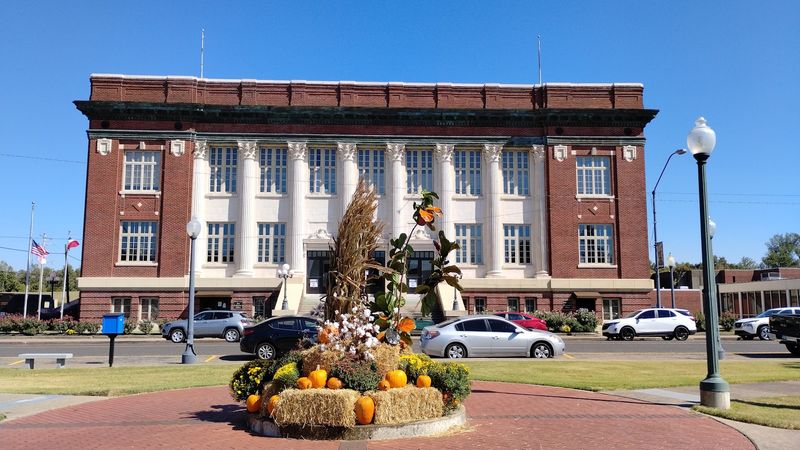
Each October, Helena-West Helena transforms into one of the most energized outdoor music events in the entire country, and the crowd that shows up reflects just how far the town’s reputation has traveled. The King Biscuit Blues Festival, originally launched as the Arkansas Blues and Heritage Festival, draws fans from across the United States and from countries around the world who make the pilgrimage specifically to hear authentic Delta blues in its natural setting.
The festival was renamed in 2010 to honor the 25th anniversary of B.B. King’s celebrated performance, a nod to the town’s deep connection with the genre’s greatest names and most meaningful moments.
I attended one year and was genuinely unprepared for the scale of it: multiple stages, vendors stretching for blocks, and an audience that ranged from lifelong blues devotees to curious first-timers discovering the genre in the best possible way. There is a particular magic in hearing live blues performed outdoors along the Mississippi Delta, and the King Biscuit Blues Festival delivers that experience with an ease that only comes from decades of practice and genuine local pride.
Quiet Streets Offer Warm, Welcoming Atmosphere
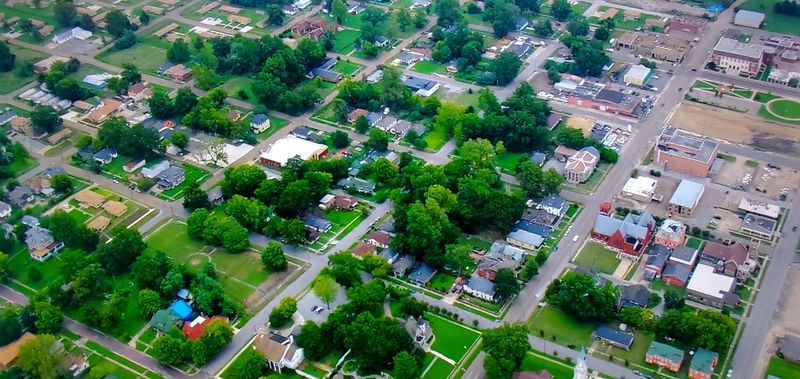
After all the festival energy and historical weight, what surprised me most about Helena-West Helena was how peaceful the town feels on an ordinary Tuesday afternoon. The streets have that particular small-town quality where people wave from porches, dogs nap in yards without a care, and the pace of everything slows down just enough to let you actually notice your surroundings.
When Helena and West Helena consolidated into a single city on January 1, 2006, they brought together two communities that already shared a deeply rooted culture of neighborliness and mutual familiarity, and that combined character is visible in everyday interactions throughout the town. Visitors who expect a bustling tourist corridor often find something more valuable instead: a place that goes about its day with quiet confidence, welcoming strangers without making a production of it.
Leaving Helena-West Helena, Arkansas felt like closing a book that you know you will return to, one whose characters stayed with you longer than expected and whose setting, somewhere along the Mississippi in Phillips County, keeps pulling at something in the back of your mind long after you have driven away.