
These South Carolina Ruins Hold One Of The State’s Most Hauntingly Beautiful Hidden Secrets
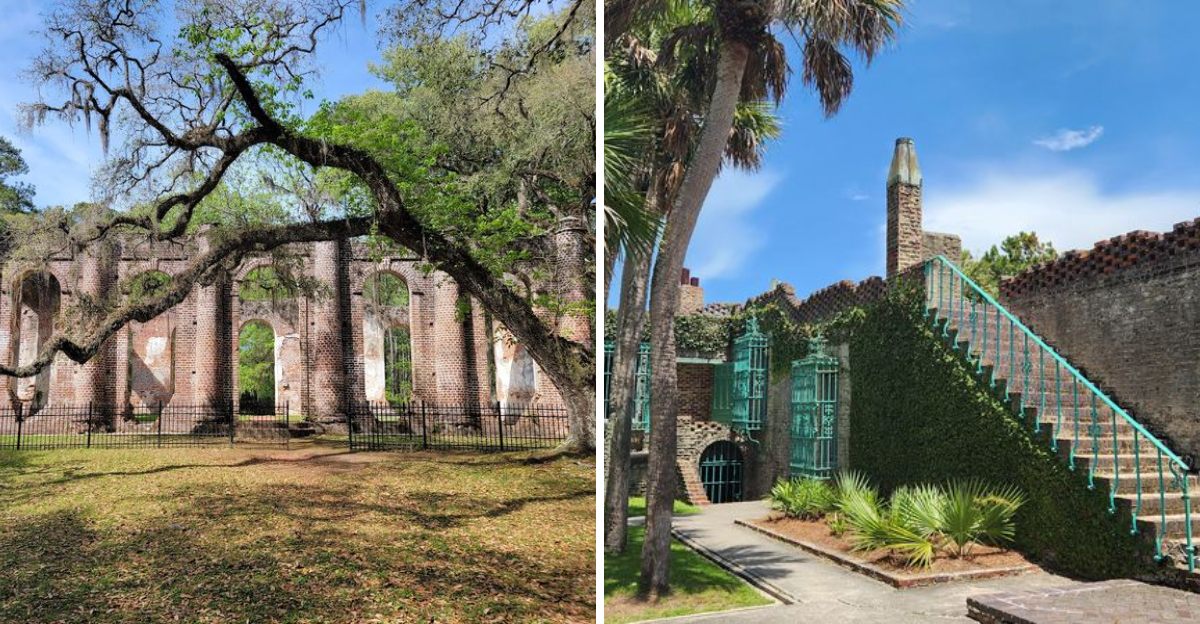
I still remember the first time I came across crumbling brick arches in a South Carolina forest and realized this wasn’t just another walk.
At first, it feels quiet. Trees, shade, nothing out of the ordinary.
Then you notice what’s been left behind. Walls that don’t quite belong.
Shapes that hint at something much bigger that used to stand there.
Across South Carolina, there are places where history isn’t displayed, it’s slowly being reclaimed.
The details pull you in. Brickwork worn down over time.
Open spaces where rooms once were. Nature moving in, not destroying, but reshaping what’s left.
People don’t rush through spots like this. They slow down, look closer, and try to piece together what happened here.
You know that moment when a place feels quiet but still full of stories?
That’s what this becomes.
And once you notice it, South Carolina starts to feel layered in a way most people don’t expect.
1. Old Sheldon Church Ruins, Yemassee
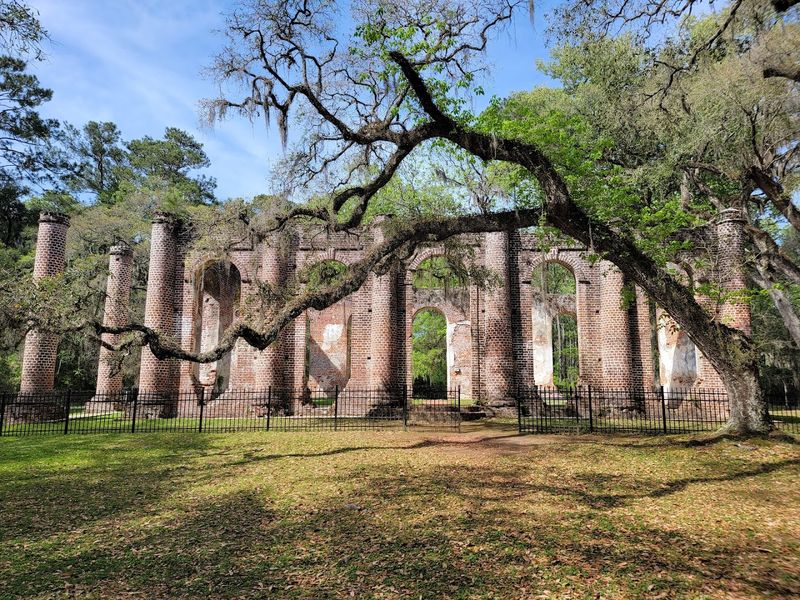
Walking through the towering columns at Old Sheldon Church Ruins on Old Sheldon Church Rd in Yemassee feels like entering a cathedral built by time itself.
This 18th-century church burned twice, first during the Revolutionary War and again in the Civil War, leaving only brick walls and graceful arches standing beneath ancient oaks.
Spanish moss drapes over the ruins like nature’s curtain, creating an atmosphere so peaceful you might forget the violence that shaped this place.
I wandered among the columns one spring afternoon, tracing my fingers along bricks that survived two centuries of storms and conflict.
The open sky now serves as the roof, and wildflowers bloom where pews once stood.
Local couples sometimes choose this spot for weddings, drawn to the romantic blend of ruin and renewal.
Every visit reminds me that beauty often grows strongest in places that refuse to be erased.
2. Botany Bay Plantation Heritage Preserve Ruins, Edisto Island
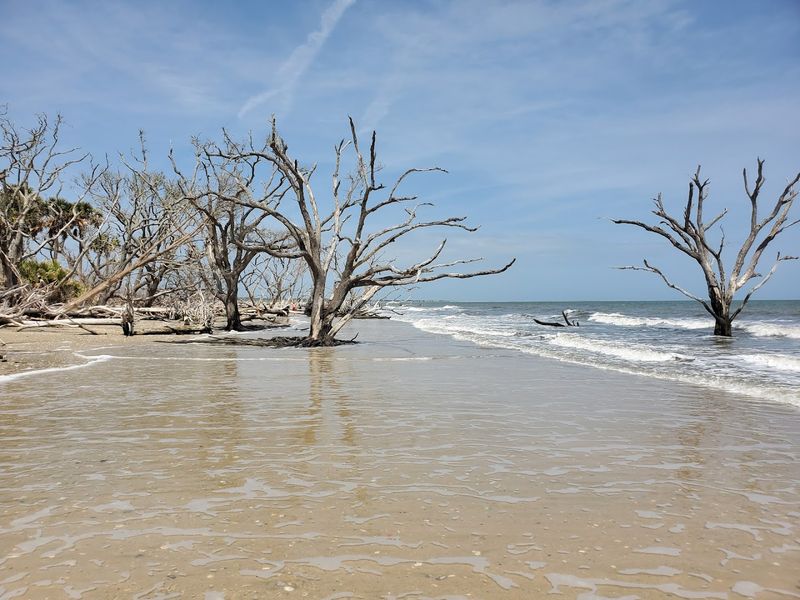
Botany Bay Plantation Heritage Preserve on Botany Bay Rd, Edisto Island, hides its ruins like treasures scattered across 4,630 acres of untouched coastline.
Tabby walls made from crushed oyster shells stand silent among palmetto groves, remnants of a plantation era that shaped the Lowcountry.
I followed sandy trails through maritime forest until I reached the beach, where driftwood creates sculptures more haunting than any museum piece.
The preserve protects not just ruins but an entire ecosystem, with nesting sea turtles and migrating birds reclaiming what humans once controlled.
Walking past the old structures, I felt the weight of complicated history mixed with the lightness of salt air.
Photography enthusiasts flock here at sunrise, when golden light transforms weathered tabby into glowing monuments.
Nature has the final word at Botany Bay, slowly dissolving human ambition back into sand and shell.
3. Landsford Canal State Park Ruins, Catawba
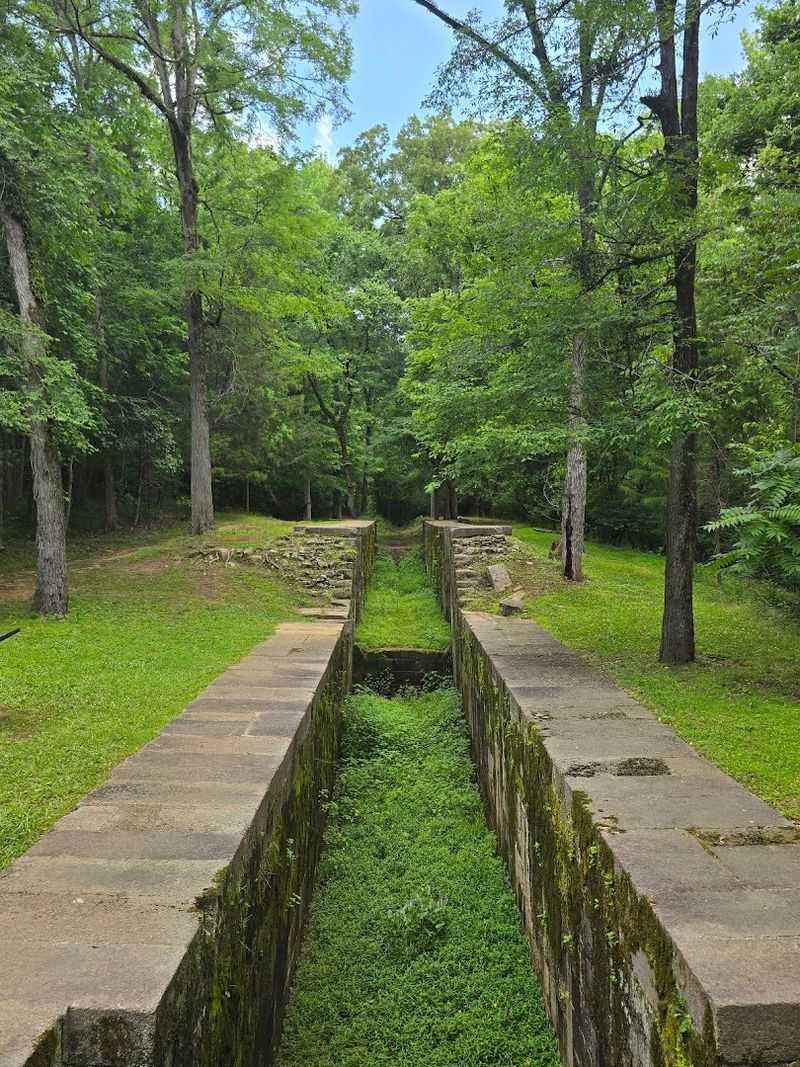
Landsford Canal State Park at 2051 Park Dr in Catawba preserves the ambitious dream of 19th-century engineers who wanted to tame the Catawba River.
Stone locks and canal walls remain from a system that once helped boats bypass dangerous rapids, though nature eventually won the battle.
I explored the towpath one May morning when spider lilies bloomed in impossible numbers, turning the riverbank into a white carpet.
The canal operated for less than fifty years before railroads made it obsolete, leaving these carefully fitted stones to weather alone.
Interpretive signs explain the engineering feat, but standing beside the silent locks tells the story more powerfully than any plaque.
Fishermen cast lines near the old structures, and hikers pause to imagine boats loaded with cotton gliding through water now still and green.
Every crumbling stone reminds me that even our grandest plans eventually become footnotes in nature’s longer narrative.
4. St. Helena Parish Chapel Of Ease Ruins, St Helena Island
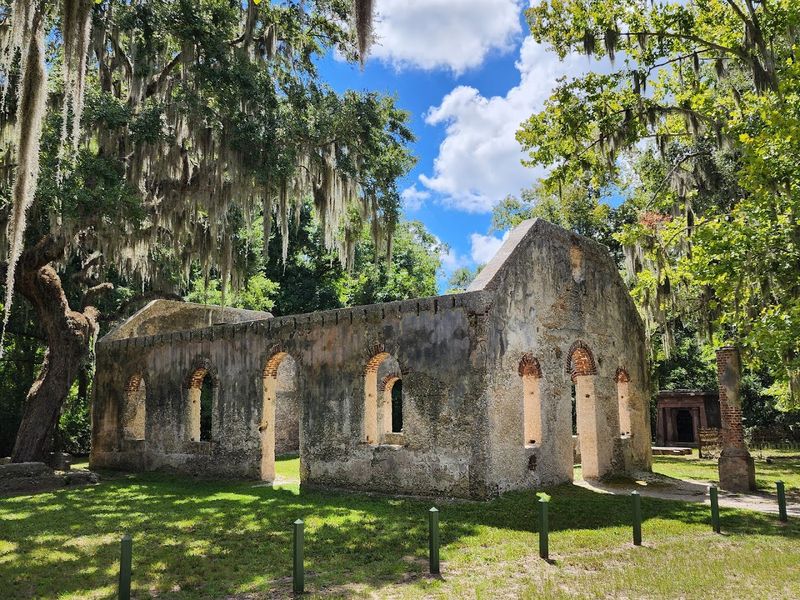
St. Helena Parish Chapel of Ease on Lands End Rd, St Helena Island, stands as a shell of brick and memory in the heart of Gullah country.
Built in the 1740s to serve planters who found the main church too distant, this chapel burned in 1886, leaving walls that frame the sky.
I visited on a foggy afternoon when the mist made the ruins feel like they existed between worlds, neither fully present nor completely gone.
Tabby construction gives the walls a textured appearance, and empty window openings create natural frames for moss-draped oaks beyond.
The surrounding cemetery holds graves that predate the American Revolution, their inscriptions fading but still readable.
Local historians lead occasional tours, sharing stories of the families who worshiped here and the enslaved people who built it.
Standing inside these roofless walls, I understood how architecture can outlive purpose and still hold meaning.
5. Atalaya Castle, Murrells Inlet
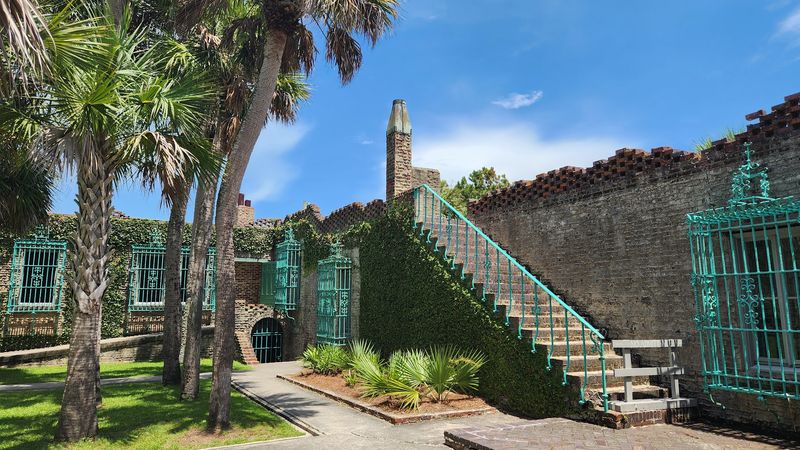
Atalaya Castle at 16148 Ocean Hwy in Murrells Inlet looks like something transported from the Mediterranean and left to weather in Southern humidity.
Archer and Anna Hyatt Huntington built this Moorish-style winter home in the 1930s, complete with a central courtyard and over thirty rooms.
I wandered through the open-air corridors one winter morning, imagining Anna sculpting in her studio while ocean breezes swept through arched doorways.
The castle served as the couple’s creative retreat until Anna’s health declined, after which it sat empty for decades before becoming part of Huntington Beach State Park.
Unlike most ruins, Atalaya crumbled not from fire or war but from simple abandonment and coastal weather.
Artists now gather here each September for a festival that brings temporary life back to the silent rooms.
Every time I visit, I appreciate how this strange, beautiful building refuses to fit neatly into any category of Southern architecture.
6. Rose Hill Plantation Ruins, Union
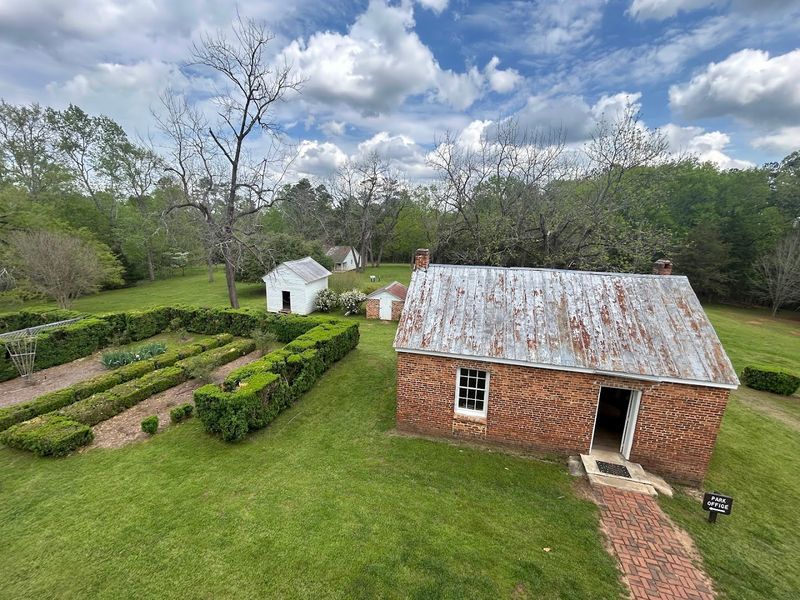
Rose Hill Plantation on Sardis Rd in Union once stood as a symbol of wealth and power, now reduced to chimneys pointing skyward like fingers of accusation.
William Henry Gist, South Carolina’s secession governor, called this place home before the Civil War reshaped everything.
I explored the grounds one autumn afternoon, finding foundation stones half-buried in fallen leaves and the outline of formal gardens gone wild.
The main house burned long ago, but dependencies and the family cemetery remain, telling fragments of a story too complex for simple judgment.
Park rangers maintain the site as a state historic park, preserving both the physical remains and the difficult conversations they provoke.
Walking past the chimneys, I thought about how ruins force us to confront history rather than simply admire it.
Rose Hill refuses to be picturesque, standing instead as a stark reminder of choices that still echo through generations.
7. Fort Fremont Ruins, St Helena Island
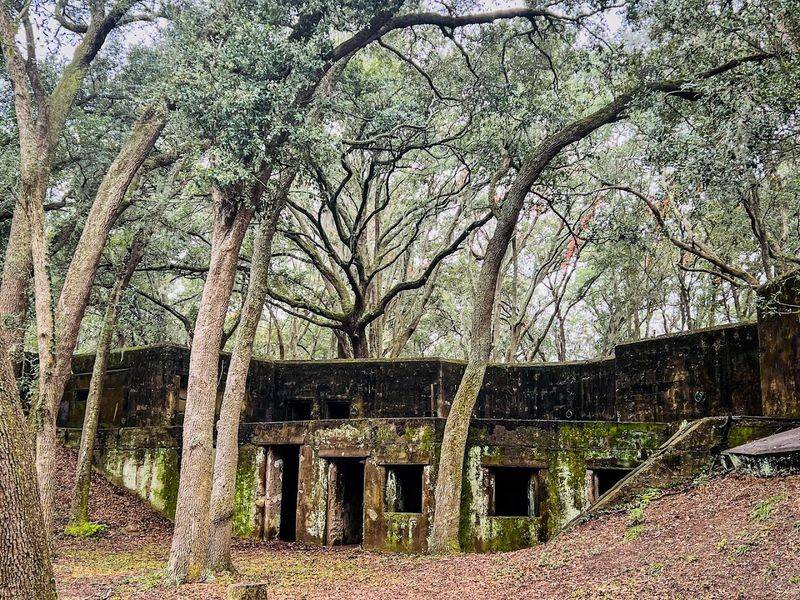
Fort Fremont on State Rd S-7-45, St Helena Island, sprawls across the landscape like a concrete puzzle slowly being reclaimed by salt marsh.
Built in 1899 to defend Port Royal Sound during the Spanish-American War, the fort never fired a shot in combat before becoming obsolete.
I climbed through the massive gun emplacements one summer evening, peering out where soldiers once watched for threats that never materialized.
Graffiti covers some walls, adding unintended color to the military gray, while vines snake through cracks in the concrete.
The fort’s strategic importance faded quickly with advancing military technology, leaving these structures to weather and vandals.
Local preservation groups work to stabilize the ruins and interpret their history for visitors who stumble upon them.
Standing atop the old batteries with marsh stretching to the horizon, I felt the strange peace that settles over weapons rendered harmless by time.
8. Pon Pon Chapel of Ease Ruins, Jacksonboro
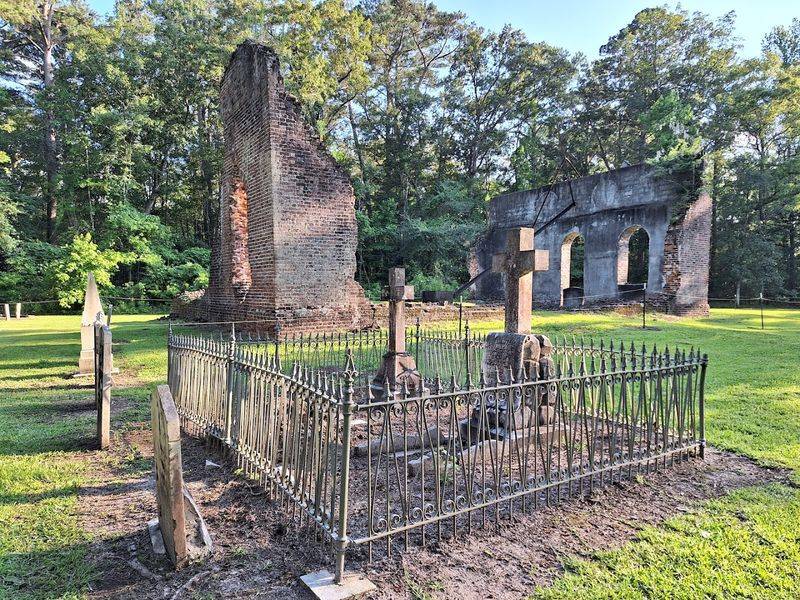
Pon Pon Chapel of Ease on Pon Pon Church Rd in Jacksonboro sits so far off the beaten path that finding it feels like discovering a secret.
This colonial-era chapel served planters along the Pon Pon River until it burned in 1801, leaving brick walls that still define the sacred space.
I visited on a quiet spring morning when the only sounds were birds and my footsteps on the sandy ground between old graves.
Gothic-style window openings frame views of surrounding forest, creating natural stained glass from green leaves and blue sky.
The cemetery holds stones dating to the 1700s, their inscriptions weathered but occasionally legible enough to glimpse individual lives.
Locals maintain the site with quiet dedication, clearing brush and preserving what remains without trying to restore what’s gone.
Each visit reminds me that some places gain power from what they’ve lost rather than what they’ve kept.
9. Denmark Vesey Monument Ruins Site, Charleston
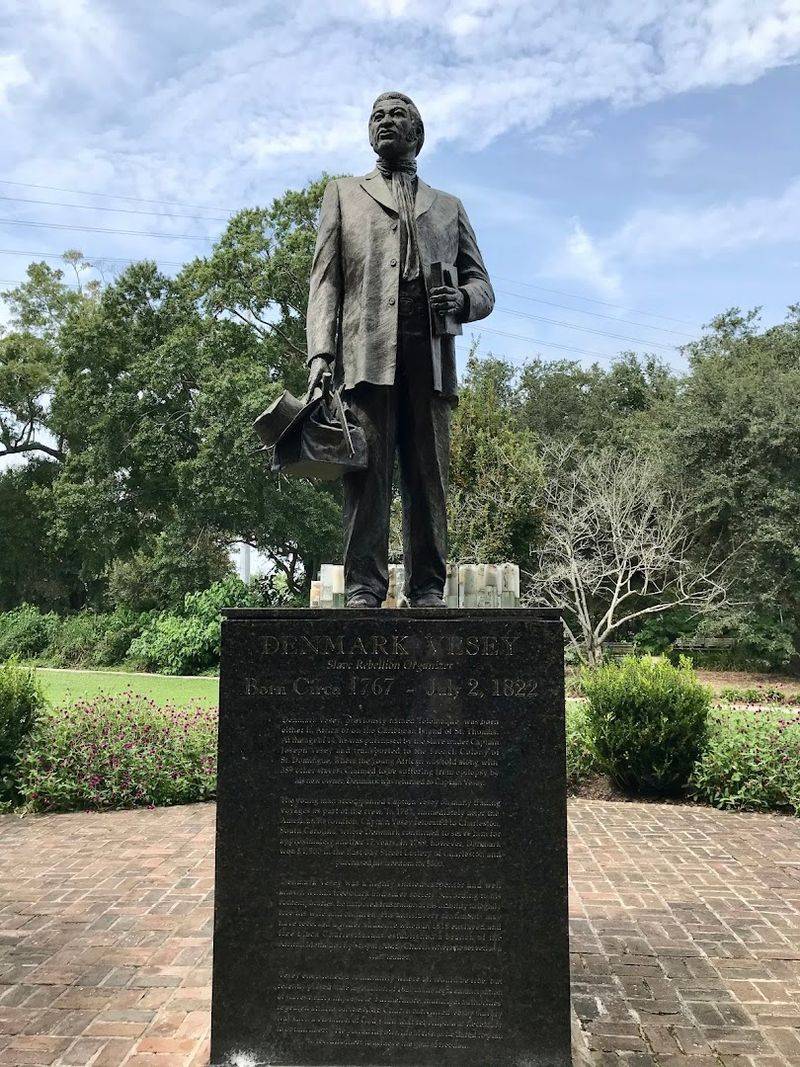
The Denmark Vesey monument site at 125 Bull St in Charleston marks ground heavy with the weight of resistance and consequence.
Vesey, a formerly enslaved carpenter, planned a major rebellion in 1822 that was discovered before it could begin, leading to his execution and the burning of the African Church.
I stood at the memorial one humid afternoon, reading the inscription while tourists hurried past toward more comfortable attractions.
The original church building is long gone, but the site itself holds the memory of courage and the brutal response it provoked.
Charleston’s polished historic district rarely highlights stories this uncomfortable, making the monument’s presence all the more significant.
A simple sculpture now honors Vesey and the complex legacy of resistance in a city built on enslaved labor.
Visiting this site requires confronting how we choose which ruins to preserve and which stories to tell.
10. Battery White Ruins, Georgetown
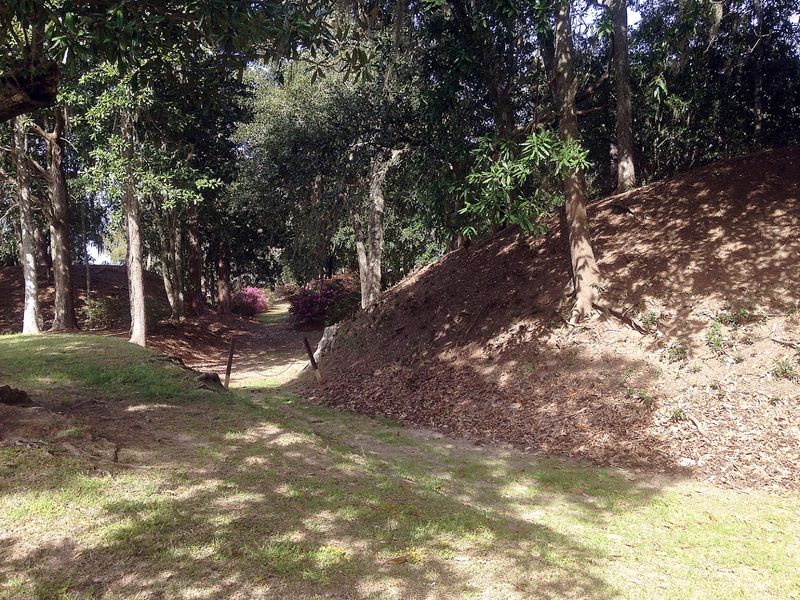
Battery White in Georgetown exists as subtle earthen mounds that most people pass without recognizing as ruins at all.
This Civil War fortification defended the entrance to Winyah Bay, though like many Confederate positions, it ultimately couldn’t prevent Union forces from controlling the coast.
I walked the overgrown earthworks one winter afternoon, trying to imagine cannons positioned where now only grass and scrub oak grow.
Unlike brick and stone ruins, earthworks dissolve slowly back into the landscape they were shaped from, becoming almost invisible over time.
Interpretive markers help visitors understand the military significance of these gentle rises in the ground.
The battery never saw major combat, serving mostly as a deterrent that delayed rather than prevented the inevitable.
Standing on these weathered mounds with the bay stretching beyond, I thought about how even earth itself can be a monument to human conflict and ambition.