
This Hidden Forest In South Carolina Feels Like A Real-Life Fairy Tale
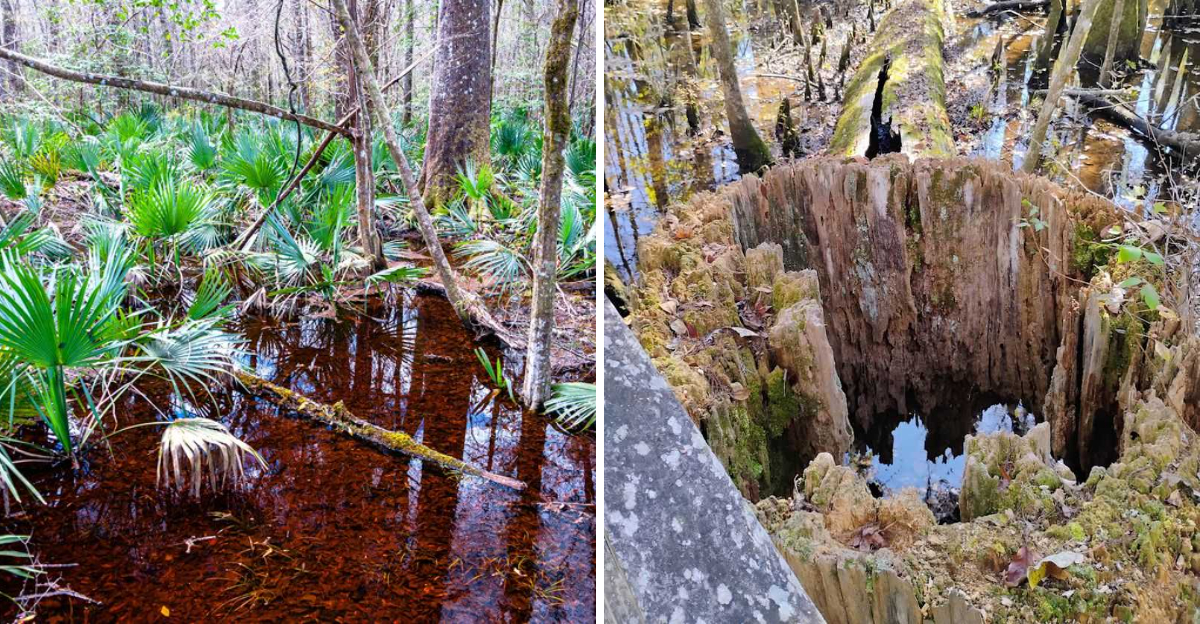
Stepping onto the boardwalk here doesn’t feel like a typical walk in South Carolina.
You leave the parking area, take a few steps forward, and the world changes without warning. The light softens, the trees rise higher than expected, and the path pulls you deeper into something that feels older than anything around it.
In South Carolina, this is the kind of place that doesn’t need crowds or signs to stay with you.
The boardwalk winds slowly through towering cypress and still water, guiding you without rushing you. You start noticing small things.
Movement in the distance. A quiet call from somewhere above.
Moments that don’t feel staged or predictable.
People don’t hurry here. They walk slower, look longer, and let the space do the work.
You know that feeling when a place makes you forget everything else for a while?
That’s what this becomes.
And by the time you leave, it’s clear South Carolina still has places most people haven’t truly seen.
Ancient Cypress Giants Stand Guard
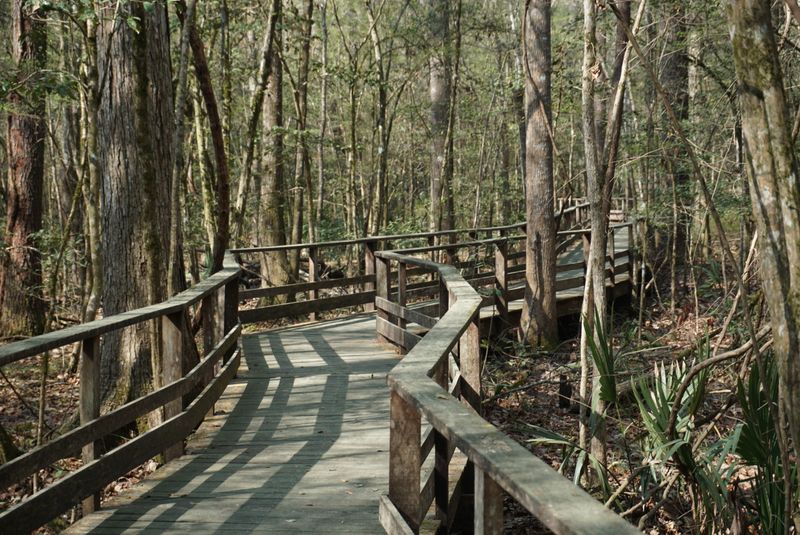
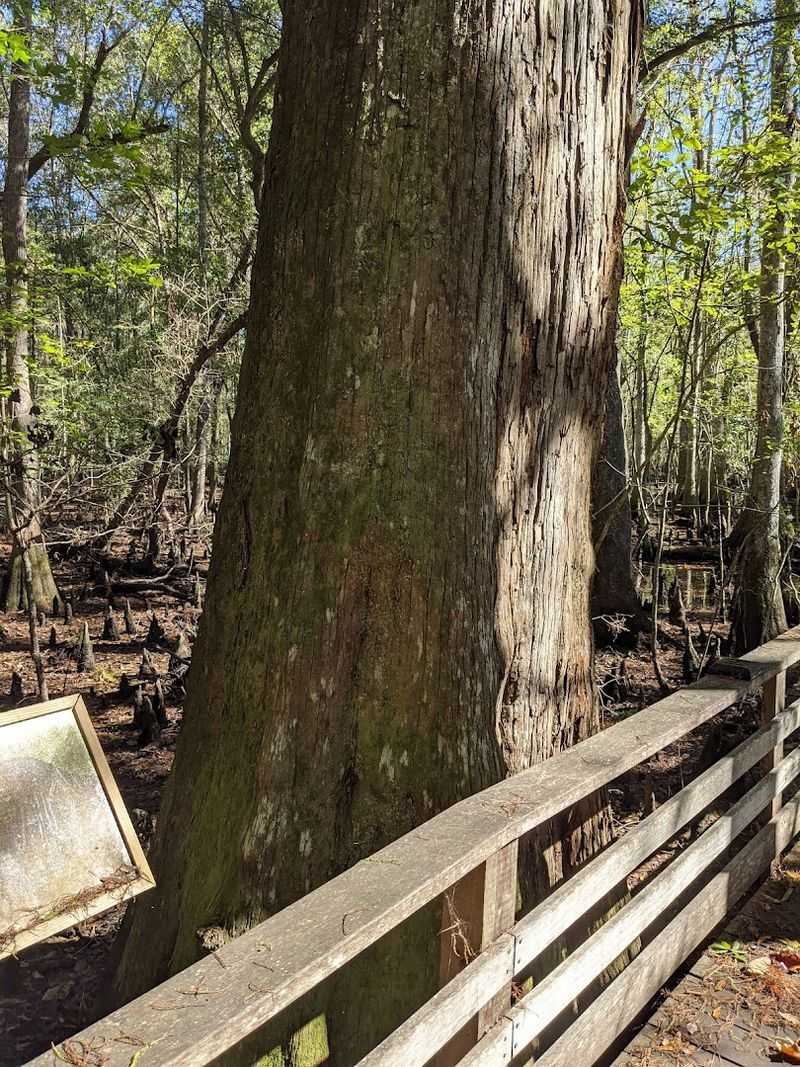
Walking beneath trees that were already ancient when America was founded changes your perspective on time itself. The champion bald cypress trees at Beidler Forest measure over 1,000 years old, their massive trunks rising from dark swamp water like natural monuments to survival.
I remember pressing my hand against one of these giants and trying to imagine all the seasons it had witnessed. These trees can reach heights of 120 feet, with trunks so wide that several people linking hands couldn’t circle them completely.
The cypress knees jutting from the water around each tree create an otherworldly landscape that photographers absolutely love. Spanish moss drapes from the branches like nature’s own curtains, swaying gently in whatever breeze manages to reach the swamp floor.
Standing among these ancient sentinels, I felt genuinely small in the best possible way, reminded that some things are worth protecting simply because they’ve earned their place through centuries of quiet persistence.
Boardwalk Makes Swamp Access Easy
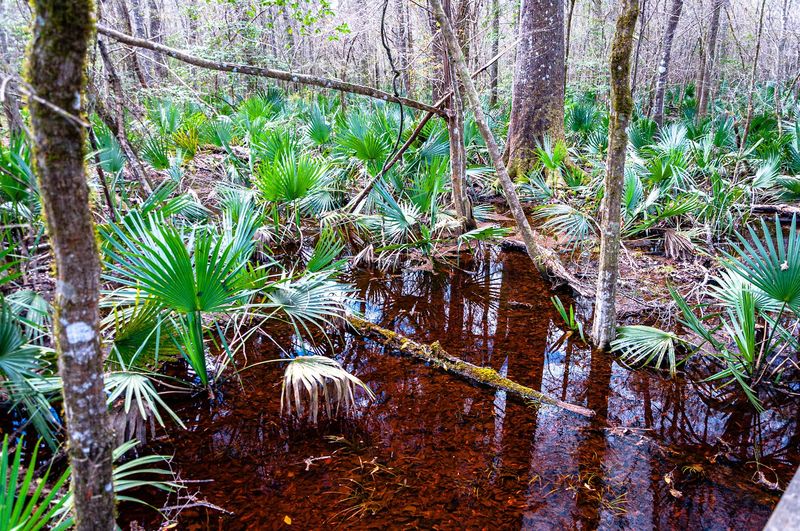
Forget the idea that swamp exploration requires waders and machetes. The 1.75-mile boardwalk loop at Beidler Forest keeps your feet dry while bringing you face-to-face with one of the most biodiverse ecosystems in the Southeast.
I appreciated how the elevated walkway puts you at perfect eye level with nesting birds and basking turtles without disturbing their natural behavior. The entire path stays flat and accessible, meaning families with strollers, visitors using wheelchairs, and anyone who prefers not to trudge through mud can experience the swamp firsthand.
Benches appear at strategic intervals, inviting you to sit quietly and let the wildlife come to you. During my slower walks, I noticed details I would have missed rushing past: tiny frogs clinging to cypress knees, water striders skating across still pools, and the way light transforms the swamp into different moods throughout the day.
The boardwalk’s thoughtful design proves that accessibility and wilderness preservation can coexist beautifully when done right.
Four Hole Swamp Creates Unique Habitat
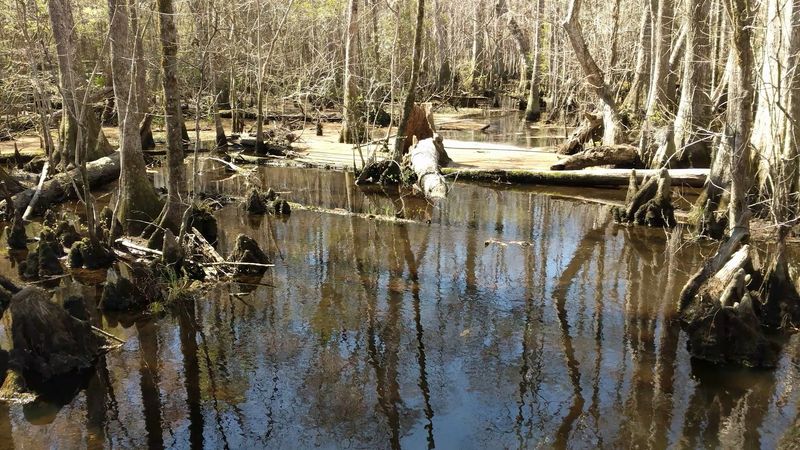
Four Hole Swamp earned its peculiar name from four sinkholes that formed along an old streambed, creating a blackwater system that supports an incredible concentration of life. The dark, tea-colored water comes from tannins leached from decaying vegetation, not pollution, and provides the perfect chemistry for the creatures that call this place home.
I learned that this swamp functions as a natural water filter and flood control system for the surrounding area, making it valuable beyond its beauty. The sanctuary protects roughly 18,000 acres of this critical wetland, including the largest remaining virgin stand of cypress-tupelo forest in the world.
Seasonal water level changes create different habitats throughout the year, attracting varied species depending on when you visit. The swamp’s isolation and protection have allowed species to thrive here that struggle in more developed areas.
Understanding this ecosystem’s complexity made me appreciate every snake, spider, and seemingly unremarkable plant I encountered along the trail.
Wildlife Viewing Opportunities Abound
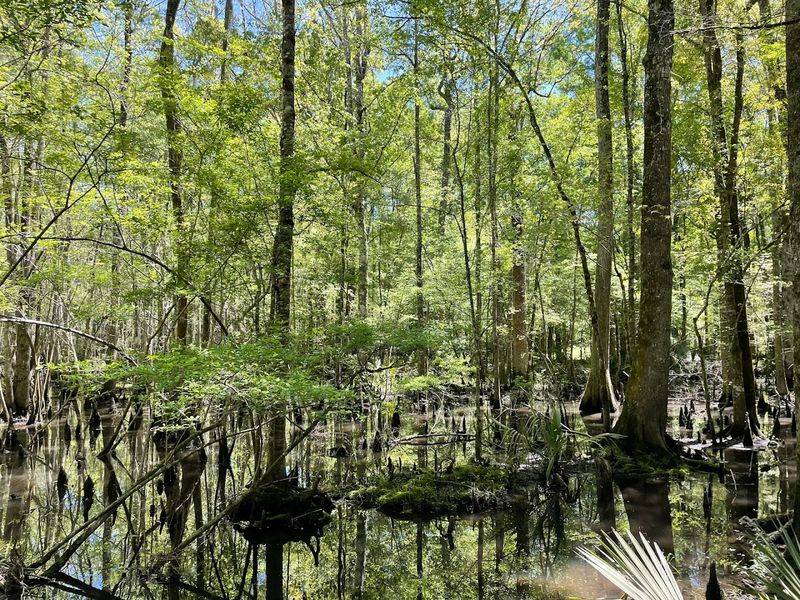
My most memorable moment at Beidler came when a barred owl locked eyes with me from a branch just twenty feet away, completely unbothered by my presence. The sanctuary hosts over 140 bird species throughout the year, making it a magnet for birders who arrive with binoculars and field guides at dawn.
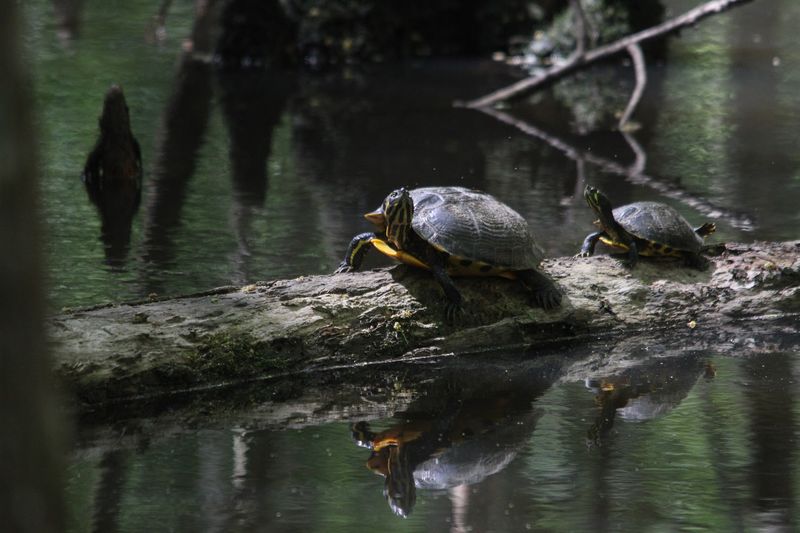
River otters play in the channels beneath the boardwalk, their sleek bodies cutting through the water with enviable grace. I’ve spotted alligators sunning themselves on logs, cottonmouth snakes draped over low branches, and countless turtles plunking into the water at my approach.
White-tailed deer browse the edges of the swamp, while prothonotary warblers flash their golden plumage during breeding season. The staff at the visitor center will tell you what’s been spotted recently, giving you a better chance of seeing specific species.
Patient observers get rewarded here, because wildlife watching in this protected space means animals behave naturally rather than fleeing at the first human sound.
Visitor Center Enhances Experience
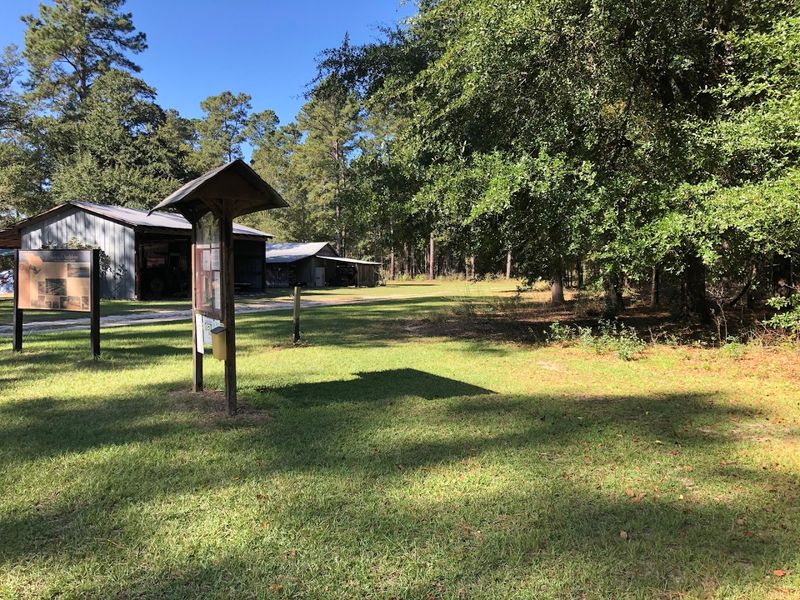
Before hitting the boardwalk, I always stop at the visitor center to check what’s been spotted recently and grab any interpretive materials I might need. The staff members here genuinely love their jobs, and their enthusiasm for the sanctuary’s ecology is absolutely contagious.
Educational displays inside explain the swamp’s formation, ecology, and the conservation efforts that keep it protected. The gift shop stocks field guides, nature-themed items, and Audubon merchandise, with proceeds supporting the sanctuary’s mission.
Clean restrooms provide a necessary pit stop before the two-hour boardwalk journey, since facilities don’t exist once you’re out on the trail. Visitors can borrow binoculars if they forgot their own, removing one more barrier to quality wildlife observation.
I once left my walking stick behind after a visit, and when I called the next day, the staff had already found it and held it for my return. That kind of personal attention makes Beidler feel less like a tourist attraction and more like a community treasure.
Seasonal Changes Bring Different Rewards
Timing your visit to Beidler Forest matters more than you might expect, because each season reveals completely different aspects of the swamp’s personality. Spring brings nesting herons, egrets, and other wading birds that fill the canopy with activity and noise.
Summer explodes with green growth and buzzing insects, though the heat and humidity can test your commitment to nature appreciation. I found that early morning summer visits before the temperature climbs offer the best compromise between comfort and wildlife activity.
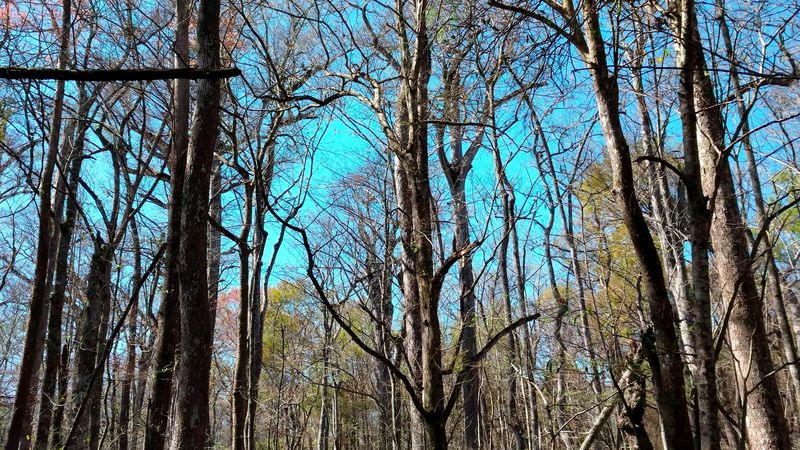
Fall and winter provide cooler temperatures and fewer bugs, plus the bare trees make spotting wildlife significantly easier when leaves aren’t blocking your view. Water levels drop during drier months, concentrating fish and attracting more wading birds to visible feeding spots.
The synchronized fireflies that appear in May create such a spectacular show that the sanctuary offers special evening programs requiring advance tickets. Every season I’ve visited has offered something unique, proving that Beidler rewards repeat visitors who want to see the swamp’s full range of moods.
Educational Programs Deepen Understanding
Beyond self-guided walks, Beidler Forest offers programs that transform a pleasant stroll into genuine learning experiences. Guided boardwalk tours led by knowledgeable naturalists point out details most visitors would miss, from identifying bird calls to explaining the complex relationships between swamp species.
Kayak tours paddle through sections of the swamp inaccessible from the boardwalk, though participants must be at least twelve years old for safety reasons. I watched one of these groups glide silently beneath the cypress canopy and immediately added it to my return-visit wish list.
Special programs throughout the year focus on specific topics like owl prowls, snake ecology, or the sanctuary’s famous firefly displays. School groups regularly visit for environmental education programs that connect classroom learning with hands-on swamp exploration.
The sanctuary’s commitment to education extends beyond just preserving the forest to actually helping people understand why places like this matter. Attending a program here reminded me that the best conservation happens when people develop genuine connections with wild places rather than just reading about them.
Photography Paradise Awaits Patient Shooters
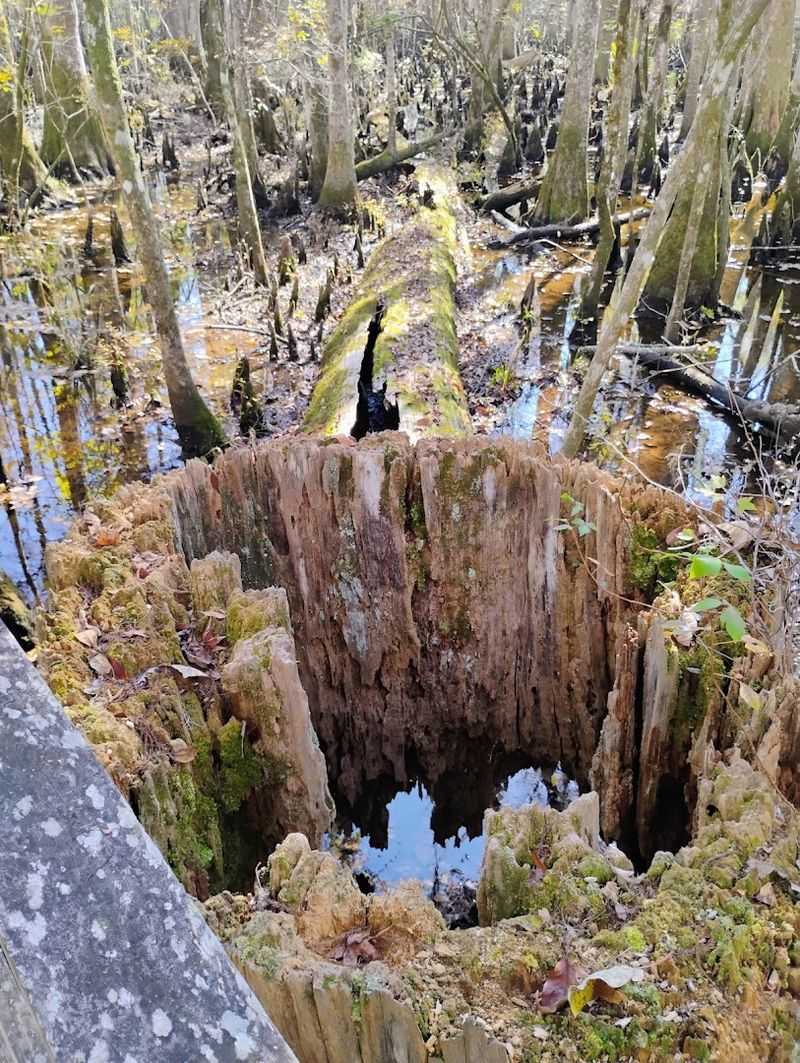
Every time I visit Beidler with my camera, I end up staying twice as long as planned because the photographic opportunities just keep presenting themselves. The interplay of light filtering through the cypress canopy creates constantly changing conditions that challenge and reward photographers willing to work with natural light.
Reflections in the still, dark water during calm mornings produce mirror images so perfect they look digitally created. Wildlife photography here requires patience and a willingness to stay quiet and motionless, but the payoff comes when a great blue heron lands ten feet away or an owl poses obligingly on a nearby branch.
The Spanish moss adds texture and atmosphere to virtually every composition, while the cypress knees jutting from the water provide natural foreground interest. Macro photographers find endless subjects among the smaller inhabitants: colorful fungi, intricate spider webs, tiny frogs, and countless insects.
I’ve learned that the best images at Beidler come not from rushing to cover the entire boardwalk but from finding one compelling spot and waiting for the light and wildlife to align perfectly.
Conservation Success Story Continues
Francis Beidler, a lumber executive, could have logged this entire forest for profit but instead chose to protect it, setting aside the land that would eventually become this sanctuary. His decision in the 1970s to work with the National Audubon Society preserved something irreplaceable for future generations.
The sanctuary now serves as a living laboratory for scientists studying old-growth forest ecology, climate change impacts, and wetland conservation strategies. Research conducted here informs conservation efforts across the Southeast, making Beidler’s protection valuable far beyond its boundaries.
Admission fees and memberships directly support ongoing conservation work, habitat restoration, and educational programs that introduce thousands of visitors annually to swamp ecology. I appreciate knowing that my visit contributes to preserving this place rather than just consuming it.
The success of Beidler Forest demonstrates that private conservation efforts can protect critical habitats when government resources fall short. Walking this boardwalk, I’m reminded that one person’s decision to preserve rather than exploit created a legacy that will outlast us all by centuries.
Planning Your Visit Makes Difference
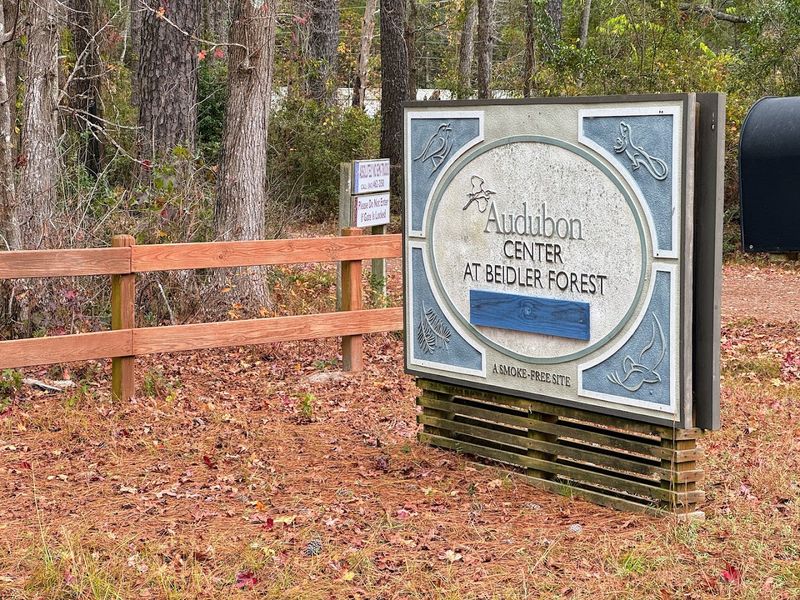
Beidler Forest operates on a limited schedule, closed Mondays and Tuesdays, so checking hours before making the drive saves disappointment. I learned this the hard way on my first attempted visit when I arrived to locked gates on a Tuesday afternoon.
Bringing insect repellent matters more during warmer months, though the bugs are rarely as bad as reviews might suggest, especially if you visit during cooler parts of the day. Comfortable walking shoes with good grip help on the boardwalk, which can get slippery after rain or morning dew.
Water and snacks are essential since the visitor center doesn’t sell food, and the walk takes most people between one and three hours depending on how often you stop. Binoculars dramatically improve wildlife viewing, though the center loans them out if you forget yours.
The sanctuary sits well off major highways, requiring commitment to reach, but that isolation is precisely what keeps the swamp pristine and peaceful. Every time I make the winding drive down Sanctuary Road, anticipation builds, and the forest has yet to disappoint me once I arrive.