
This Remote State Park In Washington Is Home To The World’s Most Unusual Forest
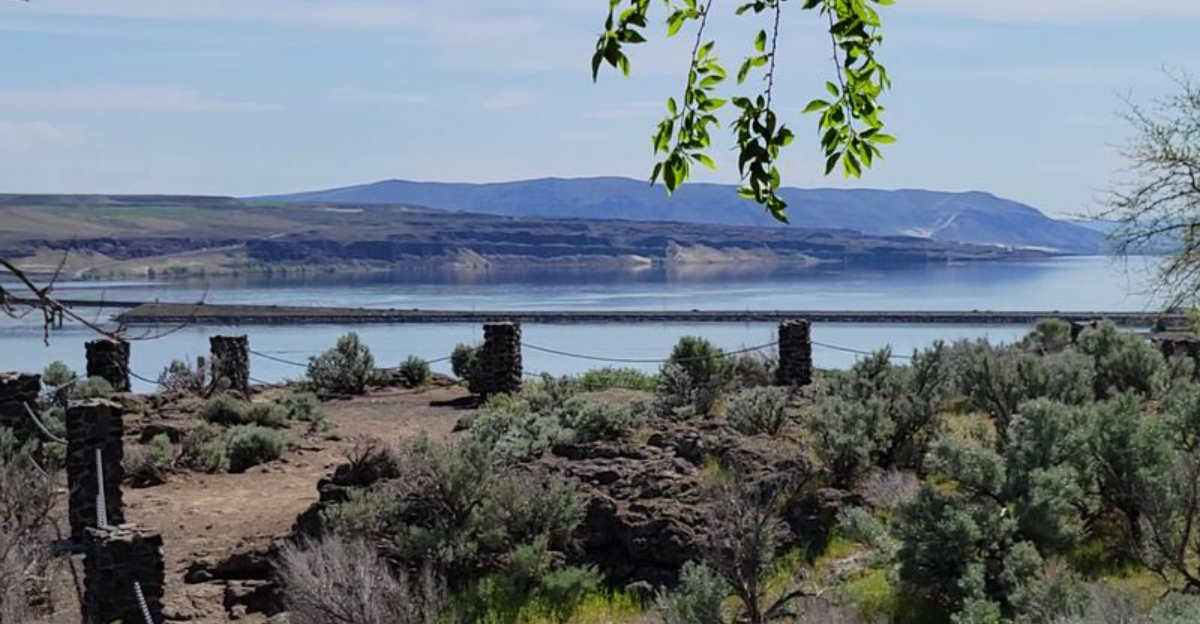
Have you ever visited a forest that survived a literal wall of fire? That’s exactly what I found during my latest road trip. I’m used to the lush greenery of the coast, but this breathtaking spot in Washington is home to an ancient stone forest that looks like it belongs in a fantasy novel.
As I wandered the trails, I realized I wasn’t looking at rotting wood, but at precious minerals. Millions of years ago, massive volcanic eruptions encased rare trees in basalt, preserving them in exquisite detail forever.
Now, they sit like buried treasure waiting to be discovered.
The contrast between the sparkling, petrified logs and the stark, golden landscape is absolutely stunning. It’s a place where time stands still, and honestly, I haven’t been able to stop thinking about it since I left.
This 7,124-acre park is not just a hiking destination but a living chapter of geological history, and it earned its spot as a registered National Natural Landmark for very good reason.
The Ancient Story Behind The Stone Trees
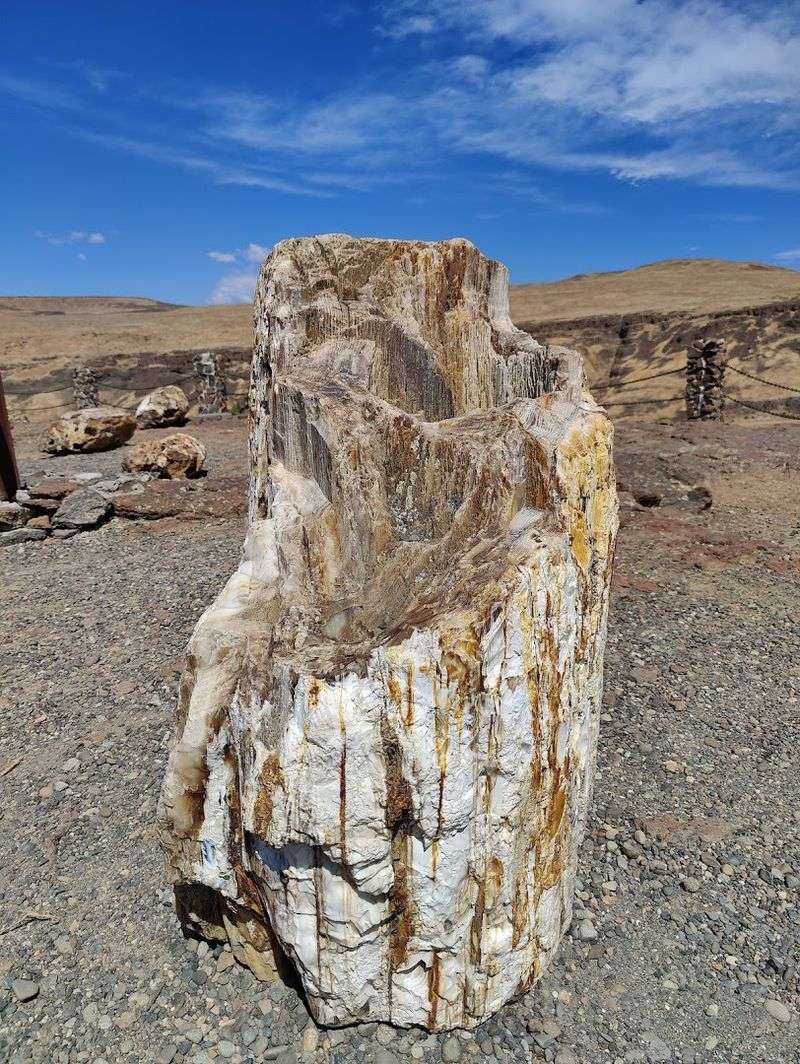
About 15 to 16 million years ago, during a geological period called the Miocene epoch, a vast forest of living trees stood across what is now central Washington State. Massive volcanic eruptions buried those trees under layers of ash and lava, cutting off oxygen and stopping normal decay in its tracks.
Over millions of years, mineral-rich groundwater seeped through the buried wood and slowly replaced every fiber of organic material with silica and other minerals. The result was something remarkable: exact stone replicas of the original trees, preserving bark texture, growth rings, and even cellular detail with stunning precision.
At Ginkgo Petrified Forest State Park I kept pausing to run my fingers along logs that looked like wood but felt like solid rock.
More than 50 species of petrified trees have been identified here, making this one of the most scientifically diverse collections of fossil wood in all of North America. The sheer age of what you are touching is almost impossible to fully absorb.
Each piece feels like a quiet time capsule, holding the shape of an ancient forest long after the forest itself disappeared.
Why The Ginkgo Tree Makes This Park Truly Special
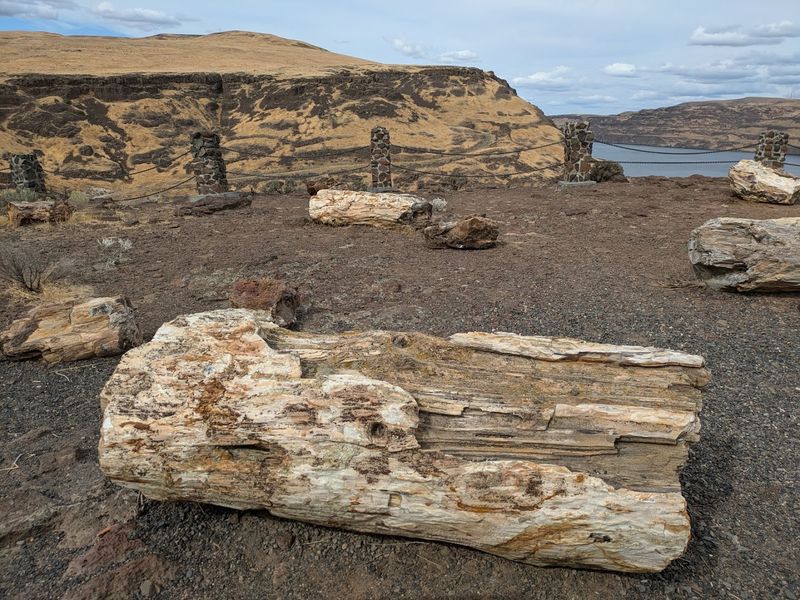
Ginkgo trees are often called living fossils because the species has remained almost unchanged for over 200 million years. Finding petrified ginkgo wood here was a discovery that genuinely excited the scientific community, because ginkgo trees had long disappeared from North America before being rediscovered through these stone remains.
The park takes its name directly from this extraordinary find. When researchers first identified petrified ginkgo specimens among the fossil logs in the early 20th century, it confirmed that this ancient species once thrived across the Pacific Northwest in a much warmer, wetter climate than exists today.
Standing in front of a petrified ginkgo specimen at the interpretive center, I felt a genuine sense of wonder at how a single tree species could connect us to a prehistoric world.
The fan-shaped leaf pattern that ginkgo trees still produce today is essentially identical to what those ancient trees grew millions of years ago, which makes the whole story feel almost impossibly cool.
The Trees of Stone Interpretive Trail Experience
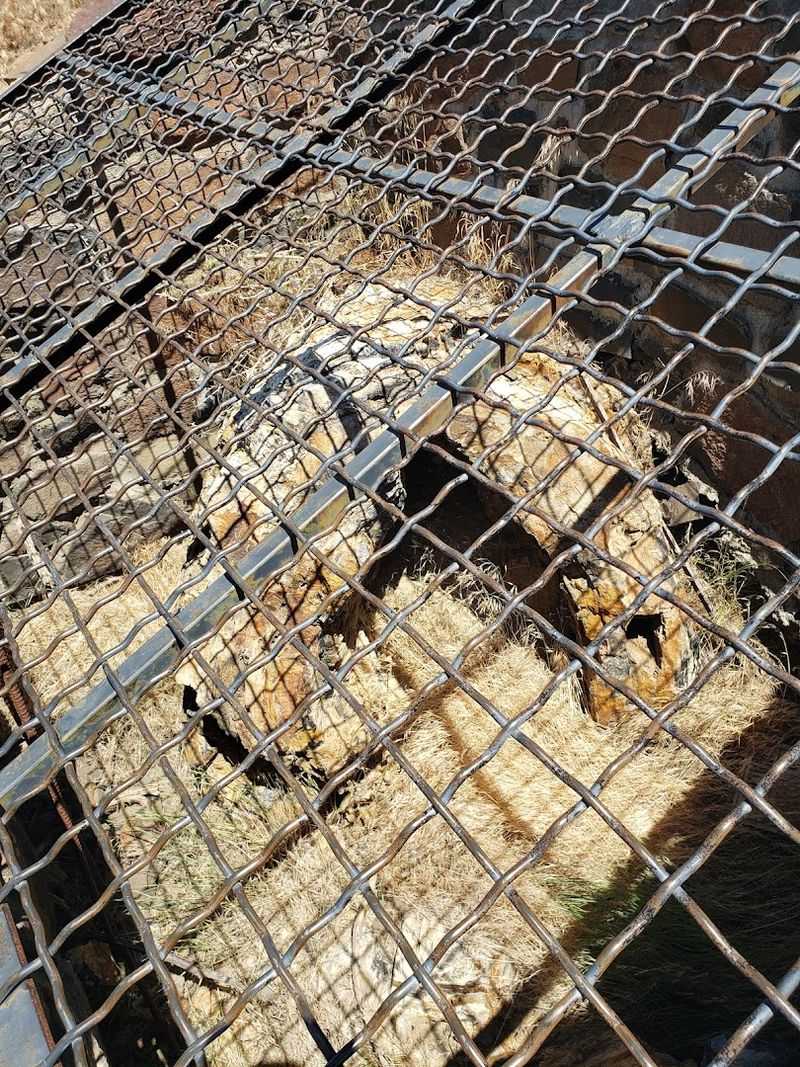
The 1.25-mile Trees of Stone Interpretive Trail is the crown jewel of any visit to this park, and I would argue it is one of the most quietly spectacular short hikes in the entire Pacific Northwest. The trail winds through a semi-arid shrub-steppe landscape where more than 20 petrified logs sit right in their original resting positions, exactly where they were buried millions of years ago.
Each log is protected by a small metal cage, and interpretive signs explain the species, the science, and the surrounding geology in clear, approachable language. The trail itself is not strenuous, making it accessible for families, older visitors, and anyone who prefers a relaxed pace over a demanding climb.
What struck me most was the silence out there. The desert air, the wide open sky, and the basalt ridgelines surrounding you create an atmosphere that feels genuinely remote and contemplative.
The park offers three miles of hiking trails in total, so you can extend your adventure well beyond the interpretive loop if you want more time with the landscape. The short distance makes it easy to underestimate, but every few steps seem to reveal another reminder that this quiet landscape has been holding ancient secrets for millions of years.
It is less of a rush-to-the-finish hike and more of a slow outdoor museum, where the best moments happen when you stop, read, look closely, and let the scale of the place sink in.
The Interpretive Center And Its Preserved Petroglyphs
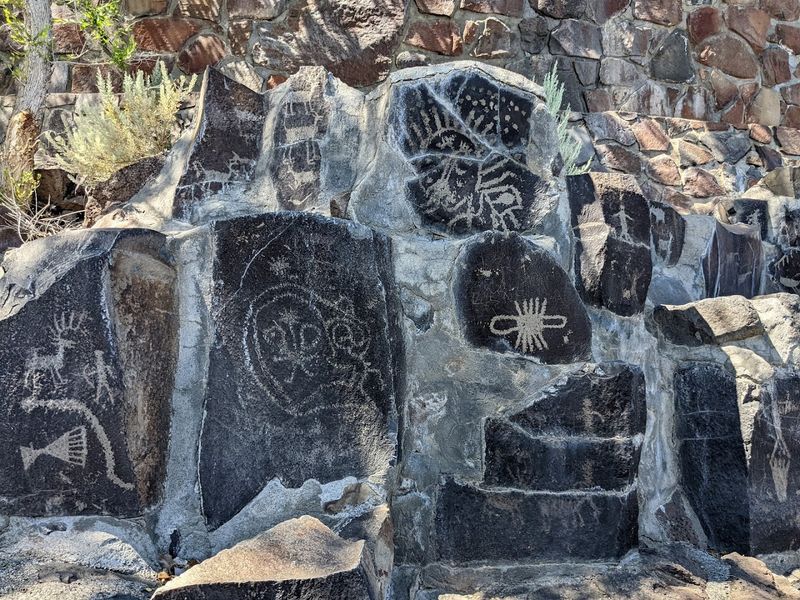
Before I even hit the trail, I spent a solid chunk of time inside the Ginkgo Petrified Forest Interpretive Center, and I am genuinely glad I did. The building displays over 30 varieties of polished and raw petrified wood, and seeing the cross-sections lit up from behind reveals colors and patterns that look more like abstract paintings than geological specimens.
The center also houses something deeply moving: salvaged Native American petroglyphs that were carefully cut from nearby basalt cliffs before they were flooded by the construction of Wanapum Dam on the Columbia River. These ancient carvings, created by Indigenous peoples who lived along the river for thousands of years, now rest safely inside the center where visitors can study them up close.
Preserving those petroglyphs was a significant cultural effort, and the interpretive center treats them with the respect they deserve. Rangers on site can answer questions about both the geological and cultural history of the area, which adds a meaningful human dimension to what could otherwise feel like a purely scientific experience.
Washington’s Official State Gem Lives Right Here
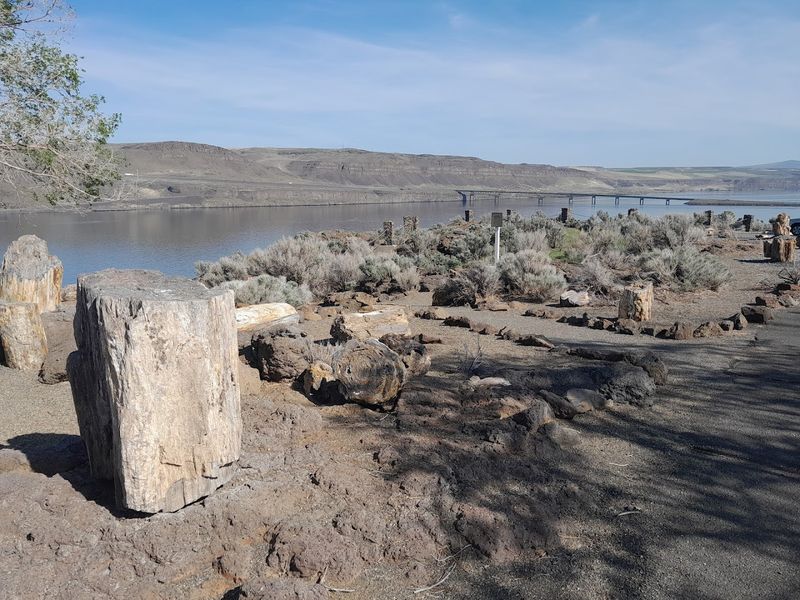
Here is a fact that caught me completely off guard: petrified wood from Ginkgo Petrified Forest State Park is officially recognized as Washington State’s state gem. That designation is not just a ceremonial title but a reflection of how scientifically and culturally significant this place is to the entire state.
The petrified wood found here displays a remarkable range of colors, from deep reds and warm oranges to creamy whites and rich browns, all depending on which minerals replaced the original wood fibers during the fossilization process. Iron oxides create the reds, manganese produces purples and blacks, and silica alone tends to yield softer, translucent tones.
Polished cross-sections of this petrified wood look so vivid and layered that they are regularly mistaken for decorative stone or even painted art pieces. You can see excellent examples of these specimens inside the interpretive center.
Just keep in mind that collecting petrified wood within the park boundaries is strictly prohibited, so admire freely but leave everything exactly as you found it.
The Wanapum Recreation Area And Life Along The Columbia River

The park is not only about ancient geology. The Wanapum Recreation Area stretches along 27,000 feet of freshwater shoreline on Wanapum Lake, which is formed by the Wanapum Dam on the Columbia River, and it offers a completely different kind of outdoor experience right alongside the fossil history.
I watched families set up camp near the water while kayakers paddled out toward the canyon walls in the late afternoon light. The recreation area includes a swim beach, a boat launch, and camping facilities, making it a practical base camp for anyone who wants to spend more than a single day exploring the area.
The contrast between the stark basalt desert rising above and the wide, calm water below creates a visual drama that is hard to describe without seeing it yourself. Sunsets here paint the canyon walls in colors that shift from gold to deep rust as the light drops, and sitting by the river after a day on the trail felt like a genuinely earned reward.
That mix is what makes the park feel so unexpected, because one moment you are thinking about ancient forests turned to stone, and the next you are watching sunlight shimmer across the Columbia River. It gives the whole trip a fuller rhythm, balancing quiet fossil trails with the easy pleasure of water, campsites, and wide-open views.
Planning Your Visit to Vantage, Washington
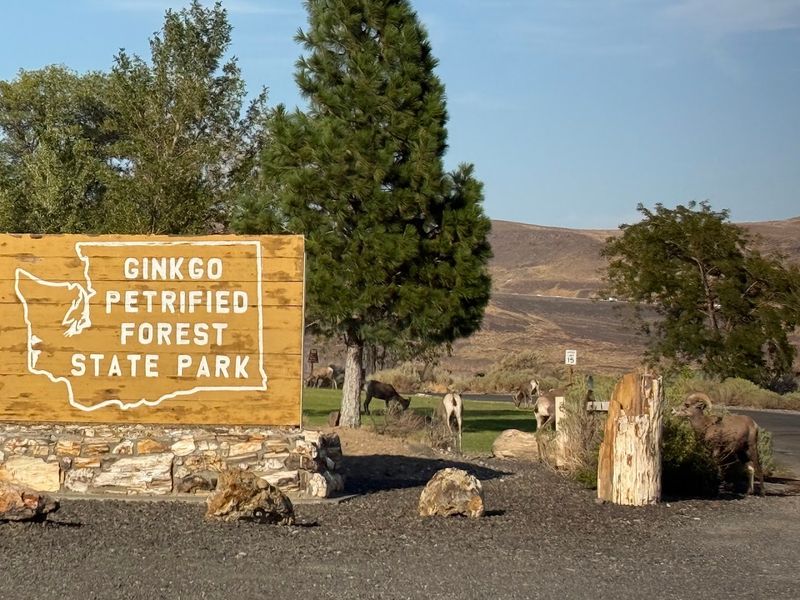
Getting to Ginkgo Petrified Forest State Park is part of the experience. The drive from Seattle takes roughly two hours heading east on Interstate 90, and the landscape shifts dramatically along the way, moving from dense evergreen forests and rainy lowlands into a wide open, sun-baked shrub-steppe that feels like a completely different state.
The park entrance is located one mile north of Vantage, Washington, right along the western shore of the Columbia River. The address for the interpretive center is 4511 Huntzinger Road, Vantage, WA 98950, and the facility is open seasonally, so checking Washington State Parks for current hours before you go is always a smart move.
Spring and fall tend to offer the most comfortable hiking temperatures, while summer brings heat that can be intense in the high desert. Pack plenty of water, wear sun protection, and bring a light layer for the evenings near the river. The park’s remote setting means cell service can be limited, so download your maps and trail information before you leave home.