
This Pennsylvania Museum Recreates The Reading Railroad From Your Game Board In Real Life
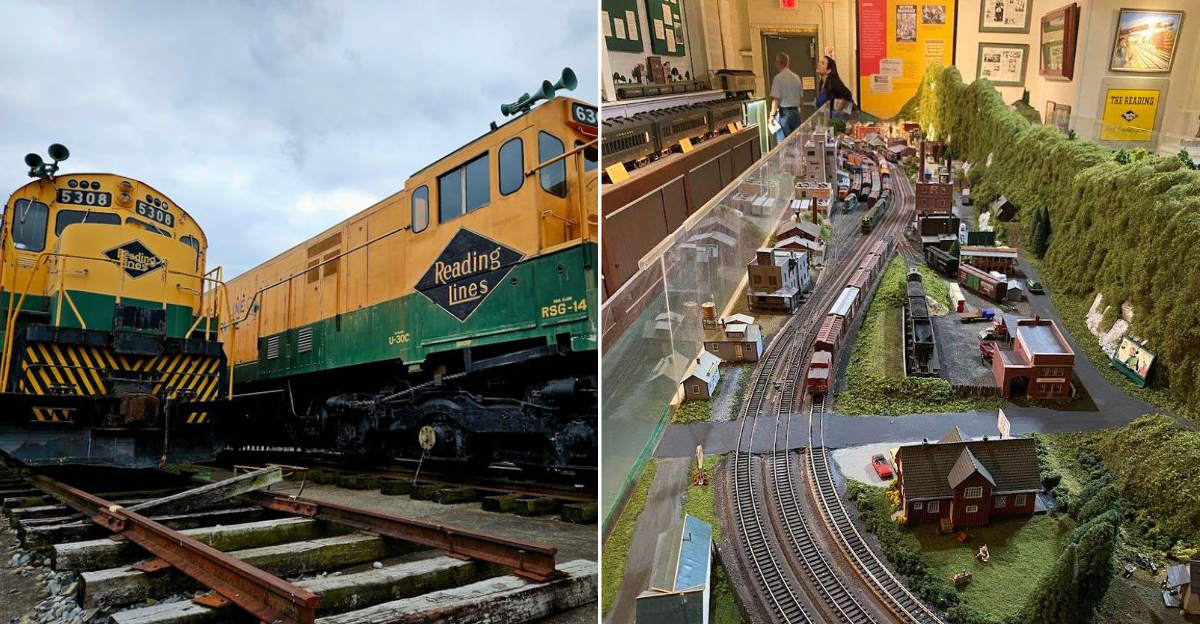
For anyone who ever stared at a game board and imagined stepping straight into the railroad world printed on it, this kind of museum feels like pure magic.
The moment history starts looking familiar in that oddly nostalgic way, the whole experience becomes more than a simple museum visit.
A place like this turns trains, tracks, and railroad heritage into something vivid, immersive, and unexpectedly personal in Pennsylvania. It is not just about looking at old artifacts.
It is about seeing a beloved piece of Americana rise off the page and into real life. That is what makes it so fun.
You get the charm of vintage railroading, the thrill of recognition, and the kind of transportive atmosphere that makes you feel like you have wandered into a living slice of history.
It is part time-travel adventure, part childhood memory spark, and part train lover’s dream come true.
Some museums teach you something new. Others make you feel like something familiar just got a whole lot more fascinating.
I always love places like this because the second I spot a detail that feels strangely familiar from years ago, I start grinning like I have uncovered a secret connection I was not expecting at all.
The Monopoly Connection That Makes It Extra Fun
Here is a fun fact that stops almost every first-time visitor in their tracks: the Reading Railroad is one of the four railroads featured on the classic Monopoly board.
For generations of players, it was just a blue rectangle worth two hundred dollars, but the Reading Railroad was a real and enormously powerful transportation network.
At its peak, the Reading Railroad served a massive region of Pennsylvania and beyond, hauling coal, freight, and passengers across hundreds of miles of track.
The museum tells that full story, from its powerful early days to its eventual end in the 1970s. Knowing the Monopoly connection makes every exhibit feel like a pop culture discovery.
Kids who grew up rolling dice over that square suddenly realize they were touching a piece of genuine American industrial history without even knowing it. That surprise alone is worth the trip.
The Largest Single-Railroad Collection In The Country
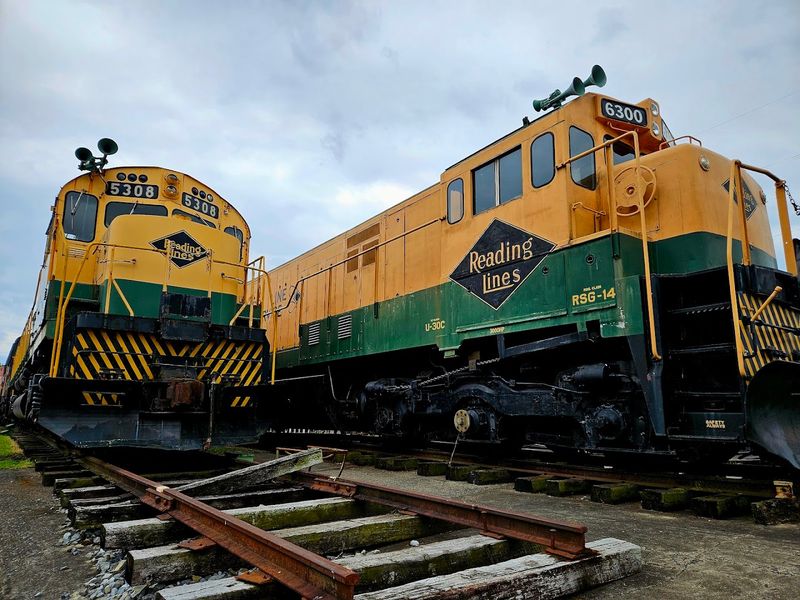
Most museums spread their collections across many different railroads, but this place does something boldly different.
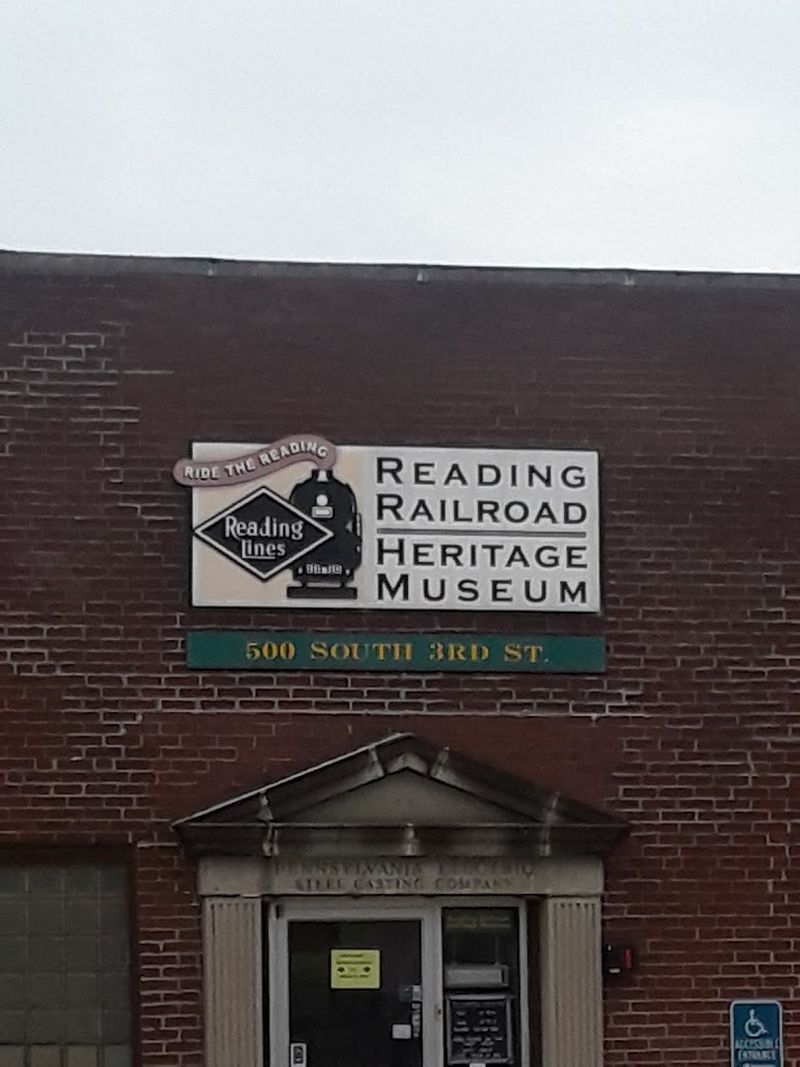
The Reading Railroad Heritage Museum focuses almost entirely on one railroad, making it the largest collection dedicated to a single railroad in the entire United States.
That singular focus means everything here tells one connected story.
Every artifact, every locomotive, and every photograph builds on the last, giving visitors a sense of depth that broader museums simply cannot match.
The collection spans decades of railroad history, from early steam-powered giants to later diesel engines that kept freight and passengers moving across Pennsylvania and beyond.
Seeing so many pieces of one railroad gathered in a single place makes the scale of the original Reading Railroad feel truly real.
It is the kind of collection that turns casual visitors into genuine railroad enthusiasts by the time they leave.
An Outdoor Train Yard You Can Actually Walk Through
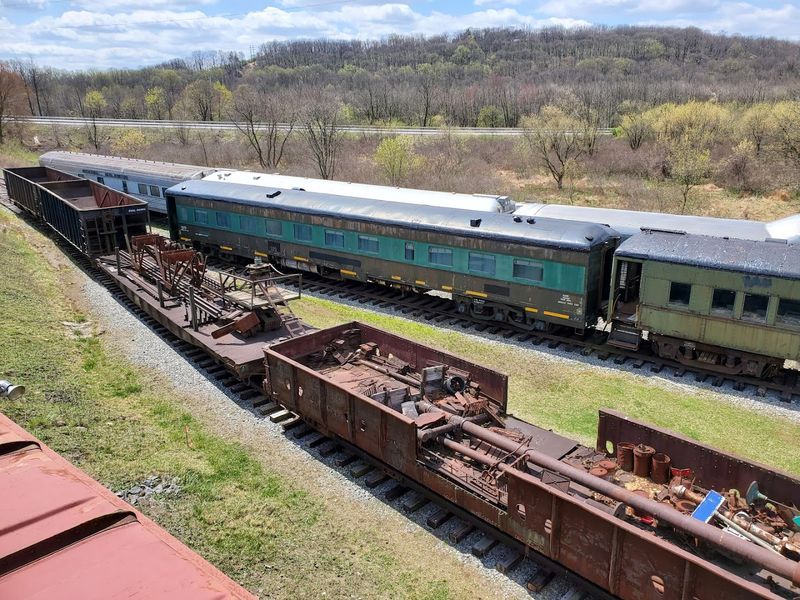
Stepping outside at the Reading Railroad Heritage Museum feels like walking onto a movie set.
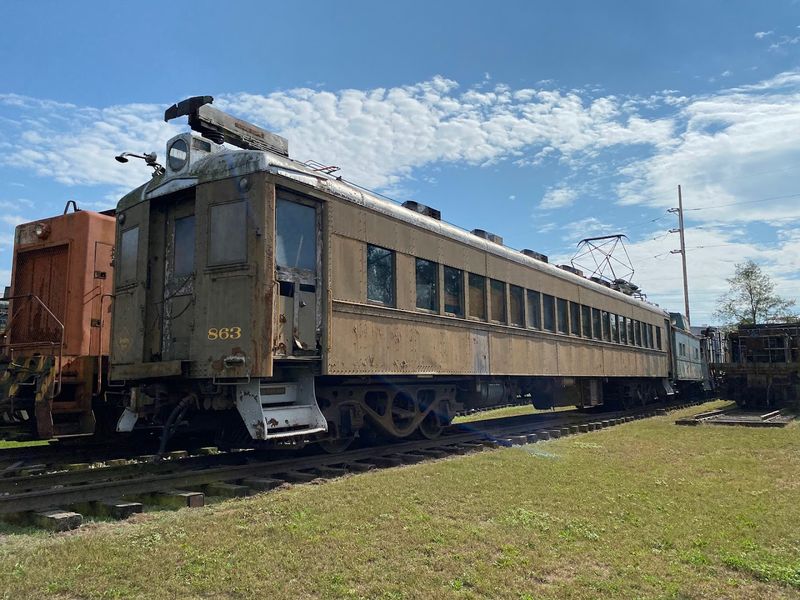
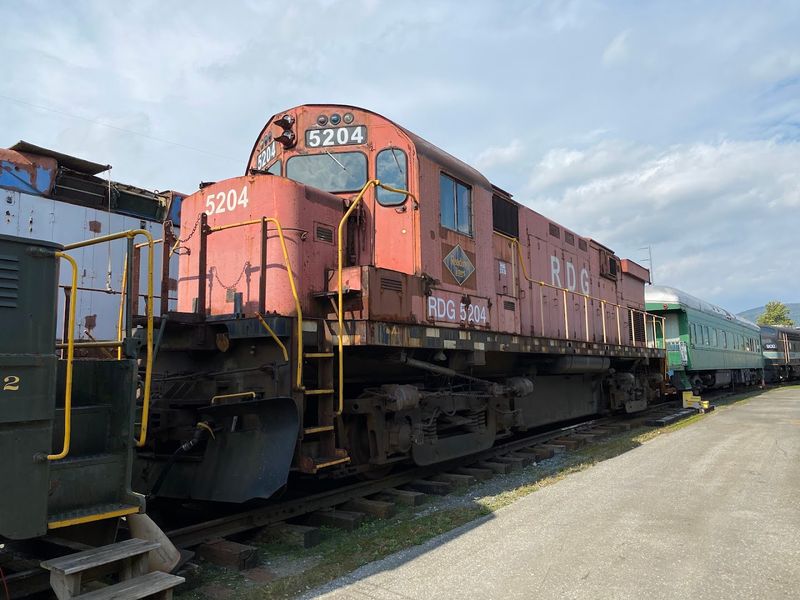
The outdoor train yard holds a mix of diesel engines, freight cars, and passenger cars, all original Reading Railroad equipment parked on real tracks under the open Pennsylvania sky.
A guided tour of the yard brings the machines to life in ways that reading a plaque never could.
Tour guides share specific stories about individual locomotives, explaining where they ran, what they hauled, and why they matter to the broader history of American railroading.
One practical tip worth remembering: the sun hits the yard hard on bright days, so bringing a hat or an umbrella makes the experience far more comfortable.
The outdoor exhibits reward slow, curious visitors who take time to look closely at the details. Rust, rivets, and faded paint all tell their own quiet stories out there in the open air.
The Jaw-Dropping Rail Yard Tower Controls From Philadelphia
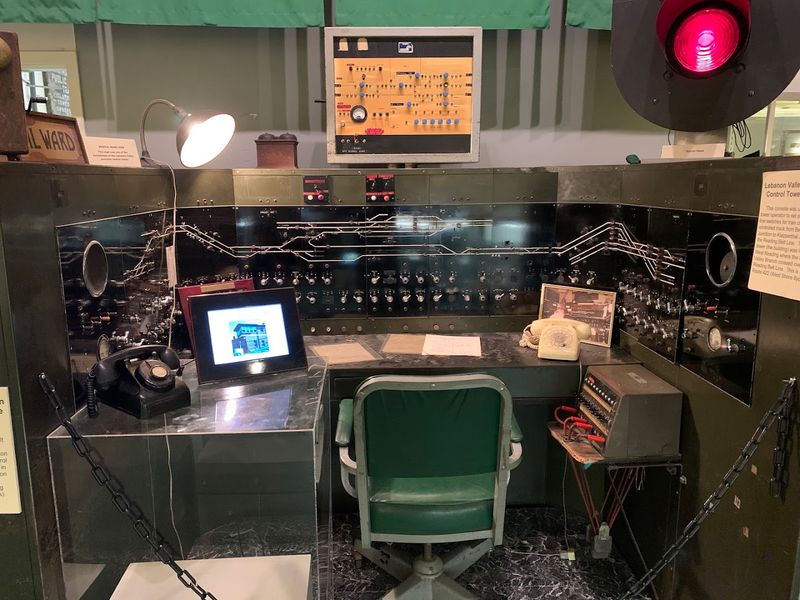
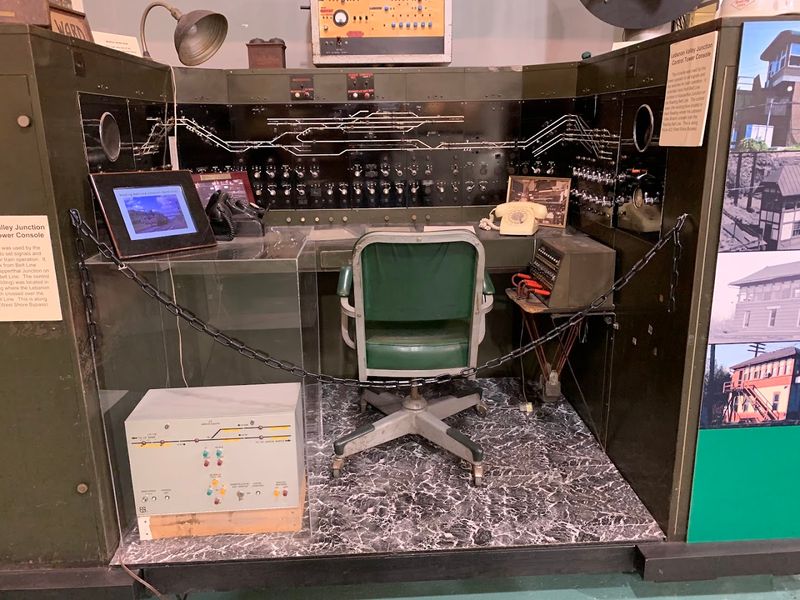
One of the most talked-about artifacts inside the museum is something most visitors do not expect: the original rail yard tower controls from Reading Terminal in Philadelphia.
These mechanical controls stretch nearly twenty feet long and once managed the movement of every train entering and leaving one of Philadelphia’s most famous stations.
Reading Terminal is still a beloved landmark today, known to most people now as the home of the Reading Terminal Market.
But before it became a food destination, it was a working train station, and these controls were the brain of its entire operation.
Seeing them in person is genuinely startling. The sheer physical size of the panel makes it hard to believe it once fit inside a tower.
For anyone who grew up near Philadelphia or has ever visited the market, standing in front of these controls creates an unexpectedly personal connection to the city’s past.
Model Train Layouts In Multiple Scales That Impress Everyone
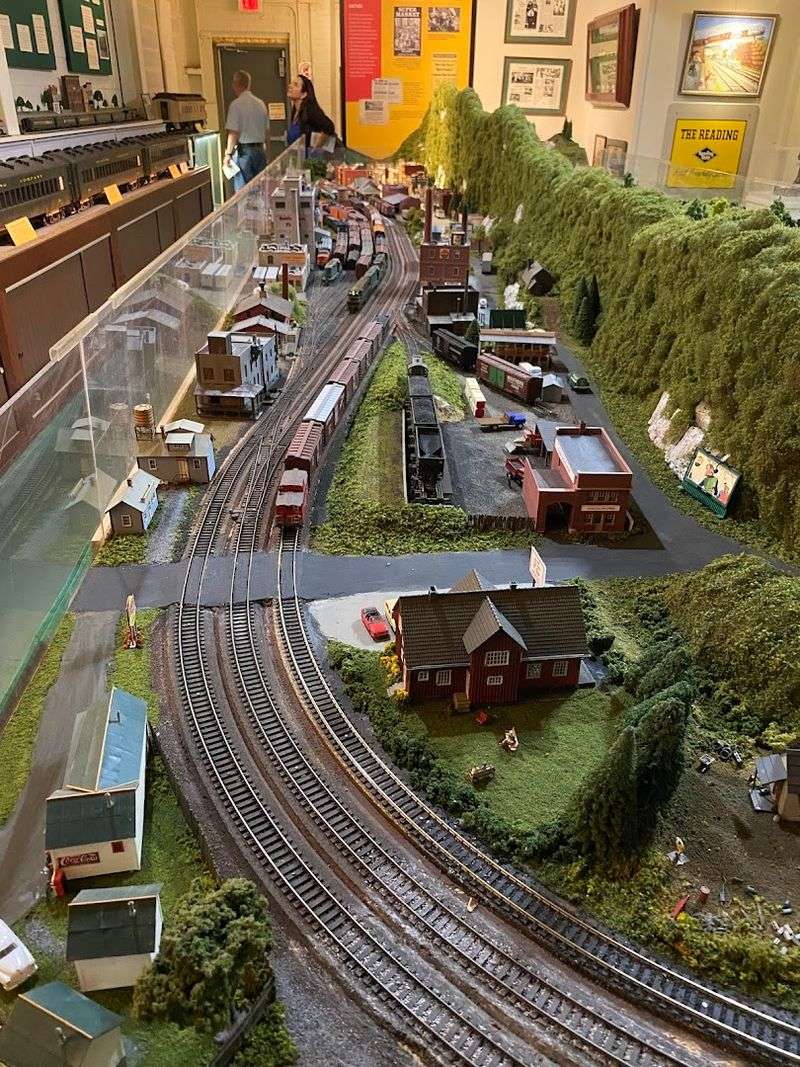
Model train enthusiasts will feel right at home inside the Reading Railroad Heritage Museum.
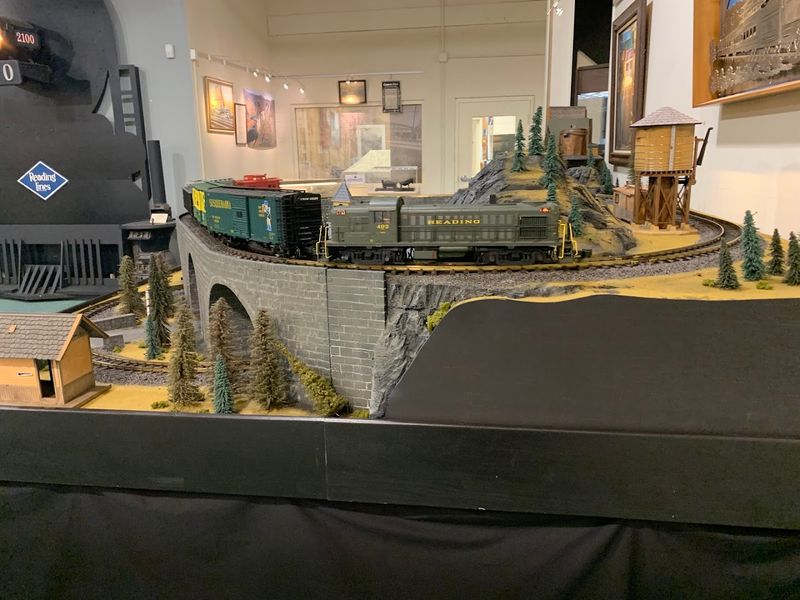
The indoor exhibits include several model train layouts built in different scales, including HO, N, and O scale, each one carefully constructed to show the railroad in miniature detail.
HO scale tends to be the fan favorite among serious hobbyists, and the layouts here do not disappoint.
Tiny locomotives roll through miniature Pennsylvania landscapes, passing small towns, bridges, and industrial yards that mirror the real world the Reading Railroad once served.
Even visitors who have never thought much about model trains tend to stop and stare. There is something quietly magical about watching a perfectly detailed miniature train navigate a complex track system.
Children press their faces close to the glass, and adults find themselves equally absorbed.
The layouts manage to compress an entire railroad era into something small enough to hold in your imagination, and that is no small feat.
A Short Film That Tells The Full Railroad Story
History can sometimes feel dry when it is delivered through text panels alone, but the museum solves that problem with a short documentary film about the Reading Railroad.
Screened in a small theater area inside the museum, the film covers the railroad’s full arc, from its powerful rise to its eventual end.
Many visitors are surprised by how much the film reveals. The Reading Railroad was far bigger at its peak than most people realize, serving a wide region and influencing communities across Pennsylvania and into neighboring states.
The film also covers how many of the original rail lines are still in use today, operated by SEPTA and other transit agencies.
For anyone who has ever been curious about how Ohio and other states built their own railroad networks in relation to Pennsylvania’s giants, the film provides useful historical context.
It is a smart, well-paced piece that makes the rest of the museum feel even richer afterward.
Kid-Friendly Features That Go Beyond Just Looking
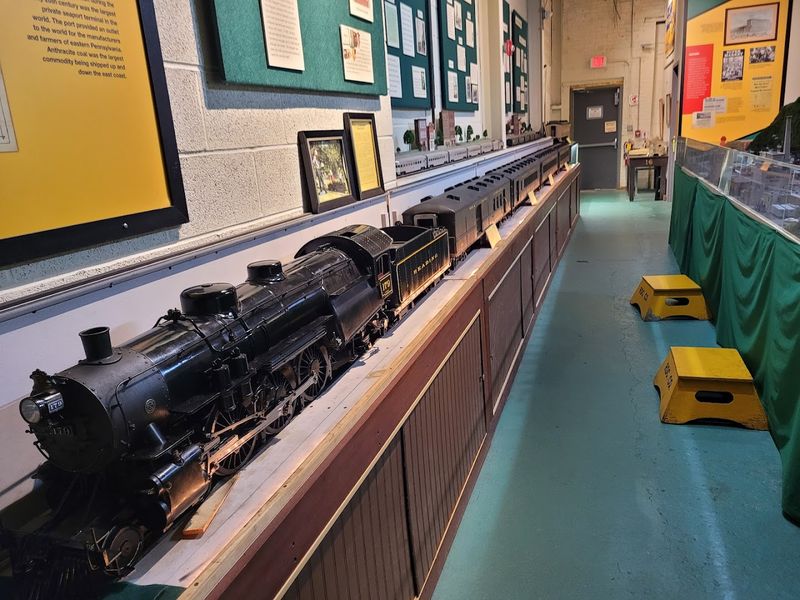
The Reading Railroad Heritage Museum does not ask kids to just stand quietly and observe.
The museum includes features designed specifically for younger visitors, making it easier for families to explore without losing momentum.
Outside, children can ride an outdoor, hand-powered miniature railroad that adds a playful layer to the visit.
Parents often note that the museum strikes a nice balance, giving adults plenty of genuine historical content while still offering younger visitors something active and memorable.
Inside, the exhibits and displays give families plenty to talk about together, and the overall setup helps keep curiosity high throughout the visit. It is the kind of place where a two-year-old and a sixty-year-old can both walk out happy.
Friendly Staff Who Go Above And Beyond
A museum’s collection can only do so much on its own. What truly sets the Reading Railroad Heritage Museum apart, according to nearly every visitor who has spent time there, is the warmth and knowledge of its staff.
Tour guides here are not reciting memorized scripts. They share genuine enthusiasm for the railroad’s history, answer questions with specific detail, and occasionally offer access to exhibits that are not always open to the public.
One visitor described a staff member unlocking a locomotive cab just so they could see the controls up close, purely because they asked.
That kind of personal attention transforms a standard museum visit into something memorable. The staff clearly cares about preserving this history and sharing it with everyone who walks through the door.
For a small museum running on passion and dedication, that human element is perhaps the most valuable thing on display.
The Admission Price That Makes It An Easy Yes
Budget-conscious travelers often hesitate before committing to a museum visit, but the Reading Railroad Heritage Museum makes the decision remarkably easy.
Adult admission is nine dollars, seniors pay eight dollars, children ages five through twelve pay three dollars, and children under five get in free.
For that price, visitors get access to the indoor collection, the documentary film, and the guided outdoor yard tour.
Families with children can spend a solid hour or two exploring without watching the clock in a panic over the cost.
The museum also offers memberships and group rates for those who want to support the preservation effort and return for future visits.
Considering how much other states have invested in their own transportation heritage sites, Pennsylvania’s Reading Railroad Heritage Museum offers exceptional value for what it delivers. Nine dollars well spent, every single time.
Weekend-Only Hours That Make Planning Essential
One detail that catches many first-time visitors off guard is the museum’s operating schedule.
The Reading Railroad Heritage Museum is open only on Saturdays from 10 AM to 4 PM and Sundays from 12 PM to 4 PM.
It is closed every other day of the week, and it also closes for part of the winter season, which means planning ahead is genuinely important.
The limited hours reflect the museum’s focused operating schedule and make the experience feel more personal and less commercial.
For travelers passing through Pennsylvania on a weekday road trip, it is worth building an extra day into the itinerary just to catch a weekend opening.