
The Historic Ohio River Town Where 2-Bedroom Apartments Rent For Surprisingly Little
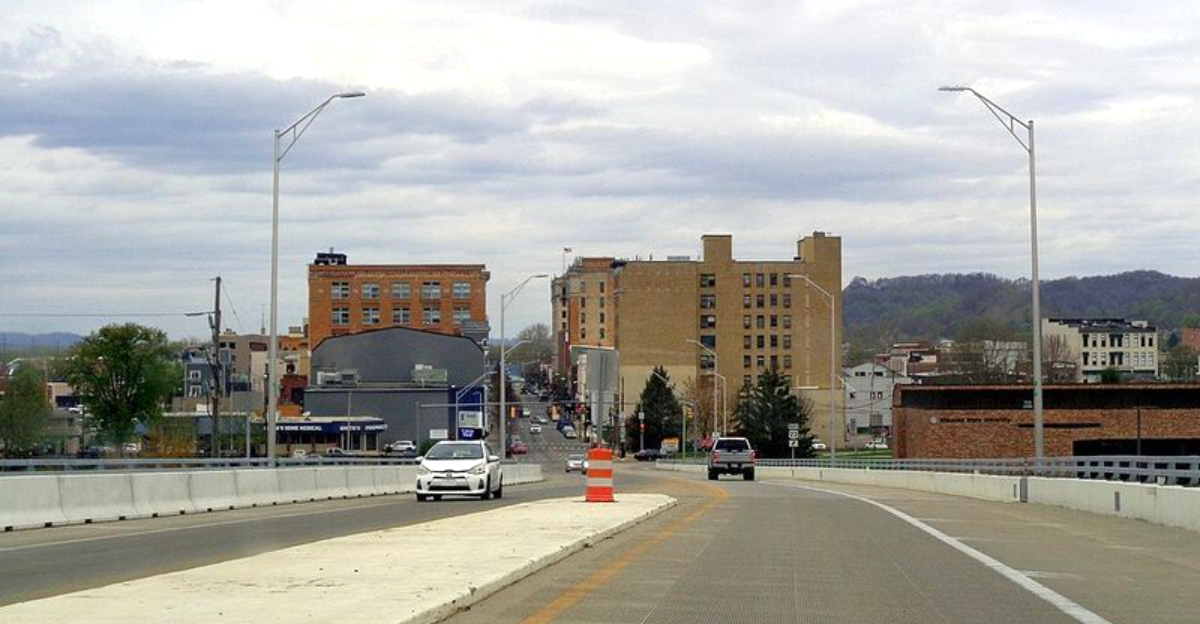
Southern Ohio has a river town where the rent prices can make you check the listing twice, just to make sure your eyes are not doing improv.
Right along the Ohio River, Portsmouth offers more than low monthly costs. The city has colorful floodwall murals, older downtown buildings with real character, and a setting that feels tied to the river in a way you notice almost immediately.
The housing numbers are what grab attention first, especially when two-bedroom apartments can rent for far less than many people would expect in 2026. Still, the town itself has more going on than a cheap-rent headline can explain.
I went looking for the story behind the affordable housing and found a place with history, local pride, and the kind of underdog energy that makes you want to keep walking around just to see what else turns up.
Where Portsmouth, Ohio Actually Is
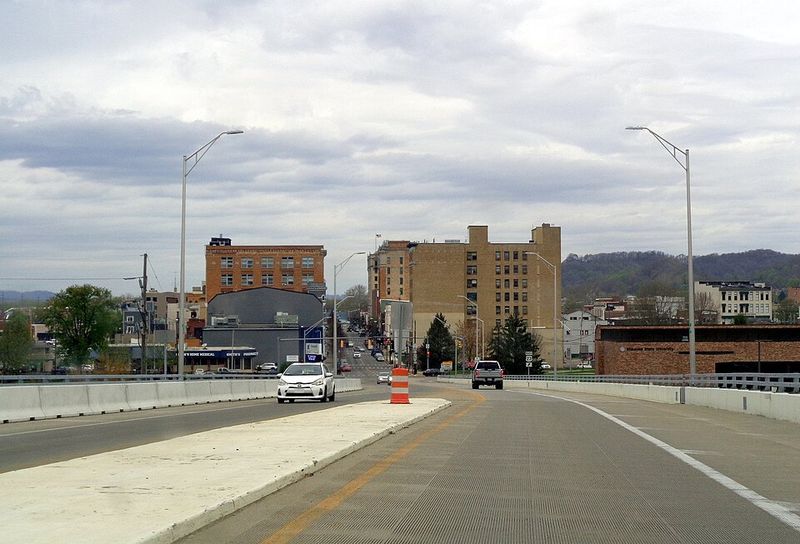
Most people driving through southern Ohio have no idea what they are passing by when they cross the Scioto River near the Kentucky border.
Portsmouth sits along the Ohio River in Scioto County, right where the Scioto River meets the Ohio.
The city is the county seat, and it carries that role with a kind of quiet pride you can feel the moment you arrive.
The Ohio River forms the city’s southern edge, and just across the water is the state of Kentucky, giving Portsmouth that border-town feeling without needing a dramatic passport moment.
The meeting point of the Scioto and Ohio rivers is a big reason why this spot became so important to settlers and traders centuries ago.
The population was recorded at 18,252 in the 2020 census, which puts it firmly in the category of a small city with a big identity.
For official city information, the municipal building is located at 728 2nd St, Portsmouth, OH 45662, and the city’s current website is portsmouthohio.org.
Geography shaped everything about this town, and that river view never gets old.
What Rent Actually Looks Like Here
The headline is real, even if the exact numbers need a tiny 2026 tune-up.
Current rental-market data puts the average two-bedroom rent in Portsmouth at about $800 per month, with prices shifting depending on the unit, neighborhood, and how many listings are actually available.
Compare that to Columbus or Cincinnati, where average two-bedroom rents hover around $1,400, and the difference becomes almost hard to believe.
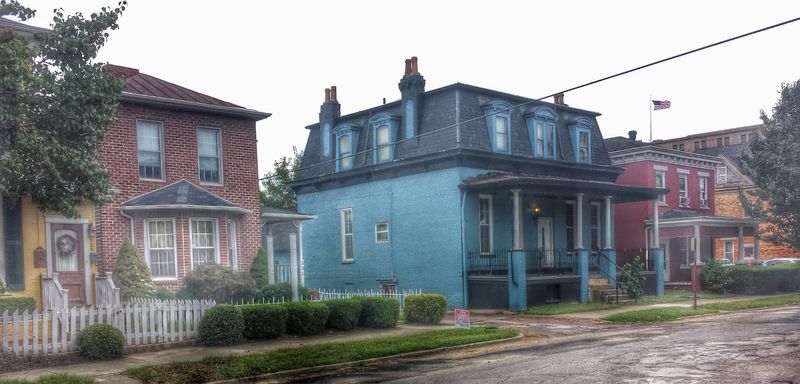
A lot of the rental housing here consists of older homes that have been converted into apartments, which gives many units a character and spaciousness you simply do not find in modern cookie-cutter complexes.
Front porches, hardwood floors, and high ceilings can still show up in the affordable range, which feels like finding bonus fries at the bottom of the bag.
The trade-off, as with many small Ohio towns, is that the job market is more limited than in larger cities, so many renters here commute or work remotely.
Still, for people who prioritize space, community, and a lower cost of living, Portsmouth offers a combination that is genuinely hard to match anywhere else in the state.
Your monthly budget stretches in ways that feel almost old-fashioned here.
The Floodwall Murals That Stop You Cold
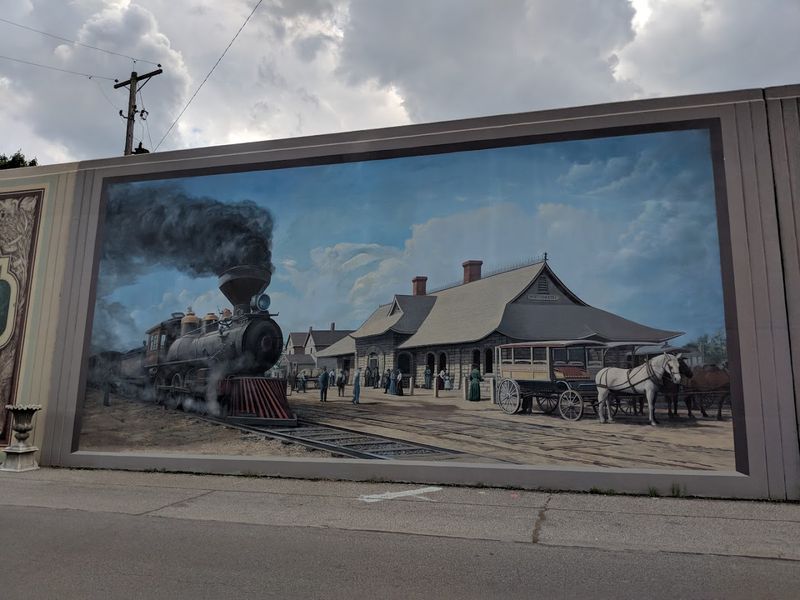
Nothing quite prepares you for the scale of the floodwall murals the first time you see them in person.
Stretching for over 2,000 feet along the floodwall near the Ohio River, these murals tell the complete history of Portsmouth and the Scioto Valley through detailed, hand-painted scenes.
Artist Robert Dafford and a team of painters spent years creating what has become one of the longest continuous mural projects in the United States.
Each panel covers a different chapter of local history, from ancient Native American cultures to the industrial boom years of the early 20th century.
I spent close to two hours walking the length of the murals and still felt like I had not absorbed everything.
The level of detail in each scene is remarkable, with facial expressions, period-accurate clothing, and architectural details that make you feel like you are looking through a window into the past.
The murals are free to walk along and are accessible most of the year during daylight hours.
Art this ambitious and this public deserves far more national attention than it currently gets.
A Downtown With Bones Worth Saving
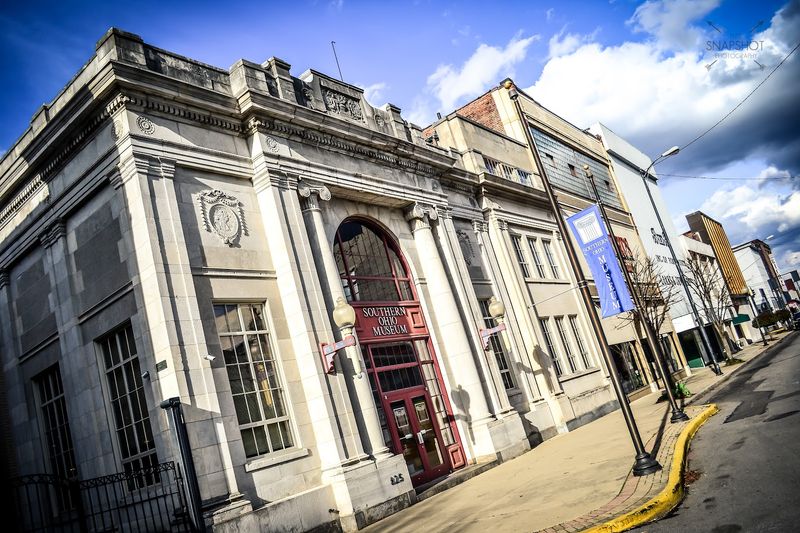
Downtown Portsmouth has the kind of architectural skeleton that urban planners in bigger cities would spend millions trying to recreate.
The brick buildings along Chillicothe Street date back to the late 1800s and early 1900s, and many of them still have their original facades intact.
There are ornate cornices, cast-iron details, and wide storefront windows that speak to a time when this was a genuinely prosperous commercial district.
Like many small Midwestern cities, Portsmouth went through decades of economic difficulty that left some of these buildings empty or underused.
But in recent years, there has been a visible push to bring the downtown back to life, with new businesses, community events, and restoration projects filling in the gaps.
I noticed several locally owned shops, a few cafes, and a handful of community organizations working out of these old storefronts.
The energy felt cautiously optimistic rather than falsely cheerful, which is actually more convincing.
When a downtown has real bones like this one does, revival is not just possible, it is almost inevitable given enough time and investment.
The Scioto County History That Runs Deep
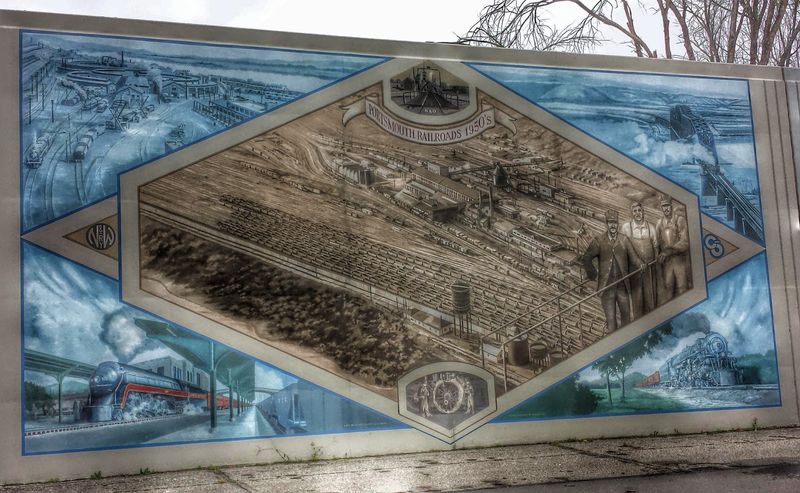
Portsmouth has been around in one form or another since the very early 1800s, and the layers of history here are genuinely fascinating to unpack.
The area has deep Indigenous history, including Hopewell-era earthworks and artifacts found throughout the Scioto Valley.
Portsmouth itself was platted in 1803 after repeated flooding affected the earlier settlement of Alexandria, which stood near the lowlands by the rivers.
The Ohio and Erie Canal later strengthened Portsmouth’s role as a shipping and trade hub by connecting the Ohio River with Lake Erie, giving the city an economic boost that changed its future.
At its peak, the city was associated with iron manufacturing, shoe production, and river trade, industries that shaped its physical landscape and its identity for generations.
The Southern Ohio Museum, located in the heart of downtown, adds another layer to the story with permanent collections and rotating exhibits focused on art, regional culture, and prehistoric artifacts.
I found the historic layers especially compelling, since the city still feels shaped by the river, the old commercial blocks, and the industries that once kept the place humming.
History in Portsmouth is not just behind glass, it is built into the walls.
Life Along the Ohio River Waterfront
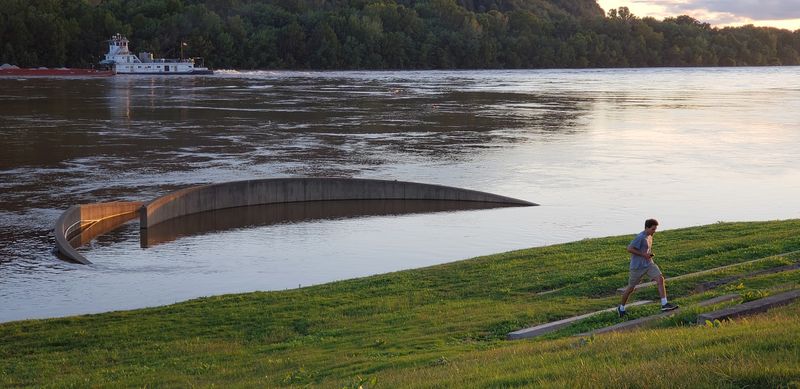
The Ohio River is not just a backdrop in Portsmouth, it is a living part of daily life for residents here.
The city is in the middle of a major riverfront improvement project, so this area is best understood as a place in transition rather than a finished postcard scene.
Plans call for upgraded riverfront amenities, better public access, park space, and gathering areas that should make the river easier to enjoy once the work is complete.
For now, the water still does what it has always done, rolling past town with barges, towboats, and enough river-town atmosphere to make you slow your walk without meaning to.
The views across the river toward Kentucky are especially beautiful in the early morning when the mist is still sitting low over the water.
Fishing has long been part of the local rhythm, and you may still spot people near the river with lines in the water and no particular hurry to be anywhere else.
The waterfront also plays an important role in community life, especially with events tied to the river and downtown.
A river town that keeps looking back toward its river is already doing something right, and Portsmouth is clearly betting big on that view.
Community Events That Bring the Town Together
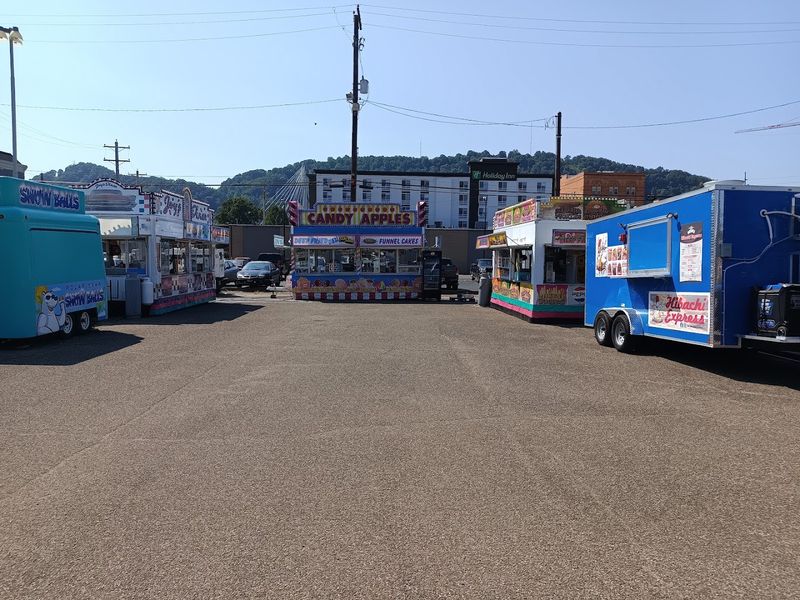
One of the things that surprised me most about Portsmouth was how active the community calendar is for a city of its size.
The city hosts a range of annual events that draw people from across Scioto County and beyond, including festivals, outdoor markets, and cultural celebrations that feel genuinely grassroots rather than corporate.
The River Days Festival is one of the biggest events on the calendar, celebrating the city’s connection to the Ohio River with live entertainment, food vendors, and activities for all ages.
There are also regular farmers markets during the growing season, art events tied to the floodwall murals, and seasonal celebrations that give the downtown area a lively, neighborhood feel.
What struck me was how many of these events are organized and run by local volunteers and community organizations rather than outside promoters.
That ownership shows in the atmosphere, which feels warm and unpretentious rather than staged for tourists.
Portsmouth is a town that genuinely celebrates itself, and that kind of civic pride is contagious once you spend a little time here.
A good festival can make a town feel like home, and this one delivers.
Why Portsmouth Deserves a Closer Look
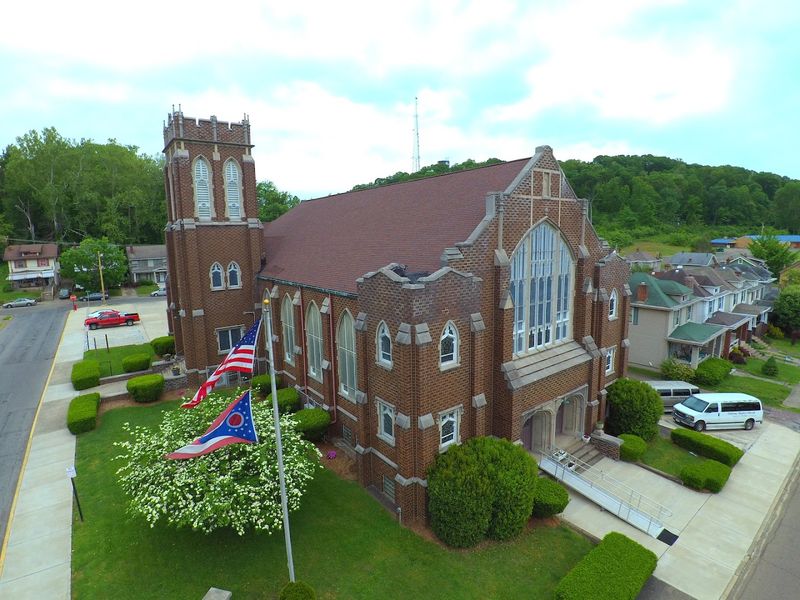
By the time I left Portsmouth, I had a much more layered picture of the place than I arrived with.
The affordable rent is real, but it is almost the least interesting thing about this city once you start paying attention to everything else.
The murals, the history, the river, the downtown architecture, and the community spirit all add up to something that feels genuinely underappreciated on a national scale.
Portsmouth is the kind of Ohio town that rewards curiosity and punishes assumptions.
Yes, it has faced serious challenges over the past few decades, including economic decline and population loss, but the people who have stayed are building something worth watching.
New residents, drawn partly by those surprisingly low rents, are mixing with long-time locals to create a community that feels like it is in the middle of writing a new chapter.
If you are the kind of person who likes discovering places before they become widely known, Portsmouth is exactly the type of town worth putting on your radar right now.
The Ohio River keeps moving, and so does this city.