
This Michigan Restaurant Brings Bold Ethiopian Flavors To Ann Arbor
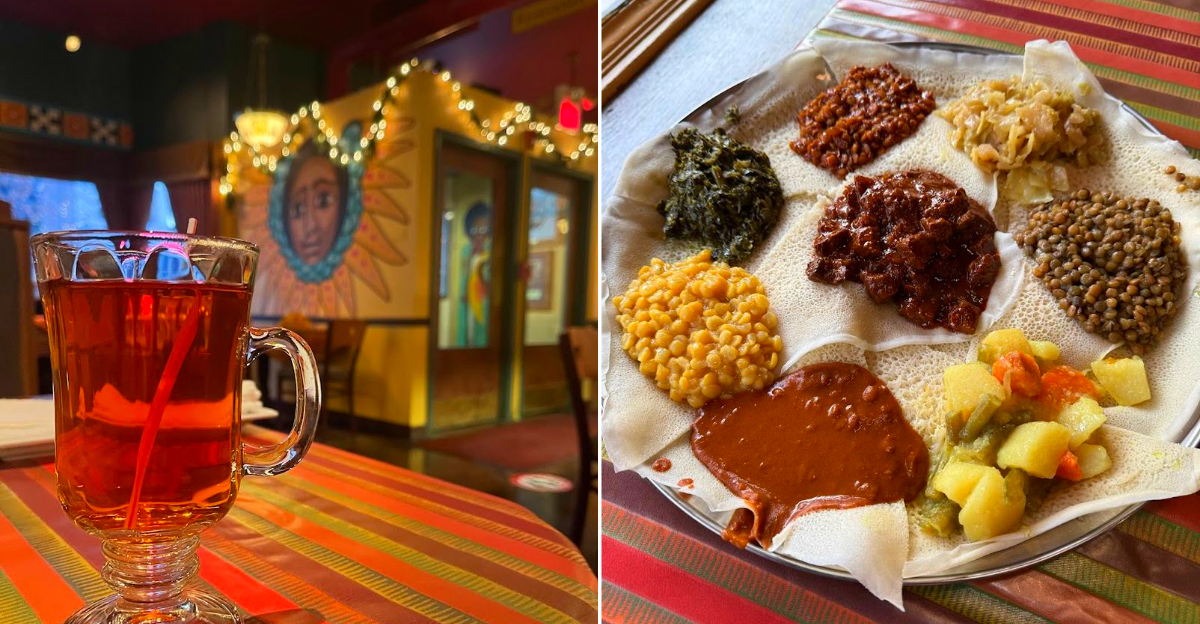
Look, the typical “food critic” routine is a lie. Most dining rooms are just boxes with chairs, but this East Washington Street spot feels more like a sensory ambush.
The second you cross the threshold, the scent of berbere and slow-simmered onions hits you like a physical weight, instantly making your “quick dinner plans” look laughably naive.
I’ve watched plenty of people sit here in a brief state of “fork-less” panic before realizing that tearing into a communal platter is the most honest way to eat. It’s colorful, it’s loud, and it possesses a stubborn, old-school Ann Arbor confidence that refuses to water down the heat for the uninitiated.
Tackle the best Ethiopian cuisine in Michigan at this East Washington Street landmark, legendary for its all-you-can-eat communal platters and spicy doro wat. If you’re going to survive the spice and the sheer volume of food, you need a strategy that goes beyond “just show up hungry.”
Start With The Communal Platter
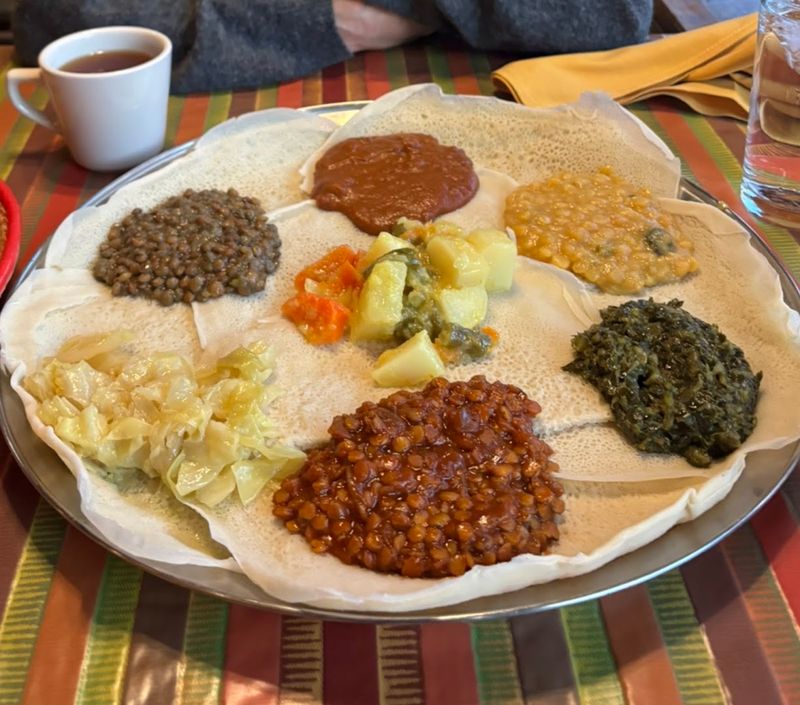
The smartest way to understand Blue Nile is to begin with the shared platter. Ethiopian food makes the most sense when the table is looking at the same spread, reaching in, comparing favorites, and realizing that a meal can feel generous without being fussy.
That sense of occasion arrives before the first bite. At Blue Nile, the platter comes arranged over injera with distinct mounds of vegetables and optional meat dishes added separately. The colors are vivid, the portions are substantial, and the layout encourages you to taste broadly instead of committing to one thing.
If you are dining with someone new to Ethiopian food, this is the easiest way to make the evening click. Conversation gets better, curiosity takes over, and the restaurant’s style suddenly feels wonderfully natural.
Reaching It
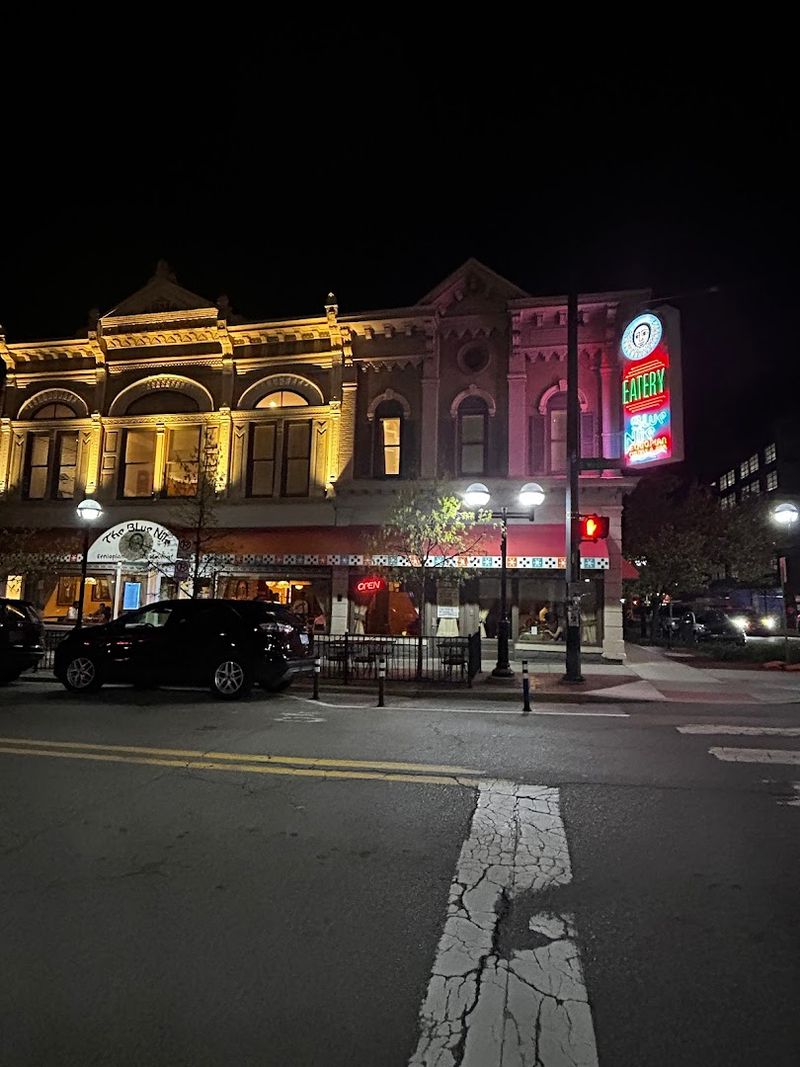
Reaching Blue Nile Ethiopian Restaurant at 221 E Washington St, Ann Arbor, MI 48104 involves navigating the vibrant, pedestrian-heavy streets of the city’s central business district. The drive typically funnels you through the busy corridors of Main Street or Fourth Avenue, where the urban landscape is defined by historic brick architecture and a dense concentration of local shops and sidewalk cafes.
As you approach the destination, the pace of the city slows as you turn onto East Washington Street. The landscape transitions from the broader commercial avenues to a more intimate, one-way stretch of road where the proximity of the University of Michigan’s campus adds a steady flow of foot traffic to the surroundings.
The final stretch brings you directly to the restaurant’s prominent storefront, located just a few blocks from the heart of downtown. Pulling up to the curb or heading toward the nearby parking structures, the move from the lively city bustle to the warm, spice-scented interior of the landmark restaurant marks your arrival.
Order Doro Wat If You Want One Classic Meat Dish
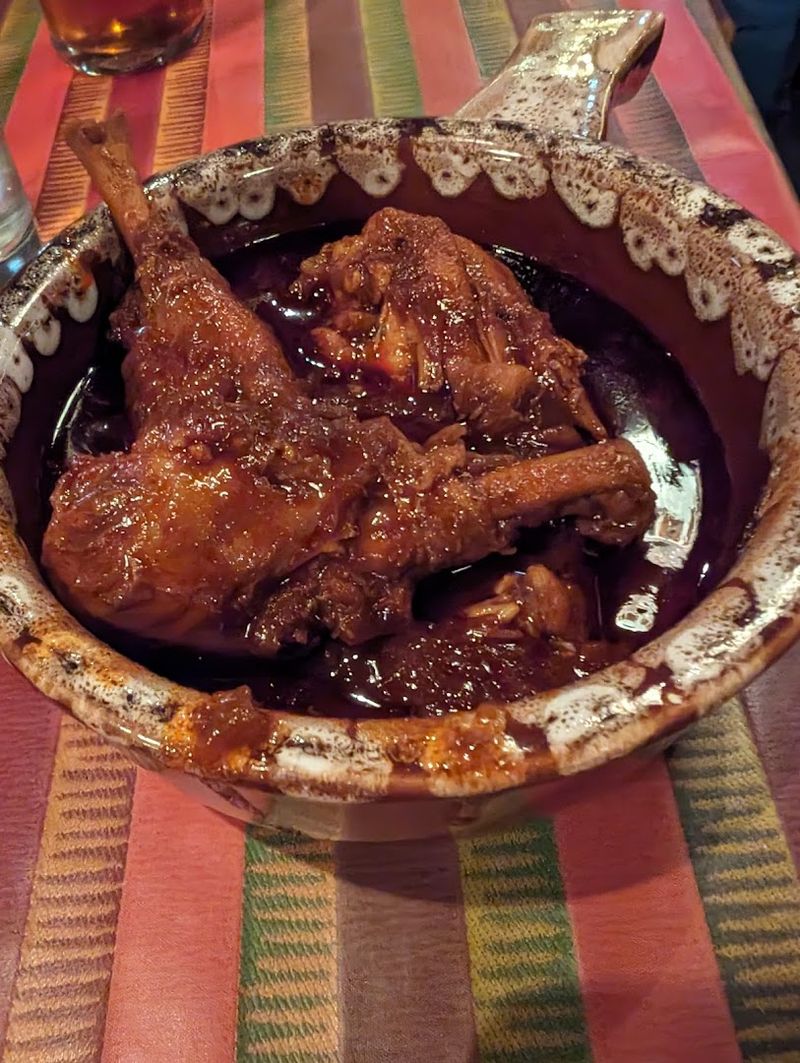
If the table wants one definitive meat dish, make it doro wat. This is the kind of plate that announces itself by color first, a deep red stew that looks serious before you even taste it. Blue Nile treats it like a cornerstone, and that feels right.
The dish features chicken simmered in berbere sauce, usually with a hard-boiled egg, and the flavor builds rather than merely burns. There is heat, but also depth, savoriness, and a long, warming finish that keeps the spice from seeming one-note.
I like ordering it alongside milder vegetable dishes so each bite has contrast. That balance lets the chicken stand out without exhausting your palate, and it turns the whole platter into a more complete picture of what Blue Nile does well.
Do Not Skip The Vegetarian Feast
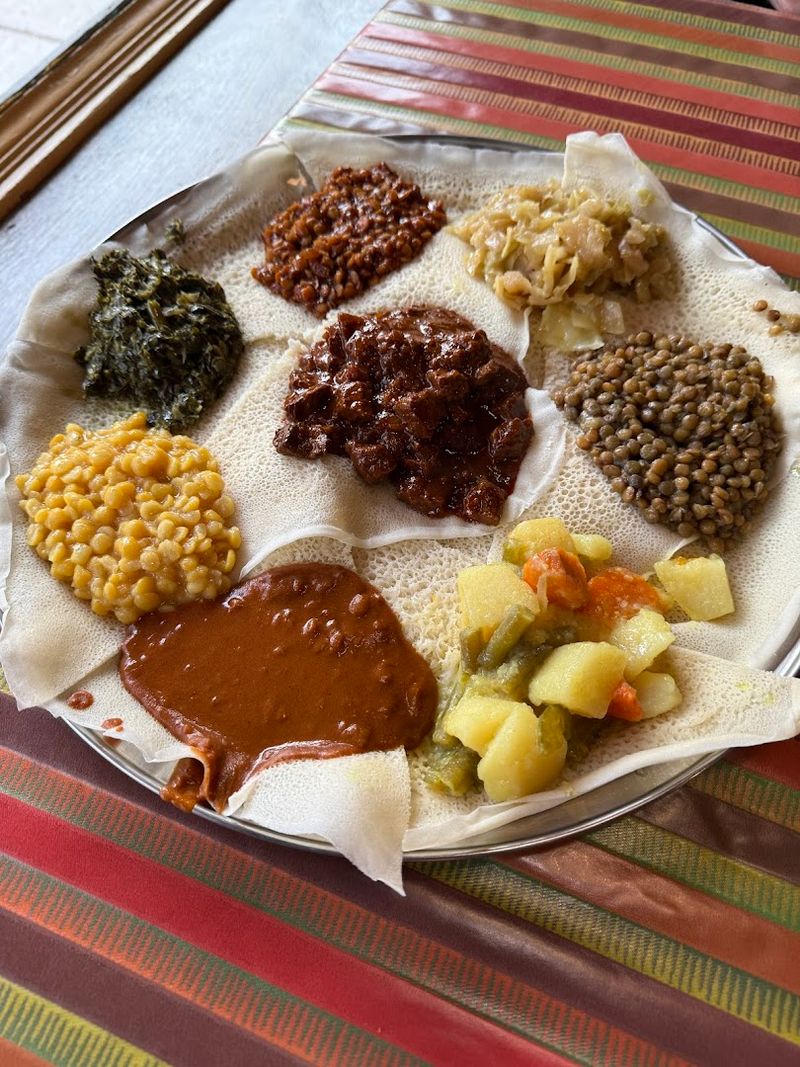
The vegetarian feast is not a backup plan for non-meat eaters. At Blue Nile, it is one of the main events, an all-you-can-eat spread that shows how much range Ethiopian cooking can get from lentils, greens, cabbage, potatoes, and split peas. The variety is the point.
What makes it memorable is how different the dishes feel from one another despite sharing a platter. Some are earthy and mild, some brighter with spice, some silky, some almost fluffy, and the injera ties them together without flattening their personalities.
This is also the order that best suits a long conversation. Refills keep the meal feeling relaxed, and the abundance encourages curiosity instead of calculation. Even people who arrived expecting meat to dominate usually end up talking most about the vegetables.
Notice How Good The Lentil Dishes Are
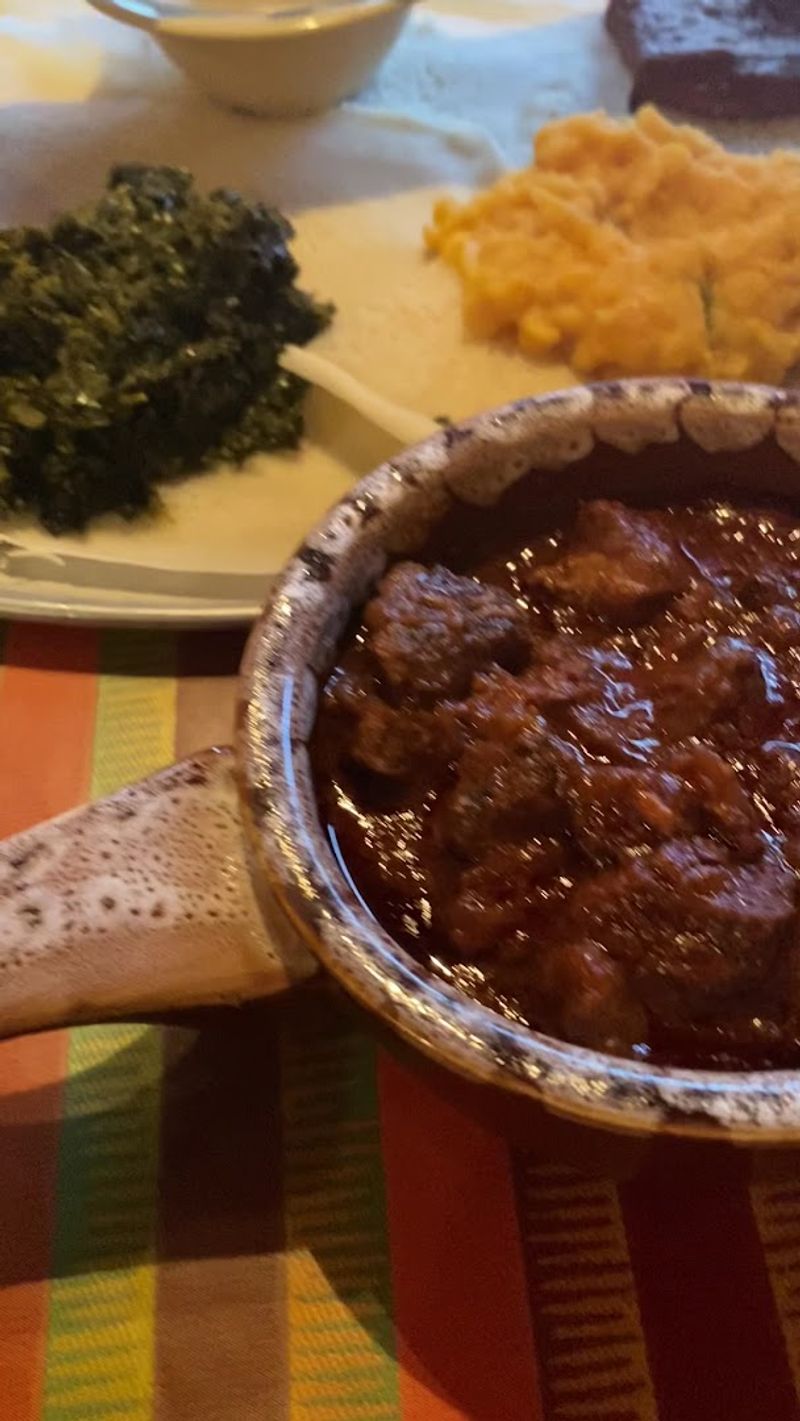
Lentils do some of the heaviest lifting at Blue Nile, and they never feel like filler. Yemisir Kik Wat brings split red lentils into a spicy berbere stew, while Kik Alecha takes yellow split peas in a gentler direction with onions, herbs, and mild seasoning. Together, they explain a lot about the kitchen’s range.
The red lentils are bold, warm, and direct, the kind of dish that wakes up the platter. The yellow split peas are calmer and almost creamy, offering relief without turning bland or forgettable.
Ordering both is a useful lesson in contrast. You get to see how the same broad category, legumes on injera, can deliver completely different moods. Blue Nile does that especially well, making humble ingredients feel intricate, generous, and worth lingering over.
Give The Cabbage And Greens Real Attention
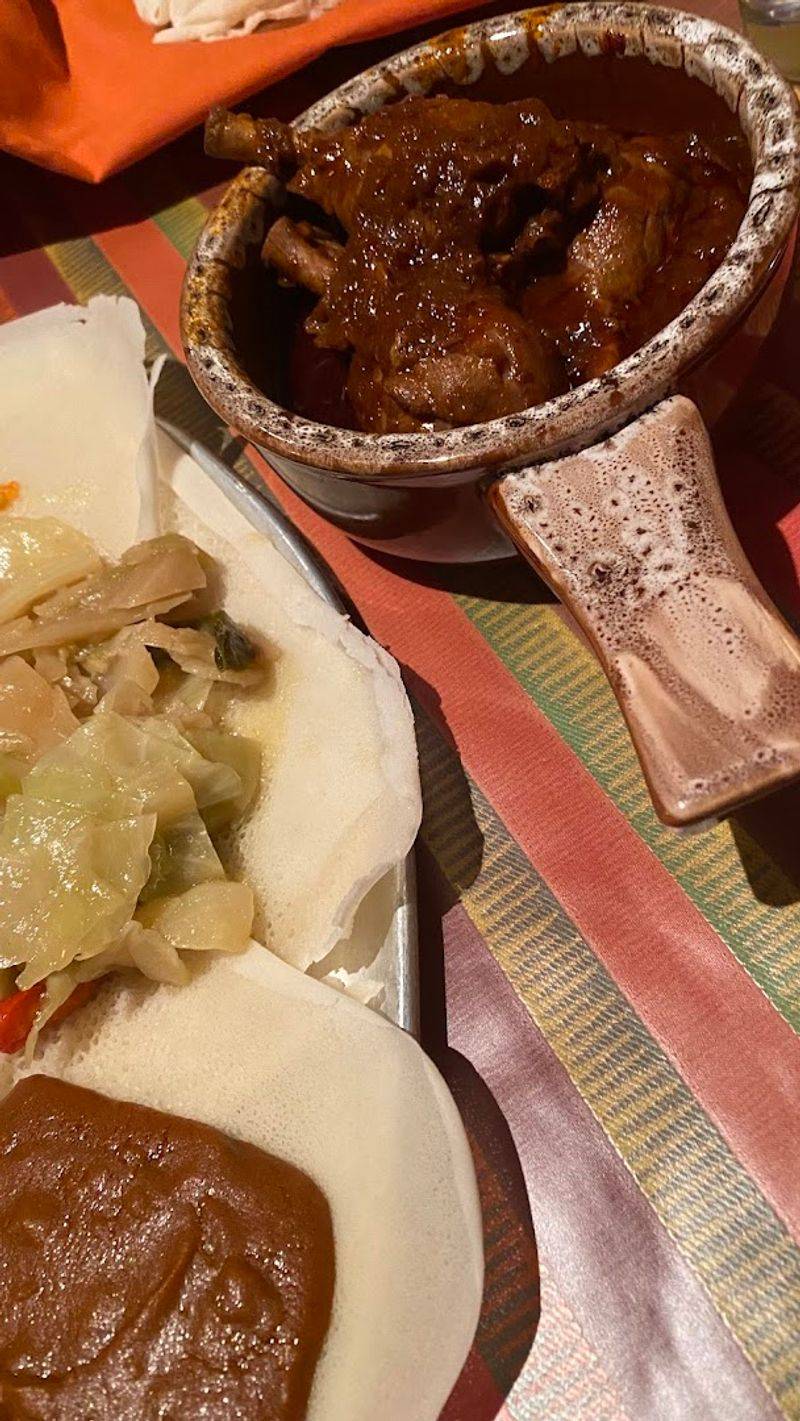
One of Blue Nile’s quiet strengths is the way ordinary vegetables become deeply satisfying. Tekil Gomen, the cabbage dish, is a perfect example: tender, savory, and seasoned with enough ginger, garlic, jalapeno, and spice to keep every bite awake. It does not try to steal the show, which is partly why it succeeds.
Greens add another kind of depth, earthy and soft but still distinct beside lentils and hotter stews. On a large platter, these dishes act like the rhythm section, keeping the meal grounded while the spicier items take louder solos.
That balance matters more than people expect. A platter made only of dramatic dishes would tire you out, but Blue Nile understands pacing. The vegetables create relief, texture, and continuity, so the meal feels composed rather than crowded.
Ask About Teff Injera If You Want The Deeper Traditional Route
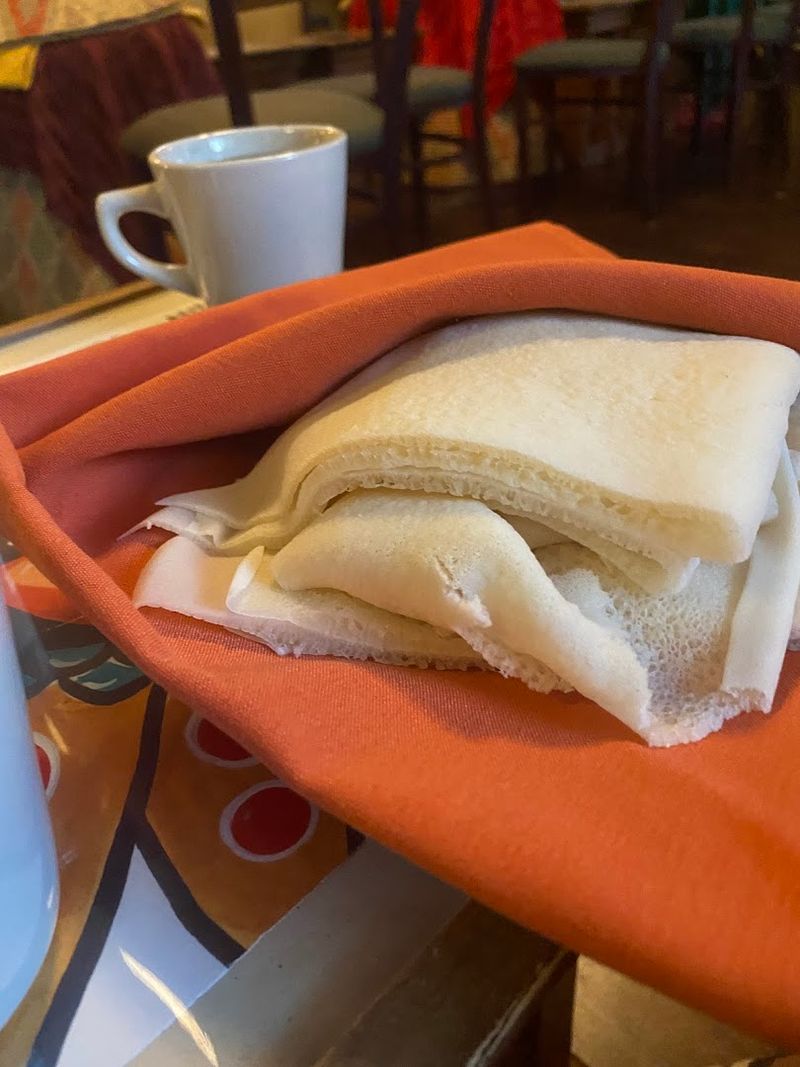
Blue Nile’s injera deserves a question before you order, especially if you care about ingredients. The restaurant has traditionally used white flour injera, but you can request 100 percent teff injera for an additional cost. That option is worth knowing about because it changes the meal in subtle, meaningful ways.
Teff injera tends to bring a more distinctive flavor and a different texture, with a character that feels slightly earthier and more pronounced. If you are curious about Ethiopian bread rather than merely using it as a vehicle, this is the version to try.
I would not call it mandatory for a first visit, but it is a smart choice for a return dinner or for anyone avoiding gluten. Blue Nile makes the option available, and that flexibility adds depth to the experience.
Take The Spiced Tea Seriously
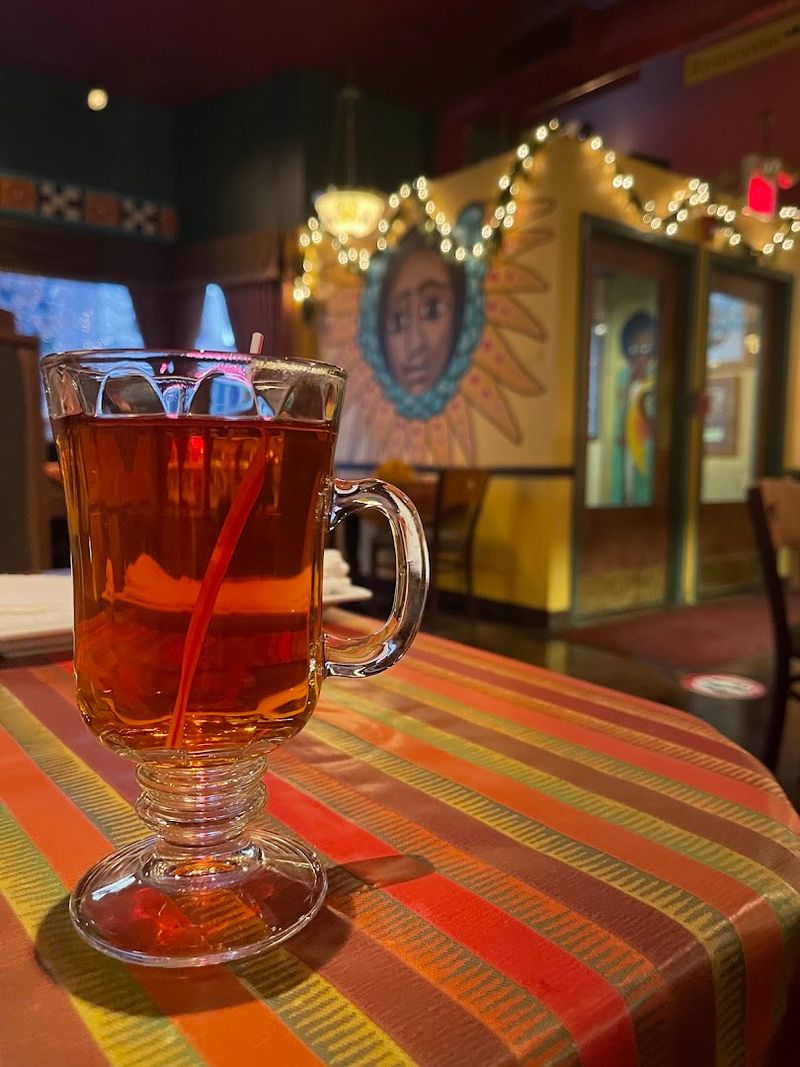
The spiced Ethiopian tea at Blue Nile is more than a pleasant extra. It carries cinnamon, cloves, and citrus notes from orange and lemon peel, with a fragrance that arrives before the cup reaches the table. After a few bites of rich stews, that aroma can reset the entire meal.
What works so well is its timing. The tea softens sharper edges, clears the palate, and gives the evening a gentler pace, especially if you are moving between spicier lentils and a dish like doro wat.
There is also something fitting about ending or pausing a communal meal with a cup that feels comforting instead of flashy. Blue Nile’s food has plenty of boldness already, so the tea’s quieter complexity lands beautifully. It is the detail that rounds out the visit rather than distracting from it.
Plan Around The Hours And Dinner Rhythm
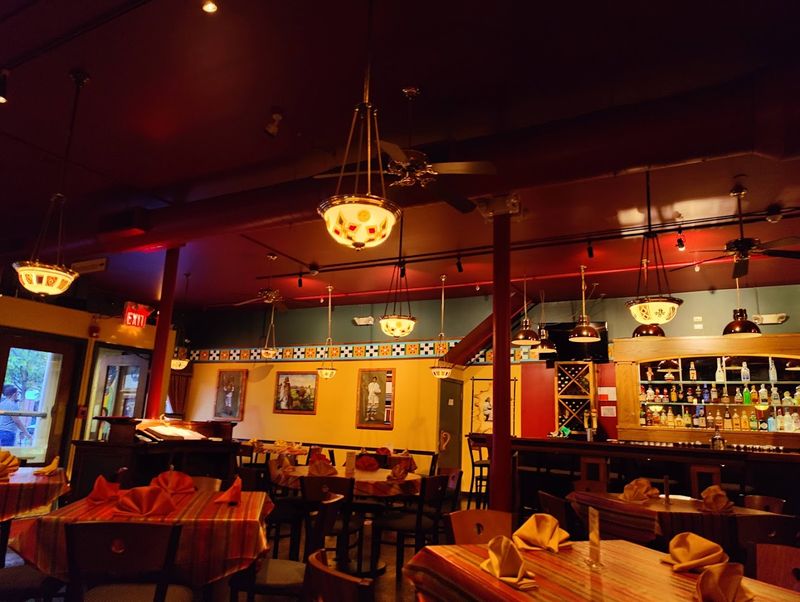
Blue Nile works best when you treat it like a dinner destination rather than a casual anytime stop. The restaurant is closed on Mondays and opens in the late afternoon or evening the rest of the week, with hours that stretch later on Friday and Saturday. That schedule suits the food.
Ethiopian dining rewards a little time and appetite. Shared platters, refills, and the pace of eating with injera all feel more natural when you are not rushing between errands or trying to squeeze in a quick lunch.
The downtown Ann Arbor location at 221 E Washington St also makes it easy to fold into a longer evening out. Arrive ready to settle in, notice the room, and let the meal unfold. Blue Nile is at its best when dinner feels like the night’s main event.
Pay Attention To The Room As Much As The Plate
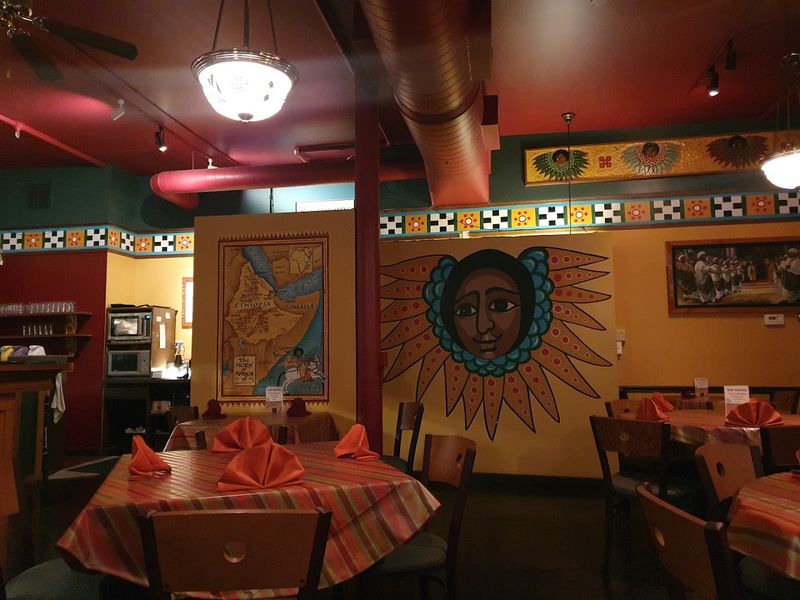
Before the food arrives, Blue Nile tells you what kind of evening it wants to be. The decor is colorful, the dining room feels comfortable rather than cramped, and the atmosphere supports conversation instead of competing with it. That matters because Ethiopian dining is as social as it is culinary.
The room gives the platters space to feel ceremonial but not intimidating. When the large tray lands, the setting already makes sense of it, and the meal reads as welcoming rather than unfamiliar. Even first-timers tend to relax quickly in that environment.
I have always thought some restaurants oversell their vibe and undersell their food, but Blue Nile keeps the two in balance. The setting prepares you for a shared meal with real tradition behind it, then the cooking follows through with confidence.
Remember The Restaurant’s Long-Standing Commitment To Tradition
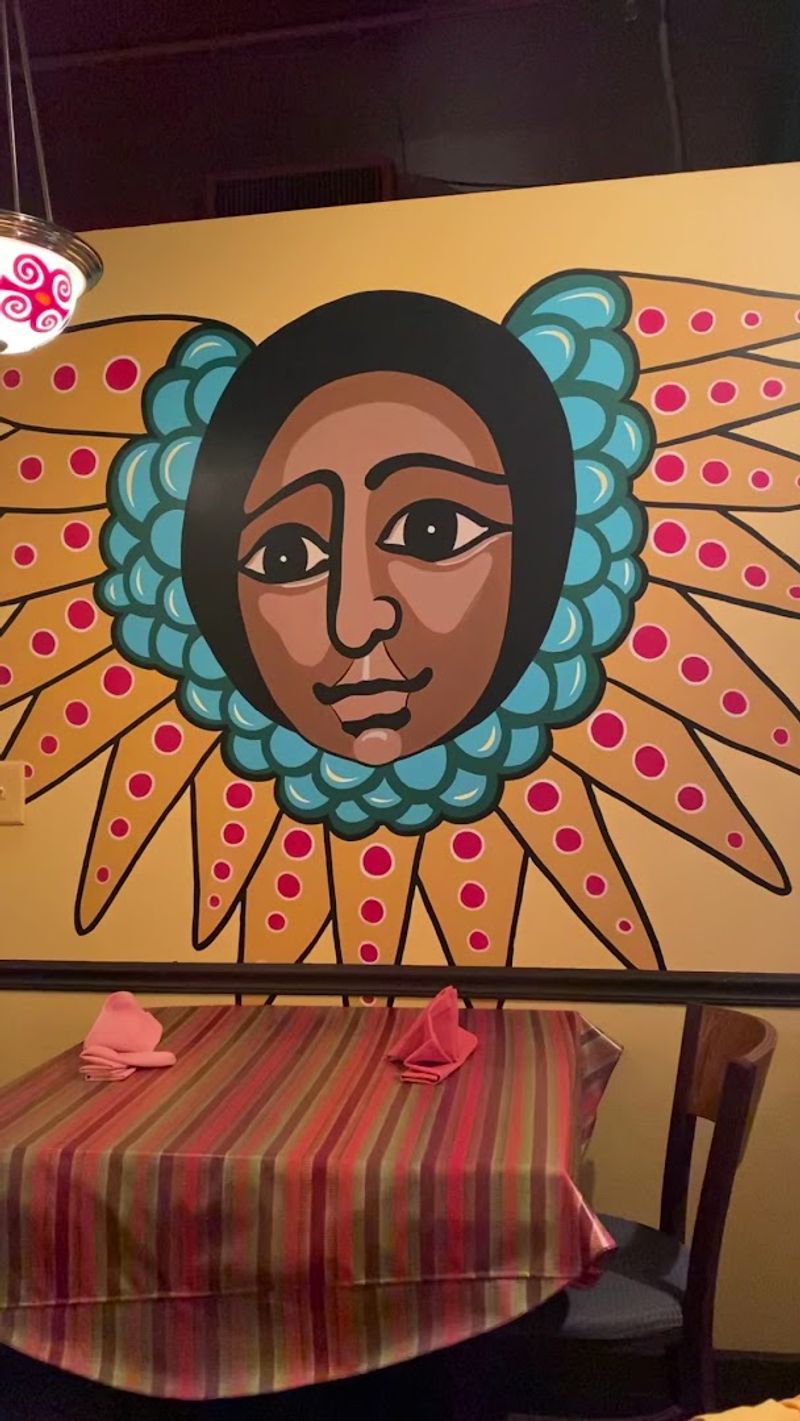
Blue Nile has been part of Ann Arbor for decades, and that longevity shows in the steadiness of the experience. The restaurant’s ownership has emphasized preparing dishes the way they were made back home, and that commitment gives the menu an appealing lack of trend chasing. Nothing feels watered down to seem fashionable.
That consistency is especially important with a cuisine built on technique, spice balance, and ritual. Warm towels, shared platters, repeated refills, and the central role of injera all feel connected to a clear vision rather than random service touches.
For a diner, the result is reassuring. Blue Nile does not ask you to admire its authenticity from a distance. It simply serves dinner with confidence, generosity, and enough detail to make the traditions legible. In Ann Arbor, that kind of continuity is part of the restaurant’s charm.