
This Houghton, Michigan, Pizza Spot Serves Famous Thin-Crust With A Side Of Speakeasy History
Forget the sterile, cookie-cutter pizza chains that plague the suburbs. This Houghton haunt brokers in historical weight.
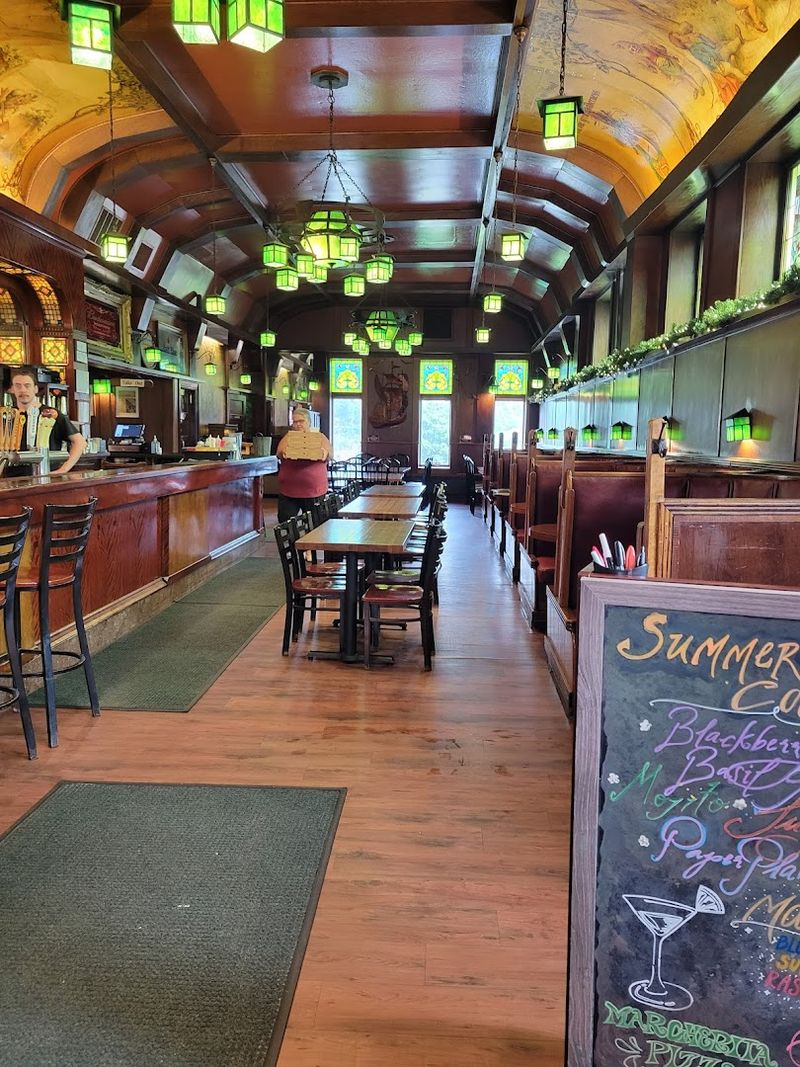
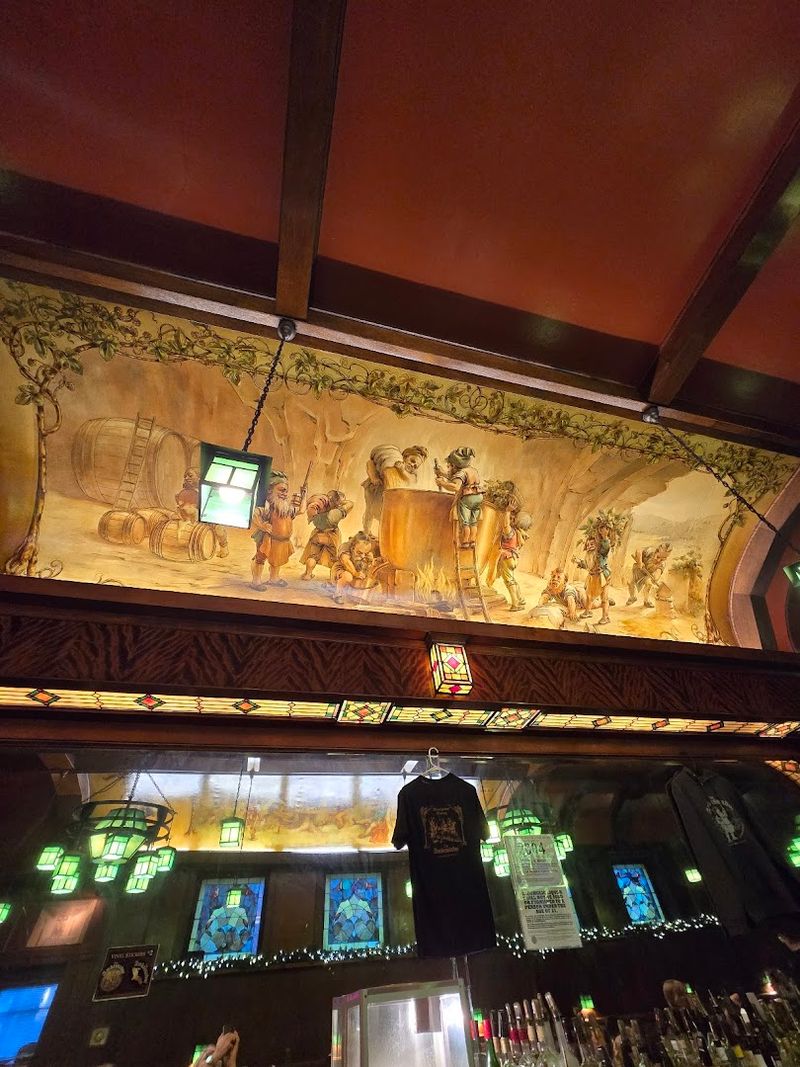
Stepping through the doors on Shelden Avenue feels like a physical collision with 1901, all dark, glowering wood, original stained glass, and murals that have watched a century of mining boots shuffle past.
The atmosphere is thick enough to chew on, but the main event is a pizza crust so thin and dangerously crisp it practically shatters on impact.
I’ve sat in these booths watching the light filter through the glass, realizing that the “decor” here isn’t a theme, it’s just survival. It is a loud, storied, and unapologetically local room where the recipes haven’t flinched in decades.
Taste the best thin-crust pizza in Houghton, Michigan at this historic landmark eatery, famous for its 19th-century murals, stained glass, and authentic Upper Peninsula charm. Ready to notice the difference between a trend and a tradition?
Start With The Crust, Because That Is The Whole Point
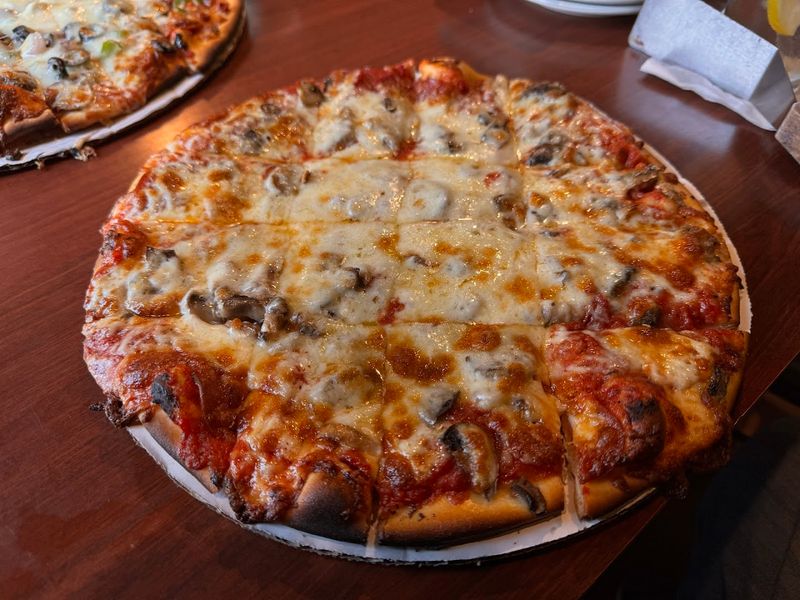
The first thing to understand at Ambassador is that the crust is not just a base. It is the signature, house-made thin crust the restaurant has kept for more than sixty years, rolled in a style tied to founder Joseph Rossi. When it lands on the table cut into squares, it looks almost modest until you pick up a piece.
Then the texture tells the story. The bottom stays crisp, the center keeps a slight chew, and the bright, lightly sweet house red sauce gives the toppings structure instead of burying them. If you come expecting a floppy, overloaded pie, adjust your thinking.
This is tavern-style pizza with discipline, and it is the reason so many people in Houghton treat this address like a ritual rather than a casual stop.
Getting There

Rolling into the heart of the Copper Country, the route to Ambassador Restaurant at 126 Shelden Ave, Houghton, MI 49931 brings you face-to-face with the steep, tiered landscape of the Keweenaw Waterway.
Whether you’re descending the hills of US-41 or crossing the massive lift bridge from the north, the drive funnels you into a historic downtown where red sandstone buildings tower over the narrow, salt-dusted streets.
You’ll find the entrance nestled among these historic facades, signaled by a classic neon glow that cuts through the frequent northern mists.
Stepping inside, the transition from the sharp, chilly Keweenaw air to the dim warmth of a room filled with antique murals and dark wood marks your arrival at this legendary local mainstay.
Order One Classic Pie And One House Specialty
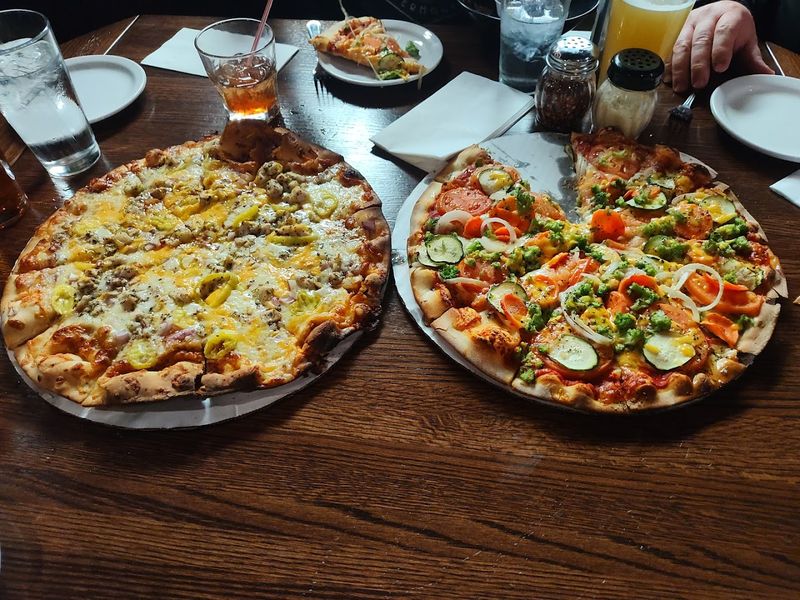
The smartest move here is balance. Get one straightforward pizza so you can taste the crust, sauce, and cheese without distraction, then add a specialty pie that shows how far the kitchen can stretch the format without losing control. That contrast explains the restaurant better than any single order could.
A pepperoni or sausage pie gives you the cleanest read on the basics, especially with the in-house ground and spiced pork sausage. Then add something more specific, like the Garlic Chicken, Greek, or Tostada Pizza.
Because the crust stays sturdy and the red sauce stays bright, even fuller combinations usually remain coherent. Ambassador is not chasing novelty for its own sake. The specialties work because the foundation is so steady, and that is always the best kind of confidence on a pizza menu.
Do Not Skip The Tostada Pizza If You Want The Local Legend
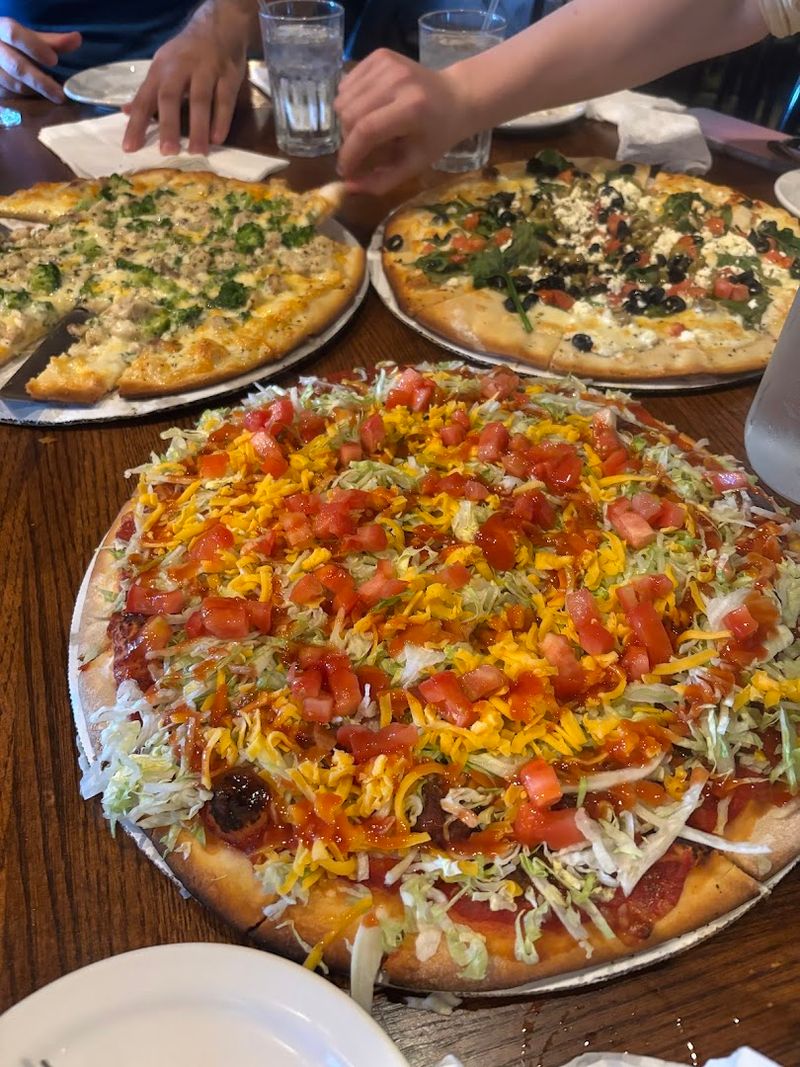
Few pizzas sound more questionable on paper than one topped with taco beef, Wisconsin cheddar, shredded lettuce, tomatoes, and tostada hot sauce. Then it arrives, and somehow the whole thing makes immediate sense.
The crust stays crisp enough to support the toppings, which is the technical feat that keeps this from becoming a gimmick. There is a built-in sensory oddity here, of course. Cool lettuce on hot pizza is not universally persuasive, and if you dislike that contrast, order accordingly.
But the sweet brightness of the house sauce and the crunch of the thin base keep the pie from turning heavy. This is the specialty to try when you want the house at its most distinctive. It tastes specific to this restaurant, not like an idea borrowed from somewhere else and loosely translated.
The Greek Pizza Is The One To Choose When You Want Sharp, Salty Detail
If the Tostada is the attention-grabber, the Greek Pizza is the one that rewards slower eating. Black and green olives, feta, oregano, garlic basil olive oil, Wisconsin white colby cheese, and fresh spinach build a pie with real edge and definition.
Every bite lands a little differently, which keeps the square-cut format especially fun to share. What makes it work is not just the topping list but the restraint beneath it. The thin crust still reads clearly, and the olive oil element gives flavor without turning the slice greasy.
Fresh spinach can wilt quickly on hot pizza, yet here it contributes softness rather than sogginess. If you want something bold that still feels balanced, this is the pizza I would point to first. It tastes vivid, confident, and very much at home in this kitchen.
Garlic Chicken Proves The Menu Understands Comfort Without Heaviness
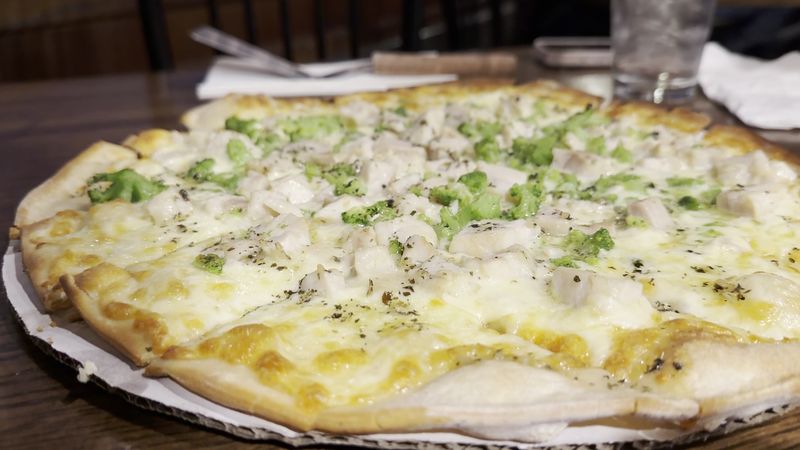
Some cream-based pizzas collapse under their own richness. The Garlic Chicken does not, which is part of its appeal. Tender chicken, a creamy garlic base, mild cheese that browns nicely, and fresh parsley give it a softer profile than the red-sauce pies, but the thin crust keeps the whole thing from feeling weighed down.
This is a good order for anyone who wants something cozy without drifting into blandness. The garlic comes through clearly, the parsley lifts the top, and the square cuts make it easy to steal just one more piece than planned.
Because the restaurant is known first for thin crust, it is satisfying to find that the kitchen can shift styles while preserving its essential texture. Even on a richer pizza, the crust remains the thing that keeps your attention from first bite to last.
Give Yourself Time, Especially At Busy Dinner Hours
Ambassador is popular enough that timing matters. At peak dinner hours, especially on weekends, you should expect some noise, a possible wait for a table, and a room that feels fully alive. That energy is part of the charm, but it lands best if you are not trying to sprint through the meal.
The place is open until 10 PM most weeknights, 11 PM on Friday and Saturday, and from 4 to 10 PM on Sunday. If you want a calmer experience, lunch or an earlier dinner tends to make the room easier to take in.
If you arrive during a rush, settle into the fact that this is a long-lived local favorite and act accordingly. The restaurant rewards patience, because both the food and the setting become more enjoyable once you stop treating the visit like a transaction.
Notice How The Room Frames The Bridge And Canal
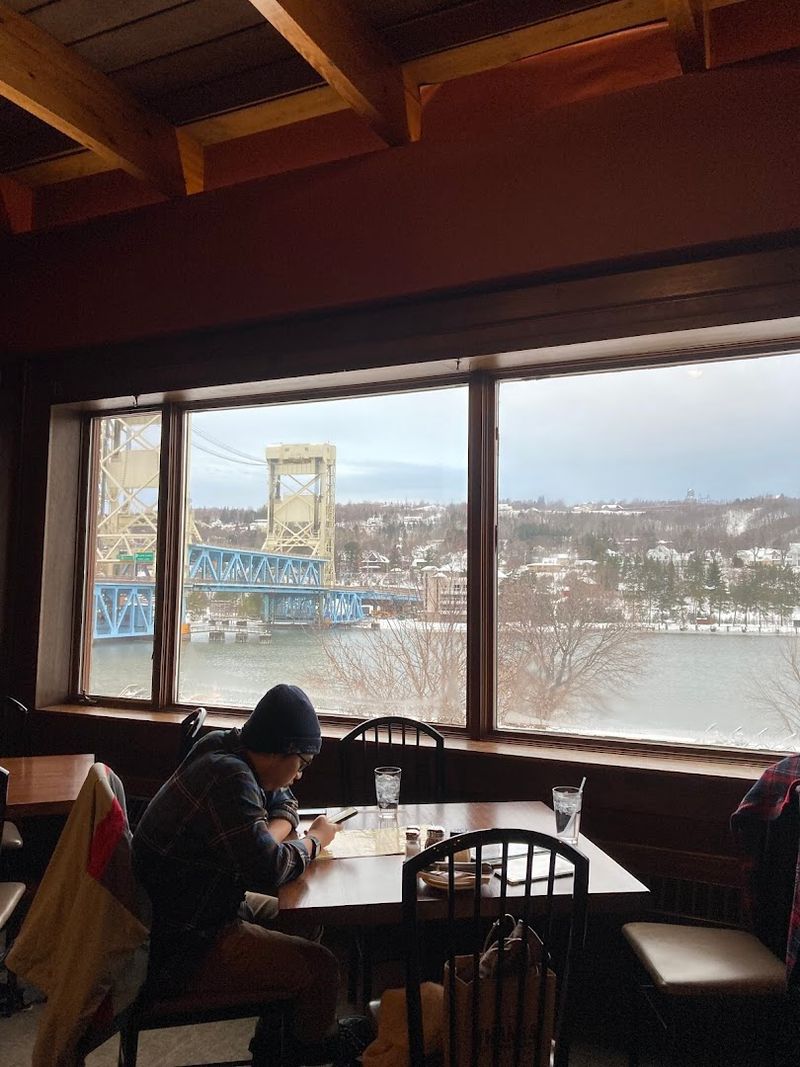
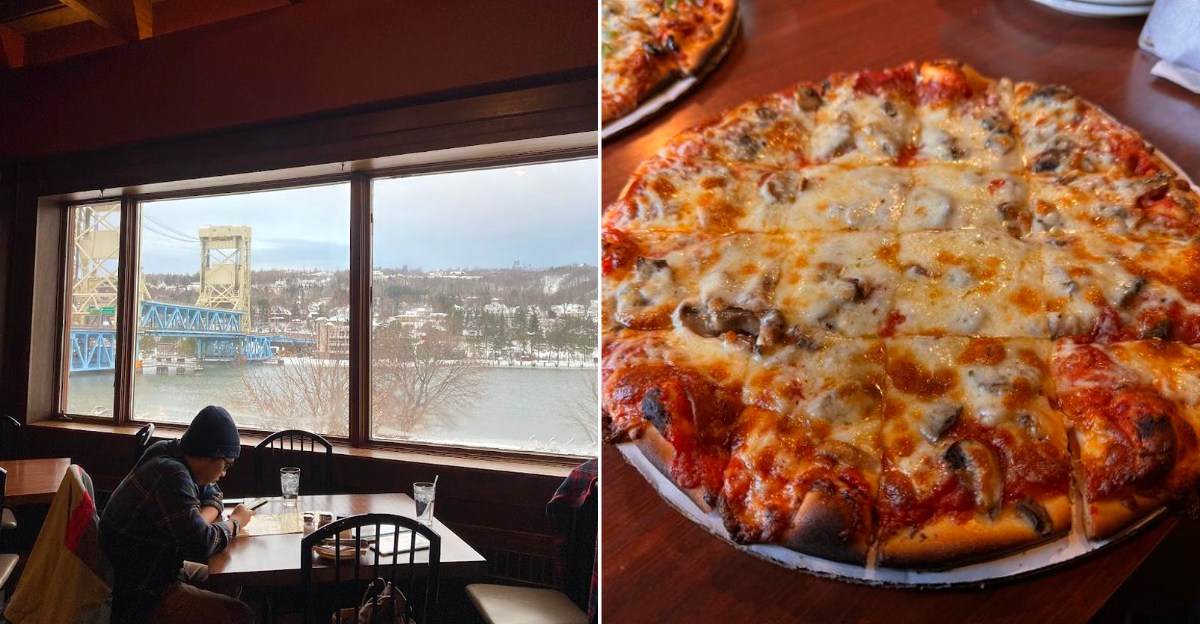
One of the quieter pleasures at Ambassador is how the setting opens outward. The back wall windows offer views toward the Portage Lake Lift Bridge and canal, a reminder that this meal belongs to Houghton specifically, not to some generic old pizza place with nice decor.
The sense of place matters here, and the restaurant uses it well. Inside, the mood stays warm and enclosed, with arcing wood, stained glass, chandeliers, and conversation bouncing lightly off hard surfaces. Then the windows pull the eye beyond the room and reconnect you to the town.
That shift keeps the nostalgia from becoming sealed off or theatrical. Instead, the old interior and the working landscape outside talk to each other. If you can choose where to sit, aim for a spot that lets you catch both the murals and the view, because together they explain the place more completely.
The Family History Is Not Decoration, It Shaped The Food
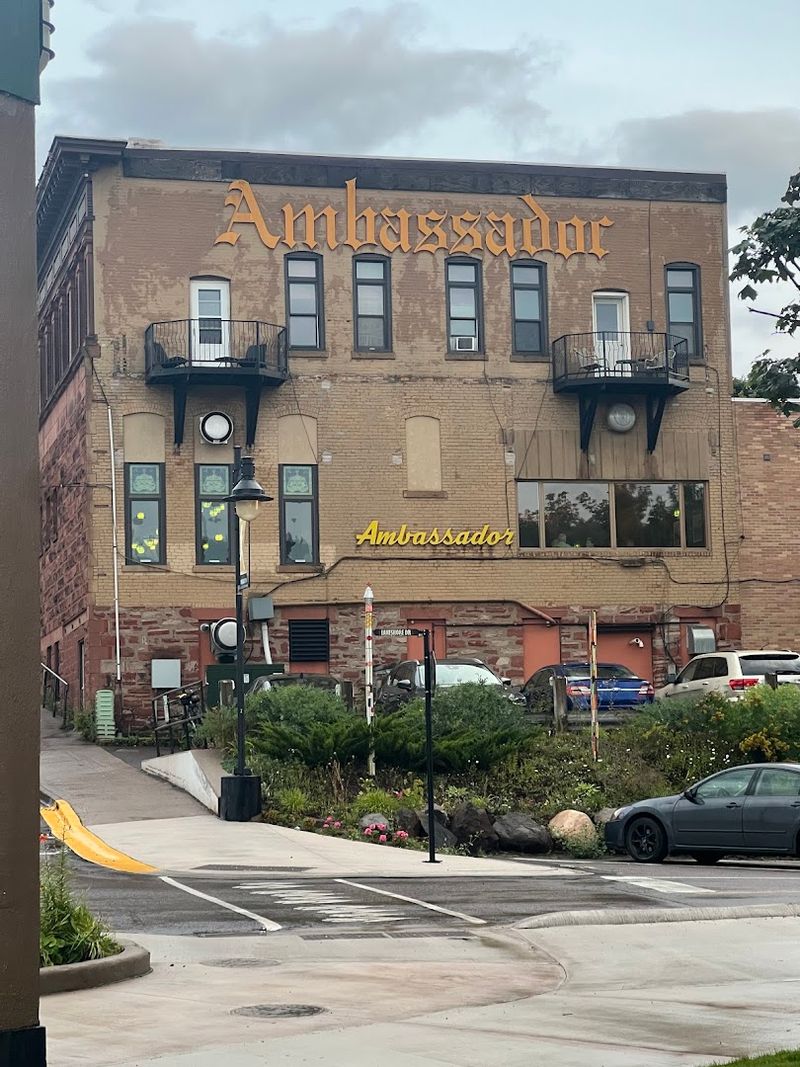
It is easy to call a restaurant historic when the building is old and the decor looks preserved. Ambassador goes further because the food itself is tied to family continuity. Joseph and Marian Rossi opened the restaurant on New Year’s Day in 1965, and many of the original recipes from that opening are still prepared from scratch.
Joseph Rossi is also credited with introducing pizza to Houghton, which gives the thin-crust tradition more weight than a casual house specialty. His son David Rossi is now a co-owner, and that multigenerational line helps explain the unusual consistency of the place.
Even the story of Joseph rolling dough thin with a rolling pin feels reflected in the finished pizzas. Family ownership does not guarantee quality, but here it clearly preserved a style that might have been watered down elsewhere. Instead, it still tastes deliberate and local.
If You Need Gluten-Free, Plan Around The 12-Inch Option
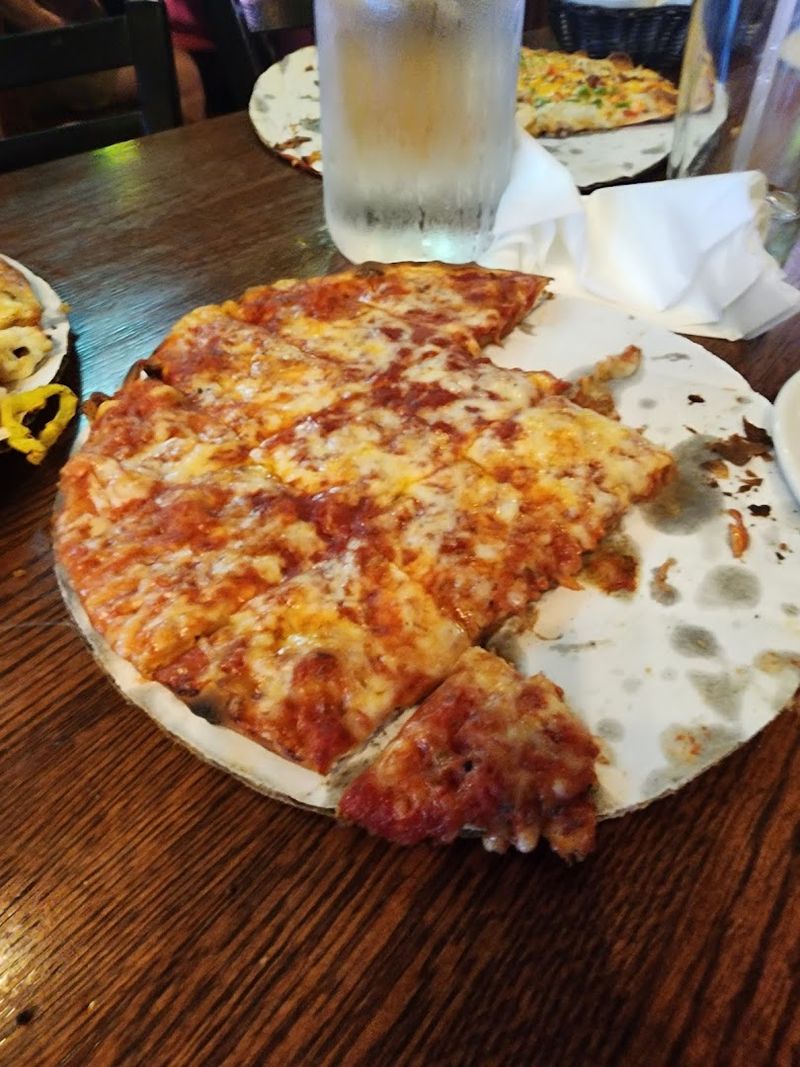
Not every old-school pizza place handles dietary needs gracefully, so it is worth noting that Ambassador offers a gluten-free crust for 12-inch pizzas. That option matters if you want to experience the restaurant’s signature style without feeling left out of the main event.
As always, it helps to be clear with staff about your order and your needs. The practical tip is simple. If someone at the table needs gluten-free pizza, build your plan around that size from the start instead of making it a last-minute adjustment. The menu’s specialty combinations can still give you interesting choices within that format.
What makes this noteworthy is that the restaurant does not present the option like an afterthought. In a room so defined by tradition, a workable accommodation feels especially welcome, letting more people take part in a place that has become central to Houghton dining.
Read The Menu Closely, Because The History Is Hiding There Too
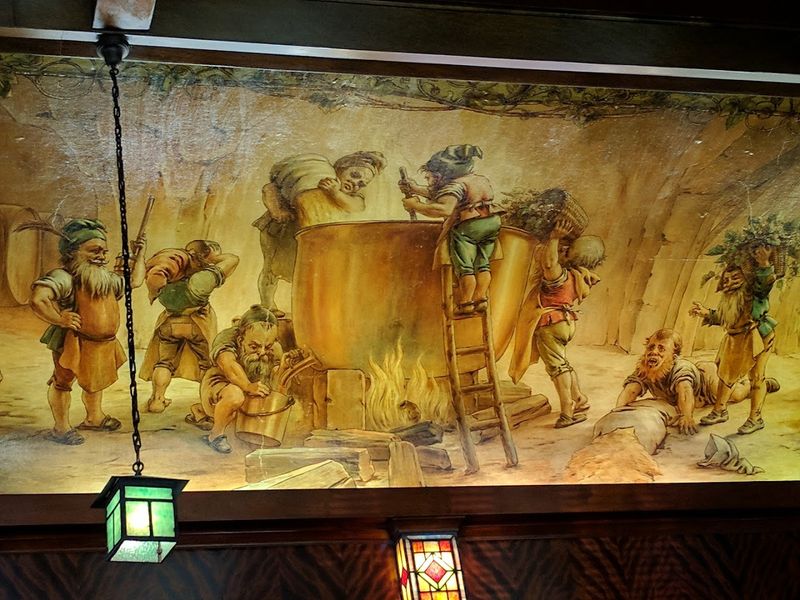
Some restaurants hang their history on the walls and leave it there. Ambassador also folds it into the menu, where the owners have included research on the murals and a poem about their story. That choice says a lot about the place.
It is not only preserving old objects but actively interpreting them for the people sitting down to eat. Take a minute to read before ordering. Knowing that the murals were commissioned in the early 1900s, stored through Prohibition, and later installed here changes how the room feels around you.
The meal gains a second track, one part dinner and one part local archive. I like that the history is offered in such an unpretentious way, tucked beside practical decisions about pizza and sandwiches. It lets curiosity become part of the evening without interrupting the pleasure of simply being there and eating well.