
This Japanese Garden In Lansing, Michigan Is Perfect For A Peaceful May Visit
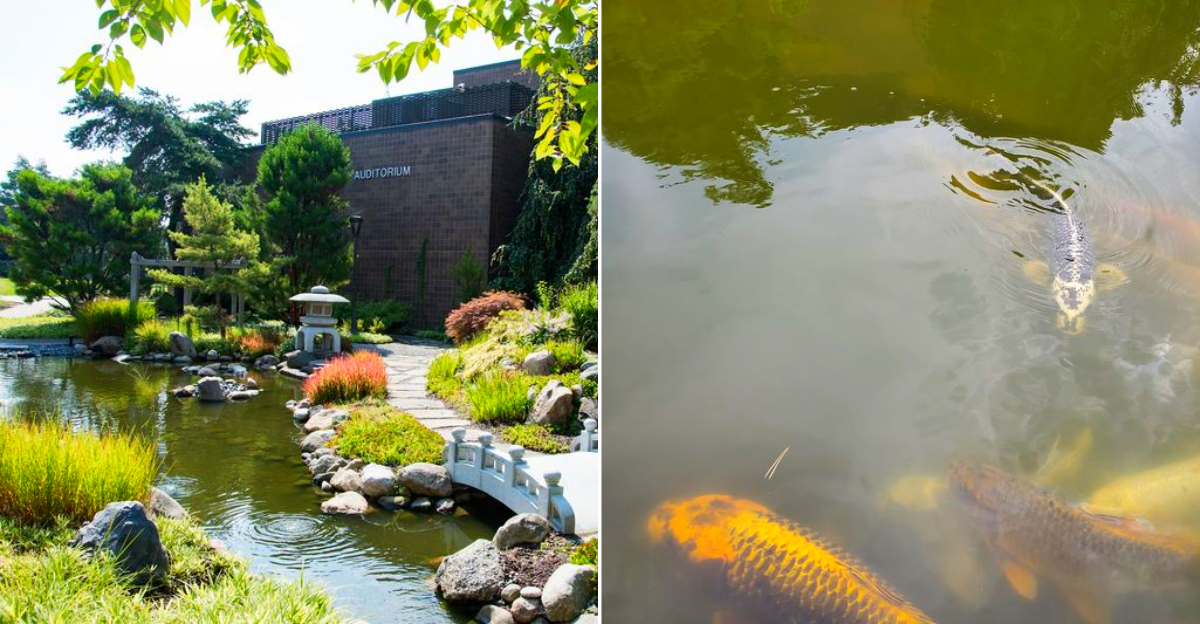
Downtown Lansing usually feels like a relentless grid of state offices and student hustle, but there is a structural anomaly hidden on the LCC campus that refuses to acknowledge the city noise.
This isn’t some massive, sprawling botanical park, but a compact, calculated strike of tranquility that stays under the radar of the average commuter.
And it becomes sacred when the spring bloom turns the space into a high-definition sanctuary of moving water and symbolic stone. The genius is in the compression: you’ve got bridges, koi ponds, and gravel paths all working together to drop your heart rate in a matter of seconds.
Michigan’s best hidden garden is located in Lansing at this traditional Japanese memorial site, a must-visit for quiet urban hiking and spring photography.
If you’re the kind of traveler who values a place that reveals itself in layers rather than a single loud spectacle, this is the most rewarding detour in the capital.
Go In May For The Sharpest Contrast
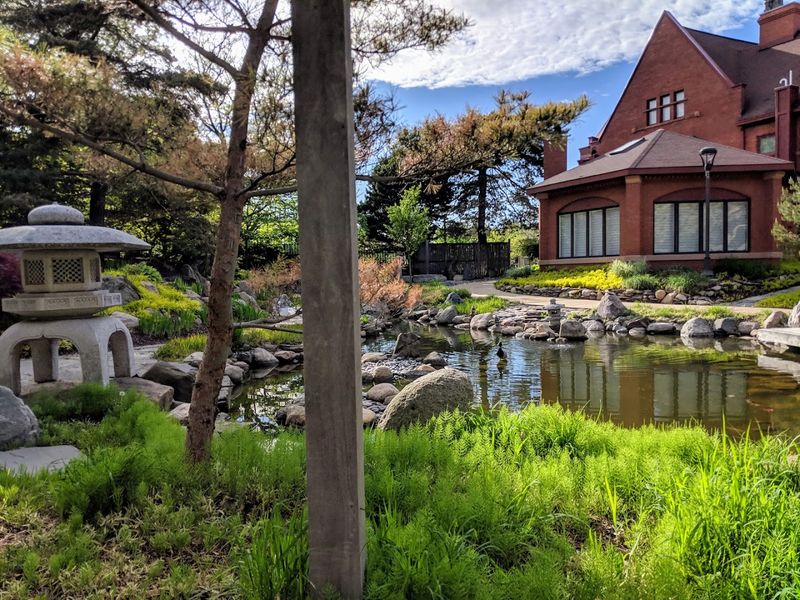
May suits this garden because the whole composition reads more clearly when spring growth is fresh but not overgrown. Cherry trees and Japanese maples add delicate color, while the large pine on the hill keeps the scene visually grounded.
You get that pleasing contrast between brief blossom season and the garden’s deeper idea of endurance. What makes the visit memorable is the setting. One minute you are near streets and campus buildings, and the next you are listening to water and watching leaves move.
If you want the garden at its gentlest, aim for a mild May morning when the light is clean, the paths are quiet, and the whole place feels newly unwrapped for the season.
Take The Journey
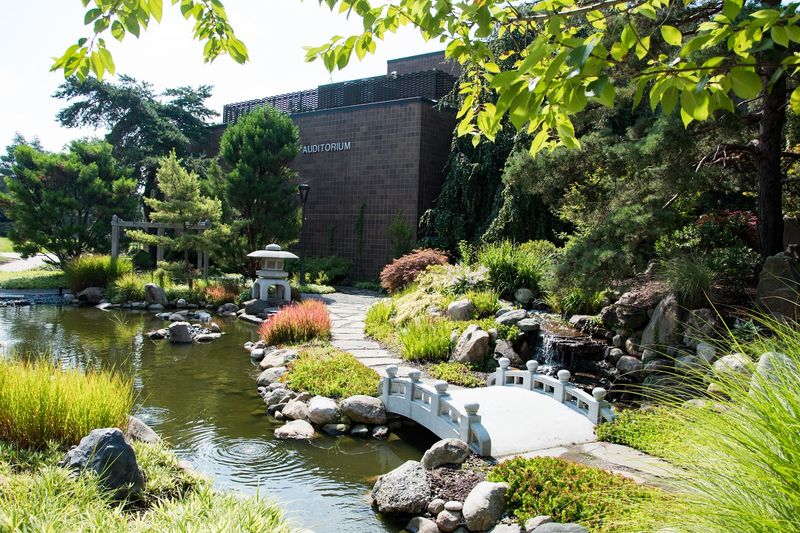
The journey to Shigematsu Memorial Garden at 598 N Capitol Ave, Lansing, MI 48933 centers on the urban pulse of Michigan’s capital city. Navigating toward the downtown core, the drive is shaped by the symmetry of government buildings and the broad, multi-lane avenues that lead directly to the heart of the state’s legislative district.
As you close in on the location, the landscape shifts from the grand scale of the Capitol building to the more academic and structured environment of the Lansing Community College campus. The dense city grid remains, but the atmosphere becomes quieter as you move along North Capitol Avenue.
A subtle break in the collegiate facade marks your arrival at the garden’s edge. Transitioning from the concrete sidewalk and the hum of city traffic into this walled sanctuary of raked gravel and stone, you find a sudden, silent pocket of traditional Japanese aesthetics hidden within the capital’s busy downtown footprint.
Stand By The Pond Long Enough To Notice Its Symbols

The central pond is the emotional anchor of the garden, and it rewards patience more than motion. Koi bring color and movement, but the symbolism matters too: in Japanese tradition they are associated with strength, perseverance, and good fortune.
Even the pond’s islands are purposeful, shaped to suggest a crane and a tortoise, both linked with longevity. The hidden waterfall does quiet work here. You hear it before you fully register where the sound begins, which gives the pond a slightly elusive character I liked immediately.
Recent visitors have noted that conditions can vary from season to season, so treat the pond as a living feature, not a static display, and spend a minute observing before taking your photo and moving on.
Do Not Skip The Dry Gravel Garden
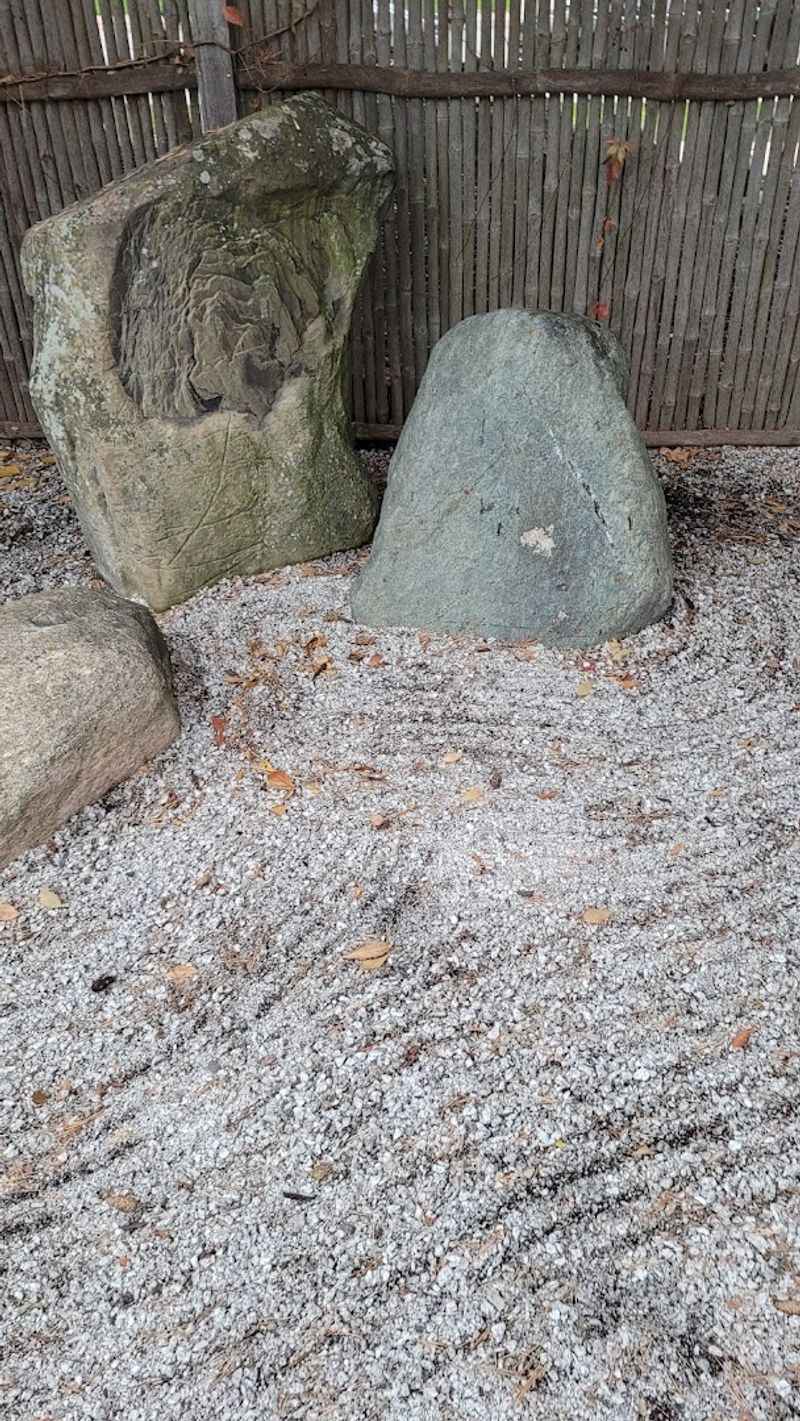
The gravel garden can be easy to underestimate if your eye goes straight to water, fish, and bridges. Yet this karesansui element carries one of the clearest links to traditional Japanese garden language, with raked gravel suggesting water and larger rocks standing in for mountains or islands.
It gives the entire site a contemplative backbone. I found it especially useful as a reset after circling the livelier pond area. The reduced palette asks you to pay attention differently, less to spectacle and more to spacing, line, and balance.
Pause here when the campus feels busy around the edges, and let the abstraction do its work. It is one of the best reminders that stillness can be designed, not merely stumbled upon.
Look Closely At The Lanterns
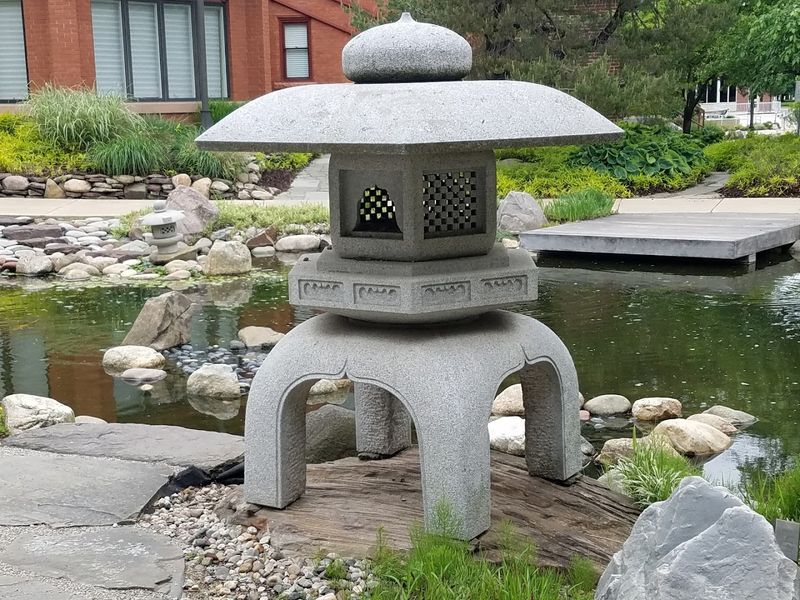
The stone lanterns are easy to pass without realizing how much character they add. The larger lantern is a yukimi, or snow-viewing lantern, designed so winter snow does not simply swallow it up, and the smaller one is a misaki, or cape lantern.
Knowing that makes the garden feel less decorative and more legible. These details connect the site to traditional forms without turning it into a museum piece. Sometimes candles or incense are used, which adds another layer of atmosphere, but even unlit they shape the mood through placement and proportion.
If you enjoy gardens by way of craftsmanship rather than sheer size, spend time comparing the lanterns to the surrounding water, stone, and plantings. Their restraint is part of the pleasure.
Treat The Hill Like The Garden’s Quiet Center Of Gravity
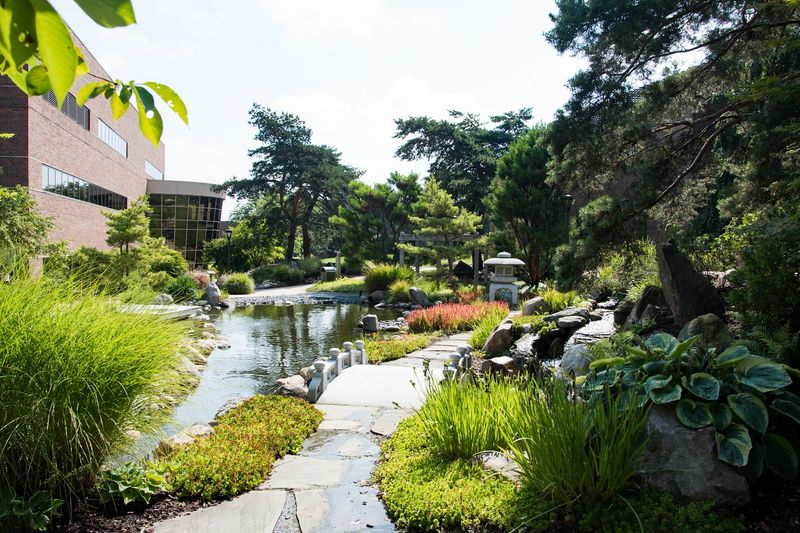
At the center of the strolling garden, the carefully shaped hill gives the whole composition a sense of lift. It was designed to echo Mt. Hiei and Mt. Hira in Japan’s Shiga Prefecture, which is a lovely example of how symbolic geography can be miniaturized without becoming gimmicky.
The large pine tree strengthens that mountain feeling and symbolizes lasting life. In May, the planting around the hill looks especially crisp. New leaves on cherry and maple trees keep the slopes visually active while the evergreen pine holds the scene together.
Follow the paths up and around rather than glancing from below. The garden is small, but this feature creates a genuine sense of journey, which is harder to pull off in limited space than it appears.
Pause On The Moon-Viewing Deck
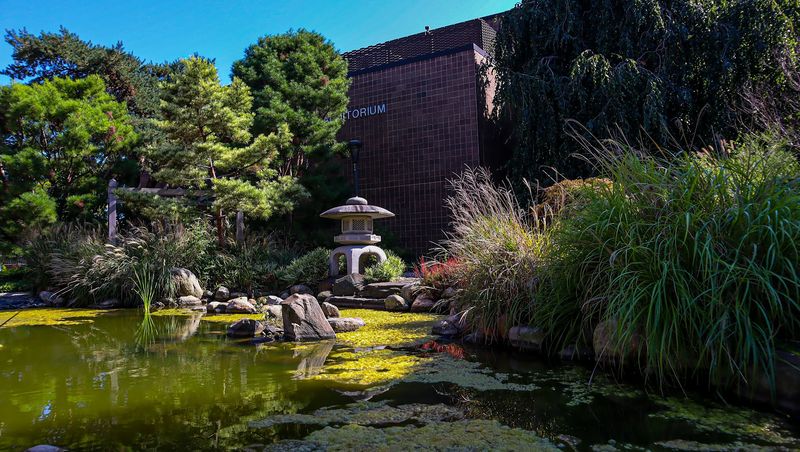
The moon-viewing deck is one of those features that sounds poetic on paper and turns out to be genuinely useful in person. Extending over the koi pond, it gives you a calmer vantage point than the paths, with fewer visual interruptions and a more direct relationship to the water below.
That simple shift in perspective changes the pace of the visit. I liked standing there long enough for the city noise to become background rather than subject. The deck invites observation instead of transit, which is not always easy to achieve in a campus setting.
Even during the day, the idea of moon viewing lends the platform a slightly ceremonial feel. If you want the garden’s most reflective pause, this is the place to take it.
Visit Early Or Between Campus Rushes
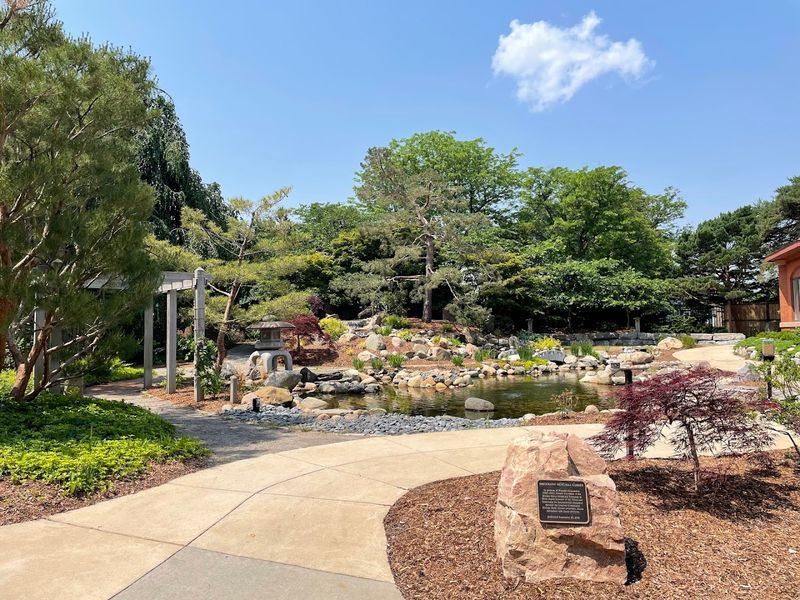
Because the garden sits within Lansing Community College’s downtown campus, timing matters more than size. The place is open 24 hours according to the current listing, which gives you flexibility, but the atmosphere changes with nearby foot traffic.
Early morning is ideal if you want the strongest sense of retreat and the clearest sound of moving water. Midday can still be lovely, just a bit more connected to campus life. That is not a flaw, only a reminder that this garden works by contrast, not isolation.
If you are the sort of traveler who likes a peaceful stop before coffee, meetings, or museums, this is an easy fit. A quiet weekday morning in May makes the design feel especially composed and generous.
Accept The Garden’s Small Scale
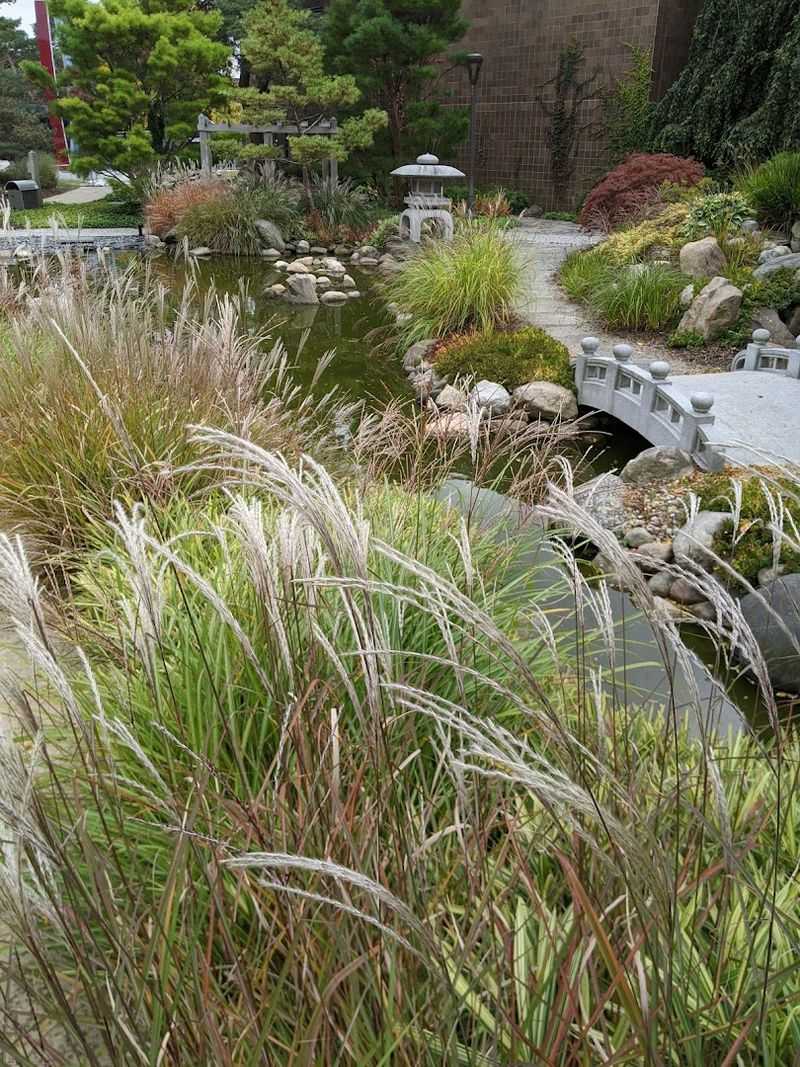
Some visitors expect a larger destination and are surprised by how compact the garden is. I think that is the wrong test. Its strength is not breadth but concentration, the way pond, hill, gravel, bridges, lanterns, and paths are compressed into a coherent sequence that you can absorb in a short visit without feeling shortchanged.
That compactness also makes the garden easier to revisit in different weather and seasons. You can stop by for fifteen minutes and still experience a full change of mood, which is rare and useful in a downtown setting. Instead of asking whether it is big enough, ask whether it alters your attention.
On that measure, this place performs far above its footprint, especially in fresh May light.
Notice How Sound Does Half The Design Work
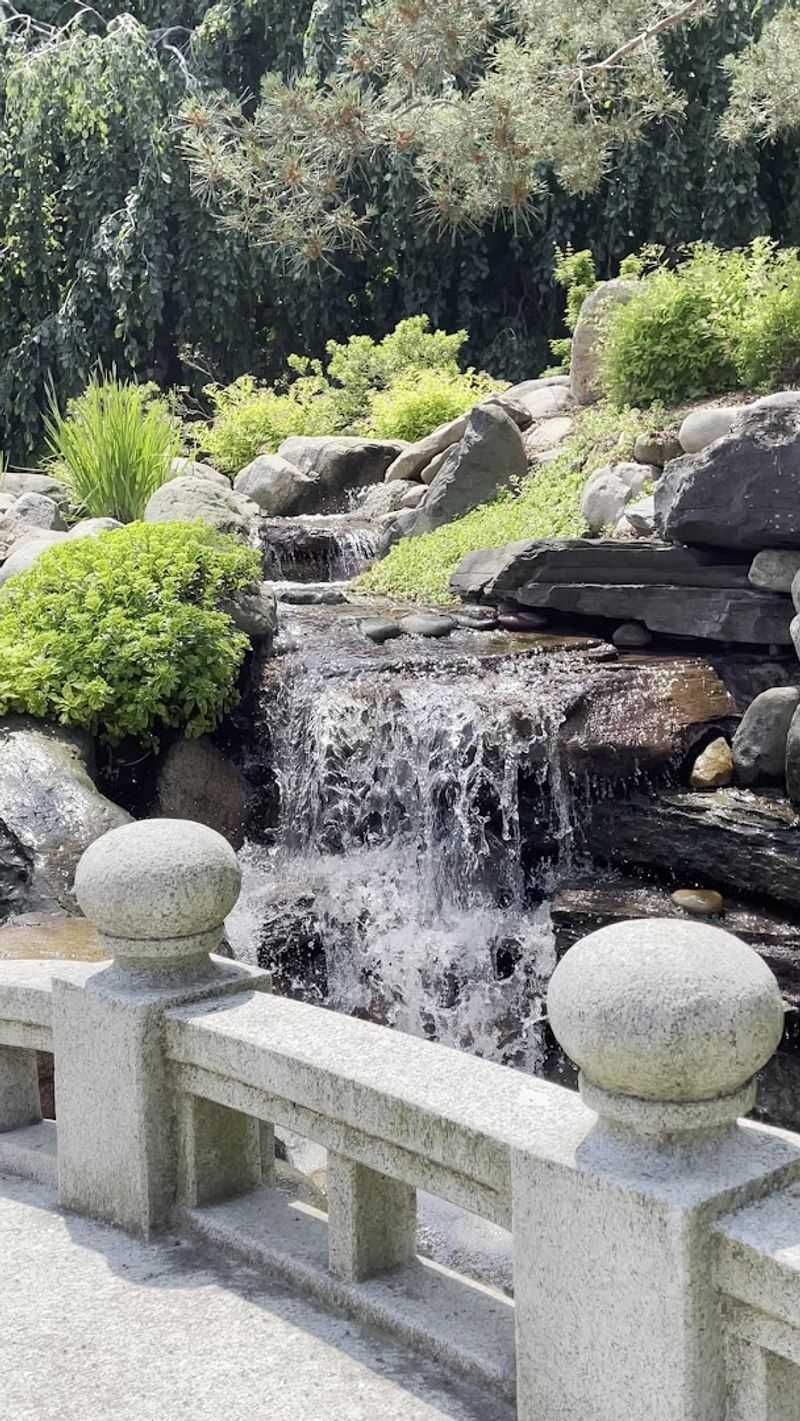
The first thing many people register is visual order, but the soundscape deserves equal credit. Water from the hidden waterfall, light wind in spring leaves, and the softened murmur of downtown beyond the garden combine into a layered quiet rather than total silence.
That distinction matters because it makes the place feel inhabited, not staged. May is particularly good for this sensory mix. Fresh foliage has enough density to soften edges, and the cooler air often carries water sound beautifully across the pond and paths.
If you tend to evaluate gardens mainly through photographs, spend at least one minute without reaching for your phone. This site works as much through the ear as the eye, and the effect is more transporting than you might expect.
Use It As A Respectful Place To Slow Down
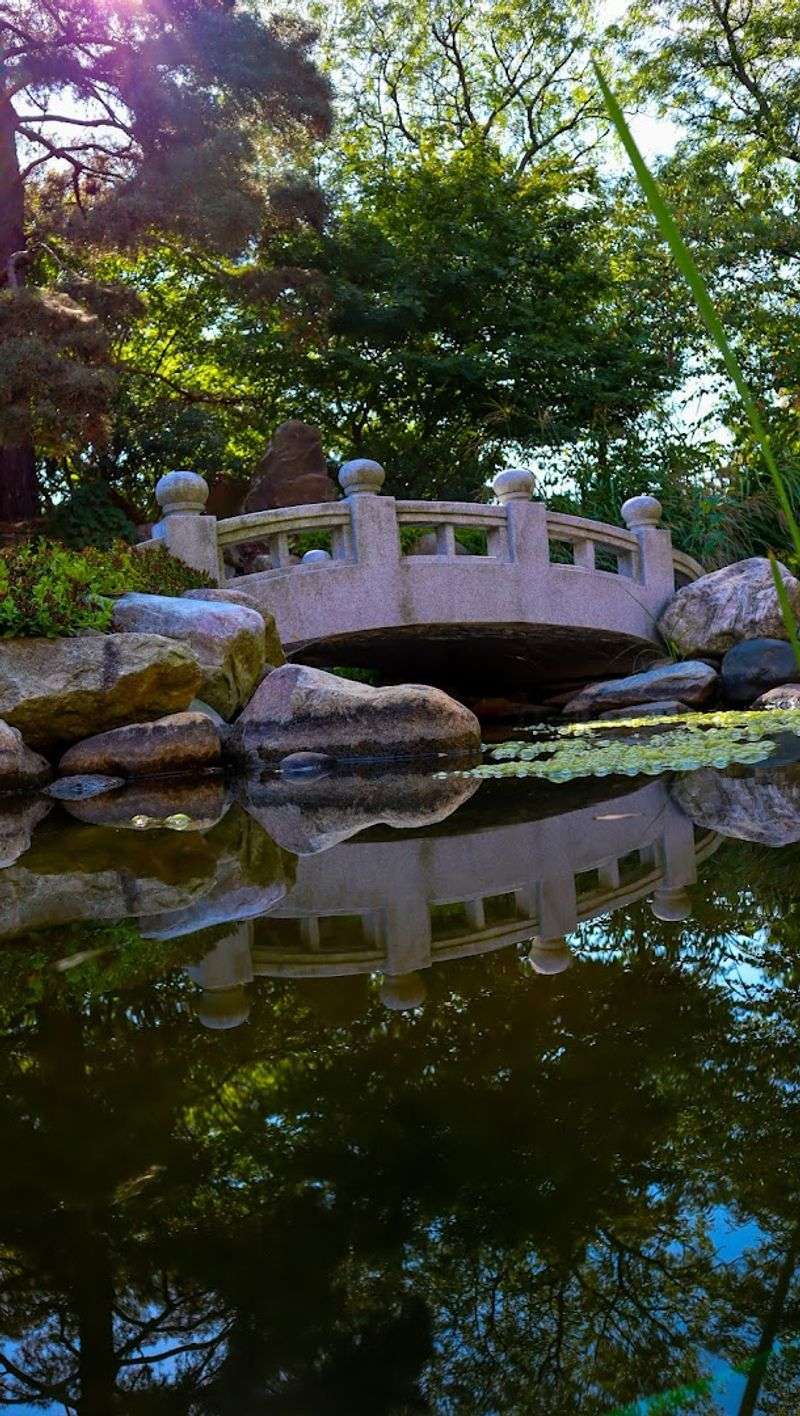
Because this is a memorial garden, the best visit is not a hurried box-checking stop. The design encourages reflection, and the setting rewards a quieter kind of attention than many urban attractions ask for.
You can certainly take photos, admire the koi, and enjoy the bridges, but the place feels most complete when approached with a little patience.
Bring a book, sit for a while, or simply walk the paths once without narrating the experience to yourself. That small act of restraint suits the garden’s purpose. The current listing shows a 4.7-star rating and 24-hour access, which tells you it remains valued and usable.
In May, especially, it offers something increasingly rare: a gentle reason to stop performing productivity for an hour.