
These 14 Florida Gardens Feel Like Hidden Tropical Worlds You Didn’t Know Existed
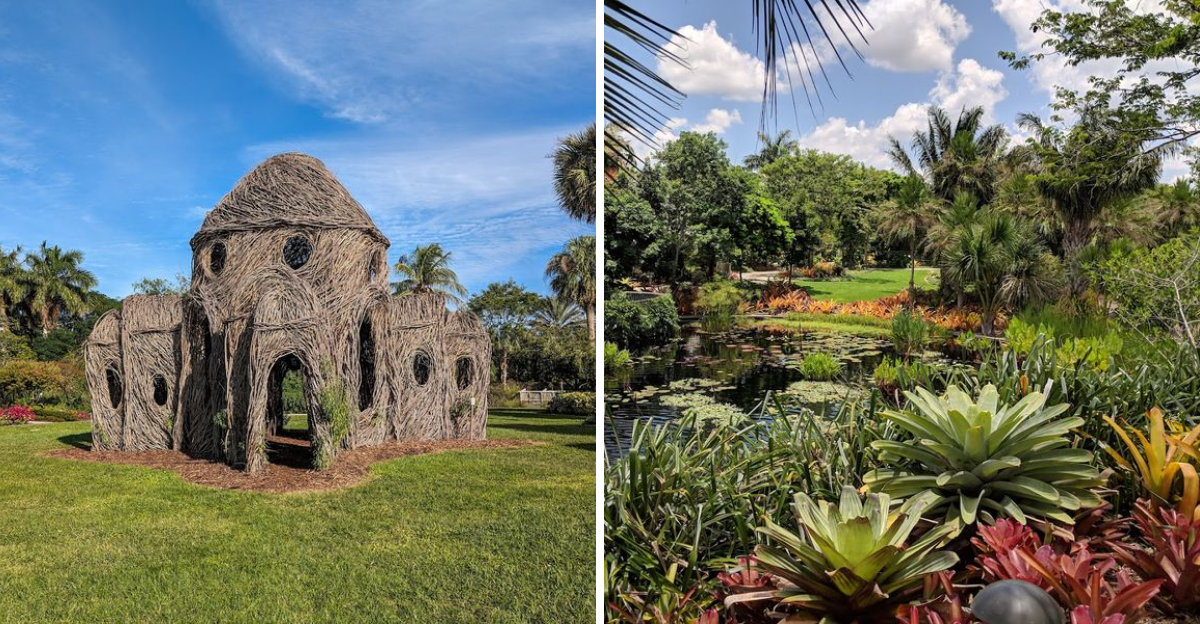
I still remember the first time I saw a ghost orchid in bloom in Florida and realized it didn’t look real at all.
From a distance, it almost disappears. Then you notice the shape, suspended in the air, bright and delicate in a way that doesn’t seem possible.
Some gardens in Florida don’t just show plants, they reveal things you didn’t know existed.
You walk in expecting a quiet afternoon, maybe a few interesting paths. Then it builds.
Canopy bridges above dense greenery. Unfamiliar plants at every turn.
Moments that feel closer to exploration than a simple visit.
It’s not just what you see. It’s how often something stops you.
People don’t rush through these places. They wander, pause, and take in details they didn’t come looking for.
You don’t need a plan.
You just follow what catches your attention.
And that’s what turns a simple walk into something you remember long after leaving Florida.
1. Fairchild Tropical Botanic Garden, Coral Gables
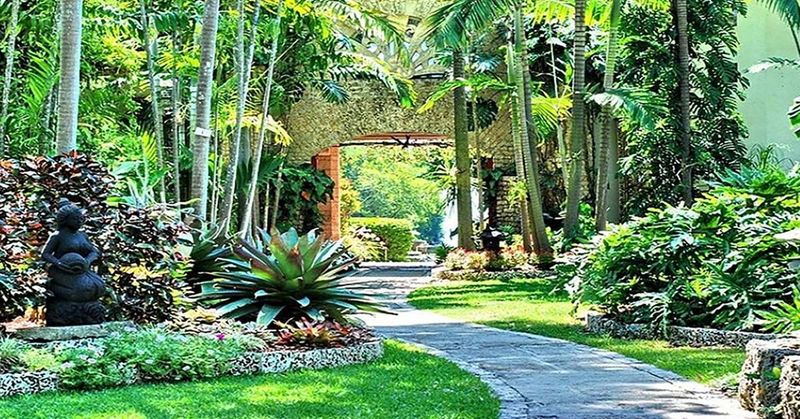
Spread across 83 acres in Coral Gables, Fairchild holds one of the world’s most extensive rare tropical plant collections, and I’ve spent entire mornings wandering its themed gardens without covering everything.
Located at 10901 Old Cutler Rd, Coral Gables, FL 33156, this garden houses over 3,400 species of tropical plants, including palms that tower overhead and orchids that bloom in colors I didn’t know existed.
The Wings of the Tropics exhibit lets butterflies land on your shoulders while you walk through a screened conservatory filled with nectar plants and flowering vines.
I’ve watched kids race along the pathways during the monthly moonlight walks, their flashlights catching dewdrops on massive philodendron leaves.
The fruit tree collection includes mangosteen, rambutan, and carambola specimens that produce actual fruit you can sometimes sample during special tours.
Every visit reveals something new, whether it’s a cycad that’s older than most buildings in Miami or a bromeliad blooming for the first time in years.
2. Naples Botanical Garden, Naples
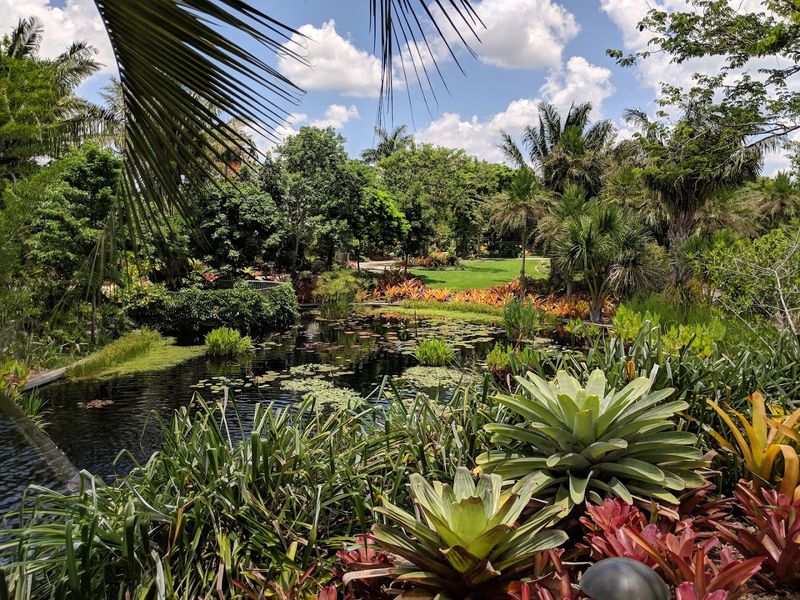
Arriving at 4820 Bayshore Dr, Naples, FL 34112, I immediately noticed how this garden organizes its 170 acres into distinct regions representing different tropical climates around the world.
The Brazilian Garden explodes with bromeliads clinging to tree trunks, while the Caribbean Garden showcases plants that thrive in island conditions similar to South Florida’s humid subtropical climate.
I’ve photographed the water garden dozens of times, each visit catching different reflections of palms and flowering trees in the still ponds.
The preserve area includes a boardwalk that winds through natural wetlands where you might spot wading birds hunting between the mangroves.
Kids love the interactive children’s garden, where they can explore a treehouse and learn about pollination through hands-on displays.
The Asian Garden features a traditional pavilion surrounded by bamboo groves and tropical plants native to Thailand and Vietnam, creating a peaceful spot I return to whenever Naples is on my route.
3. Marie Selby Botanical Gardens, Sarasota
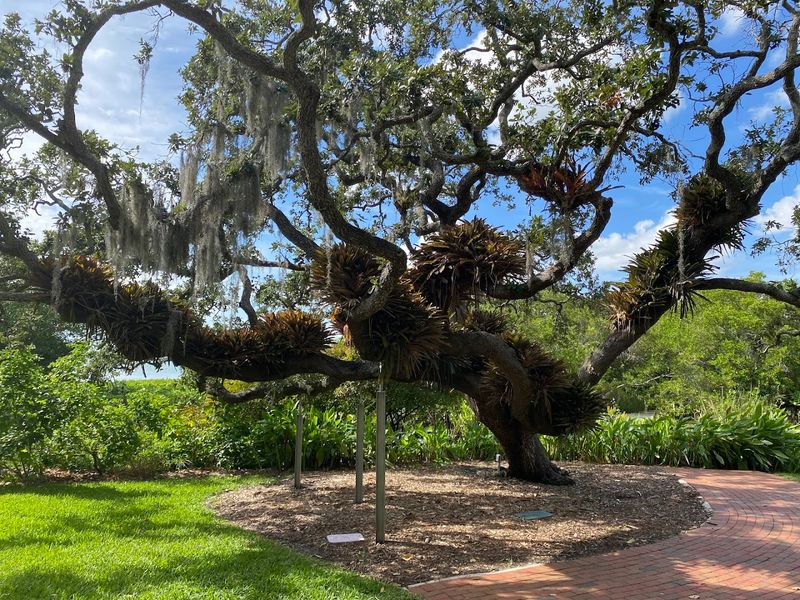
Perched along Sarasota Bay at 1534 Mound St, Sarasota, FL 34236, Selby Gardens specializes in epiphytes, those plants that grow on other plants without harming them, and the orchid collection here rivals any I’ve seen.
The greenhouse conservatory maintains humidity levels that keep rare orchid species thriving year-round, with blooms appearing in rotation so there’s always something flowering.
I’ve attended orchid shows here where growers display specimens so unusual that even experienced botanists crowd around to photograph them.
The canopy walk takes you up into the trees for a bird’s-eye perspective of the gardens and bay beyond, a feature that makes you feel like you’re exploring a rainforest canopy.
The bromeliad collection includes species from Central and South America, many with vibrant red or orange flower spikes that hummingbirds visit constantly.
Walking through the bamboo garden feels like stepping into another continent, with giant timber bamboo creating natural archways overhead.
4. Bok Tower Gardens, Lake Wales
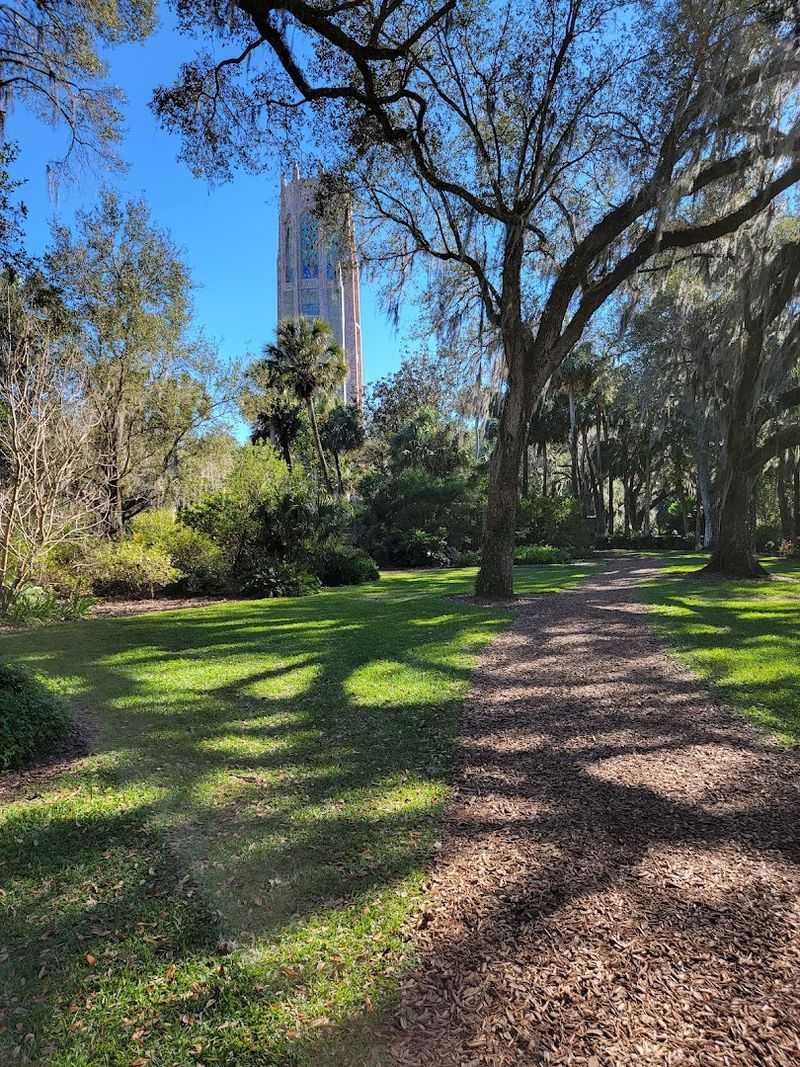
The 205-foot neo-Gothic tower rises above the gardens at 1151 Tower Blvd, Lake Wales, FL 33853, and its carillon bells ring out concerts that echo through the surrounding landscape.
Frederick Law Olmsted Jr. designed these gardens in the 1920s, and his vision of winding paths through native Florida plants mixed with exotic specimens still guides the layout today.
I’ve picnicked under massive live oaks draped with Spanish moss while listening to the afternoon bell concert, a combination that feels uniquely Floridian.
The Rare Plant Conservation Program here works to preserve endangered Florida species, including several types of native orchids that grow wild in the preserve area.
The pollinator garden attracts butterflies and bees to native wildflowers, creating a buzzing, fluttering spectacle during spring and fall migrations.
Edible Garden displays citrus varieties and subtropical fruits that thrive in Central Florida’s climate, offering a practical look at what you could grow in your own backyard if you lived nearby.
5. McKee Botanical Garden, Vero Beach
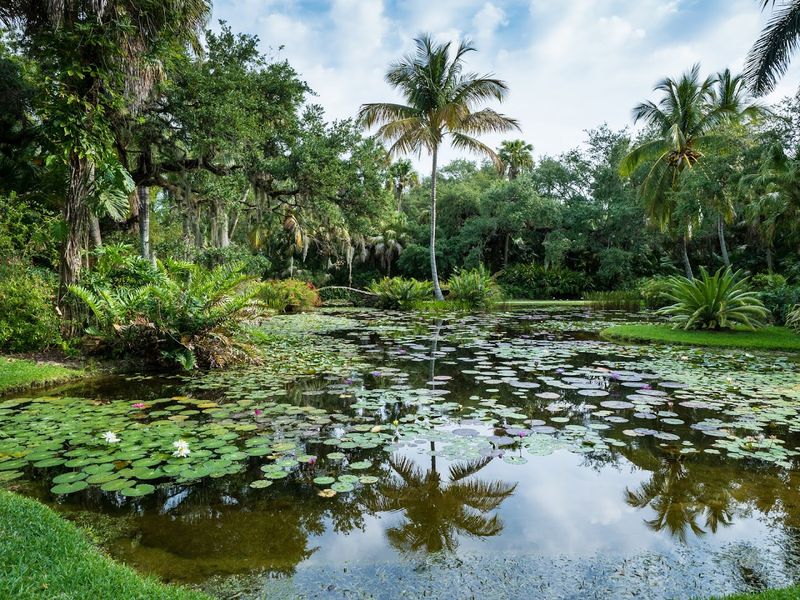
Stepping through the entrance at 350 US-1, Vero Beach, FL 32962, feels like entering a secret jungle that somehow survived decades of coastal development.
The 18-acre garden began in 1932 as a tourist attraction and still maintains that sense of wonder with giant water lilies floating in ponds and bamboo groves creating shaded tunnels.
I’ve watched turtles sunning themselves on logs in the lily pond while orchids bloom overhead in the branches of old oak trees.
The Spanish Kitchen, a historic building from the garden’s early days, now serves as an event space surrounded by palms and tropical flowering shrubs.
The hammock trail winds through native Florida vegetation, showing what this coastline looked like before development, with cabbage palms and saw palmettos creating dense understory.
Fruit trees scattered throughout include lychee, longan, and several mango varieties that produce crops the staff sometimes shares during peak season.
Every corner reveals another carefully planned vista or unexpected plant specimen.
6. Mounts Botanical Garden, West Palm Beach
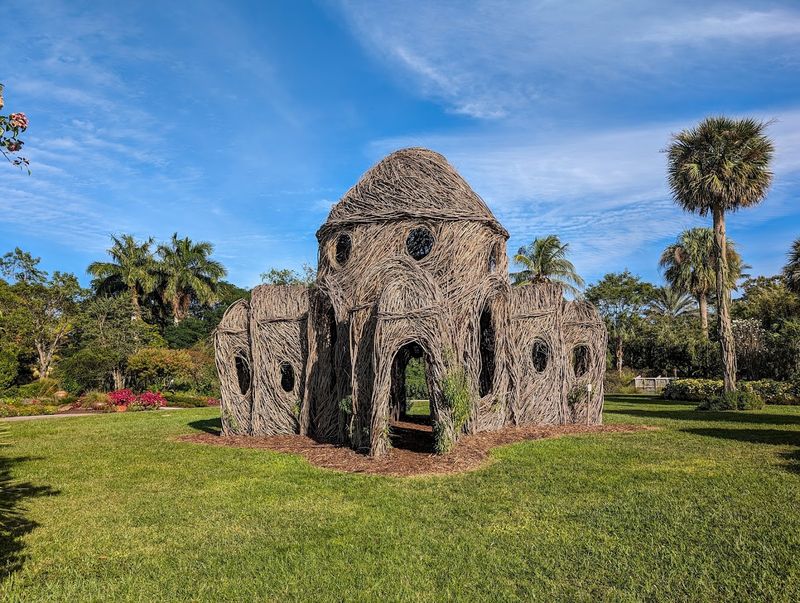
Located at 531 N Military Trl, West Palm Beach, FL 33415, Mounts operates as Palm Beach County’s oldest and largest public garden, and its 14 acres pack in an impressive variety of themed areas.
The citrus grove showcases dozens of varieties, including some heirloom types that commercial growers abandoned decades ago but that still produce incredible fruit.
I’ve tasted kumquats, calamondins, and finger limes during their harvest festivals, each one offering flavors you won’t find in any grocery store.
The butterfly garden explodes with nectar plants that attract monarchs, swallowtails, and zebra longwings, Florida’s state butterfly, which floats lazily between the flowering shrubs.
The herb garden includes culinary and medicinal plants from around the world, many adapted to South Florida’s climate in ways that surprise northern gardeners.
Tropical fruit trees like jackfruit, mamey sapote, and black sapote grow throughout the grounds, their unusual fruits dangling from branches and sparking curiosity.
7. Morikami Museum and Japanese Gardens, Delray Beach
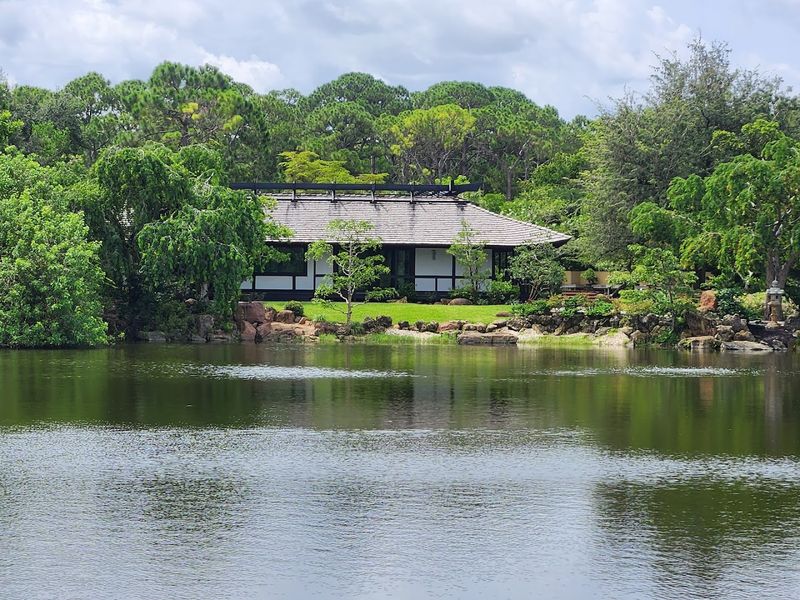
Driving to 4000 Morikami Park Rd, Delray Beach, FL 33446, takes you to a 16-acre Japanese garden that honors the Yamato Colony, early Japanese farmers who settled in this area over a century ago.
Six distinct gardens represent different periods and styles of Japanese landscape design, each one offering a different mood and aesthetic.
I’ve spent hours photographing the koi swimming in the ponds, their orange and white patterns creating moving art against the dark water and reflected sky.
The bonsai collection includes specimens over 100 years old, their twisted trunks and carefully pruned branches demonstrating decades of patient cultivation.
The museum building sits at the garden’s edge, displaying rotating exhibits about Japanese culture and the history of the Yamato Colony.
Tea ceremonies held in the traditional tea house let visitors experience this meditative practice while surrounded by carefully raked gravel gardens and precisely placed stones.
The tropical climate allows for plants you wouldn’t see in traditional Japanese gardens, creating a unique fusion.
8. Flamingo Gardens, Davie
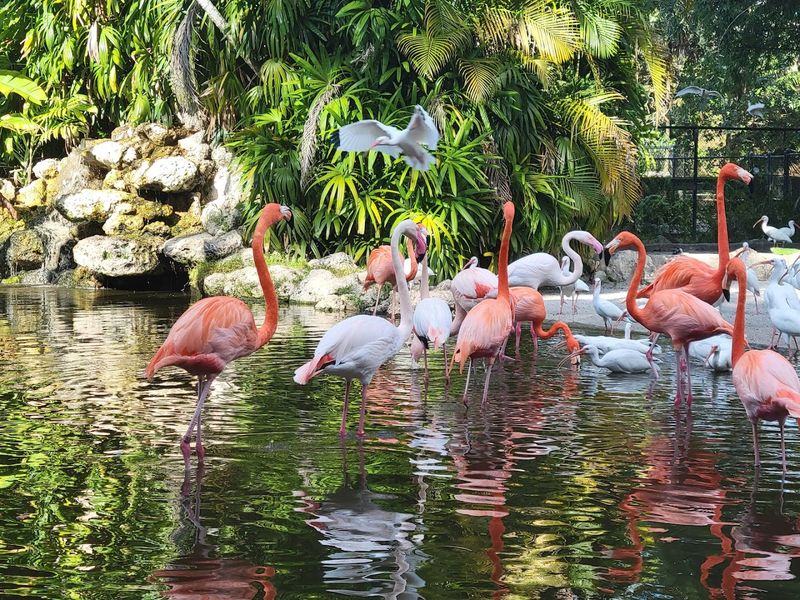
Pulling into 3750 S Flamingo Rd, Davie, FL 33330, you’ll find a combination botanical garden and wildlife sanctuary that’s been operating since 1927.
The rare fruit arboretum contains over 200 varieties of citrus and tropical fruit trees, including some species so unusual that even experienced botanists stop to examine the identification tags.
I’ve watched the resident flamingos wading in their pond, their pink feathers brilliant against the green backdrop of ferns and palms.
The Everglades Wildlife Sanctuary houses injured birds and animals that can’t be released, giving visitors close-up views of eagles, panthers, and alligators while supporting conservation efforts.
The historic Wray Home sits at the garden’s heart, a 1933 structure surrounded by the original plantings that Floyd and Jane Wray established nearly a century ago.
The free-flight aviary lets you walk among native Florida birds as they fly overhead and perch in the surrounding trees, creating photo opportunities that feel almost too easy.
9. Florida Botanical Gardens, Largo
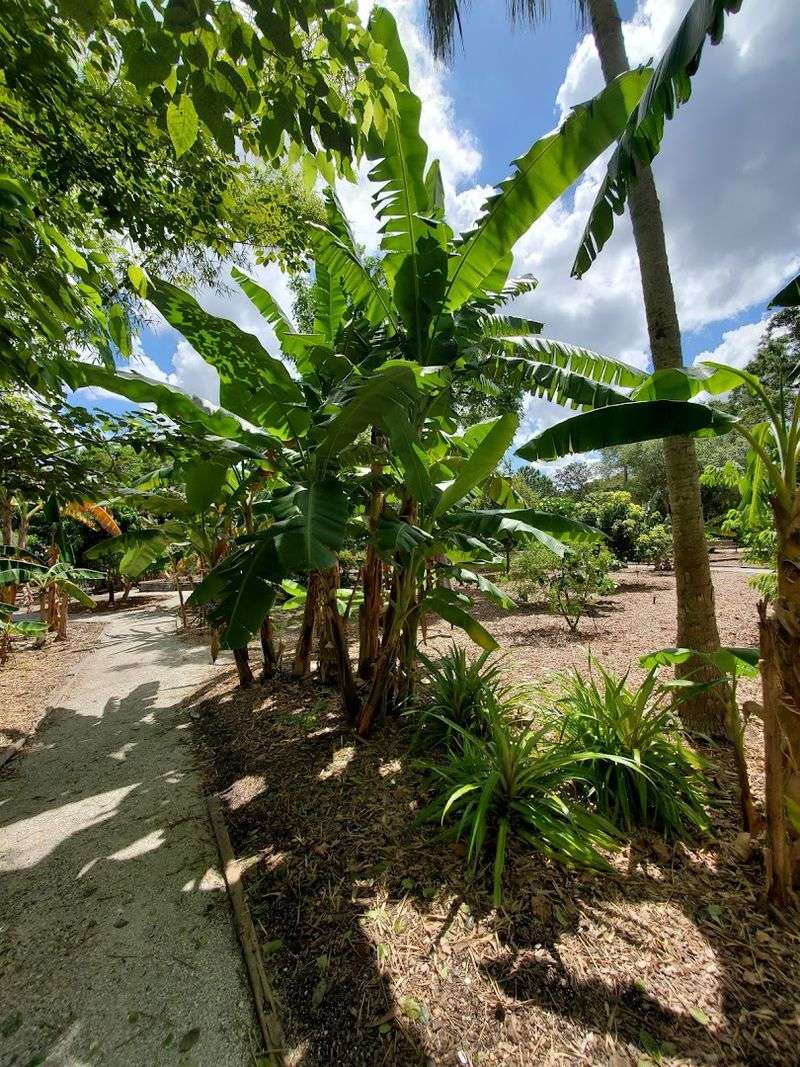
Situated at 12520 Ulmerton Rd, Largo, FL 33774, this 100-acre garden focuses on plants that thrive in Florida’s climate without excessive water or maintenance.
The tropical walk winds through palms, gingers, and heliconias that create a jungle atmosphere, their large leaves rustling in the bay breeze that sweeps across the property.
I’ve attended their plant sales where local growers offer species perfectly adapted to Gulf Coast conditions, often sharing growing tips that you won’t find in any book.
The herb garden includes culinary varieties that tolerate Florida’s heat and humidity, proving you can grow fresh basil and cilantro even in summer if you choose the right location.
The wedding garden features a gazebo surrounded by flowering shrubs and trees that bloom year-round, creating a romantic setting that’s popular with local couples.
The bromeliad garden showcases these tropical epiphytes in all their colorful variety, from tiny tillandsias to massive specimens with flower spikes taller than a person.
10. Heathcote Botanical Gardens, Fort Pierce
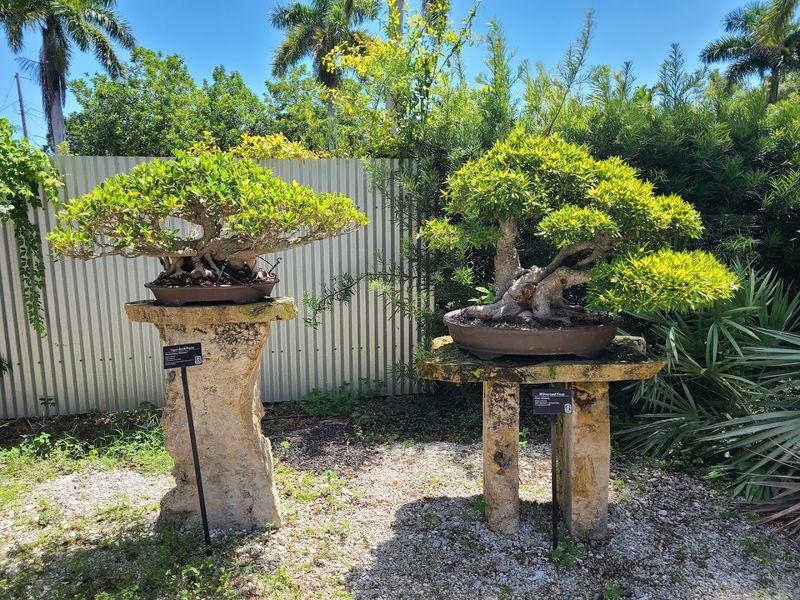
Tucked away at 210 Savannah Rd, Fort Pierce, FL 34982, Heathcote offers 3.5 acres of intensely planted gardens that feel much larger than their actual size.
The Japanese garden includes a traditional gate, stone lanterns, and a koi pond where fish rise to the surface whenever visitors approach the edge.
I’ve sketched the bonsai collection here, their miniature forms creating perfect studies in proportion and patience.
The palm garden features species from around the world, including some rare varieties that collectors travel specifically to see.
The tropical fern garden creates a shaded retreat where delicate fronds unfurl in the filtered light beneath the tree canopy.
The herb and vegetable garden demonstrates what grows well in this coastal climate, offering practical inspiration for local gardeners trying to grow their own food.
Orchids grow both in the shade house and naturalized in trees throughout the property, their blooms appearing unexpectedly as you wander the winding paths.
The intimate scale makes this garden feel personal and accessible.
11. Key West Tropical Forest & Botanical Garden, Key West
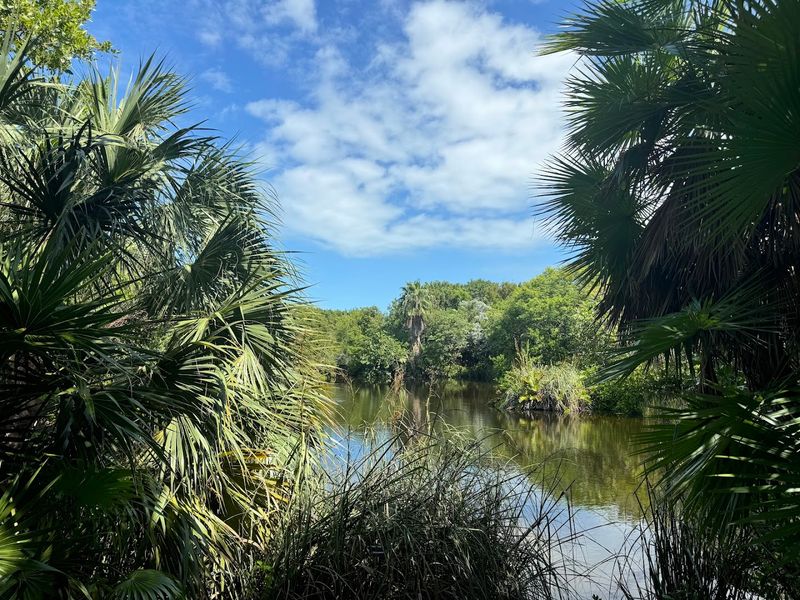
At 5210 College Rd, Key West, FL 33040, this garden preserves the last remaining freshwater wetland in the Florida Keys, a rare ecosystem that supports plants found nowhere else.
The hardwood hammock trail takes you through native forest that looks nothing like mainland Florida, with gumbo limbo trees and poisonwood creating a canopy that stays green year-round.
I’ve spotted the endangered Stock Island tree snail here, its colorful shell barely visible against the tree bark where it feeds on lichens.
The butterfly garden attracts species that migrate through the Keys, including occasional visitors from the Caribbean that get blown north by tropical storms.
The orchid collection focuses on species native to South Florida and the Caribbean, many of them epiphytes that grow attached to the hammock trees.
The wetland boardwalk lets you observe the freshwater pond ecosystem without disturbing the delicate balance that keeps it functioning in this saltwater-surrounded location.
This garden feels wild and untamed compared to more manicured mainland gardens.
12. Kanapaha Botanical Gardens, Gainesville
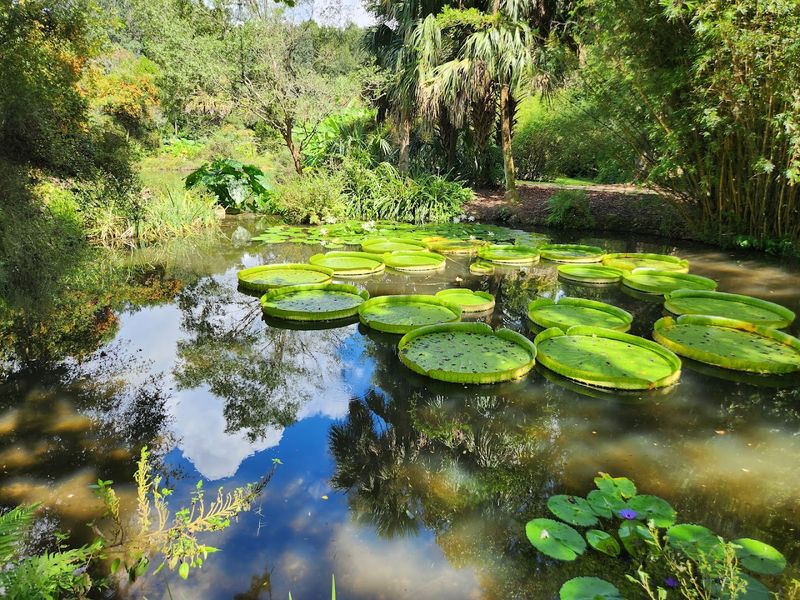
Spread across 68 acres at 4700 SW 58th Dr, Gainesville, FL 32608, Kanapaha showcases plants that thrive in North Florida’s slightly cooler climate while still maintaining impressive tropical collections.
The bamboo garden contains one of the largest collections in Florida, with species ranging from delicate groundcovers to timber bamboo that shoots up 60 feet tall.
I’ve walked the water garden loop when the giant Victoria water lilies are blooming, their plate-sized leaves floating on the pond surface like natural rafts.
The herb garden claims to be the largest in the Southeast, with culinary, medicinal, and ornamental species arranged in themed beds that demonstrate their various uses.
The vinery features climbing plants that cover arbors and trellises, creating shaded tunnels fragrant with jasmine and honeysuckle blooms.
The camellia collection puts on a spectacular show in winter when most other gardens look dormant, proving that North Florida has its own seasonal advantages.
The hummingbird garden buzzes with activity during migration seasons.
13. Sunken Gardens, St. Petersburg
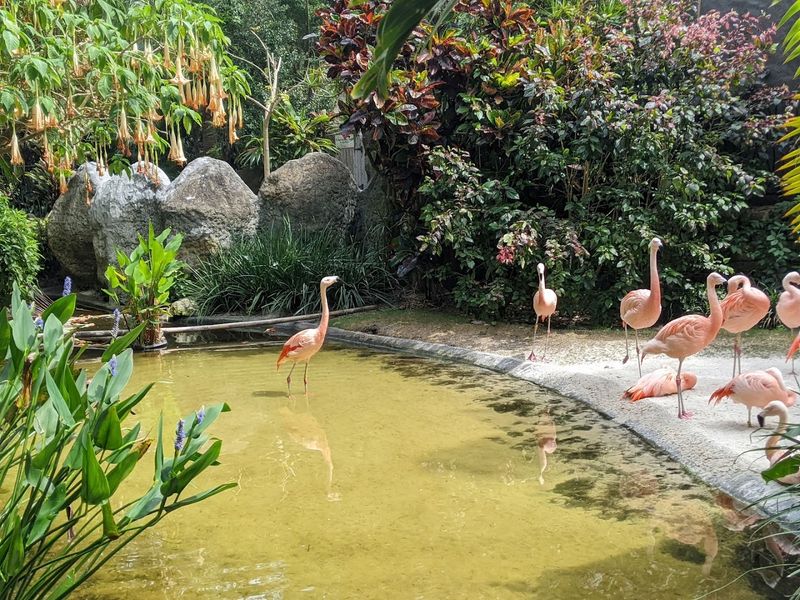
Descending into the gardens at 1825 4th St N, St. Petersburg, FL 33704, you drop below street level into a tropical oasis that’s been thriving since 1903.
The sunken design creates a microclimate that protects tender tropical plants from cold snaps, allowing species to survive here that would perish in exposed locations just blocks away.
I’ve photographed the cascading waterfall dozens of times, each visit catching different light filtering through the palm fronds and flowering vines.
The flamingo flock adds splashes of pink to the green landscape, their long legs wading through shallow pools while visitors snap photos from the winding paths.
The orchid collection includes rare species that bloom throughout the year, with the greenhouse maintaining conditions that mimic their native tropical habitats.
The koi ponds feature fish so tame they’ll eat from your hand, a feature that delights kids and adults equally.
The historic nature of these gardens adds depth to every visit, knowing you’re walking paths that have been maintained for over a century.
14. Harry P. Leu Gardens, Orlando
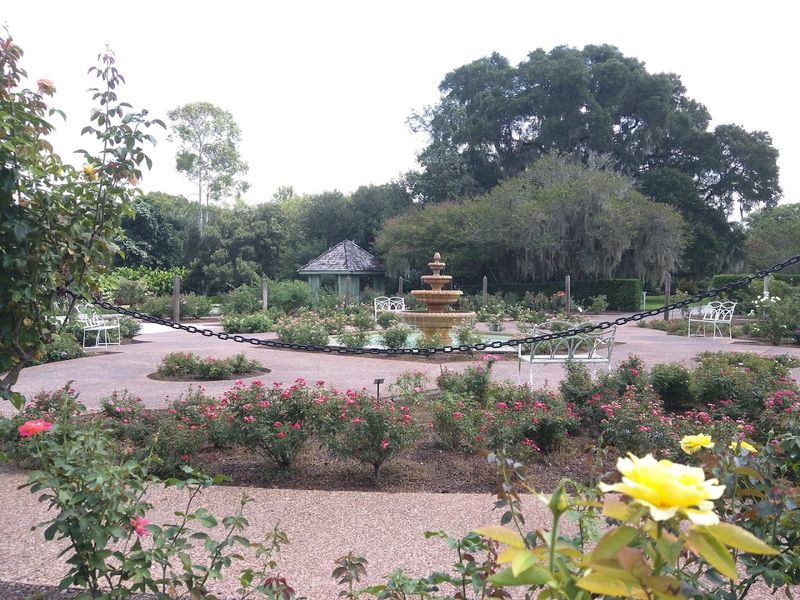
Nestled at 1920 N Forest Ave, Orlando, FL 32803, these 50-acre gardens surround the historic Leu House Museum and showcase both formal and natural landscaping styles.
The rose garden blooms year-round in Central Florida’s climate, with over 1,000 bushes representing varieties that tolerate heat and humidity better than traditional northern roses.
I’ve visited during the fall camellia bloom when the collection, one of the largest in the Southeast, explodes with flowers in shades of pink, red, and white.
The tropical stream garden features palms, bamboo, and flowering gingers arranged along a meandering water feature that creates soothing sounds as you walk the path.
The citrus grove includes heirloom varieties that demonstrate Orlando’s agricultural history before theme parks dominated the landscape.
The butterfly garden attracts monarchs during their fall migration, sometimes covering entire plants with their orange and black wings.
The natural floodplain forest along Lake Rowena shows what Orlando looked like before development, with native oaks and understory plants creating habitat for local wildlife.