
This Free Michigan Sculpture Park Is Built From Scrap Metal And Made For May
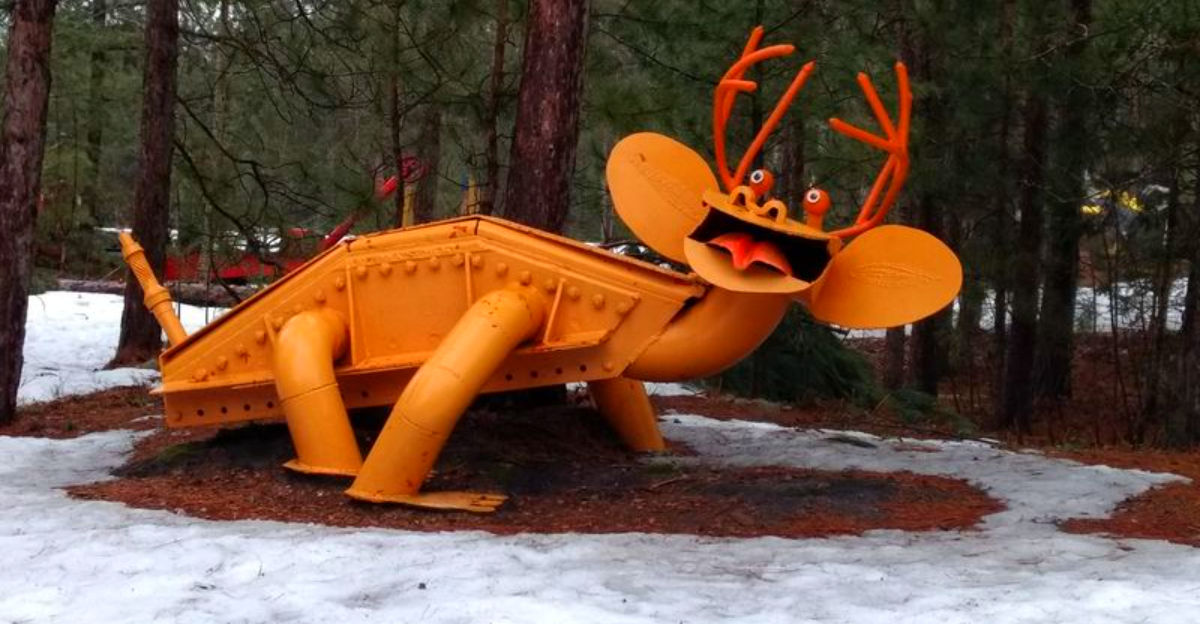
M-28 is a long stretch of asphalt and timber, but a few miles east of the city, the scenery takes a sharp, metallic turn into the surreal.
This isn’t a manicured gallery with “do not touch” signs; it’s a sprawling, 24-hour woods-bound rebellion where scrap metal is resurrected as massive, weathered art.
Wandering through the fresh May thaw, I found the air crisp and the trails open, revealing over a hundred sculptures that range from playful mechanical beasts to biting social commentary.
This massive, free roadside sculpture park in Michigan features over 100 scrap metal masterpieces and winding wooded trails.
There’s something deeply satisfying about seeing “art with weather on it,” standing tall against the pines and rusted by the lake effect. It’s gritty, it’s free, and it possesses a rugged character that a polished museum could never replicate, a place where the rust tells as much of a story as the steel itself.
Go In May For The Park At Its Most Readable
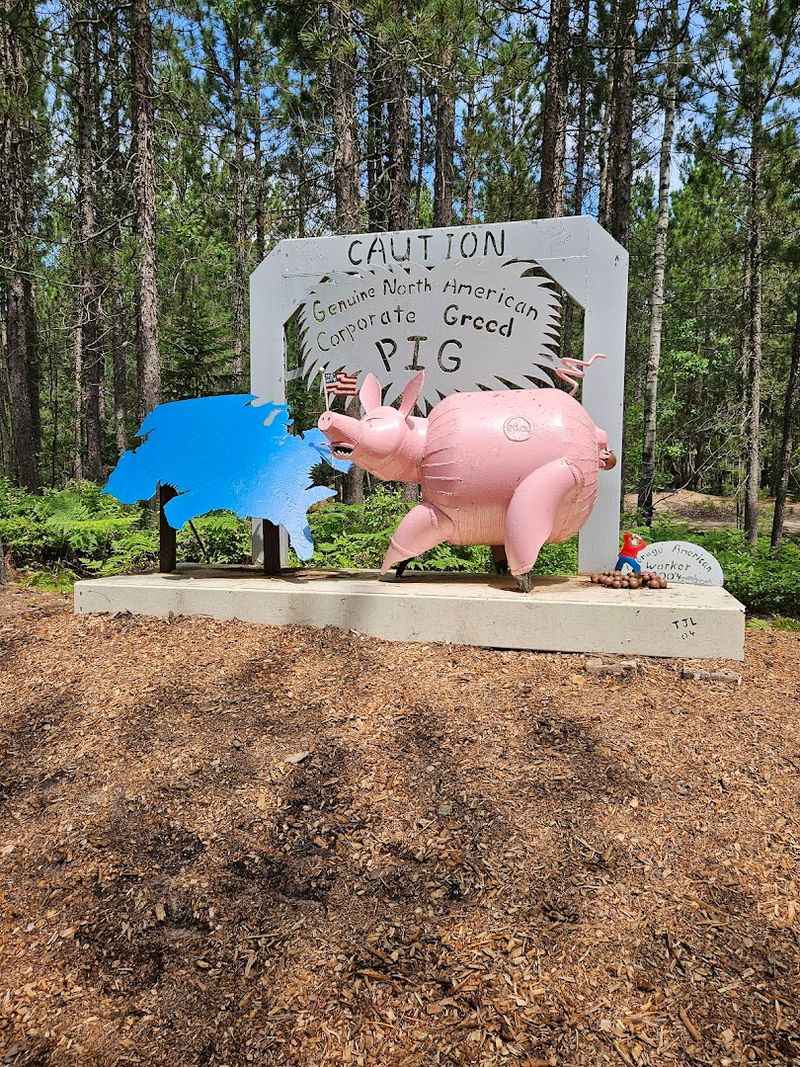
May suits Lakenenland unusually well. The woods are waking up, the ground is softening, and the sculptures stand out before summer greenery gets too busy around them. Cool air makes walking pleasant, and the whole place feels newly rinsed after a long Upper Peninsula winter.
Because the park is open 24 hours, you can choose a calm morning or a long northern evening. In spring, that flexibility matters because weather can shift quickly near Lake Superior. A light jacket and waterproof shoes make the visit easier.
I found May especially good for noticing how metal, mud, pine, and painted surfaces all belong together here. It feels less like a formal museum visit and more like discovering a very local language.
Finding The Place
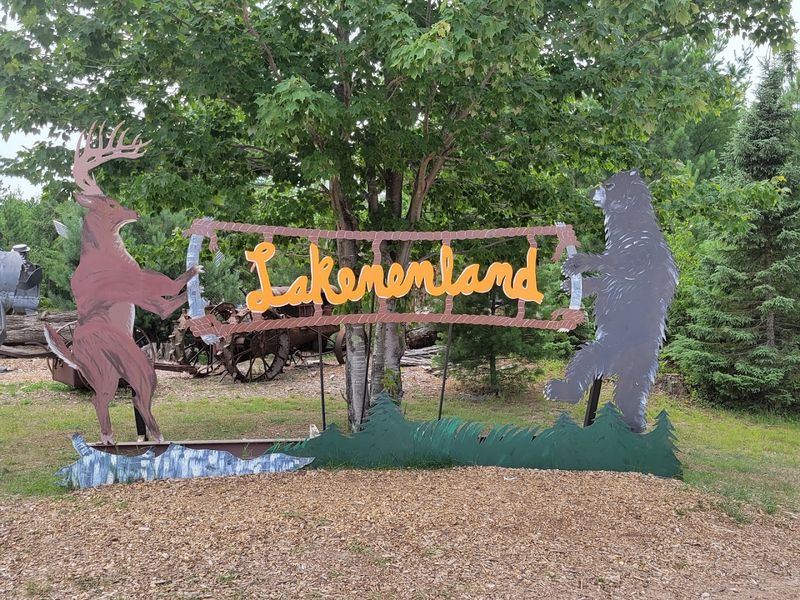
Navigating to Lakenenland at 2800 M-28 East, Marquette, Michigan requires a straight shot along the Lake Superior coastline, east of the city’s main hub. The drive is a rhythmic stretch of northern highway, where the pavement cuts through a dense wilderness of pine and birch, occasionally offering sweeping views of the turquoise water through the timber.
The scenery is characterized by the vast, rugged emptiness of the Upper Peninsula’s shoreline, where the miles are marked more by the density of the forest than by landmarks. Traffic is typically light and steady, allowing for a cruising speed that matches the expansive scale of the coastal landscape as you push further into the rural outskirts of Marquette County.
You’ll know you’ve arrived when the natural tree line is suddenly interrupted by a sprawling collection of massive, whimsical iron silhouettes rising from the snow or grass.
Expect Humor First, Then Something More Serious
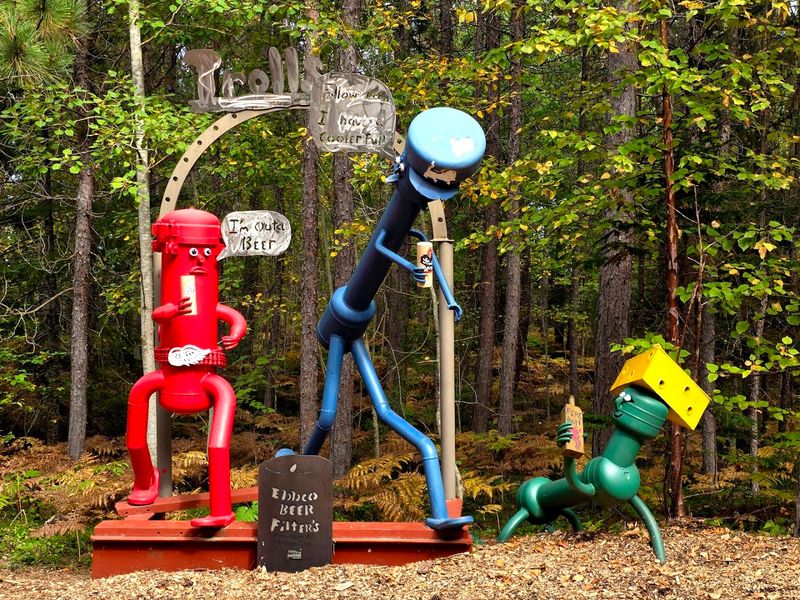
The first thing many people notice is the humor. There are whimsical creatures, oddball figures, bright colors, and the kind of visual punchline that makes you stop mid-step. Lakenenland knows how to catch your eye before it asks anything deeper of you.
Then the mood shifts. Tom Lakenen’s work also includes memorials, labor themes, Upper Peninsula history, and pointed social commentary, all built from the same scrap-metal vocabulary. That contrast is what gives the park its staying power.
You do not need to agree with every message to appreciate the candor. What matters is that the sculptures are clearly made by someone with convictions, technical skill, and a strong sense that public art should actually say something.
Pay Attention To The Maker Behind The Metal
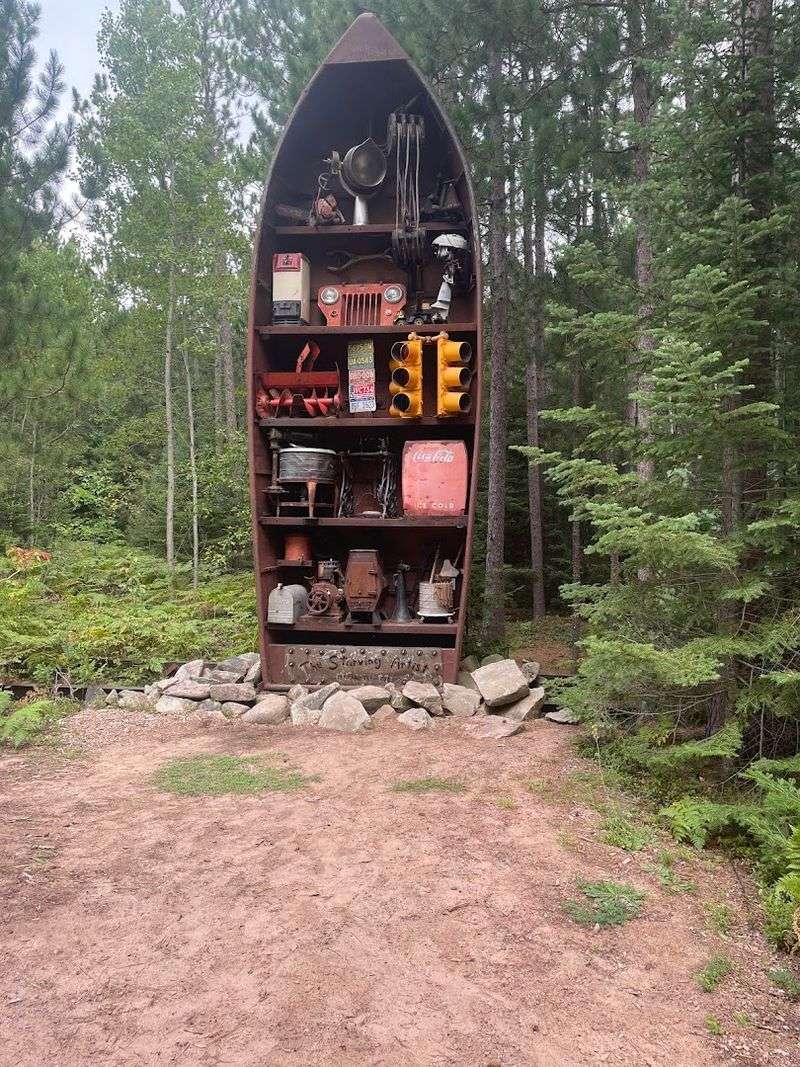
Lakenenland makes more sense when you know a little about Tom Lakenen. He was a local welder and boilermaker who began making sculptures from scrap as a personal creative outlet, then expanded the work until it outgrew a front yard and required its own landscape.
That landscape became this 37-acre park off M-28, east of Marquette, after township disputes over displaying the pieces at home. The backstory matters because it explains the park’s independent spirit. Nothing here feels committee-approved, and that is part of the appeal.
What stays with me is the scale of the gamble. Refinancing a home to create a public art environment is not a branding exercise. It is a deeply local act of stubborn faith.
Look For Upper Peninsula History In The Artwork
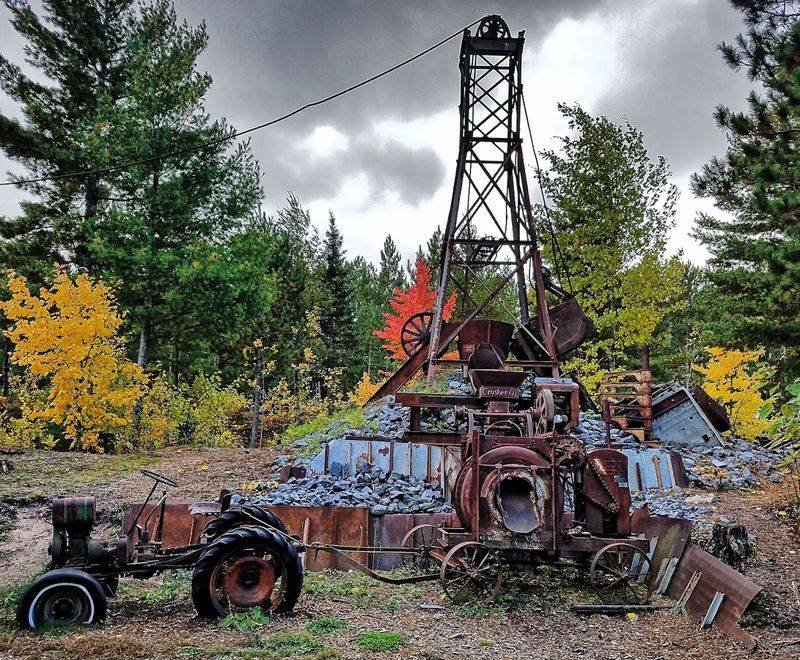
Not every sculpture is purely whimsical. Some of the strongest pieces draw from Upper Peninsula identity, with references to mining, lumber work, regional labor, veterans, and local memory. Those subjects give the park roots, so it never feels like random spectacle dropped in the woods.
The material helps tell that story. Scrap iron and salvaged metal carry their own industrial afterlife, which suits a region shaped by extraction, hard weather, and practical skills. Even the roughness feels historically appropriate rather than unfinished.
If you are visiting from outside the U.P., this is a useful place to slow down and read the landscape differently. The sculptures are eccentric, yes, but they are also one artist’s durable conversation with home.
Use The Bog Walk And Ponds As Part Of The Visit
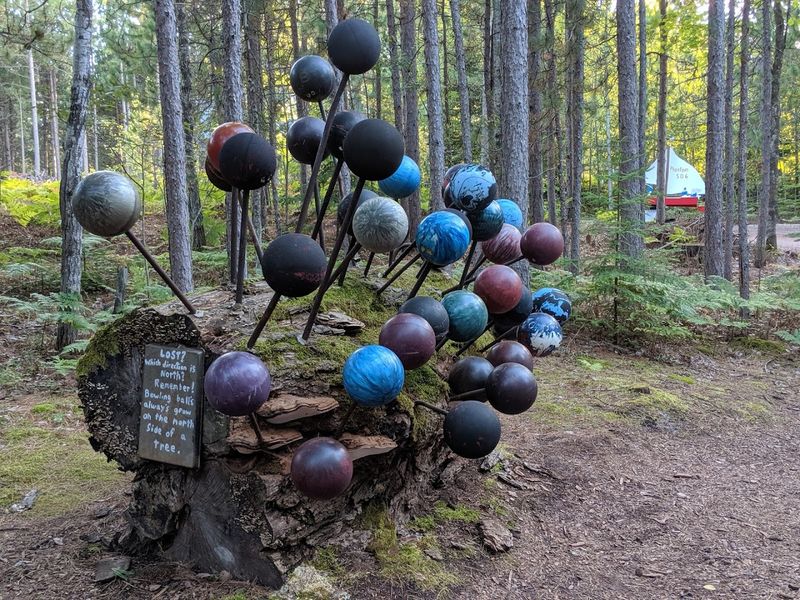
Lakenenland is not only a sculpture loop. The grounds also include a bog walk, ponds, picnic areas, and open spaces that soften the visual intensity of so much metal. That variation gives your eyes somewhere to rest between the bigger, louder pieces.
In warmer months, the boardwalk section adds a nice change in texture underfoot and a reminder that this is a wooded property first, art park second. The sculptures do not erase the setting. They keep negotiating with it.
I liked that balance more than I expected. After several densely packed works, a stretch of water or quiet trail resets your attention, and the next sculpture lands better because the park understands pacing as well as display.
Give Yourself Time To Notice Craftsmanship
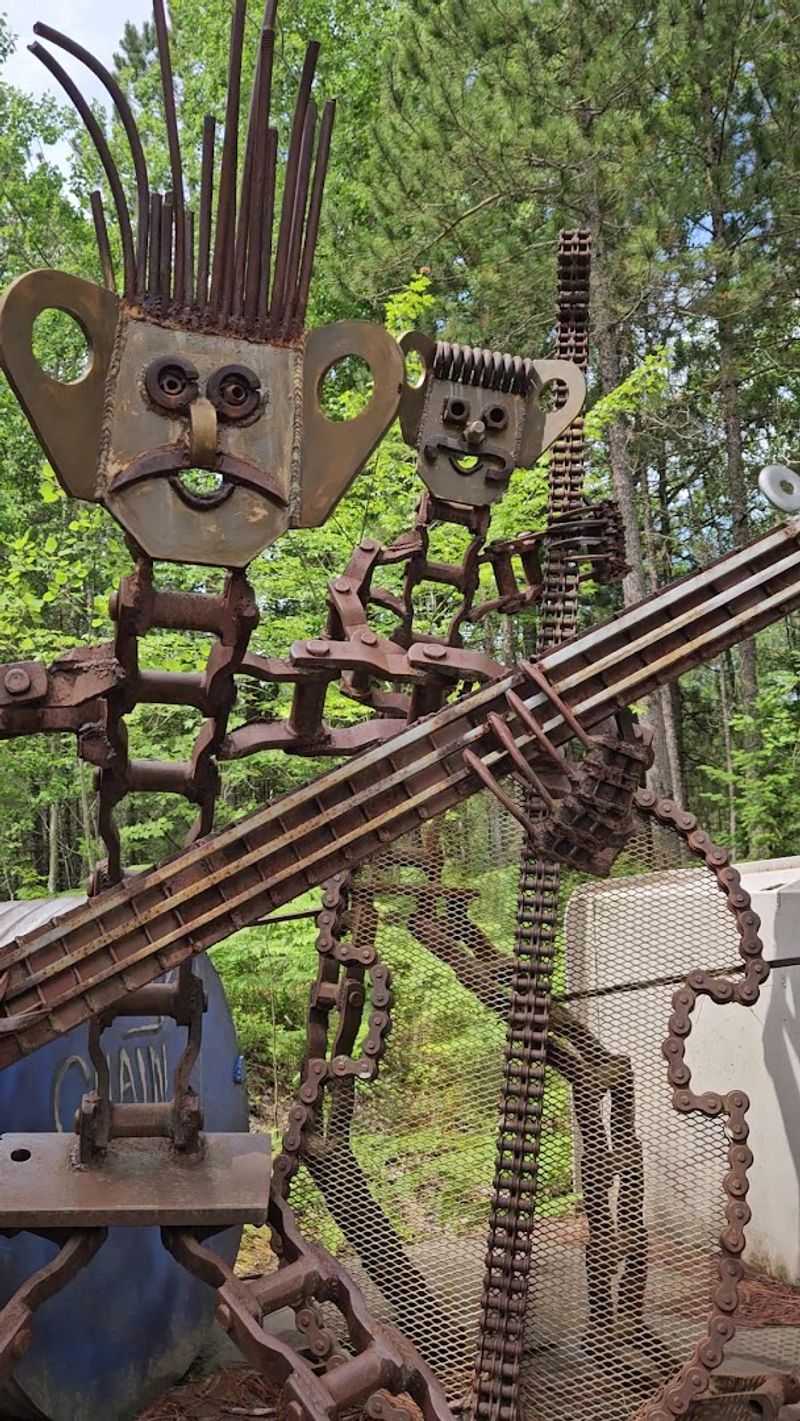
From a distance, some pieces read as pure exuberance. Up close, the workmanship becomes clearer: careful welding, balanced proportions, inventive reuse of parts, and surfaces that are either brightly painted or left to weather in their own metallic tones. The craft is better than the word junk suggests.
That matters because Lakenen himself has embraced the term junkyard art. The phrase sounds casual, but the park shows how much control is required to make scavenged material feel expressive rather than accidental. These sculptures are playful, not careless.
Stand still for a minute at a piece that initially seems goofy. Very often the humor is only the front door, while the engineering, texture, and compositional sense are what keep you there.
Plan For Simple Amenities, Not Polished Tourism
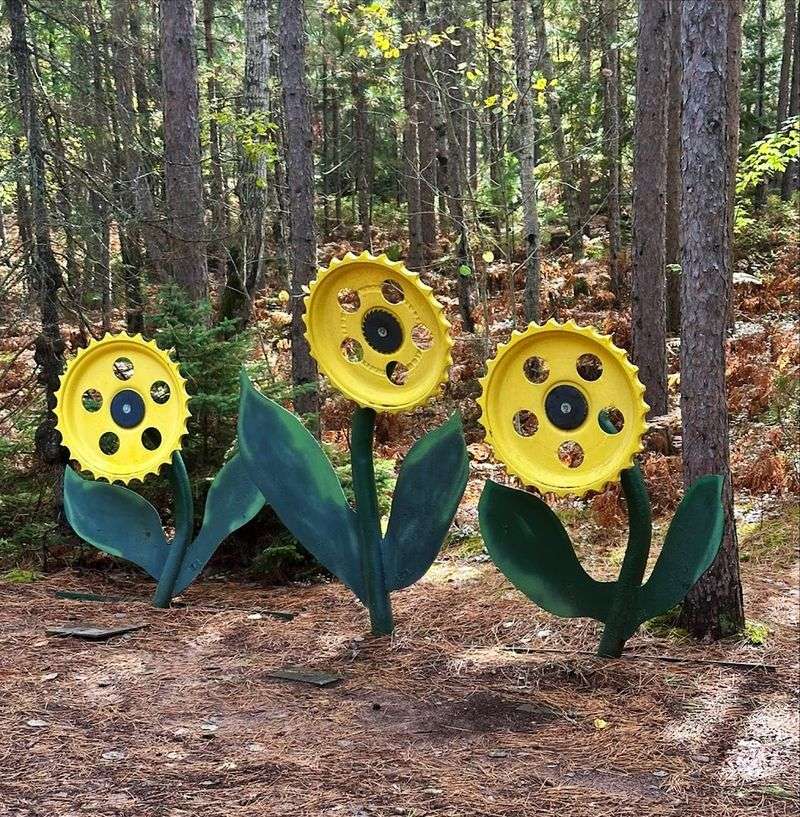
The park is welcoming, but it is not polished in a resort sense, and that is useful to know before you arrive. Amenities are straightforward: parking, picnic tables, pavilion space, portable restrooms, and room for families to spread out without feeling crowded.
There is also space for RVs, and leashed dogs are allowed, which makes the stop unusually flexible on a road trip. The practical setup matches the park’s character. It is generous, informal, and more interested in access than presentation.
Bring what you need for comfort, especially layers and bug protection in warmer weather. What you get in return is a place that feels open-handed rather than overmanaged, where the art remains the point instead of the infrastructure around it.
Treat The Free Admission As An Invitation To Donate
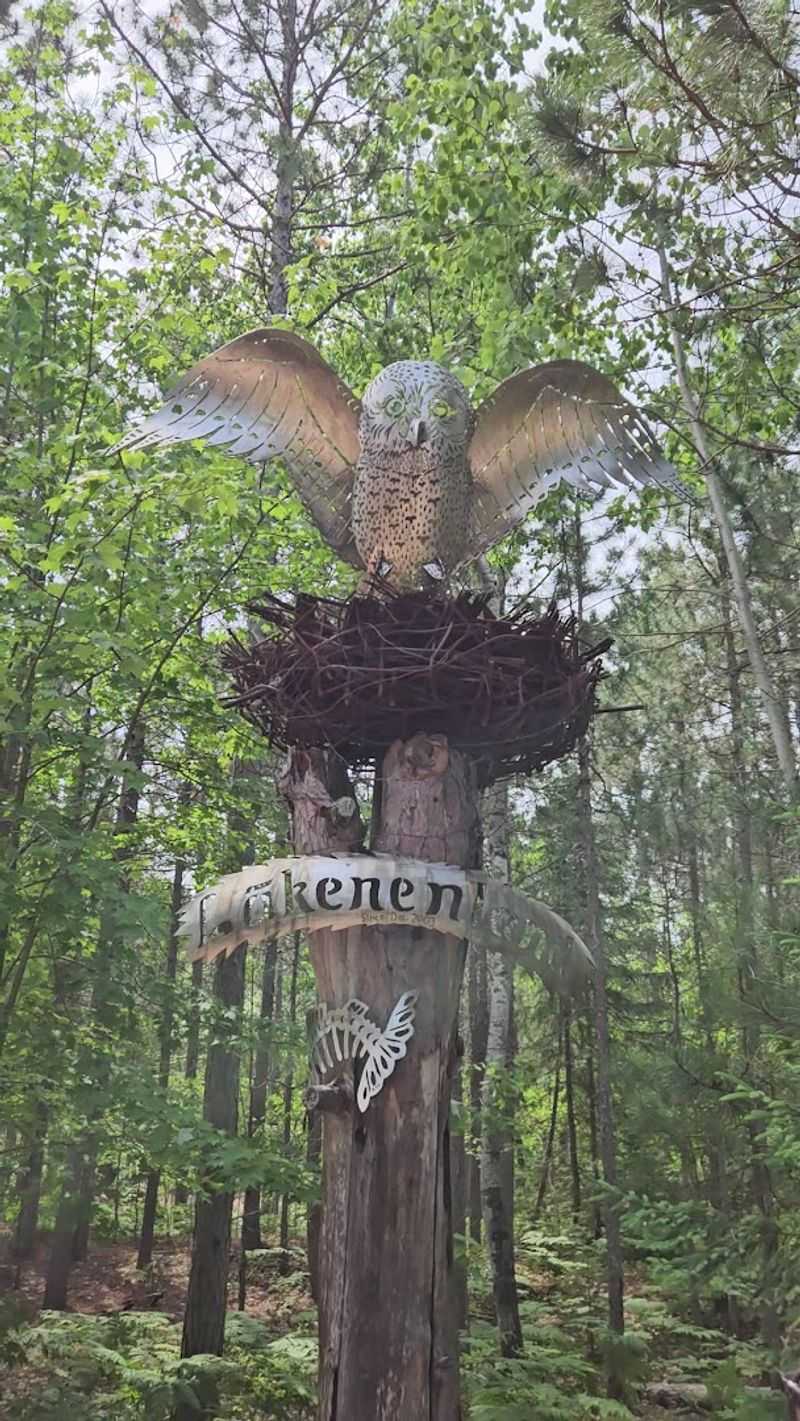
One of the most remarkable facts about Lakenenland is also the easiest to take for granted: admission is free. Open all day, every day, the park asks very little at the gate and offers a huge amount once you are inside. That arrangement depends on visitor respect.
Donation boxes help support maintenance, and they deserve attention. Outdoor sculpture in northern Michigan faces rain, snow, rust, mud, and constant seasonal wear, so keeping paths and works in good shape is not a small task. Free does not mean effortless.
I think this place lands best when approached with a little reciprocity. If a singular public space like this gives you an hour of surprise, a donation feels less like charity and more like good manners.
Consider How The Park Changes With The Seasons
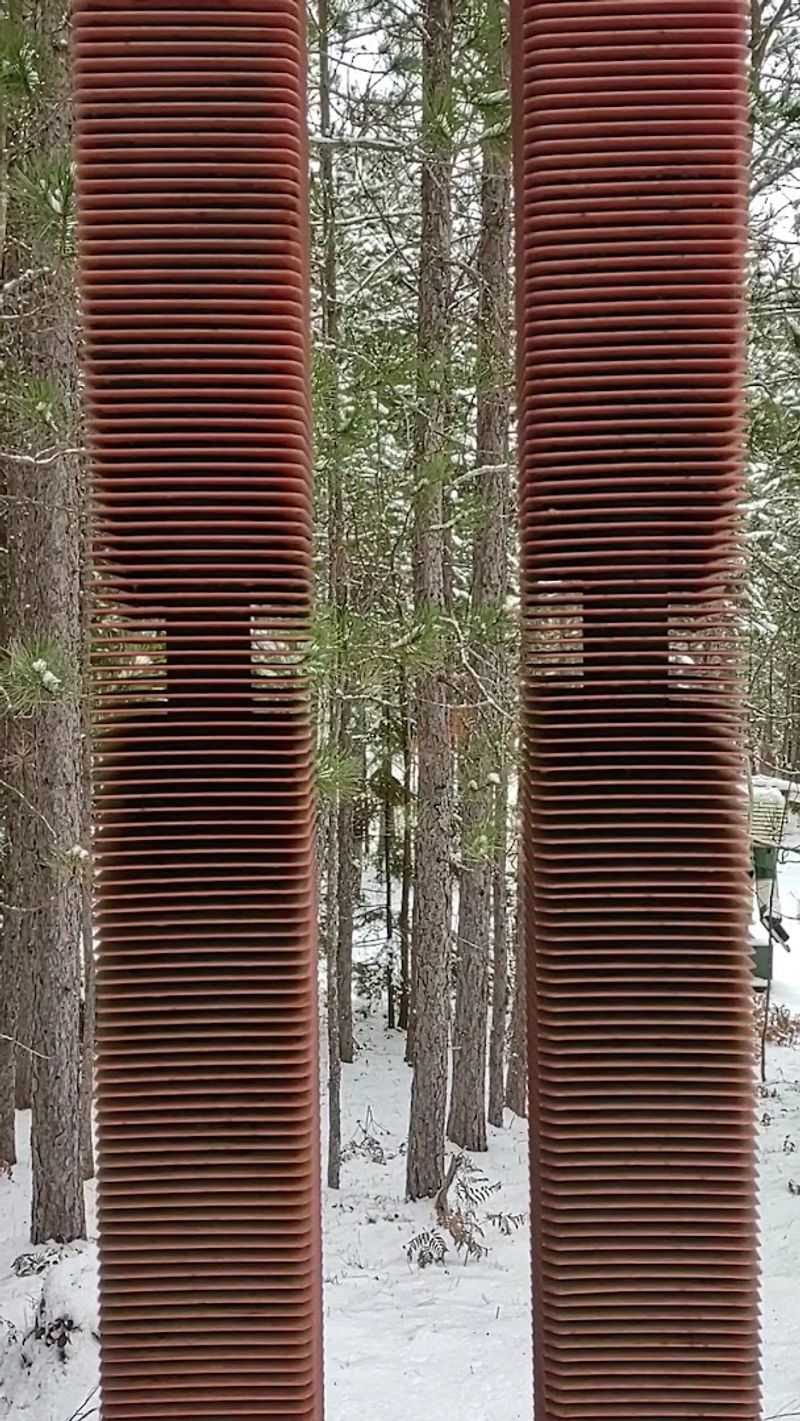
Although May is an excellent time to visit, the park’s year-round schedule is part of its personality. Lakenenland stays open 24 hours a day, 365 days a year, and winter brings a different life to the property, including access from Snowmobile Trail #417 and groomed ski routes.
That seasonal range explains why the place feels built for weather rather than protected from it. Sculptures stand in snow, thaw, wind, and long summer light, which gives them a tougher, more companionable presence than indoor works usually have. They belong to a climate.
In spring, you feel the transition most clearly. The park is still carrying traces of winter while opening back into walking season, and that in-between mood suits scrap metal art surprisingly well.
Let It Be A Destination, Not Just A Quick Stop
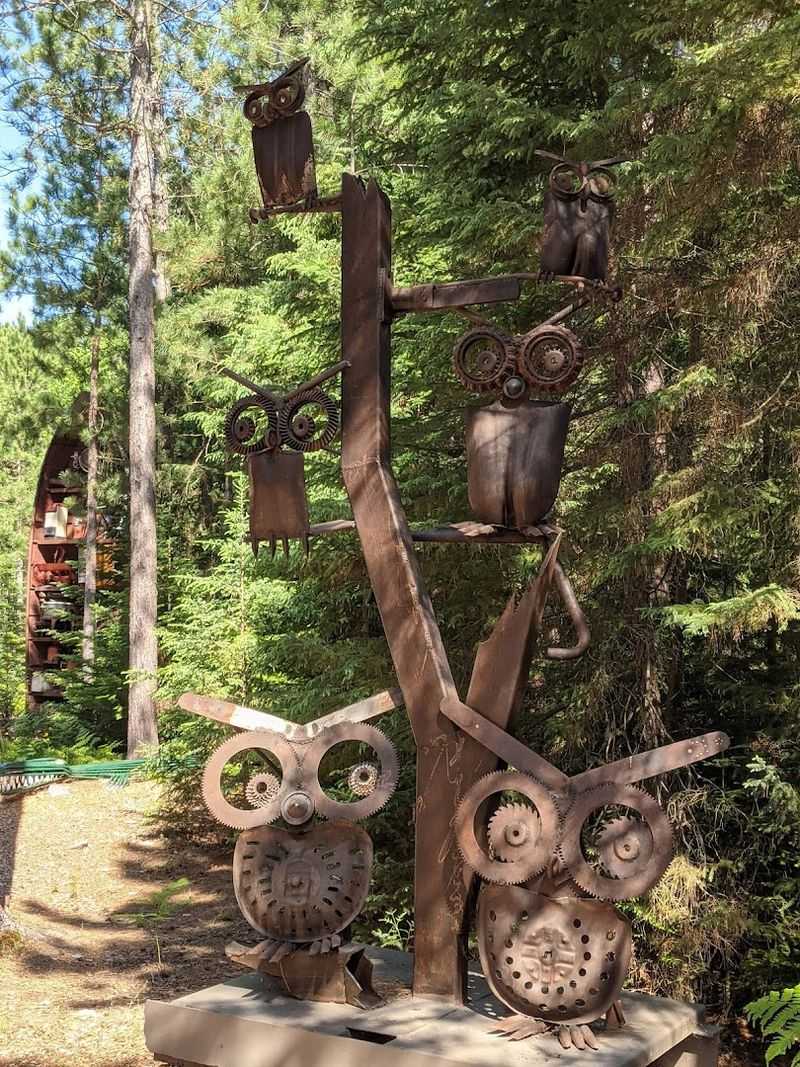
Because Lakenenland sits conveniently off M-28, it is easy to frame it as a roadside break. It can be that, and a good one, but the park rewards more intention than a simple leg stretch. The collection is large enough, and varied enough, to justify being part of the day’s plan.
Set aside at least forty-five minutes if you want the experience to unfold naturally. More than 100 sculptures spread across roughly 37 acres, and the park includes enough paths and side features that rushing through flattens the effect. Surprise needs a little time.
By the end, what lingers is not just novelty. It is the sense that one person’s welded imagination has become a genuine public place, deeply rooted in Marquette County and generously open to anyone curious enough to enter.