
This Michigan Town With Fewer Than 150 Residents Sits Where A 2,000-Mile Highway Finally Ends
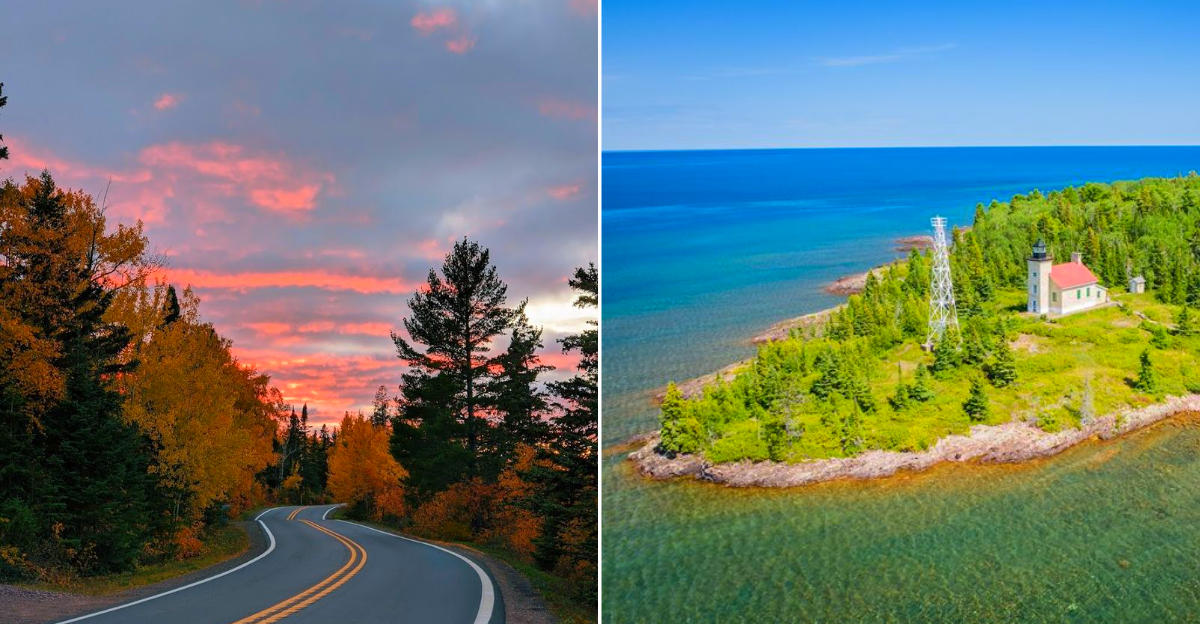
Driving to the very tip of the Keweenaw Peninsula feels like a slow-motion escape from the modern world, ending where Lake Superior’s massive, bruised horizon finally swallows the pavement.
I stood where the road simply gives up, surrounded by ancient shorelines and old-growth timber that makes “remote” feel like an understatement.
The air is different here, sharper, cleaner, and thick with the ghosts of copper mining and maritime grit. It’s a beautifully isolated sanctuary where the dark skies are vast and the silence is so profound it actually has a pulse.
You don’t just visit this town; you arrive at it, finally reaching a rugged, unpolished landscape that rewards the patient traveler.
Ditch the highway and head north to find the edge of the world, where Michigan finally surrenders to the wild waves of Lake Superior. I’ve mapped out the secret overlooks and the quietest stretches of shore to help you navigate this end-of-the-world gem.
Stand At The Real End Of US 41
There is something oddly moving about reaching the end of US Highway 41 after knowing it began in Miami. In Copper Harbor, that finish is not grand or theatrical, just a wooden marker near Fort Wilkins and a sudden sense that the country has narrowed to forest, rock, and water.
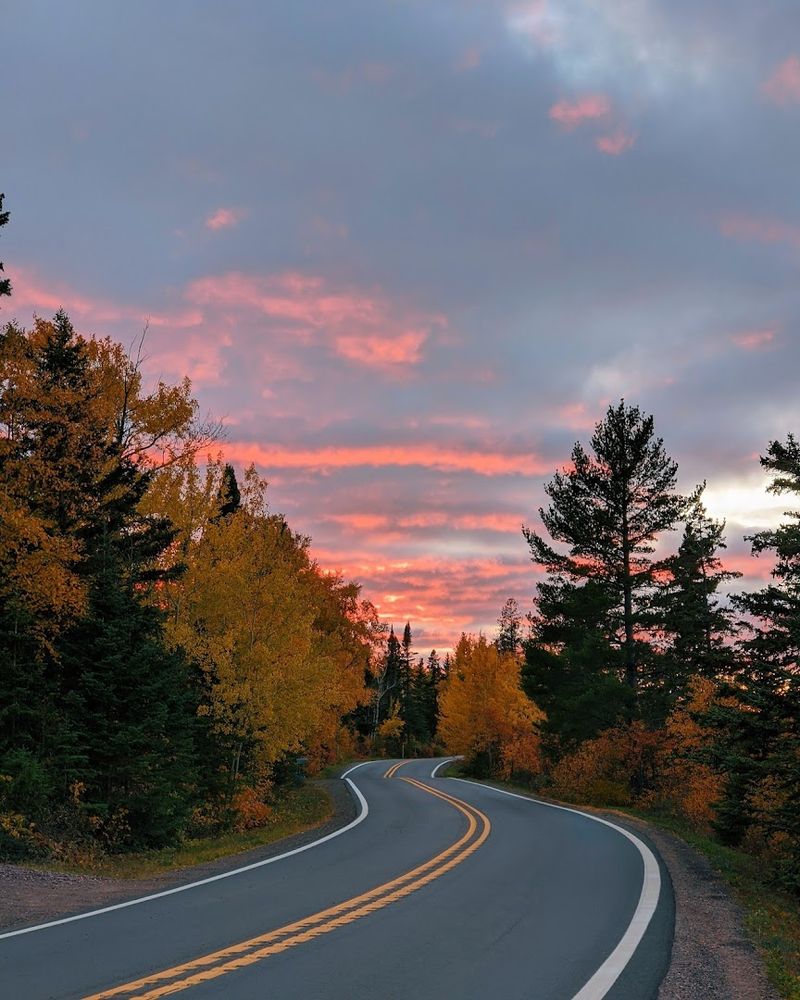
The final approach along the Copper Country Trail National Byway makes the arrival feel earned. If you go, treat the sign as more than a photo stop. Pause for a minute and notice how still everything feels compared with the length of the route behind you.
I found that the road’s ending changes the pace of the whole visit, nudging you to stop measuring distance and start paying attention to place instead.
Reaching It
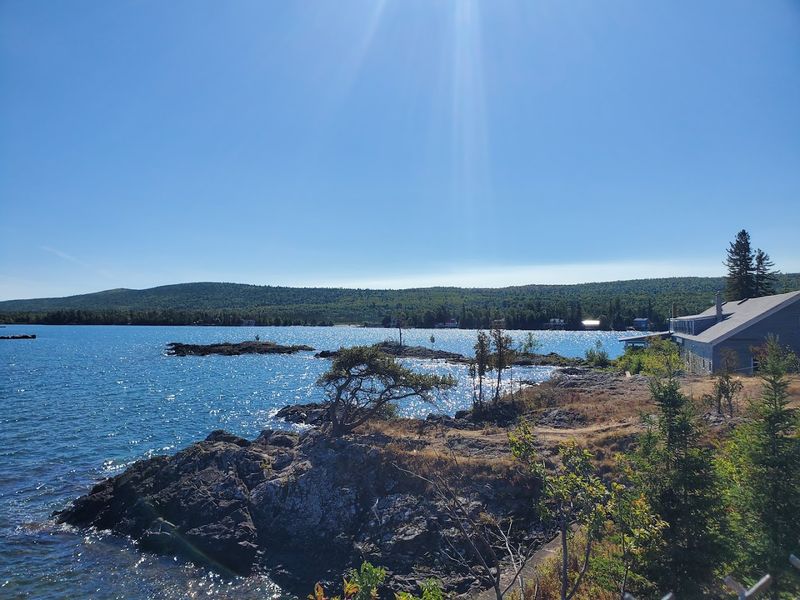
The journey to Copper Harbor, Michigan at the absolute terminus of US-41 involves a long, winding trek through the most remote stretch of the Keweenaw Peninsula. The drive is defined by the “Tunnel of Trees,” where the road narrows and the canopy of ancient pines and maples knits together overhead, plunging the pavement into a deep, shifting green shade.
As you push toward the tip of the peninsula, the rugged terrain of the Copper Country ridge becomes increasingly dramatic.
The atmosphere shifts from the industrial echoes of the lower Keweenaw to a silent, windswept wilderness where the elevation rises to offer sudden, breathtaking vistas of Lake Superior’s vast, cold horizon.
Drive Brockway Mountain For The Big Picture
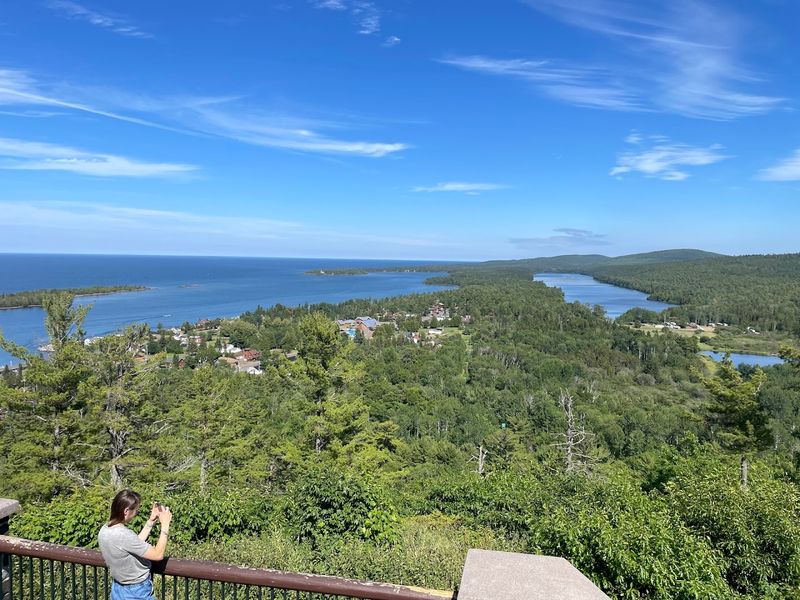
Brockway Mountain Drive gives Copper Harbor the kind of overlook that turns orientation into awe. Rising about 720 feet above Lake Superior, it opens broad views over the harbor, forest, and the enormous blue plane of water that makes the village feel both sheltered and exposed.
On a clear day, people sometimes glimpse Isle Royale far off on the horizon. The road is seasonal, so check conditions before you go, especially outside the warmer months.
Spring brings migrating raptors, autumn brings famously rich color, and summer offers those long northern evenings when the light seems unwilling to leave. If you only do one scenic drive here, make it this one and give yourself enough time to stop more than once.
Give Fort Wilkins More Time Than You Think
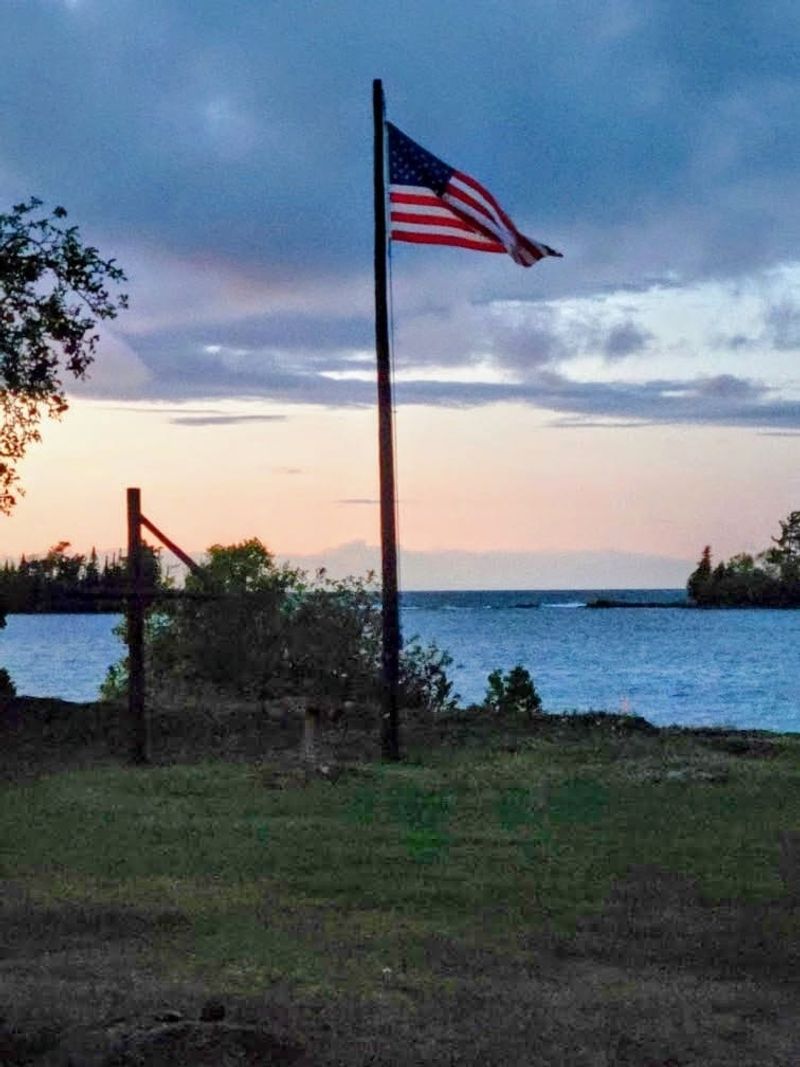
Fort Wilkins Historic State Park could easily become a quick checkbox, but it deserves a slower visit. Built in 1844 as an army outpost during the copper boom, it preserves a remote frontier chapter that makes Copper Harbor feel less like an outlier and more like a place people once tried very hard to anchor.
Nineteen restored buildings, including original structures, give that story real physical weight. In summer, historical interpretation helps the site feel inhabited rather than merely preserved.
Even without programming, the layout itself tells you plenty about logistics, isolation, and military routine at the edge of a demanding landscape. I liked visiting before or after the road’s end marker, because the fort turns a symbolic finish into a much longer historical arc.
See The Lighthouse From The Water, Not The Road
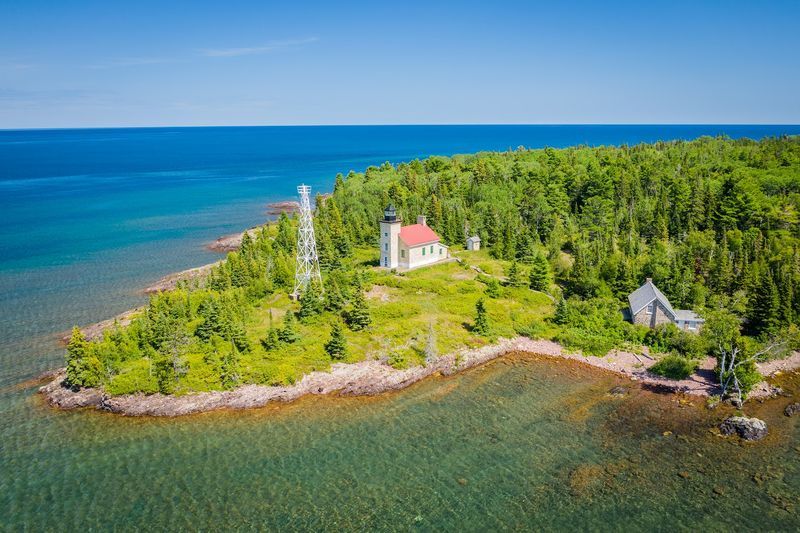
The Copper Harbor Lighthouse has the stern, practical beauty Lake Superior lighthouses tend to wear well. The current structure dates to 1866, replacing an earlier 1848 light, and it stands on Hays Point where vessels once needed reliable guidance into a harbor busy with copper traffic.
Because the access road is not open to the public, the best view is by boat. That turns out to be a gift rather than a limitation. Seeing the lighthouse from the water makes its purpose obvious in a way a parking lot never could, and the harbor suddenly reads as working geography instead of scenery.
If lighthouse history interests you even a little, this is one of the most satisfying perspective shifts in town.
Take The Trails Seriously, Even If You Are Casual
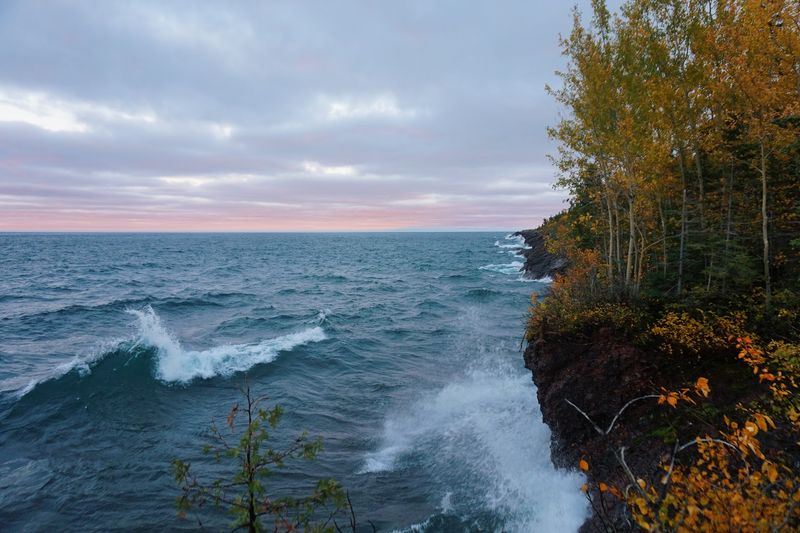
Copper Harbor’s trail reputation is not inflated. The area is internationally recognized by mountain bikers, with more than 37 miles of singletrack, but the larger point is that the village is built for people who like to engage with terrain rather than merely admire it.
Forest, elevation, and shoreline all combine to make movement here feel textured and varied. If biking is not your thing, you still benefit from the same geography through hiking, paddling, and other outdoor routes nearby.
The practical tip is to choose honestly for your skill level, because some terrain is genuinely rugged. What I appreciated most was that adventure here does not feel staged. It feels like the land set the terms first, and recreation followed.
Walk Quietly Through Estivant Pines
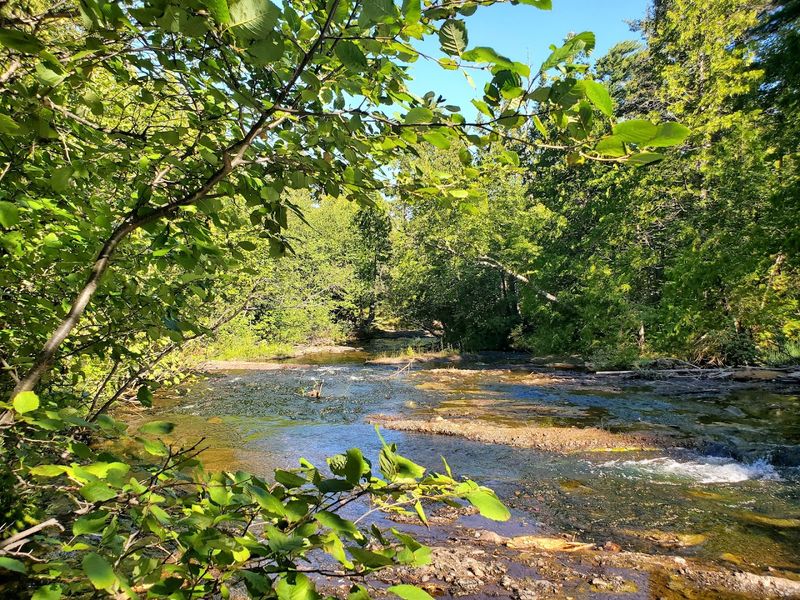
After the exposed rock and wide views around Copper Harbor, Estivant Pines feels like entering a different scale of time. This 570 acre sanctuary protects one of Michigan’s last old growth white pine stands, with trees rising more than 100 feet and some dating back centuries.
The effect is not flashy. It is steadying. The trails are approachable, but the mood asks for a slower pace than many visitors initially bring. Listen for the hush under the canopy, look up often, and read the preserve less as a hike to complete than as a remnant to respect.
One famous pine is estimated to have germinated around 1695, which has a useful way of shrinking your schedule into something more reasonable.
Use Copper Harbor As The Doorway To Isle Royale
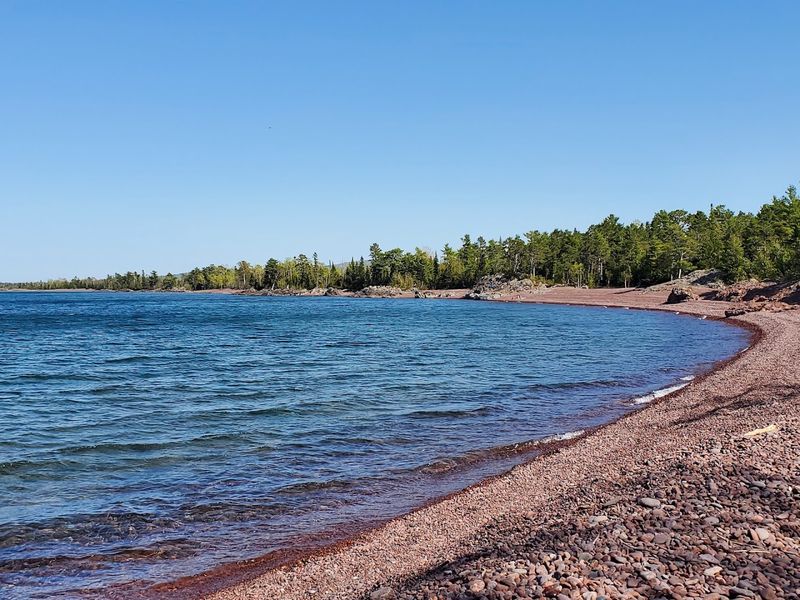
Copper Harbor is not only an endpoint. It is also a threshold, because this is one of the gateways to Isle Royale National Park, about 56 miles offshore in Lake Superior. That dual identity suits the town perfectly. A place can feel final on the road and still invite you farther into wilderness by water.
Even if you are not boarding the ferry, the harbor gains meaning once you know what departs from it. If you are heading to Isle Royale, plan carefully and confirm schedules, because lake travel rewards preparation more than spontaneity.
I like how the connection enlarges Copper Harbor without making it busier in spirit. It remains compact and quiet, yet linked to one of the most remote national parks in the country.
Stay up late for the dark sky
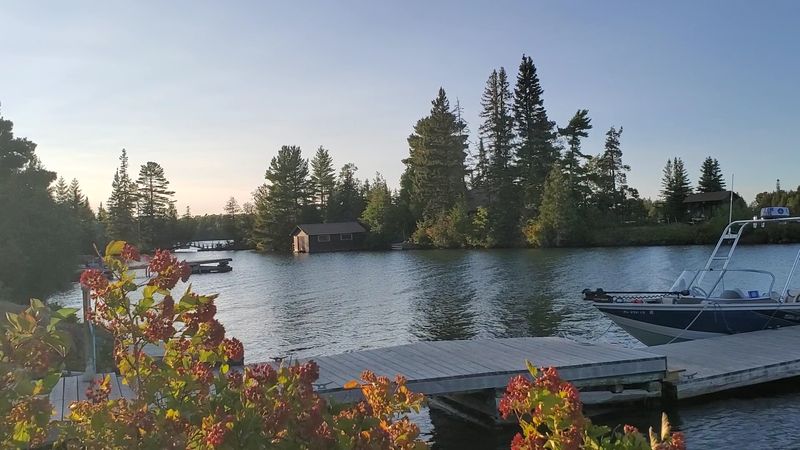
Night changes Copper Harbor in a way daytime cannot preview. With very little light pollution, the sky becomes one of the village’s most memorable features, especially around areas associated with dark sky viewing near Keweenaw Mountain Lodge.
On a clear night, the Milky Way reads less like an abstract phrase and more like an obvious band of structure overhead. Aurora sightings are never guaranteed, so treat them as luck, not itinerary.
The real reward is the depth of darkness itself, which feels increasingly rare if you live anywhere brighter than a small rural town. Bring layers, give your eyes time to adjust, and resist the urge to keep checking your phone. The best part is how quickly the sky restores your sense of scale.
Explore The Rocky Shoreline With Patience
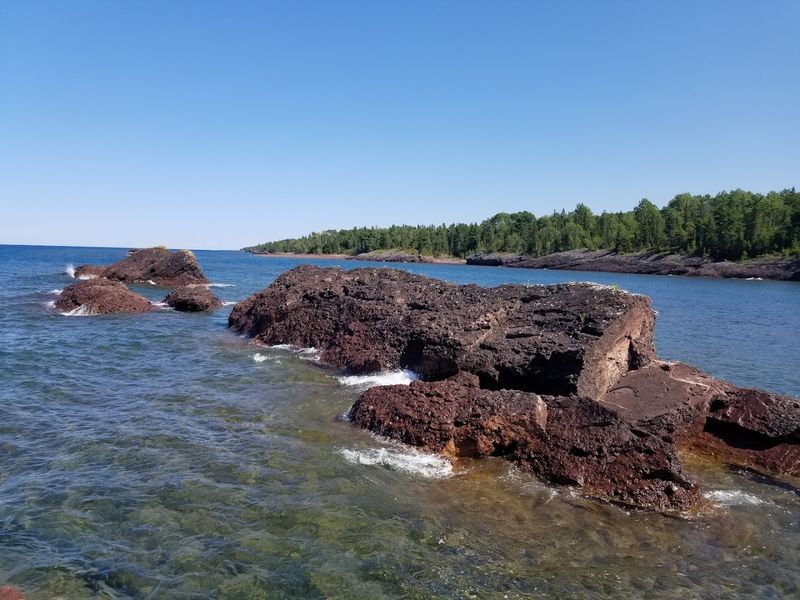
The shoreline west of Copper Harbor along M-26 invites a kind of wandering that is part scavenger hunt, part geology lesson.
Roadside pull offs and rocky beaches make access easy, but the appeal is not convenience so much as texture: conglomerate formations, black volcanic stone, wave polished surfaces, and the possibility of spotting agates or other interesting fragments among them.
Devil’s Washtub gets attention, but even ordinary stretches of shore can hold your focus for longer than expected. This is a good place to trade speed for curiosity and let the lake set the rhythm. I would not promise a great mineral find, though that hope is part of the fun. What feels guaranteed is a sharper appreciation for how muscular and intricate Lake Superior’s edge can be.
Match Your Visit To The Season, Not A Postcard
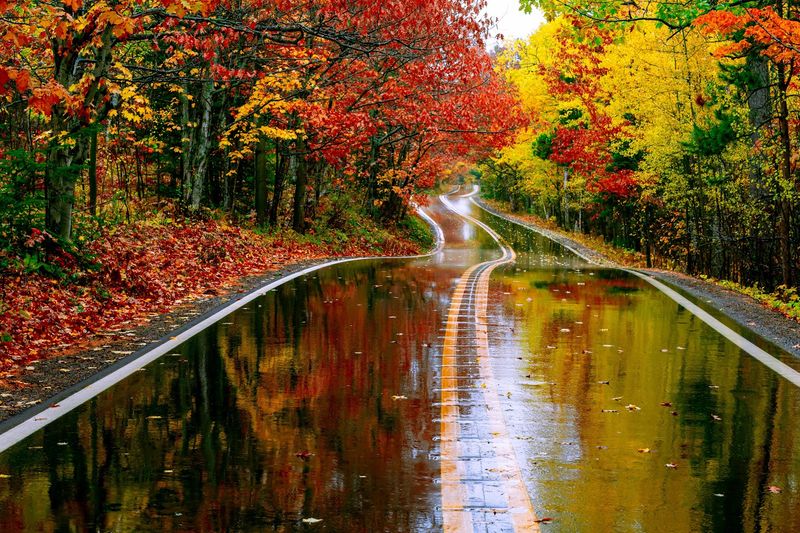
Copper Harbor changes so much by season that timing your visit is less about weather preference than about choosing a personality.
Summer brings fuller trail access, ferry activity, and long usable daylight. Fall sharpens the ridges and forests into one of the Upper Peninsula’s most rewarding color displays, especially from Brockway Mountain.
Winter is not an afterthought here, with snowmobiling, cross country skiing, snowshoeing, and a quieter version of the same rugged setting. Spring is subtler but worth noticing for migrating birds and the sense of a place waking carefully after deep cold.
If you expect one fixed Copper Harbor, you may miss what is best about it. The village works more like a set of honest seasonal moods than a single curated scene.