
You Haven’t Explored Washington Until You’ve Hiked This Scenic Trail With Million-Dollar Views
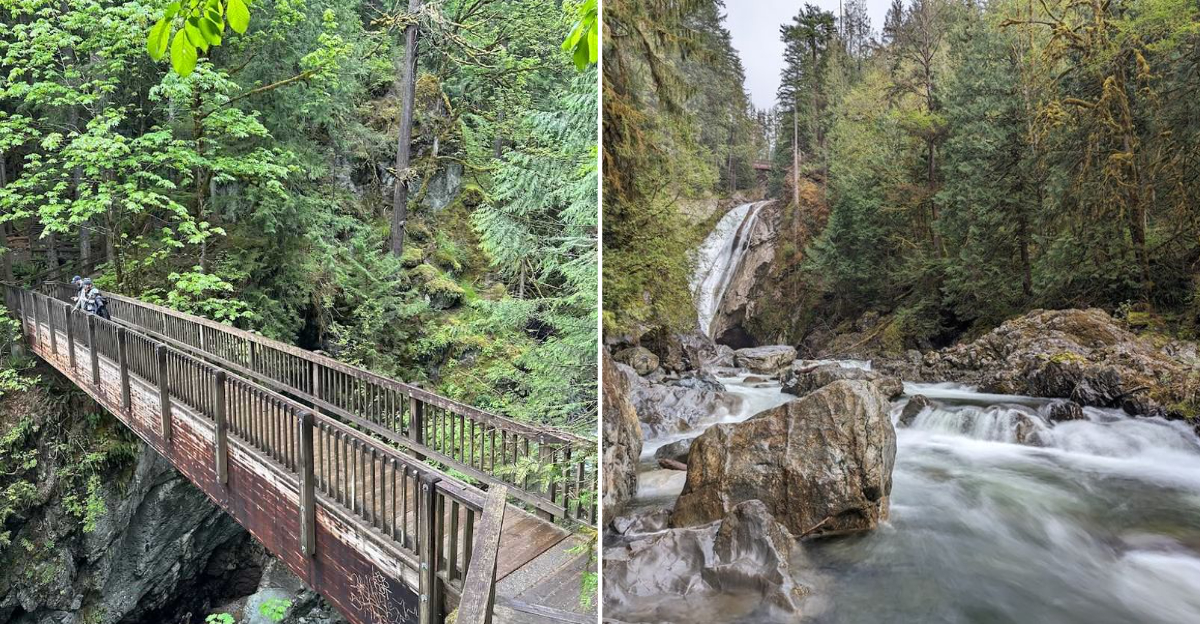
Nature has a funny way of reminding us how small we are, especially when standing at the base of a roaring, multi-tiered waterfall.
Taking on this particular route in Washington is a rite of passage for anyone seeking the quintessential Pacific Northwest experience without needing to spend an entire day huffing up a steep mountain. The trail winds gently alongside a powerful river, offering constant glimpses of mossy boulders and shimmering pools.
Reaching the final viewpoint provides a breathtaking sight that feels earned yet accessible. It is the perfect spot to lean against a cedar, breathe in the damp, pine-scented air, and realize exactly why the local scenery is held in such high regard by those who love the great outdoors.
This trail delivers scenery that feels almost too good to be real.
Read on to discover everything you need to know before you lace up your boots and head out to one of Washington’s most rewarding outdoor experiences.
The Trail Overview And What To Expect
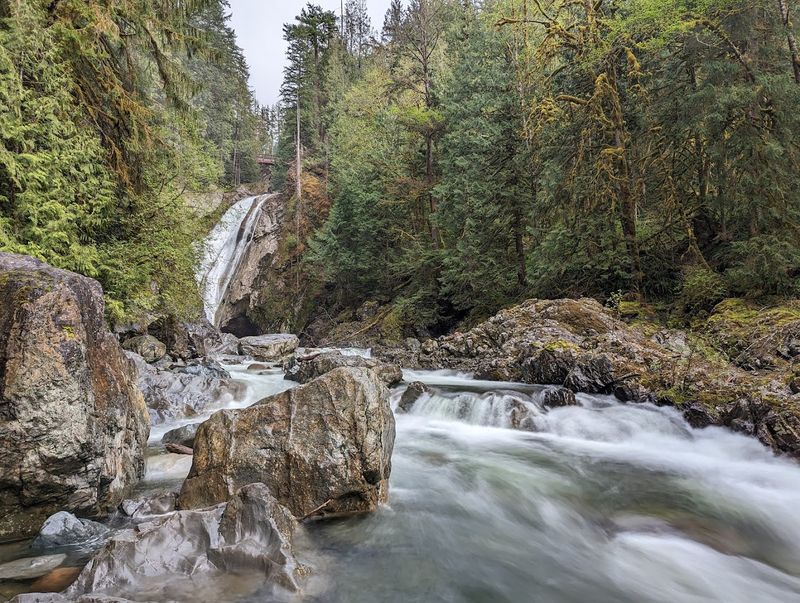
Right from the first step, the Twin Falls Trail makes it clear you are somewhere special. The trail is an out-and-back route that runs between 2.4 and 3.6 miles round trip, depending on how far you choose to explore.
Rated easy to moderate, it works well for families, casual hikers, and anyone looking for a rewarding outing without needing serious gear or experience.
Elevation gain sits around 500 to 700 feet, and the path includes some steep sections, switchbacks, and wooden stairs that keep things interesting. The terrain can get muddy and slippery, especially after rain, so waterproof hiking boots are a smart choice.
Trekking poles also help on the steeper climbs. The trailhead sits just off I-90 near North Bend, making it one of the most accessible hikes in the entire region.
A Washington Discover Pass is required for parking, costing around $10 to $11.50 for a day pass or $35 to $45 for an annual pass. Passes can be purchased at the trailhead pay station or online before your visit.
The Lush Forest Setting Along The Way
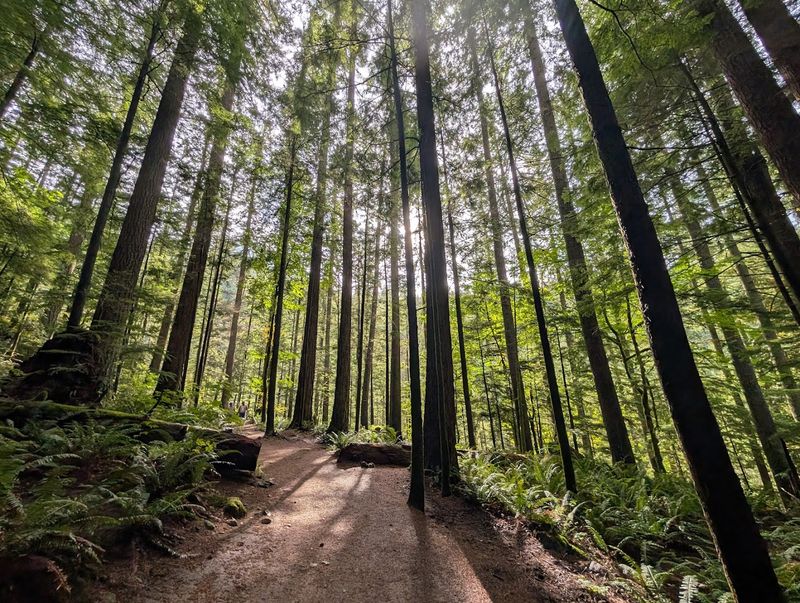
Walking through this trail feels like stepping into a nature documentary. The forest surrounding the path is dense, green, and dripping with life, featuring moss-covered old-growth trees, towering firs, and a thick carpet of ferns stretching in every direction.
On overcast Pacific Northwest days, the muted light filters through the canopy in a way that makes everything look almost glowing.
The trail winds through second-growth and old-growth sections, each with its own personality. Roots weave across the path, and the air carries that clean, earthy scent that only a real old-growth forest can produce.
Birdsong fills the gaps between the sound of rushing water nearby, making the whole experience feel incredibly immersive. Even on a slow, relaxed pace, the forest alone is worth the trip.
Photographers will find endless compositions around every corner, from close-up shots of dripping moss to wide angles capturing the towering tree canopy above. The forest setting is one of the biggest reasons this trail consistently earns rave reviews from hikers of all experience levels.
The Star Of The Show: Twin Falls Waterfalls
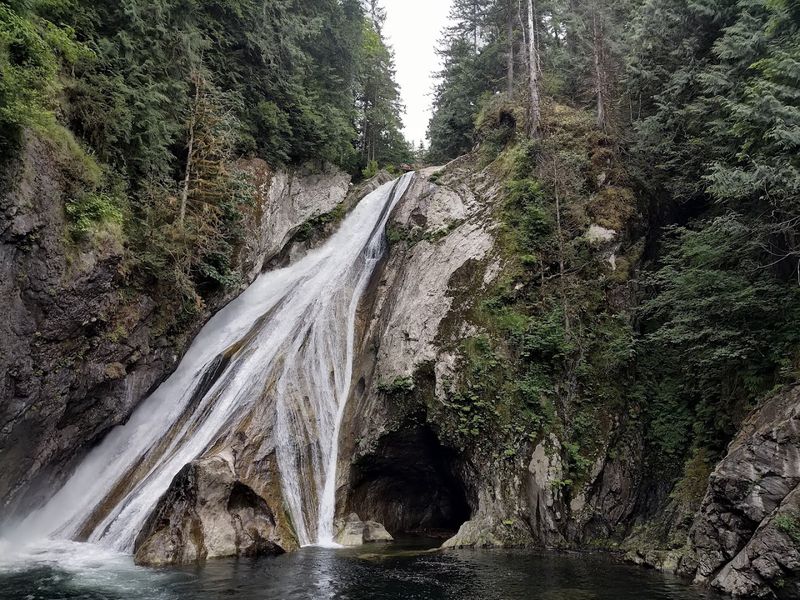
Few things in the Pacific Northwest match the raw energy of standing near the Lower Twin Falls, where water drops a thundering 135 feet into the rocky gorge below. The sheer force of it sends a fine mist into the air, and on sunny days, that mist catches the light in a way that makes you stop and just stare.
This is the moment most hikers come for, and it never disappoints. The trail also reveals views of the Middle Twin Falls from various points along the route.
Each waterfall has its own character, from the dramatic plunge of the lower falls to the more layered, cascading flow of the middle section. Spring and winter bring the highest water volume, making those seasons the most visually spectacular times to visit.
The South Fork Snoqualmie River feeds all of these falls, and along the trail you will catch glimpses of its turquoise-tinted waters moving through rocky channels below. Rocky beach areas and small swimming holes along the river add extra appeal for those who want to linger after reaching the falls.
The Iconic 60-Foot Footbridge Experience
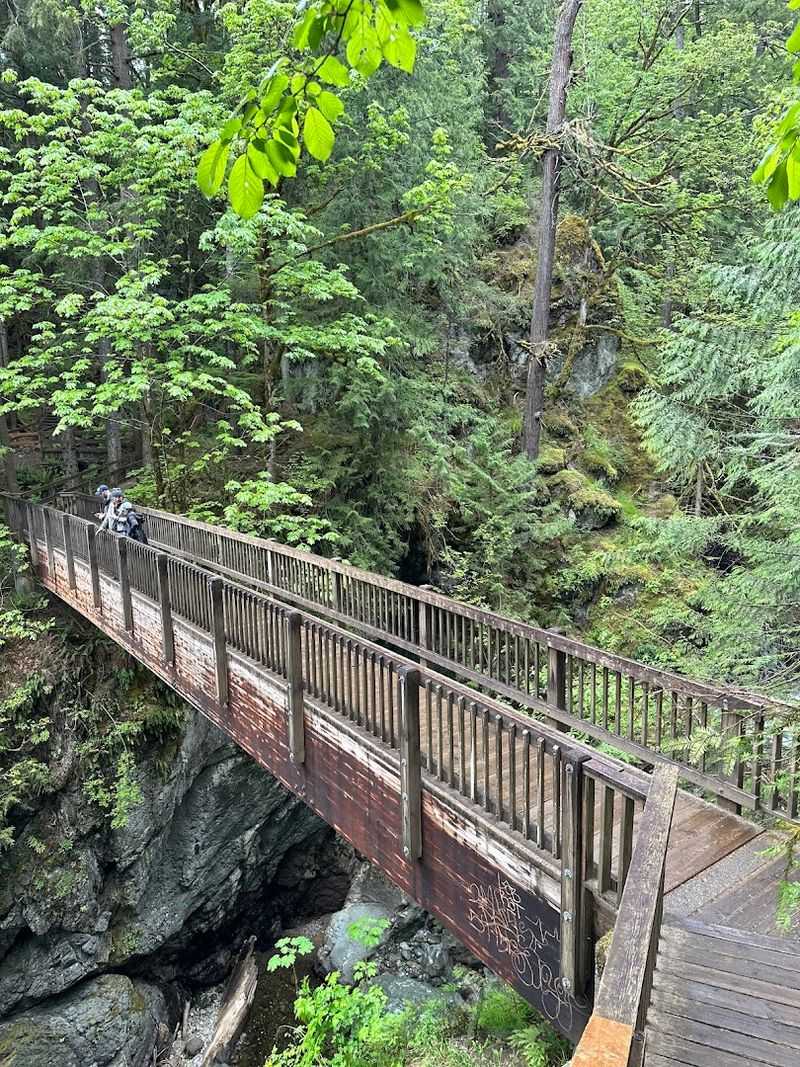
There is one moment on this trail that earns a collective gasp from almost every hiker who reaches it: the 60-foot-high footbridge spanning the South Fork Snoqualmie River.
Standing on that bridge, looking straight down at the turquoise water churning through the narrow gorge below, is the kind of experience that stays with you long after you have driven home. It is a genuine highlight and one of the most photographed spots on any trail in western Washington.
The bridge offers a direct overhead view of the Middle Twin Falls, giving hikers a perspective they simply cannot get from the riverbank. The combination of the rushing water, the deep green forest walls on either side, and the height of the bridge creates a scene that feels cinematic.
Most people stop here for several minutes, snapping photos and soaking it all in.
If you have even a mild fear of heights, the bridge might get your heart rate going a little. But crossing it is absolutely worth it, and the views from the other side open up new angles of the falls and the river canyon below.
The Ancient Fir Tree That Puts Time In Perspective
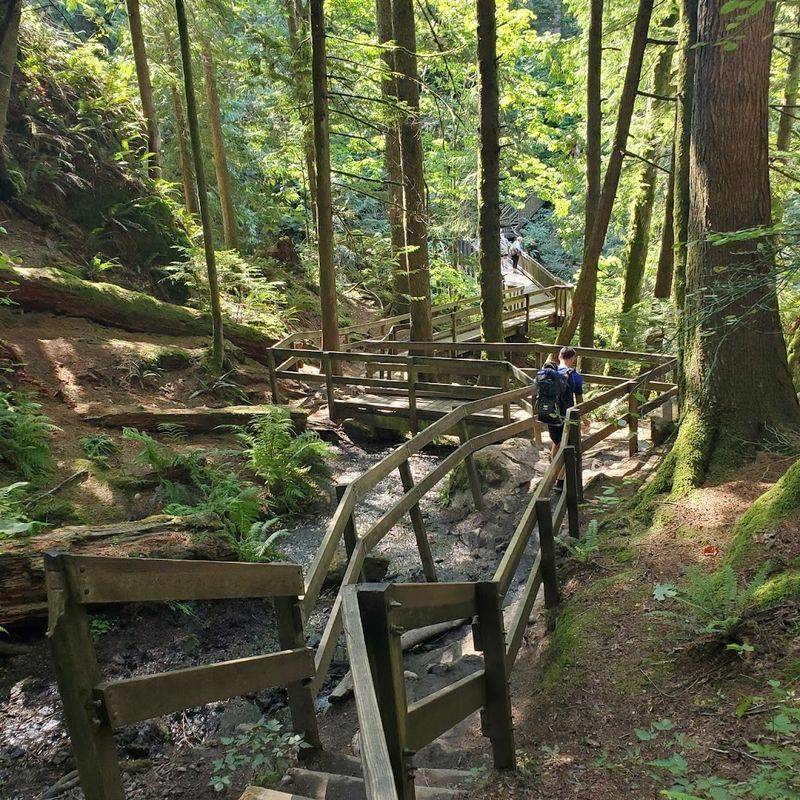
Somewhere along the trail, you will come across a tree that makes you feel genuinely small in the best possible way. A protected old-growth fir, estimated to be between 400 and 700 years old, stands beside the path behind a low fence.
Its circumference stretches over 32 feet, and looking up at its canopy feels like craning your neck at a skyscraper.
To put that age in context, this tree was already a mature giant before European explorers ever set foot in the Pacific Northwest. It has outlasted empires, survived centuries of storms, and watched the surrounding forest change dramatically around it.
Standing next to it, even briefly, gives the hike a layer of meaning that goes well beyond the waterfalls.
Kids tend to love this stop, and it works as a natural lesson about forest ecology and the importance of protecting old-growth trees. The fence keeps visitors from compacting the soil around the roots, which helps preserve the tree for future generations.
Do not rush past it. Take a moment and let the scale of it actually sink in.
Best Times To Visit And How To Beat The Crowds
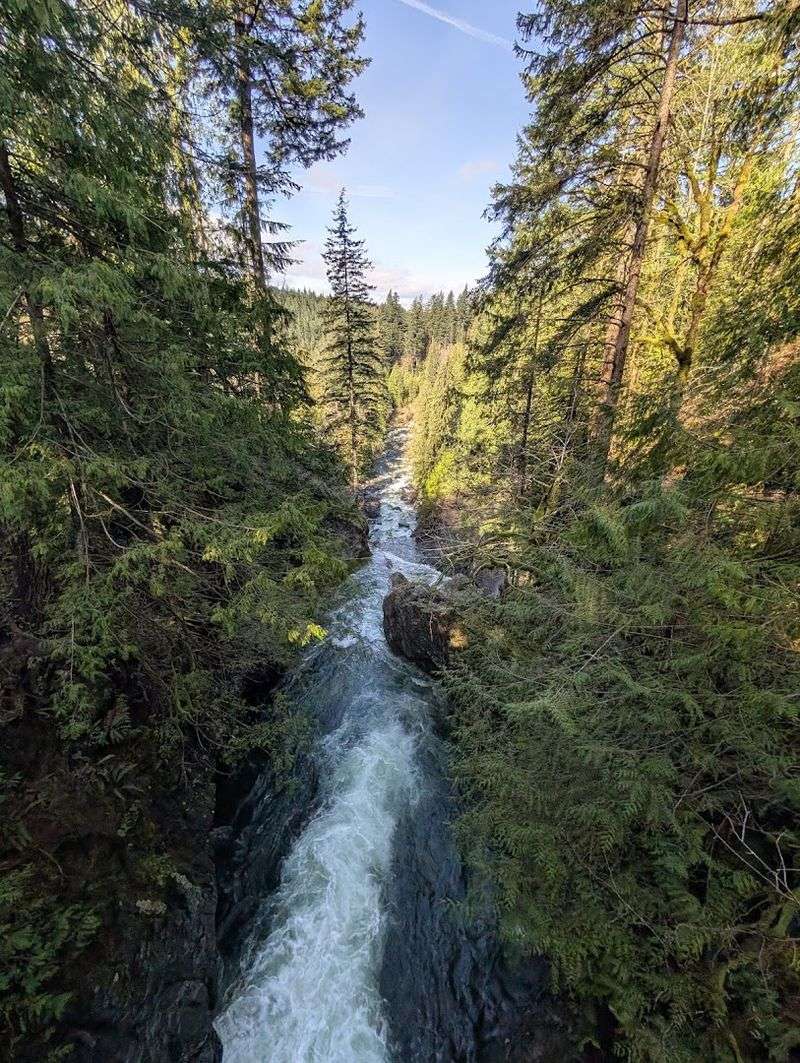
One of the most practical things to know about this trail is that it runs year-round, which is a real advantage for Pacific Northwest residents who do not want to wait until summer to hike.
Low elevation keeps the path accessible even in winter, and the waterfalls are honestly at their most powerful during the colder, wetter months when rainfall is high and snowmelt is flowing.
That said, popularity is something to plan around. This trail draws a serious crowd on weekends, especially between late spring and early fall.
Arriving before 9 a.m. on a weekend morning or choosing a weekday visit can make a noticeable difference in how much space you have on the trail and at key viewpoints.
Parking fills up quickly on busy days, so getting there early is not just a suggestion but a practical necessity.
Spring offers a sweet spot of lush greenery, high water volume, and comfortable temperatures. Fall brings golden foliage and thinner crowds. Whichever season you choose, dressing in layers and wearing waterproof footwear will keep you comfortable no matter what the weather decides to do that day.
Practical Tips Before You Hit The Trail
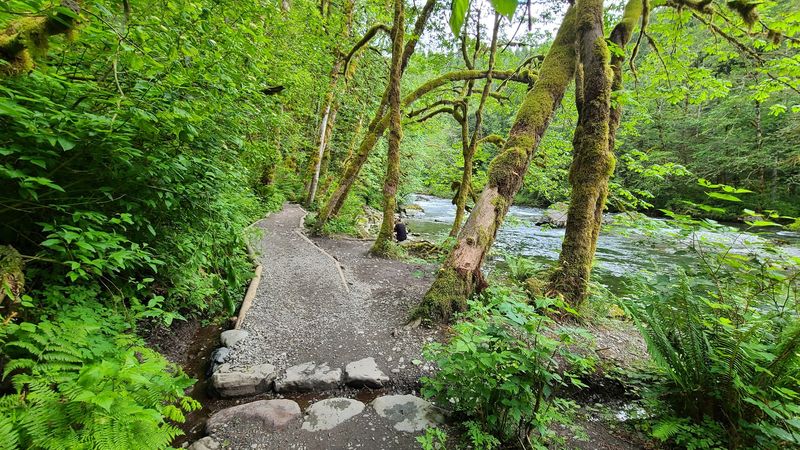
A little preparation goes a long way on this trail, and a few key details will make your visit run smoothly. The trailhead is located just off I-90 near North Bend, and pit toilets are available on-site, which is a welcome convenience for early morning arrivals.
Cell service can be spotty in the area, so downloading an offline map before you leave home is a smart move. Dogs are welcome on the trail but must stay on a leash at all times.
If you are bringing a pet, pack extra water since there are no designated water stations along the route. The South Fork Snoqualmie River water is not safe to drink without treatment, so carry enough for the whole hike.
A portion of the trail was rerouted and rebuilt between 2014 and 2016 after heavy rainfall caused erosion damage, so the path you walk today is well-maintained and thoughtfully constructed.
Bring snacks, wear layers, and give yourself enough time to linger at the viewpoints without rushing back to the car. This trail rewards those who slow down and pay attention to the details around them.