
Inside This Historic South Carolina Home Lies An Architectural Masterpiece Stuck in Time
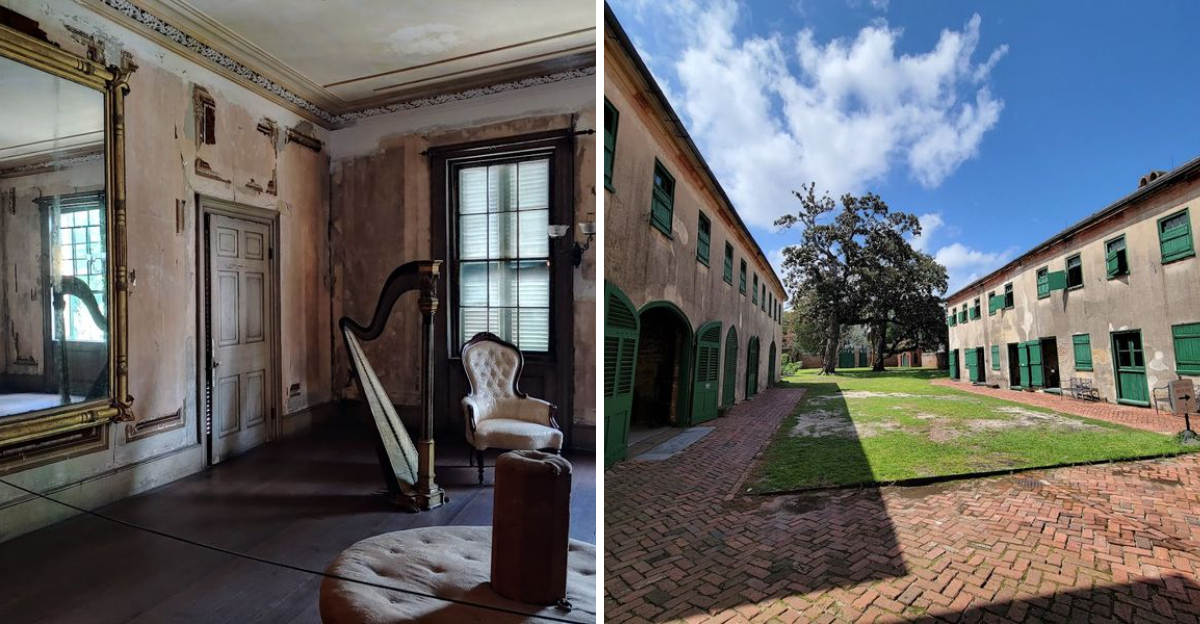
You step inside expecting a historic home. What you get feels closer to walking through time itself.
Nothing here has been polished for display. No perfect restoration, no attempt to hide the years.
Just rooms left as they were, worn edges, faded walls, details that feel real instead of staged.
Places like this in South Carolina don’t recreate history, they leave it exactly where it stands.
You move slowly without meaning to. Each space holds something different.
Not just architecture, but traces of the people who lived here, worked here, passed through.
It doesn’t feel curated.
It feels preserved.
That difference changes everything.
You don’t rush through it. You take it in piece by piece, noticing more the longer you stay.
And by the time you leave, it doesn’t feel like you visited a house.
It feels like you stepped into something that never fully left.
A House Frozen In Time: The Preservation Philosophy
Most historic houses get a makeover before they open their doors to the public. The Aiken-Rhett House took a completely different path.
Rather than restoring the property to a single shining moment in history, Historic Charleston Foundation made the bold decision to preserve it exactly as it was received, layers of change and all.
That means visitors see walls where multiple generations of wallpaper have peeled back to reveal earlier patterns beneath. Plaster is crumbling in spots.
Paint has faded to ghostly shades. Far from being disappointing, this approach creates something almost magical.
Standing inside these rooms feels like flipping through a living history book, where every crack and stain tells a story. The Aiken-Rhett House reminds us that imperfection can be its own kind of beauty, and that honesty about the past matters far more than a fresh coat of paint ever could.
The Man Behind The Mansion: Governor William Aiken Jr.
William Aiken Jr. was not a man who did things halfway. Born into one of South Carolina’s wealthiest families in 1806, he eventually became governor of the state and one of the richest men in the entire American South.
His fingerprints are all over the Aiken-Rhett House, quite literally.
Aiken inherited the property from his father in 1831 and spent decades expanding and upgrading it. He traveled to Europe and returned with fine art, sculpture, and decorative pieces that filled the home’s grand rooms with a cosmopolitan flair that was rare for Charleston at the time.
His story is complicated, as he was a slaveholder who also voted against secession before the Civil War. The house he shaped reflects that contradiction perfectly, grand and refined on one side, and deeply troubling on the other.
History rarely comes wrapped in a tidy bow.
The Architecture Itself: A Greek Revival Showstopper
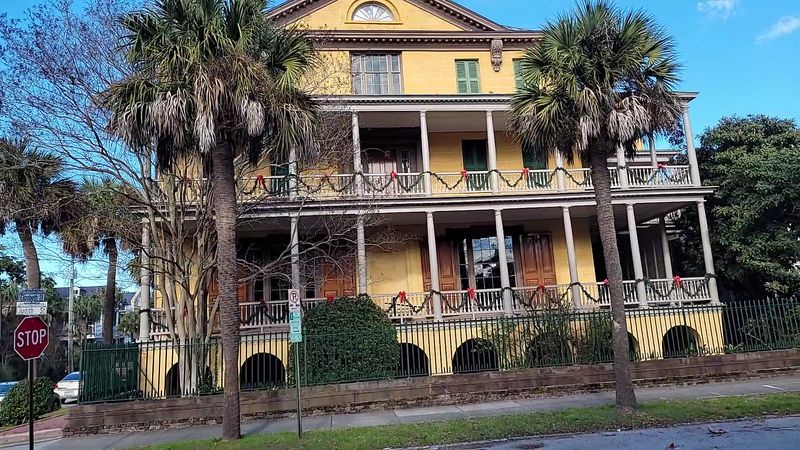
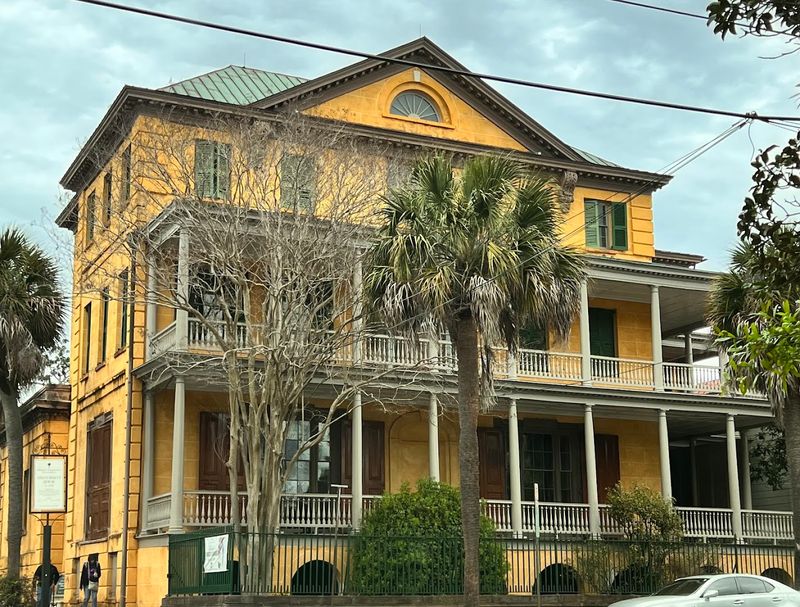
From the street, the Aiken-Rhett House commands attention without trying too hard. The building began as a relatively modest structure in 1820 before Aiken transformed it into a full-blown Greek Revival showpiece through a series of ambitious renovations in the 1830s and 1850s.
Tall, symmetrical windows stretch upward along the facade. Elegant ironwork frames the entrance.
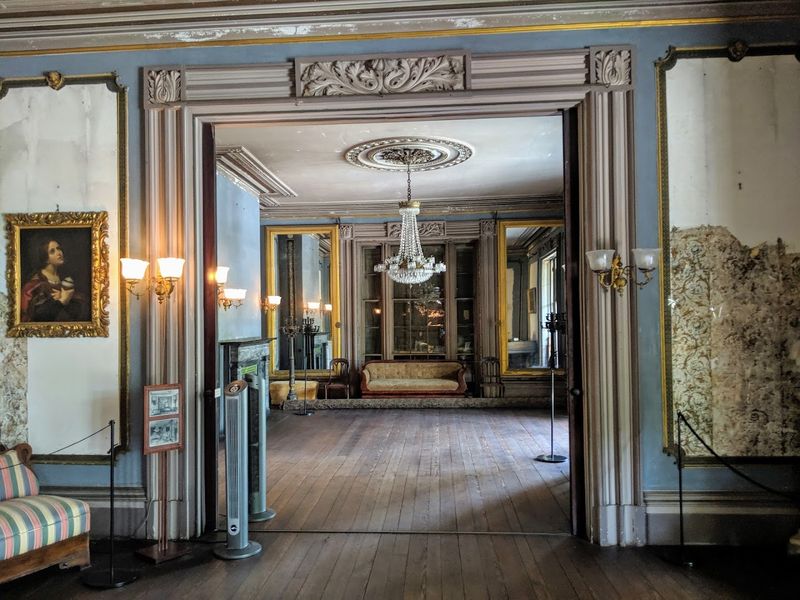
Inside, the formal rooms feature high ceilings, plaster medallions, and grand doorways that speak to a time when architecture was considered a direct expression of social status and ambition.
What makes the design especially fascinating is how you can still trace the different phases of construction by looking carefully at the walls and floors. The house grew organically over decades, and the evidence is right there if you know where to look.
Good architecture, it turns out, tells its own story without needing a single word of explanation.
The Enslaved Quarters: A Rare And Sobering Survival
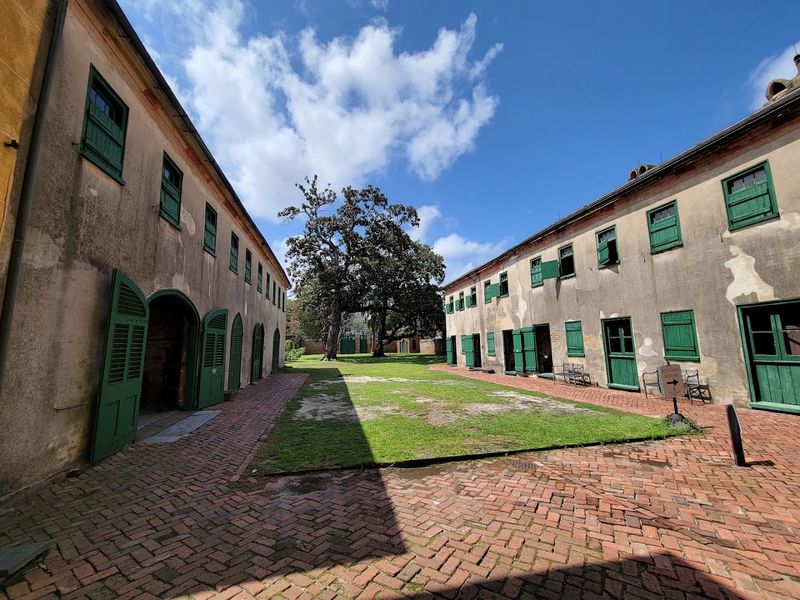
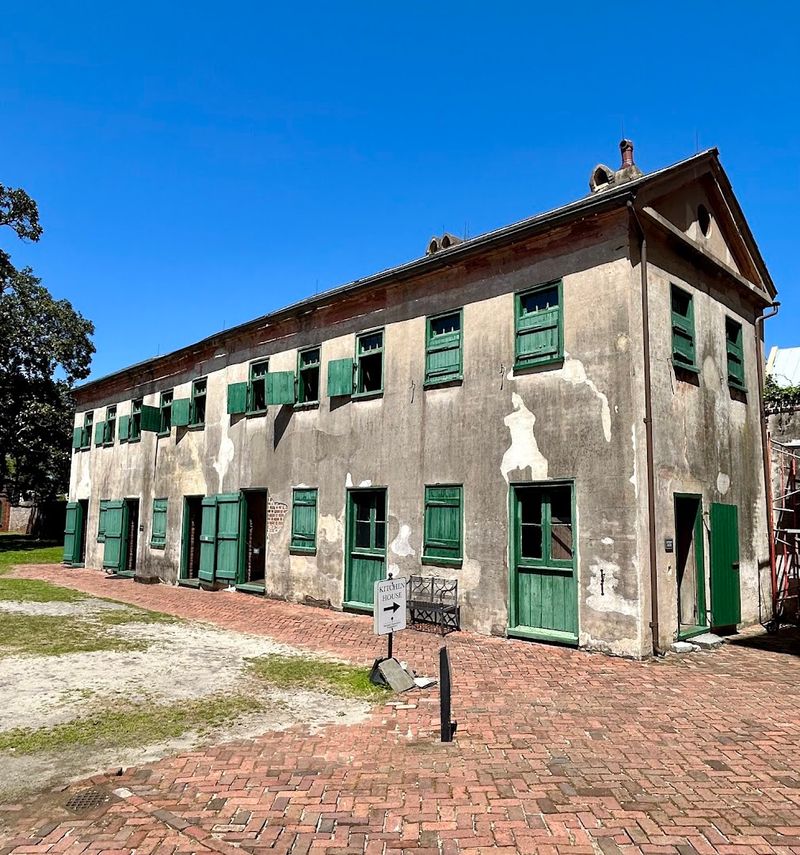
One of the most significant things about the Aiken-Rhett House is what stands behind it. The rear of the property contains one of the most intact urban enslaved quarters surviving anywhere in the American South, and that fact alone makes this place historically extraordinary.
The brick outbuildings where enslaved people lived and worked still stand largely as they were. Small, crowded rooms with minimal light and ventilation tell a story that the grand front parlors never could.
At its peak, the Aiken household enslaved over 700 people across various properties, with dozens living and working on this very site.
The audio tour gives real names and real stories to the people who lived in these buildings, which transforms the experience from a simple house tour into something far more meaningful. Putting names to history makes it impossible to look away, and that discomfort is exactly the point.
The Self-Guided Audio Tour Experience
Forget the idea of following a tour guide in a tight group while someone shushes you for asking questions. The Aiken-Rhett House offers a self-guided audio tour that puts you completely in charge of your own pace and curiosity.
Visitors can borrow an iPod from the front desk or download the Historic Charleston Foundation app directly onto their own phone.
The narration is thoughtful and layered, covering both the architecture and the human stories connected to the property. Bonus content tucked into the app rewards curious listeners who want to go deeper into specific topics.
Plan for at least 45 minutes to an hour, though some people find themselves lingering much longer.
One practical tip worth noting: download the audio content before arriving, as the on-site Wi-Fi can be unreliable. A little preparation goes a long way toward making the most of what is genuinely one of Charleston’s most rewarding self-guided experiences.
Layers Of Wallpaper, Layers Of History
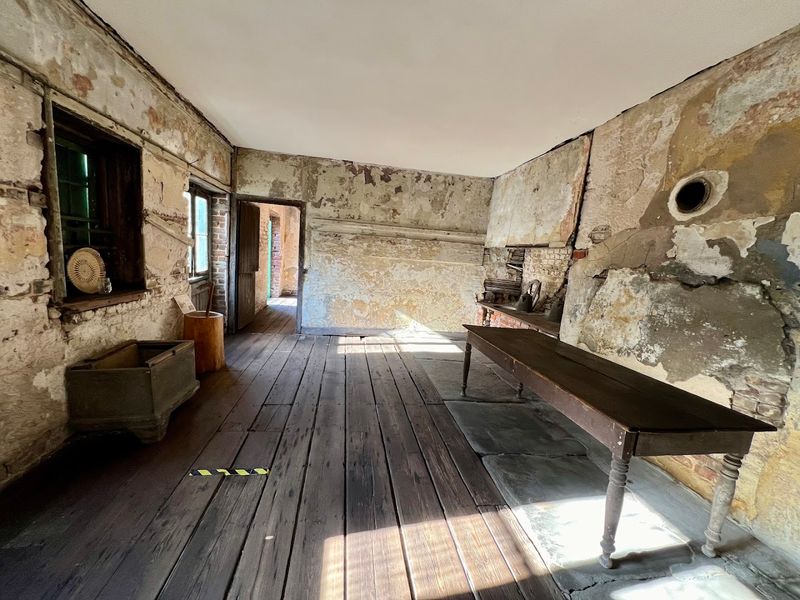
Here is a detail that sounds minor but turns out to be endlessly fascinating: the walls of the Aiken-Rhett House contain multiple layers of original wallpaper, each one representing a different decade of family taste and fashion. Because the house was preserved rather than restored, nobody ever stripped these layers away.
In some rooms, conservators have carefully peeled back sections to reveal what lies beneath, creating a visual timeline of interior design that stretches across nearly two centuries. Floral Victorian patterns sit directly over earlier geometric designs.
It is like an archaeological dig happening right at eye level.
This kind of detail is exactly why preservation enthusiasts consider the Aiken-Rhett House a national treasure. A restored house would have chosen one era and erased all the others.
Here, every layer gets to speak, giving visitors a richer and more honest picture of how people actually lived over time.
The Grand Ballroom And Formal Parlors
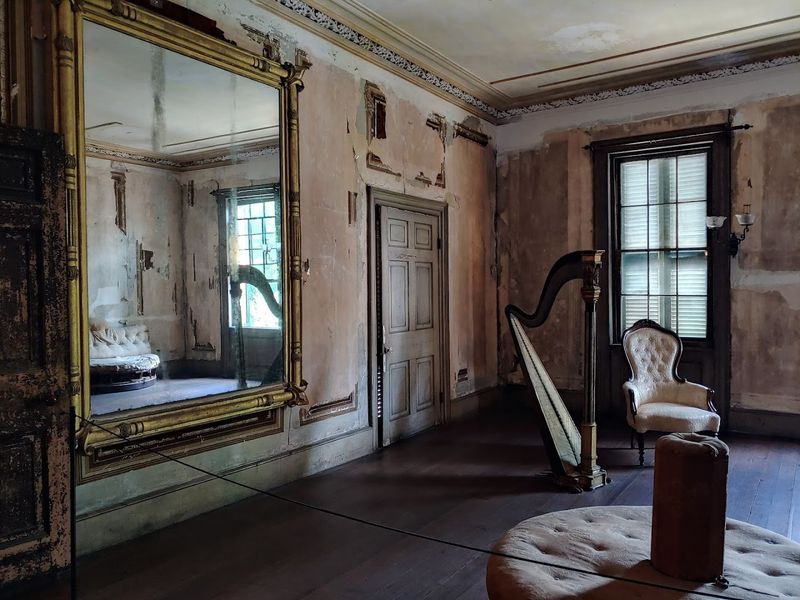
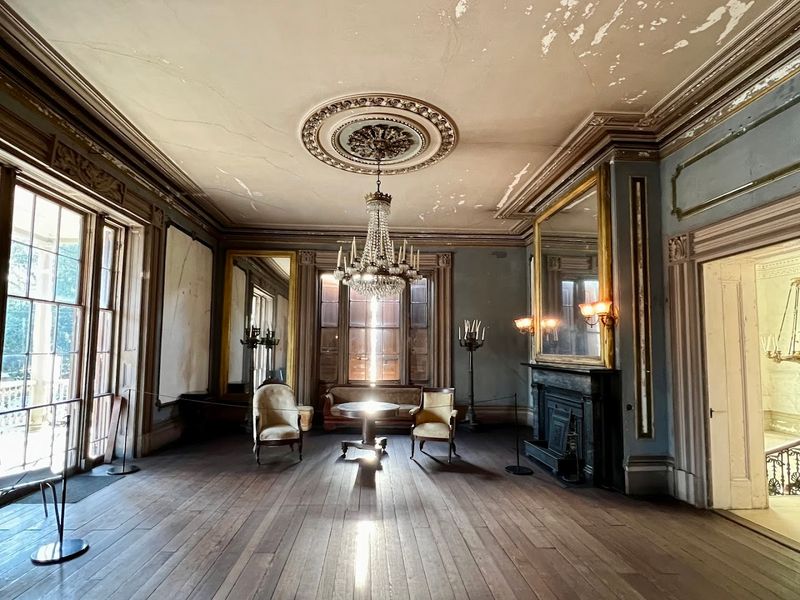
William Aiken Jr. loved to entertain, and the formal rooms of the Aiken-Rhett House were built for exactly that purpose. The double parlors and grand ballroom were designed to impress, and even in their current faded state, they absolutely still do.
High plaster ceilings with decorative medallions soar above floors worn smooth by generations of footsteps.
The Aikens hosted some of the most prominent figures of their era in these rooms, including President James Buchanan, who stayed at the house during a visit to Charleston. Standing in the ballroom today, it takes very little imagination to picture the candlelit gatherings and the rustle of silk dresses that once filled this space.
Some of the original European art and sculpture that Aiken collected on his travels still remains in the house. Seeing those pieces in their original setting, slightly dusty and beautifully imperfect, gives the formal rooms an atmosphere that no museum display case could ever replicate.
The Carriage House And Stables
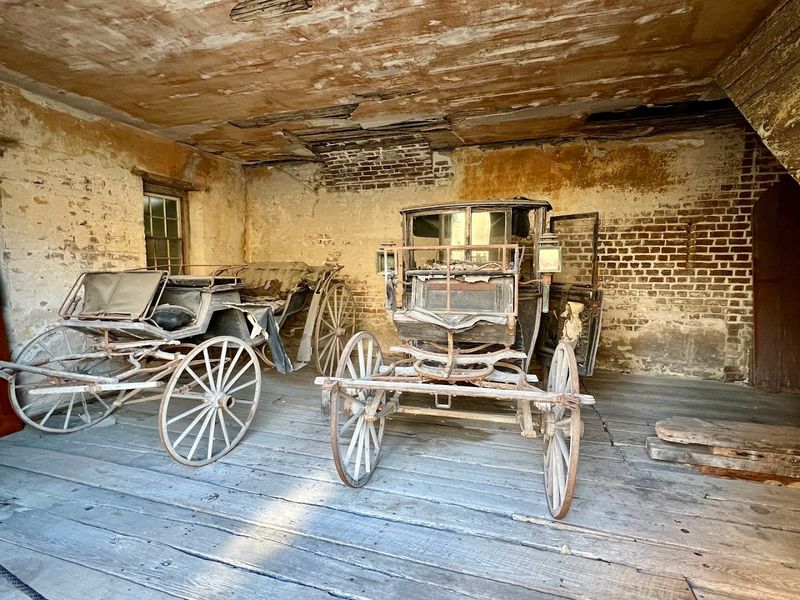
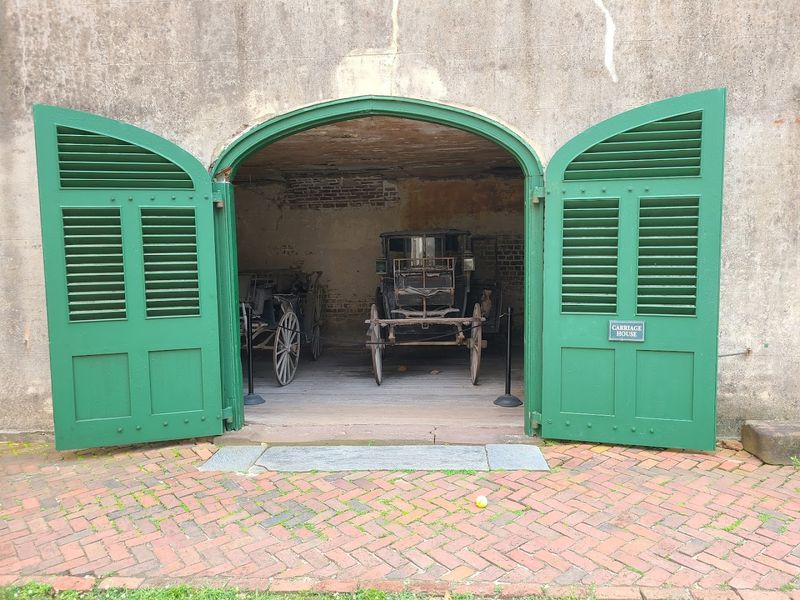
Behind the main house, beyond the enslaved quarters, sit the carriage house and stables that once kept the Aiken family’s horses and vehicles. These outbuildings are a surprisingly underrated part of the Aiken-Rhett House experience, and they add a whole new dimension to understanding how a wealthy antebellum household actually functioned day to day.
The carriage house is large and solidly built, which gives you a sense of just how important transportation and status were intertwined for families like the Aikens. Owning fine carriages was not just about getting from one place to another.
It was a public declaration of wealth and social standing.
The stables still carry that unmistakable old-building smell of aged timber and brick dust. Walking through them feels genuinely different from the main house, quieter and more grounded, like stepping into the working heart of the estate rather than its polished face.
The Civil War Connection
The Aiken-Rhett House sat at the center of one of the most turbulent periods in American history, and its Civil War story adds yet another compelling layer to an already rich narrative. William Aiken Jr. was a Unionist who voted against South Carolina’s secession in 1860, a genuinely dangerous position to hold in Charleston at that time.
Despite his opposition to secession, the house was later used as the headquarters of Confederate General P.G.T. Beauregard during the war.
After Union forces took control of Charleston in 1865, the property was briefly used by Union officers as well, meaning these walls witnessed the conflict from multiple sides.
That kind of layered wartime history is rare to find in a single building. The Aiken-Rhett House did not just observe the Civil War from the sidelines.
It was, in a very real sense, a stage on which some of the war’s most complicated human dramas played out.
Planning Your Visit: Hours, Tips, And What To Know
Getting the most out of a trip to the Aiken-Rhett House takes just a little bit of planning. The museum is open Tuesday through Sunday from 10 AM to 4 PM, and on Mondays from 1 PM to 4 PM.
It is located at 48 Elizabeth St, Charleston, SC 29403, and can be reached by phone at +1 843-723-1159.
Street parking in the surrounding neighborhood is limited, so walking from the Charleston Visitor Center a few blocks away is often the smarter move. Comfortable shoes are a good idea since the tour covers both the main house and the extensive rear outbuildings across uneven surfaces.
The house has no air conditioning, so visiting during cooler parts of the day is worth considering in summer months. A combination ticket with another Historic Charleston Foundation property offers solid value.
Download the audio tour app before arriving, pack a little patience, and prepare to leave with a lot to think about.