
12 Michigan River Towns With Canoes, Old Bridges, And Easy Weekend Energy
Some Michigan weekends are dominated by crowded lakefronts and frantic museum tours, but the ones that actually stick in your memory begin with a slow canoe launch and a bridge that’s seen better centuries.
There is a specific, slightly accidental magic to these river towns; they don’t demand your constant attention or a rigid itinerary. It’s about finding that sweet spot where a historic walking path leads directly to a locally-loved diner, and the only real deadline is the setting sun.
The air near the current feels cooler, the history feels more tangible, and the vibe is refreshingly unpretentious. These are places designed for resetting your mood, where the river does the heavy lifting and you just have to show up.
Forget the tourist traps and find your flow with a journey through the most charming riverfront getaways in Michigan, perfect for paddling, historic strolls, and hidden local eats.
1. Frankenmuth
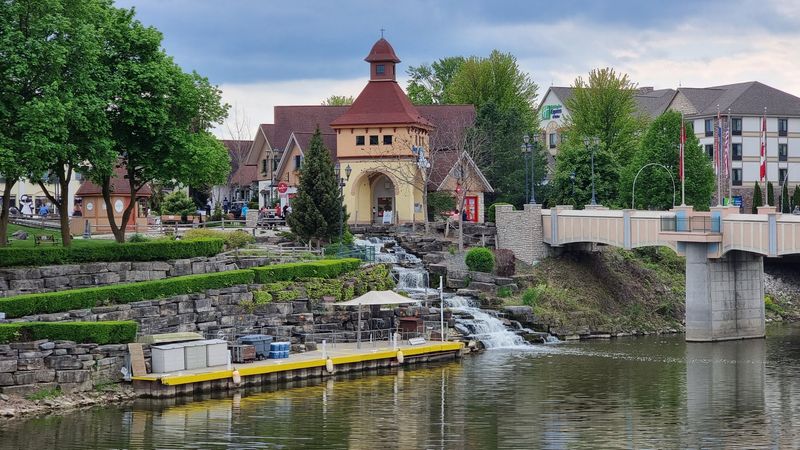
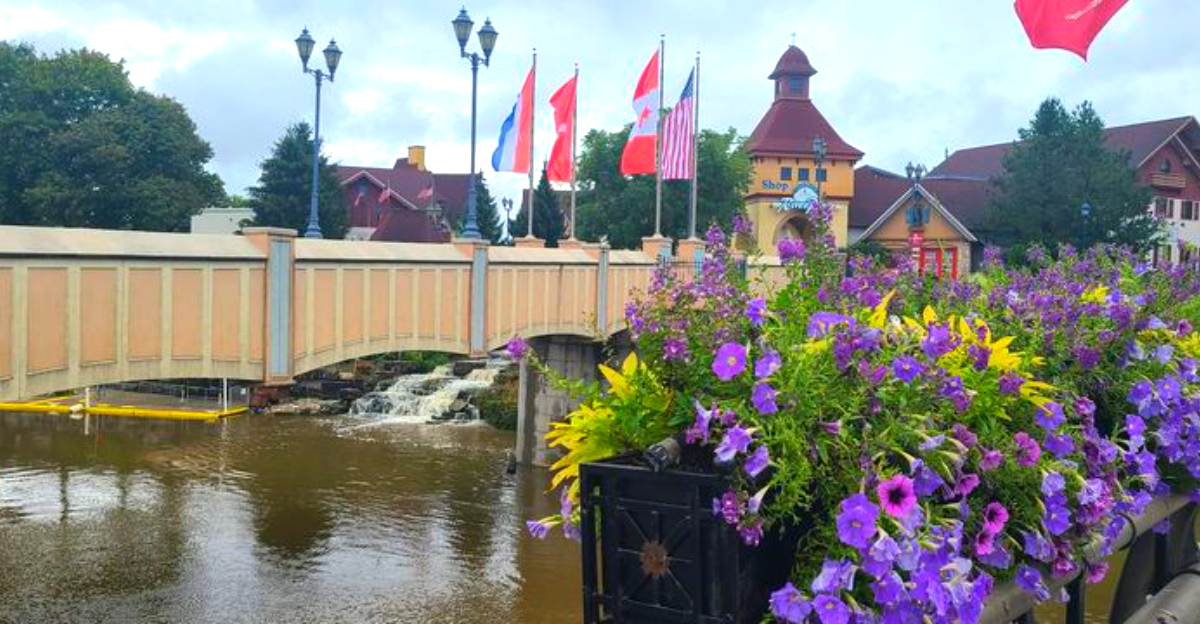
Frankenmuth can feel delightfully improbable at first glance, with Bavarian facades rising beside the Cass River and a covered bridge giving the whole place a storybook outline.
The river is central here, whether you book a narrated boat tour, stroll the paths at Heritage Park, or simply watch people drift by the water with ice cream in hand. It is busy, yes, but the pace remains surprisingly gentle.
History in Frankenmuth is less hidden than staged in plain sight, tied to the town’s German roots and preserved through its architecture and public spaces. The Holz-Brucke covered bridge, built in the Holz Brucke style, is a modern landmark with old-world intention.
Come early or stay late if you want the riverfront at its calmest, when the town settles into a softer, easier mood.
2. Grayling
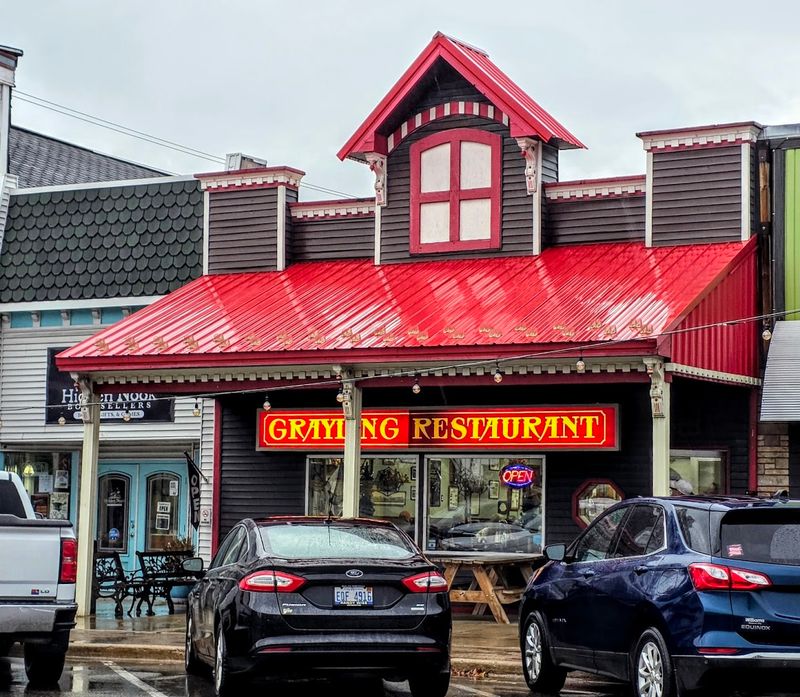
The first thing you notice in Grayling is how clear the Au Sable looks, as if somebody quietly turned up the definition on the whole landscape. This is one of the Midwest’s classic canoe towns, with liveries, easy access points, and a current that invites long unhurried hours instead of athletic ambition.
Wildlife sightings are common, and the mood on the river is mostly respectful, almost hushed. Grayling’s identity is deeply tied to the Au Sable, one of Michigan’s most historic river systems and a longtime center of paddling culture.
The town itself keeps things simple, with practical outfitters, local restaurants, and enough lodging to make a weekend easy to organize. I like Grayling best when the day starts chilly and the river mist hangs low, because the place feels fully itself before noon.
3. Three Rivers
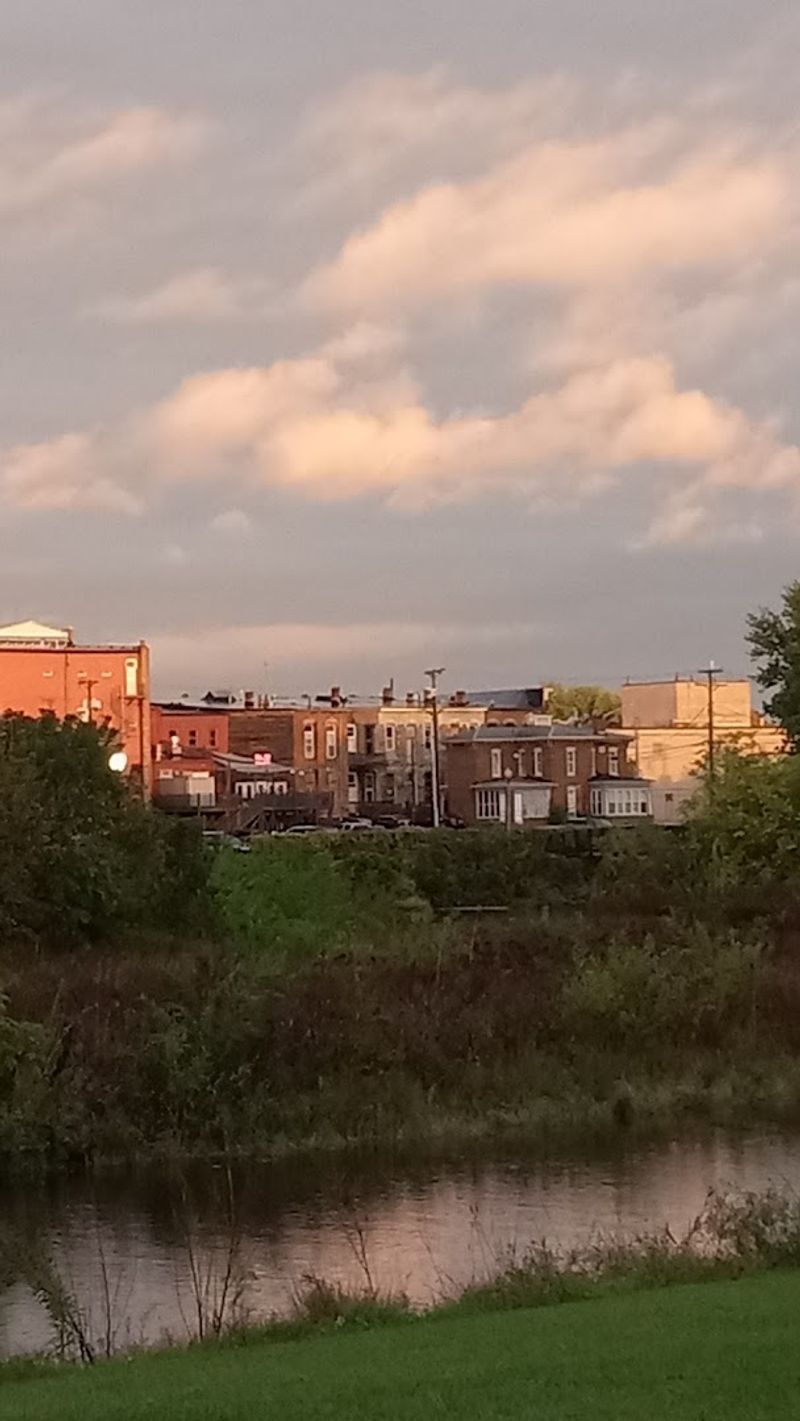
Three Rivers earns its name honestly, and that confluence gives the town a layered, water-defined feeling you sense almost immediately. The St. Joseph, Rocky, and Portage rivers shape both the layout and the mood, making paddling, fishing, and riverfront wandering feel like the obvious way to spend a Saturday.
Downtown is compact enough to explore without planning much, which suits the town’s easygoing energy. Even short walks start to feel shaped by water, with bridges, banks, and changing views quietly directing your attention.
Historic character appears in the older brick commercial blocks and bridges that tie the center together, reminders that this was a working crossroads long before it was a weekend stop. The rivers remain the main attraction, and nearby access points make canoe or kayak outings straightforward.
If you go, give yourself time to walk after paddling, because Three Rivers reveals itself best at the pace of someone with nowhere urgent to be. That slower rhythm lets the town feel less like a checklist stop and more like a place that settles into you gradually.
4. Plainwell
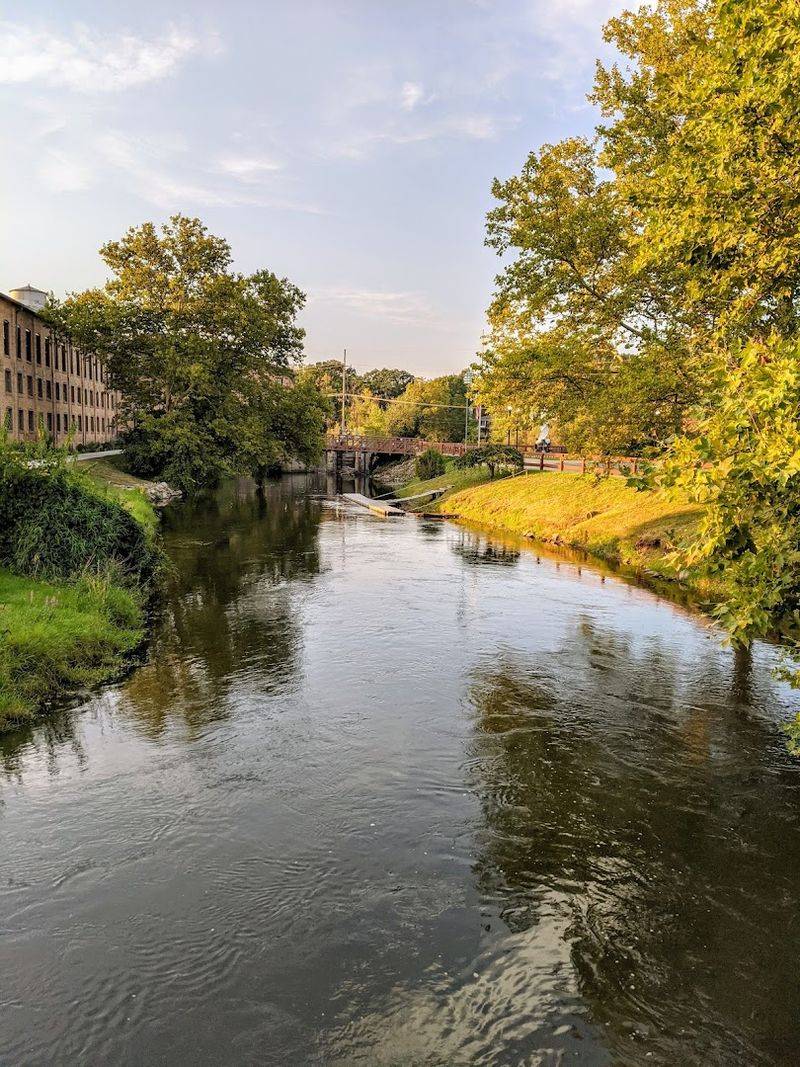
Plainwell has a quieter kind of charm, the sort that reveals itself through river bends, old brick, and a downtown that still feels scaled for regular life. The Kalamazoo River runs right through town, and nearby paddling access makes it easy to build a low-key weekend around the water.
Nothing here screams for attention, which is partly why the place works. The town’s historic district and mill-era architecture give Plainwell a grounded, practical beauty rather than a polished one.
Bridges and river views anchor the center, while the broader story of settlement and industry still shows in its older buildings. It is a good stop if you want a place that feels lived in rather than curated. I would pair a short paddle with an unhurried walk downtown, because Plainwell rewards patience more than checklist travel.
5. Lowell
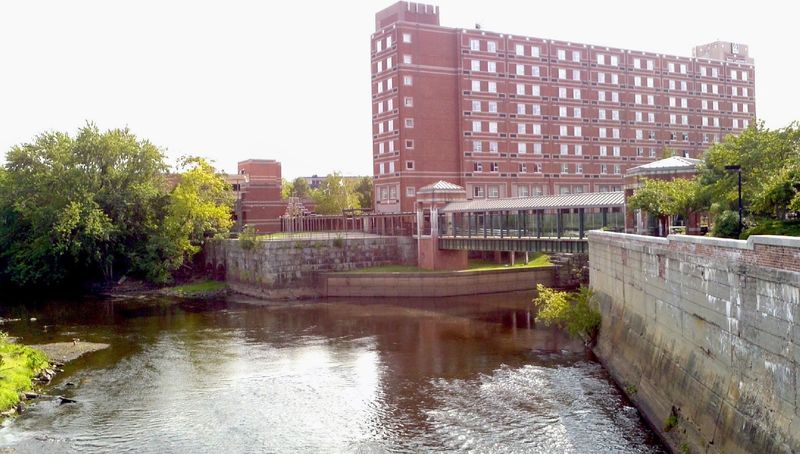
Lowell sits where the Flat River meets the Grand, and that meeting of waters gives the town a pleasant sense of movement even when the streets are quiet. Paddlers have good reasons to linger here, especially with accessible stretches of river and a downtown close enough for an easy before-or-after meal.
The whole place has a comfortable, unforced weekend rhythm. Historic bridges and older commercial buildings help Lowell keep one foot in its past without turning stiff or overly preserved.
The town’s river heritage is not abstract; you feel it in the layout, the parks, and the way local life still leans toward the water. Nearby covered bridge interest adds another layer for anyone who likes a little infrastructure with their scenery. Come with a loose plan, because Lowell is best when you leave space to wander.
6. Portland

Portland is one of those towns that feels steadier than flashy, and that steadiness is a real asset on a weekend. The Grand River defines the setting, with paddling opportunities nearby and enough open water scenery to make an afternoon slow down in the best possible way.
Downtown stays approachable, never too packed, never too precious. Even the quieter blocks have a settled usefulness to them, which helps the whole place feel welcoming rather than staged.
The town’s historic core and river crossings give Portland the kind of visual structure that makes a short visit feel coherent.
Older buildings still frame the center, and the river remains close enough that you never forget why the place grew here in the first place. There is a practical, friendly quality to the whole experience. It is the sort of town where a short walk, a meal, and a little time by the water can fill a day without any sense of rushing.
If you are choosing between a highly programmed getaway and a simpler one, Portland makes a persuasive argument for simpler.
That simplicity is not emptiness, but ease, a chance to enjoy river views, older architecture, and a downtown that still feels connected to daily life. By the time you leave, the appeal makes more sense than it first did.
7. Milford

Milford manages a neat balancing act: it feels polished enough for a comfortable weekend, but not so polished that it loses its river-town soul.
The Huron River and nearby paddling routes shape much of the local recreation, and Central Park gives you an easy place to sit close to the water before drifting back into town.
It is lively without becoming hectic. Older buildings, a traditional downtown street grid, and river crossings help explain why Milford remains one of southeast Michigan’s more appealing small-town stops.
Historic preservation has kept the center attractive while still useful, which is harder to pull off than it looks. I appreciate how quickly you can switch between coffee, a riverside walk, and time on the water. That flexibility makes Milford feel especially good for a one-night escape.
8. Dexter
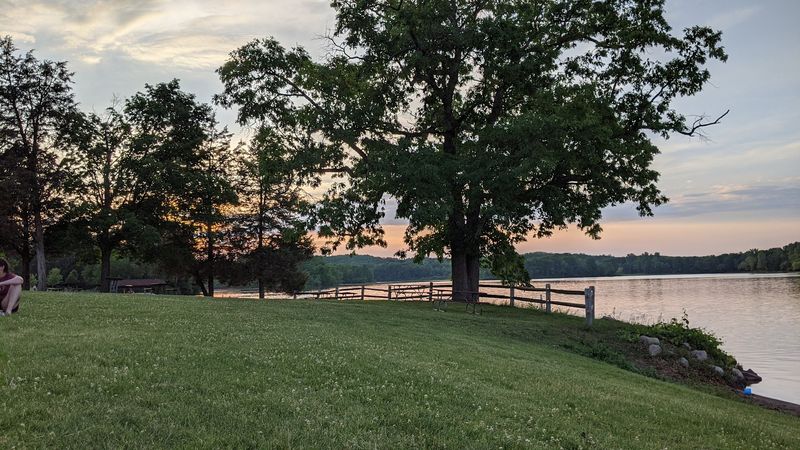
Dexter has the kind of calm confidence that makes you trust a weekend there before you have done much at all. The Huron River and Mill Creek shape the town’s edges, with paddling opportunities nearby and enough parkland to keep everything feeling open.
It is close to Ann Arbor, but the atmosphere is distinctly more exhale than agenda. Even a short walk through town starts to feel like a quiet adjustment in pace, not just a change of scenery.
Historic touches matter here, especially around the old mill area and the established downtown that still feels tied to its earlier life. Bridges, waterworks, and preserved buildings give Dexter texture without turning the place into a museum set. That balance is its real charm.
The town seems to understand how to keep history visible without making it feel staged or overly polished for visitors. A morning on the river followed by a slow lunch in town feels about right, and if you can stay through evening, the softer light makes the whole place seem even more settled.
By then, Dexter reads less as a side trip from somewhere bigger and more as its own complete mood, one built from water, steadiness, and the simple pleasure of not needing to hurry.
9. Ann Arbor
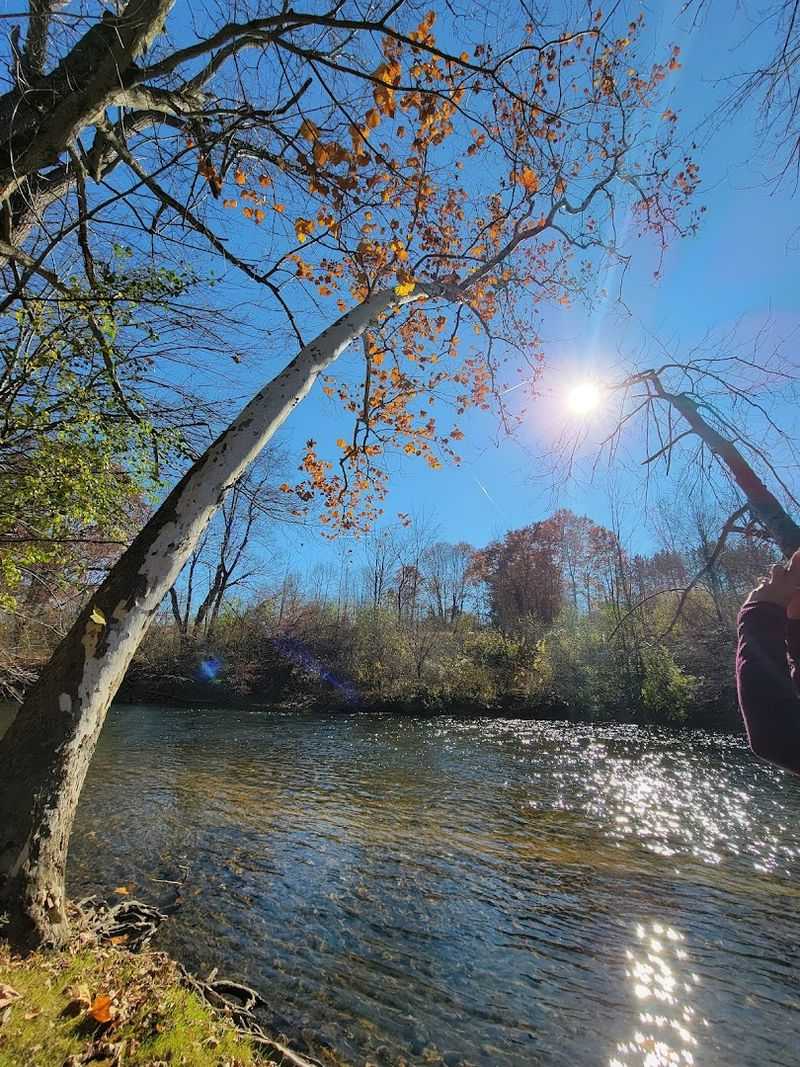
Ann Arbor is a larger place than the others on this list, but the Huron River gives it surprising pockets of weekend ease. Around Argo, Gallup, and the broader river corridor, canoeing and kayaking become the most convincing argument for slowing down in a town better known for university energy.
Once you are on the water, the city noise slips back farther than you would expect. The contrast is part of the appeal, because the river makes Ann Arbor feel briefly less like a college city and more like a landscape with a town wrapped around it.
Historic bridges and long-established park infrastructure help connect the river to Ann Arbor’s older civic story. The setting feels designed for use rather than display, which is one reason the river remains such a reliable local anchor.
You can pair a paddle with museums, bookstores, or dinner, but you do not have to. That flexibility matters, since the best version of a river day here often comes from doing less, not more, and letting the current quietly reset your sense of time.
Ann Arbor works well when you let the Huron, not the calendar, decide how ambitious the day should be. A short float, a lingering walk, or even just sitting near the water can shift the mood of the whole visit. By evening, the city feels changed not because it became quieter, but because the river taught you where its quieter parts were hiding.
10. Ypsilanti
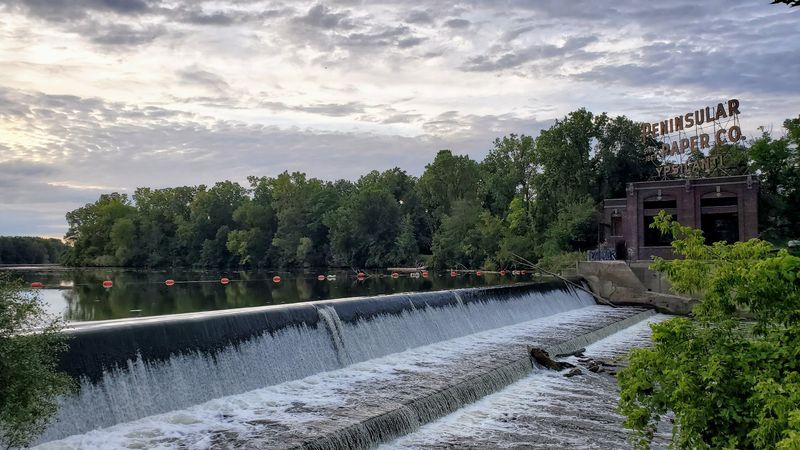
Ypsilanti has more texture than polish, which is exactly why it sticks with you. The Huron River runs along parks and neighborhoods that feel genuinely used, not merely scenic, and paddling nearby adds a fresh perspective on a town whose personality is already strong at street level.
There is art, history, and a little scruff in proportions that feel honest. Historic bridges and architecture, from downtown blocks to the Depot Town area, give Ypsi much of its visual character.
The riverfront spaces are practical and welcoming, especially around Frog Island and Riverside Park, where the town seems to gather without much ceremony.
I would not call it precious, and that is a compliment. Ypsilanti offers the sort of weekend where a canoe trip and a long conversation in a local cafe belong naturally to the same day.
11. Cheboygan
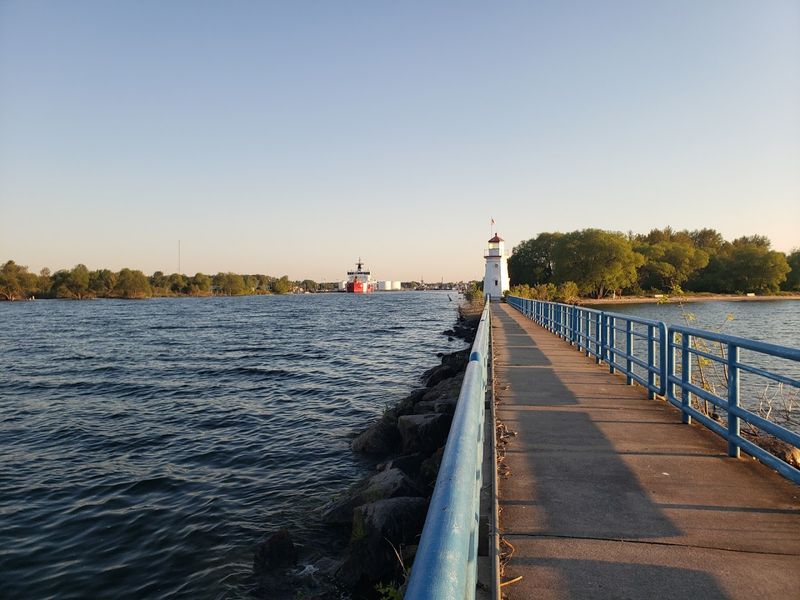
Cheboygan feels shaped by water in a way that is immediate and structural, not merely scenic. The Cheboygan River runs right through town toward Lake Huron, and paddling here carries that satisfying sense of moving through a place that still understands its harbor roots.
Boats, bridges, and currents are part of the local grammar. The downtown historic district and the river’s drawbridges give Cheboygan a working-waterfront character that is increasingly rare. There is real history in the street grid, the old commercial buildings, and the way the river remains tied to everyday life rather than fenced off from it.
Visitors can use the town as a base for both inland and Great Lakes adventures, but it rewards staying local too. Walk the river, watch the bridge action, and let Cheboygan’s steady pace do its work.
12. Mount Pleasant
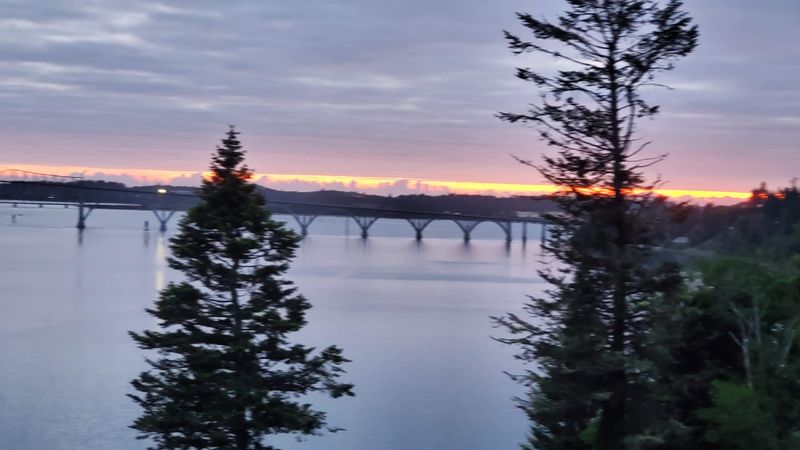
Mount Pleasant is not usually the first Michigan town people mention for a water-centered weekend, which makes its river access feel like a useful secret. The Chippewa River offers canoe and kayak trips with local outfitters providing rentals and shuttle service, so the logistics are refreshingly simple. A weekend here can be active without becoming complicated.
Bridges such as River Road Bridge and School Road Bridge are practical reference points for trips on the Chippewa, and they help mark the town’s relationship with the river landscape. The setting is less about quaintness and more about ease, which has its own appeal.
After time on the water, Mount Pleasant gives you enough dining and lodging options to keep the rest of the trip smooth. That low-friction quality is not glamorous, but it is very welcome when you only have two days.