
This Flint Michigan Mansion Hosts Haunted Teas Inside A House With A Ghostly Reputation
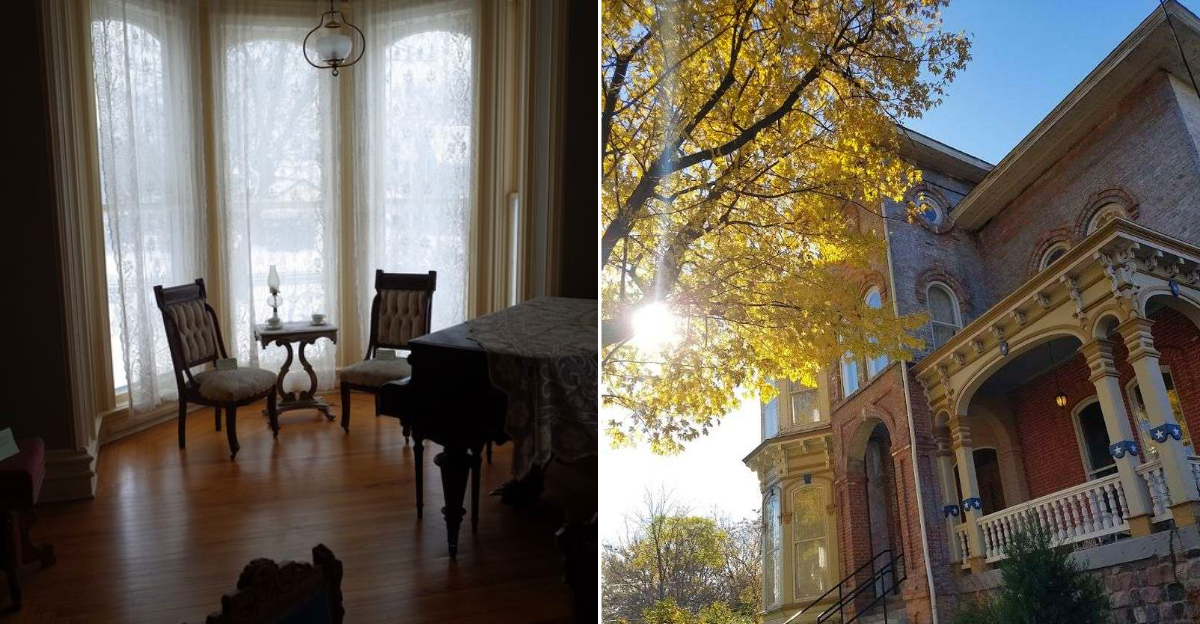
Flint is crowded with loud stories, but this 1872 Italianate mansion on Ann Arbor Street draws people in with a much deeper, more unsettling frequency.
Walking through the front door feels like stepping into a historical kaleidoscope; the refined elegance of the Stockton family’s era eventually gives way to the sterile, lingering weight of the building’s years as a hospital and nursing home.
The air inside possesses a strange, static-charged density, where the floorboards seem to hold onto the echoes of every institutional life they ever supported. Locals treat the “odd occurrences” and haunted tea sessions with a level of nonchalance that is honestly more terrifying than any jump scare.
Beyond the typical museum tour lies a Michigan landmark where local legends and medical history collide under one towering, haunted roof. Every shadow here has a pedigree, and every room demands a second glance.
Look Up Before You Do Anything Else
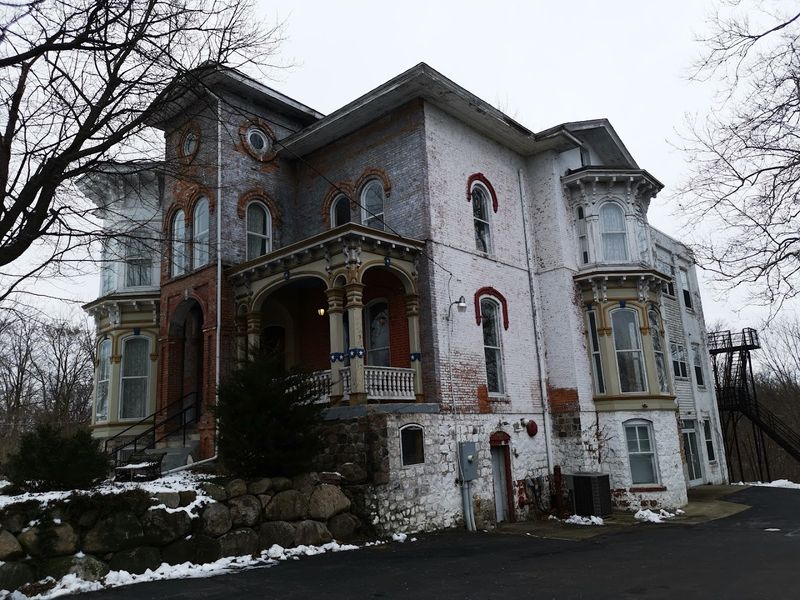
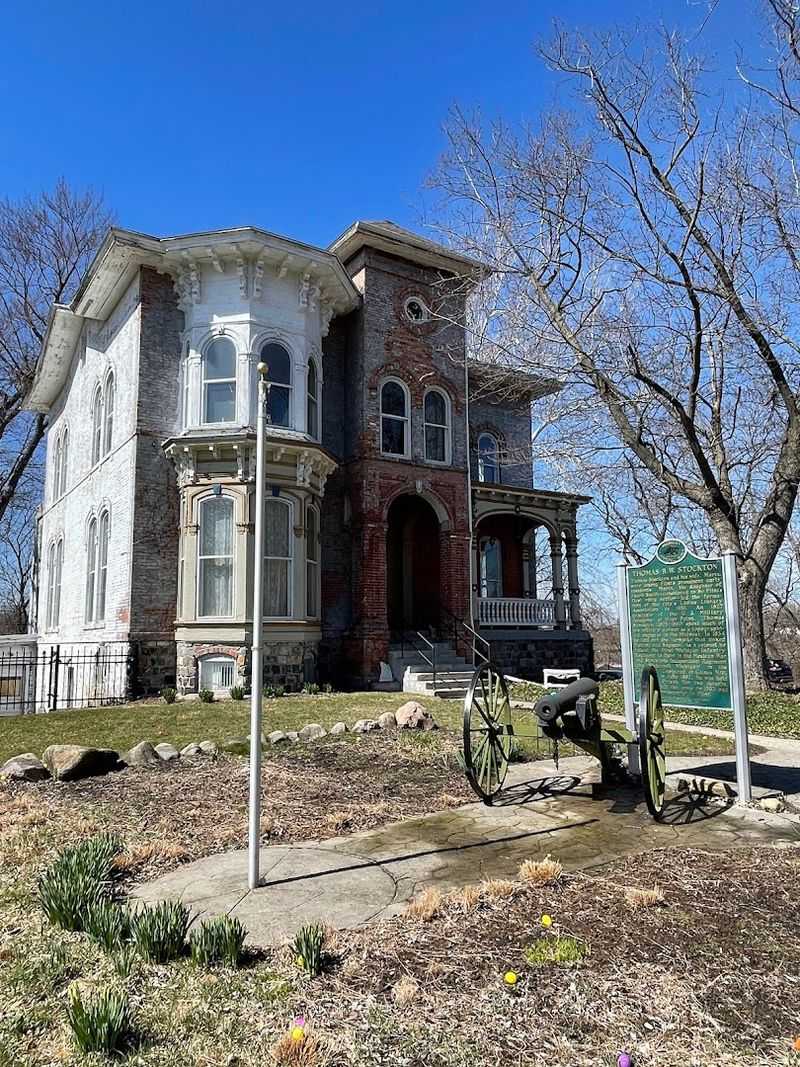
The first thing that steadied my attention was not a ghost story but the architecture. Stockton House Museum was built in 1872 as the home of Colonel Thomas Baylis Whitmarsh Stockton and Maria Smith Stockton, and its Italianate character still reads clearly from the outside in.
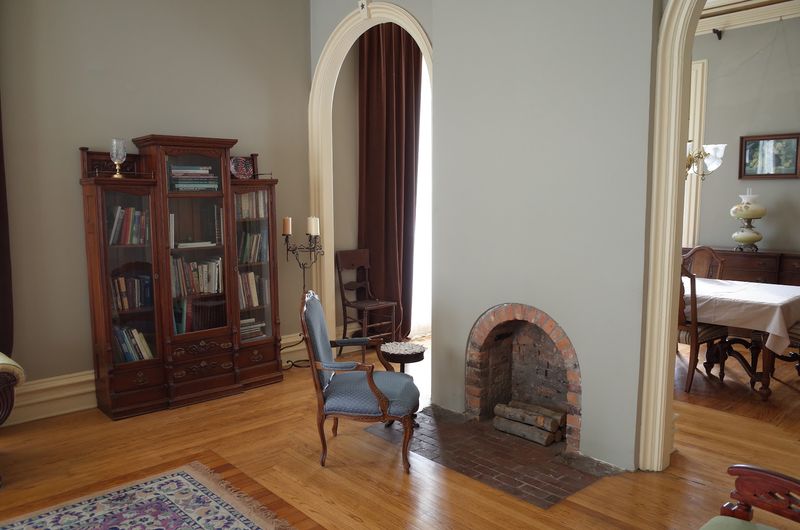
Inside, visitors often notice plaster ceilings, hardwood floors, and the grand staircase almost immediately. That staircase matters because the house’s ghostly reputation is tied to reports of Colonel Stockton clomping down it.
Even if you are not chasing a paranormal thrill, looking up and around gives the visit its shape. Start with the house as a historic object, and the haunted material feels more layered, not gimmicky. That balance makes the place memorable and strangely calm.
Find It
To reach Stockton House Museum at 720 Ann Arbor St, Flint, Michigan, navigate toward the South Flint area using I-69. Take exit 136 for Saginaw Street and head north toward the downtown district. From South Saginaw Street, turn west onto East Wellington Avenue, which will lead you directly toward the intersection with Ann Arbor Street.
Proceed north on Ann Arbor Street for approximately two blocks. The museum is located on the east side of the road, situated between the Hurley Medical Center campus to the north and the Miller Road corridor to the south. This route avoids the heavier commercial congestion found on the nearby Fenton Road.
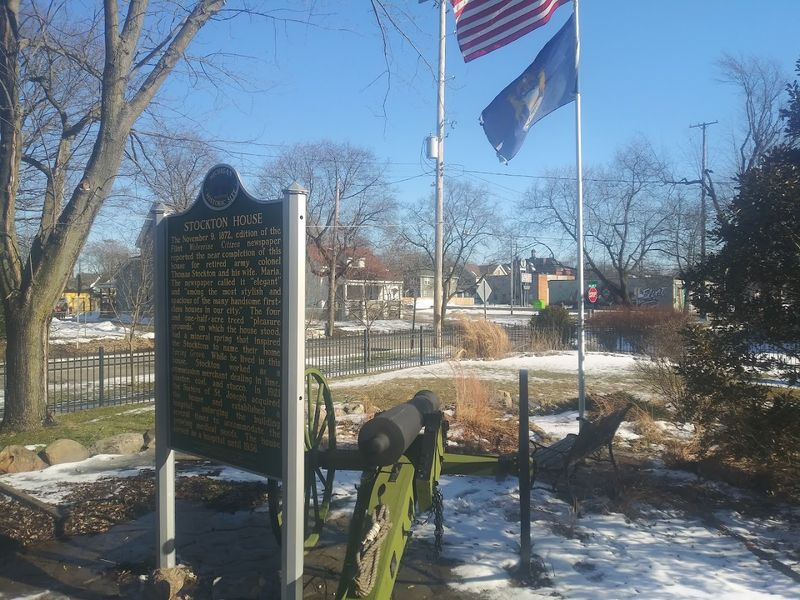
Parking is available via a dedicated driveway on the property or along the adjacent street curbs. The entrance is marked by a clear historical sign at the corner of the lot. For those using local transit, several bus stops are located within walking distance along the Saginaw Street and 8th Street intersections.
Treat The Haunted Reputation As Part Of The Story, Not The Whole Story
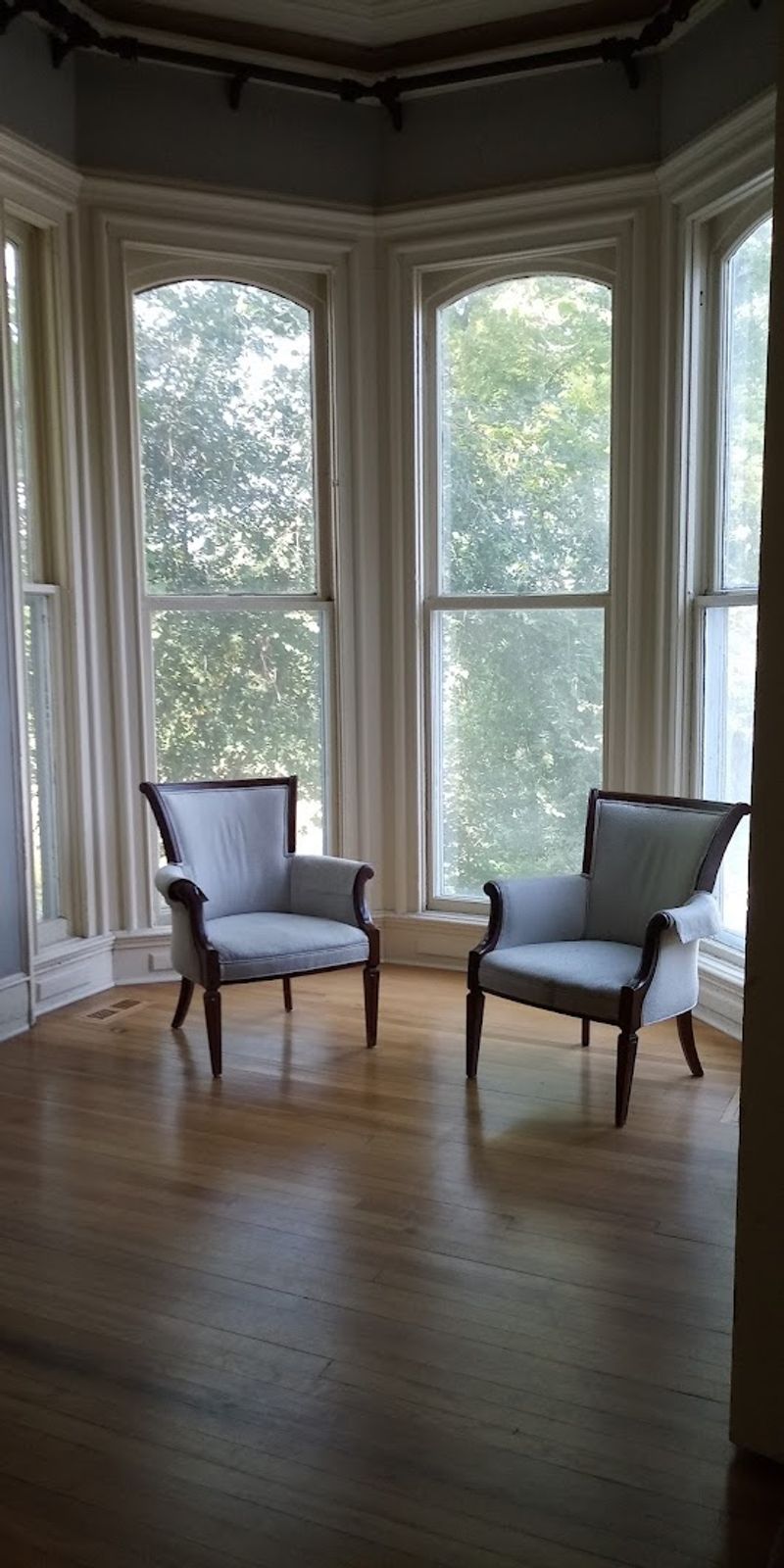
The mood here is unusual because the haunted reputation is neither hidden nor pushed too hard. Reported experiences include unexplained noises, doors opening and shutting, a woman humming in the infirmary wing, a whistling presence, and a little boy called Jonathan said to be looking for a toy train.
Staff descriptions have framed whatever is here as non-malicious, even companionable. That tone matters more than you might expect. Instead of turning the mansion into a cheap scare set, the stories sit alongside preservation, local history, and regular museum programming.
If you come ready for both skepticism and curiosity, the place rewards you. The atmosphere becomes less about proving anything and more about noticing how people live with layered memory.
Go For A Haunted Tea If You Want The House At Its Most Distinctive
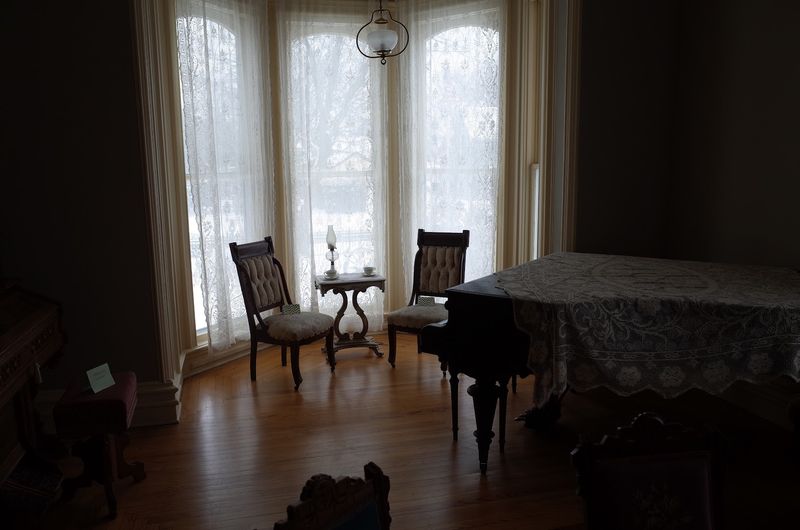
What makes Stockton House stand apart is not simply that it is reputedly haunted. It is that the museum folds that lore into specific public events, including Haunted Tea experiences that pair tea and finger foods with a ghost-seeking tour.
That combination sounds whimsical on paper, yet inside the house it feels oddly fitting, almost like the building prefers ceremony to spectacle. If you want a first visit with built-in atmosphere, this is the event I would watch for.
You get social energy, historical setting, and the chance to explore the mansion after the tea portion without losing the museum context. It is a smart way to encounter the house’s personality while still learning something concrete about Flint history.
Do Not Skip The Hospital Wing
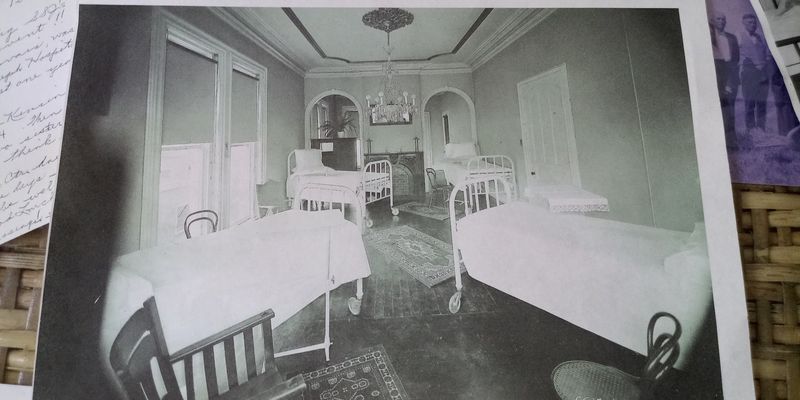
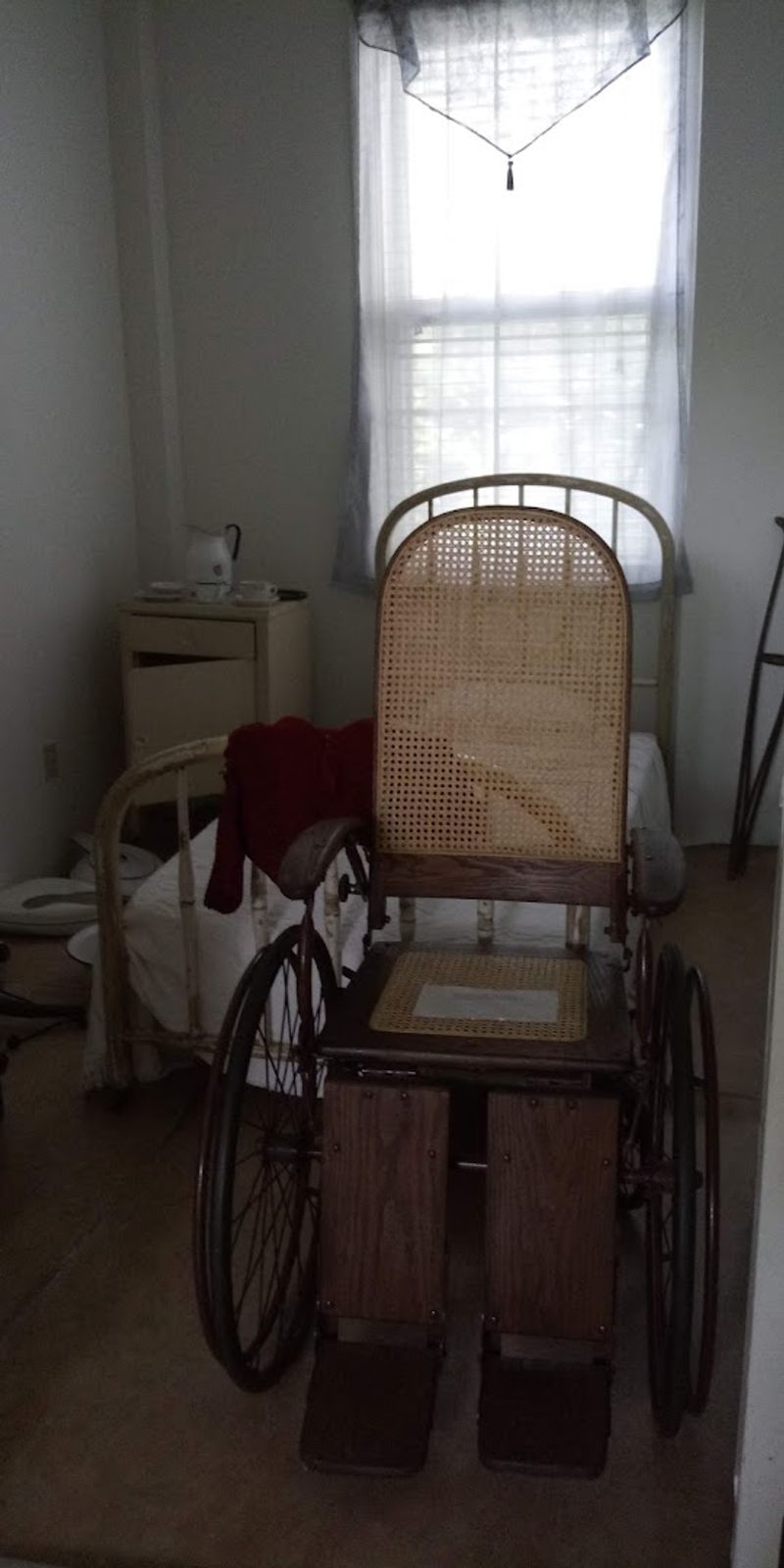
One of the stranger pleasures of this site is how clearly the building changed jobs over time. After the property was sold in the 1920s, it became the first St. Joseph Hospital, with a three-story, thirty-room extension added, and later served as the first Kith Haven Nursing Home.
That later institutional wing gives the house a second personality. The hospital areas feel different from the mansion rooms, both physically and emotionally. Visitors often describe them as the spookier part of the tour, which makes sense because the textures of care, illness, and routine still cling to the place.
Even without any paranormal expectations, walking that section deepens the visit. It shows how one address can hold private ambition, public service, and uneasy afterlife all at once.
Check The Schedule Before You Drive Over
This is the least glamorous tip, but it may save your visit. Public tours are typically offered every third Saturday of the month, and limited hours have caught some people by surprise, so it is worth checking the museum’s website or calling ahead at +1 810-882-1681. A house this specific is best experienced when someone can actually interpret it for you.
That practical step shapes the tone of the whole day. Arriving during open hours means you are more likely to hear the building explained as both museum and restored landmark rather than merely peering at an impressive exterior. Because Stockton House is still a bit of a hidden gem, planning ahead feels less like homework and more like earning access to one of Flint’s more complicated stories.
Notice How Restoration And Adaptation Share The Same Walls
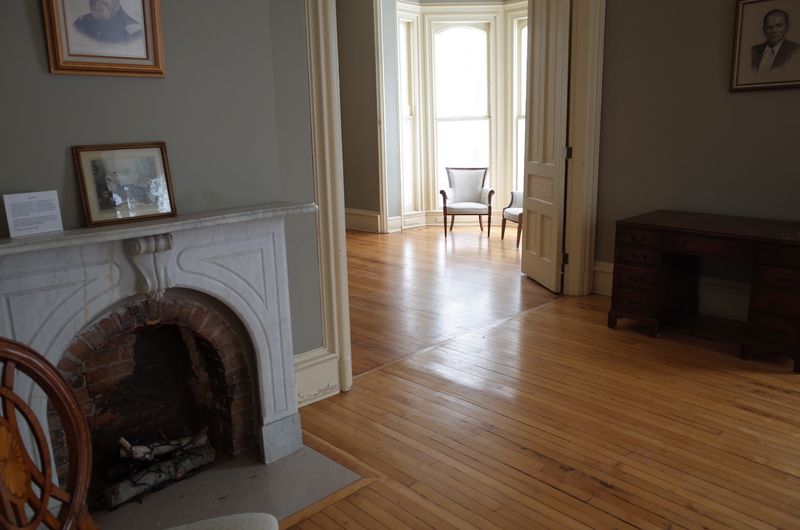
Stockton House was designated a Michigan Historical Site in 2005, but the restoration story is easiest to appreciate in the details rather than in any plaque. Some furnishings are representative rather than original, and the building shows its layered uses openly, from mansion features to the later hospital addition.
That honesty works in its favor. Perfectly preserved rooms can feel distant, almost sealed off from ordinary life. Here, the mix of restoration and adaptation makes the site easier to read as something saved through effort, not magic.
You can sense where interpretation steps in, where architecture carries the argument, and where age refuses to smooth itself out. I liked that frankness because it respects visitors enough not to fake certainty or polish away the building’s rough edges.
Connect The House To Flint’s Wider Civic History
The mansion becomes more interesting once you stop treating it as an isolated curiosity. The Stockton family were influential in Flint, and the Stocktons donated twenty acres for the Michigan School for the Deaf, linking the house to a broader civic map beyond Ann Arbor Street.
Add Maria Stockton’s library work, and the address starts feeling like a hinge point in local institutional history. That context keeps the visit from narrowing into only architecture or ghost lore. Flint’s story is often discussed through industry, hardship, and reinvention, yet this house points to older layers of philanthropy, education, and social ambition.
If you spend even a few minutes tracing those connections, the mansion stops being merely picturesque. It becomes a compact, persuasive lesson in how cities build themselves through households and public commitments.
Ask About The House After Dark, But Respect The Tone
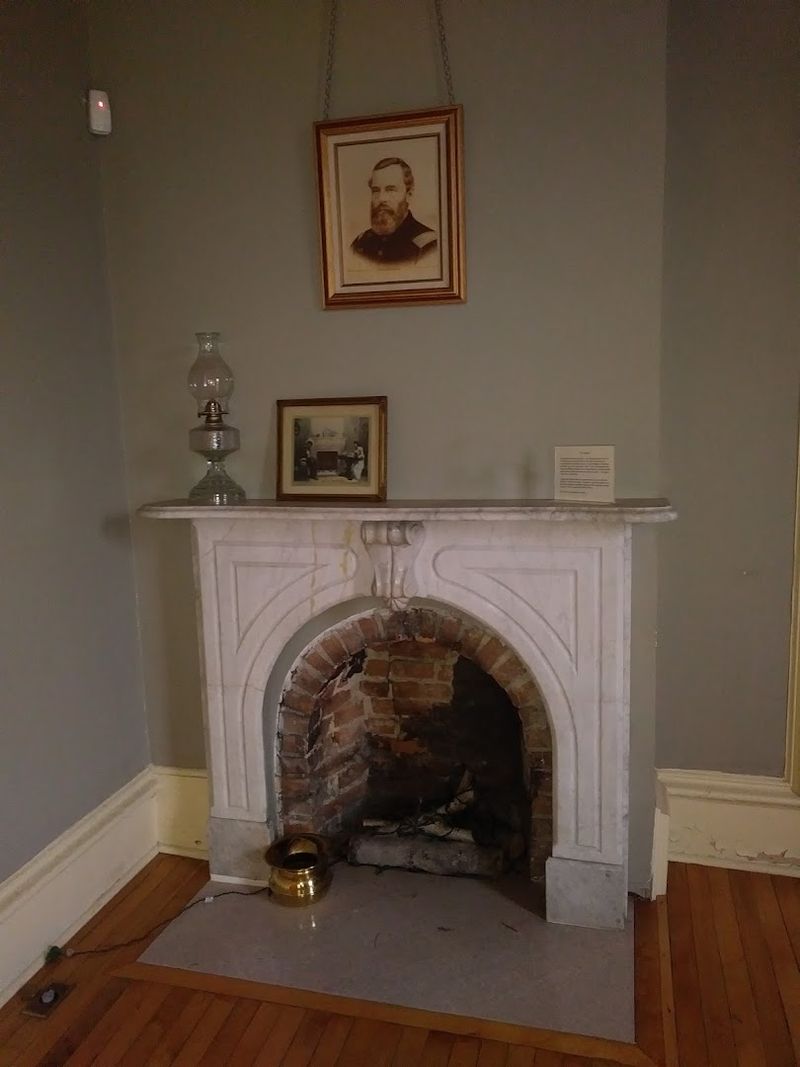
There is a particular hour when this place starts doing its best work, and it is not hard to guess which one. Seasonal programming around Halloween, ghost-seeking tours, and talks such as the museum’s Spiritualism in Flint series let the house lean into its reputation without abandoning historical seriousness.
The effect is curious rather than campy. That balance depends on visitors, too. If you arrive hoping to mock the stories or force a dramatic experience, the building will probably feel smaller than it is. Come prepared to listen, notice, and let the setting unfold at its own speed.
Stockton House seems strongest when treated as a place where local memory, grief, folklore, and preservation all share the same rooms without needing to be reduced to one explanation.
Remember That Both Deaths And Daily Life Happened Here
Haunted places often become interesting only when you remember they were once ordinary. Both Colonel Thomas Stockton and Maria Stockton died in the house, a fact that naturally shapes the stories told there, yet the mansion also held meals, reading, conversations, work, and all the unremarkable rhythms that make a home legible.
That tension gives the building emotional range. I found it useful to think less about whether a sound was explainable and more about why certain rooms feel inhabited by memory.
The house has passed through private residence, hospital, nursing home, and museum life, so its atmosphere is cumulative rather than singular. You are not walking into one frozen era. You are moving through a place that kept being asked to hold people, and somehow still does.
Leave Time For The Grounds And The Neighborhood Context
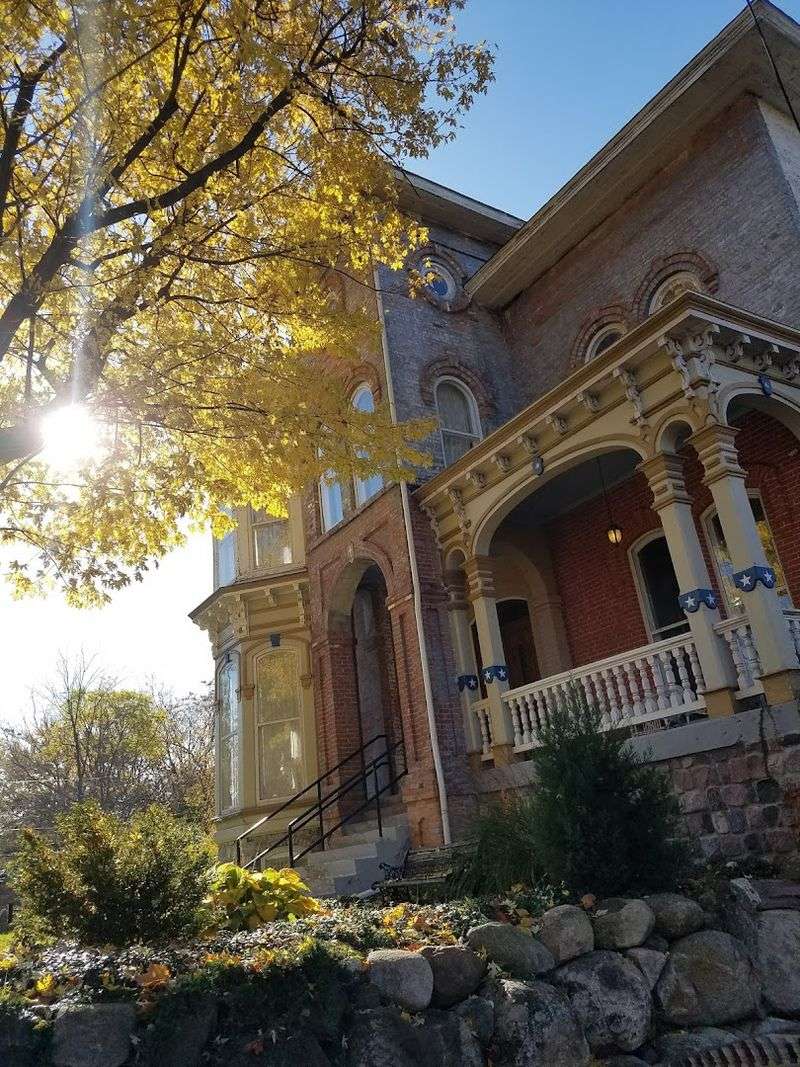
Before you leave, step back outside and look at where the museum sits. Stockton House Museum stands at 720 Ann Arbor Street in Flint, and its presence makes more sense when you view it as part of a living neighborhood rather than a detached relic.
The exterior’s scale, the approach to the door, and the surrounding streets all sharpen what the interior has already suggested. This final pause is where the visit settles. You remember that the place has survived changing ownership, new uses, restoration efforts, and the shifting fortunes of the city around it.
For me, that was the note that lingered longer than any ghost story. The mansion feels haunted, yes, but also stubbornly civic, still inviting people in to consider what Flint has kept and why it matters.