
13 Small Michigan Towns With Main Streets Worth Planning A Weekend Around
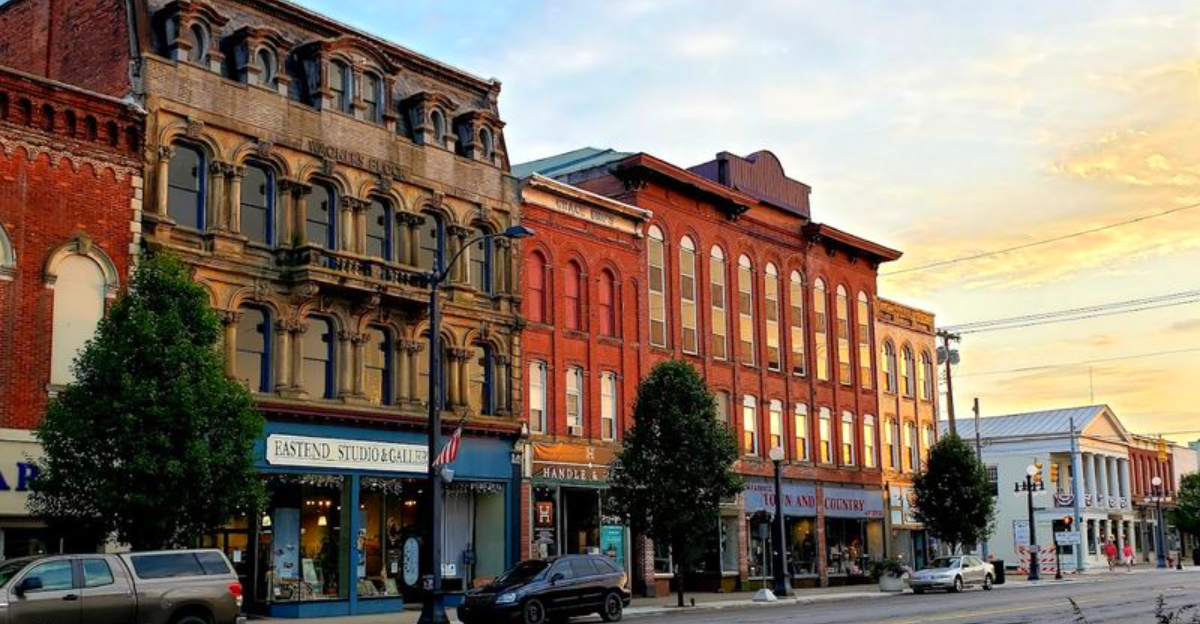
Michigan has a knack for producing main streets that bypass the “manufactured charm” trap, landing instead in a sweet spot of sun-faded brick and genuinely good coffee.
Wandering through these downtowns feels like a slow, textured exhale; there’s a distinct absence of the frantic, generic energy that usually clutters a weekend.
Instead, you get shopkeepers who actually know their inventory and facades that have watched the Great Lakes shift for over a century. Whether the air smells like river water, lake salt, or a bakery oven worth waking up early for, the magic is in the lack of pretense.
These are places where the center still holds, where a simple stroll past a preserved storefront feels like a perfectly executed plan rather than a filler activity between highway exits. Skip the highway sprawl and rediscover the heart of the Great Lakes State by exploring the most vibrant, walkable, and historic downtowns in Michigan.
13. Howell
Grand River Avenue in Howell has the kind of historic rhythm that makes you slow down without noticing. Brick commercial blocks, Victorian-era details, and the restored Howell Opera House give the center real visual weight, but it never feels stiff or over-curated.
You get murals in the alleys, storefront windows with personality, and a downtown that still behaves like a community hub. Many of the core buildings date to the nineteenth century, and the preservation effort is easy to see as you walk block by block.
Howell has also built a reputation for events, from the Michigan Challenge Balloonfest nearby to the longstanding Howell Melon Festival, which keeps the district active beyond shopping hours.
If you go, leave time for side streets and public art instead of treating downtown like a quick pass-through. Howell rewards wandering.
12. Holly
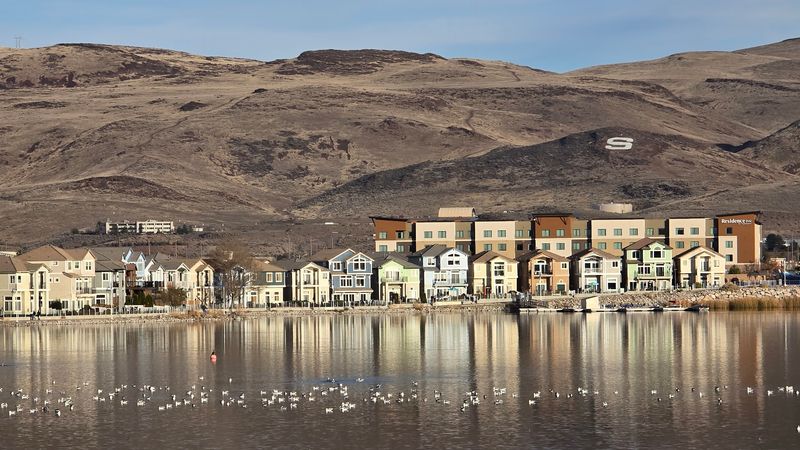
Holly feels like one of those towns that understands its own scale and uses it well. The downtown is compact, walkable, and full of older buildings that give the place an appealing railroad-era backbone. You notice antiques, independent shops, and a village center that still looks built for regular life rather than staged nostalgia.
The community leans into preservation, and that matters here because Holly’s historic core is its greatest asset. The nearby Holly Hotel, originally opened in the nineteenth century and rebuilt after a fire, anchors the town’s sense of continuity, while the business district keeps that story going through intact facades and locally rooted storefronts.
I like Holly best when I am not in a hurry. Browse the antiques, get lunch, and let the place reveal itself at village speed.
11. Chelsea
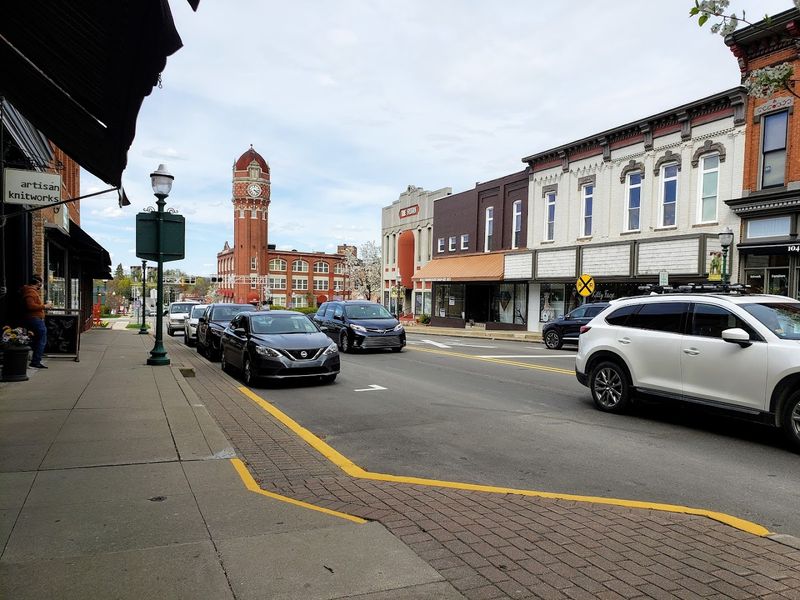
Chelsea has an artsy steadiness that sneaks up on you. Its downtown is neat without being precious, with substantial brick buildings, independent businesses, and enough foot traffic to make it feel genuinely active.
The Purple Rose Theatre Company gives the whole center a creative pulse, so even a casual walk can feel tied to a larger cultural life. That theater matters historically too, because it helped reinforce Chelsea as more than a stop between larger cities.
The downtown district pairs nineteenth-century commercial architecture with practical modern use, and nearby institutions like Serendipity Books remind you that local culture here still depends on people showing up in person.
For a weekend, Chelsea works best if you build the day around downtown rather than rushing outward. See a show if timing allows, then linger over dinner nearby.
10. Manchester
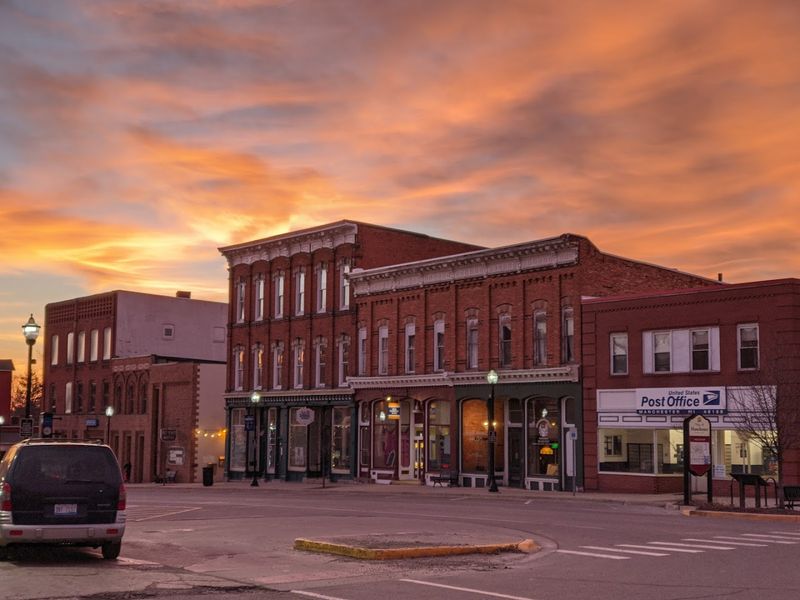
Manchester is quieter than some towns on this list, and that is exactly the appeal. The downtown sits close to the River Raisin, with a small but handsome cluster of historic buildings that feels grounded rather than polished for effect.
You come here for a gentler pace, where the pleasure is in noticing details instead of chasing a checklist. The village grew in the nineteenth century, and the surviving commercial architecture still gives the center its shape.
Manchester’s historic district preserves that early pattern, while the river setting adds a natural frame that keeps the town from feeling sealed off from the landscape around it. If you are planning a weekend, pair downtown browsing with time along the river or at nearby parks. Manchester works well for travelers who like calm more than hype.
9. Petoskey
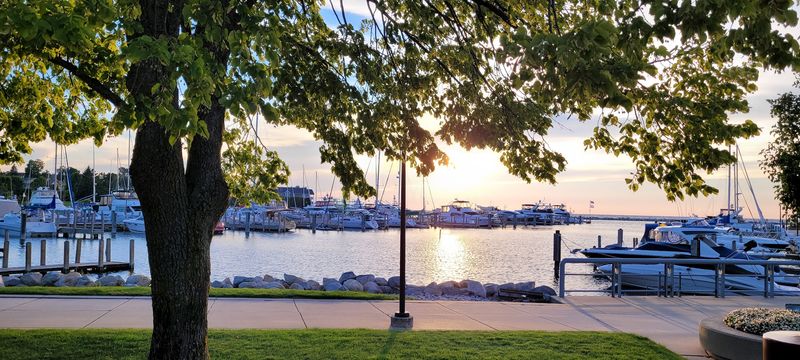
Petoskey’s downtown earns its reputation almost immediately. The Gaslight District climbs gently above Little Traverse Bay, and the combination of Victorian architecture, good storefront density, and water views makes even routine errands feel slightly elevated.
There is energy here, but it stays polished in a northern Michigan way that never tips into resort caricature. Even first impressions feel unusually complete, as if the town has already figured out exactly how much bustle, beauty, and order it wants to carry.
The district’s historic buildings reflect Petoskey’s late nineteenth-century growth as a destination, and preservation has kept the streetscape visually coherent. Literary history trails through town too, thanks to Ernest Hemingway’s family ties to the area, while institutions like Crooked Tree Arts Center add present-day cultural depth.
That mix helps the downtown feel more substantial than a pretty shopping district, because art, history, and architecture all remain visibly part of its identity.
I would plan time here for both shopping and simply looking outward. A downtown this attractive can trick you into rushing, when the real pleasure is the slow circuit.
8. Saugatuck
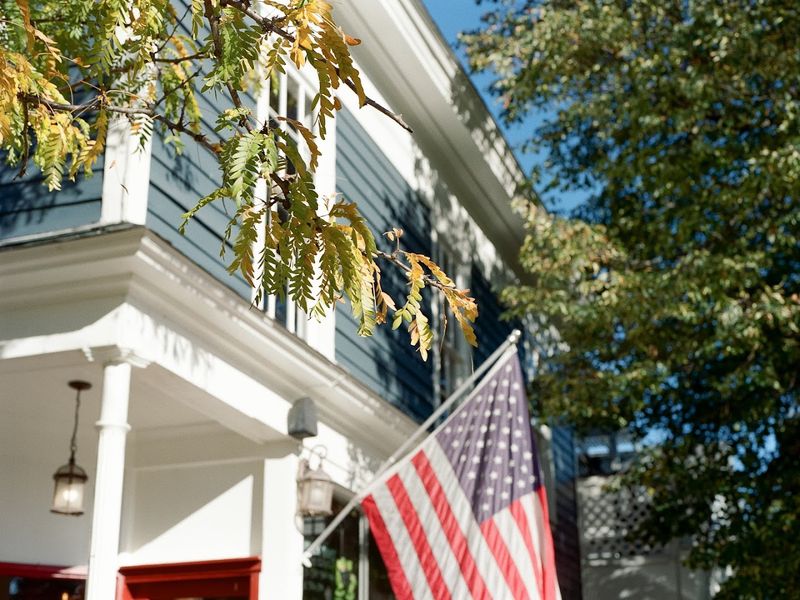
Butler Street in Saugatuck has a bright, slightly mischievous charm that suits the town perfectly. Galleries, boutiques, cafes, and bars line a compact downtown that feels sociable without losing its artistic edge.
Because the Kalamazoo River is so close, the whole place carries a subtle harbor-town looseness, like everyone has already decided the day should stay flexible.
Saugatuck’s long identity as an arts destination is not marketing fluff. The Ox-Bow School of Art, founded in 1910 and affiliated with the School of the Art Institute of Chicago, helped shape the area’s creative reputation, and that sensibility still shows in the number of studios and galleries downtown.
One practical pleasure here is how easily downtown connects to other experiences. You can browse Butler Street, then head toward the waterfront or the chain ferry to reach Oval Beach.
7. Traverse City
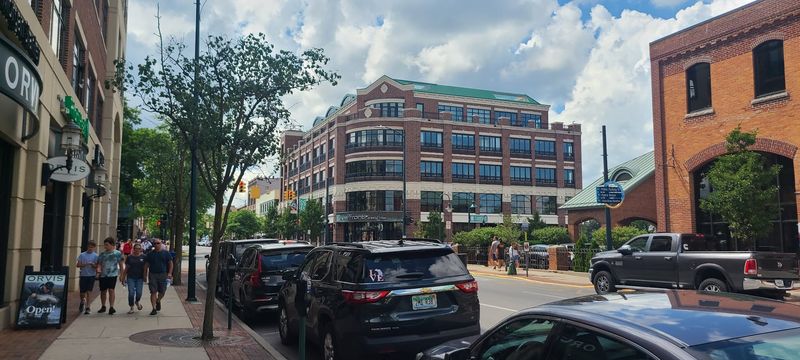
Traverse City is larger than some of the towns here, but its downtown still delivers the intimate rewards of a strong main street. Front Street and the surrounding blocks mix historic facades, bookstores, cafes, and practical local businesses in a way that feels functional first, fashionable second.
That balance keeps the area from becoming a pure tourist set. The city grew as a regional commercial center, and downtown still shows that layered history in its preserved brick architecture and traditional street grid.
Seasonal identity matters too: National Cherry Festival energy spills through the center in summer, while nearby Grand Traverse Bay keeps the setting visually open and unmistakably northern.
What I appreciate most is the range within a few walkable blocks. You can shop, eat well, pick up local goods, and still feel connected to everyday city life.
6. Rockford

Rockford’s downtown is shaped as much by water as by storefronts. The Rogue River runs right through the center, and that gives the business district an easy sense of place you can feel from the first block.
Restaurants, shops, and river views sit close together, so the town works especially well for a weekend built around walking and lingering. Historically, Rockford developed as a mill town, and traces of that working past still inform the layout near the river and dam.
The downtown has evolved into a friendly commercial center without severing those roots, which helps it avoid the interchangeable feel some revitalized districts pick up.
My advice is simple: walk the riverfront as well as the main street. Rockford makes most sense when you experience both at the same pace.
5. Farmington

Farmington is proof that a small downtown can feel both tidy and genuinely inhabited. The historic core is compact, walkable, and lined with businesses that serve local routines as much as weekend visitors. That everyday usefulness gives the place credibility, which is often what separates a memorable main street from one that merely photographs well.
The city preserves a nineteenth-century downtown district whose older commercial buildings still define the streetscape.
Events like the Farmington Farmers and Artisans Market keep the center active, but the architecture does much of the heavy lifting, especially when you notice how comfortably historic facades coexist with present-day retail and dining.
If you are nearby, Farmington is an easy weekend anchor because it asks very little of you. Show up, walk slowly, and let the district’s small-scale confidence do the rest.
4. Marshall
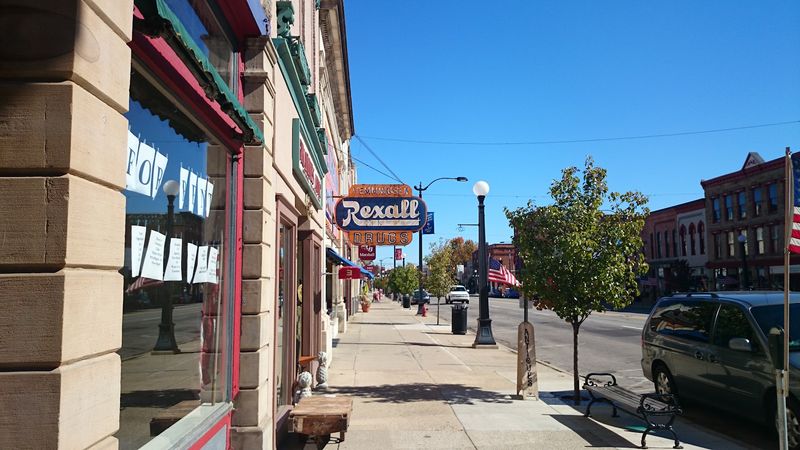
Marshall has one of the most architecturally satisfying downtowns in Michigan. The center feels stately but not stiff, with impressive nineteenth-century commercial blocks and civic buildings that make the town read as historically significant even before you know the details.
It is the kind of place where a short walk turns into repeated stops just to study cornices, windows, and brickwork. That instinct is justified because Marshall is nationally recognized for its preserved architecture.
The city is home to one of the country’s largest National Historic Landmark Districts, and downtown benefits directly from that deep preservation ethic, which extends from storefronts to surrounding residential streets and major landmarks like the Honolulu House Museum.
I would give Marshall a full day, not an hour. It rewards curiosity, and its architectural density makes casual wandering feel unusually rich.
3. Frankenmuth
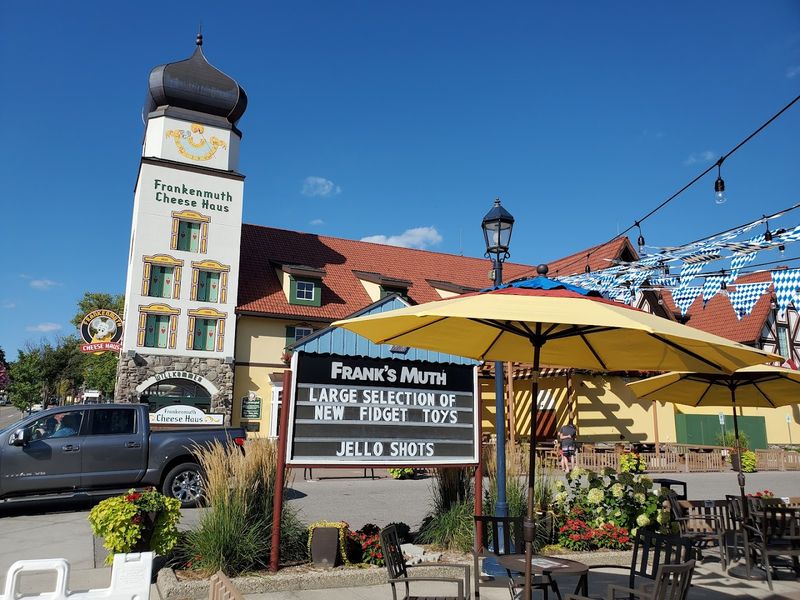
Frankenmuth could have been overwhelming, but the town’s main commercial areas are more grounded than the theme might suggest. Bavarian-style buildings, bakeries, specialty shops, and family restaurants give the streets a festive look, yet the center still functions as a real place people use.
That mix of cheer and routine is part of why weekends here remain so easy to enjoy. The town was settled by German immigrants in the 1840s, and its present identity openly reflects that heritage through architecture, food traditions, and long-running institutions.
Main Street and nearby shopping areas connect visitors to the Cass River, the historical museum, and the larger story behind the Bavarian branding. Go early if you want a calmer read on the place before the day fills in. I think Frankenmuth is most appealing when you can notice the history beneath the spectacle.
2. Three Rivers
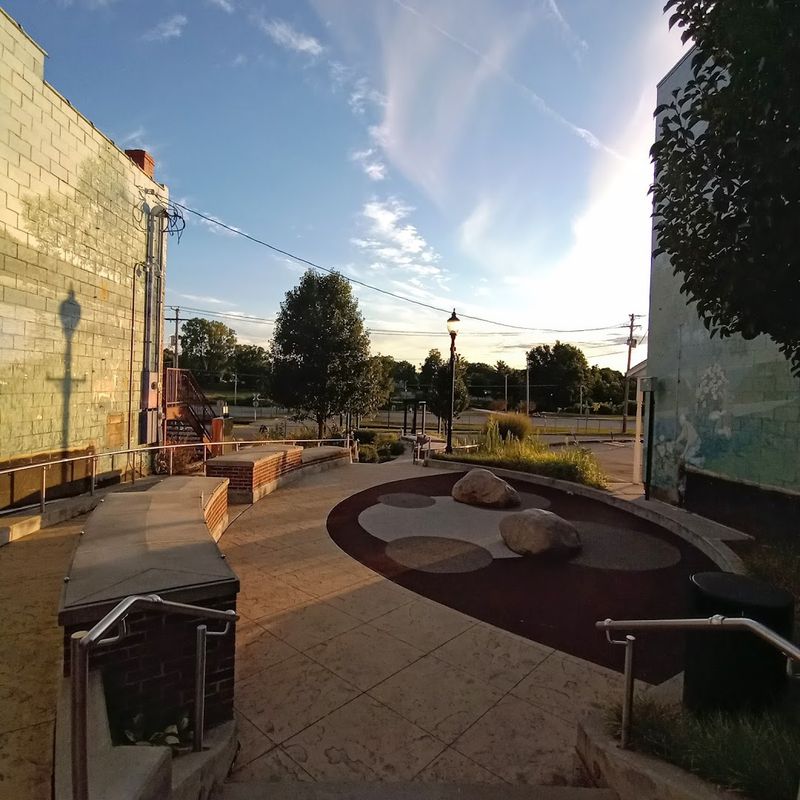
Three Rivers has a name that already hints at its strongest quality: geography with character. Downtown sits near the confluence of the St. Joseph, Rocky, and Portage rivers, and that watery setting gives the historic center a quiet sense of orientation.
The storefronts are modest, but the town’s layout and natural context make a weekend here feel pleasantly specific. The community developed as a transportation and trading point, and the rivers remain central to its identity even as downtown has evolved.
Historic commercial buildings anchor the core, while nearby parks and river access help the district feel connected to the landscape instead of isolated from it. If you are deciding whether to stop, the answer is yes if you like small towns that do not oversell themselves. Three Rivers is understated, and that understatement is part of the charm.
1. Calumet
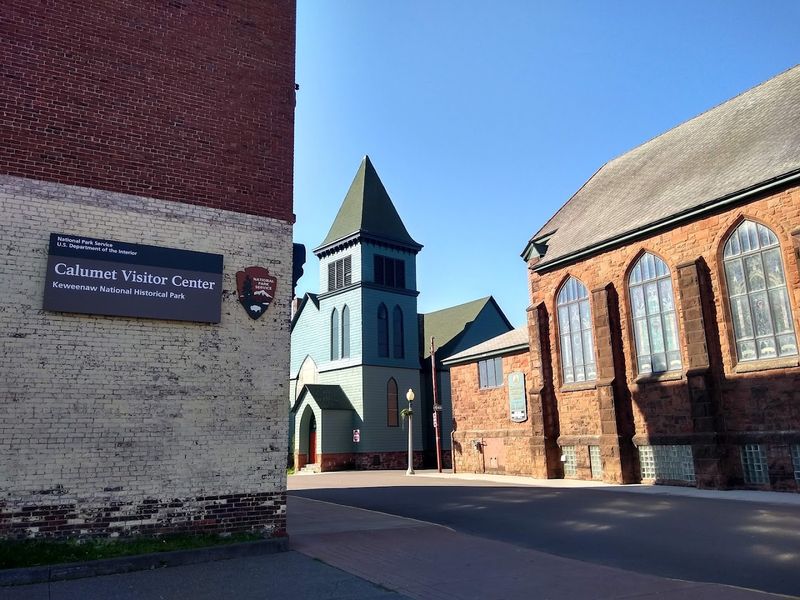
Calumet looks different from almost every other town on this list, and that is its advantage. The downtown’s substantial sandstone and brick buildings reflect copper-boom ambition on a scale you do not expect in a small Upper Peninsula community.
Even on a quiet day, the streets carry a seriousness that makes the town memorable before you step into a single shop. The architecture does much of the talking here, giving the place a weight and density that feel unusual so far from a major city center.
Formerly at the center of the Keweenaw copper mining region, Calumet retains an extraordinary built legacy tied to that industrial wealth.
The Calumet Historic District is part of Keweenaw National Historical Park, and landmarks like the Calumet Theatre underscore how much cultural and architectural investment once flowed through this place. What survives is not just a collection of old buildings, but a full streetscape that still communicates the scale of the town’s former importance.