
This Quirky Mineral Museum In Ohio Is A Dream Come True For Rock Collectors
Ohio has a small university museum where rocks somehow manage to show off harder than most tourist attractions.
Inside a compact campus space, crystals, gems, glowing minerals, fossilized finds, and specimens from around the world turn a quick stop into a surprisingly fun treasure hunt. This is geology with a sparkle filter, minus the science-class sleepiness.
I went in expecting a short browse and left with a free rock, a few new facts, and the feeling that I had found one of Ohio’s quirkiest little surprises.
For rock collectors, curious kids, and anyone who enjoys a place with “wait, that is actually cool” energy, this museum is absolutely worth the detour.
A Hidden Gem on a University Campus
Not every great museum needs a giant marquee or a line out the door to make an impression. Sometimes, the best finds are quietly waiting on a university campus, full of sparkle, curiosity, and just enough rock-star energy to make geology feel surprisingly fun.
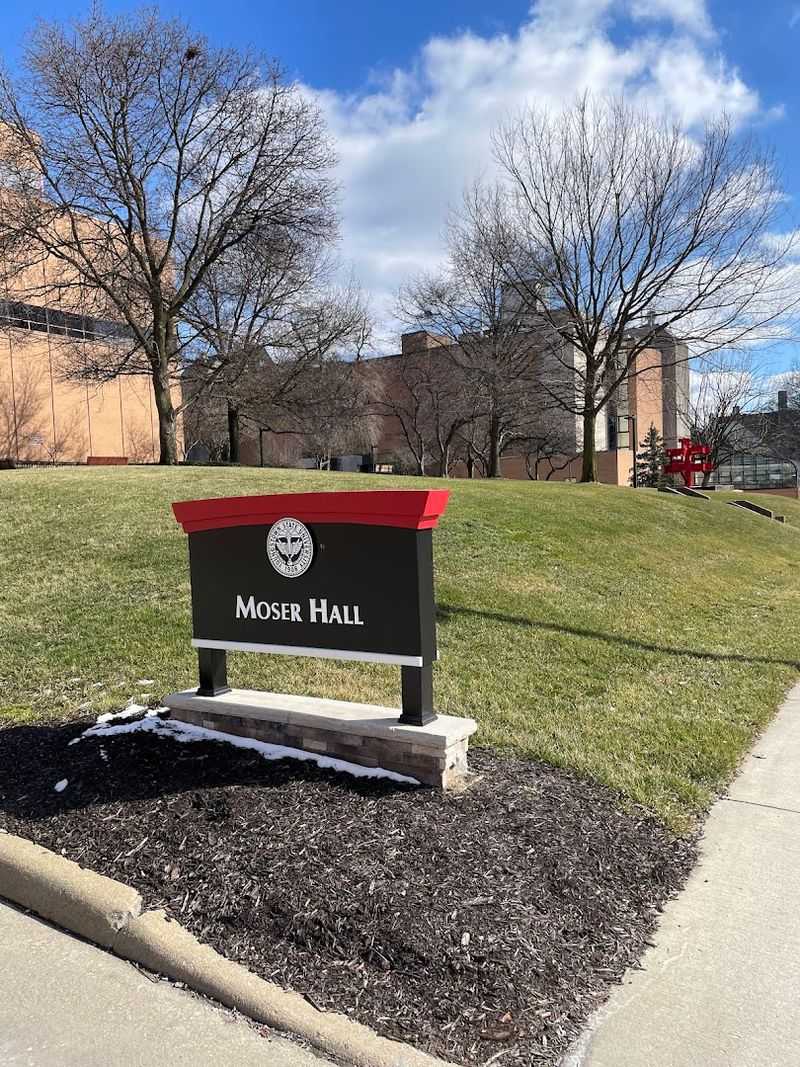
The Clarence R. Smith Mineral Museum lives inside Moser Hall at Youngstown State University, and it earns attention in a calm, confident way.
It is free to visit, which already makes it one of Ohio’s easiest little detours to say yes to.
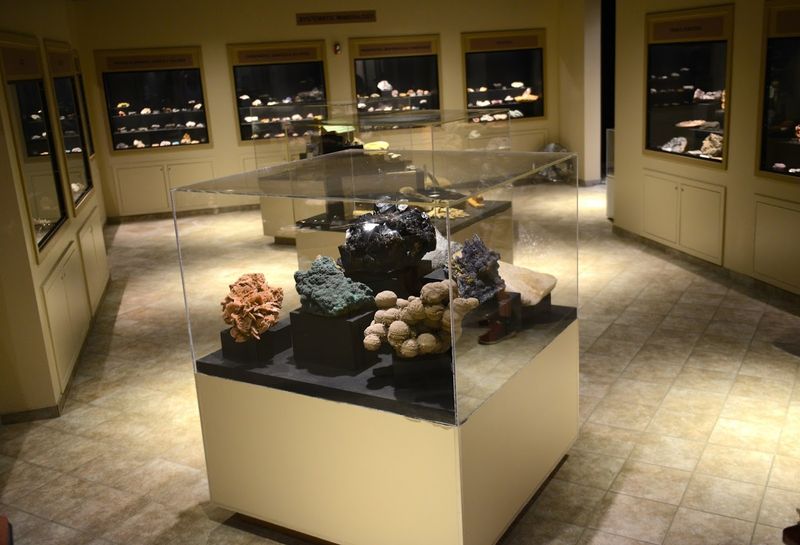
You do not need to be a student or faculty member to stop in, and that welcoming setup makes the Museum feel refreshingly accessible. The atrium space gives the displays an open, airy feel, while natural light brings out the shine in crystals, polished stones, and other eye-catching specimens.
The campus is also easy to navigate, and the museum pairs nicely with nearby attractions like the Butler Institute of American Art. Parking is generally manageable, especially on weekday mornings when the museum opens at 10 AM.
For a quick stop that feels far more interesting than its modest size suggests, head to the Clarence R. Smith Mineral Museum inside Moser Hall, 134 Lincoln Ave, Youngstown, OH 44555.
The Story Behind the Name
Every museum has an origin story, and this one belongs to a family whose love of rocks became something much bigger than a private collection. The Clarence R.
Smith name connects to both Clarence R. Smith Sr. and Clarence R.
Smith Jr., a father and son whose shared interest in minerals helped shape what visitors see today.
Smith Sr. began collecting geological specimens after spending winters in Arizona, eventually opening a rock shop at his home in Boardman. His collection caught the attention of Youngstown State University geology professor Dr. Ikram Khawaja, who saw its educational potential.
After 1970, Smith Jr. expanded the collection and later donated it to the university, giving the museum its foundation.
Knowing the backstory makes the visit feel more personal. You are not just looking at minerals behind glass.
You are looking at a family collection that grew into a public educational resource for anyone curious enough to show up.
Museums like this one survive because of passionate people who believe that knowledge should be accessible. The fact that admission is completely free feels like a direct reflection of that original spirit, and it makes the whole experience feel genuinely generous.
What the Collection Actually Looks Like
The word “collection” sometimes brings to mind a few dusty shelves and some pebbles in a jar. That is absolutely not what this museum delivers.
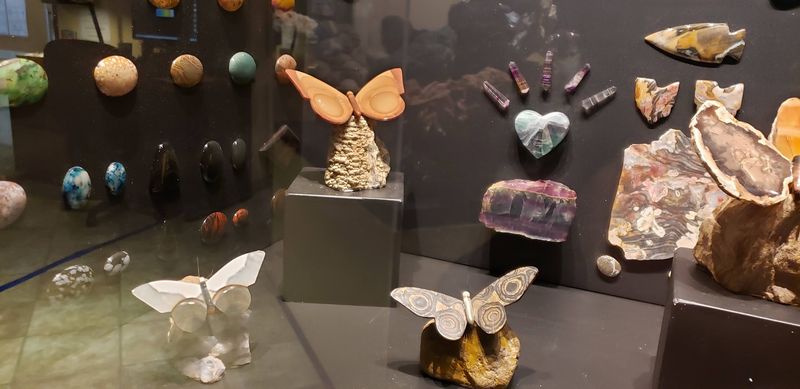
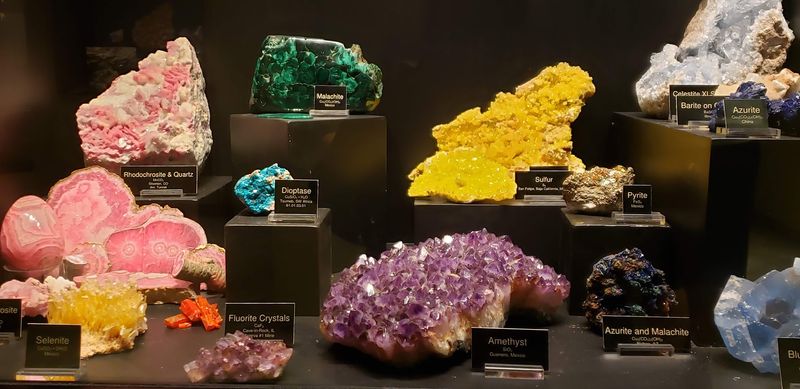
The displays here feature exotic rocks, sparkling crystals, and gem specimens from locations around the globe, and many of them are genuinely striking.
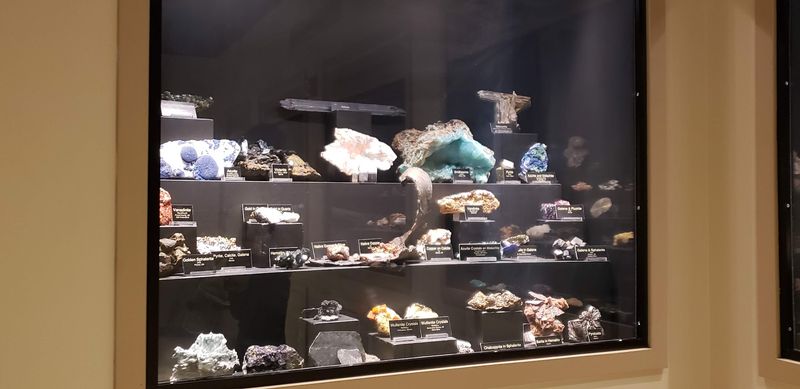
Amethyst clusters, metallic ore samples, fossilized materials, and brilliantly colored minerals sit side by side in well-organized cases. Each specimen comes with labeling that explains what you are looking at and where it came from.
There are also local Ohio finds mixed in among the international samples, which gives the collection a nice sense of regional identity alongside its global reach. Seeing a specimen pulled from nearby soil next to something from a distant continent puts geology in a wonderfully human perspective.
The variety is genuinely impressive for a museum of this size. You can spend a focused thirty minutes here and still feel like you absorbed something meaningful, which is a rare quality in any cultural space.
The Fluorescent Rock Display That Will Blow Your Mind
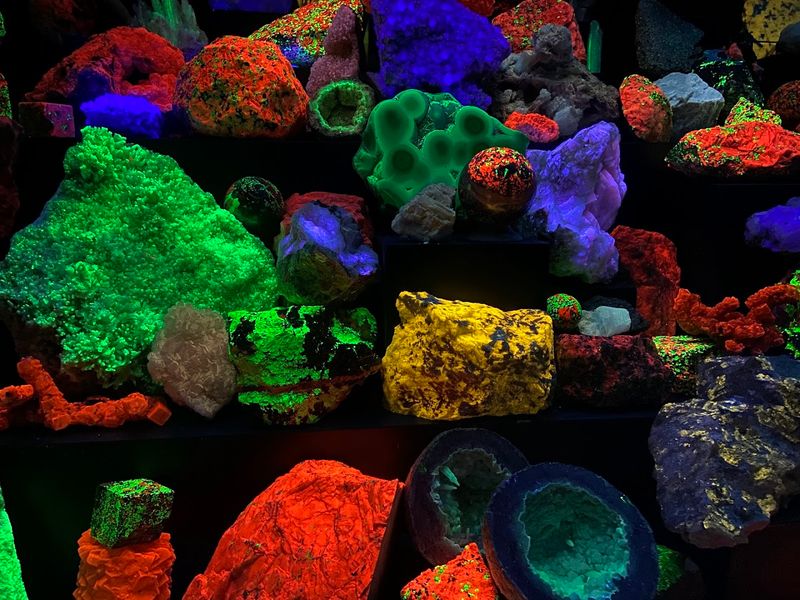
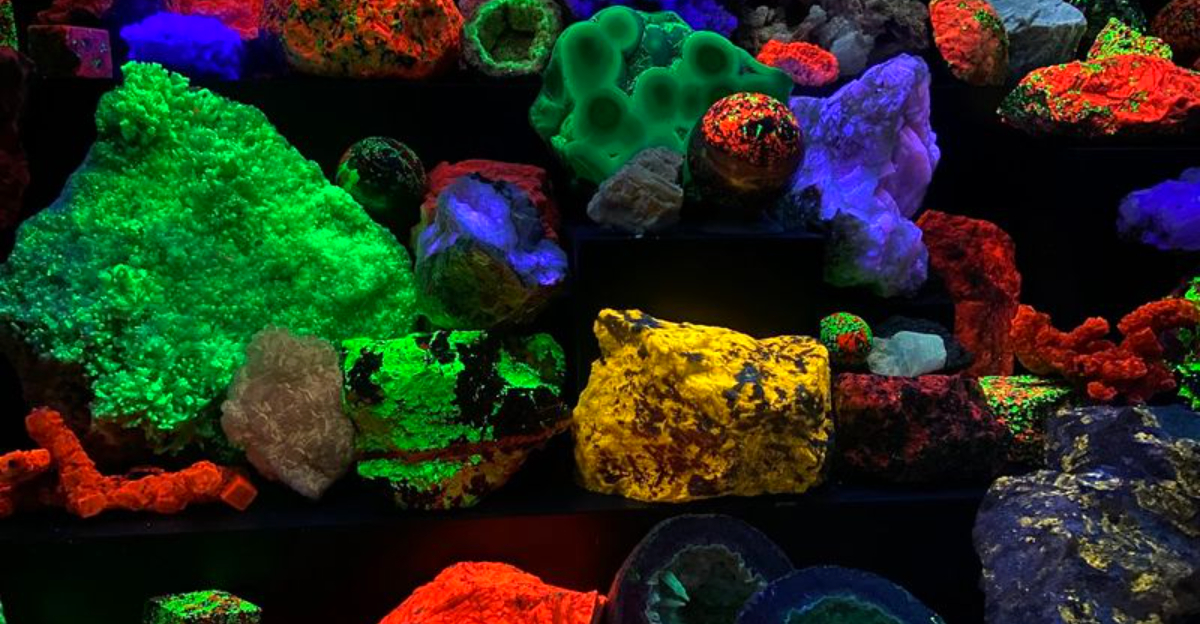
Here is the section of the museum that genuinely caught me off guard. There is a fluorescent mineral display where certain rocks, which look completely ordinary under regular light, transform into vivid neon colors when ultraviolet lights are switched on.
Greens, oranges, pinks, and reds burst out of what seemed like plain gray or white stones just seconds before. It feels almost theatrical, and honestly, it is one of the coolest single moments I have had in any natural history or science museum.
The trick is knowing how to activate the display. There is a light switch near the case that turns on the ultraviolet lights, and if you are unsure, museum staff can point you in the right direction.
Do not leave without seeing this display lit up properly.
Fluorescent minerals glow because of trace elements within their chemical structure that absorb UV light and re-emit it as visible color. The science is fascinating, but honestly, the spectacle sells itself long before any explanation kicks in.
The Free Rock You Get to Take Home
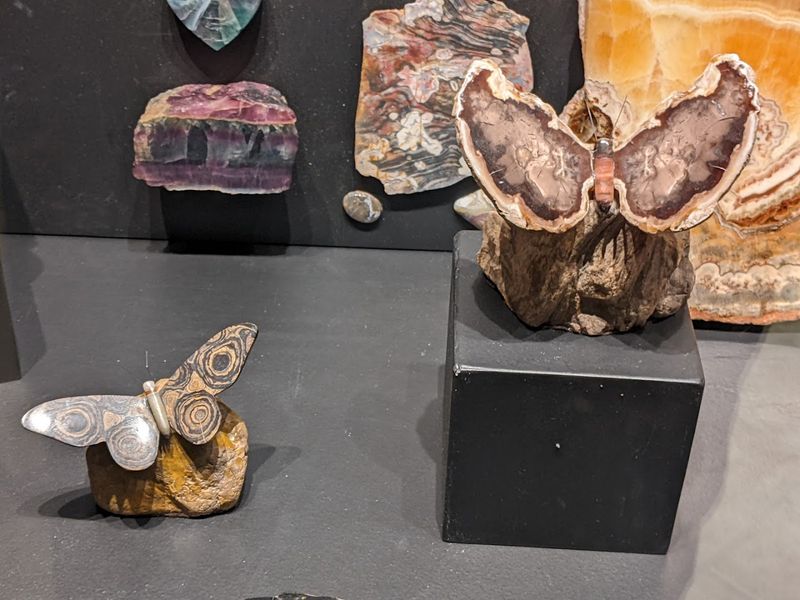
Free admission is already a strong argument for visiting, but the museum sometimes takes generosity one step further. According to the museum’s own visitor information, lucky guests may walk away with a free souvenir if supplies are in stock.
It is a small gesture, but it carries real weight. Handing someone a piece of the earth to keep feels like an invitation to keep exploring, keep learning, and keep paying attention to the natural world long after they have left the building.
Because availability can change, it is best to treat the free rock as a happy bonus rather than a guaranteed part of every visit.
For kids especially, this is the kind of souvenir that sparks ongoing curiosity. A rock from a museum carries more meaning than a keychain, and when supplies are available, the fact that it costs nothing makes the whole experience feel genuinely welcoming to every kind of visitor.
The Knowledgeable Staff Who Make It Personal
A collection is only as good as the people who help you understand it, and this museum punches well above its weight in that department. The museum specialist on staff consistently earns high praise for being both knowledgeable and genuinely enthusiastic about sharing what they know.
During my visit, I asked a few questions about specimens I did not recognize, and the answers I got were clear, detailed, and delivered with real excitement. That kind of energy is contagious in the best possible way.
It is obvious that the staff here actually care about the minerals and about the visitors experiencing them properly. They are not just minding the door.
They are active participants in making the visit worthwhile.
If you have specific interests in geology, mineralogy, or local Ohio earth science, do not hesitate to ask questions. The staff seems to genuinely enjoy those conversations, and you will likely walk away knowing something you absolutely did not know before you arrived at this small but mighty museum.
The Fossil Details That Add a Surprise
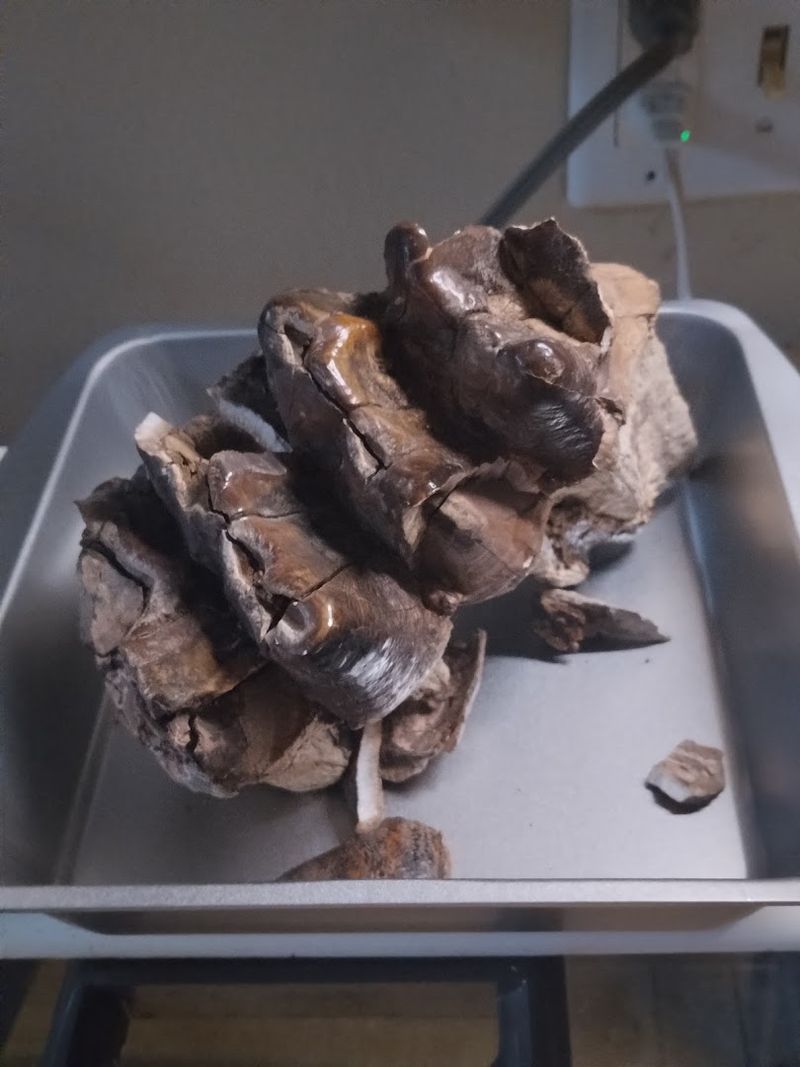
There are fossil details in the museum that catch a lot of first-time visitors completely off guard, and they are absolutely worth noticing before you head for the exit. The main mineral displays are impressive on their own, but the fossil pieces add an extra layer of curiosity to the whole experience.
One of the more unusual items mentioned in the museum’s own virtual tour is a coprolite, which is fossilized animal waste, and yes, it is exactly as fascinating as it sounds. Finding something like that in a small university museum is the kind of quirky detail that makes a place genuinely unforgettable.
The museum also has additional geological pieces in storage, and its displays are updated periodically, giving the collection more depth than the compact footprint of the public area might suggest. It rewards visitors who take their time and look carefully.
Honestly, details like this make the museum feel like a bonus level. The space is small enough that it would be easy to rush through, but moments like this one make a strong case for slowing down and looking around every corner.
Practical Tips Before You Visit
A little planning goes a long way when visiting a smaller museum like this one, and there are a few things worth knowing before you make the trip. The museum is open Tuesday through Friday from 10 AM to 4 PM, with additional public hours on the second Saturday of each month from 10 AM to 2 PM, subject to change.
Admission is completely free, which makes it an easy addition to any day trip through northeastern Ohio without any budget pressure. You can reach the museum at 330-941-7454 or check out the website at minerals.ysu.edu for any updates on hours or special events.
The visit itself typically takes around thirty minutes, so it pairs well with other nearby stops. The Butler Institute of American Art is a short walk away, making for a nicely rounded cultural afternoon in Youngstown.
Visitor parking options include metered spaces along Lincoln Avenue and the Wick Parking Deck, so plan for possible parking fees depending on where you park.
The museum sits inside Moser Hall, so look for building signage once you are on the Youngstown State University campus and you will find your way there without any trouble at all.