
This Tucked-Away Railroad Depot In Arkansas Is A Must-Visit For Anyone Who Loves History
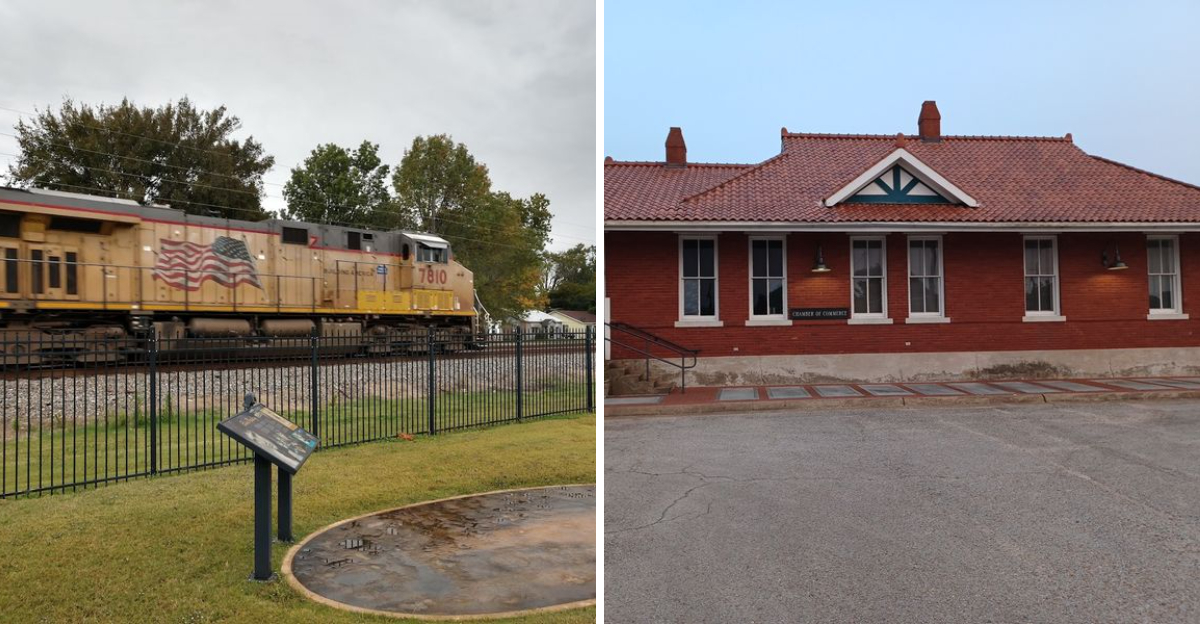
Some places catch you off guard in the best way. This railroad depot in northeast Arkansas did exactly that for me.
I stopped during a Delta road trip with no expectations. Within minutes, I knew I would stay longer.
The restored waiting room feels warm and familiar, like it has seen countless travelers come and go. Step outside and a small park sits right beside active tracks.
Trains still pass through, and the sound alone is worth hearing. The Mediterranean-inspired design adds a look you would not expect in a small-town station.
It gives the whole place character. Nothing feels staged.
Nothing feels rushed. You move slower here without trying.
Every corner holds something worth noticing. If you have ever been curious about railroad history, this stop offers more than just a quick look.
It gives you a moment that sticks.
Early 1900s Missouri Pacific Depot Origins
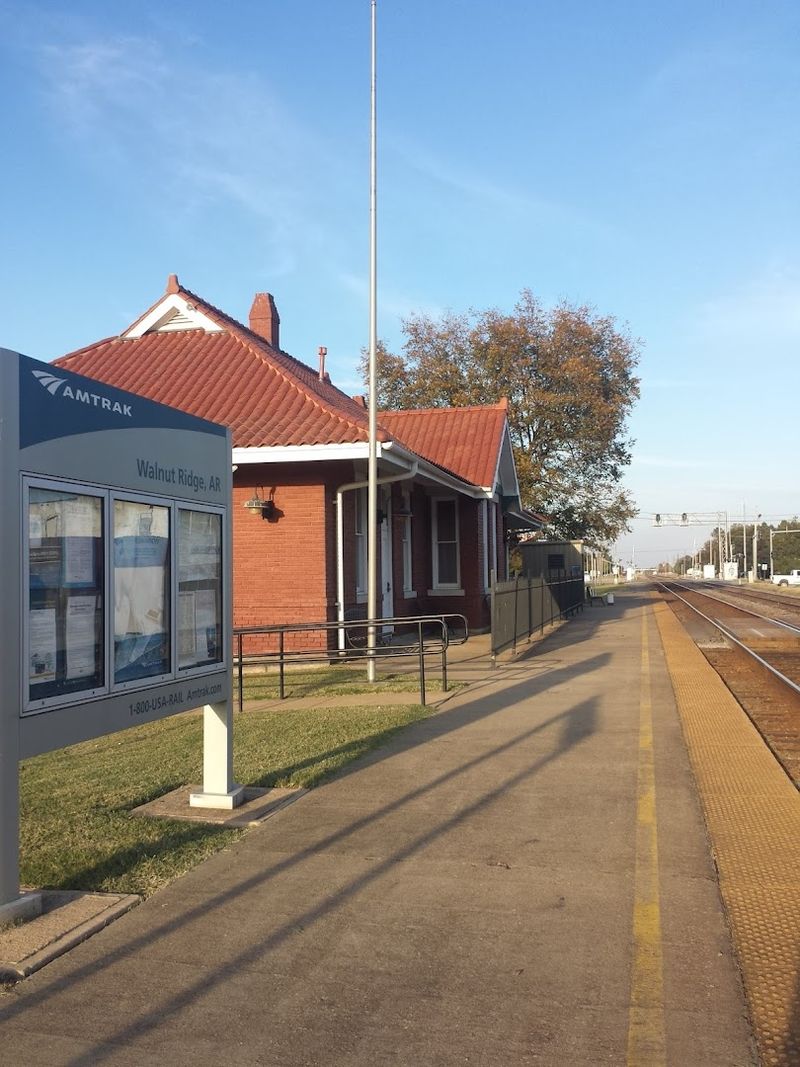
Railroads shaped the American South in ways that are still visible today, and Walnut Ridge is a perfect example of that legacy.
The depot standing at the heart of this small Arkansas city traces its roots back to the Missouri Pacific Railroad, which ran lines through this region in the early twentieth century.
Missouri Pacific was one of the most powerful rail networks in the country during that era, connecting rural communities to larger markets and urban centers across the Midwest and South.
When the railroad came through Walnut Ridge, it transformed the town from a quiet farming settlement into a transportation hub, drawing commerce, workers, and travelers from across the region.
Standing inside the depot today, I could almost hear the echo of steam engines and conductor calls bouncing off those original walls.
The building carries that early-century energy in every detail, from the scale of the waiting room to the placement of the platform beside the still-active tracks.
Knowing that this structure has survived more than a hundred years of American history made every minute I spent there feel meaningful, like touching a timeline that most people only read about in textbooks.
You can find it at the Walnut Ridge Amtrak Station at 109 Southwest Front Street, Walnut Ridge, AR 72476.
Mediterranean Inspired Brick Station Architecture
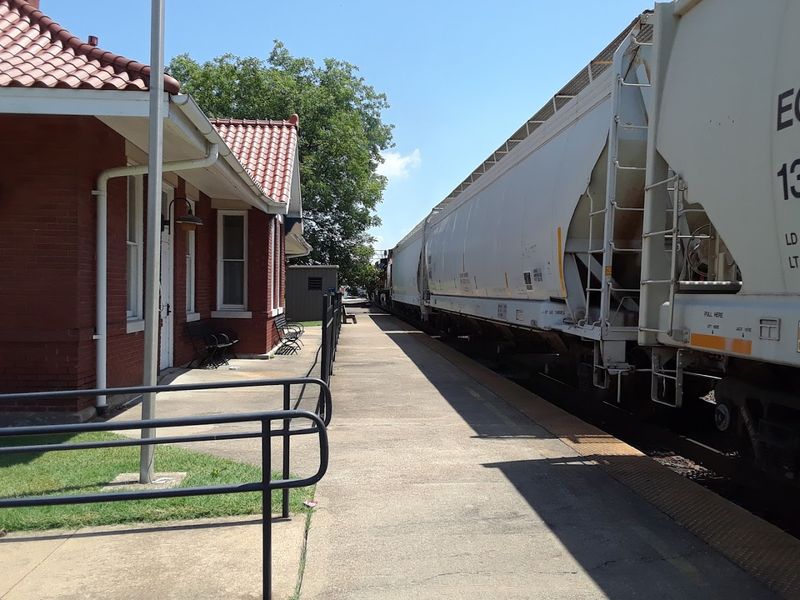
Not every small-town train station in Arkansas looks like it borrowed design cues from the Mediterranean coast, but this one clearly does.
The brick construction features architectural details that reflect the Mediterranean Revival style popular among railroad companies in the early twentieth century, when depots were designed to impress as much as to function.
Arched elements, careful brickwork, and a sense of proportion that feels almost formal for such a modest-sized city all work together to give the building a presence that stops you mid-stride.
I remember approaching the entrance and doing a small double-take, because the craftsmanship looked more deliberate and artistic than I expected from a rural Arkansas stop.
Railroad companies during that period understood that a well-designed depot communicated reliability and permanence to the communities they served, and this building still delivers that message today.
The warm red brick catches afternoon light in a way that makes the whole structure look almost golden from the right angle.
Architecture enthusiasts and casual visitors alike tend to spend a few extra minutes outside just taking in the details, which is exactly what I did on my own visit to this remarkable spot.
Active Amtrak Stop With Daily Service
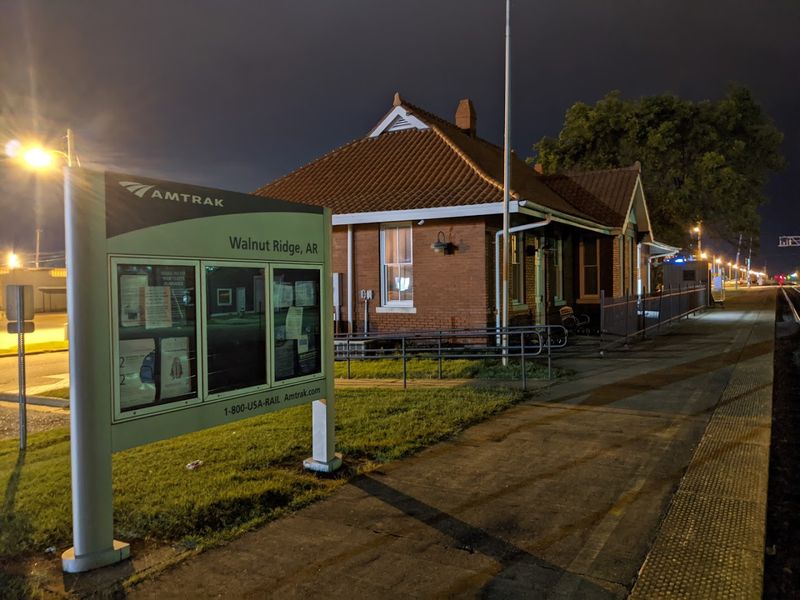
What surprised me most about this historic depot is that it is not just a preserved relic sitting behind a velvet rope.
Walnut Ridge operates as an active Amtrak stop, which means real passengers board and depart trains here on a regular basis, keeping the building connected to its original purpose in a way that few historic stations manage to pull off.
Amtrak service runs through this station as part of a long-distance route, so travelers can actually use this depot as a practical jumping-off point for journeys across multiple states.
The combination of living history and functional transit is rare, and it gives the station an energy that purely museum-style depots simply cannot replicate.
Trains can arrive late into the night, which is worth factoring into your plans if you are catching a ride rather than just touring the building.
A vending machine is available in the waiting room, which is a small but welcome comfort during those late-hour waits.
You can reach Amtrak at their national number or visit the station website to check current schedules before your trip to Walnut Ridge Amtrak Station.
Texas Eagle Route Passenger Connection
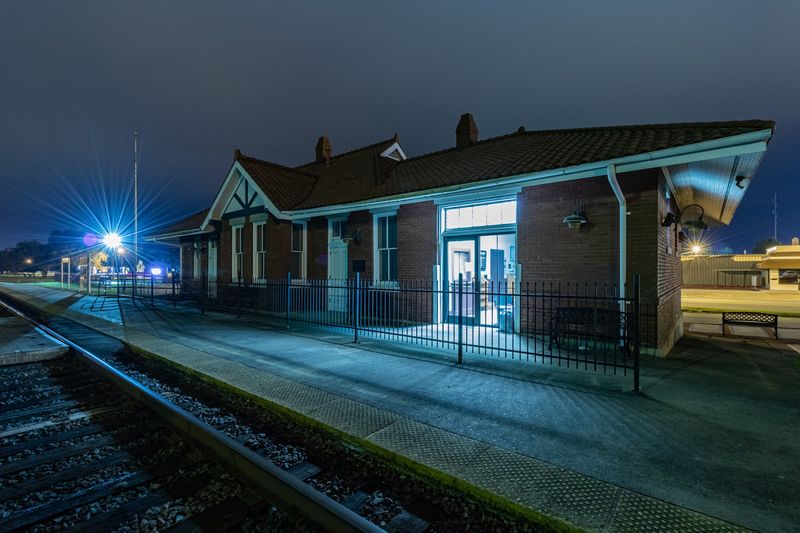
One of the most exciting things about catching a train here is knowing exactly which route you are riding.
The Texas Eagle is the Amtrak service that connects this depot to a sweeping corridor stretching from Chicago all the way down to San Antonio, Texas, passing through cities like St. Louis, Little Rock, and Dallas along the way.
That route has been carrying passengers through the American heartland for decades, and Walnut Ridge sits right along that corridor as a recognized stop.
I found it thrilling to stand on that platform and realize that the same tracks beneath my feet stretch hundreds of miles in both directions, linking small-town Arkansas to some of the biggest cities in the country.
For history lovers, riding the Texas Eagle is itself an experience worth planning around, since long-distance train travel gives you a ground-level view of the American landscape that no highway or flight can match.
Families, solo travelers, and rail enthusiasts all share this route, which creates a surprisingly social atmosphere on board.
Booking a Texas Eagle ticket through Walnut Ridge turns this modest depot into your personal gateway to an unforgettable cross-country rail adventure that connects the rural South to the broader American story.
Restored Waiting Room For Rail Travelers
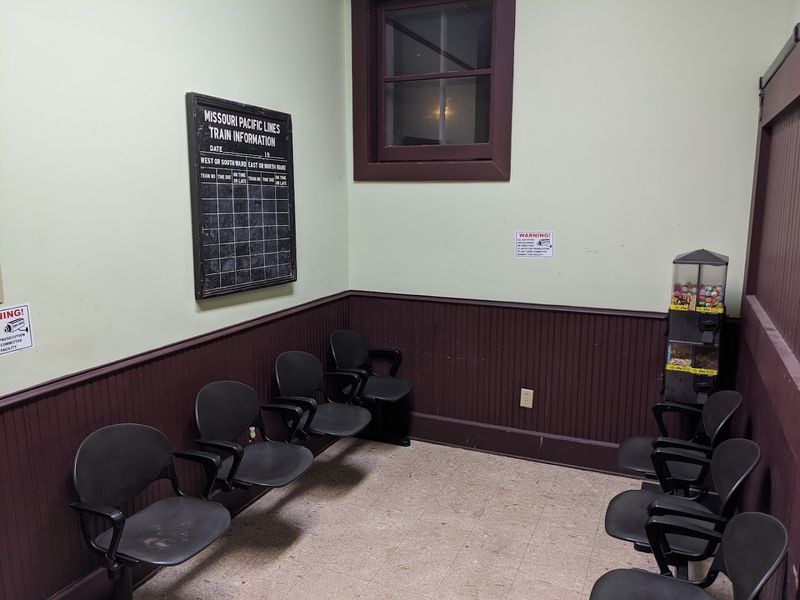
The waiting room immediately gives the sense that the building is showing you its best side.
The interior has been restored with care, preserving the spacious layout that made early twentieth century depots feel welcoming to travelers arriving from long journeys on uncomfortable carriages.
The waiting area is clean and surprisingly roomy, which is a real comfort when you are managing luggage and watching the clock for a late-night departure.
Restrooms are available inside the station and are kept in reasonable condition, which matters more than people admit when you are waiting for a train that runs on its own schedule.
The benches inside are functional rather than luxurious, so packing a small travel pillow or cushion is a smart move if you anticipate a long wait.
The atmosphere carries an old-time feel that makes the space inviting without trying too hard.
The room manages to balance historic character with just enough modern practicality to keep today’s travelers comfortable while honoring the generations who passed through before them.
Local Chamber Offices Inside Historic Depot
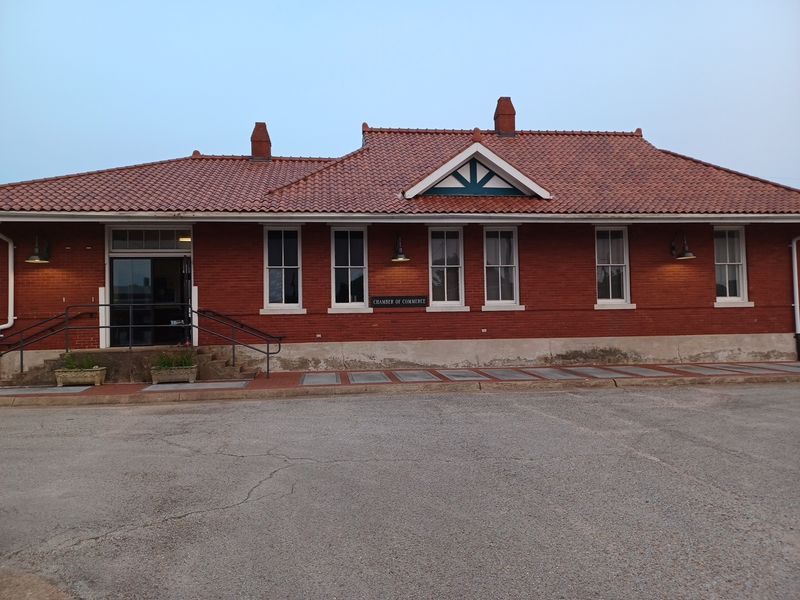
Railroad depots that survive long enough often find creative second lives, and this one found a particularly community-minded purpose for its extra space.
The Walnut Ridge Area Chamber of Commerce maintains offices inside the historic depot building, turning what could have been empty square footage into a working hub for local business and tourism outreach.
That arrangement is a smart use of a landmark structure, since it keeps people moving through the building on a regular basis and ensures the depot stays connected to the daily life of the community it has served for over a century.
For visitors, having a chamber office on-site means you can pick up local maps, ask about nearby attractions, and get recommendations from people who actually live and work in the area.
I found that kind of local knowledge invaluable during my own visit, since Walnut Ridge has more going on than its modest size might suggest at first glance.
The Guitar Walk nearby, which celebrates the area’s rockabilly music history, is one of those hidden details that a chamber staffer pointed me toward.
Sharing a roof between a working transit stop and a community organization gives this depot a layered identity that makes it feel alive rather than frozen in time like a museum piece.
Downtown Park Setting Beside Active Tracks
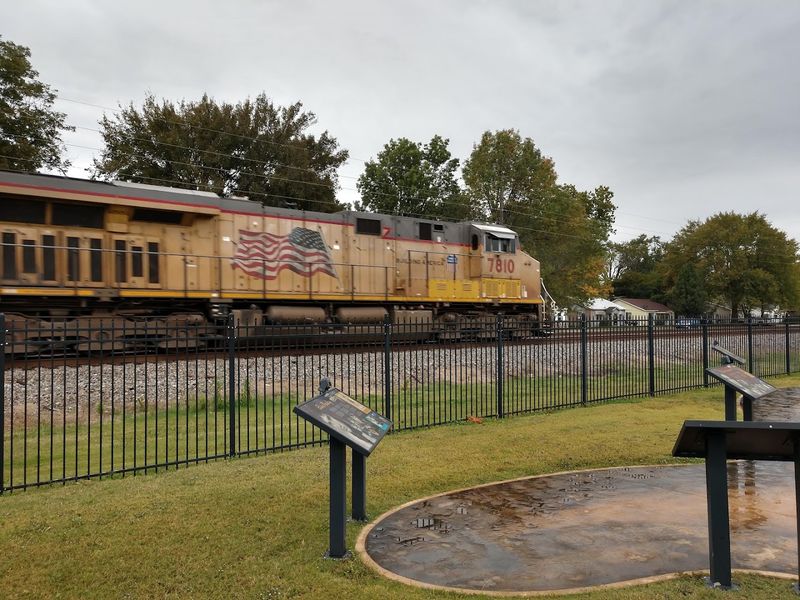
Few train stations in the country offer the kind of outdoor setting you find right outside this depot’s doors.
A park sits adjacent to the station grounds, providing shaded benches, open green space, and a front-row view of the active railroad tracks that still carry freight and passenger trains through town.
It is easy to overlook a spot like this when thinking about what to do near a train station in a small Arkansas city, but it adds real value to the experience.
Watching a train roll through while sitting on a bench in that park is one of those simple, unhurried experiences that reminds you why slow travel has its own kind of appeal.
The park also gives families with children a place to stretch and move around during layovers, which makes the overall station experience considerably more manageable.
Outside benches near the building itself add another option for fresh-air waiting when the weather cooperates, though summer evenings can bring mosquitoes, so a repellent is worth tucking into your bag.
The combination of historic architecture, active tracks, and a green space makes this station grounds one of the more pleasant outdoor spots in northeast Arkansas.
Community Restoration Preserving Railroad Heritage
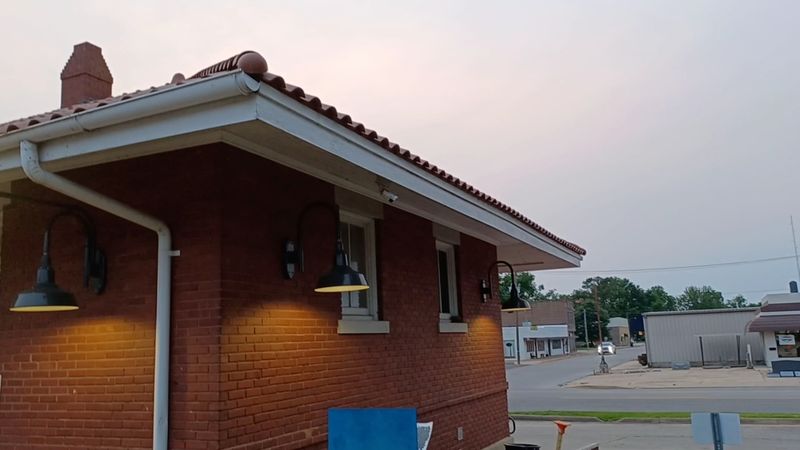
A building this old does not survive in good shape by accident, and the story of how this depot reached the present day is one worth knowing.
Community members, local organizations, and preservation advocates worked together over the years to restore and maintain the structure, recognizing that losing it would mean losing a tangible piece of the region’s identity.
Railroad heritage runs deep in northeast Arkansas, where the tracks once determined which towns grew and which ones faded, so protecting a surviving depot carries real emotional weight for longtime residents.
The restoration effort helped preserve key architectural details, which is why the building still reads as authentically historic rather than superficially renovated.
Visitors who care about preservation will notice and appreciate those choices, from the brickwork to the scale of the interior spaces.
The station reflects what community-driven preservation can accomplish when people commit to protecting a shared landmark.
Every time a new passenger boards the Texas Eagle at Walnut Ridge Amtrak Station, they are stepping into a building that a whole community decided was worth saving, and that makes the journey feel a little richer before it even begins.