
A Fascinating Kentucky Dollhouse Museum You Won’t Want To Leave
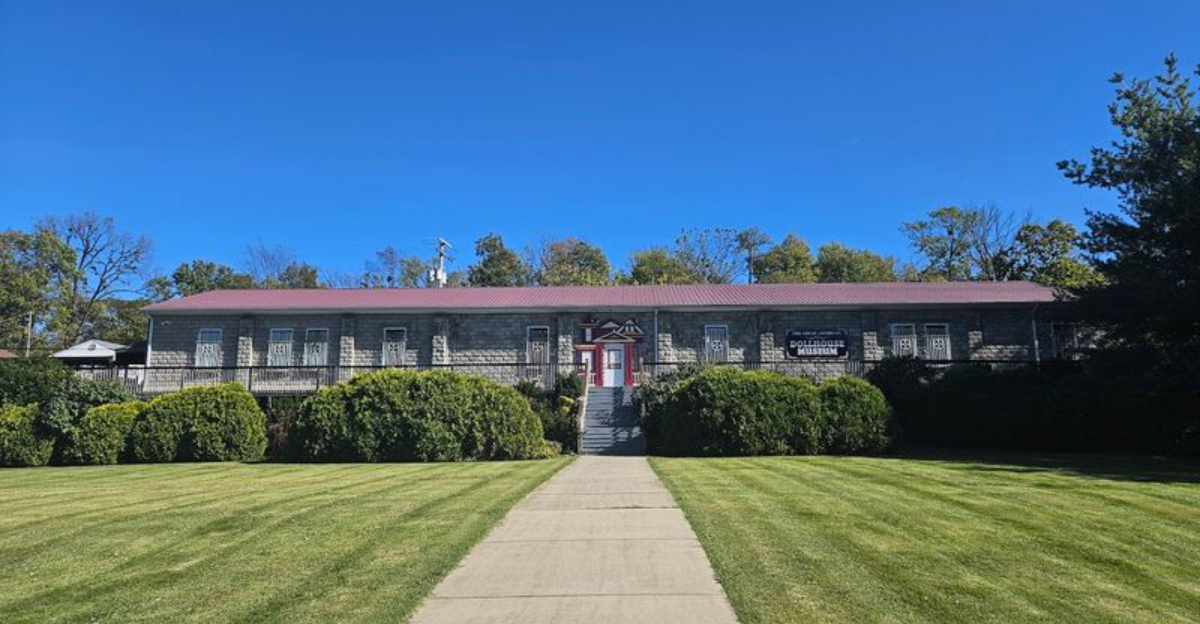
It hits like that moment in Night at the Museum when everything feels like it’s quietly about to wake up. Except here, it already has, just in miniature form.
Inside a 1939 WPA-built armory in Danville, Kentucky, a whole world unfolds across 6,000 square feet of intricate detail. More than 200 tiny scenes recreate slices of American life across centuries, from early settlements to modern streets, each one packed with obsessive, almost unbelievable craftsmanship.
Nothing here feels like a passive display. Every miniature room tells a story.
Every storefront, every street corner, every caption adds a layer of humor or history that pulls you in closer than you planned. You think you’ll glance, and then suddenly you’ve been staring for twenty minutes. It’s part museum, part time machine, part optical illusion for how long you’ve been standing still.
And somehow, it works just as well for history lovers as it does for anyone who just wandered in off the street. Leaving is the hardest part.
The Historic Building That Sets The Mood Instantly
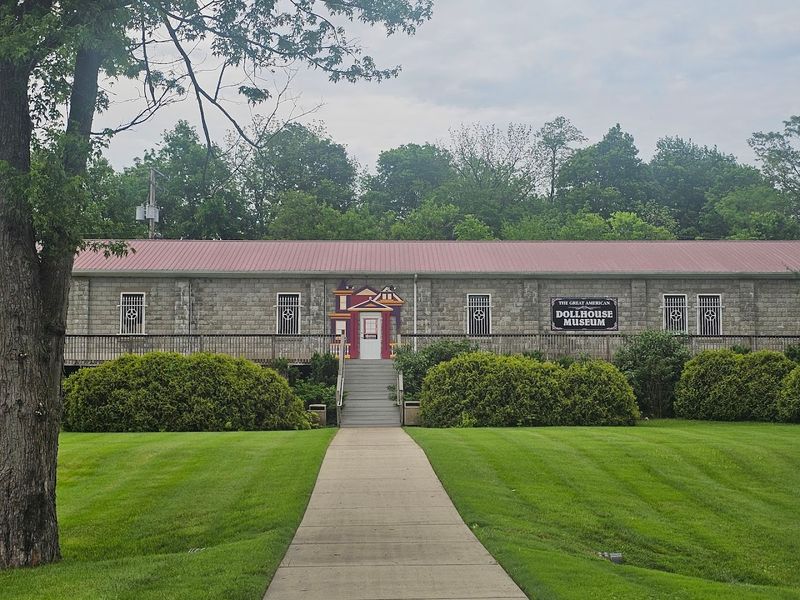
Before you even look at a single dollhouse, the building itself stops you in your tracks. The Great American Dollhouse Museum lives inside a 6,000-square-foot structure built in 1939 under the Works Progress Administration.
Originally designed as a National Guard Armory, the space carries a dramatic architectural presence that feels both historic and magical.
The moment you step inside, those soaring hardwood ceilings and exposed iron girders create a sense of grandeur that perfectly frames what awaits. It is the kind of space that makes you instinctively slow down and take a breath.
The architecture alone tells a story of American resilience and craftsmanship from a remarkable era.
What is clever about this building is how seamlessly it complements the museum’s mission. The scale of the room allows massive exhibits to breathe and unfold naturally.
You never feel crowded or rushed, which is rare for a museum this packed with content.
The WPA itself was a New Deal program designed to put Americans back to work during the Great Depression.
Knowing that history adds a beautiful layer of meaning to every exhibit inside. The building is wheelchair accessible throughout, making it welcoming for everyone who walks through its doors.
Visiting here feels like stepping into two different eras of American history simultaneously, and that combination is genuinely thrilling from the very first moment.
A Fictional Kentucky Town That Feels Completely Real
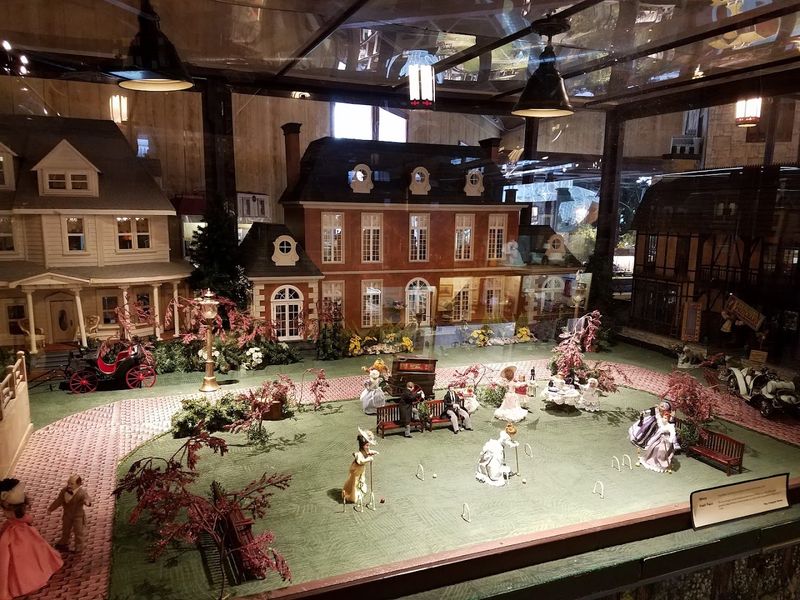
Located at 344 Swope Drive, Danville, KY 40422, the museum’s crown jewel is absolutely Copper Hollow. This fictional Kentucky town set around 1910 is so richly detailed that you half expect the tiny residents to wave back at you.
Every building, every street corner, and every miniature storefront feels like a real place frozen beautifully in time.
Copper Hollow features a full mansion district, business and retail areas, a factory section, and even a Shaker village. The variety is staggering.
You move from elegant Victorian parlors to bustling general stores without ever losing the thread of the story being told around you.
The humor baked into this display is what truly sets it apart. The captions reflect everyday interactions with a wink and a nudge, capturing the quirks and charms of small-town Kentucky life with surprising warmth.
You will catch yourself laughing out loud at tiny details tucked into corners most visitors walk right past.
Each section of Copper Hollow can be viewed from multiple angles, so you are constantly discovering new layers.
The attention to period-accurate detail is remarkable, from tiny newspaper headlines to miniature food on restaurant tables. Spending serious time here is not just encouraged, it is practically required.
Copper Hollow alone could justify the entire admission price, and that says everything about the ambition behind this extraordinary exhibit.
A Timeline Of American History Told In Miniature
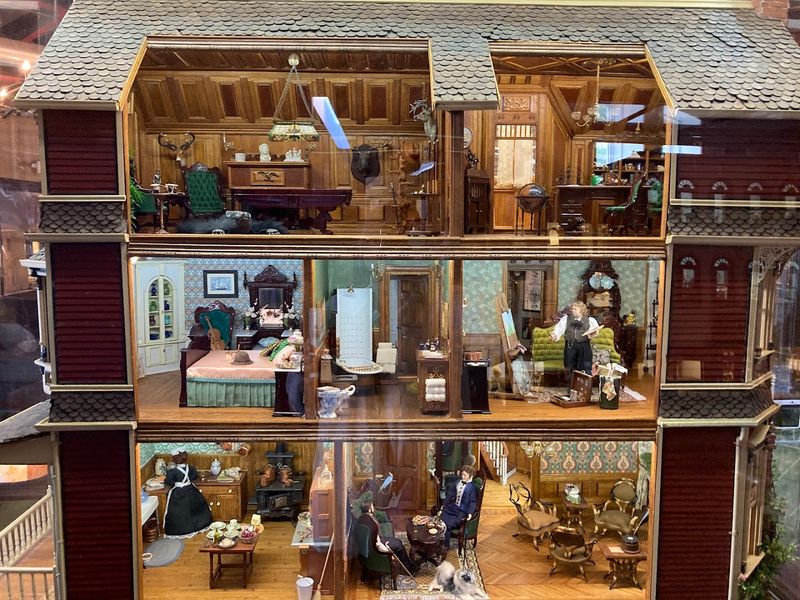
Somewhere between the Colonial-era farmhouses and the Old West saloons, you realize this museum is quietly teaching you American history in the most delightful way imaginable.
The timeline exhibit stretches across centuries, covering Native American life, early Colonial settlements, the Victorian age, and right into 20th-century modern scenes. It is ambitious, sweeping, and absolutely gorgeous.
What makes this timeline work so beautifully is the storytelling approach. Rather than dry labels and static displays, each era feels inhabited.
You can almost hear the bustle of a Victorian parlor or feel the dust of an Old West street. The miniature world pulls you into each period with surprising emotional power.
The transitions between eras are handled thoughtfully too. Nothing feels abrupt or disconnected.
Instead, the exhibits flow into each other like chapters in a well-written book, creating a satisfying narrative arc that rewards patient visitors who take their time moving through the space.
History museums often struggle to make the past feel relevant and alive. This timeline sidesteps that problem entirely by shrinking everything down to a scale that feels intimate and personal.
You are not reading about history from a distance; you are peering directly into it. The result is an experience that sticks with you long after you leave.
American history has rarely felt this approachable, this charming, or this surprisingly moving all at once.
Where Fairies, Trolls, And Dragons Live Together
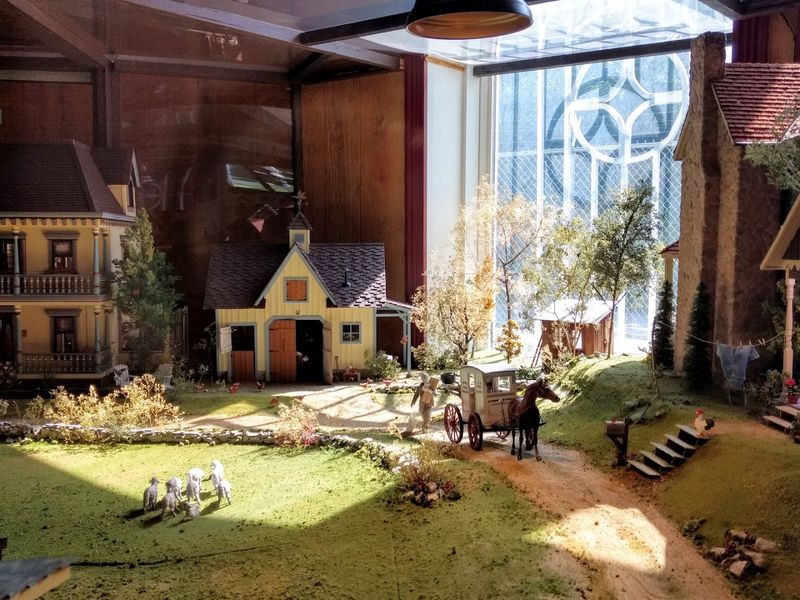
Just when you think you have figured out what kind of museum this is, you turn a corner and walk straight into a fantasy world. The fantasy land section features fairies, elves, witches, trolls, and the undeniable showstopper: a walk-in dragon cave.
Yes, you read that correctly. A walk-in dragon cave inside a dollhouse museum in Kentucky.
The creativity here is completely unrestrained. After moving through careful historical recreations, this section feels like a joyful exhale.
The miniature fantasy creatures are rendered with the same meticulous craftsmanship applied to every other exhibit, which somehow makes the whimsy feel even more impressive. These tiny magical beings have personality and presence.
The dragon cave experience is genuinely memorable. Walking into a space designed around a miniature world creates a delightful sense of scale reversal.
Suddenly you are the giant, peering into a realm that operates by entirely different rules. It is playful, imaginative, and surprisingly immersive for something built at dollhouse scale.
Fantasy exhibits like this remind you that museums do not have to take themselves too seriously to deliver meaningful experiences.
The joy in this section is contagious. Adults who have been moving thoughtfully through historical exhibits suddenly find themselves grinning like they just discovered something extraordinary, because honestly, they have.
Pure imagination rendered in miniature is its own kind of magic worth experiencing.
A Medieval Quest Frozen In Miniature
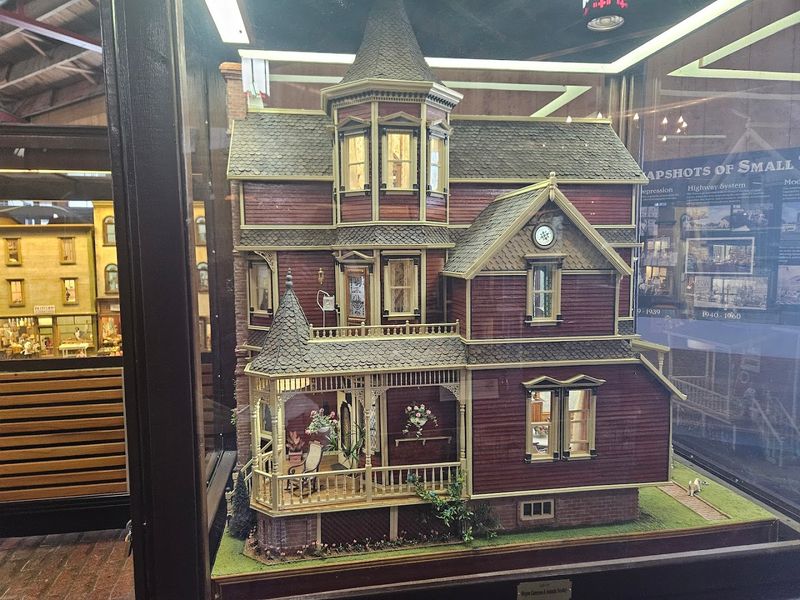
Medieval castle stories have captured imaginations for centuries, and Mummert Castle brings that timeless tradition into the miniature world with remarkable flair. This display depicts a fully realized medieval castle complete with a quest narrative woven throughout the scene.
It is part diorama, part storytelling experience, and entirely captivating from every angle.
The level of architectural detail in Mummert Castle is worth stopping for a long time. Tiny stonework, miniature banners, and carefully placed figures create a scene that feels genuinely cinematic.
You can almost hear the distant sound of trumpets and the clank of armor as you study each carefully composed corner of the display.
What elevates this beyond a simple castle model is the quest story embedded within it. There is narrative momentum here, a sense that something is happening and you have arrived mid-adventure.
That storytelling impulse runs through the entire museum, but Mummert Castle expresses it with particular theatrical confidence and charm.
Medieval history enthusiasts will appreciate the period-accurate details, while casual visitors will simply be swept up in the drama and grandeur of the scene. The castle manages to feel both educational and entertaining simultaneously, which is a genuinely difficult balance to strike.
Mummert Castle stands as proof that miniature art can carry the weight of grand narrative ambitions. It is a display that rewards every extra minute you give it.
A Treasure Hunt In Miniature
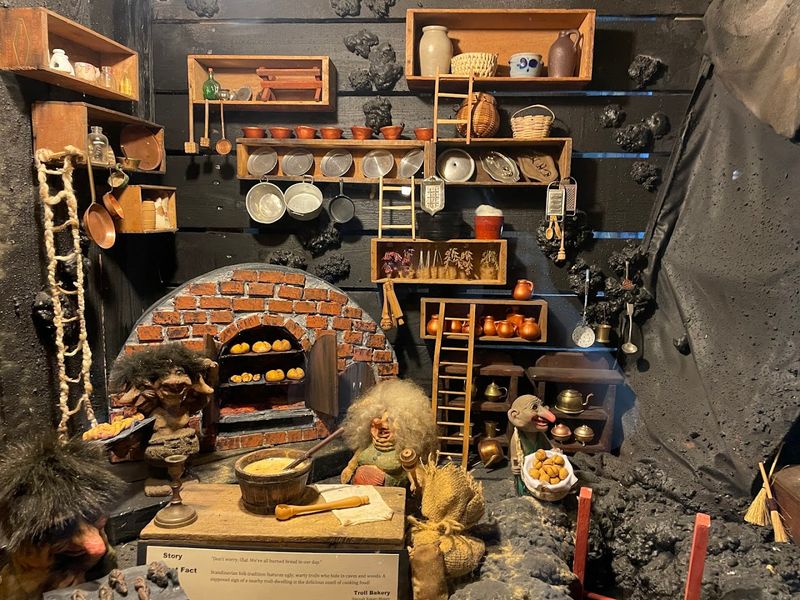
Just when you think the experience is winding down, the on-site miniatures store appears and pulls you right back in. This shop offers a wide range of miniature furnishings, building components, and accessories covering everything from high-end artisan pieces to budget-friendly bargain finds.
It is genuinely one of the better miniature shops you will find anywhere in the region.
Browsing this store feels like a natural extension of the museum experience. After spending hours admiring intricate miniature worlds, suddenly you are holding tiny versions of those same elements in your hands.
The tactile experience of shopping for miniatures after seeing them displayed at such a high level creates a lovely sense of continuity and inspiration.
The range of price points makes the store accessible to everyone. Whether you are a serious collector looking for artisan-crafted pieces or a first-time visitor wanting a small memento of your experience, there is something here for you.
The selection feels thoughtfully curated rather than randomly assembled.
Supporting the store also supports the museum itself, which operates as a genuinely independent cultural institution built around one person’s passionate vision. Taking home a tiny piece of this world feels meaningful in a way that typical gift shop purchases rarely do.
Shopping here is less about buying a souvenir and more about carrying a small piece of an extraordinary creative universe home with you. What better way to end a visit than that?
What You Need To Know Before You Go
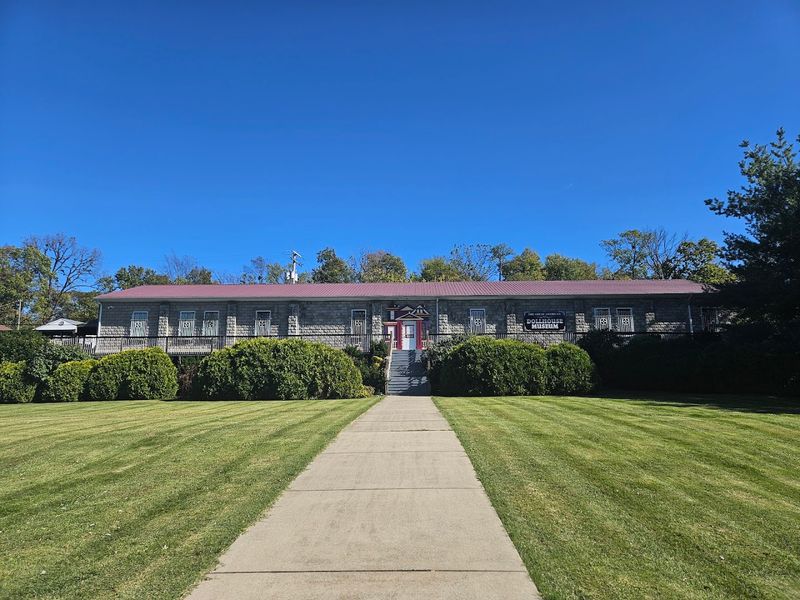
Getting the logistics right before a museum visit makes the whole experience better, and the Great American Dollhouse Museum has some specifics worth knowing.
The museum is open Wednesday through Saturday from 11 a.m. to 5 p.m. It closes on Sundays, Mondays, and Tuesdays, and takes a full seasonal break during January and February each year.
Admission pricing is genuinely reasonable for what you receive. Adults pay twelve dollars, seniors pay ten dollars, and children between four and sixteen pay eight dollars.
Kids under four get in completely free. For a museum this rich in content, these prices feel like a genuine bargain compared to what similar experiences charge elsewhere.
The entire museum is wheelchair accessible, covering exhibits, the shop, and restrooms. That level of accessibility reflects a thoughtful commitment to welcoming every kind of visitor.
Plan to spend at least two to three hours here, though many visitors happily stay longer once they realize how much detail rewards patient exploration.
Danville itself is a charming Kentucky town worth exploring before or after your museum visit. The surrounding area offers a relaxed, friendly atmosphere that complements the museum’s warm and welcoming character perfectly.
Checking the museum’s current hours before visiting is always smart, since seasonal schedules can shift. Have you ever walked into a place expecting a quick stop and ended up staying for hours, completely losing track of time?
That is exactly what happens here, and honestly, it is the best possible problem to have.