
This Legendary Hotel In Florida Will Transport You Back To The Roaring 20s
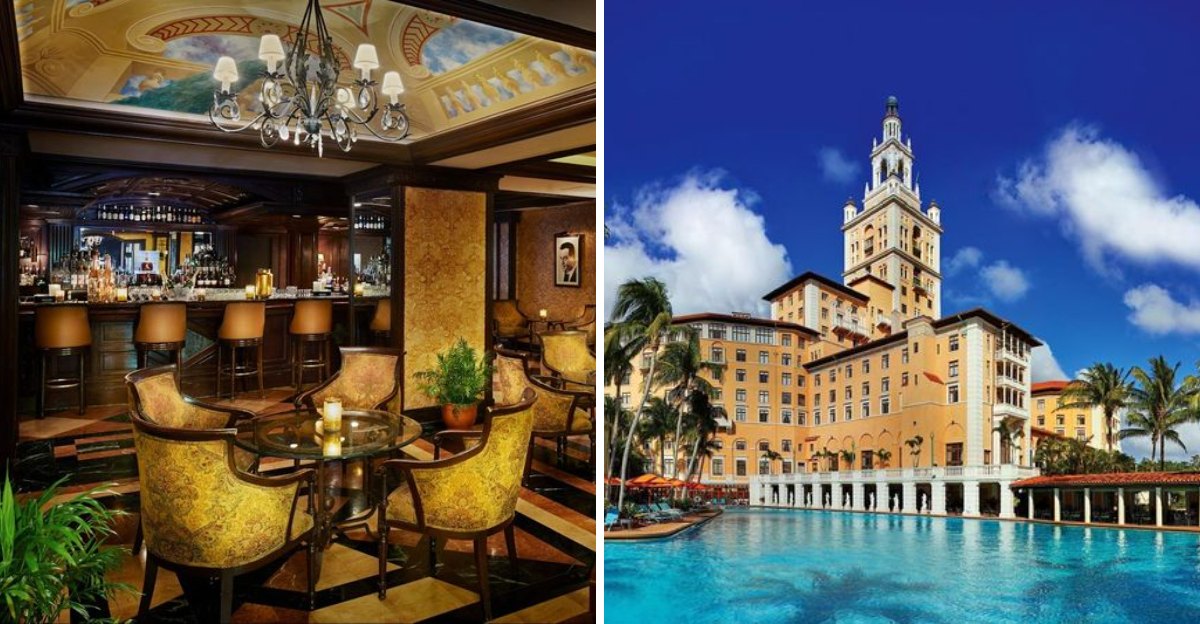
You don’t expect to feel time shift the moment you step inside a hotel in Florida, but this one does it instantly.
At first, it’s just the space. High ceilings, long archways, details that don’t belong to anything modern.
Then you look closer, and it starts to feel like something older is still holding everything together.
Places like this in Florida don’t just preserve the past, they let you walk straight into it.
The design pulls you in first. Then the atmosphere keeps you there.
Every corner feels intentional, built to impress in a way that still works decades later.
You don’t rush through it. You look longer, notice more, and start to imagine what it must have been like when it first opened.
It’s not just a hotel.
It’s a setting that carries its own story.
And once you’re inside, it’s hard not to feel like you’ve stepped into a different version of Florida.
A 1926 Opening That Shook Florida
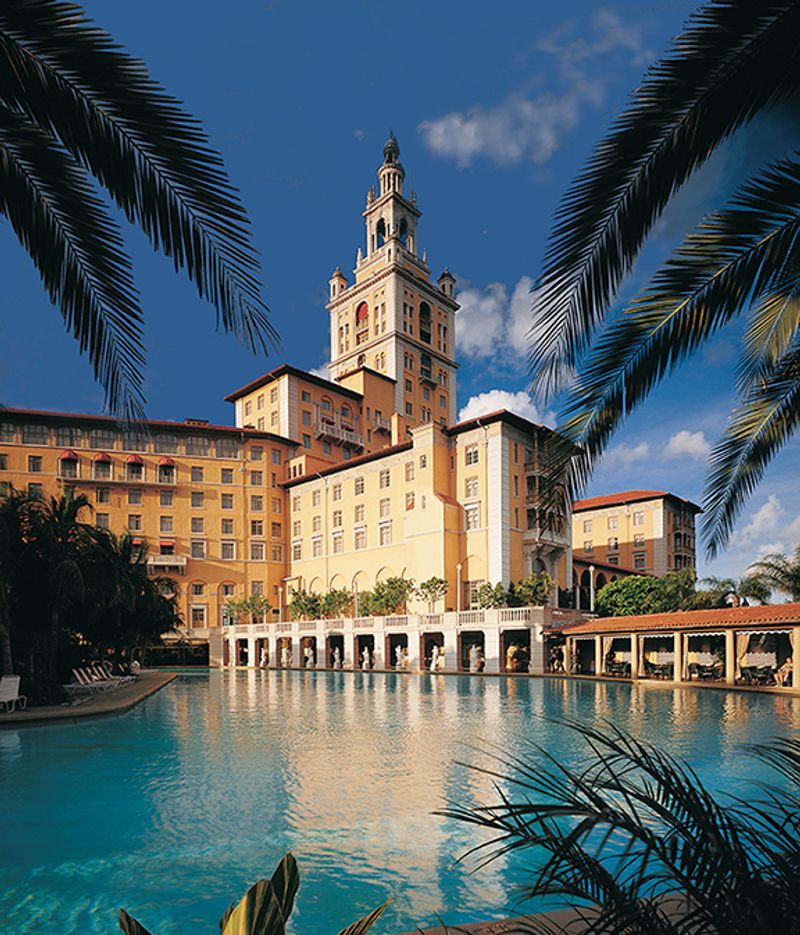
When the Biltmore Hotel first opened its doors on January 15, 1926, Florida was in the middle of a massive land boom, and the hotel arrived like a headline act on opening night.
Developer George Merrick and hotel magnate John McEntee Bowman joined forces to create something that would put Coral Gables on the map in a very serious way. The goal was not just to build a hotel but to craft an entire vision of what Florida living could look like at its most sophisticated.
The result was a 315-room Mediterranean Revival masterpiece that blended Spanish, Moorish, and Italian architectural styles into one jaw-dropping building. At the time of its opening, it was considered one of the most lavish hotels in the entire country.
Nearly a century later, the Biltmore Hotel still delivers on that original promise with a confidence that feels almost effortless.
The Iconic Tower Inspired By Seville
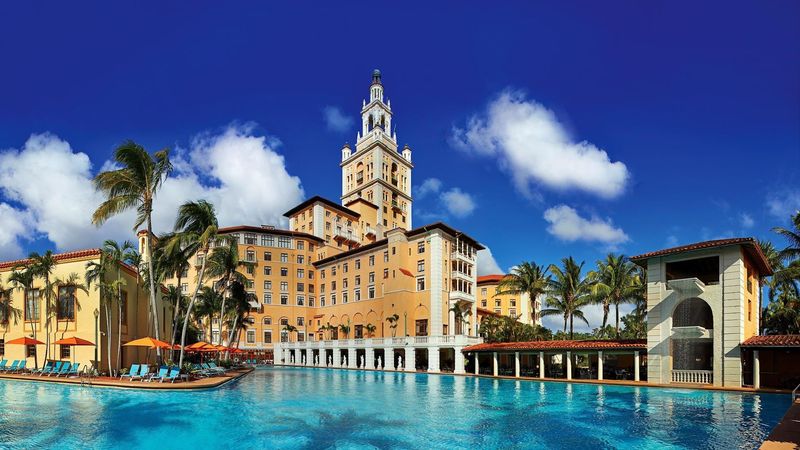
One look at the Biltmore Hotel and your eyes go straight to the tower, and for good reason. Rising 315 feet above Coral Gables, it was modeled after the famous Giralda bell tower in Seville, Spain, and it remains one of the most recognizable silhouettes in all of Florida.
For years, the tower served as a landmark for pilots flying into the area, which tells you just how visible it really is. The architects at Schultze and Weaver packed every inch of the exterior with ornate stonework, arched windows, and terracotta details that feel more European palace than American hotel.
Standing at the base and looking up, it is genuinely hard not to feel a little small. The tower is not just decorative either; it houses suites that offer panoramic views of the surrounding area.
It is the kind of architectural flex that only gets better with age.
A National Historic Landmark Since 1996
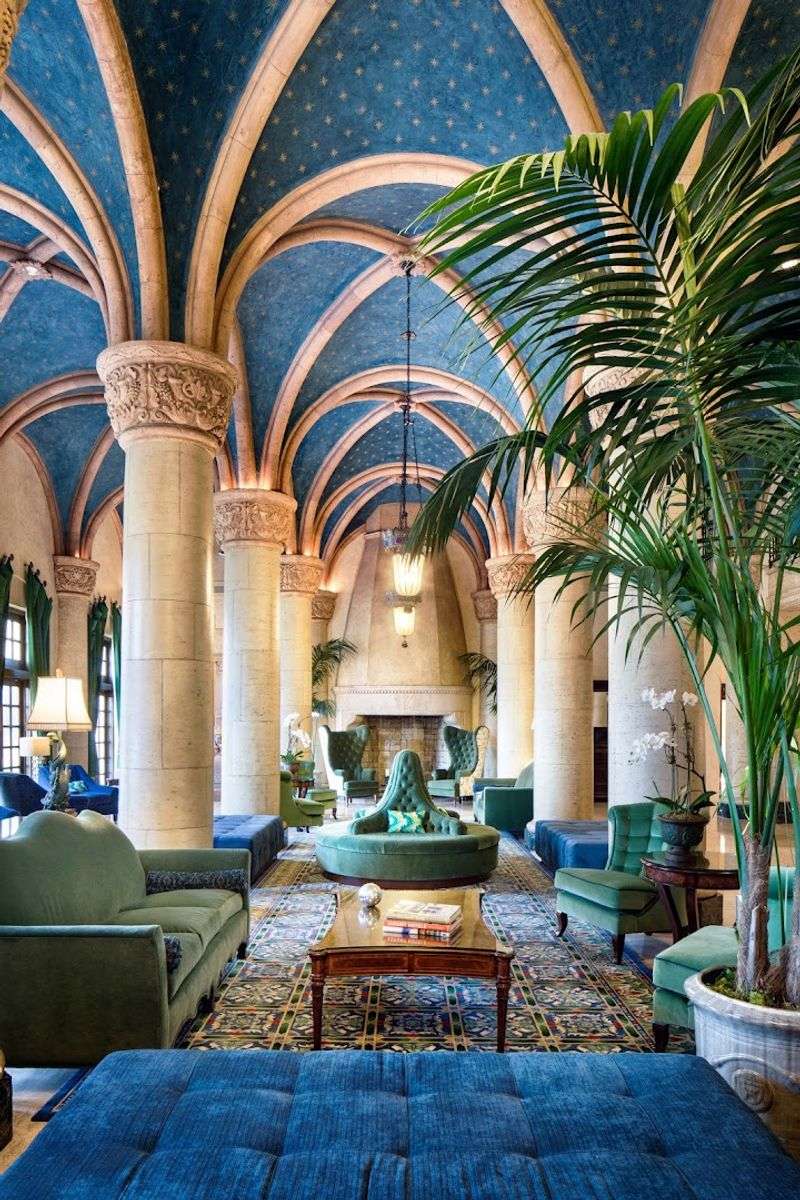
Not every hotel earns a spot on the National Register of Historic Places, but the Biltmore Hotel is not every hotel. In 1996, it received the prestigious designation of National Historic Landmark, cementing its status as one of America’s most culturally significant buildings.
This recognition was not handed out lightly. The designation acknowledged the hotel’s architectural brilliance, its role in shaping Florida’s early tourism industry, and its survival through some genuinely turbulent chapters in American history, including its use as a military hospital during World War II.
What makes this fact especially satisfying is that the building still functions as a luxury hotel today rather than a museum or a relic. Guests can sleep in rooms that carry nearly 100 years of history without sacrificing modern comfort.
The landmark status is a formal stamp of approval on something that regular visitors have known all along: this place is truly one of a kind.
The Legendary Pool That Broke Records
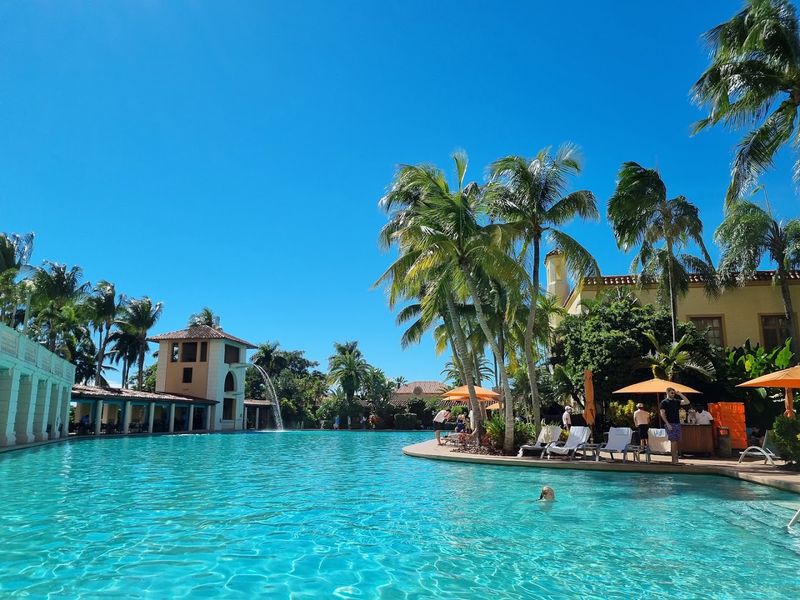
The pool at the Biltmore Hotel is not just big. It is historically, officially, record-breakingly big.
At 23,000 square feet, it was once the largest hotel pool in the entire world, and it still ranks among the most impressive in the country.
Back in the 1930s and 1940s, the pool was the social hub of Florida high society. Synchronized swimming performances, water shows, and celebrity appearances made it a genuine spectacle.
Johnny Weissmuller, the Olympic swimmer who later played Tarzan in films, reportedly set world records in this very pool and even worked here as an instructor.
Today the pool retains all of its grand proportions, surrounded by a stunning colonnaded terrace and private cabanas that make an afternoon swim feel like a full production. The water is always inviting, the setting is theatrical, and the sense that something glamorous is always about to happen never quite goes away.
Celebrity Guests And Roaring 20s Glamour
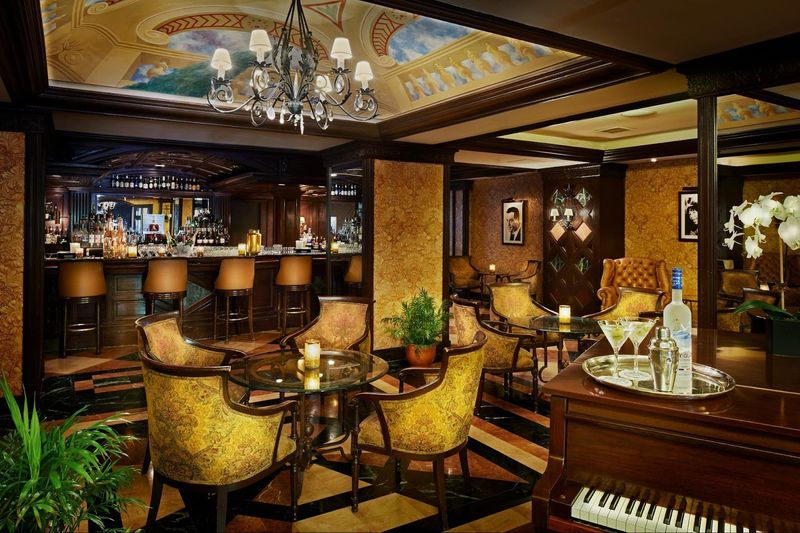
During the Roaring 20s and the decades that followed, the Biltmore Hotel read like a celebrity guest book that nobody wanted to put down. The Duchess of Windsor, Bing Crosby, Judy Garland, and even Al Capone reportedly passed through its grand halls at various points in its storied history.
The hotel was designed from the start to attract the wealthiest and most fashionable visitors that Florida could pull in. George Merrick understood that a truly great hotel needed star power, and the Biltmore delivered it consistently throughout its golden era.
Al Capone is said to have used the 13th floor for his less-than-legal card games, which adds a layer of drama that no interior designer could ever replicate. The mix of high society elegance and shadowy backstory gives the Biltmore a personality that feels genuinely cinematic.
Every corridor seems to hold a secret it is not quite ready to share.
A WWII Military Hospital Chapter
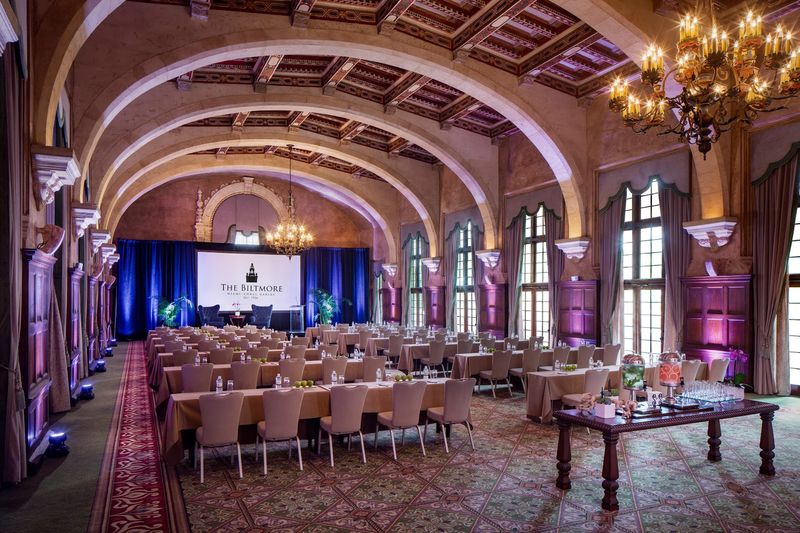
Few hotels can claim they served their country quite the way the Biltmore Hotel did. During World War II, the U.S. government took over the property and converted it into an Army Air Forces Regional Hospital, treating thousands of wounded soldiers within its ornate walls.
The transformation was dramatic. Ballrooms became wards, suites became operating rooms, and the grand lobby that had once welcomed socialites now welcomed men returning from the front lines.
The hotel served in this capacity from 1942 until after the war ended.
After the war, the property went through several other uses, including a brief stint as a campus for the University of Miami’s medical school, before eventually being restored to its original hotel purpose in 1987. The restoration effort was a serious undertaking that brought back the original grandeur with careful attention to historical detail.
That comeback story is part of what makes the Biltmore Hotel so compelling to visit today.
The Grand Restoration Of 1987
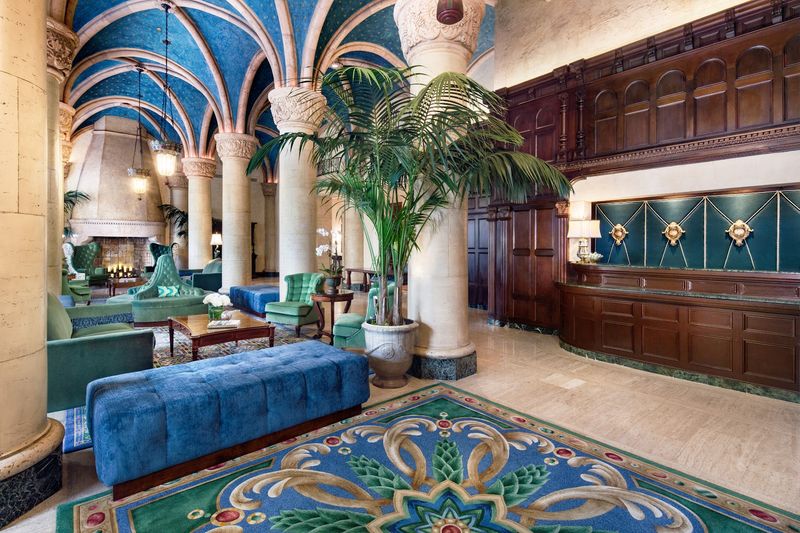
After decades of serving as a hospital and then sitting largely unused, the Biltmore Hotel got the second chance it deserved when a major restoration project was completed in 1987. The City of Coral Gables had taken ownership of the property in 1973, and it took years of planning and investment to bring the building back to life.
Restorers worked to revive original hand-painted ceilings, restore the marble floors, and bring back the architectural details that had been covered or altered during the building’s non-hotel years. The project required genuine craftsmanship and a deep respect for the original design vision.
When the hotel reopened as a luxury resort, Florida got one of its most spectacular hospitality comebacks on record. The restoration did not just fix a building; it rescued a piece of cultural history and handed it back to the public in style.
Guests today enjoy a hotel that feels both timeless and freshly alive at the same time.
An 18-Hole Golf Course With Old-World Charm
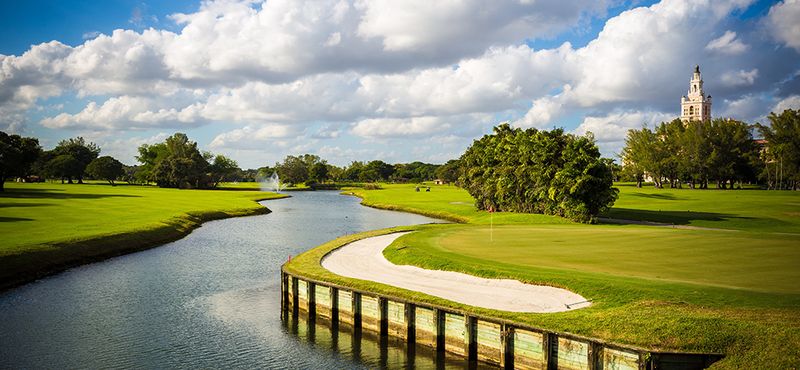
Golf and the Biltmore Hotel have been partners since the beginning, and the relationship has aged remarkably well. The hotel’s 18-hole championship golf course has been part of the property since the 1920s, making it one of the oldest hotel courses in Florida still in regular operation.
The course winds through the beautifully landscaped grounds of Coral Gables, offering views of the hotel’s iconic tower from multiple vantage points throughout the round. Playing here feels less like a sport and more like a stroll through a living postcard.
The course has hosted professional tournaments over the years and maintains a reputation that attracts serious golfers alongside casual players who simply want to enjoy the setting. Tee times can be booked by both hotel guests and outside visitors, which means you do not need to be staying at the property to experience one of Florida’s most atmospheric rounds of golf.
Fine Dining That Matches The Architecture
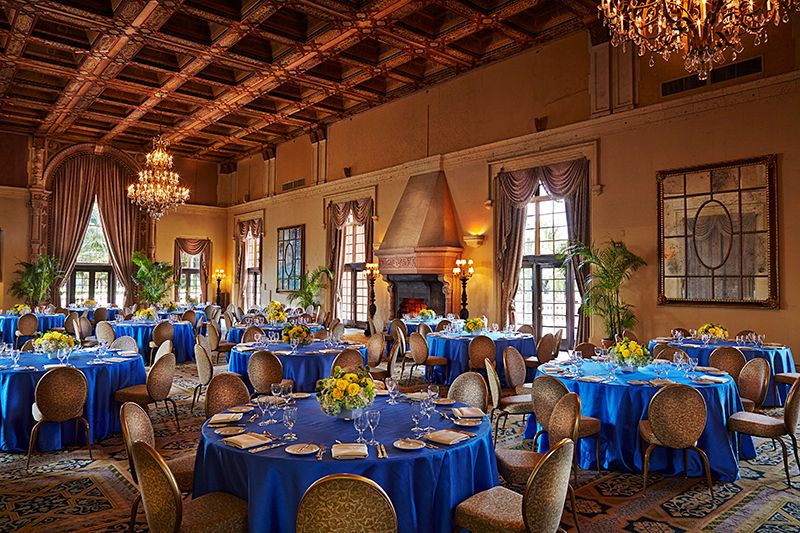
A hotel this grand was never going to settle for ordinary food, and the Biltmore Hotel has kept that standard firmly in place. The property offers multiple dining experiences, from formal French and Italian fine dining to a poolside eatery that makes lunch feel like a mini vacation all on its own.
The Sunday brunch at the Biltmore is something of a local institution, drawing both hotel guests and Coral Gables residents who know a good spread when they see one. Seafood, meats, pastries, lobster, and an elaborate dessert station make it a meal that requires genuine commitment and probably a nap afterward.
Afternoon tea is also available for those who prefer their Florida afternoons served with scones and a side of elegance. The dining rooms themselves are architectural events, with soaring ceilings and detailed stonework that make even a simple breakfast feel like a formal occasion worth dressing up for.
Ghost Stories And Urban Legends
No hotel with this much history could possibly escape a good ghost story, and the Biltmore Hotel has collected its share over the decades. The most frequently told tale involves Thomas “Fatty” Walsh, a gangster who was said to have been a regular guest and who reportedly met his end on the 13th floor during the hotel’s wilder years.
The Biltmore has leaned into its spooky reputation with good humor, hosting Halloween events and ghost tours that attract curious visitors who want a little mystery with their luxury. Whether or not you believe in things that go bump in ornate corridors, the atmosphere of the building at night certainly does nothing to discourage the imagination.
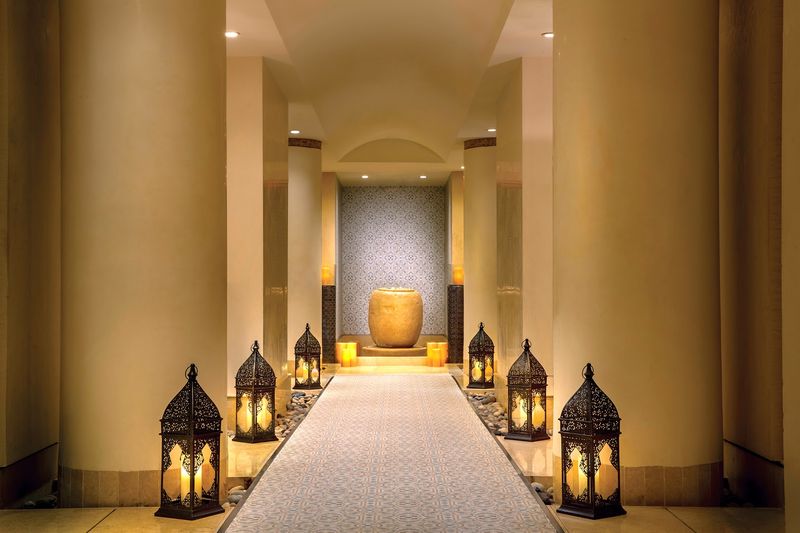
The combination of dimly lit archways, century-old walls, and stories that have been passed down through generations gives the Biltmore a theatrical quality that no amount of renovation can erase. It is the kind of place that makes you want to stay just one more night to see what happens.