
10 Slow-Paced Small Towns In Florida Where Life Still Feels Simple
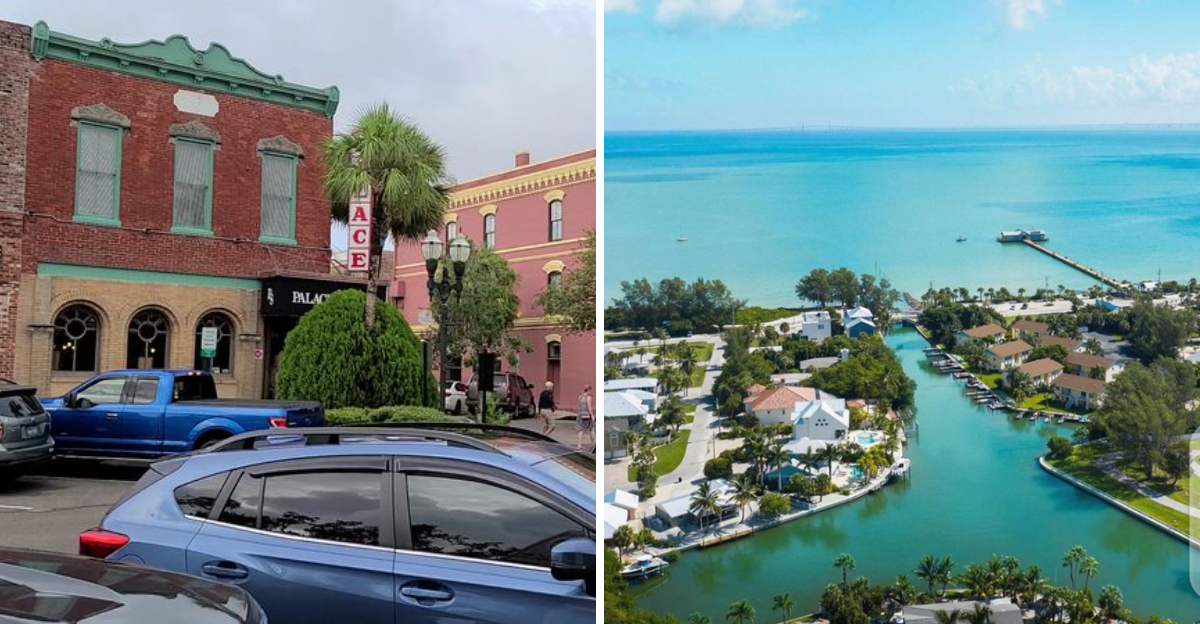
You leave the highway in Florida expecting the same rhythm. Traffic, noise, something always happening.
Then it fades. The air feels still, the streets slower, and suddenly you’re somewhere that doesn’t match the version you thought you knew.
Florida doesn’t always move fast, and these towns prove it the moment you arrive.
Nothing is trying to grab your attention. No crowds, no rush, just places that feel lived in instead of built for visitors.
You start noticing small things. Porches that stay occupied.
Shops that don’t hurry you. Conversations that last longer than expected.
It’s not dramatic.
It’s just different in a way that makes sense once you’re there.
And before you realize it, you’re not in a hurry anymore either.
1. Cedar Key
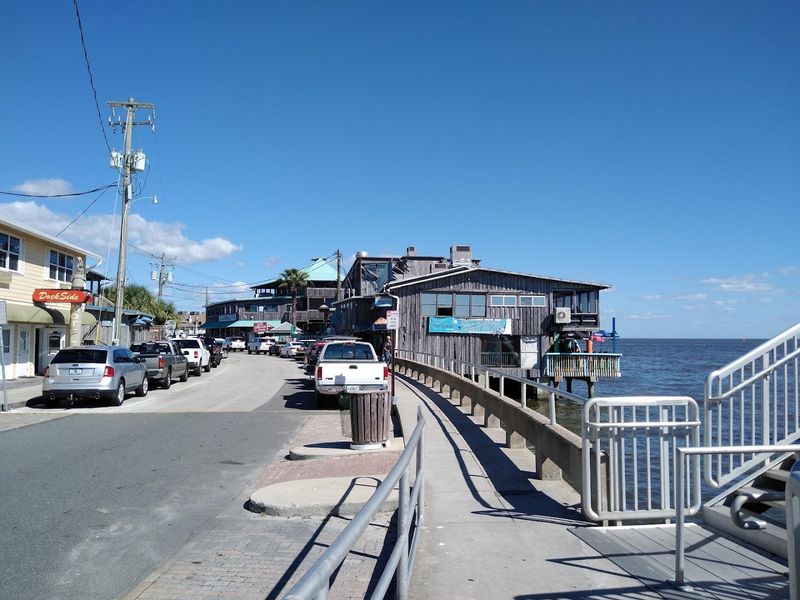
Salt air, silence, and a skyline made of mangroves. Cedar Key sits at the end of a long, lonely road on Florida’s Gulf Coast, and that isolation is exactly what makes it so magnetic.
This tiny island community has a population of fewer than 700 people, yet it punches well above its weight in character and charm.
Cedar Key was actually one of Florida’s earliest boomtowns in the 1800s, built on pencil manufacturing and fishing. Today, the pencils are long gone, but the clam farming industry keeps Cedar Key’s economy quietly humming.
Strolling down Dock Street feels like stepping into a postcard that nobody else knows about.
The town’s art scene is surprisingly vibrant, with local galleries showcasing Gulf-inspired work around every corner. Cedar Key rewards slow travelers who appreciate raw, unpolished beauty over packaged tourist experiences.
2. Micanopy
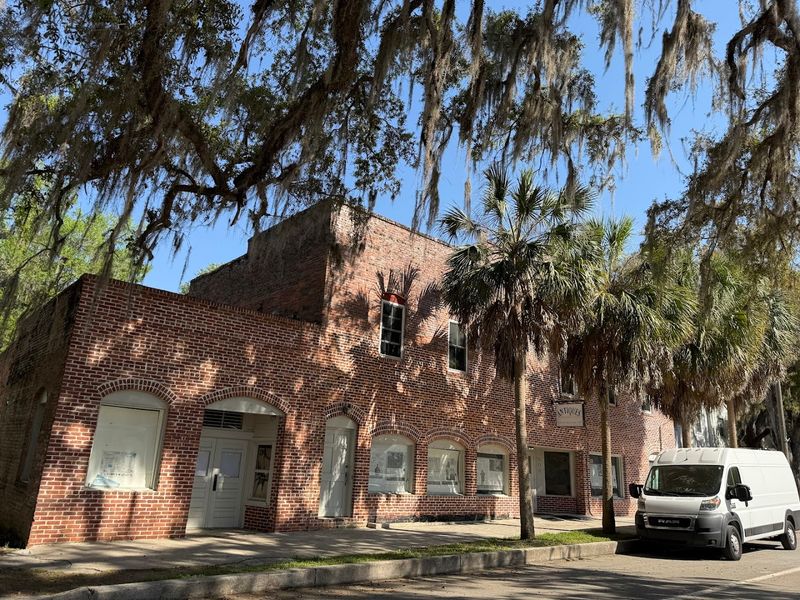
Blink and you might miss it, but Micanopy is absolutely worth the stop. Sitting just south of Gainesville along US-441, this tiny town holds the title of Florida’s oldest inland settlement, incorporated in 1821.
History practically drips from the ancient oak canopies that arch over Cholokka Boulevard like a living cathedral.
Micanopy has fewer than 700 residents, which means the streets stay blissfully uncrowded. Antique hunters consider this place a genuine treasure, with shops stuffed full of curiosities that have been quietly waiting for the right person to find them.
The town even had its Hollywood moment, serving as the filming location for the 1991 movie “Doc Hollywood.”
Micanopy moves at a pace that feels almost rebellious in today’s world. Spend an afternoon here and you will leave wondering why you ever thought rushing anywhere was a good idea.
3. Apalachicola
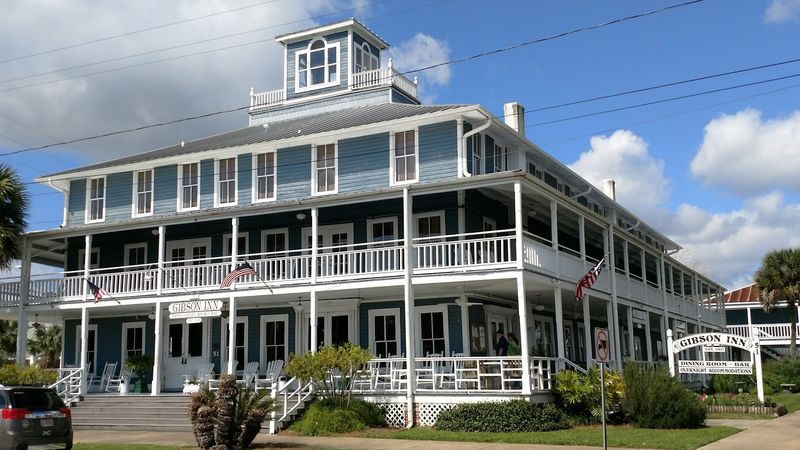
Famous for oysters and old Florida charm, Apalachicola is the kind of town that makes you want to cancel your return flight. Located in the Florida Panhandle along the Apalachicola River, this waterfront gem has a population hovering around 2,000 people, and somehow that feels just right.
The town’s historic downtown is filled with beautifully preserved 19th-century buildings that tell the story of a once-thriving cotton and seafood port.
Apalachicola’s oyster industry put it on the culinary map, and the surrounding Apalachicola Bay has long been one of the most productive oyster habitats in the entire country. Beyond the food scene, the town offers access to incredible nature, including the St. George Island State Park just a short drive away.
Wandering through Apalachicola feels unhurried and honest. There is no performance here, just a genuine community living close to the land and sea in their own quiet rhythm.
4. Anna Maria Island
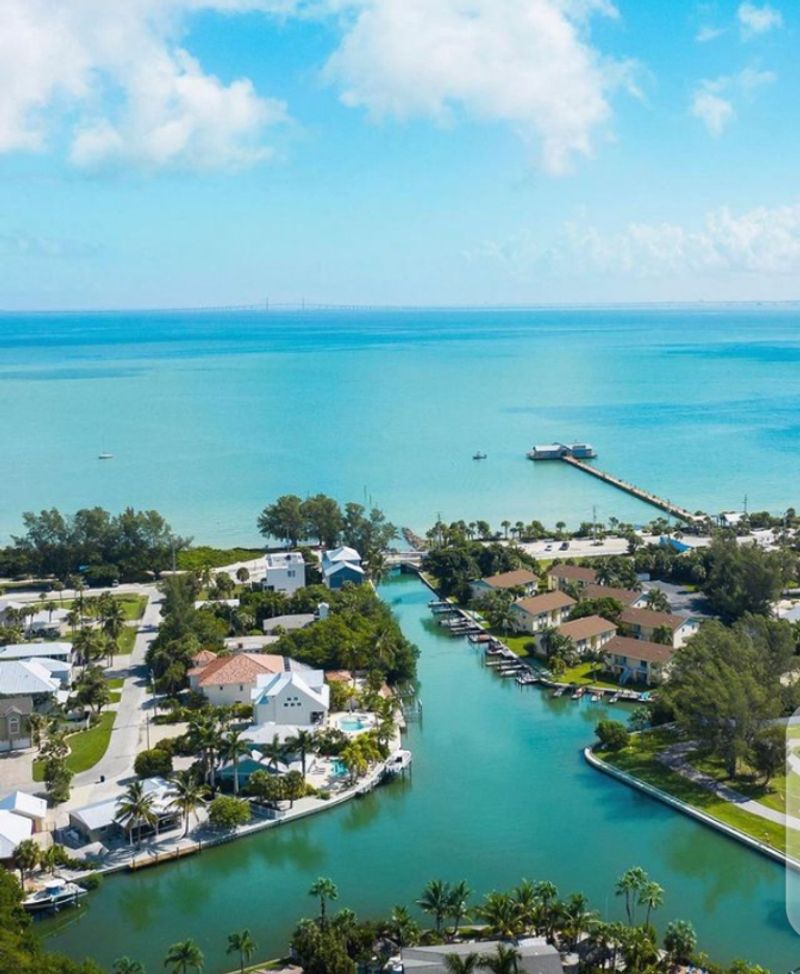
Just seven miles long and barely two miles wide, Anna Maria Island operates on a frequency completely different from the rest of Florida’s Gulf Coast. There are no high-rise condos here, no chain restaurants crowding the shoreline, and no neon signs screaming for your attention.
The island’s three small cities, Anna Maria, Holmes Beach, and Bradenton Beach, share a commitment to keeping things low-key and local.
Anna Maria Island has a long-standing ban on commercial signage that exceeds a certain size, which is a decision that has kept the island’s visual landscape refreshingly calm. The historic City Pier at the north end of the island is one of the most beloved gathering spots, where locals fish, chat, and watch the pelicans do their thing.
Getting around Anna Maria Island by bicycle or the free trolley service adds to the unhurried vibe. This place is genuinely rare on Florida’s coastline.
5. Mount Dora
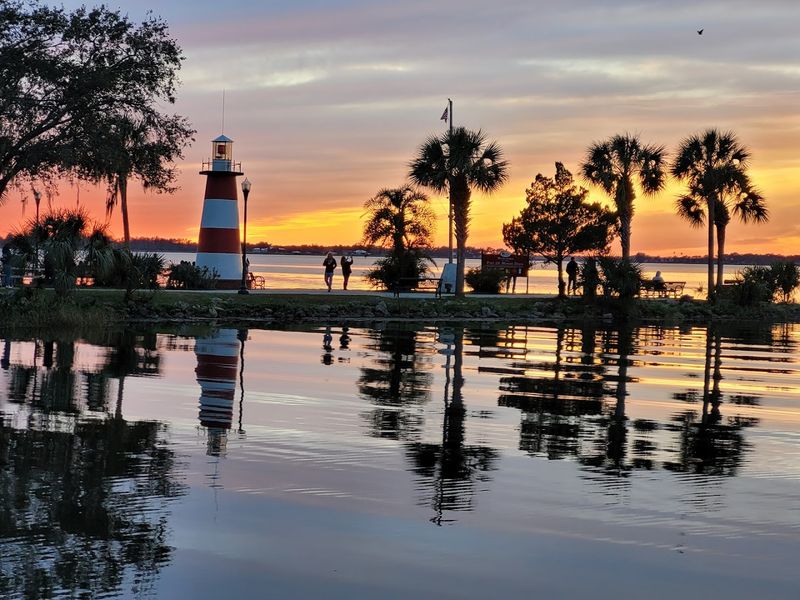
Perched on a hill overlooking Lake Dora in Central Florida, Mount Dora has earned the nickname “Festival City” for a very good reason. This charming town of around 15,000 people hosts dozens of arts, crafts, and antique festivals throughout the year, drawing visitors who keep coming back long after their first visit.
The downtown area is a walkable collection of Victorian architecture, independent boutiques, and lakeside cafes that feel genuinely welcoming.
Mount Dora’s elevation of 184 feet above sea level makes it one of Florida’s highest towns, which is hilariously impressive given how flat the state tends to be. That gentle hill gives the town a slightly different feel, with breezy lake views that make afternoon strolling a genuine pleasure.
Mount Dora also has a thriving arts community and a historic lighthouse that sits right on Lake Dora. Few Central Florida towns manage to feel this charming without trying too hard.
6. DeFuniak Springs
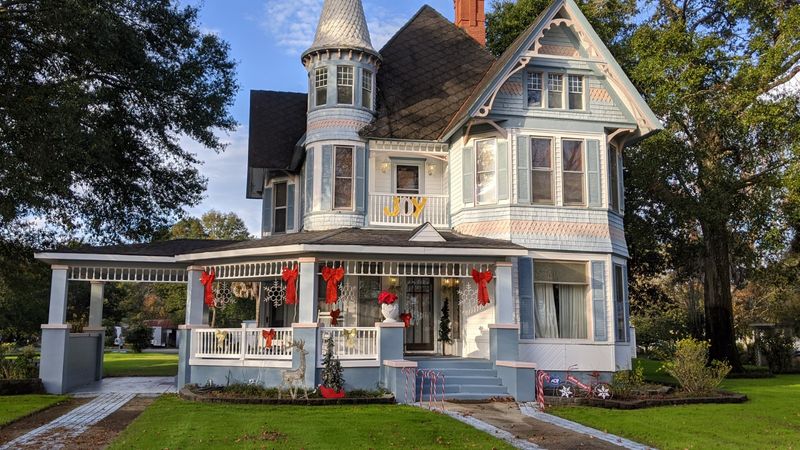
Built around one of only two naturally circular lakes in the world, DeFuniak Springs is the kind of place that makes geography feel like magic. Located in the Florida Panhandle’s Walton County, this small city of around 6,000 people carries a quiet dignity that comes from a long and layered history.
The lake, known as Lake DeFuniak, sits at the heart of town like a mirror reflecting the Victorian homes that ring its banks.
DeFuniak Springs became a popular winter retreat for Northerners in the late 1800s, and the Chautauqua movement established a major cultural assembly here that drew scholars, artists, and thinkers from across the country. The Chautauqua Hall of Brotherhood, built in 1909, still stands as a reminder of those intellectually lively winters.
Walking the shaded path around the lake on a quiet morning is one of Florida’s most underrated simple pleasures.
DeFuniak Springs rewards curious travelers who appreciate history with their scenery.
7. Fernandina Beach
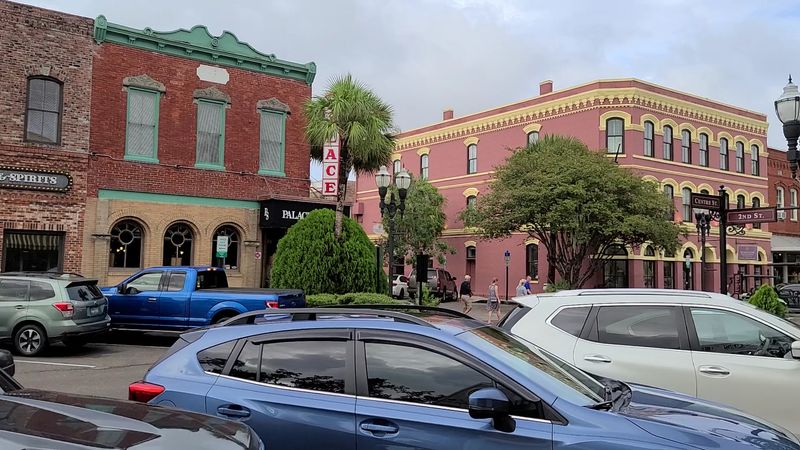
Sitting at the northern tip of Amelia Island, Fernandina Beach has been claimed by eight different flags over the course of its history, which tells you just how strategically desirable this spot has always been. Today, the town has traded geopolitical drama for a much more peaceful existence as one of Florida’s most lovable small cities.
The historic downtown along Centre Street is a beautifully preserved stretch of Victorian-era storefronts that hum with independent shops and local eateries.
Fernandina Beach holds a special place in American shrimping history, as it is widely credited as the birthplace of the modern shrimping industry in the United States. The shrimp boats still work the waters around Amelia Island, and the annual Isle of Eight Flags Shrimp Festival draws crowds every spring who come to celebrate that salty legacy.
Fort Clinch State Park sits just north of Fernandina Beach, offering Civil War history and stunning beach access in one beautiful package.
8. Dunedin
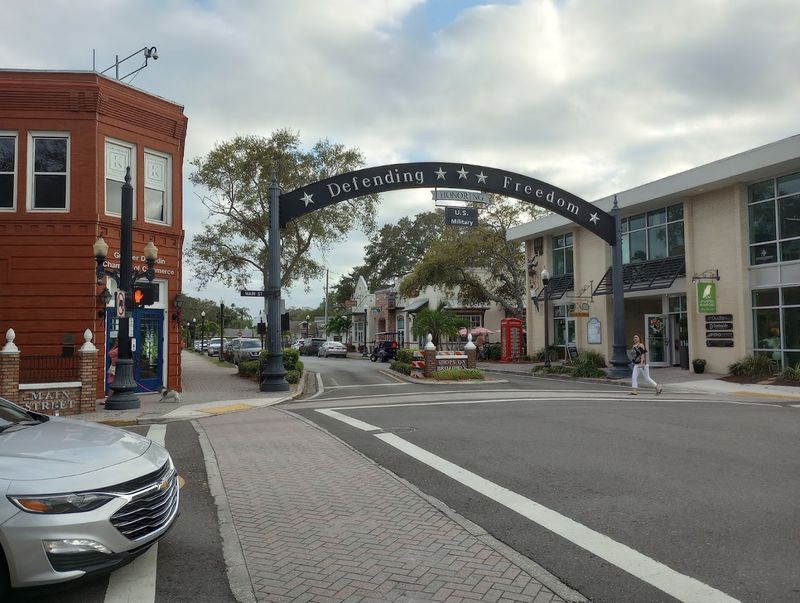
Scotland meets the Gulf Coast in the most delightful way imaginable. Dunedin, located just north of Clearwater on Florida’s Pinellas County coastline, was founded by Scottish settlers in the 1870s, and the town has never let go of that heritage.
The name itself comes from the Scottish Gaelic word for Edinburgh, and the community still celebrates its roots with Highland Games and a beloved annual Celtic music festival.
Dunedin’s downtown is one of the most walkable and charming in all of Florida, lined with independent restaurants, art galleries, and specialty shops that give the area a genuinely local personality. The Pinellas Trail, a paved multi-use path, runs right through town, making Dunedin a favorite for cyclists and walkers who enjoy exploring at their own pace.
Honeymoon Island State Park sits just a short drive from Dunedin’s center, offering pristine Gulf beach access without the typical coastal crowds. Dunedin consistently earns its reputation as one of Florida’s most livable small cities.
9. Mexico Beach
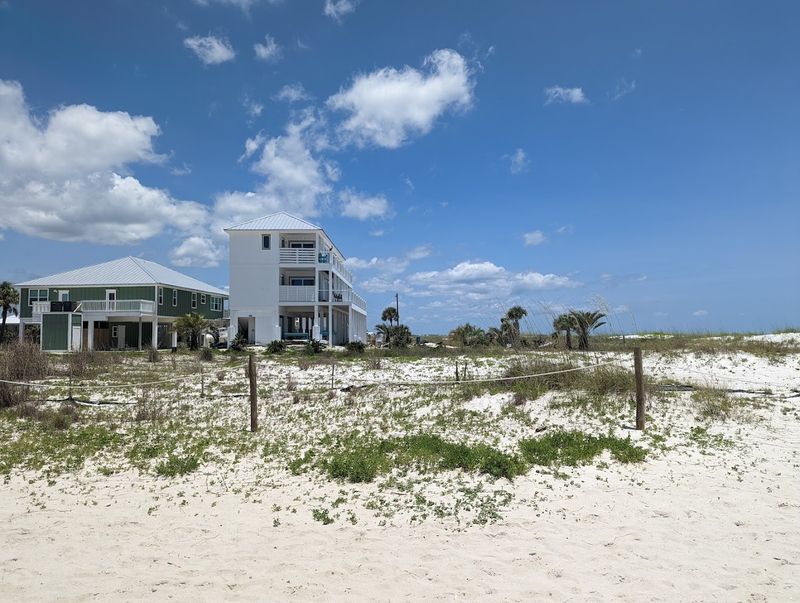
Raw, real, and quietly resilient, Mexico Beach sits along the Florida Panhandle’s Emerald Coast with the kind of low-key confidence that only comes from a community that knows exactly who it is. This small town of around 1,200 people was heavily impacted by Hurricane Michael in 2018, and the rebuilding process has been slow and deliberate, with residents choosing to restore rather than reimagine their beloved community.
Before the storm, Mexico Beach was already something of a secret among Florida insiders who wanted Gulf waters without the spring break chaos of Panama City Beach nearby. The town has no traffic lights and a refreshing absence of the commercial development that tends to swallow other coastal communities whole.
Mexico Beach draws people who want emerald water, soft sand, and genuine quiet.
Watching the sunset from the Mexico Beach pier with nothing but open Gulf in front of you is one of those experiences that stays with you long after you have driven home.
10. Matlacha
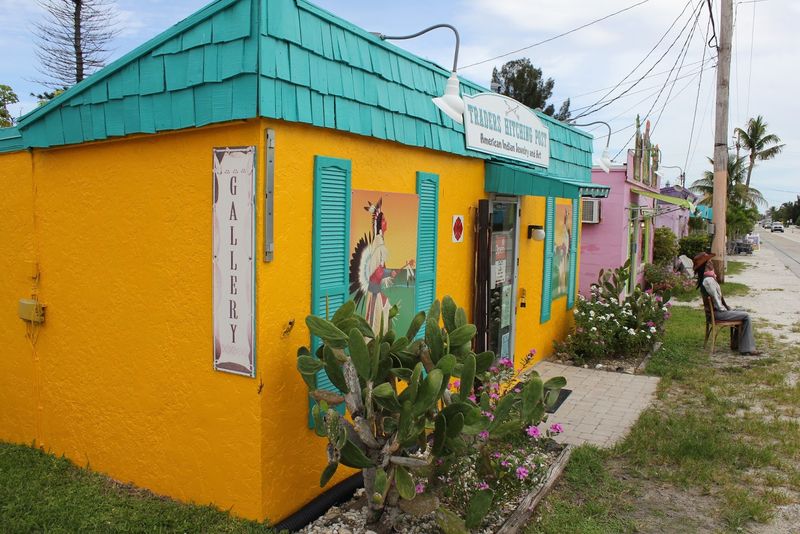
Pronounced “mat-la-SHAY,” this tiny fishing village on Pine Island Sound is one of Florida’s most visually joyful places. Matlacha connects Pine Island to Cape Coral via a narrow causeway, and the drive across that bridge feels like crossing into a completely different world.
The buildings here are painted in shades so bright and bold they look like someone let a kindergarten class loose with a paint roller, and somehow it works perfectly.
Matlacha has long been a magnet for artists, and the community’s creative energy is impossible to miss. Galleries, studios, and quirky little shops line the main road, each one reflecting the personality of whoever runs it.
The area is also a serious destination for anglers, with snook, redfish, and tarpon all swimming through the surrounding waters.
Fun fact: Matlacha was once described by National Geographic as one of the most colorful small towns in America. Spending even a few hours in Matlacha feels like a genuine mood reset.