
A Potato Museum In Idaho Somehow Makes A Vegetable Weirdly Fascinating
You walk in expecting a joke. You walk out weirdly impressed.
Somewhere in Idaho, a humble root crop steals the spotlight. And doesn’t give it back.
This isn’t just a museum. It’s a full-blown tribute to the most underestimated food on your plate. Inside a century-old train depot, potatoes stop being “just a side” and start looking like history-makers, survivors, icons.
And it gets strange, in the best way. A record-breaking chip.
A potato with a famous signature. Pop culture, odd collectibles, and more mashers than you knew existed.
It’s quirky. It’s clever. It shouldn’t work, but it absolutely does. Come curious. Leave converted. And yeah… you might start craving fries.
The Historic Railroad Depot That Started It All
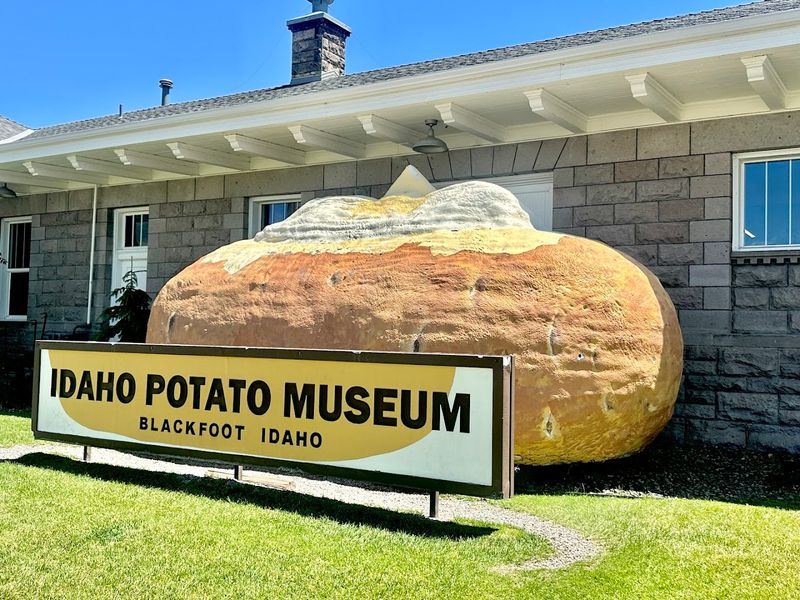
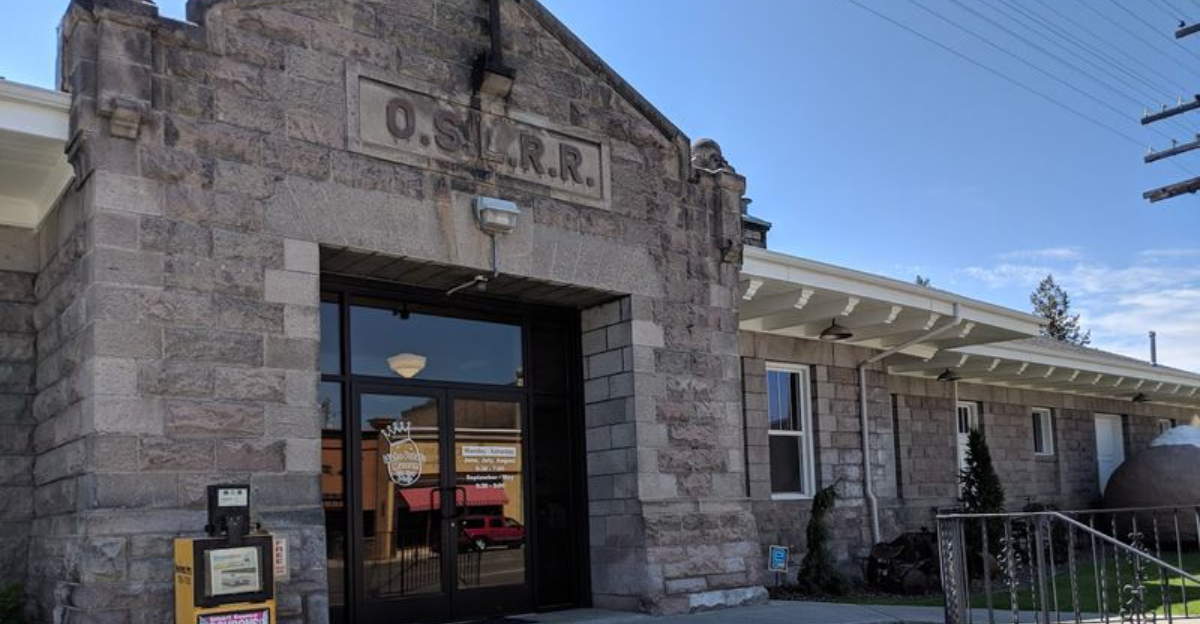
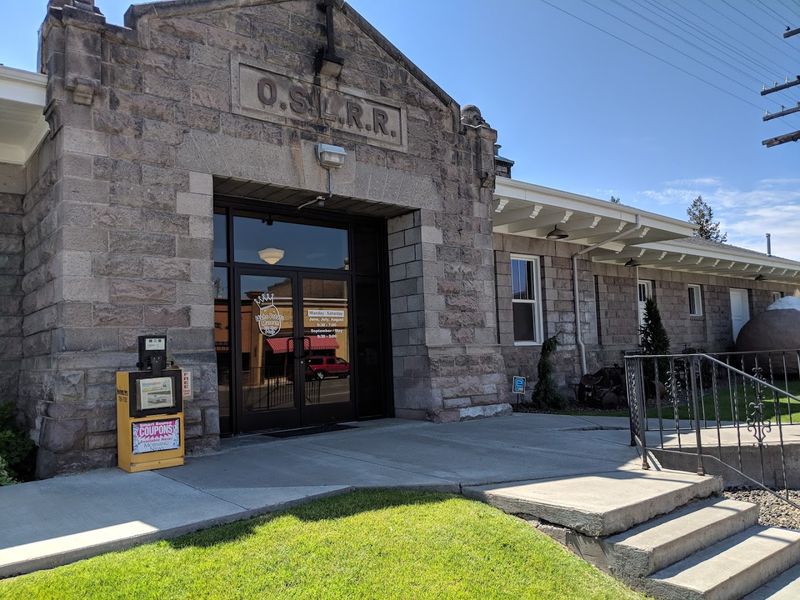
Walking up to this building, you immediately sense that something important happened here long before potatoes became the main attraction. The Idaho Potato Museum calls home a stunning 1913 Oregon Short Line Railroad Depot, and the structure itself tells a story worth knowing.
Built during an era when railroads shaped entire economies, this depot once served as the critical link between Idaho potato farmers and markets across the country.
Railroads and potatoes were basically inseparable in early 20th century Idaho. Farmers would haul their harvests to depots like this one, load them onto freight cars, and send them east to feed millions of Americans.
Without this railroad connection, Idaho potatoes might never have become the household name they are today. The depot represents the backbone of an agricultural legacy that still defines the entire region.
The museum was established in 1988 under the name Idaho Potato Expo before being rebranded in 2000. That rebranding gave it a sharper identity and a clearer mission: celebrate the potato in every possible way.
The building’s architecture blends beautifully with its quirky contents, creating a space that feels both historically grounded and wonderfully strange.
Visiting here feels less like a museum trip and more like discovering a hidden chapter of American food history that nobody thought to include in the textbooks. This depot earned its second life spectacularly.
Blackfoot, The Potato Capital Of The World
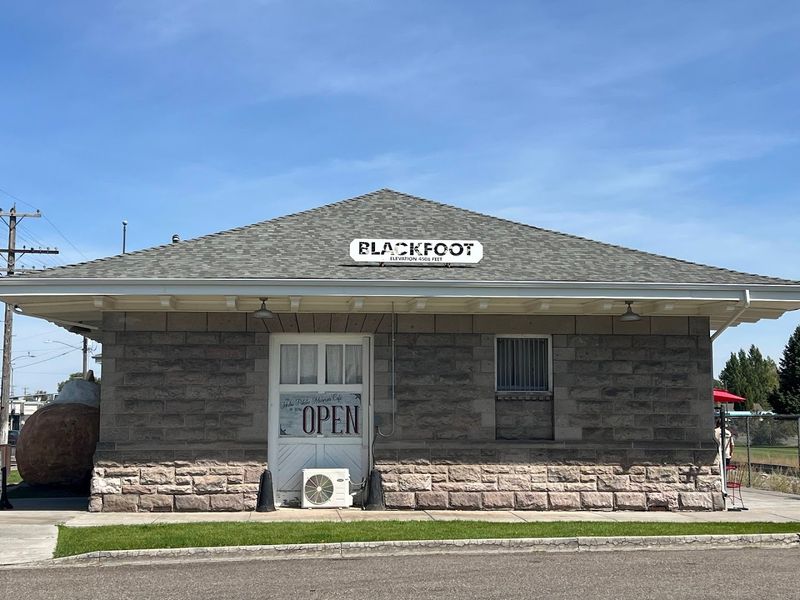
Blackfoot wears a bold title, and it backs it up completely. Located at 130 NW Main St, Blackfoot, ID 83221, the Idaho Potato Museum sits at the heart of Bingham County, which produces more potatoes than any other county in the entire United States.
That is not a marketing claim. That is a verified, undeniable agricultural fact worth celebrating loudly.
Idaho’s volcanic soil, clean mountain water from the Snake River Plain aquifer, and long sunny days create growing conditions that potato farmers elsewhere can only dream about.
The temperature swings between warm days and cool nights help potatoes develop their signature texture and flavor. Nature basically designed this landscape with the Russet Burbank potato in mind, and Idaho farmers have been making the most of it for well over a century.
Blackfoot itself is a modest, unpretentious town that carries its agricultural identity with quiet pride. There are no flashy tourist traps here, just honest farming heritage and one extremely entertaining museum dedicated to the crop that built this community.
Bingham County grows millions of hundredweight of potatoes annually, contributing enormously to Idaho’s reputation as the undisputed potato king of America. When a place earns the title Potato Capital of the World, it is not just branding.
It is geography, history, and generations of farming expertise all rolled into one impressive legacy that this museum honors every single day.
The World’s Largest Potato Crisp That Defies Logic
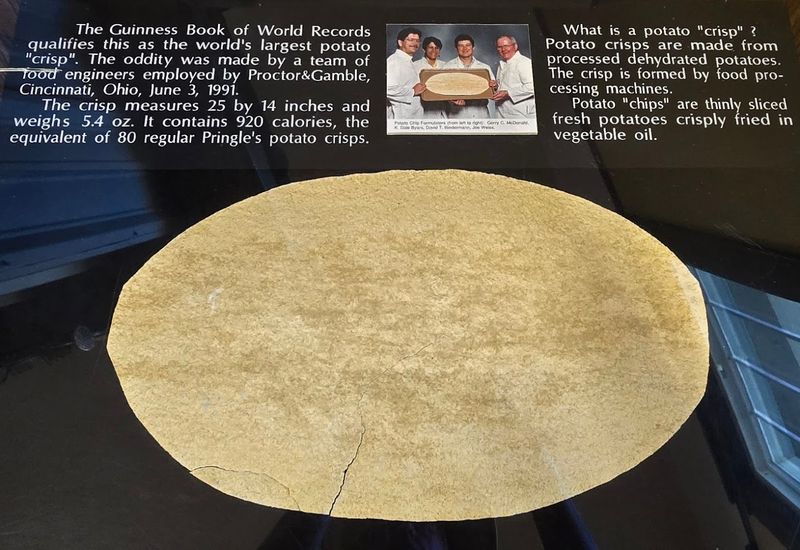
There is a moment in every museum visit where your brain just stops and says, wait, what? At the Idaho Potato Museum, that moment comes when you find yourself standing in front of a Guinness World Record-holding Pringle chip.
This is not a replica or a model. It is an actual potato crisp, made sometime around 1990 or 1991, measuring between 23 and 25 inches long and up to 14.5 inches high.
To put that in perspective, this chip is roughly the size of a large pizza. Someone, somewhere, in a Pringle factory had an extraordinary day at work and produced something that belongs more in an art gallery than a snack bowl.
The fact that it has survived this long without crumbling is honestly its own kind of miracle. Potato chips are famously fragile, yet this one has outlasted decades of museum visitors breathing near it.
Guinness Book of World Records recognition adds a layer of legitimacy to what could otherwise feel like an elaborate joke.
But the chip is real, the record is real, and the sheer absurdity of its existence somehow makes it deeply satisfying to witness in person. You will photograph it.
You will send that photo to someone who will not believe you. Then you will photograph it again just to be sure.
Giant food records are a peculiar human obsession, and this museum leans into that beautifully.
Marilyn Monroe In A Potato Sack Dress
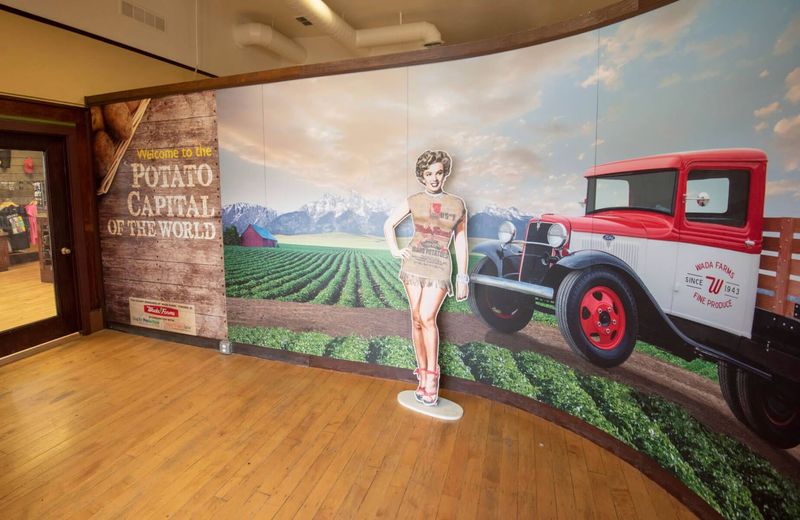
Pop culture and potatoes collide in the most unexpected way inside this museum, and honestly, it works perfectly. A life-size cutout of Marilyn Monroe wearing a burlap potato sack dress greets visitors with full Hollywood glamour.
The story behind it is genuinely fascinating and says a lot about Monroe’s legendary confidence and charisma.
Back in the early 1950s, a fashion editor made an offhand comment suggesting that Monroe only looked good because she wore beautiful clothes.
Monroe responded by posing for a photoshoot in a literal burlap sack, the kind used to bag potatoes. The photos were stunning.
She looked absolutely radiant, completely dismantling the criticism with effortless grace.
It became one of the most talked-about moments in her early career and a masterclass in turning skepticism into a statement.
The museum’s decision to honor this moment connects Idaho’s agricultural identity to a broader American cultural story. Burlap sacks were everywhere in potato country, and seeing them reimagined as fashion by one of Hollywood’s greatest icons is a genuinely charming crossover.
The cutout adds personality and humor to the exhibits, reminding visitors that potatoes have touched more corners of human life than anyone expects.
It is the kind of detail that makes you smile and think, only at a potato museum would this make perfect sense. Monroe would probably approve of the tribute.
Dan Quayle’s Signed Potato And A Spelling Error For The Ages
Some museum pieces are valuable for their artistry. Others are valuable for what they represent.
Then there is the signed potato from former U.S. Vice President Dan Quayle, which is valuable entirely because of one infamous spelling mistake that the internet has never let him forget.
In 1992, Quayle corrected a student’s spelling of potato by adding an unnecessary E at the end, spelling it potatoe.
The moment became an instant cultural punchline and followed Quayle for the rest of his political career. It is the kind of mistake that seems almost impossible for a public figure to make, which is exactly why it stuck so hard in the public memory.
The Idaho Potato Museum, with its characteristic sense of humor, acquired a potato signed by Quayle and put it proudly on display. It is a wink at history that visitors absolutely love.
Seeing a physical, signed potato connected to that gaffe is genuinely funny in a way that transcends basic political jokes.
It becomes a meditation on how one small moment can define a legacy, and how potatoes, of all things, ended up at the center of it. The museum handles the display with good-natured humor rather than mean-spirited mockery, which keeps the whole thing feeling light and entertaining.
It is a reminder that history is full of absurd little footnotes, and sometimes those footnotes involve root vegetables. The potato, as always, gets the last word.
The Epic Mr. Potato Head Collection You Never Knew You Needed
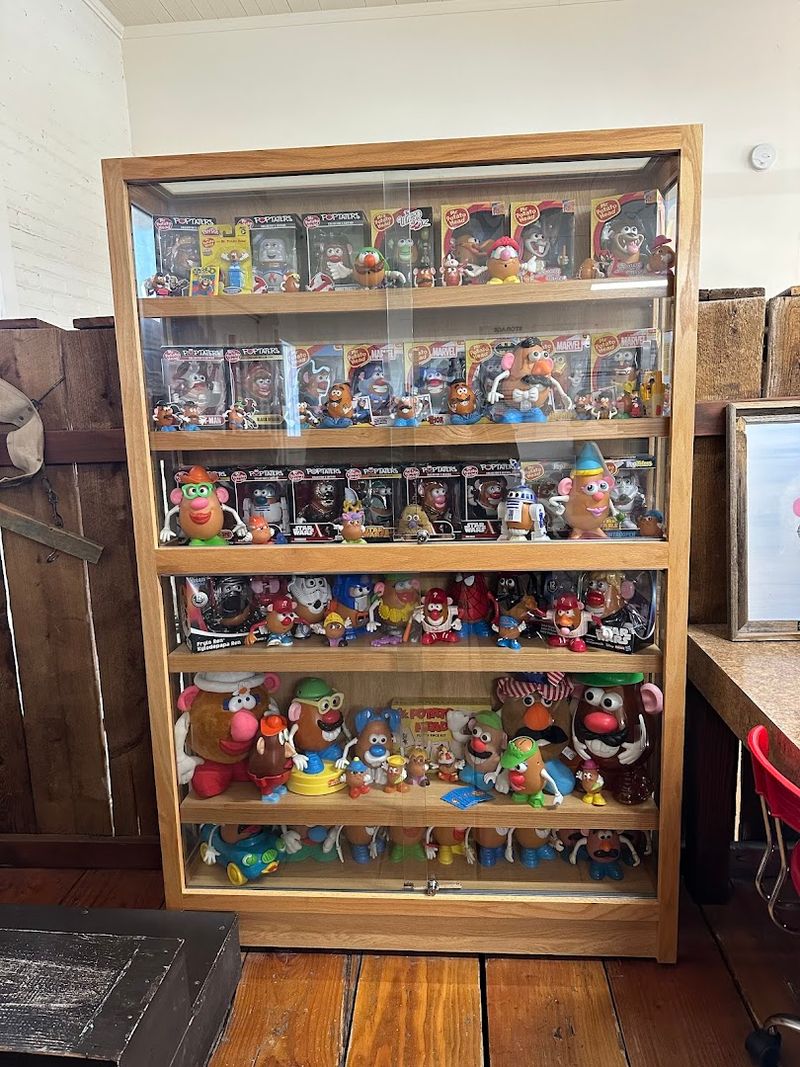
Mr. Potato Head has been a beloved toy since 1952, making him one of the longest-running toy icons in American history. He even starred in Toy Story, which means he has both a museum collection and a Hollywood filmography.
The Idaho Potato Museum houses a significant collection of Mr. Potato Head toys spanning multiple decades, and browsing through them feels like flipping through a colorful scrapbook of American pop culture.
Early versions of Mr. Potato Head actually required a real potato as the body, which is delightfully on-brand for a museum in Idaho.
The plastic body version came later, but the original concept was wonderfully agricultural. Seeing the evolution of the toy across different eras reflects changing design trends, marketing styles, and cultural moments.
Some editions are rare, some are themed, and all of them carry that unmistakable goofy charm that made Mr. Potato Head a household name across generations.
There is something unexpectedly emotional about seeing rows of these toys together. They represent childhood memories for people of wildly different ages, connecting visitors to a shared experience through the most unlikely of objects.
A plastic potato with a mustache and googly eyes should not have this much power over human emotions, yet here we are, feeling nostalgic in a museum in Blackfoot, Idaho. The collection is a testament to how deeply a simple toy can embed itself into cultural memory.
Mr. Potato Head remains undefeated.
The Spud Sellar Gift Shop And Potato Station Cafe
Leaving a museum empty-handed feels wrong, and the Spud Sellar Gift Shop makes sure that never happens. This is not your standard gift shop with generic magnets and postcards.
This place stocks potato soap, potato-infused chocolate milk, potato candy, and enough themed novelties to fill a shopping bag without breaking a sweat. The shop has previously offered free taters for out-of-staters, which is both generous and deeply on-brand for a place this committed to its theme.
The Potato Station Cafe operates alongside the gift shop, offering a menu built entirely around the museum’s star ingredient.
Baked potatoes, french fries, potato soup, and even potato cupcakes appear on the menu, giving visitors a chance to taste what all the fuss is about. Eating a baked potato inside a potato museum carries a certain poetic completeness that is hard to explain but easy to appreciate.
The cafe keeps things simple and satisfying, which is exactly what you want after an hour of potato-themed exploration.
Together, the gift shop and cafe transform a museum visit into a full experience with a beginning, middle, and delicious end. You arrive curious, spend an hour genuinely entertained, then leave with a potato-shaped candle and a stomach full of fries.
That is a complete afternoon by any reasonable standard. The Idaho Potato Museum proves that one humble vegetable, treated with enough creativity and affection, can anchor an entire day of meaningful, memorable fun.
So, are you ready to give potatoes the respect they deserve?