
This Michigan Park Hides A Towering Pine Forest That Feels Almost Sacred
Some Michigan parks impress you with views right away. This one does something quieter and, honestly, more effective. The moment you step beneath those towering pines, the noise in your head starts acting embarrassed and wanders off somewhere else.
Just outside Grayling, this place feels less like a quick outdoor stop and more like a reminder that some landscapes are older, calmer, and better composed than most of our plans.
Michigan travelers will find old-growth pine forest, peaceful trails, wildlife, history, and one of the most grounding outdoor experiences near Grayling.
What makes it special is not only the size of the trees, though they are absolutely the stars here. It is the way the trails, water, logging history, and preserved forest all work together. You come for the famous pines, but you keep walking because the whole place feels like it is asking you to slow down properly.
Start With The Old-Growth Trail
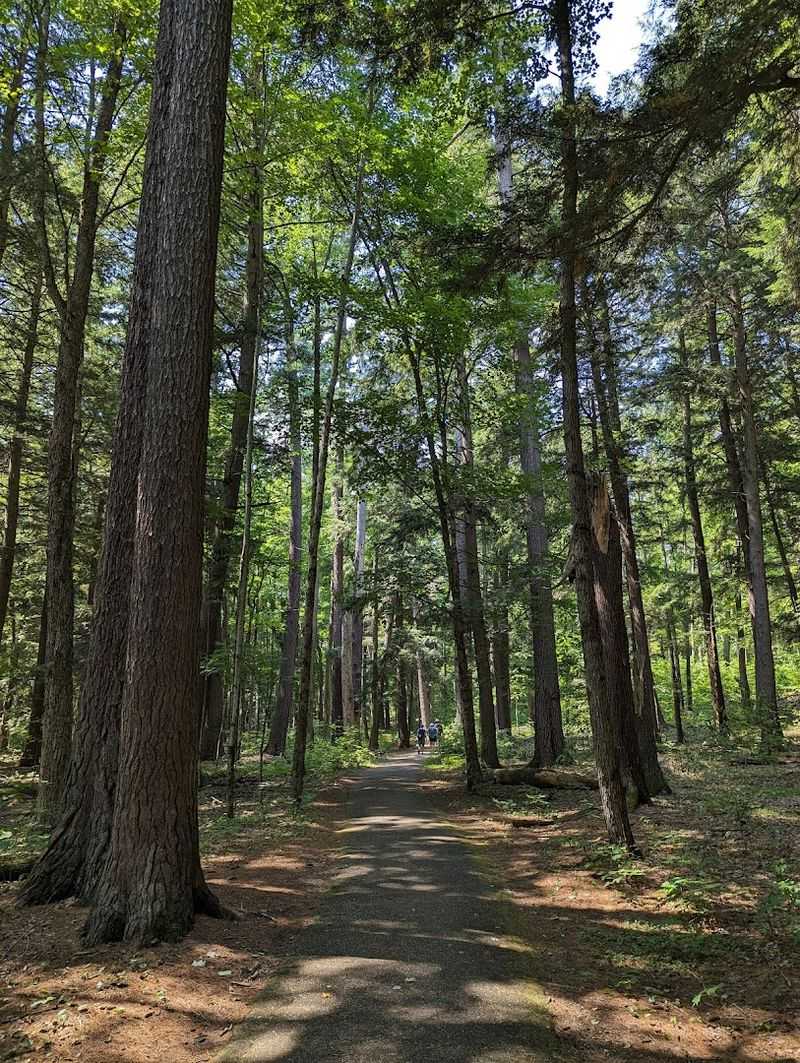
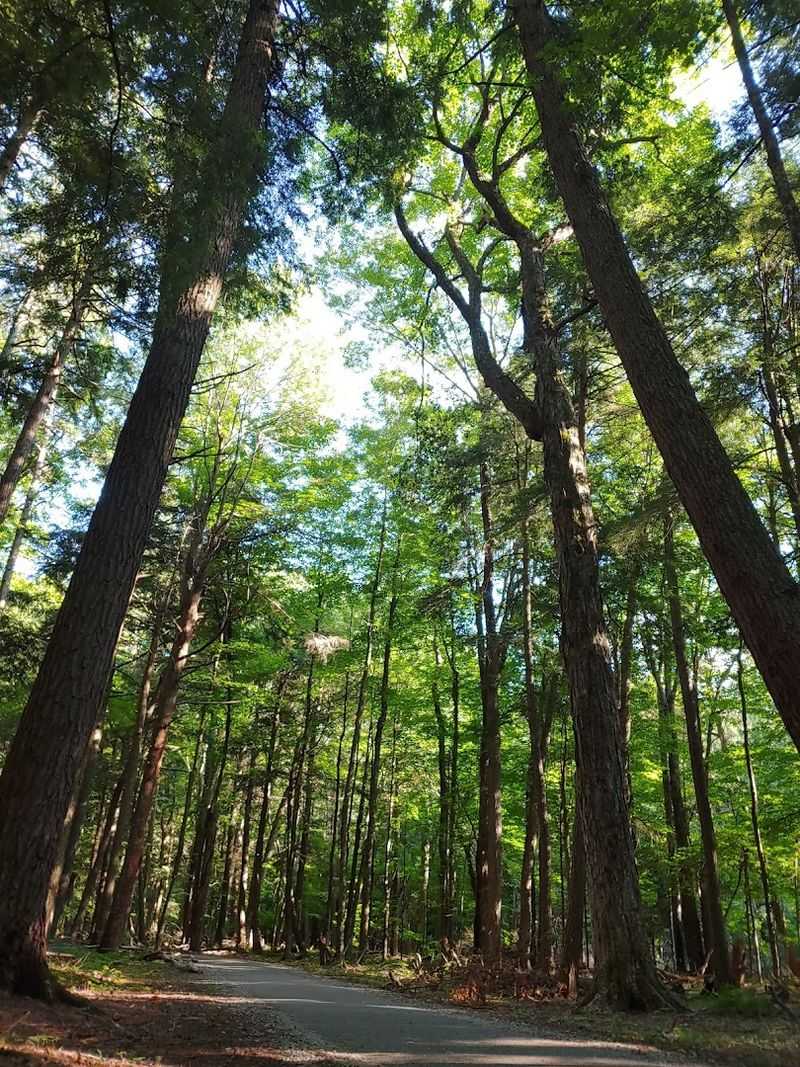
The best first move is the Old Growth Forest Trail, a paved 1.25-mile loop that puts you directly beneath Hartwick Pines’ oldest giants. White and red pines here are estimated at roughly 350 to 425 years old, and some rise more than 160 feet, which makes ordinary woodland scale feel suddenly inaccurate.
The trail is accessible for many visitors, though two steep sections are worth noting before you set out. What stayed with me most was the sound overhead. When wind moves through the canopy, it can take on a soft rushing quality, almost like distant water.
Go early or on a quieter weekday if you can, because this loop works best when you let your pace slow to the trees’ tempo.
Accessing The Ancient Canopies
To reach Hartwick Pines State Park at 3612 State Park Dr, Grayling, MI 49738, take I-75 to exit 259 for M-93. Head northeast on M-93, following the signs for approximately two miles toward the park entrance. This paved roadway leads directly from the expressway into the heart of the state forest.
Once through the main gate, continue on State Park Drive to reach the primary parking areas near the Visitor Center and the logging museum. The road system within the park is well-marked, directing traffic toward the various trailheads and the old-growth pine forest. Most major facilities are clustered along this central loop for easy vehicle access.
A valid Michigan Recreation Passport is required for vehicle entry and can be purchased at the contact station upon arrival. The park is situated just north of Grayling, making it a straightforward drive from the regional hub of Gaylord or Crawford County.
Do Not Skip The Chapel In The Pines
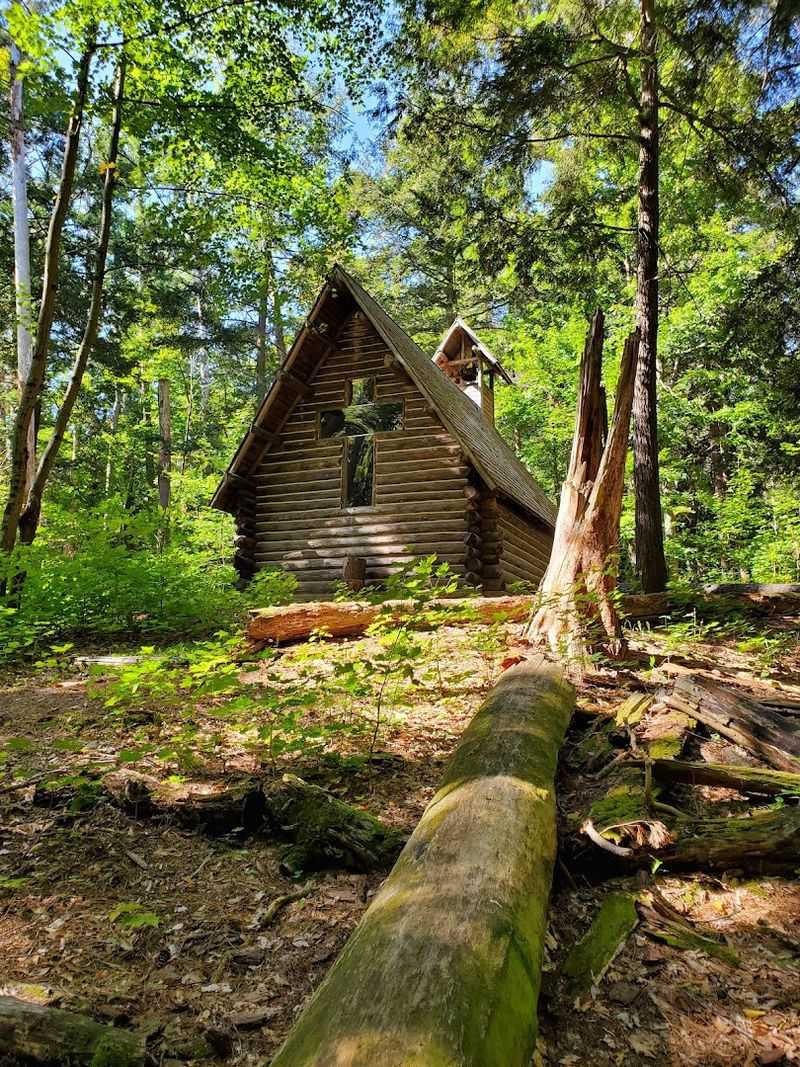
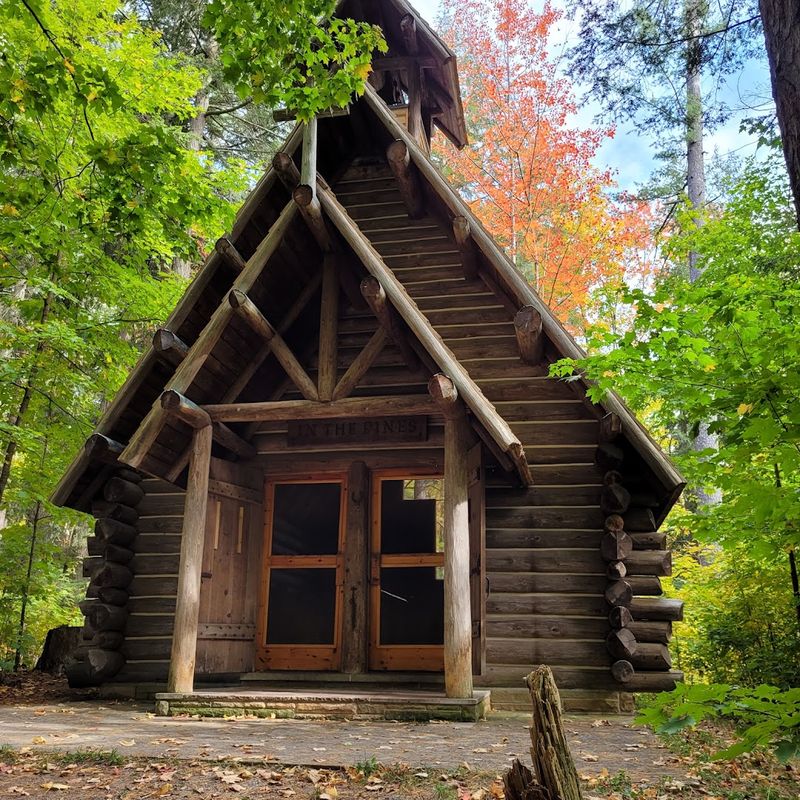
Along the old-growth route, the Chapel in the Pines appears with such modesty that it could almost be missed if you are moving too briskly.
It is a small hand-built log chapel set among the trees, and its scale is part of the charm, because it does not compete with the forest. Instead, it quietly acknowledges that some places naturally invite reflection.
I liked that nothing about it feels theatrical.
The surrounding woods do the emotional work, while the structure offers a brief pause and a change in texture from trail walking to simply standing still. If you are visiting with children or friends who need a memorable waypoint, this is an easy one, and it adds depth without adding much distance.
Read The Park Through Its Logging History
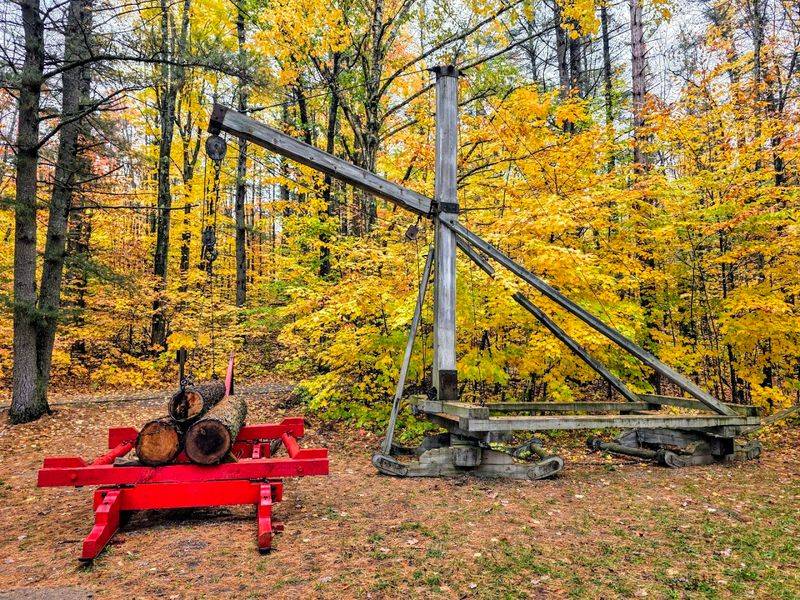
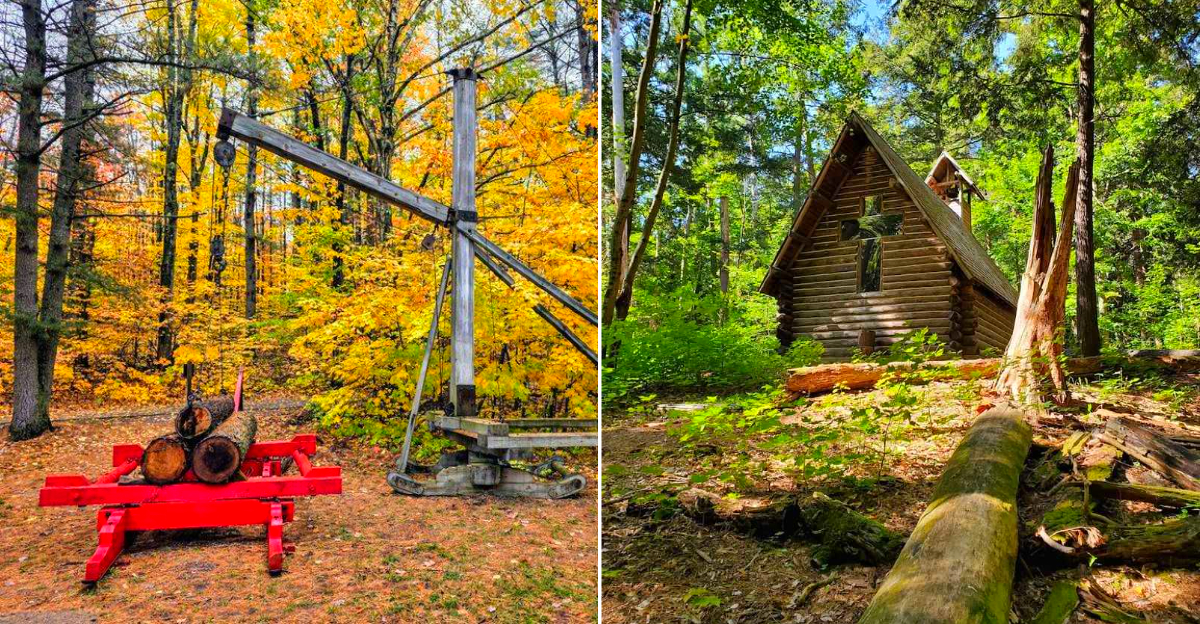
The Logging Museum changes Hartwick Pines from a beautiful forest stop into a fuller Michigan story. The museum complex includes recreated camp buildings, historic equipment, and a 1914 steam-powered sawmill, all of which give shape to the industry that transformed so much of the state.
Without that context, the surviving old growth can seem merely scenic rather than genuinely rare. The buildings were developed with help from the Civilian Conservation Corps in the 1930s, and that layer matters too, because preservation here has its own history.
In summer, demonstrations or costumed interpretation may add texture, depending on programming. Even if museums are not usually your thing, this one earns time because it explains why the forest outside feels both grand and fragile.
Remember Why These Trees Are Still Here
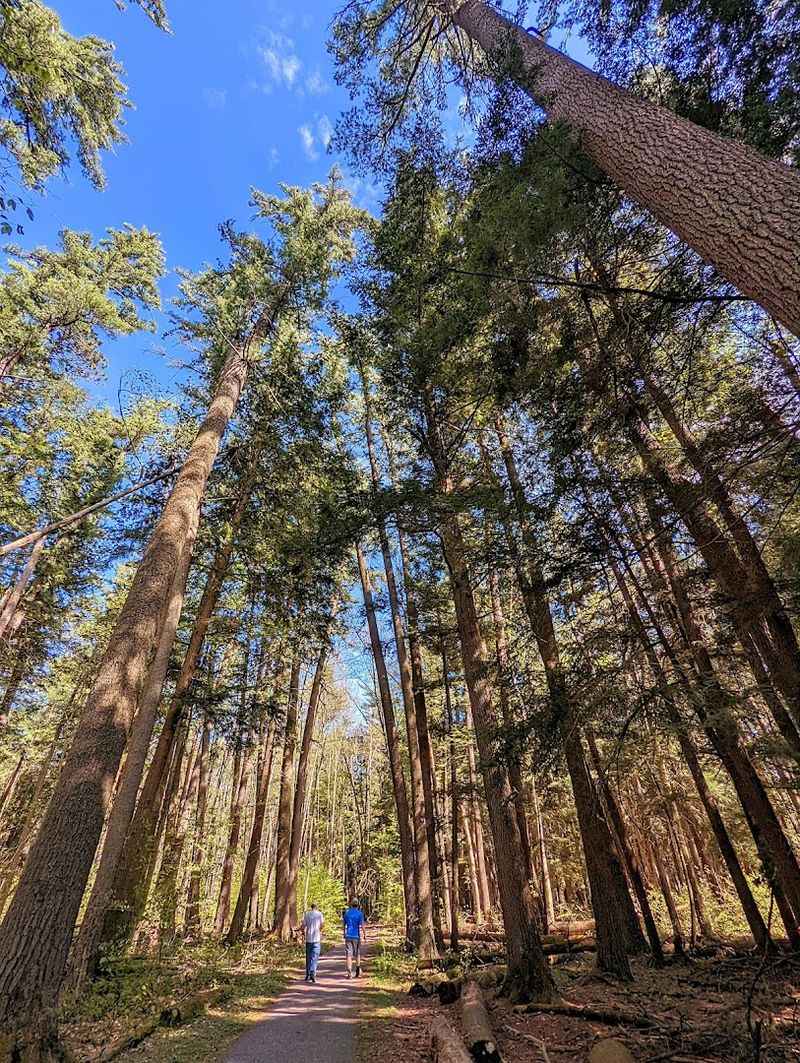
One of the park’s quietest revelations is that this forest exists because someone insisted it should. Hartwick Pines State Park was established in 1927 after Karen Michelson Hartwick donated 8,000 acres as a memorial to her husband, Edward Hartwick, with the condition that the old-growth forest never be logged.
Knowing that makes every giant trunk feel less accidental and more like a successful act of restraint.
That history also explains the park’s unusual emotional register.
You are not just seeing big trees, but a surviving argument for protection made nearly a century ago. If you travel with anyone who likes the human stories behind landscapes, share this early. It reframes the whole visit and gives the silence some useful, grounding weight.
Branch Out Onto The Longer Trail Network
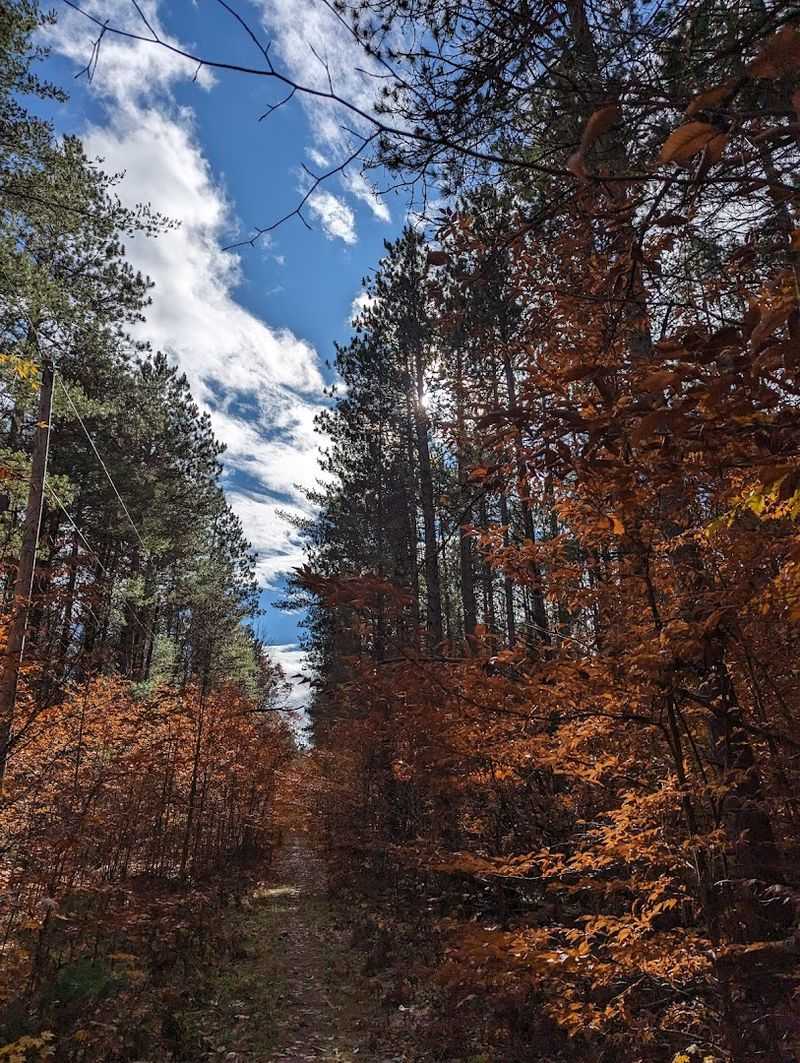
The old-growth loop is the star, but the wider trail system is where Hartwick Pines starts feeling like a place rather than a single attraction. The park offers more than 21 miles of trails, including routes such as Aspen, Deer Run, Weary Legs, and the Au Sable River Trail, each showing different textures of forest and terrain.
That variety keeps the park from feeling overly curated. Conditions can shift with weather or storm damage, and some routes may close temporarily, so checking ahead is worth the minute it takes.
The practical payoff is simple: you can match your day to your energy. If the paved trail leaves you wanting more solitude or distance, there is room here to keep going without leaving the park’s mood behind.
Make Room For The Lakes
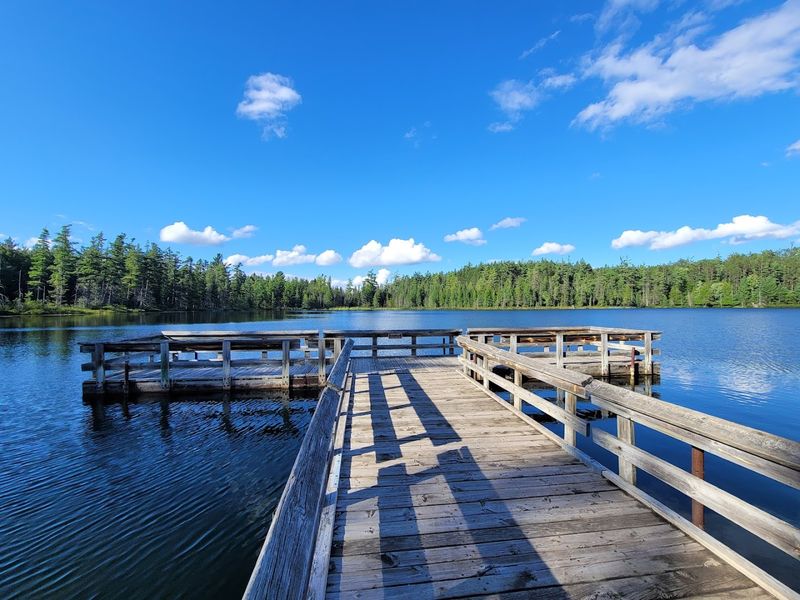
After hours under towering canopy, the park’s lakes offer a useful reset. Glory Lake and Bright Lake give Hartwick Pines a more open, reflective side, with paddling opportunities and accessible fishing piers that make the water feel welcoming rather than exclusive.
The contrast is part of the pleasure, because the park suddenly broadens from cathedral-like woods to softer shoreline space. Kayak rentals are available seasonally, which makes an unplanned paddle possible if the day turns warm and unhurried.
Even without getting on the water, the lakes are good places to notice birds, watch light move, or simply sit for lunch. If your visit starts feeling too itinerary-driven, this is where the park gently reminds you to loosen your grip.
Bring A Bike If You Want Extra Range
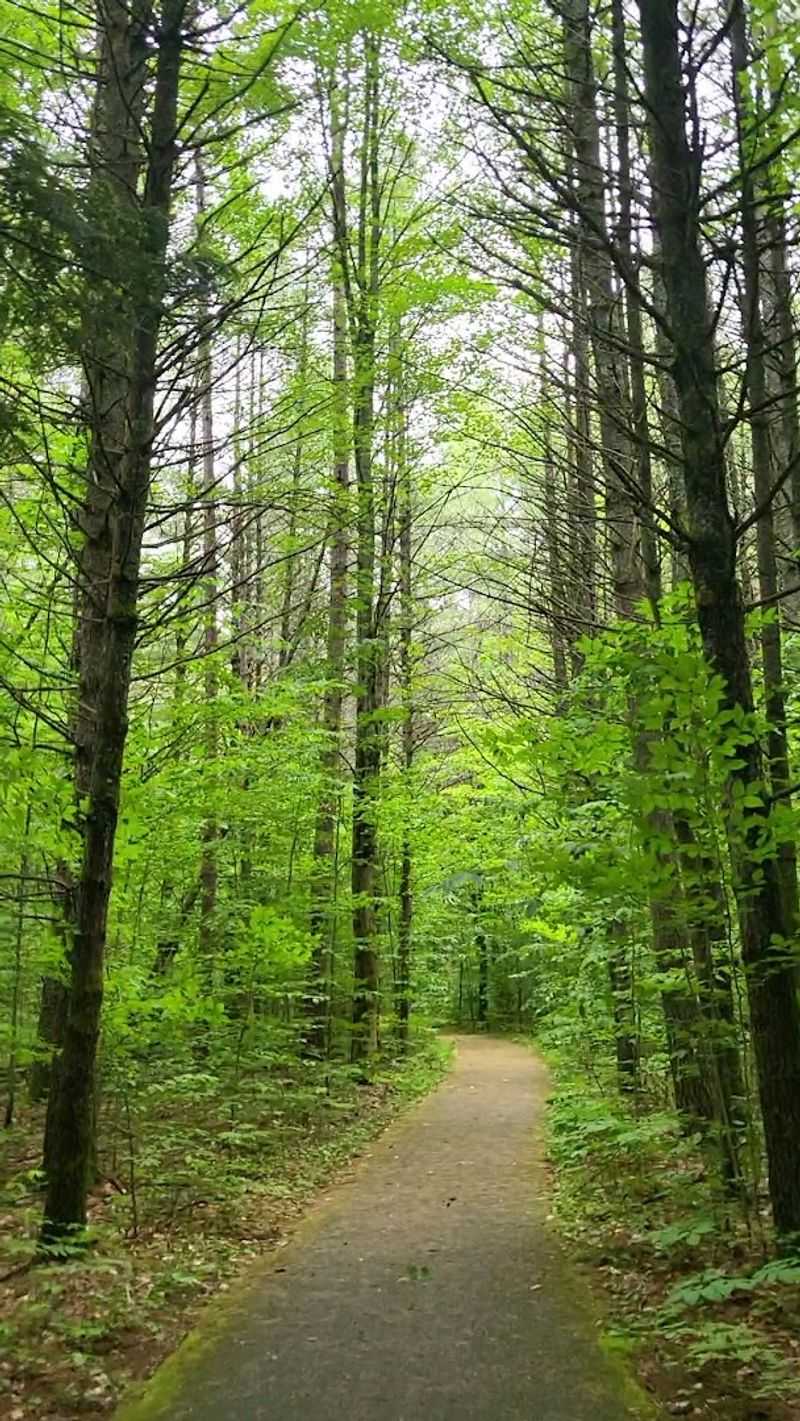
Not every state park rewards a bicycle, but Hartwick Pines does. From the park entrance, you can access the Grayling Bicycle Turnpike, a paved non-motorized trail of about 10 miles that links the park area with downtown Grayling.
That connection gives your visit a satisfying elasticity, especially if you like mixing quiet woods with a practical ride. The route is especially handy for travelers who want movement without committing to another hike.
I appreciate that it extends the day while keeping the transition gentle, from old pines to small-town edges rather than from wilderness straight to highway. If you are packing for a weekend here, a bike is not essential, but it can make the park feel more integrated with the surrounding landscape.
Winter Gives The Forest A Different Kind Of Hush
Snow changes Hartwick Pines without flattening it. In winter, the park becomes a destination for cross-country skiing and snowshoeing, and the tall trees seem to hold sound differently, turning even a short outing into something deeply hushed.
The famous sense of scale remains, but the mood shifts from green grandeur to bright, disciplined quiet. That said, winter also demands more planning. Building access can be limited on some days, trail surfaces can become icy, and comfort depends on timing, layers, and current conditions rather than optimism alone.
If you enjoy cold-weather landscapes, the reward is real: fewer distractions, cleaner lines, and a forest that feels almost distilled to its essentials. It is not the easy season, but it may be the most haunting.
Watch For Wildlife, But Let The Park Set The Pace
Hartwick Pines rewards patient attention more than dramatic searching. Deer, wild turkeys, and a variety of birds are all part of the park’s living texture, and birders occasionally note species that make a simple walk feel unexpectedly eventful.
The trick is not to storm through hoping for a checklist, but to move slowly enough that the forest reveals what it is already doing. That approach suits the place anyway. Dense canopy, changing understory, and openings near water create little shifts in habitat that are easy to overlook if you are focused only on the biggest trees.
Bring binoculars if you have them, especially in migration seasons. If not, your ears are enough to start with, and the listening here is unusually pleasant.
Plan The Practical Details So The Calm Stays Intact
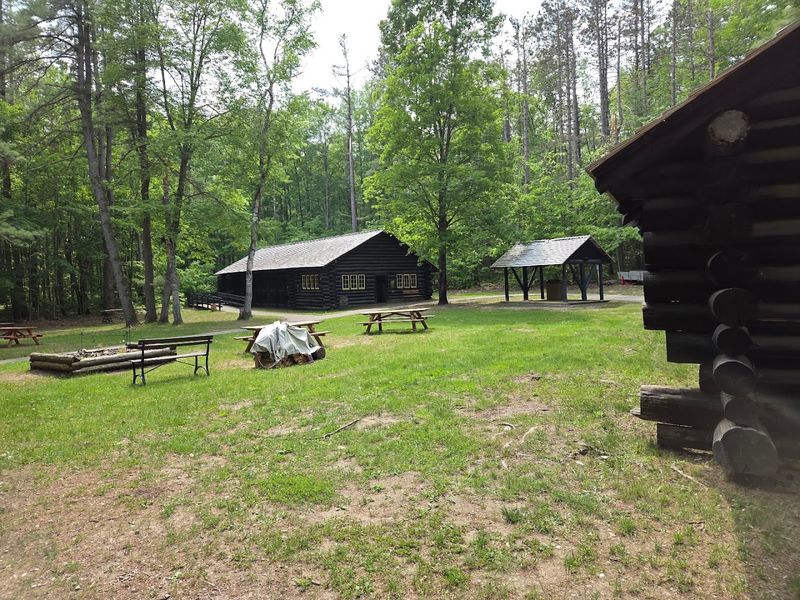
A little practical planning goes a long way at Hartwick Pines. Vehicle entry requires a Michigan Recreation Passport, picnic areas include tables and charcoal grills, and larger gatherings can reserve a shelter, which means the logistics of a full day are refreshingly manageable.
There are also track chairs available by loan for some trail access, including the Old Growth Forest Trail, an important detail that makes the park more welcoming. Because the park is open daily and closes at 10 PM, you have room to shape a slow visit rather than rushing through.
Pack lunch, check current facility hours, and give yourself more time than you think you need. This is not a place improved by hurry. The reward for planning is simple: you notice more, and the place keeps its quiet hold on you.