
This Vast Maine Wilderness Is A Dream For Outdoor Enthusiasts
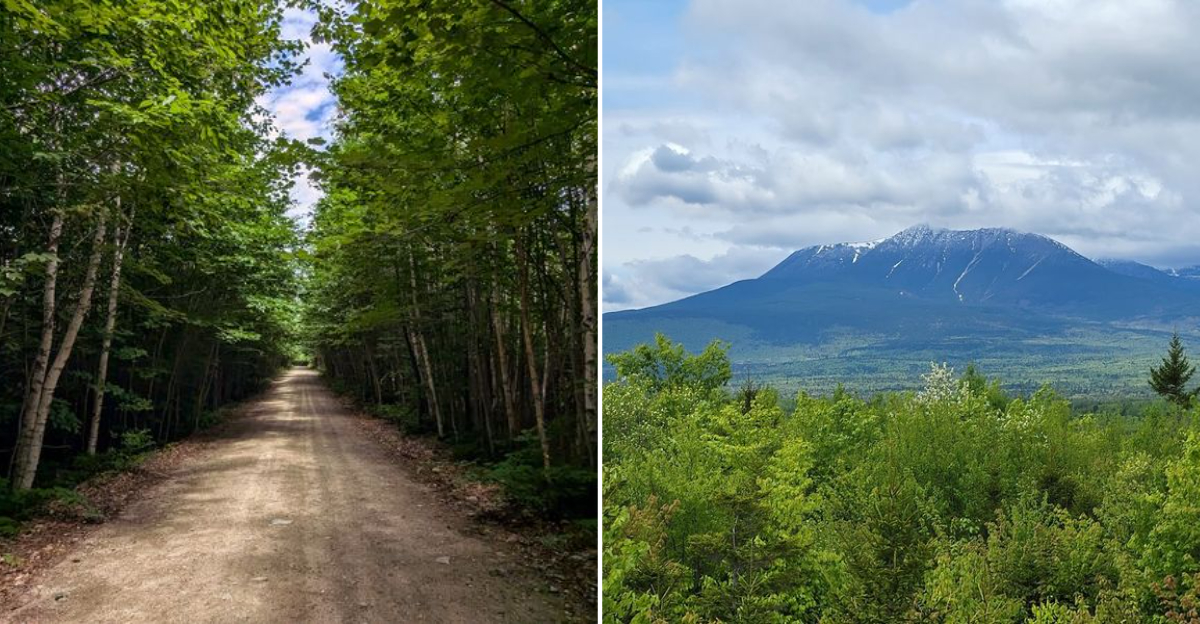
There is a corner of Maine where silence feels louder than sound, and night skies look almost unreal. Deep in the remote northern woods, a vast protected landscape stretches over about 87,500 acres of forest, rivers, and pristine darkness.
Reaching it requires a drive along rugged backroads, which only adds to the sense of stepping far outside everyday life. Moose move slowly through still ponds, loons call across the water, and the Milky Way burns bright overhead with no city glow to compete.
Trails weave through quiet terrain that rewards patience and curiosity at every turn. Cell service fades quickly, replaced by wind in the trees and the rhythm of the land itself.
For anyone drawn to raw, uncrowded wilderness, this part of Maine delivers an experience that feels genuinely removed and unforgettable.
A Wilderness With No Crowds
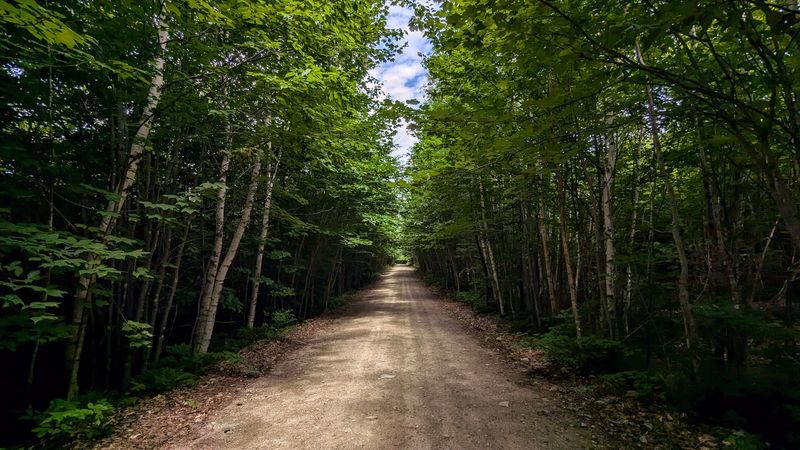
Most national parks come with traffic jams, packed trailheads, and the constant sound of other people talking. Katahdin Woods and Waters National Monument is refreshingly different.
With a fraction of the visitors that flock to more famous parks, this place gives you something increasingly rare: genuine solitude.
The monument covers about 87,500 acres of northern Maine forest, and visitation remains relatively low compared to major national parks. That quietness is not emptiness.
It is filled with the sound of wind moving through birch trees, the splash of a river otter, and the distant call of a loon echoing across a still pond.
Because the park is still relatively new, having been designated in 2016, infrastructure remains minimal. That keeps casual visitors away and rewards those who come prepared.
Pack your gear, bring extra water, download your maps offline, and get ready to experience Maine the way it has always been meant to be explored.
Mount Katahdin Views That Stop You Cold
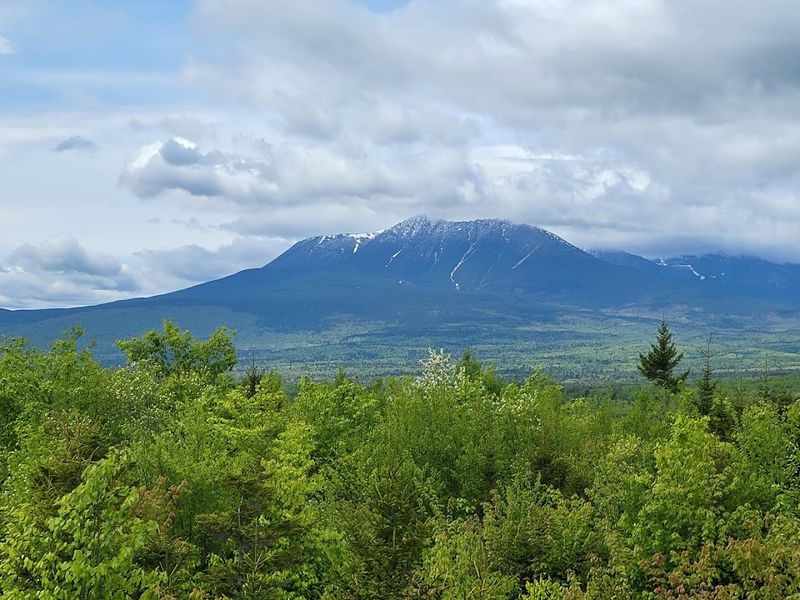
There is a moment on the scenic loop road when the trees part just enough and the full silhouette of Mount Katahdin appears on the horizon.
It is one of those views that makes you stop walking mid-step and just stare. At 5,267 feet, Katahdin is the highest peak in Maine and the northern terminus of the Appalachian Trail.
From inside the monument, you get a perspective of the mountain that most visitors never see. Rather than climbing it, you are looking at it across miles of unbroken forest, which somehow makes it feel even more powerful and wild.
The Katahdin Loop Scenic Overlook is the most accessible viewpoint, though some overlooks are currently under construction through 2026.
Early morning is the best time to catch the mountain in soft golden light before clouds roll in. Foggy days create a moody, almost mysterious atmosphere that has its own quiet beauty worth experiencing at least once.
Wildlife Encounters Around Every Bend
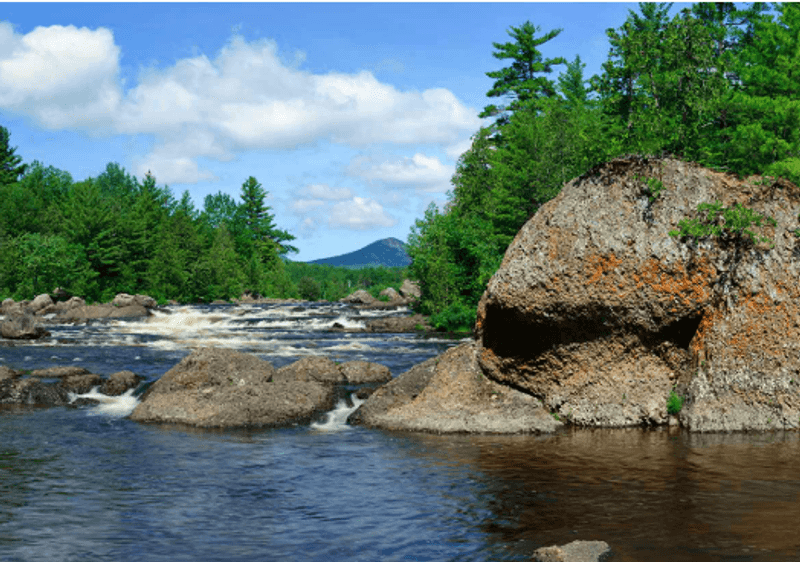
Few places in the continental United States offer wildlife encounters as consistently thrilling as this remote Maine monument.
Moose are practically a given here. Multiple visitors have reported seeing three or more moose in a single trip, and spotting one standing knee-deep in a pond at dawn is the kind of memory that stays with you for years.
Beyond moose, the forest shelters black bears, river otters, snowshoe hares, lynx, and an impressive variety of birds including ruffed grouse and numerous waterfowl species. Lynx tracks have been spotted along trails, which is a reminder that this is genuine wild habitat, not a managed wildlife display.
The best strategy for wildlife watching is to move slowly, stay quiet, and visit during the early morning or late evening hours when animals are most active. Binoculars are worth every ounce of weight in your pack.
Bring them, use them often, and prepare to be genuinely surprised by what this forest holds.
Stargazing Far From City Lights
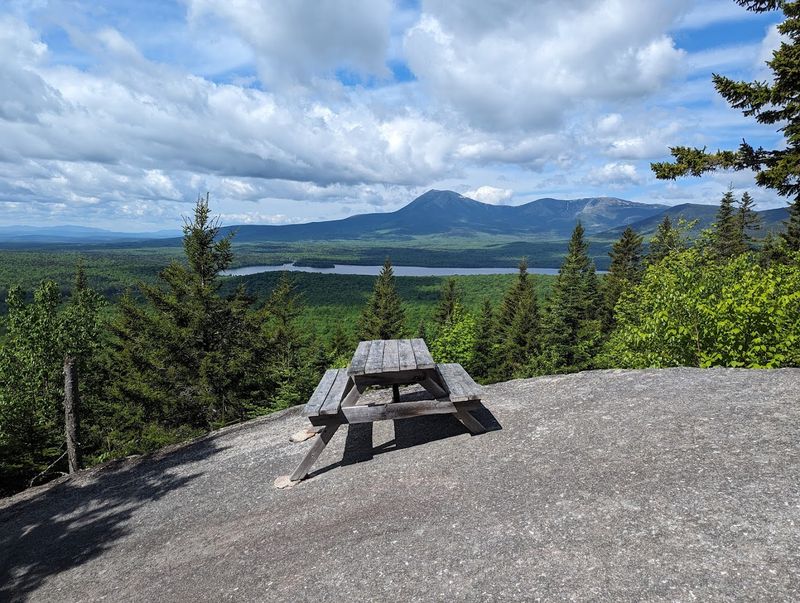
When the sun goes down in this corner of Maine, something extraordinary happens overhead. With virtually no light pollution for miles in any direction, the night sky above Katahdin Woods and Waters transforms into a full display of stars, planets, and on clear nights, the Milky Way stretching from one horizon to the other.
Northern Maine sits in one of the darkest regions on the entire East Coast, making it a seriously underrated destination for amateur astronomers and anyone who has simply never seen a truly dark sky before.
The experience of lying on your back in a field while the universe slowly rotates above you is humbling in the best possible way.
Sandbank Stream campground is a particularly good base for nighttime sky watching. Bring a star chart app downloaded for offline use, a warm sleeping bag because nights get cold even in summer, and a red-light headlamp to preserve your night vision.
The sky here earns its own visit entirely.
Hiking Trails Through Old-Growth Forest
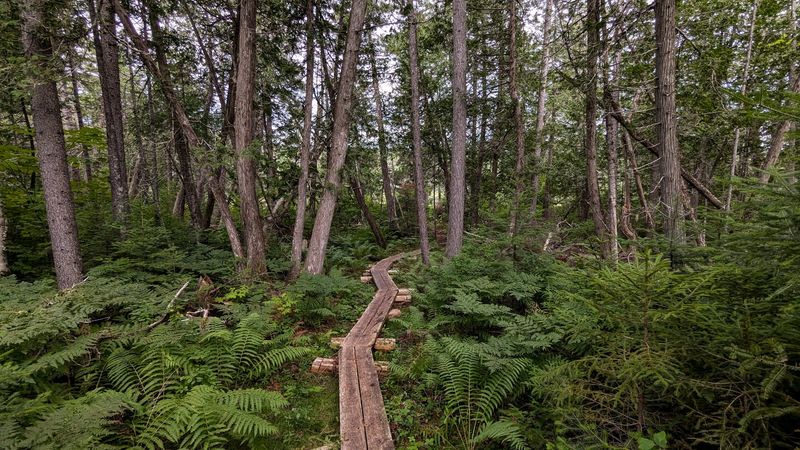
Lacing up your boots and heading into the forest here feels less like recreation and more like stepping into a living, breathing world that operates entirely on its own terms.
The trail network inside the monument ranges from easy walks to longer backcountry routes that reward hikers with sweeping views and deep forest immersion.
The main loop trail takes a couple of hours to complete and passes through varied terrain including riverside stretches, pond edges, and ridge lines with open views. The International Appalachian Trail also runs through the monument, connecting it to a much larger trail system that extends all the way to Canada.
Trail markers are generally clear, but bringing a waterproof topographic map is strongly recommended since cell service is nearly nonexistent throughout most of the park.
Sturdy boots with ankle support make a real difference on the rocky and sometimes muddy paths. The forest rewards those who slow down and pay attention to the small details around them.
Camping At Sandbank Stream
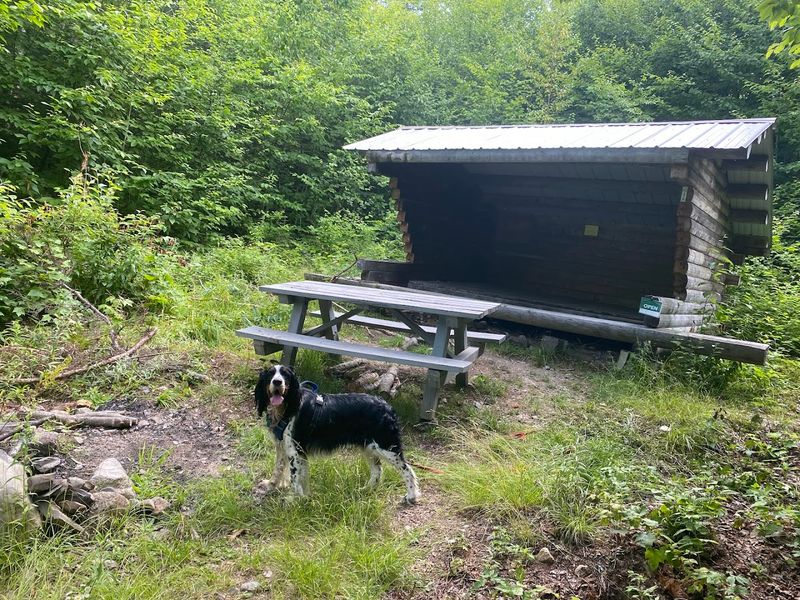
Camping inside the monument is one of the most affordable and memorable outdoor experiences available anywhere in New England.
Sandbank Stream campground offers a handful of drive-in sites that book easily online, unlike the notoriously competitive reservation system at nearby Baxter State Park. Sites have cost as little as eight dollars per night, which is nearly unheard of for a federally managed park.
Vault toilets at the campground are kept clean and stocked, which is a pleasant surprise for such a remote location. The setting itself is gorgeous, surrounded by tall trees with the sound of the stream nearby creating a natural white noise that makes sleeping outdoors feel effortless and deeply restful.
Dogs are welcome on leash, which makes this a great option for families traveling with pets.
A few important preparations go a long way: bring more bug spray than you think you need, pack extra water, and plan your fuel stops carefully since the nearest gas station is about 45 minutes away from the park entrance.
The Story Behind The Monument
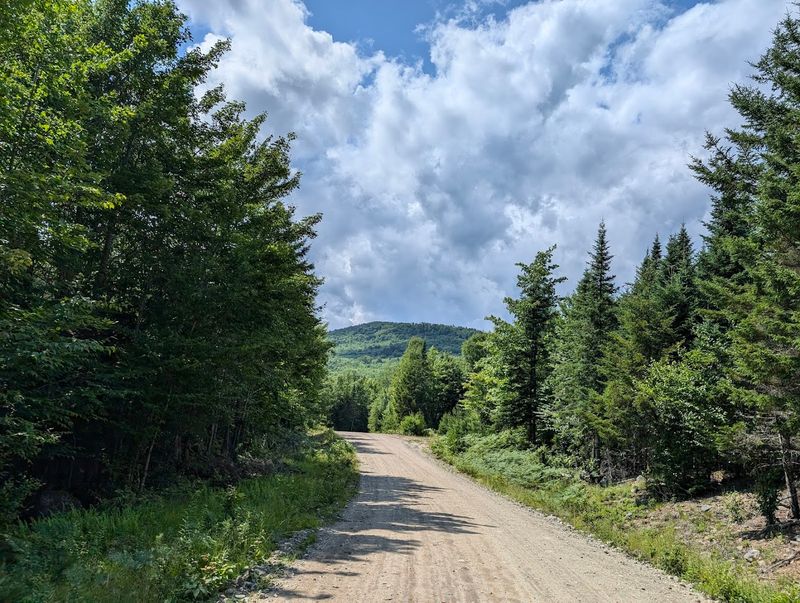
This land did not always belong to the public. For generations, the forests of northern Maine were working timberlands, logged commercially and largely off-limits to casual visitors.
The transition from private industrial land to a federally protected national monument is a fascinating and sometimes contentious chapter in American conservation history.
The monument was designated by President Barack Obama in August 2016, following years of advocacy led largely by Roxanne Quimby, co-founder of Burt’s Bees, who purchased large tracts of land with the specific intention of donating them for public use.
The designation was met with both celebration and local resistance, reflecting the complex relationship between conservation and the traditional logging economy of rural Maine.
Understanding this backstory adds a meaningful layer to any visit. The working forest heritage is still visible in the landscape, from old logging roads that now serve as hiking routes to the occasional massive logging truck that still has the right of way on certain roads near the park boundary.
Navigating The Rough Roads
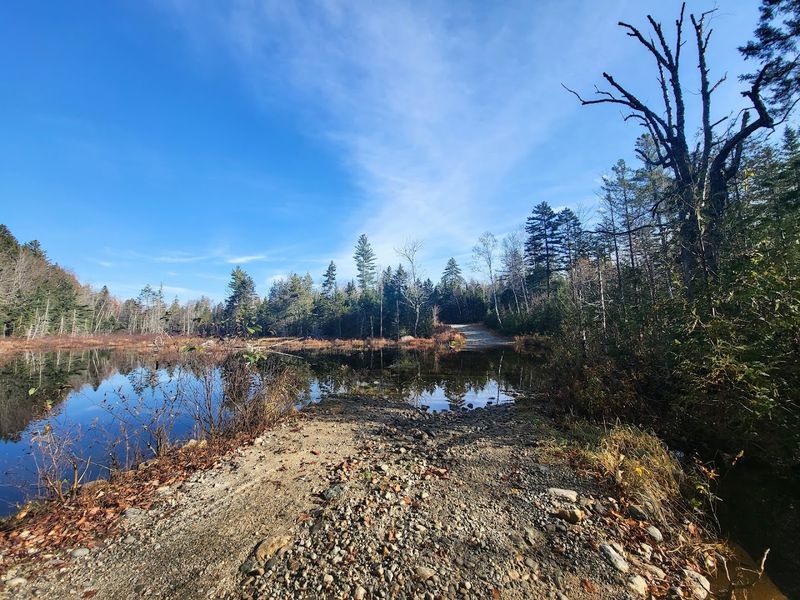
Getting to and through this monument is part of the adventure, but it pays to know what you are getting into before you turn off the pavement.
The access roads leading into the park are primarily private logging roads with rough gravel surfaces, large embedded rocks, and sections that can challenge vehicles with low ground clearance.
Rangers and experienced visitors consistently recommend bringing an SUV or a vehicle with good clearance rather than a standard sedan.
The loop road inside the park travels at roughly 15 miles per hour due to road conditions, so factor that into your time planning. Google Maps directions after exiting Interstate 95 are reportedly unreliable.
The better route is heading north on Route 11 and following the National Park Service signs from there.
Cell service essentially disappears once you enter the area, so downloading offline maps before you leave is not optional, it is essential. Fuel up completely before heading in, check your spare tire, and treat the drive itself as the first official trail of your visit.
The Contact Station And Visitor Experience
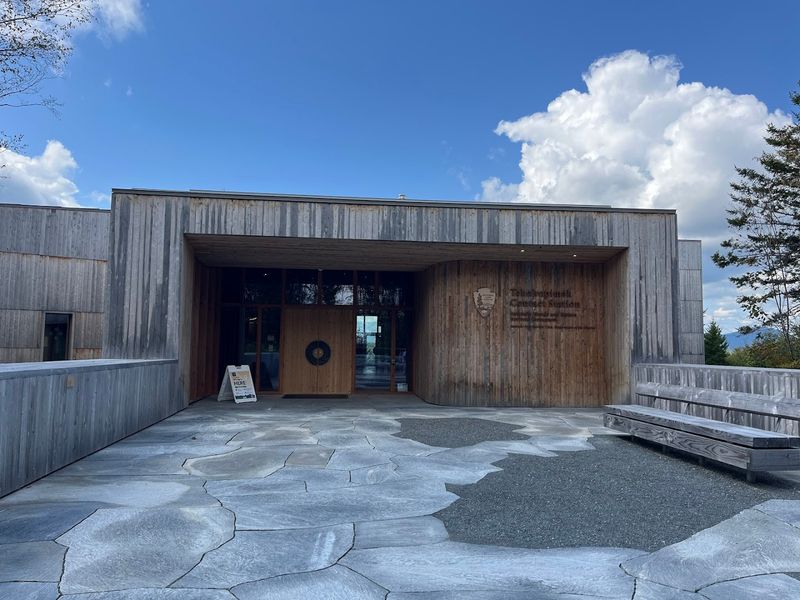
One of the quietly impressive details about visiting this monument is the Contact Station, a beautifully designed structure built with natural materials that feels like it genuinely belongs in the landscape rather than sitting on top of it.
Rangers stationed here are consistently helpful, knowledgeable, and genuinely enthusiastic about the park they work in.
The visitor center in Millinocket, located about 90 minutes from the monument itself, offers more in-depth exhibits about the region’s natural and cultural history.
The Contact Station near the park entrance is more focused on practical orientation, handing out maps, answering questions about current trail conditions, and giving honest advice about road accessibility for different vehicle types.
Because the monument is still in active development, facilities are expanding and improving each season. The experience has a satisfying frontier quality to it, as if you are visiting a place that is still figuring out what it wants to be.
That freshness makes every visit feel genuinely different from the polished, well-worn experience of older national parks.
Planning Your Visit Like A Pro
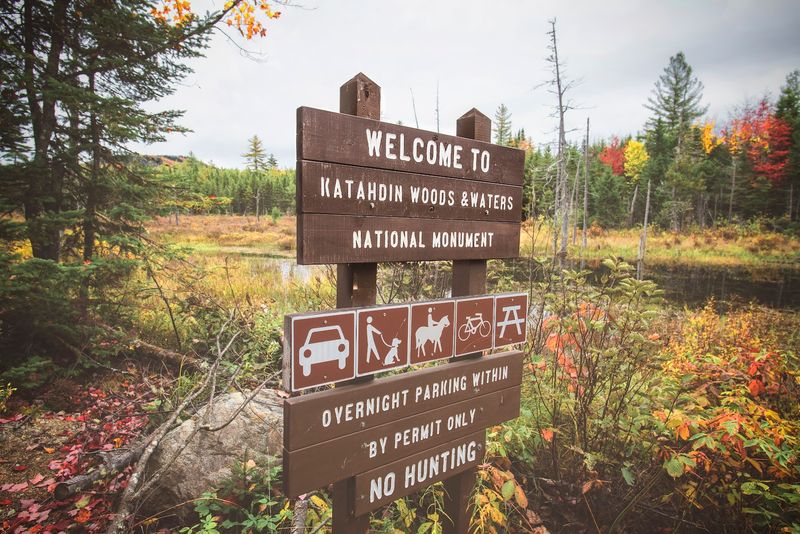
A little preparation transforms a potentially frustrating trip into an unforgettable one. The monument is open year-round, but the visitor contact station operates Friday through Sunday, so planning around those days ensures you can pick up maps and get current trail information from a ranger in person.
Summer visits bring lush greenery and the best wildlife activity, but also legendary mosquito populations. Packing industrial-strength bug spray is not an exaggeration.
Fall brings stunning foliage and far fewer insects, making September and October arguably the most enjoyable months to visit. Winter offers snowshoeing and cross-country skiing for those equipped for cold-weather adventure.
Leave extra time in your schedule, bring more supplies than you think you will need, and approach the whole experience with flexibility. This place rewards patience generously.