
This Hidden Illinois Spot Only Serves One Dish And It’s Always Sold Out
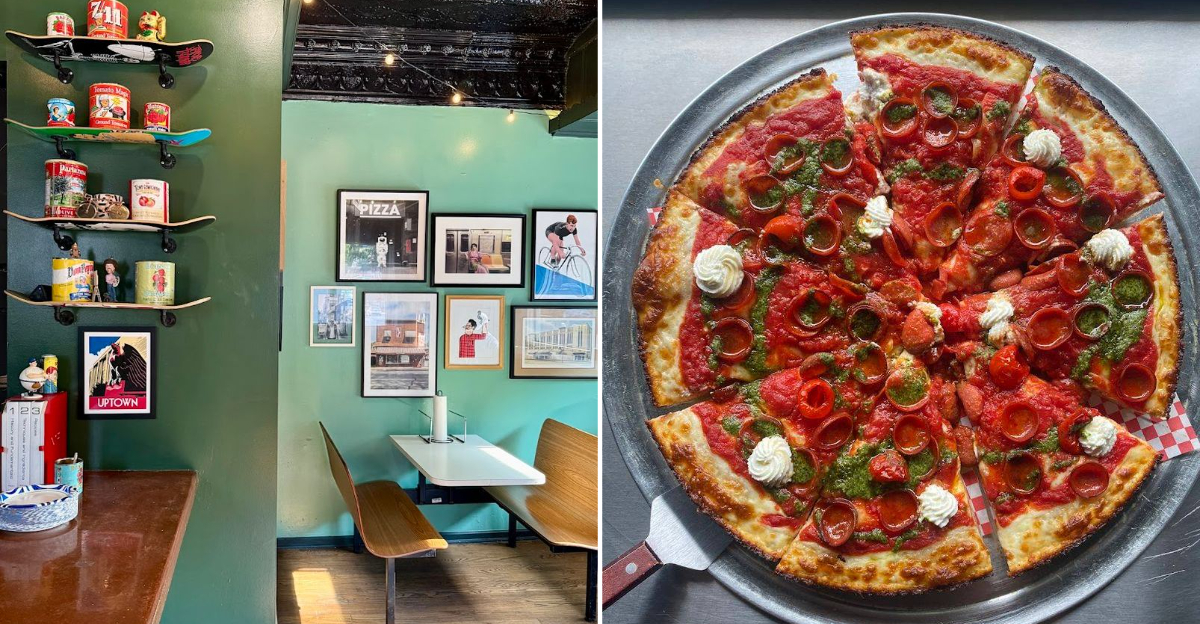
This Illinois spot has built a loyal following through precision, patience, and an intense focus on quality rather than hype. Each day, only a limited batch of pies comes out of the kitchen, the result of a multi-day dough process and carefully tuned techniques that prioritize texture and flavor.
The menu stays tight, the execution stays consistent, and demand stays high, with orders often disappearing shortly after they open online. What keeps people coming back isn’t just scarcity, but the balance of crisp edges, airy structure, and thoughtful combinations that feel both familiar and new.
The entire operation runs on discipline and detail, turning a simple takeout experience into something people plan their day around.
From Ghost Kitchen To Cult Favorite
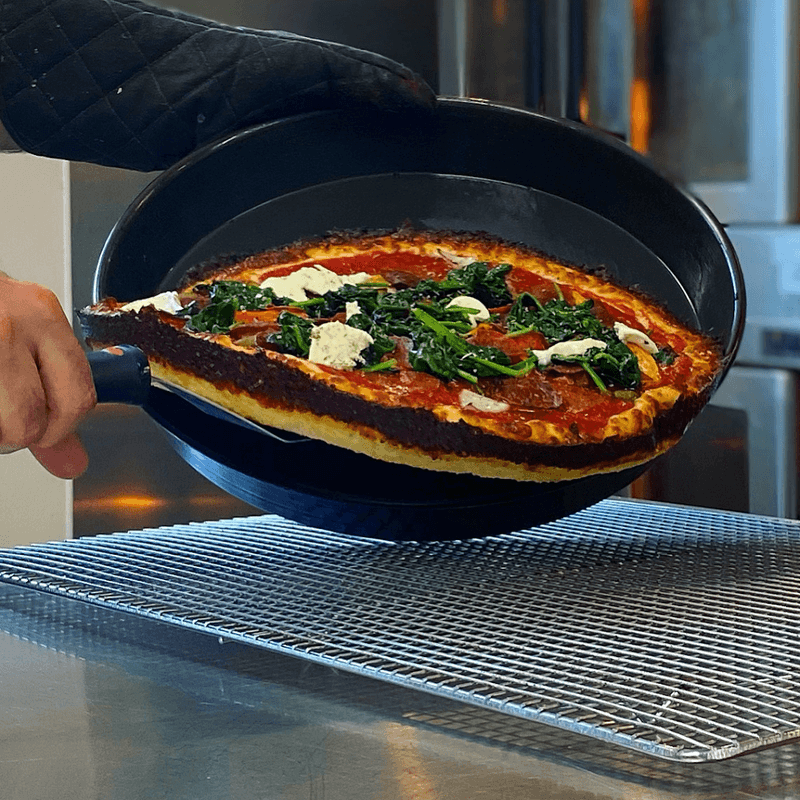
Back in 2020, when the world was figuring out how to function differently, Robert Maleski launched Milly’s Pizza In The Pan out of a ghost kitchen in Logan Square. There were no dining rooms, no storefronts, just handcrafted pans of pizza going out the door.
Starting as a ghost kitchen actually gave Maleski the freedom to focus entirely on the product. No distractions, no decor decisions, just dough, sauce, and technique.
That singular focus shaped everything the brand became.
From those quiet beginnings, Milly’s grew into something Chicago had not quite seen before. The ghost kitchen origin story is a reminder that some of the most exciting food projects start with nothing more than a great idea and a serious work ethic.
The foundation built in Logan Square carried the brand all the way to its current home at 925 N Ashland Ave in West Town, near Noble Square.
A Grandmother’s Legacy In Every Pie
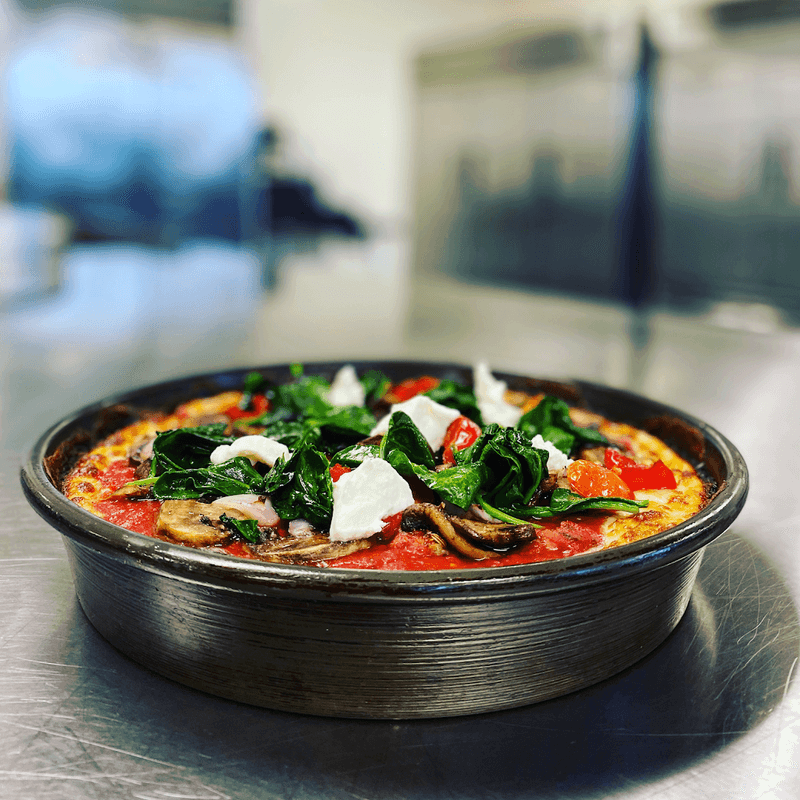
The name Milly is not a brand invention. It belongs to Robert Maleski’s grandmother, the woman whose love of cooking planted the seed that eventually grew into one of Chicago’s most talked-about pizzerias.
Naming the restaurant after her was a deeply personal choice.
Maleski also draws inspiration from the legendary Burt Katz, a Chicago restaurateur celebrated for his pan-style pies. That combination of family warmth and culinary mentorship gives Milly’s a story that feels genuine and rooted in something real.
There is something powerful about a restaurant that carries the name of someone who mattered. It adds weight and meaning to every pie that comes out of those pans.
When a place is built on that kind of personal history, the care tends to show up in the food itself. At Milly’s, the name is not just branding, it is a tribute that shapes the entire spirit of the operation.
Where To Find It Now
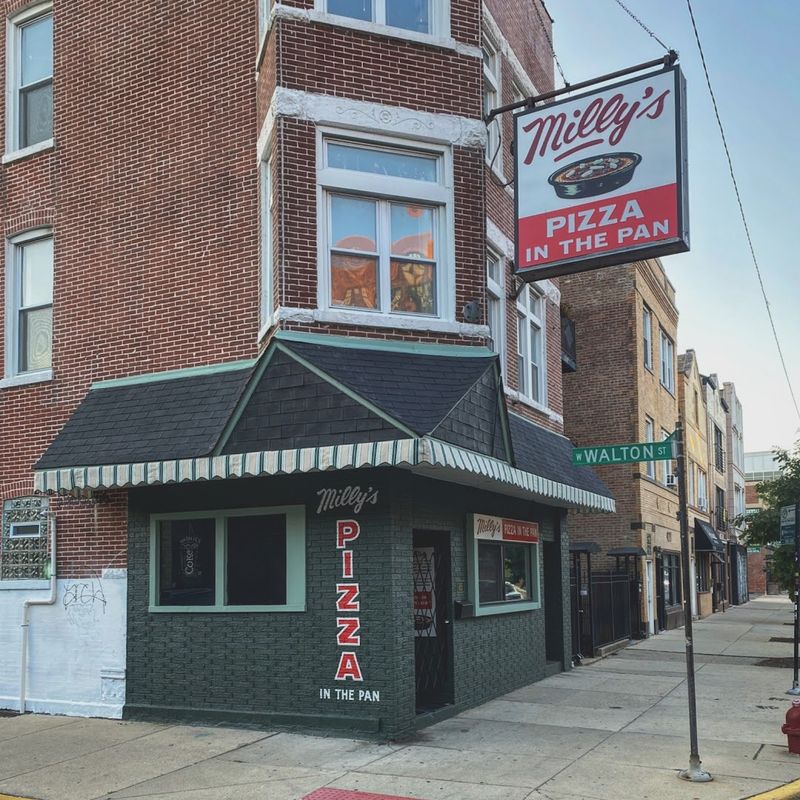
After starting in Logan Square and spending time in Uptown, Milly’s Pizza In The Pan found its current Chicago home at 925 N Ashland Ave in the Noble Square area of West Town. The address sits in a neighborhood with a strong sense of community and easy access from multiple parts of the city.
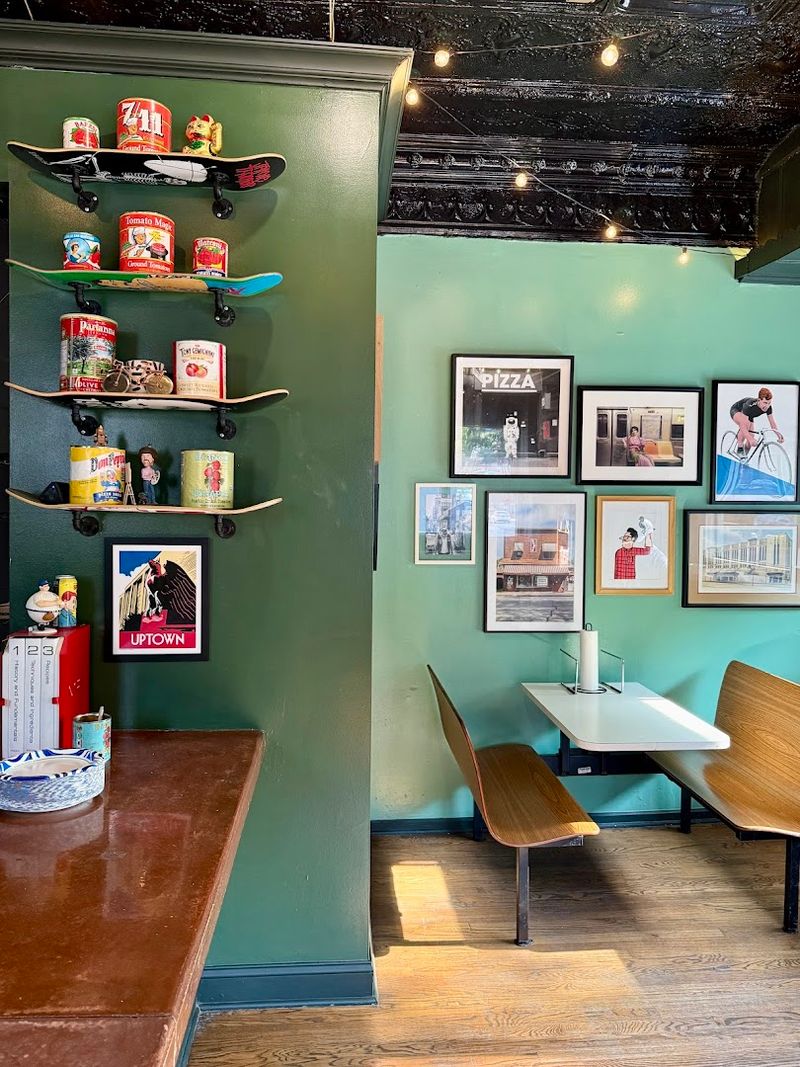
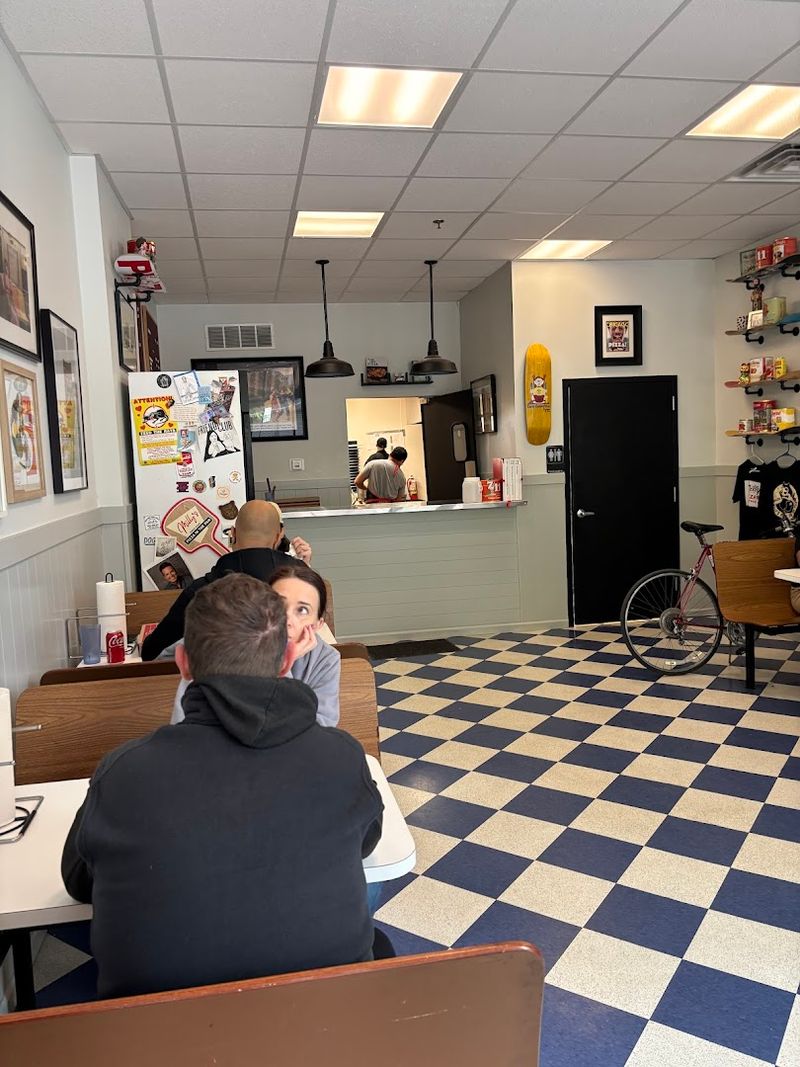
The space itself is compact and no-frills. There is a booth, some window bar seating, and a counter where the pies come out.
The vibe is purely about the pizza rather than the setting, and the staff keeps things running on a tight, friendly schedule.
Hours run Wednesday through Sunday from 4 PM to 8 PM, with Monday and Tuesday closed. An additional outpost operates in Berwyn, IL at 6737 W Roosevelt Rd for those outside the city.
For first-timers, the best approach is to visit the website early in the morning on an open order day, lock in a pickup time, and arrive right on schedule. The phone number is 224-809-7192 for any questions.
The Pan Pizza With A Signature Edge
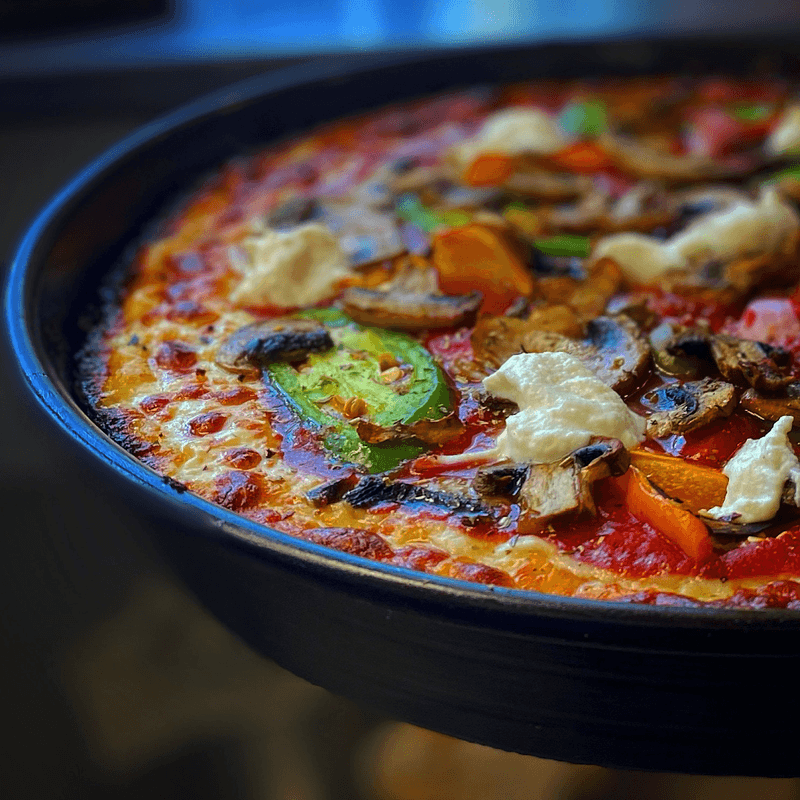
Pan pizza in Chicago is a serious business, but Milly’s version has its own identity. The defining characteristic is a caramelized cheese crust that forms along the edge of the pan, creating a crunchy, golden ring that contrasts beautifully with the soft, airy interior.
The dough has a structured, slightly denser crumb than typical Detroit-style pizza while still eating light and balanced. That balance is harder to achieve than it sounds, and it is one of the things that makes Milly’s stand out from other pan-style operations around the city.
Some people describe it as a hybrid between Chicago deep dish and Detroit-style pizza, which gives it a broad appeal without feeling like a copy of either.
The texture is the star here. That crispy, lacy cheese edge combined with a tender crumb inside creates a bite that feels both familiar and completely fresh.
It is the kind of pizza that makes a strong impression from the very first slice.
A Small Menu That Hits Hard
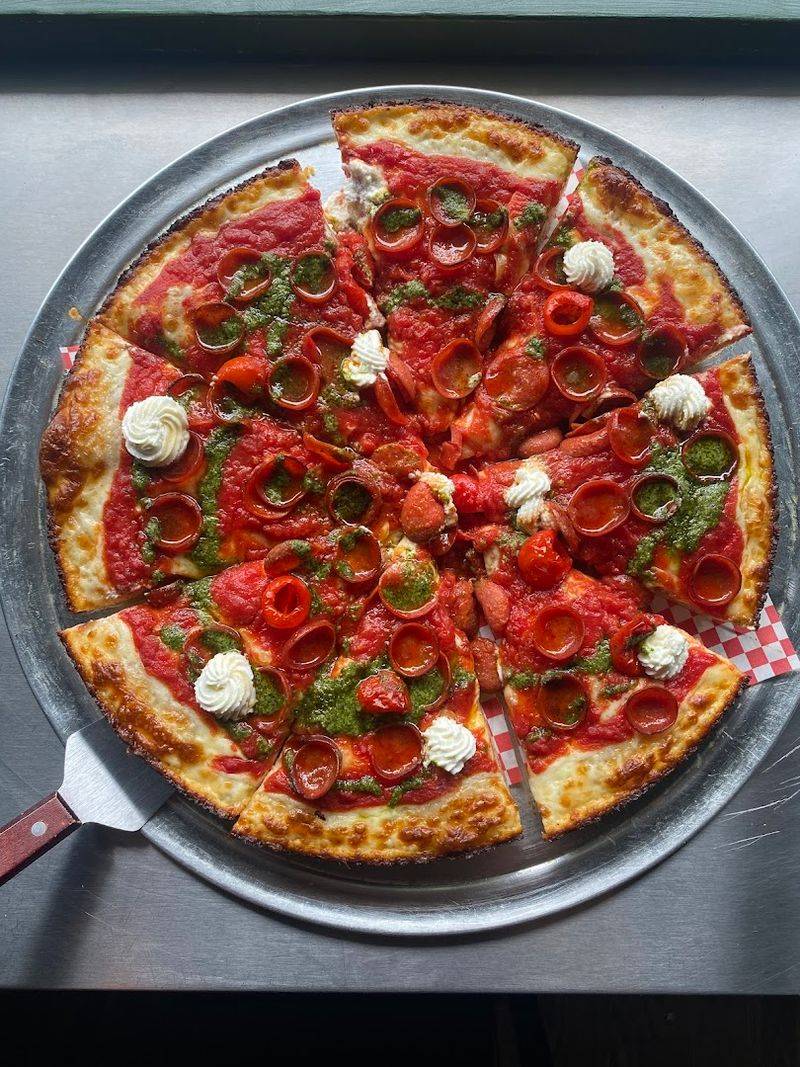
Milly’s keeps its menu tight and intentional. Rather than offering dozens of options, the focus lands on a handful of signature pizza varieties that have been carefully developed.
Standouts include the Only Pans and the Clickbait, each built around a specific flavor profile.
The Only Pans features cup-and-char pepperoni, peppadew peppers, tomato, ricotta, Calabrian chili honey, and pesto, a combination that delivers salty, sweet, creamy, and herby notes all at once. It is the kind of pizza that feels considered rather than thrown together.
A focused menu is a sign of confidence. When a kitchen commits to doing a few things exceptionally well instead of spreading itself thin across a massive list, the quality tends to be much more consistent.
At Milly’s, each pizza on the menu feels like it earned its spot.
The Leandoer, featuring shiitake and cremini mushrooms with pistachios, pesto, arugula, crème fraîche, Merlot BellaVitano, and ricotta, is another example of how creative and precise these combinations can get.
Fewer Pies, Better Pizza
Milly’s does not try to make as many pizzas as possible. The daily output is intentionally capped, which means every single pie gets the full attention it deserves.
Quality control becomes much easier when the volume stays manageable.
This approach is a direct reflection of Maleski’s priorities. Rushing through a high volume of orders would compromise the handcrafted nature of the product, and that is simply not an option at Milly’s.
The limited production model is a feature, not a limitation.
For customers, this means the pizza they receive has been made with care rather than speed. Every dough has been properly fermented, every topping placed thoughtfully, every pan monitored closely in the oven.
The tradeoff is that availability is tight, but most people who have tasted a Milly’s pie agree that the wait and the effort to secure one are absolutely worth it. Good things take time, and this kitchen takes that seriously.
The Daily Sell-Out Rush
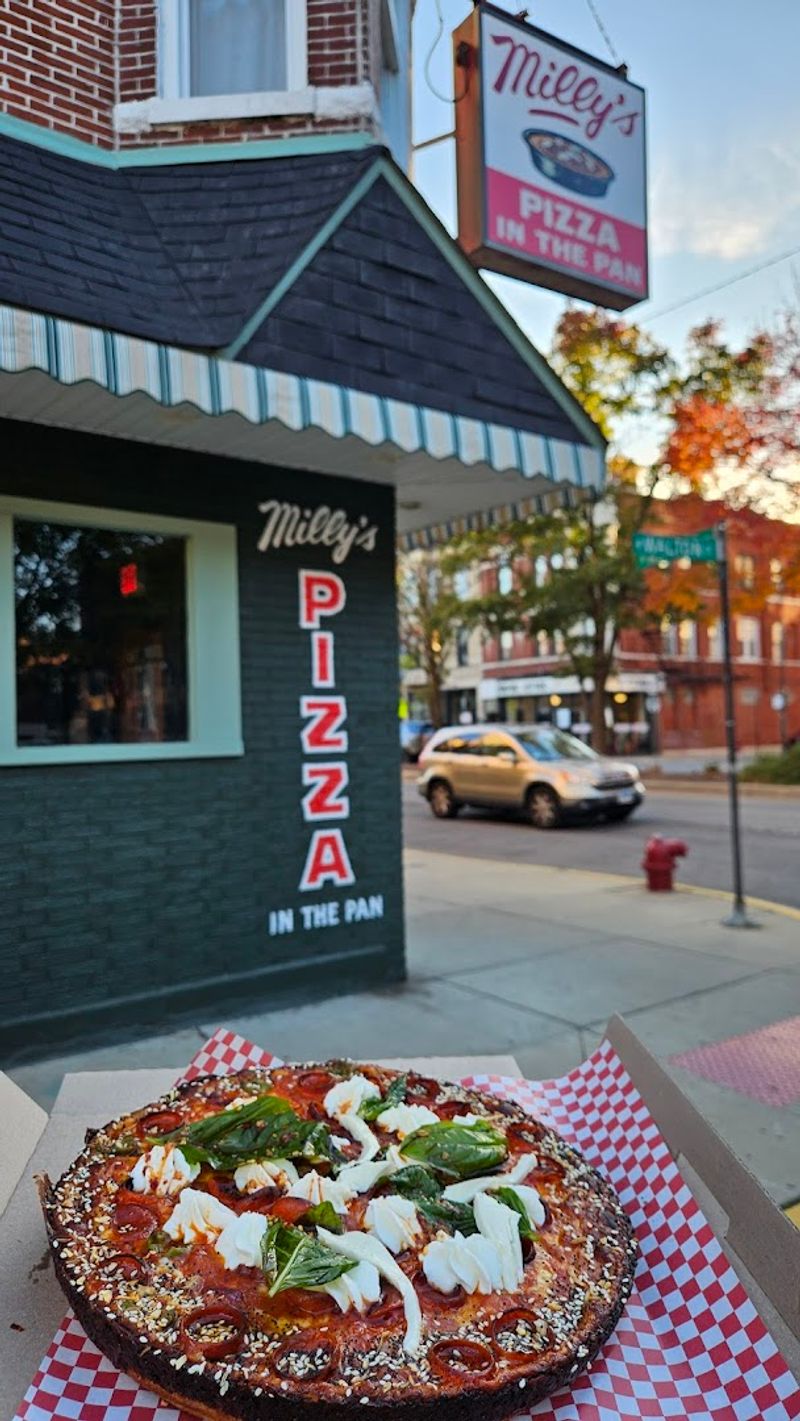
Securing a pizza from Milly’s requires planning. Orders typically open in the morning, and the entire day’s supply has been known to disappear within 45 minutes.
Missing that window means waiting for another opportunity.
The pre-order system runs through the restaurant’s website at millyspizzachi.com. Customers select a pickup time, complete their order, and then show up when their pie is ready.
The process is precise and the kitchen runs on schedule.
There is something oddly exciting about the whole experience. Waking up early, refreshing the order page, and successfully locking in a slot creates a genuine sense of anticipation that carries through the rest of the day.
By the time pickup arrives, the excitement has been building for hours.
It turns a simple takeout order into an event. That kind of scarcity and ritual has become part of Milly’s identity, and it keeps the demand consistently high day after day.
The Science Behind The Crust
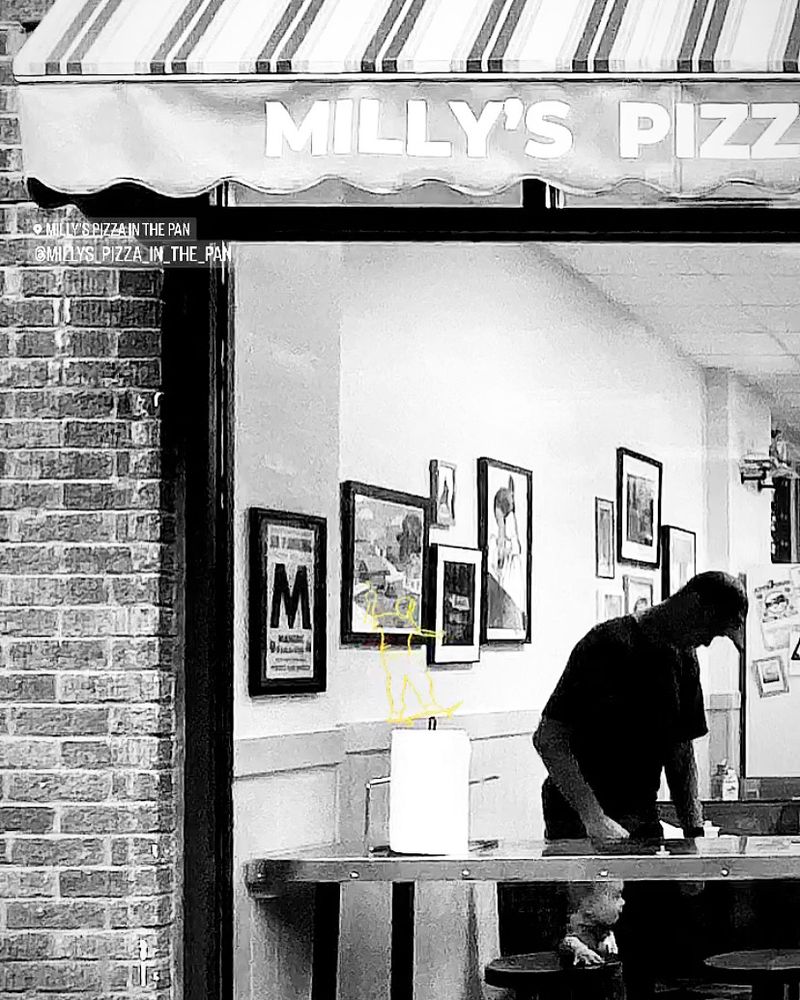
Most people do not think about what goes into pizza dough before it ever reaches the oven. At Milly’s, that process starts days in advance.
The dough is made from a poolish starter using cake yeast and then undergoes cold fermentation for several days before it is hand-pressed into specialty pans.
Cold fermentation is a technique that develops complex flavor and improves the texture of the final crust. The result is a dough that is light, chewy, and full of character rather than tasting flat or bready.
Hand-pressing the dough into each pan rather than using a machine is another detail that matters. It gives each pizza a slightly unique character and ensures the dough is handled gently.
This level of process is more common in serious bread baking than in pizza production, which says a lot about how Maleski approaches his craft. The dough alone is a reason to pay attention to what this kitchen is doing.
The Case For Uncooked Sauce
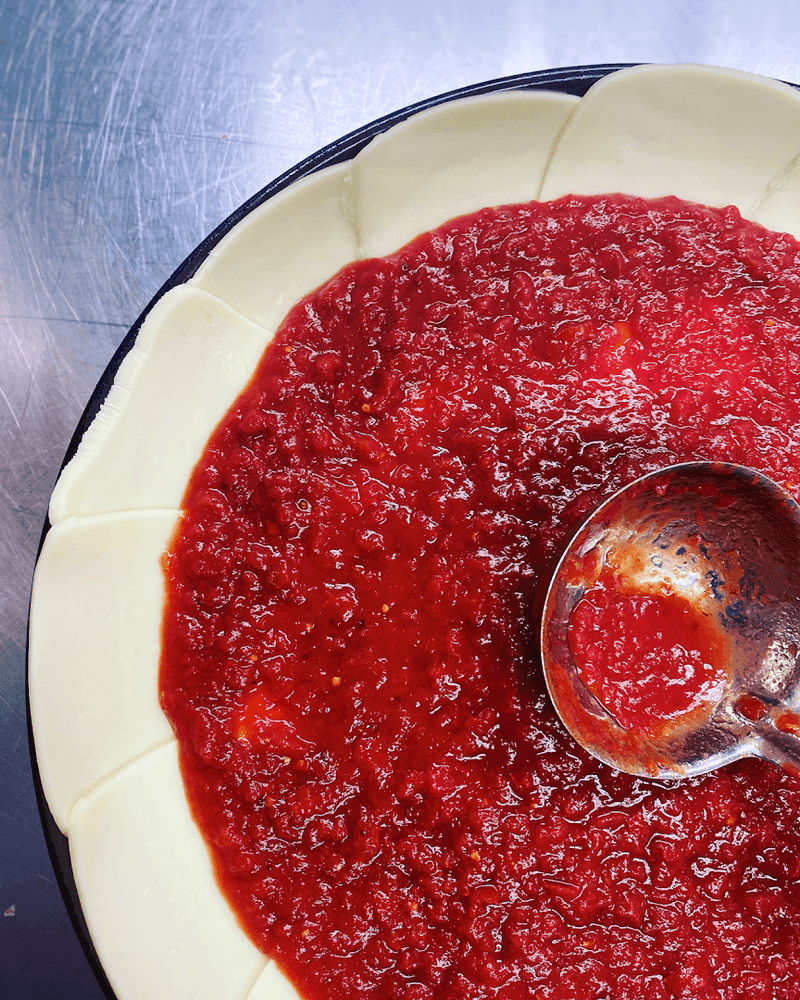
One of the quieter but more interesting choices Robert Maleski makes involves the sauce. Rather than using a cooked sauce, Milly’s uses an uncooked tomato sauce to preserve brightness and freshness.
This is not an accident, it is a specific technique with a clear purpose.
Maleski believes that using cold sauce preserves the brightness and natural color of the ingredients. Heat can dull tomato flavor and change the visual vibrancy of the sauce, so keeping it cold before the bake locks in qualities that would otherwise be lost.
It is the kind of detail that most people would never notice consciously, but that contributes to the overall freshness of the finished pizza. The sauce at Milly’s has a clean, tangy quality that feels lively rather than heavy.
Small technical decisions like this one are what separate a thoughtfully crafted pizza from one that is simply assembled and baked. The cold sauce approach is a perfect example of that philosophy.
Chicago’s Top Pizza, Worldwide Buzz
Milly’s Pizza In The Pan has earned recognition that goes well beyond Chicago. Chicago Magazine named it the number one pizza in the city, which is a meaningful distinction in a town with a deeply competitive pizza culture and strong opinions about what great pizza looks like.
Time Out went even further, ranking Milly’s among the top pizzerias in the world, including a No. 12 placement in its 2026 global list. That kind of global recognition puts a small takeout spot on North Ashland Avenue in some remarkable company.
What makes these accolades interesting is that they were earned by a restaurant with no dining room ambition, no celebrity chef profile, and no massive marketing budget. The recognition came entirely from the quality of the product.
For a spot that started as a ghost kitchen just a few years ago, reaching the top of both city and international lists is a genuinely impressive trajectory. The pizza clearly speaks for itself on every level.