
This Illinois Farm Museum Brings Vintage Crafts And Machines To Life
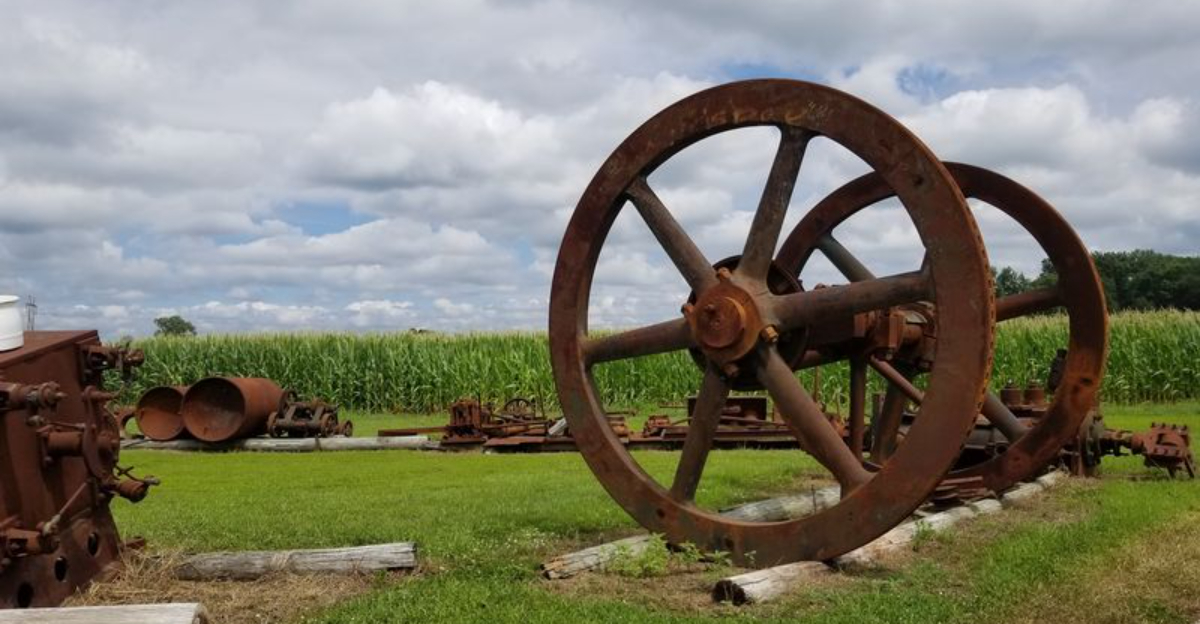
Just off Interstate 70 in Illinois, there’s a spot where tractors bask in the sun, a vintage train whistles through open fields, and century-old skills spring back to life. What looks like a quiet roadside stop quickly reveals something far more immersive than a typical display of old equipment.
Set on roughly 60 acres, this destination brings rural America into sharp focus with working machines, live demonstrations, and volunteers who keep history moving instead of standing still. The energy here feels real, not staged.
Every corner offers a glimpse into how people once worked the land with ingenuity and grit. Curiosity about life before modern farming finds its answer here in the most engaging way possible, with sights, sounds, and motion that turn history into an experience.
A Mission Rooted In Rural Pride
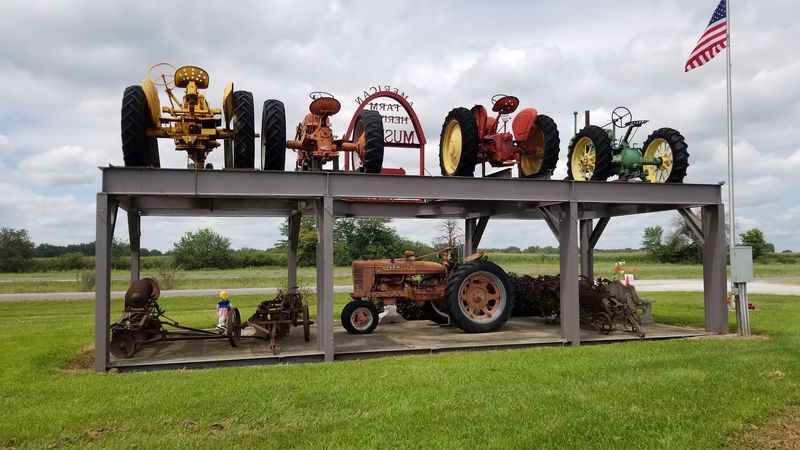
Not every museum starts with a grand institution behind it. The American Farm Heritage Museum was founded in April 2002 by a determined group of farmers, collectors, and civic leaders who simply refused to let rural history disappear.
Their shared goal was to preserve and celebrate the heritage of America’s agricultural life, including how people lived, farmed, and traveled across the countryside for generations.
What makes this origin story especially meaningful is how grassroots it truly is. No big corporation funded it, and no government agency handed it over fully formed.
A community came together with a shared sense of purpose and built something lasting from scratch.
Today, the museum operates as a 501(c)(3) non-profit organization, which means every dollar it receives goes directly back into preserving history.
Even more impressive, the entire museum is staffed and run by dedicated volunteers who show up because they genuinely care about keeping this heritage alive for future generations.
Sixty Acres Of Open-Air History
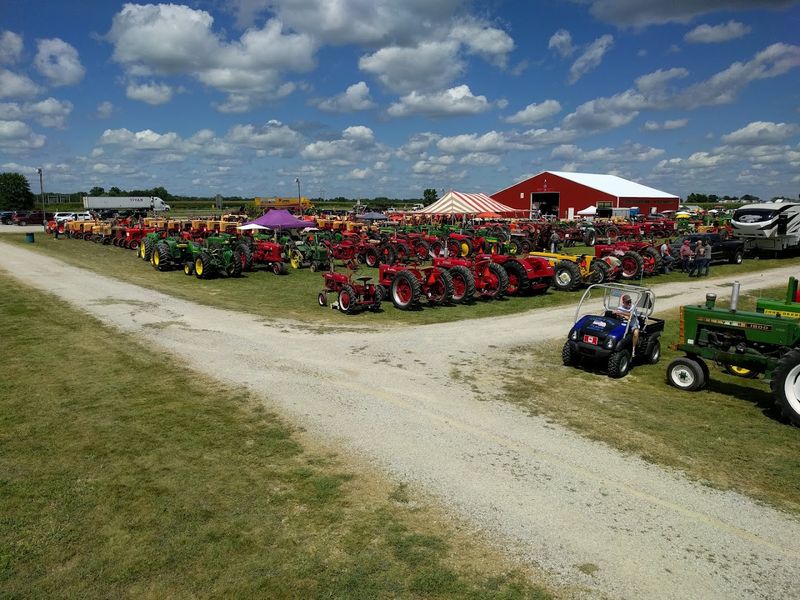
Sixty acres sounds like a lot, and at the American Farm Heritage Museum, every single one of those acres feels purposeful.
Located conveniently near Interstate 70 in Bond County, Greenville, Illinois, the museum spreads out in a way that feels more like a living countryside than a traditional indoor exhibit space. You are not shuffling through narrow hallways here.
The open layout means you can wander at your own pace, stopping to admire a row of antique tractors, then walking over to peer inside a historic structure, then doubling back to catch a demonstration you nearly missed. There is a genuine sense of discovery around every corner of the grounds.
Families with kids especially benefit from the spacious setup because children can move freely without feeling cooped up.
The outdoor environment also gives the collection a natural context, placing old farm machines back on the kind of land they were originally built to work. That connection to the earth makes everything feel more real.
Permanent Exhibits And Revolving Displays
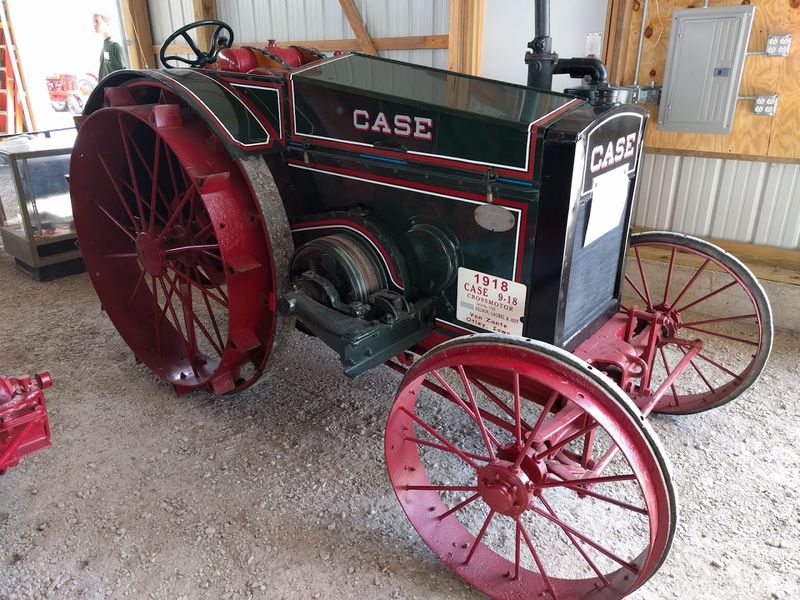
One of the smartest things about this museum is that it gives you two very different reasons to keep coming back. Permanent exhibits anchor the experience with a solid, well-organized look at farm machinery and the tools that shaped rural American life over more than a century.
These displays do not change, and that consistency is actually a strength because they are thorough and thoughtfully arranged.
Then there are the revolving displays, which rotate in fresh content and keep the museum feeling current even though its subject matter is wonderfully old. A return visit a year or two later can feel genuinely new because the curators work hard to introduce different stories and artifacts over time.
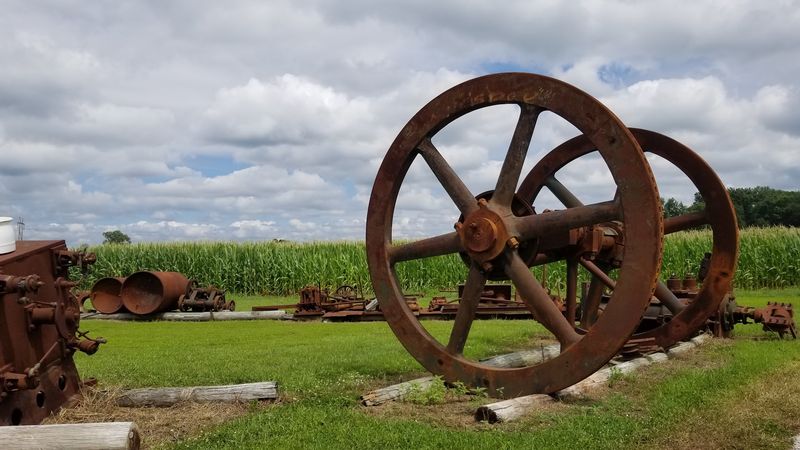
The collection includes farm implements, hand tools, tractors, and specialized equipment that stretch back more than 100 years in age.
Seeing these objects up close, rather than behind glass in a climate-controlled room, gives you a tactile appreciation for just how inventive and hardworking earlier generations of American farmers truly were.
The Charming Lil Red Barn
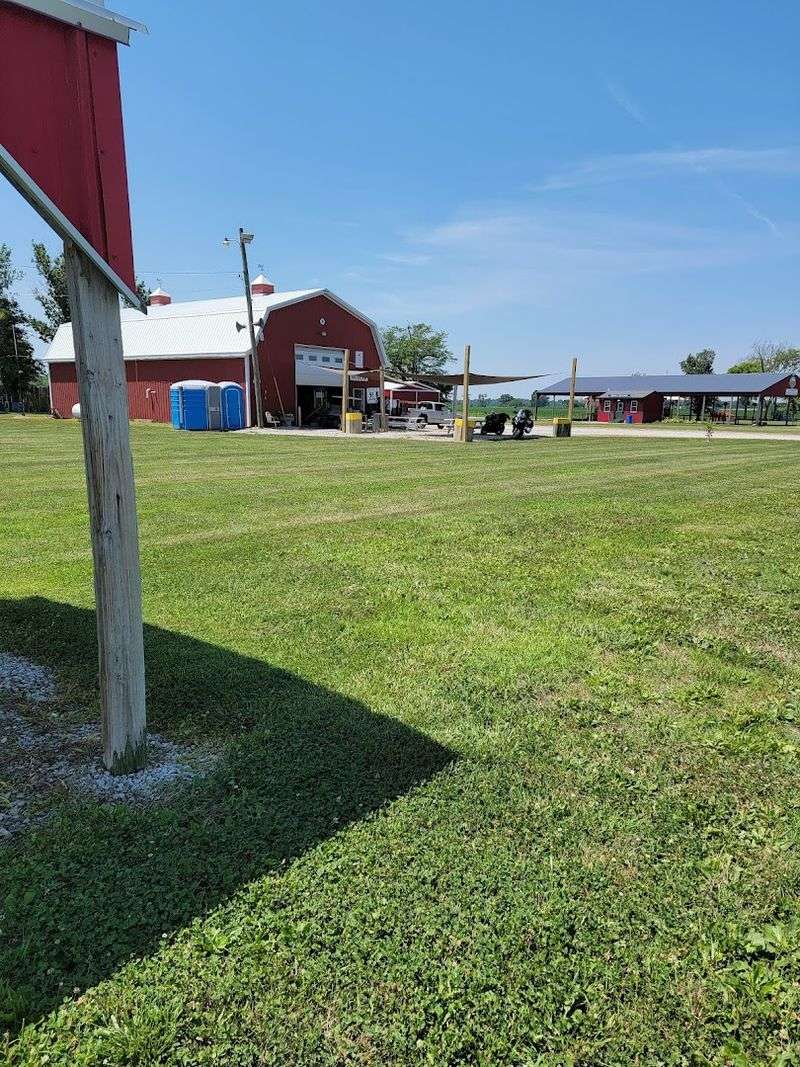
There is something instantly comforting about a classic red barn, and the Lil Red Barn at the American Farm Heritage Museum delivers that warm feeling in a big way.
This beloved structure serves as one of the museum’s most talked-about attractions, housing a carefully assembled collection of antique artifacts that paint a vivid picture of everyday rural life from decades past.
Inside, you will find the kinds of objects that make history feel personal rather than distant. Old tins, hand tools, household items, and farm collectibles line the space in a way that feels more like a well-curated treasure room than a sterile exhibit.
Each item has a story, and the volunteers on hand are often happy to share those stories with curious visitors.
The Lil Red Barn has received local recognition for its cultural significance within the community. That award was not handed out casually, and the barn has continued to live up to that honor with consistent quality and genuine historical depth ever since.
The American Heritage Railroad
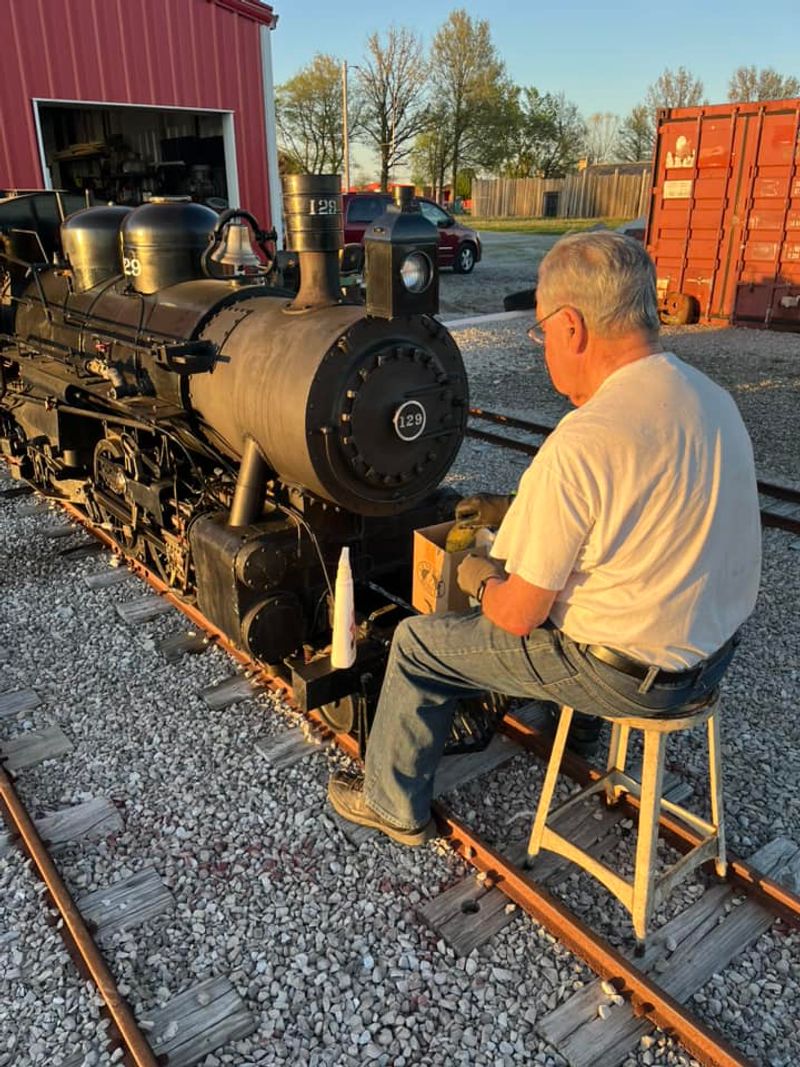
Few things in life are as thrilling as the sound of a real steam engine building up pressure before a ride, and the American Heritage Railroad at this museum delivers exactly that kind of old-school excitement.
The railroad operates a one-mile train ride around the museum grounds using both diesel and steam engines, giving passengers a moving view of the entire property from a wonderfully retro perspective.
The museum owns three steam locomotives, which is a remarkable collection in itself. Steam engines of this type require significant maintenance and expertise to operate safely, making each ride a quiet tribute to the volunteers and engineers who keep these mechanical giants in working order year after year.
On the first Saturday of every month, the train runs regularly, making it a predictable and plan-able outing for families.
During special seasonal events like the Christmas lights display in December, the train ride transforms into something almost magical, carrying passengers past illuminated scenes that turn the familiar one-mile loop into a completely different adventure.
Hills Fort Replica And Armed Forces Museum
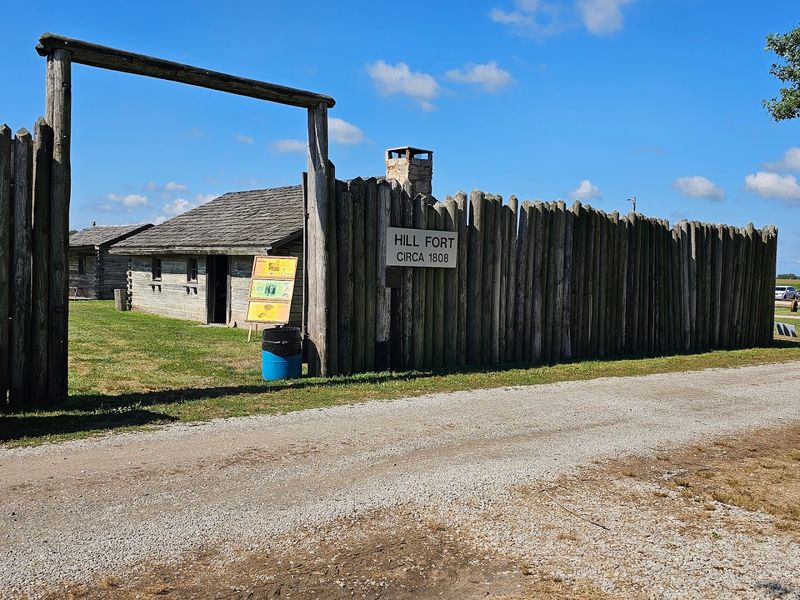
Beyond tractors and train rides, the American Farm Heritage Museum reaches further back into Illinois history with a replica of Hill’s Fort, a structure that connects visitors to the early settlement era of the region.
Standing near this reconstruction, you get a tangible sense of how exposed and challenging frontier life must have been for the people who first put down roots in this part of the Midwest.
The Armed Forces Museum adds yet another dimension to the overall experience. Rather than focusing solely on agricultural heritage, this section honors the men and women who served in the military, weaving a broader thread of American history into the fabric of the museum’s story.
The combination of rural and military heritage under one roof feels natural and respectful.
Together, these two attractions remind visitors that the American Farm Heritage Museum is not just about machines and crops. It is about the full human experience of building, defending, and sustaining a way of life that shaped this country from its earliest days forward into the modern era.
Heritage Days Festival
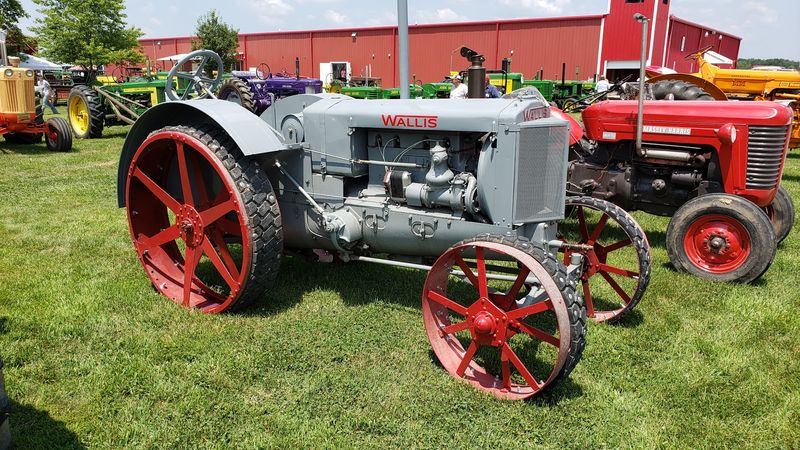
If you can only visit this museum once, make it during Heritage Days. Held annually, this festival is the crown jewel of the museum’s event calendar, drawing crowds who come specifically to watch 19th and 20th-century farming innovations come roaring back to life.
The demonstrations are not just visual displays but fully operational processes that fill the air with sound, dust, and the satisfying rhythm of old machinery doing real work.
Rock crushing, hay pressing, corn grinding, grain threshing, and a working sawmill are among the featured demonstrations. Watching a threshing machine separate grain from straw at full speed is genuinely mesmerizing, even for someone who grew up nowhere near a farm.
The sheer mechanical ingenuity on display makes you appreciate how much physical problem-solving went into early agricultural technology.
Tractor pulls, vendor stalls, and food options round out the festival atmosphere, making Heritage Days feel like a community celebration as much as a history lesson. Plan to spend a full day because a quick walk-through simply will not do this event justice.
Seasonal Events Throughout The Year

Heritage Days gets a lot of attention, and rightfully so, but the American Farm Heritage Museum keeps its calendar packed with engaging events all year long.
The Christmas lights display each December is a favorite seasonal tradition for many Illinois families, transforming the museum grounds into a glowing wonderland of illuminated scenes that can be experienced either by car or on foot.
A Spring Fling Festival brings vendors, food, and tractor displays to the grounds as the weather warms up, offering a lighter and more relaxed atmosphere than the big summer festival.
Halloween-themed events have also become a growing part of the museum’s seasonal lineup, including a spooky train ride that adds a playful twist to the familiar one-mile loop around the property.
The variety of events means there is genuinely no bad time of year to plan a visit. Each season brings a different mood and a different reason to show up, which is exactly the kind of versatility that turns a single visit into an annual tradition for families across the region.
A Volunteer-Powered Operation
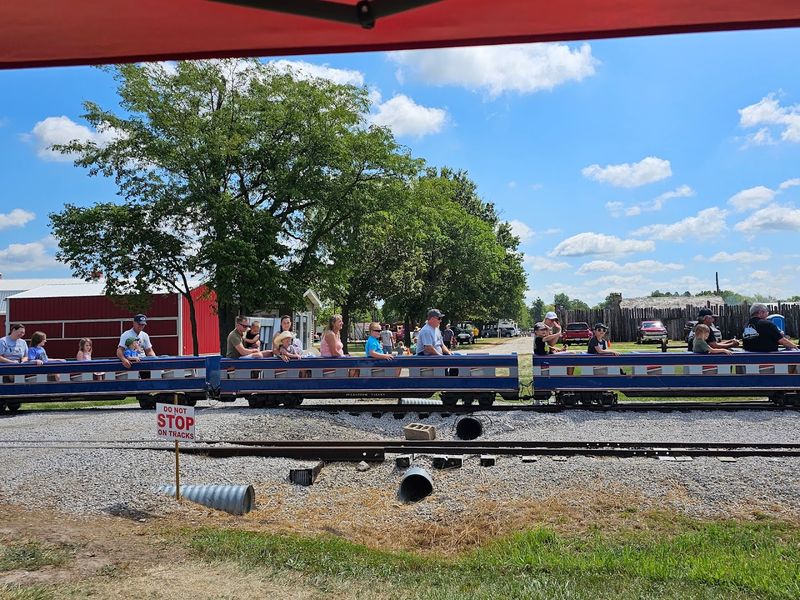
There is something genuinely moving about a place that runs entirely on the goodwill of its community. Every person you encounter at the American Farm Heritage Museum, from the folks operating the train to the guides explaining the machinery, is a volunteer.
Nobody is punching a clock for a paycheck here. They show up because this history matters to them personally.
That volunteer spirit shows in the quality of the interactions you have throughout the visit. Questions get answered with enthusiasm rather than scripted responses.
Stories get shared freely and with obvious pride. The atmosphere feels less like a formal institution and more like a gathering of people who genuinely want you to walk away knowing something new and valuable.
Running a 60-acre museum, maintaining three steam locomotives, and organizing multiple annual festivals without a paid staff is a remarkable organizational achievement.
It speaks to the depth of community investment in this place, and it makes every visit feel like a small act of participation in something much larger than a typical day trip.
Planning Your Visit To Greenville
Getting your timing right is the key to a great experience at this museum. The American Farm Heritage Museum, located at 1395 Museum Avenue, Greenville, IL 62246, is open on Saturdays from 10 AM to 2 PM during its regular operating season.
It is closed the rest of the week, so a Saturday visit is essential for a standard tour of the grounds and exhibits.
For special events like Heritage Days or the Christmas lights display, hours and access may differ, so checking the museum’s official website or calling ahead at +1 618-664-9733 before your trip is a smart move.
Event weekends can draw larger crowds, and knowing what to expect helps you plan your arrival time accordingly.
The museum’s location near Interstate 70 makes it an easy stop for road-trippers passing through central Illinois.
Admission is affordable, parking is on-site, and the combination of outdoor space, historic artifacts, and live demonstrations makes this one of those rare stops that genuinely rewards everyone in the car, regardless of age.