
Peek Inside Illinois’ Historic Fire Museum From 1894
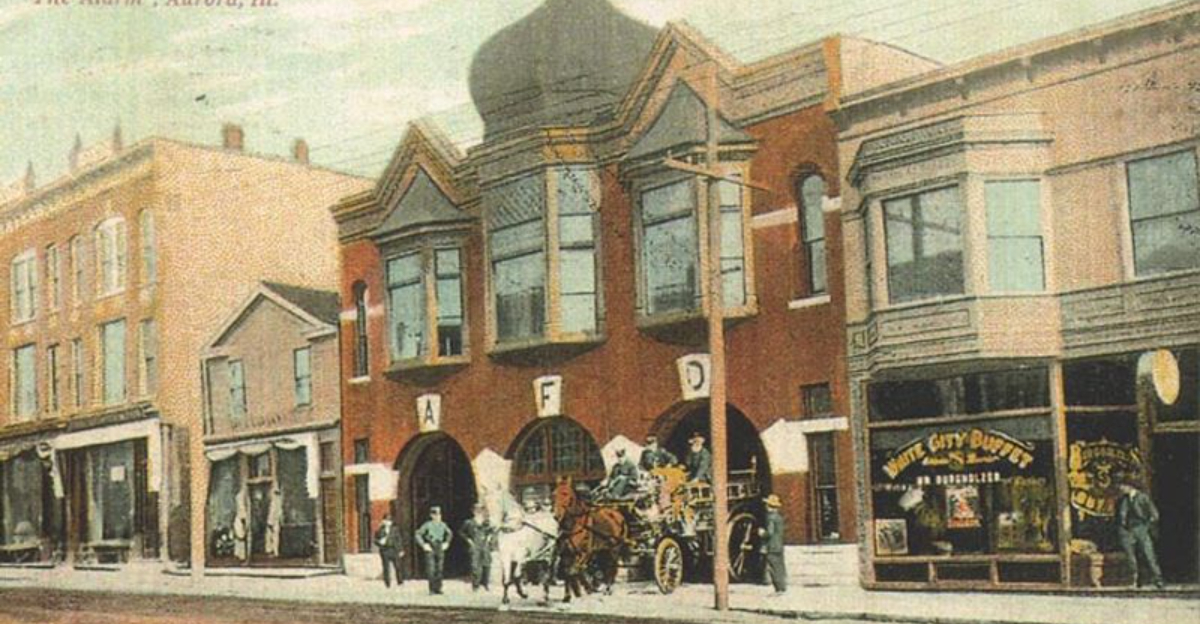
A former firehouse in Aurora, Illinois hides a remarkable slice of history behind its brick walls. Built in 1894, this Victorian-era station still stands along North Broadway, now serving a very different purpose.
Inside, visitors step into more than a century of firefighting history, where vintage engines, detailed artifacts, and interactive exhibits bring the past to life. One moment you’re looking at hand-powered equipment, the next you’re exploring how early crews responded to emergencies long before modern tools existed.
The building itself adds to the experience, with its restored architectural details offering a glimpse into the city’s past. It’s an unexpectedly engaging stop that blends local heritage with hands-on discovery, making it just as appealing for curious adults as it is for younger visitors.
The 1894 Central Fire Station Building
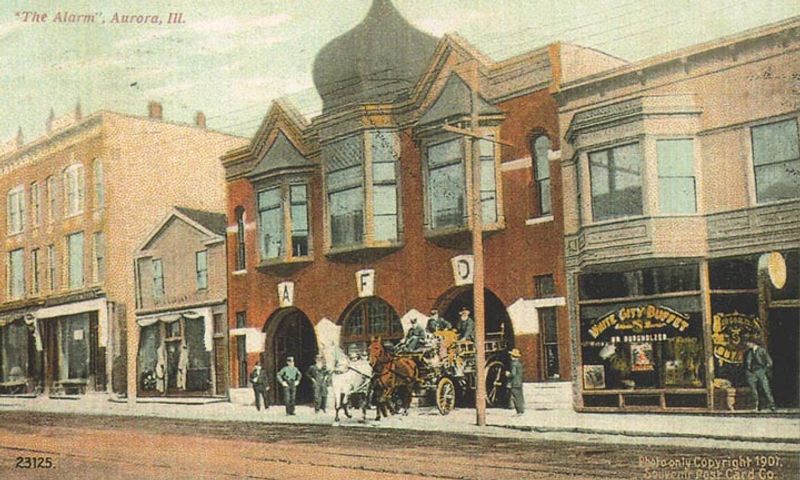
Few buildings in Aurora carry as much character as the original Central Fire Station, constructed in 1894 and still standing strong on North Broadway.
The structure was designed by a local architect who gave it a distinctly Victorian personality, complete with decorative cornices and a striking copper-clad onion dome that topped the roofline when the building was first completed.
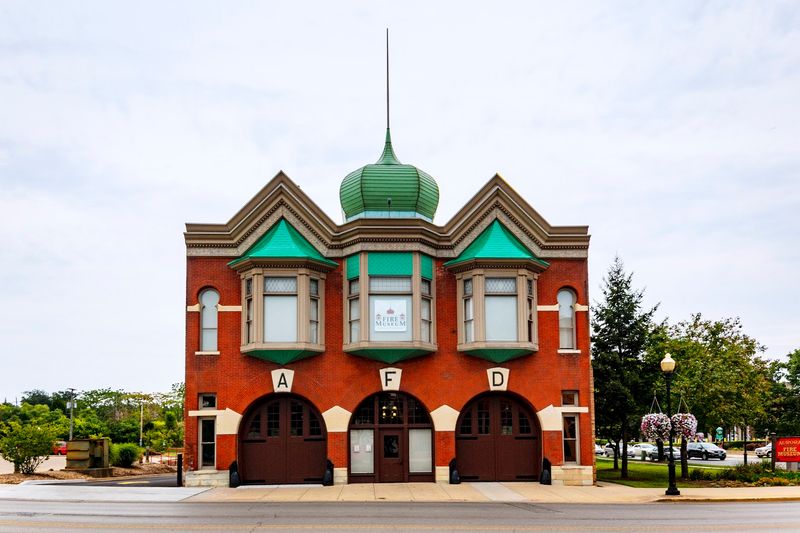
That onion dome was removed in 1943, possibly during wartime scrap drives, but a faithful replica was reinstalled during later renovations. Bay windows with leaded glass transoms were also recreated to match the original 1894 design, giving the building its proud and recognizable silhouette once again.
Walking up to this structure today, it is hard not to feel the weight of all the decades it has witnessed. Extensive restoration work carried out between 2000 and 2004 brought the 19th-century facade back to life with remarkable accuracy, making the building itself as much of an exhibit as anything displayed inside.
86 Years As An Active Fire Station
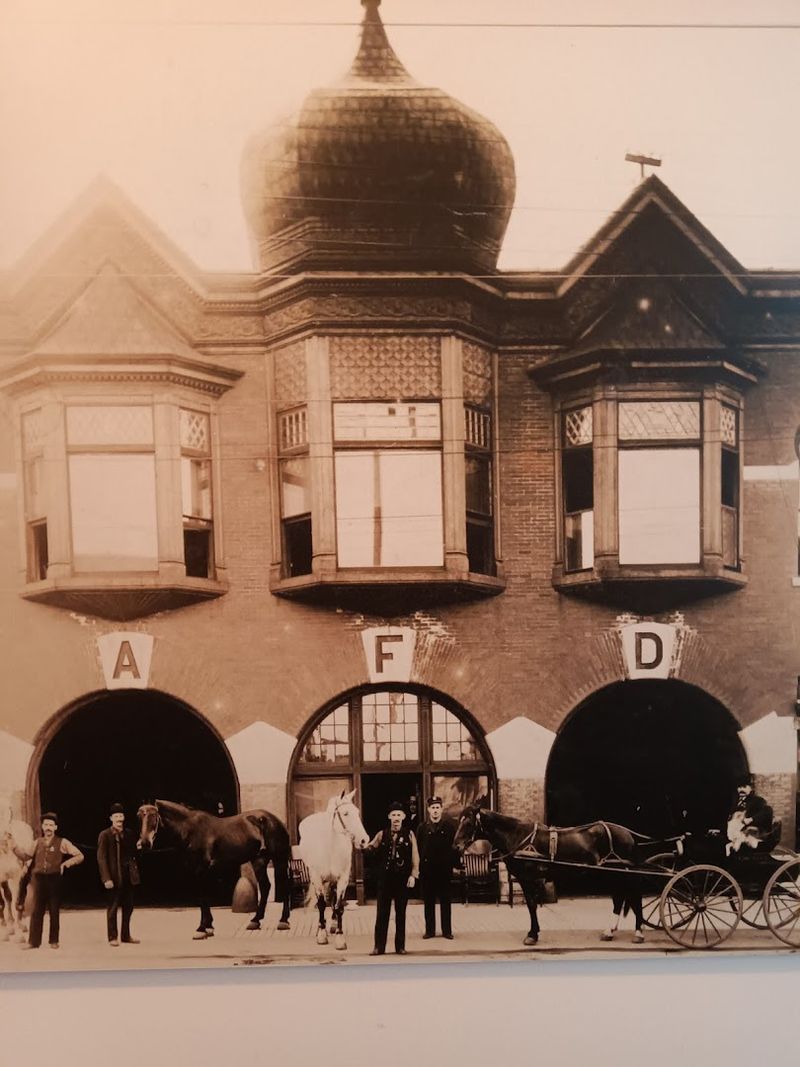
For 86 consecutive years, this building was not a museum or a landmark. It was a fully operational fire station, housing the Aurora Fire Department and sending crews out to protect the city from 1894 all the way through 1980.
That kind of longevity in a single structure is genuinely rare, and it gives the building a lived-in energy that no amount of decorating could manufacture.
Generations of Aurora firefighters reported to duty here, trained within these walls, and answered calls from this very address at 53 N Broadway, Aurora, IL 60505.
The rhythms of shift work, the clang of alarm bells, and the rumble of engines rolling out through those garage doors were part of daily life in this neighborhood for nearly a century.
When the station finally closed in 1980, the community was left with a building full of memories and an uncertain future. That tension between preservation and progress would shape the museum’s story for years to come.
Saved From Demolition By Community Activists
Not every historic building gets a second chance, but this one earned its survival through sheer community determination. After the Central Fire Station closed in 1980, the building faced a real threat of demolition, which would have wiped out one of Aurora’s most architecturally distinctive structures.
A coalition of community activists, building preservationists, and retired firefighters refused to let that happen. They petitioned, organized, and pushed back until the building was protected, and in the fall of 1990, the Aurora Fire Museum officially relocated to this historic address.
The move gave the museum a permanent home with genuine historical roots rather than a generic institutional space.
There is something quietly powerful about knowing that the museum you are walking through was rescued by ordinary people who cared enough to fight for it.
That grassroots energy still feels present in the way the exhibits are curated and the care that goes into maintaining every corner of the space. Community action, it turns out, can be just as historic as the artifacts inside.
The Museum’s Origins in 1966
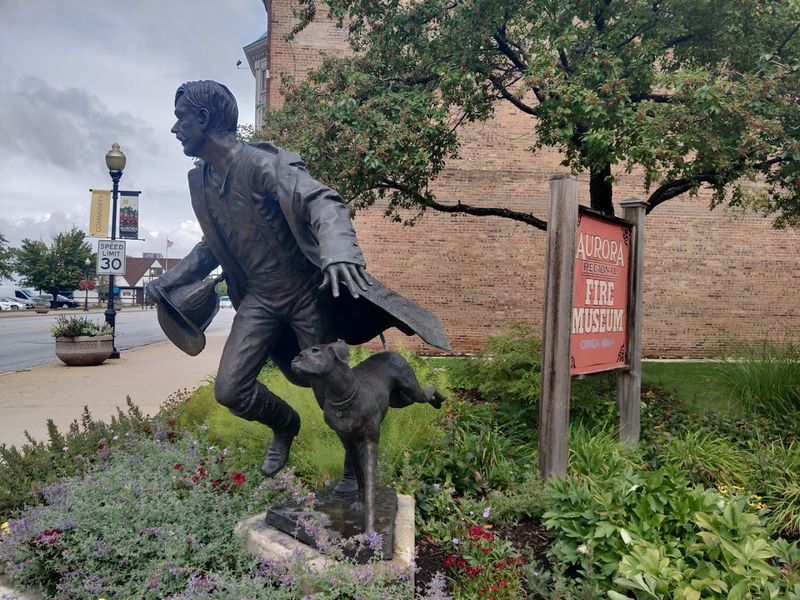
Long before the museum found its permanent home in the Victorian fire station, its story began in a much humbler setting. Back in September 1966, the Aurora Fire Museum was first established in the basement of Fire Station 4, a modest starting point for what would eventually grow into a regional institution.
The museum opened its doors to the public in October 1968, giving Aurora residents their first organized look at the history of their fire department. Those early years were about gathering, cataloging, and honoring the artifacts and memories that might otherwise have been discarded or forgotten over time.
Starting in a basement might not sound glamorous, but there is something fitting about a museum dedicated to working-class heroes beginning in the most unpretentious way possible.
That scrappy origin story reflects the practical spirit of the firefighting community itself. From those basement beginnings, the collection grew steadily, the mission sharpened, and the museum eventually became the well-established cultural destination it is today.
Over 1,000 Artifacts And 2,000 Photographs
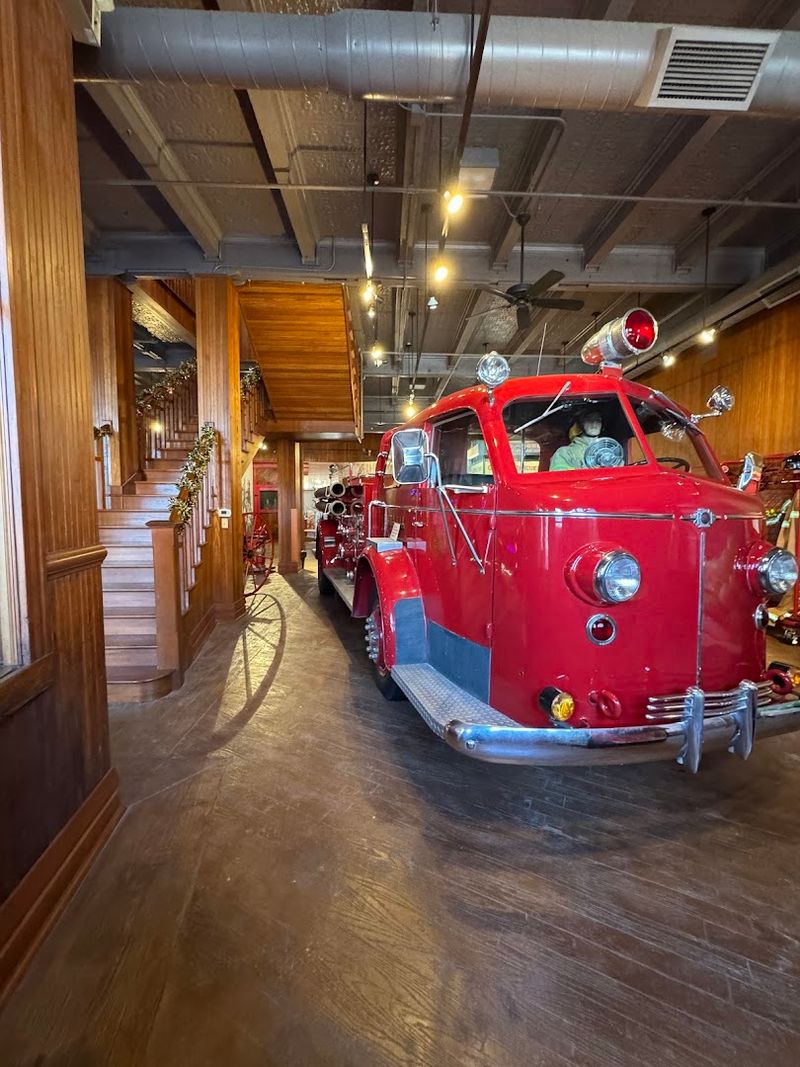
The sheer scale of what has been collected here takes a moment to absorb. The Aurora Regional Fire Museum holds an extensive collection of artifacts and photographs dedicated to preserving the firefighting history of Aurora and the surrounding region.
That is not a small collection by any measure.
The artifacts range from large and dramatic, like vintage fire apparatus and steam pumpers, to small and intimate, like brass nozzles, leather buckets, alarm boxes, and personal gear worn by firefighters across different eras.
Each object carries a story, and the museum does a thoughtful job of presenting that context rather than just lining things up on shelves.
The photograph collection is equally impressive, offering a visual timeline of the Aurora Fire Department that stretches back more than a century. Research materials are also available for those who want to go deeper into local firefighting history.
For history enthusiasts, this archive-level depth makes the museum genuinely worth a dedicated visit rather than a quick walk-through.
Vintage Fire Apparatus Including an 1850s Hand Pumper
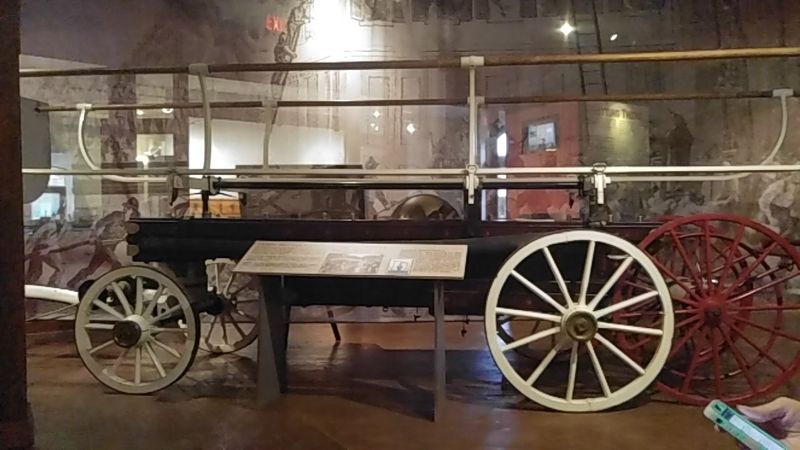
Standing face to face with an 1850s hand pumper is one of those museum moments that genuinely recalibrates your sense of time.
This piece of equipment required human muscle power to operate, with firefighters working in coordinated teams to push and pull the pump handles in rhythm, forcing water through hoses while a fire burned nearby.
The Aurora Regional Fire Museum also features a 1918 American LaFrance fire engine originally used in LaSalle, Illinois, a machine that represented serious technological advancement for its era and still commands attention on the museum floor today.
Seeing these two pieces side by side tells a compressed story of how firefighting evolved over several decades.
Beyond those standout pieces, the collection includes additional vintage apparatus from 1921 and 1948, offering a strong snapshot of how fire trucks developed through the first half of the twentieth century, though not all apparatus are always on display.
For anyone who appreciates industrial history or mechanical craftsmanship, the apparatus floor alone makes the trip worthwhile. These machines were not just tools; they were lifesavers.
The Children’s Discovery Room
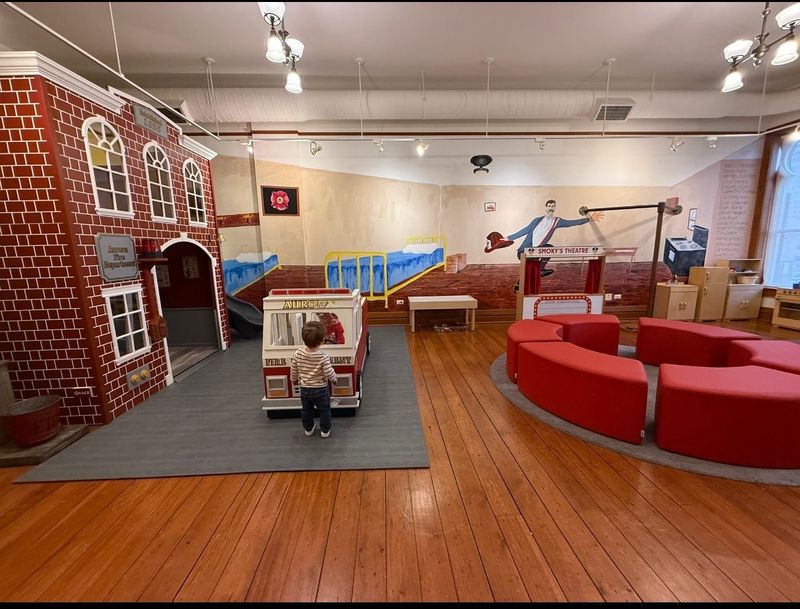
Upstairs from the main exhibit floor, the Children’s Discovery Room brings the museum experience down to the scale of the youngest visitors.
The space is filled with hands-on activities, pretend firefighting gear kids can try on, building blocks, books, and play elements designed around the fire service theme. It is the kind of room where toddlers and young children can burn off energy while still soaking in the museum atmosphere.
Parents who have visited with small children consistently note that the discovery room extends the visit considerably, turning what might be a quick walk-through into a two-hour outing.
That flexibility makes the museum a practical choice for families who need a destination that works for different age groups at the same time.
The room received a recent refresh that added new interactive elements, making it even more engaging than before. Having a dedicated space for younger children also means that older kids and adults can spend more focused time with the main exhibits downstairs without anyone feeling rushed or restless.
Interactive Displays And Educational Mission
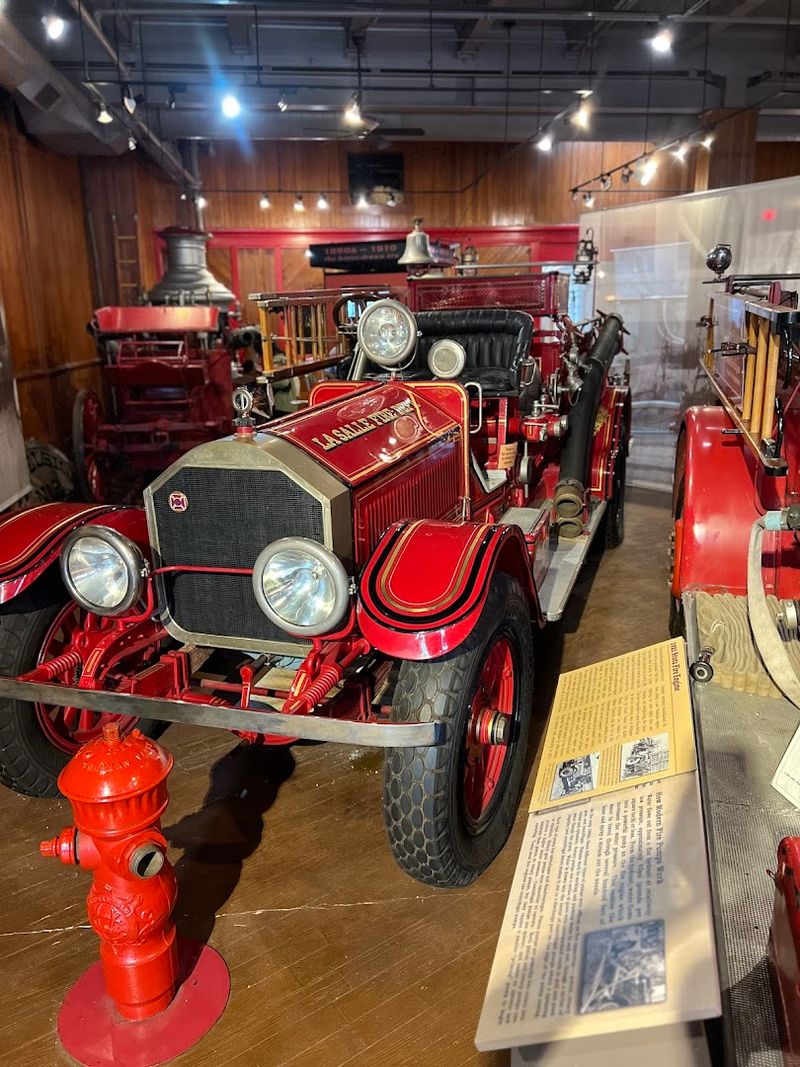
Walking through the Aurora Regional Fire Museum, it becomes clear that education sits at the center of everything the museum does.
The mission is formally stated as preserving and exhibiting the artifacts and history of fire departments in Aurora and the surrounding region, while also educating the public on fire safety and prevention. That dual focus shapes how every exhibit is designed.
Rather than relying solely on text plaques, the museum incorporates short videos at individual displays, interactive elements visitors can touch and operate, and age-specific film options that tailor the experience to different audiences.
There is even a small room dedicated to the history of fire dispatch communications, tracing how emergency response coordination evolved before modern 911 technology existed.
This layered approach means that a curious adult and a school-age child can both find something meaningful at the same exhibit.
The museum also hosts private events and birthday parties, extending its educational reach beyond standard visiting hours. When learning feels this engaging, it tends to stick long after you have walked back out through those restored 1894 garage doors.
The Restored Victorian Facade and Architecture
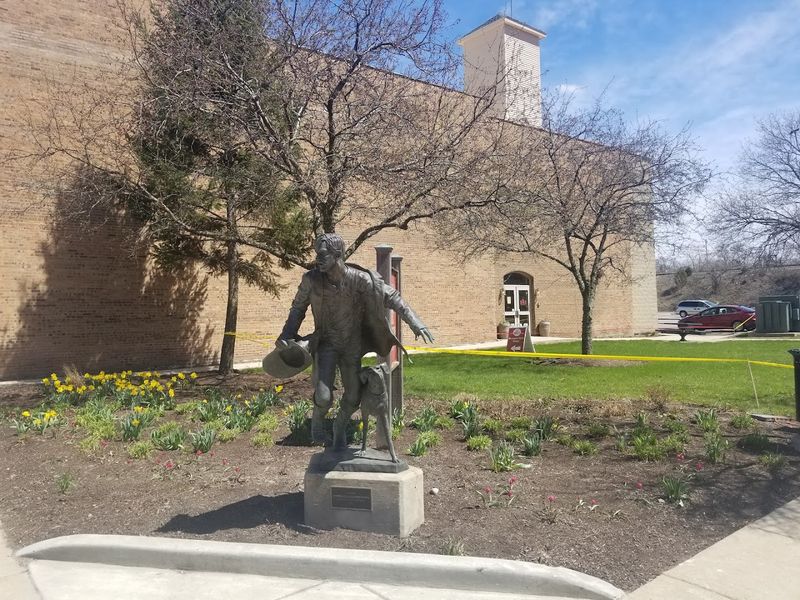
Architecture fans will find plenty to admire before they even step inside the museum. The building’s exterior restoration, completed between 2000 and 2004, brought back features that had been stripped away over the decades, most notably the bay windows with leaded glass transoms and the replica of the original copper-clad onion dome that once crowned the roofline.
The new garage doors were fabricated to match the 1894 design specifications, maintaining visual consistency across the facade. That kind of attention to period-accurate detail is not cheap or easy, and it reflects a serious commitment to architectural preservation rather than a cosmetic makeover.
Standing on North Broadway and looking at this building, it is easy to imagine how it must have appeared to Aurora residents in the 1890s, when Victorian civic architecture was meant to project permanence and civic pride.
The restored facade accomplishes exactly that, anchoring the building firmly in its original era while still functioning as a fully active museum. Good bones, it turns out, age very well.
Visiting The Museum Today
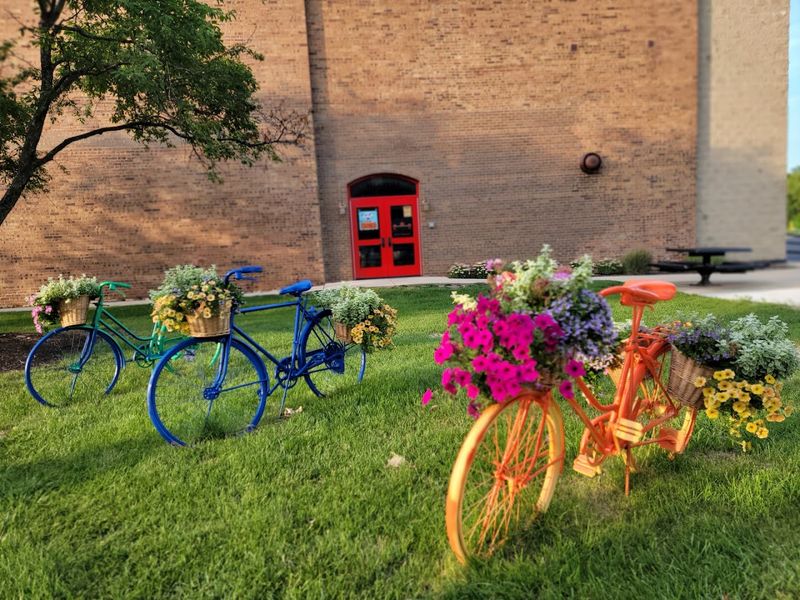
Planning a visit is pretty simple once you know a few basics. It’s open Wednesday through Saturday from 10 AM to 4 PM, so it works well for a laid-back weekday outing or a weekend stop.
There’s free parking right behind the building, which makes things a lot easier in a downtown area.
Most people spend about an hour to an hour and a half here, though families often end up staying longer once kids get into the hands-on discovery space upstairs. Admission is affordable, so it doesn’t feel like a big commitment.
They also host private events and birthday parties, which is a fun option for something a little different. For the latest details, it’s best to check their website or give them a quick call.
It’s one of those places you walk into out of curiosity and leave with a whole new appreciation for the people behind the sirens.