
This Secret 1-Mile Michigan Path Leads To A 400-Foot Crowd-Free Panorama
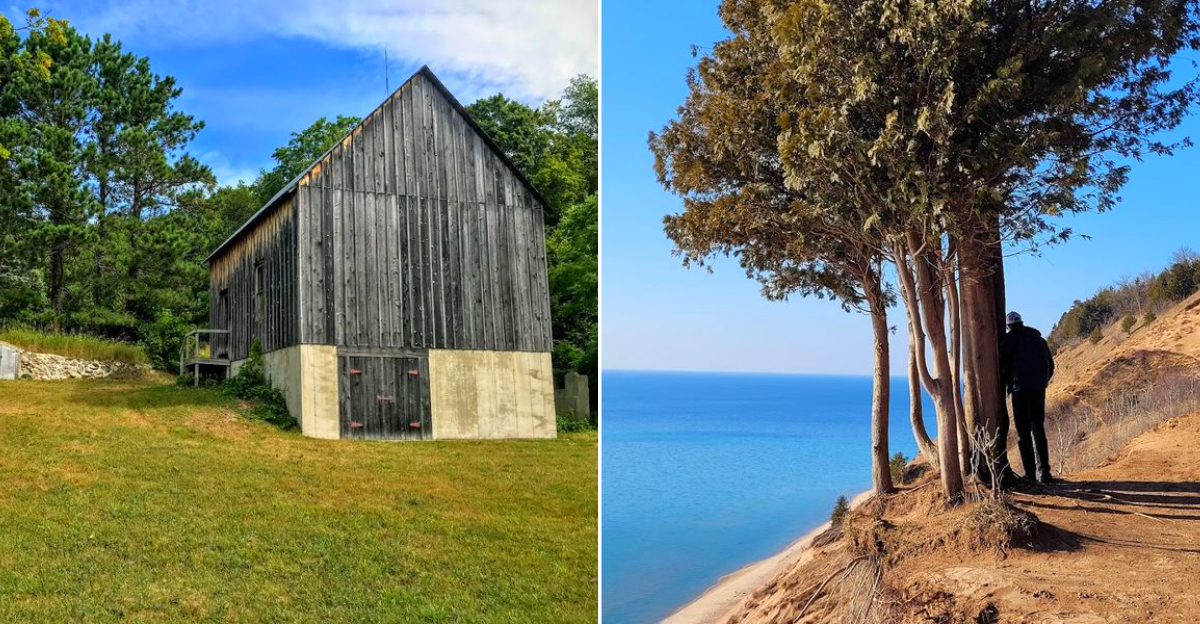
Some Michigan trails make you work hard for the big reveal. This one has the decency to keep things short, quiet, and then casually spectacular.
It starts without much drama, tucked near a rural road south of Empire, and then begins doing that excellent Sleeping Bear Dunes trick where a simple walk suddenly feels much larger than expected. One minute you are moving through woods and old farm fields, the next you are standing above Lake Michigan wondering why this is not more crowded.
Travelers visiting Michigan will find a short Sleeping Bear Dunes hike with forest paths, historic farm scenery, and a stunning Lake Michigan overlook near Empire.
What I love here is the pacing. The trail does not rush to impress you, which makes the bluff-top view feel even better when it arrives. It is brief, scenic, lightly traveled, and just rugged enough to remind you to watch your step.
Find The Quiet Trailhead First
The first trick is trusting that you are in the right place even when the entrance feels almost too modest. The trailhead sits near the northwest corner of Norconk Road, roughly 1.75 to 2 miles south of Empire, with a gate and roadside parking rather than a polished visitor-area setup.
Across the road, the historic farm landscape helps confirm you have found it. That low-key beginning explains part of the trail’s charm.
Fewer people stumble onto it by accident, so the walk usually starts in a hush instead of a queue. Bring your park pass, arrive prepared, and do not expect restrooms or water at the trailhead.
The High Ridge Route
To reach Treat Farm Trail at Norconk Road, Empire, MI 49630, take M-22 to the southern edge of the village of Empire. Turn west onto Norconk Road, which is located approximately 1.5 miles south of the intersection with M-72.
Follow this narrow, paved road for about a mile until it terminates at the designated trailhead parking area within the Sleeping Bear Dunes National Lakeshore. The trailhead is situated at the very end of Norconk Road, past several private residences.
This route provides a direct link to the historic farmstead and the subsequent bluff overlook without the heavy pedestrian volume found at the nearby Dune Climb.
Let The Farmstead Change The Rhythm
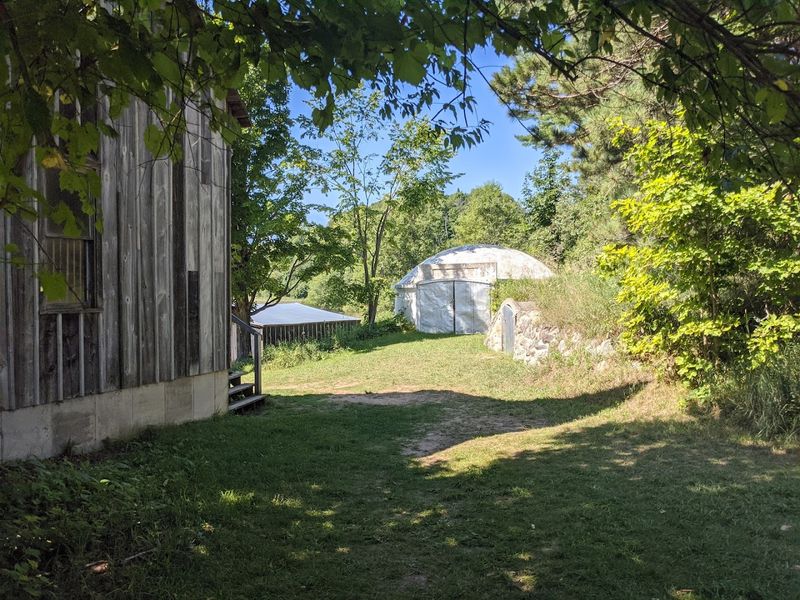
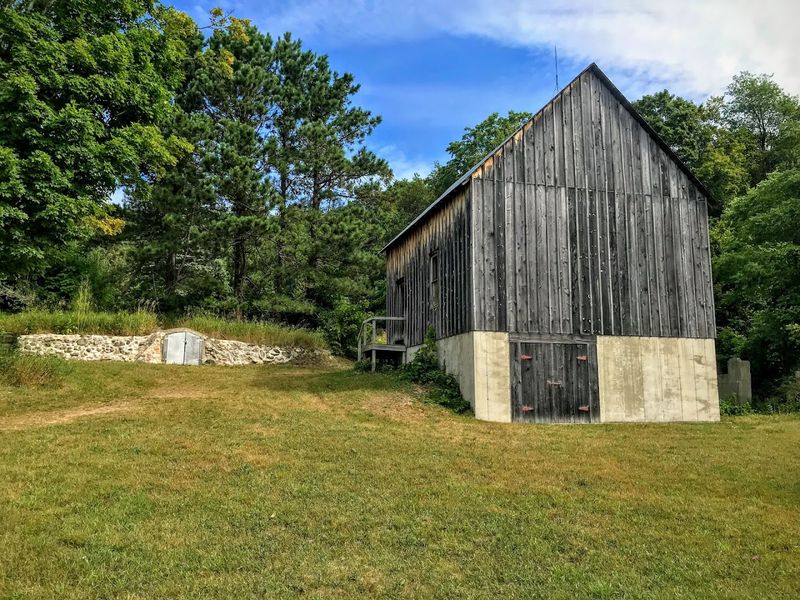
About halfway through, the walk stops feeling like a simple woods trail and becomes something more layered. The historic Treat Farmstead includes a restored barn, a farmhouse dating to around 1880, sheds, a cistern, and the wonderfully odd concrete dome garage and root cellar.
Those structures shift your attention from scenery to human persistence. What I like here is how the place avoids becoming a staged museum set.
You sense the old agricultural footprint while still standing inside a living national lakeshore, with meadow, weather, and silence doing half the interpretation. Slow down at the buildings, because rushing past them makes the later overlook feel flatter than it should.
Save Your Biggest Reaction For The End
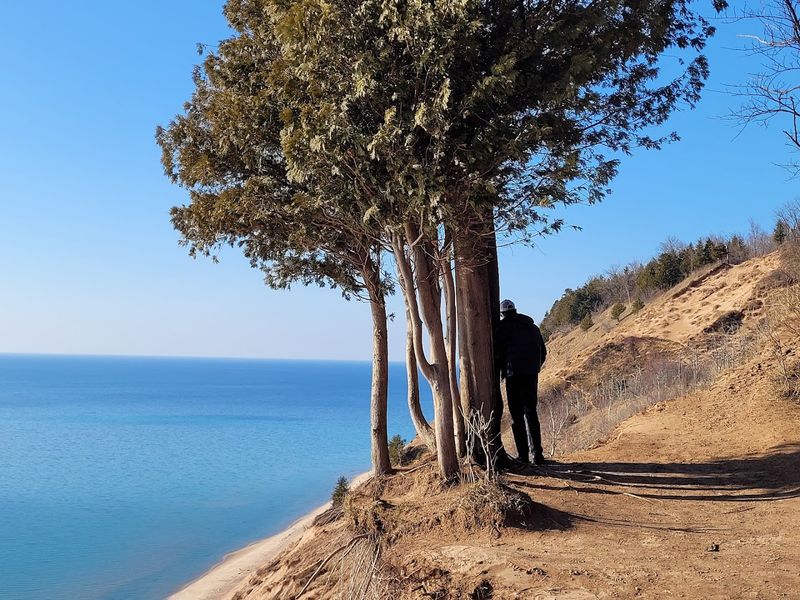
The payoff arrives with almost comic suddenness. After woods, meadow, and farm remnants, the trail reaches a bluff overlooking Lake Michigan, where the drop below can exceed 400 feet and the sense of scale becomes the whole story.
On clear days, the water looks so broad and bright that the one-mile approach feels like a secret handshake, rewarding patience with a view that seems almost oversized. This is why people come, and rightly so, but the bluff edge has no improvements.
That untouched quality is part of the beauty and also the warning label. Keep back from unstable edges, watch children closely, and resist the foolish urge to inch forward for a better photo when the panorama is already doing plenty without extra risk.
Do Not Confuse Quiet With Tame
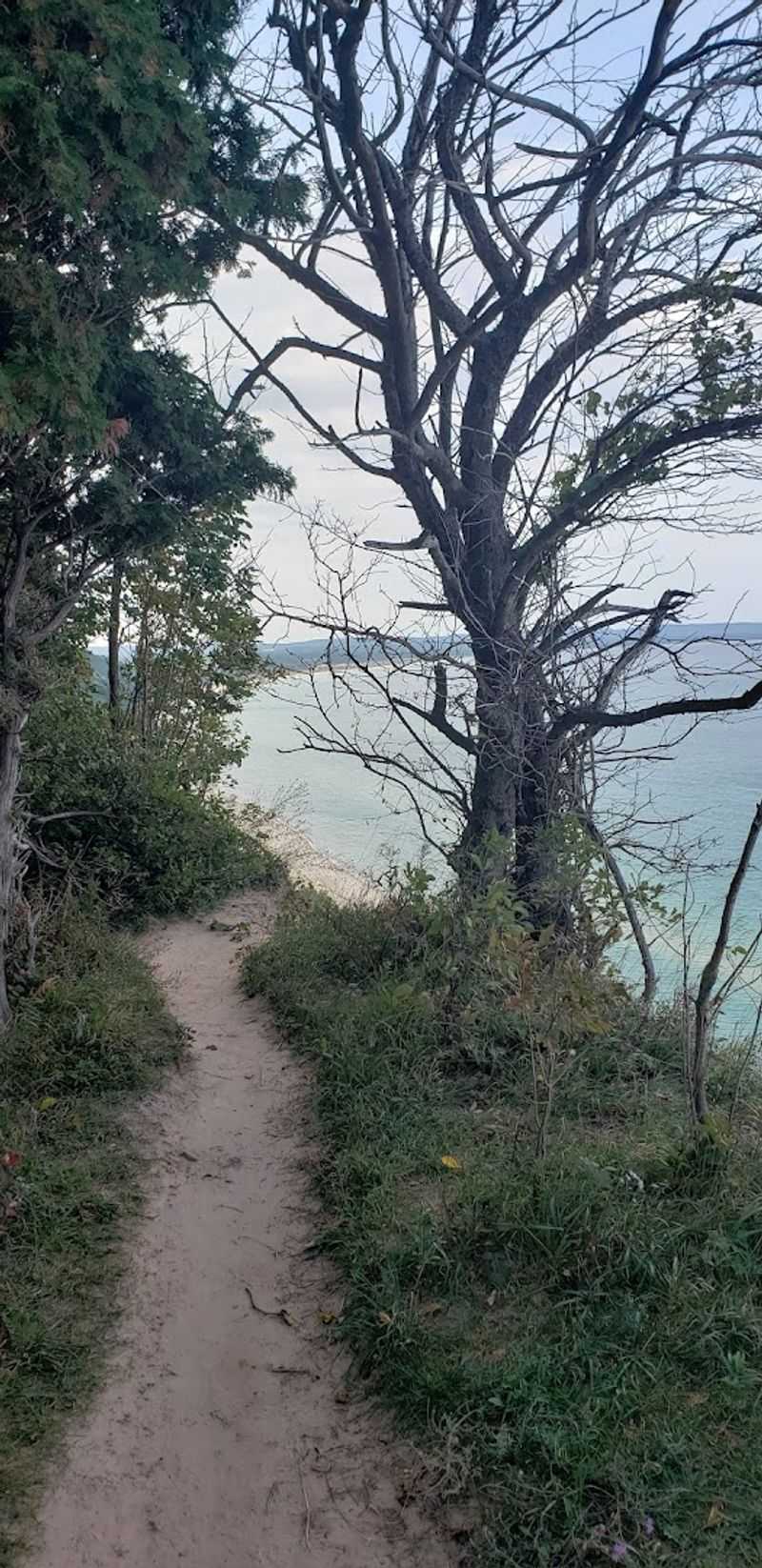
One reason this trail feels special is that its calm middle section hides a more rugged finish. If you continue toward Old Baldy, you meet a steeper sandy climb of roughly 100 feet, and the terrain starts acting more like dune country than farm road.
The transition is subtle until suddenly it is not. That contrast gives the hike character, but it also deserves respect. Some side paths around the bluffs can be narrow, steep, or overgrown, and there is no safe beach access directly from the overlook.
Treat this as a bluff walk, not a shortcut to the shoreline, and your day remains memorable for the right reasons.
Notice How Many Landscapes Fit Into One Mile
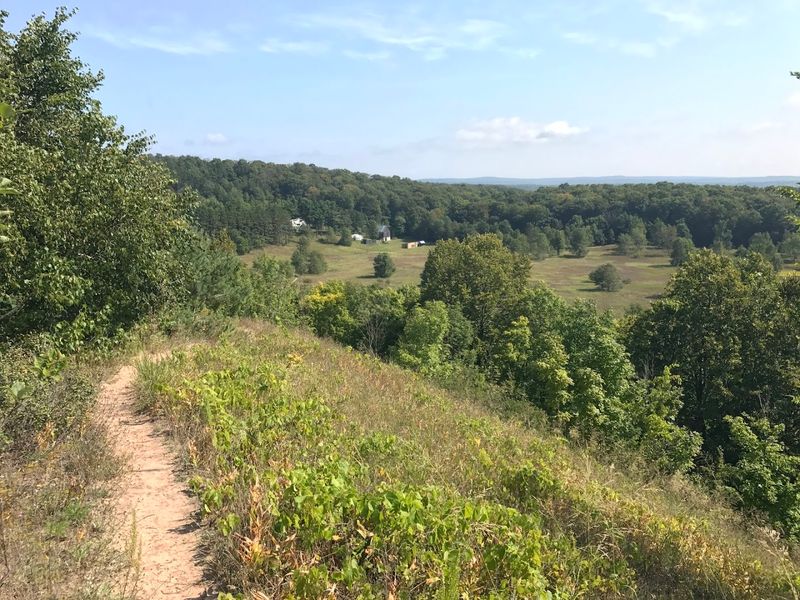
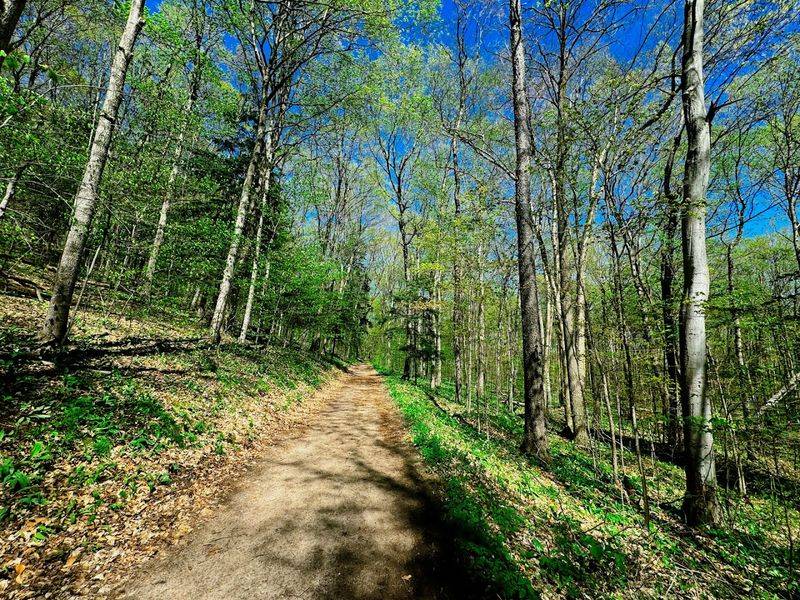
What keeps this short trail interesting is not simply the ending, but the rapid change in scenery. In a relatively brief out-and-back, you pass through shaded forest, old farm fields, meadow-like openings, and dune-bluff terrain near the lake.
That variety makes the walk feel longer in a pleasing way, as if the landscape keeps changing subjects mid-conversation. Spring brings wildflowers and fresh budding trees, while fall turns the hardwood section into a good excuse to dawdle.
Even in summer, the shaded portions take the edge off the day before the open bluff steals the show. For photographers, that sequence offers better visual storytelling than many longer, more monotonous hikes.
Pack For A Trail With No Extras
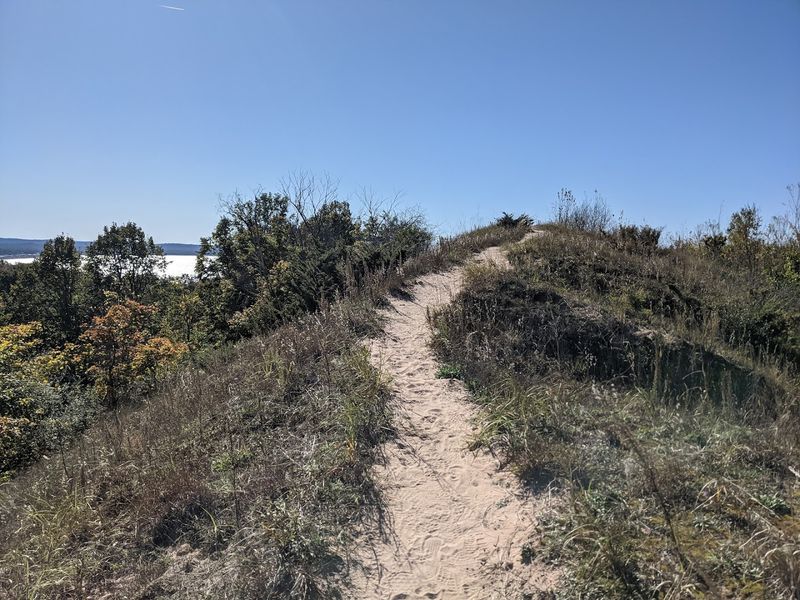
Treat Farm Trail is charmingly sparse, which means you need to supply your own comfort. There are no facilities at the trailhead, parking is along the road, and the whole experience feels more like local knowledge than a full-service attraction.
That is delightful until someone realizes too late they forgot water or a park pass. I always think of this as a short hike that rewards basic competence.
Wear shoes that handle both packed path and sand, bring water even for a quick outing, and keep your phone charged if you are navigating multiple stops in the lakeshore. The practical details are small, but handling them well makes the quiet feel luxurious instead of inconvenient.
Go For The Silence, Not Just The Overlook
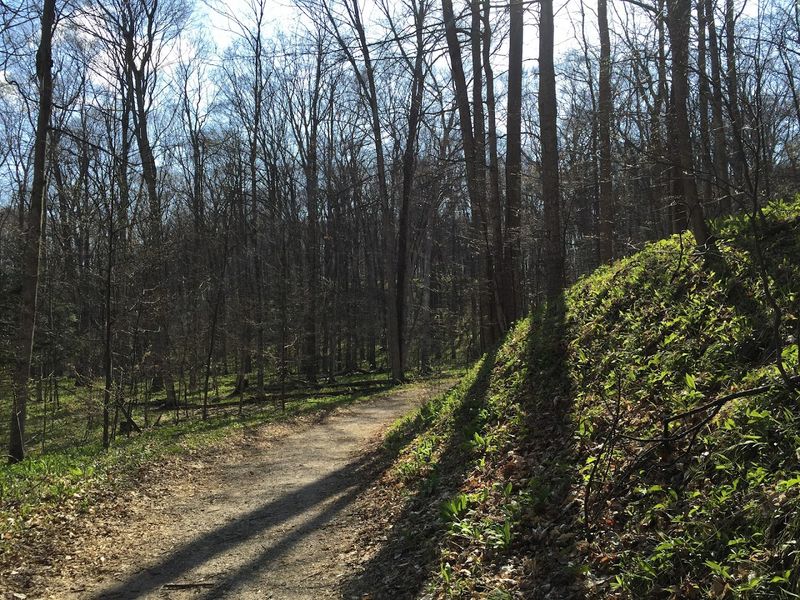
Empire’s better-known viewpoints are excellent, but they can feel socially busy in a way that changes your experience of the landscape. Treat Farm Trail is often lighter on traffic, and that relative emptiness becomes one of its best features long before the lake appears.
You hear leaves, wind, and your own footfall instead of a rolling conversation from the next group. That quieter mood gives the historic farmstead more gravity and the overlook more room to breathe.
I have found that even a modest number of people can alter a bluff-top scene, making it feel like a stop rather than a place. Here, the silence is not empty. It is part of the view, and worth seeking intentionally.
Winter And Shoulder Seasons Deserve Respect
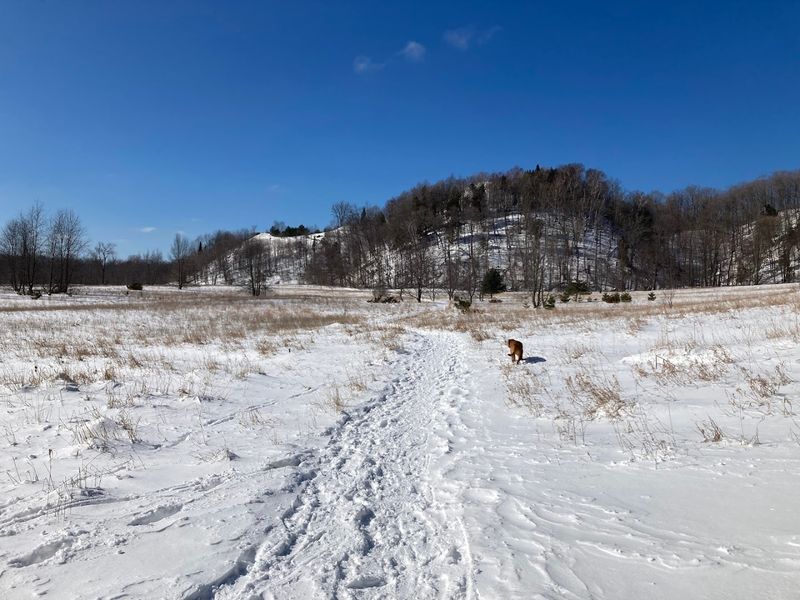
This trail is open year-round, which sounds simple until northern Michigan starts proving a point. In warmer months, the route is straightforward and scenic, but shoulder seasons can add mud, wet leaves, and shifting footing near the bluff.
Winter turns the walk into a different outing entirely, often suitable for snowshoeing when conditions line up. The reward for cold-weather effort can be extraordinary light over Lake Michigan and a sharper sense of solitude.
Still, the same bluff hazards remain, and snow or ice can make edges even less forgiving. Check conditions, dress for exposure at the overlook, and remember that a short trail can feel much longer when wind is involved.
Treat The Bluff Edge Like The Real Hazard It Is
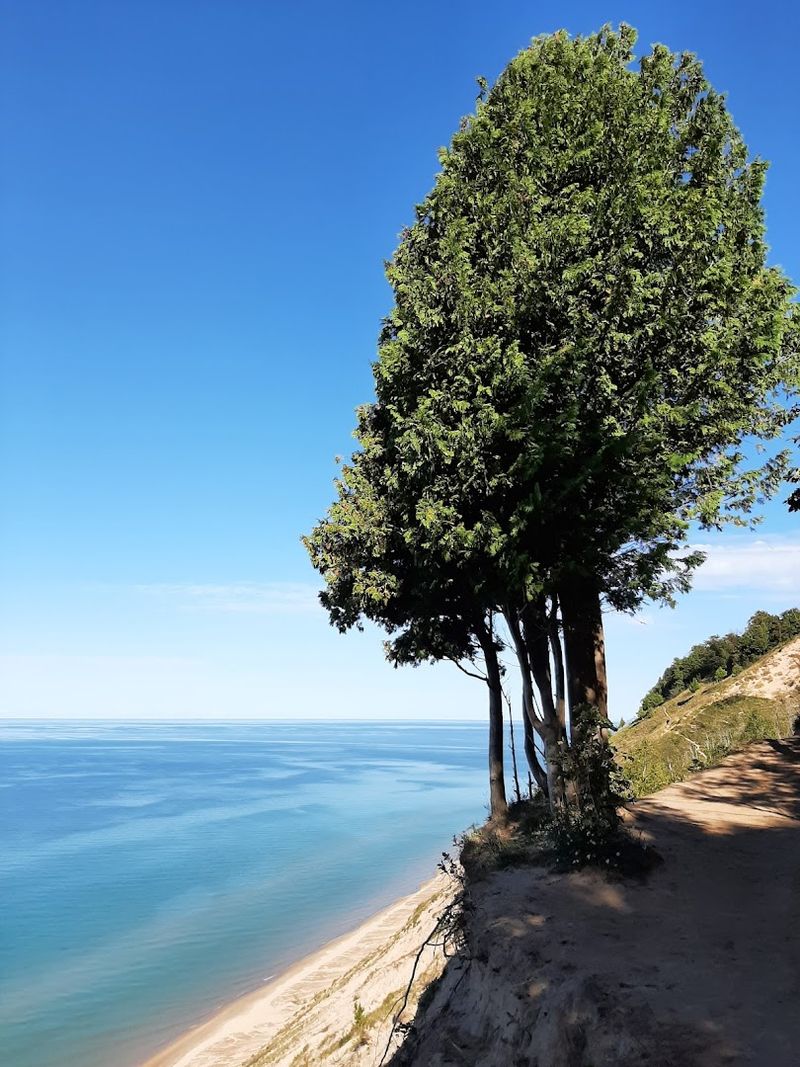
The most important tip is not glamorous, which probably means it is the one worth remembering. The overlook is beautiful precisely because it is unimproved, with no railings or built platforms interrupting the bluff.
That also means the final few feet demand good judgment, especially where sand and vegetation can disguise unstable ground. Keep a sensible distance from the edge, supervise kids closely, and leave pets under firm control if you bring them.
It is also wise to secure hats, maps, and phones before you step into the open wind. You do not need to perform bravery here. The drama of Lake Michigan from high above is fully available without testing gravity in person.
Make Room For The Trail’s Odd Little Details
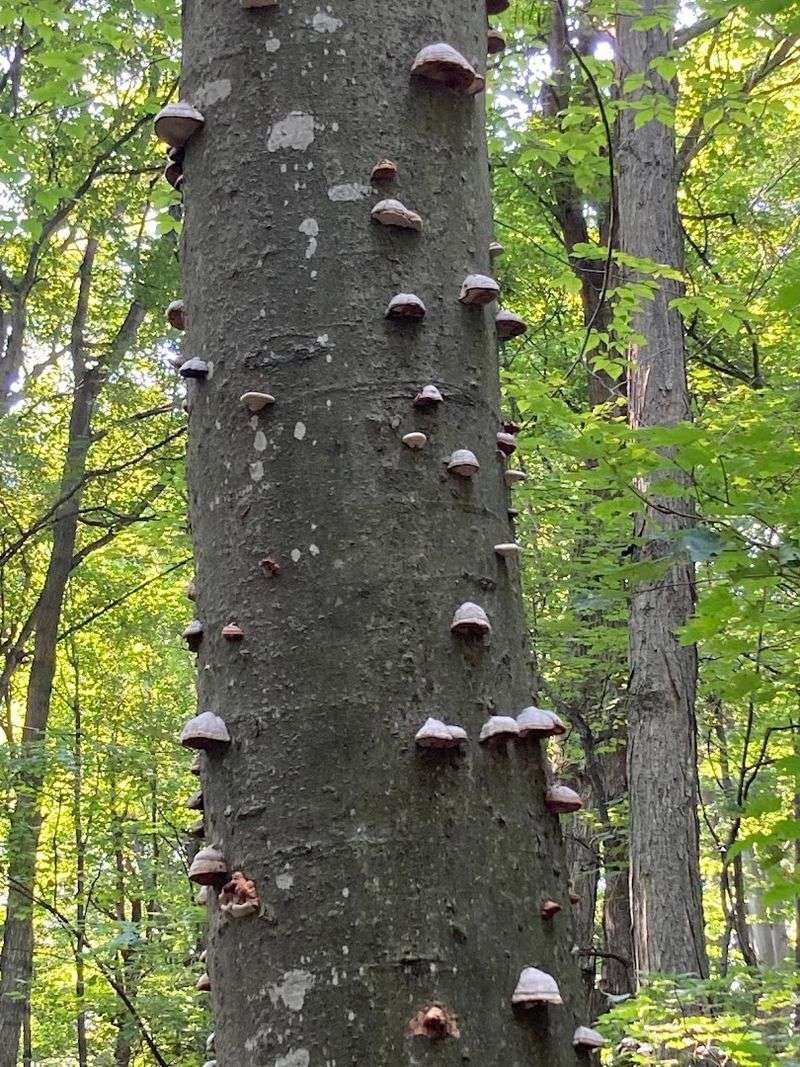
The grand view is the headline, but the trail’s personality lives in smaller details. Depending on season, you may notice butterflies in the meadow, spring flowers under budding trees, or the pale strangeness of Indian Pipe in the woods.
Birdsong, shifting light, and the occasional rustle in the grass add a quiet liveliness too. Those fleeting finds keep the walk from becoming a single-destination march.
There is also something satisfying about how the trail threads together ordinary and extraordinary things: a gate by the road, an old farm lane, weathered buildings, then suddenly that vast lake horizon. That sequence feels intelligently accidental, the way many memorable places do.
It gives the route a gentle build, almost like the landscape is deciding when to reveal itself. If you move too fast, you get the panorama. If you pay attention, you get a place with texture, history, and surprise.