
This 22-Mile Michigan Bike Trail With Woods, Farmland, And An Ice Cream Stop Is Perfect For May
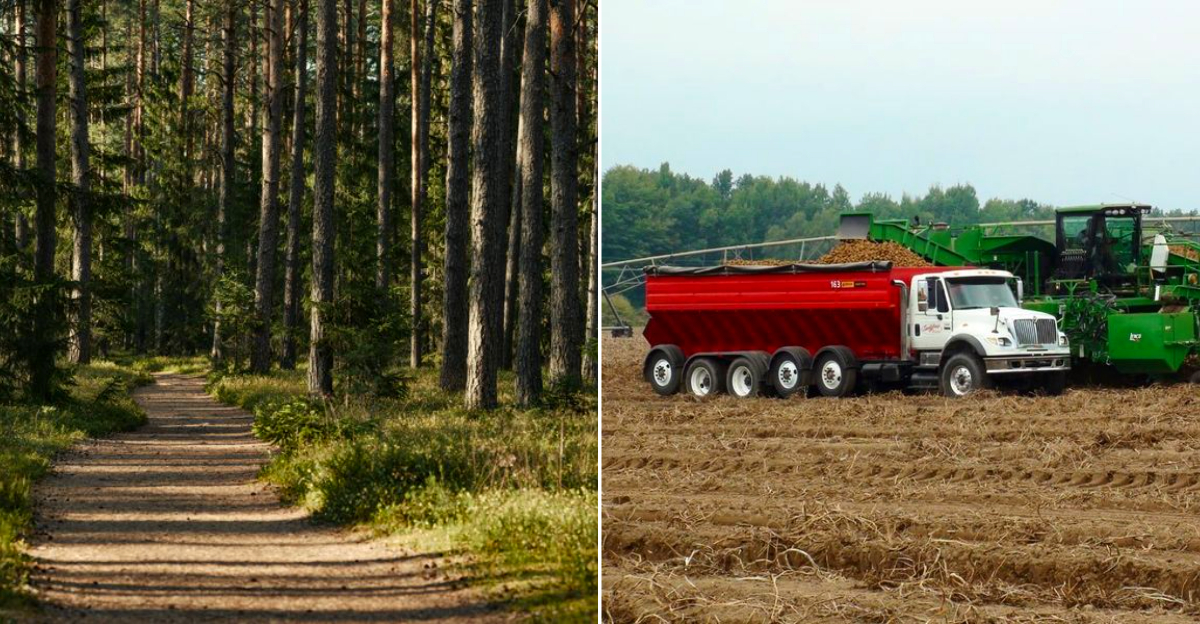
West Michigan has a special gift for making a bike ride feel like it has chapters. This route starts with the calm confidence of an old rail line, then keeps changing the scenery just often enough to keep your legs interested.
One stretch is shaded and leafy, the next opens into farmland, and then a small town appears like it has been patiently waiting for you to get hungry.
I especially like trails where the stops feel earned, and nothing tastes more deserved than ice cream after several miles of pretending you are mostly there for fitness.
For a scenic Michigan bike ride, this paved trail connects wooded stretches, open farm country, charming small towns, and classic stops worth lingering over.
That is what makes the route more than exercise. It has rhythm, texture, and just enough reward along the way to turn a simple ride into a proper day trip.
1. Montague Trailhead
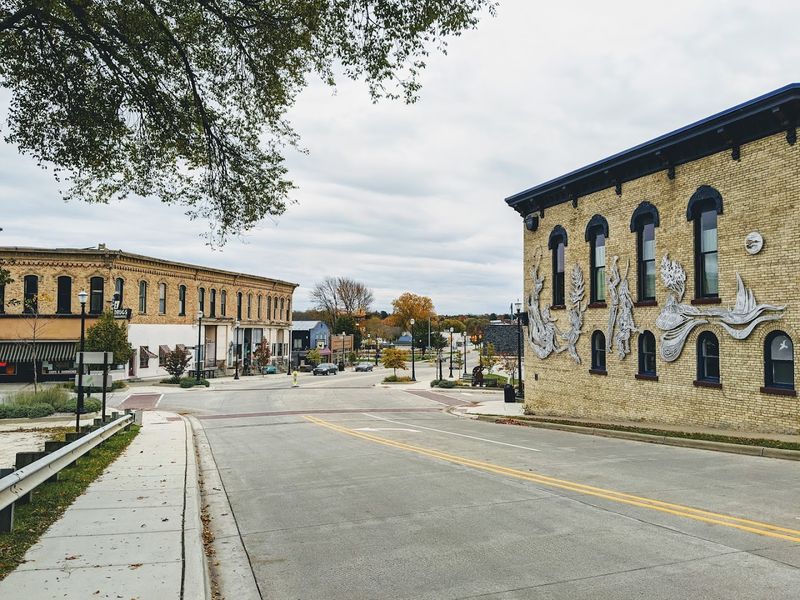
Montague makes a civilized starting point, with parking, restrooms, and that slightly ceremonial feeling some trailheads have when a long ride is about to begin. The pavement rolls out so smoothly here that the old railroad geometry is obvious right away: wide corridor, easy grades, long sightlines.
If you like settling into a pace without fuss, this end of the Hart-Montague Trail is generous about it. What I noticed first was how quickly town edges soften.
Within minutes, houses give way to trees and open stretches, yet Montague still lingers as a practical anchor for snacks, water, or a last-minute bike adjustment. Starting here also lets the route reveal itself gradually, from village calm to woods to farmland.
It is a gentle opening chapter, and on a 22-mile trail, that matters more than people admit by the second mile, too.
2. Whitehall Area Access
Whitehall sits just off the trail near the north end, and this access point feels useful in the best small-town way for everyday travelers too. You can step off for supplies, coffee, or a short look around without losing the thread of the ride.
Because White Lake and the downtown area are close, there is a pleasant sense that water, neighborhood life, and trail travel all overlap here.
The practical advantage is flexibility. Riders based in Whitehall can join the Hart-Montague Trail without committing to the full point-to-point day, while through-riders get an easy detour for food and errands.
I like this section for its mix of movement and pause: bicycles glide past, local traffic hums nearby, and the corridor still holds onto its railroad-era straightness. It reminds you that rail-trails were never isolated landscapes. They always connected working places.
3. Former Rail Corridor
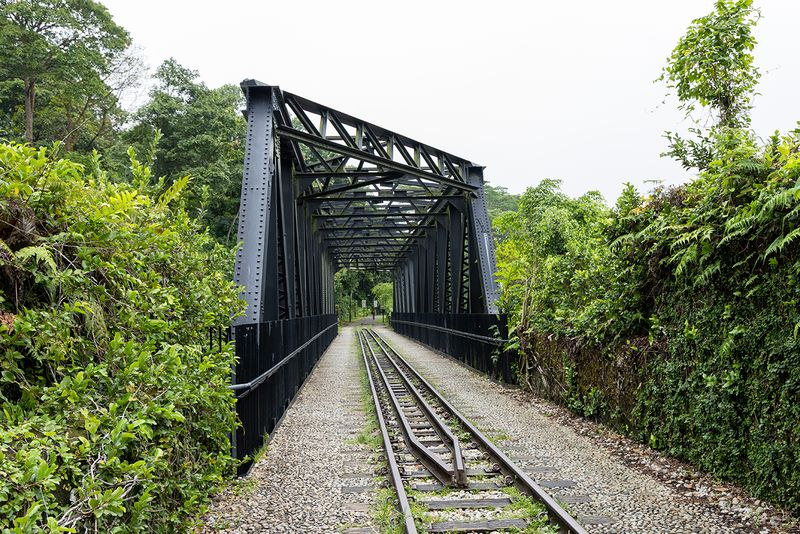
The old rail bed explains the trail’s personality better than any brochure can if you ride it slowly once. Grades stay gentle, curves arrive with restraint, and the route keeps that purposeful, forward-looking line railroads favored when moving people and freight across rural Michigan.
Even if you do not care much about transportation history, you feel the inheritance in your legs: this is a trail built for covering ground comfortably.
That history also sharpens the scenery. A former corridor like this slips behind backyards, through woods, across farm country, and into towns with very little drama, because railroads were designed to connect all of those spaces.
On the Hart-Montague Trail, the effect is wonderfully democratic. Nothing feels staged for visitors. You pass through working landscapes instead of a curated postcard, and the ride gains texture from exactly that unpolished honesty.
4. Shaded Forest Stretches
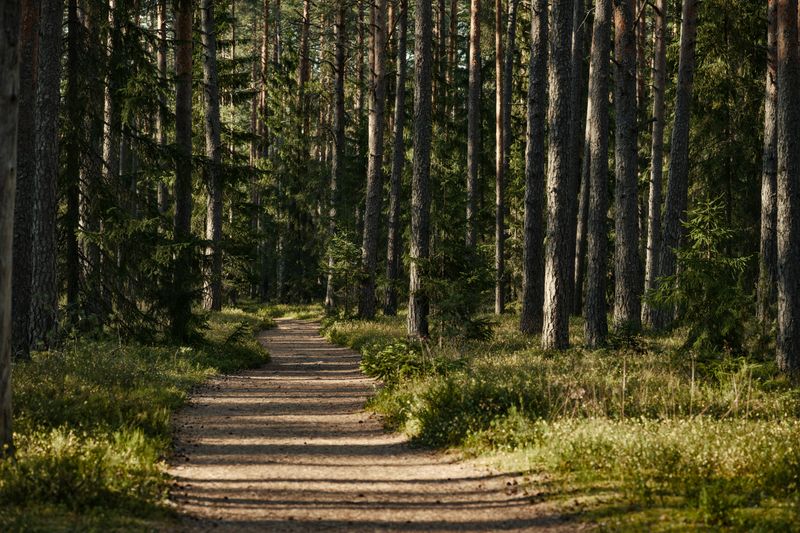
Some of the best miles on this trail are the quiet, shaded ones, where the temperature drops a notch and the light turns mottled across the pavement. In midsummer, those tree-lined sections feel less like scenery and more like mercy.
Birds are louder than traffic, the air smells faintly green and damp, and the ride settles into a calmer tempo without asking anything special from you.
What makes these wooded stretches memorable is their contrast with the open farmland farther south. One minute you are in full sun, reading the weather off the fields, and the next you are under a leafy canopy that muffles distance and time.
I found myself coasting a little more here, not out of fatigue, but because the corridor feels unusually self-contained. It is the sort of shade that changes your mood before you quite notice it.
5. Rothbury Area
Rothbury brings a subtle shift in mood. The trail is still easygoing, but the surroundings open up in a way that makes the sky feel larger, the farm fields more legible, and the distance to the next town easier to imagine. It is a place to look up from the front wheel for a while and let the broader landscape do some of the talking.
This section is useful if you are pacing a longer day, because Rothbury sits near the middle of the trail’s rural story rather than at one of its more obvious endpoints.
Services are not the point here. Spatial clarity is. The former railroad alignment runs through countryside that reads cleanly from the saddle: wind in field edges, a road crossing now and then, barns set back just far enough to feel private. That simplicity can be surprisingly restorative.
6. New Era Village

New Era arrives with the satisfying compactness of a place that knows exactly what it is. After long rural miles, the village feels tidy, human-scaled, and refreshingly unfussy, with the trail threading close enough to daily life that you can sense errands, school schedules, and lunch plans carrying on around you.
That is one of this route’s pleasures: towns appear as lived-in places, not decorative intermissions. Historically, communities like New Era mattered because rail lines made movement and exchange possible across agricultural country, and the trail still preserves that connective logic.
For riders, it is a natural breather before or after the famous dairy stop nearby. I tend to linger a little here, not because there is spectacle, but because the village resets your attention. The scale changes, the sounds sharpen, and the miles ahead feel newly manageable.
7. Country Dairy Farm Store, New Era

Then there is Country Dairy in New Era, the stop everyone talks about for good reason. It sits right along the Hart-Montague Trail on a fourth-generation family farm, and the place manages to be genuinely useful, local, and a little irresistible all at once.
Ice cream is the headline, but not the whole story: there is also a restaurant, bakery, fresh meat shop, and farm setting that makes a bike ride feel stitched into the region’s agricultural life.
The detail worth knowing is that the ice cream is made from the farm’s own dairy products and has a rich 16 percent butterfat content.
You can also find farm tours, including horse-drawn options, depending on the schedule. After miles of woods and fields, stopping here feels less like a novelty than a reward. Cold cone, shaded table, bikes leaning nearby: west Michigan rarely looks more content.
8. Open Farm Country
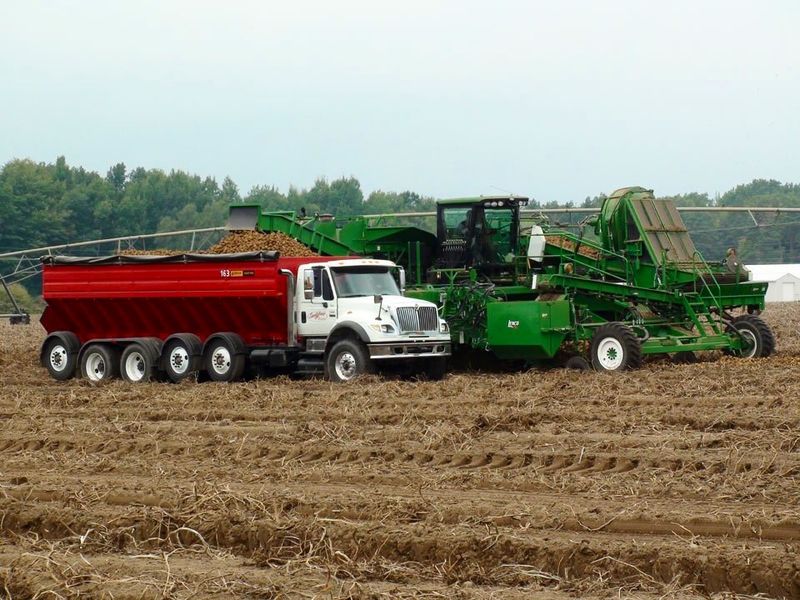
South of the wooded stretches, the trail spends long intervals in open country, and the exposure changes everything. You feel the sun more directly, notice wind direction with precision, and start reading the landscape through details: irrigation rigs, field patterns, the angle of gravel roads crossing the pavement.
It is not dramatic country, but it is honest country, and that honesty becomes part of the ride’s appeal. Because the trail follows a former railroad grade, the passage through farmland is unusually smooth and unhurried.
There is time to observe how houses sit back from the road, how equipment sheds gather at field edges, and how towns emerge almost imperceptibly from agricultural ground. If you are used to wooded rail-trails, this openness can feel exposing at first. Then it starts to feel expansive. The difference is subtle, but your breathing notices it before your thoughts do.
9. Orchard Views
In season, orchard country gives this trail some of its most quietly beautiful moments. Rows of fruit trees impose a different visual rhythm than field crops do, more ordered and intimate, and they lend the surrounding land a cared-for texture that reads clearly even at cycling speed.
Depending on the month, you may notice blossom haze, deep summer green, or the heavier look of late-season abundance.
Oceana County is known for fruit production, so these views are not decorative accidents. They are part of the local economy and part of what makes the ride feel distinctly west Michigan rather than generically rural.
I always slow a touch when the orchards come into view, because the landscape suddenly feels more specific. Trees repeat toward the horizon, farm roads cut neat lines between them, and the trail turns into a moving lesson in how working beauty accumulates.
10. Shelby Access Point
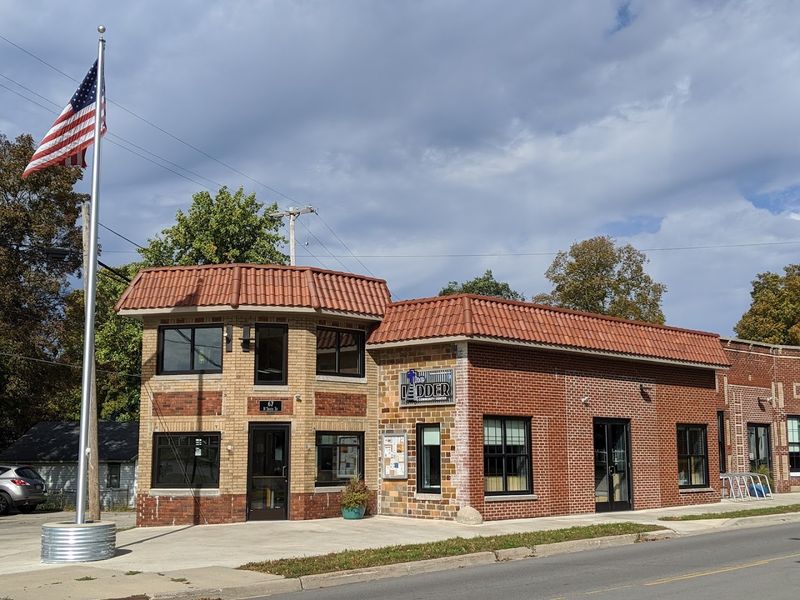
Shelby offers one of the trail’s handiest access points, especially if a full 22-mile run is more aspiration than plan. The village sits close enough to the route to make parking and resupply straightforward, and it works well as a midpoint rendezvous if one rider wants a shorter day than another.
Practical stops like this do not always get poetic treatment, but they shape the comfort of the ride more than scenery alone can.
There is also something appealing about entering the Hart-Montague Trail from a place that still feels connected to commerce.
Shelby is not presented as a showpiece, which is exactly why it works. You arrive, organize bottles and snacks, clip in, and the landscape opens outward in both directions. For travelers trying to tailor mileage, avoid a shuttle, or split the route into pieces, this access point is less glamorous than essential.
11. Mears Area Food And Water Stop
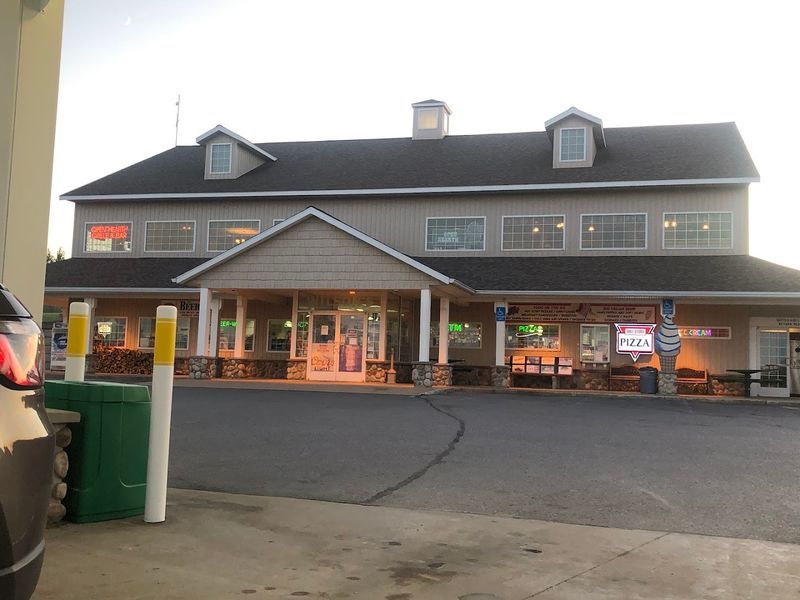
By the time the trail reaches the Mears area, food and water stop sounding optional and start sounding wise. This part of Oceana County can feel especially bright and open on warm days, and the combination of sun, steady pedaling, and rural distance tends to catch up with people gradually rather than all at once.
Topping off bottles before the final push is one of those boring decisions that saves the day. Mears itself is better known as a gateway to the Silver Lake area, which adds a resort-town undertone to the business of getting a drink and a snack. That contrast is oddly pleasant.
After miles of measured rail-trail rhythm, a quick stop for water, something salty, and minutes off the saddle feels corrective. I have learned not to rush this section. When the trail looks easy, that is when hydration matters most.
12. Hart Trailhead
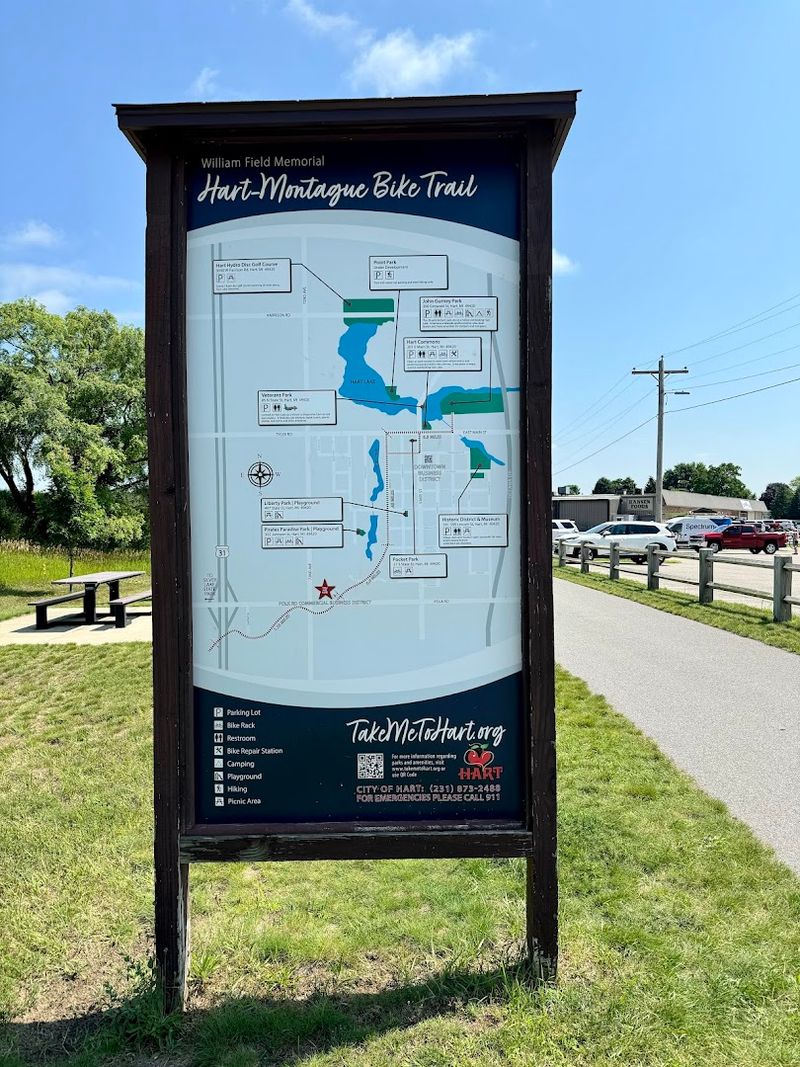
Hart makes a fitting bookend to the ride: practical, clear, and satisfying without trying too hard. The trailhead gives the journey an ending, which matters on a route this long. After 22 miles of alternating woods, farms, and small-town passages, arriving in Hart feels less like crossing a finish line than clicking the final piece into place.
Because the Hart-Montague Trail works so well as a point-to-point outing, this trailhead often carries that end-of-day glow of accomplishment. Legs are pleasantly used up, water bottles are lighter, and every bench or patch of shade looks expertly designed.
What I appreciate here is the sense of completion without fanfare. The trail does not crescendo into spectacle. It concludes the same way it travels: steadily, accessibly, and close to west Michigan life. That restraint is part of its charm, and it is why the route stays with you.