
10 Ohio Historic Villages That Feel Perfect For A May Day Trip
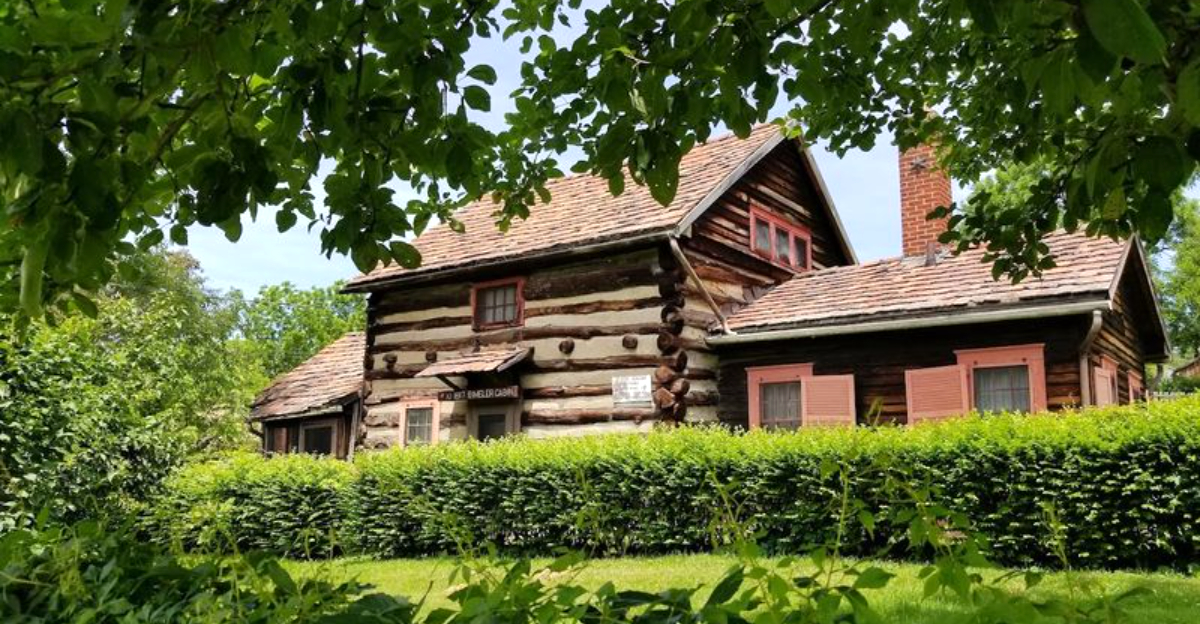
May is a great time to let Ohio history pull you out of the usual weekend routine.
Old canal streets, pioneer cabins, brick walkways, garden paths, and living-history villages all feel more inviting when the weather is mild and the trees are freshly green. This is spring wandering with a little time-travel energy, minus the complicated sci-fi plot.
The charm comes from how different each place feels. One village leans into canal-era storytelling, another brings pioneer life into view, and another turns a historic neighborhood stroll into the kind of afternoon that makes your step count look impressive.
Pick a sunny day, wear comfortable shoes, and give yourself permission to move slowly. Ohio’s historic villages are made for May exploring, especially when the reward is fresh air, old buildings, local stories, and a day trip that feels genuinely worth the drive.
1. Historic Roscoe Village, Coshocton, Ohio
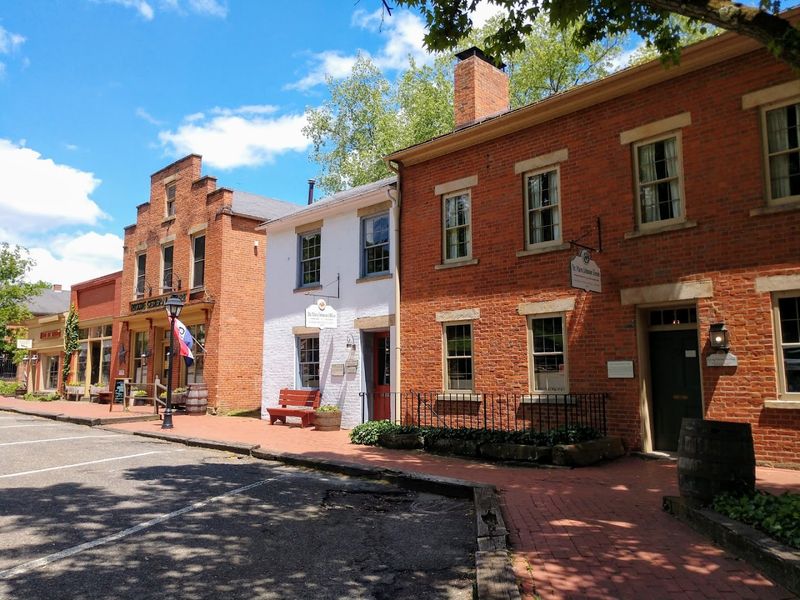
Picture a quiet Ohio canal town frozen in the 1830s, but with great food and friendly people waiting for you around every corner.
Historic Roscoe Village sits at 600 North Whitewoman Street in Coshocton, Ohio, and it is one of the most lovingly restored canal-era villages in the entire Midwest.
The village was built around the Ohio and Erie Canal, and walking through it in May feels like flipping through a living history book.
Historic spaces and demonstrations bring the canal era to life, making it easy to spend several hours here without even glancing at your phone.
The tree-lined streets are especially beautiful in early May when the leaves are fresh and green, and the shop windows are packed with handmade goods worth browsing.
One of the highlights is the Monticello III canal boat, a horse-drawn canal boat experience that typically begins its season around Memorial Day and continues into fall.
Kids absolutely love the boat ride when it is running, and honestly, so do adults who are willing to admit it.
The village also hosts special spring events that bring in local artisans and musicians, so check the calendar before you go.
Parking is easy, the entry fees are reasonable, and the whole experience has a relaxed, unhurried pace that makes it perfect for a late-May day trip from anywhere in central Ohio.
2. Historic Zoar Village, Zoar, Ohio
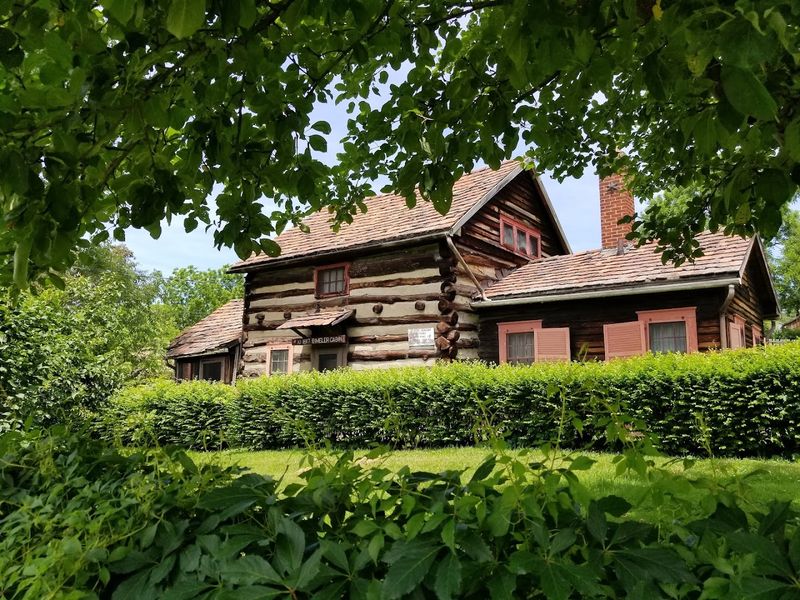
Not many places in Ohio can say they were founded by a group of German religious separatists who built their own self-sufficient community from scratch in 1817, but Zoar can.
Located at 198 Main Street in Zoar, Ohio, this National Historic Landmark is one of the most fascinating communal settlements ever established in the United States.
The Zoar Separatists fled religious persecution in Germany and created a tight-knit village that thrived for decades, leaving behind beautifully preserved buildings, a stunning garden, and a rich cultural legacy.
May is a wonderful time to visit because the central garden, designed to represent the New Jerusalem described in the Book of Revelation, is coming alive with color and carefully maintained plantings.
Several historic structures are open for tours, including the Number One House, the greenhouse, the bakehouse, and the tin shop.
The interpreters here are knowledgeable and genuinely enthusiastic, which makes the guided tours feel more like conversations than lectures.
The village itself is compact and walkable, so you can cover the main sites comfortably in a half-day visit without feeling rushed.
There is also a charming local store on the grounds where you can pick up handmade crafts and locally produced goods as souvenirs.
Zoar sits in Tuscarawas County, surrounded by rolling countryside that looks especially gorgeous during the green, lush weeks of May.
3. Sauder Village, Archbold, Ohio
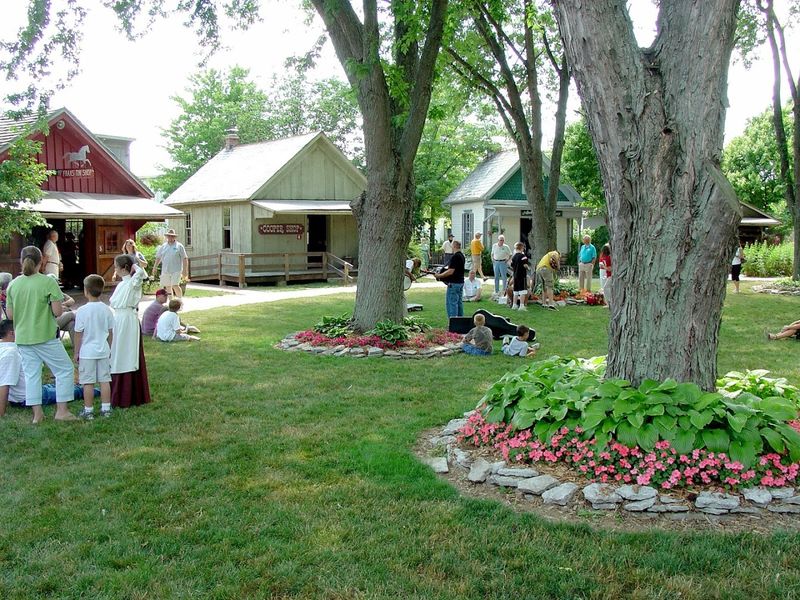
If you have ever wanted to spend a full day in the 1800s without actually giving up modern plumbing, Sauder Village in Archbold, Ohio is your best option.
Located at 22611 State Route 2 in northwest Ohio, Sauder Village is one of the largest living history museums in the state, and it has the kind of scale that genuinely impresses first-time visitors.
The village was founded by Erie J. Sauder, the same man behind the Sauder furniture brand, and it reflects his deep appreciation for Ohio’s pioneer heritage.
More than 40 historic structures have been relocated or reconstructed on the grounds, covering everything from a one-room schoolhouse to a working gristmill.
Costumed craftspeople demonstrate period trades throughout the day, including glassblowing, pottery, weaving, and woodworking, and visitors are encouraged to ask questions and get involved.
May is a particularly good month to visit because the grounds are lush and green, the spring programming is in full swing, and the crowds have not yet reached their summer peak.
There is also an on-site restaurant serving hearty, home-style meals that hit the spot after a morning of walking around.
The attached Sauder Heritage Inn makes it easy to turn the trip into an overnight stay if you want to explore the surrounding Fulton County and northwest Ohio area as well.
Plan for a full day here because there is genuinely a lot to see and do.
4. Heritage Village Museum, Sharonville, Ohio
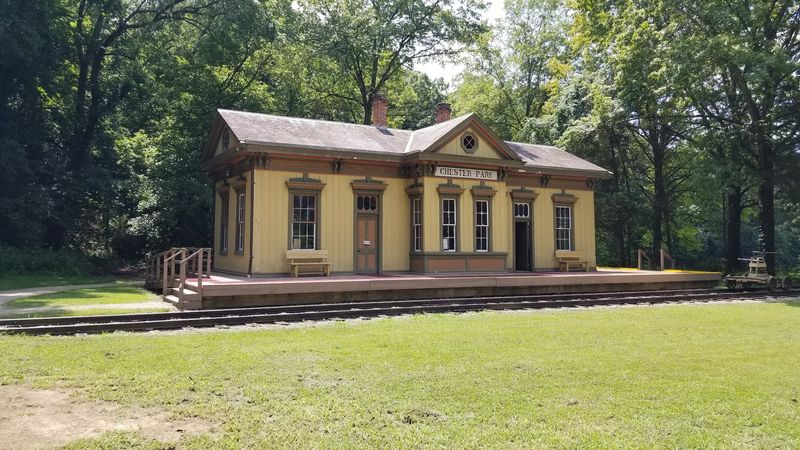
Tucked into the suburban landscape of Sharonville, Ohio, Heritage Village Museum is one of those places that surprises you by being far more impressive than you expected.
Found at 11500 Lebanon Road in Sharonville, this outdoor museum is operated by Historic Southwest Ohio and preserves a collection of historic structures from the Greater Cincinnati region.
Buildings were carefully relocated from their original sites across southwest Ohio and northern Kentucky and reassembled here to create a cohesive village setting focused on 19th-century regional history.
Walking through the grounds in May feels genuinely pleasant, with mature trees providing shade and the open green spaces giving the whole place a relaxed, park-like atmosphere.
Highlights include historic homes, a train depot, a general store, a print shop, a barn, and a one-room schoolhouse that looks exactly as you would imagine from history class.
The museum offers guided tours during its May-through-September season, so checking ahead for tour times and special demonstrations is a smart move before you plan your visit.
Families with kids will find the hands-on activities especially engaging, as many of the demonstrations encourage participation rather than just observation.
The museum is situated within Sharon Woods park, which means you can pair your history visit with a walk along the scenic trails nearby.
That combination of history and nature makes it one of the most well-rounded day trips in southwest Ohio.
5. Historic Kirtland, Kirtland, Ohio
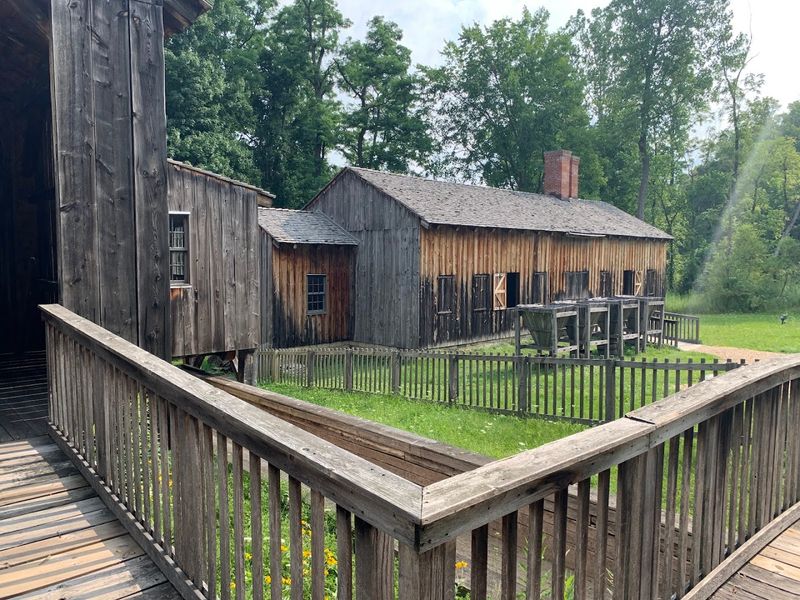
Few places in Ohio carry as much historical weight as Kirtland, a small town in Lake County that played a major role in the early history of the Latter-day Saint movement during the 1830s.
Located at 7800 Kirtland Chardon Road in Kirtland, Ohio, the Historic Kirtland site preserves a remarkable collection of restored buildings from that pivotal era.
The centerpiece is the Kirtland Temple, a stunning historic structure completed in 1836 that stands as one of the most architecturally significant religious buildings in American history.
Beyond the temple, visitors can explore historic and reconstructed sites that include the N.K. Whitney & Co.
Store, the Newel and Elizabeth Ann Whitney Home, an ashery, a sawmill, a schoolhouse, the John Johnson Inn, and restored period homes.
The site sits on beautifully maintained grounds that look especially inviting in May, when the surrounding landscape is fully green and the spring light softens everything.
Tours are thoughtful and well-paced, offering historical context that is interesting regardless of your personal religious background or prior knowledge of the site.
The nearby Chagrin River valley adds a scenic backdrop to the visit, and the broader Kirtland area has plenty of quiet natural beauty nearby.
Kirtland is about 25 miles northeast of Cleveland, making it an easy and rewarding day trip from the greater northeast Ohio area.
The combination of architectural beauty, deep history, and natural surroundings makes this one of the most underrated stops on any Ohio historic village tour.
6. Hilliard Historical Village & Museum, Hilliard, Ohio
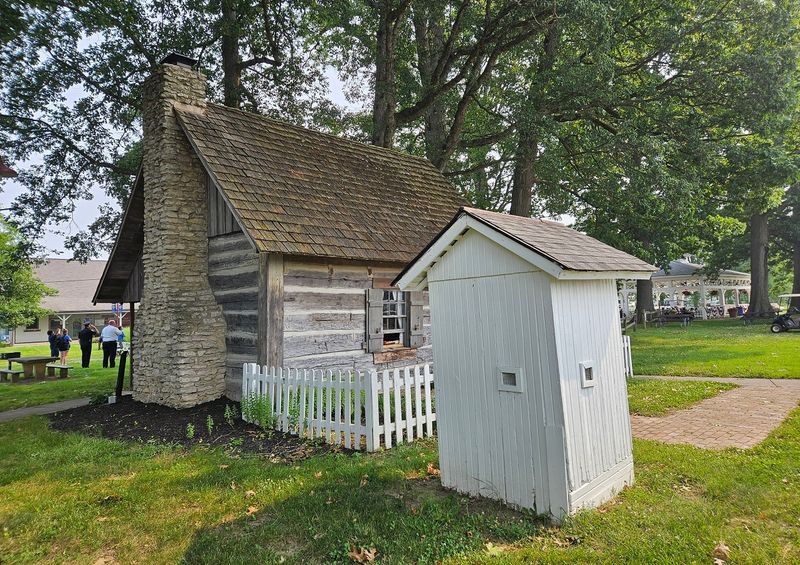
Right in the heart of suburban Columbus, the Hilliard Historical Village and Museum manages to carve out a genuinely meaningful slice of local Ohio history that most people driving past on the highway never even know exists.
Situated at 4100 Columbia Street in Hilliard, Ohio, this volunteer-run museum complex preserves a cluster of historic structures that tell the story of the Hilliard area from its earliest settlement days.
The collection includes a restored log cabin, a one-room schoolhouse, a Victorian-era house, a barn, and several outbuildings, all arranged on a tidy, well-maintained property.
What makes this spot especially charming is the clear community pride behind it. Local volunteers put real effort into keeping the buildings accurate and the grounds welcoming.
May is a lovely time to visit because the surrounding trees and garden plantings are in full spring form, and the quieter weekday hours give the place a calm, unhurried feel.
The museum hosts special events throughout the year, and spring programming often includes guided tours, craft demonstrations, and family-friendly activities that make the history feel accessible to all ages.
Admission is typically free or very low cost, which makes it an easy choice for families looking for a meaningful but budget-friendly outing.
Hilliard sits just west of Columbus, so the village pairs nicely with other central Ohio attractions if you want to build a full day around it.
It is the kind of local treasure that rewards the curious traveler who takes the time to stop.
7. Caesar Creek Pioneer Village, Waynesville, Ohio
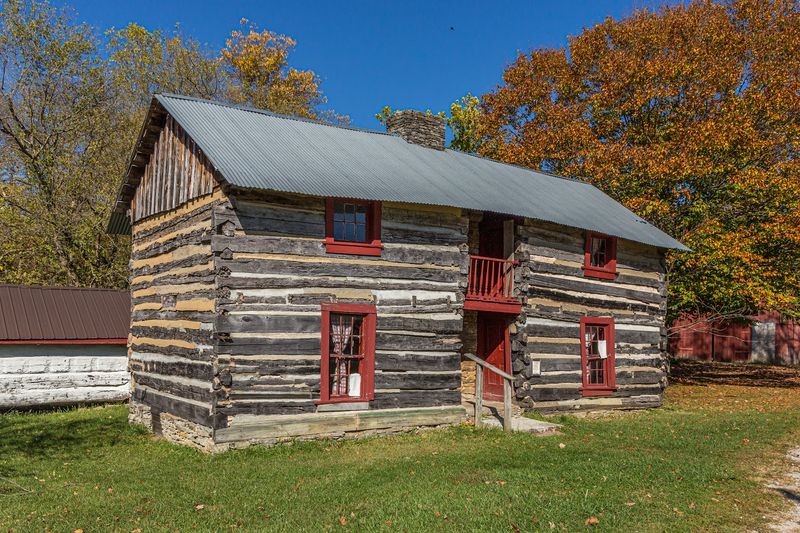
Nestled within the sprawling Caesar Creek State Park near Waynesville, Ohio, this pioneer village feels like a discovery rather than a destination, and that is a big part of its appeal.
Caesar Creek Pioneer Village at 3999 Pioneer Village Road brings together a collection of original and restored log structures that preserve the feel of southwest Ohio during the early 1800s.
The village grew from preservation efforts connected to the creation of Caesar Creek Lake, with buildings moved to the site and maintained as a living history attraction.
Walking through the village in May is a genuinely peaceful experience, with the surrounding woodland freshly leafed out and the open fields around the cabins glowing with spring green.
The village is volunteer-run, and while visitors can walk through the grounds from dawn to dusk, the buildings are open only during scheduled events.
Many of the structures are original log buildings with period character, giving the site an authenticity that more polished attractions sometimes lack.
The adjacent state park offers trails, a lake, and fossil-hunting opportunities in designated areas, though fossil collecting requires following park rules and getting the proper permit first.
That combination of pioneer history and outdoor adventure makes Caesar Creek one of the most satisfying full-day destinations in the region.
Families especially tend to love the mix of hands-on history and outdoor exploration that this unique site delivers.
8. Pioneer Village at Governor Bebb MetroPark, Okeana, Ohio
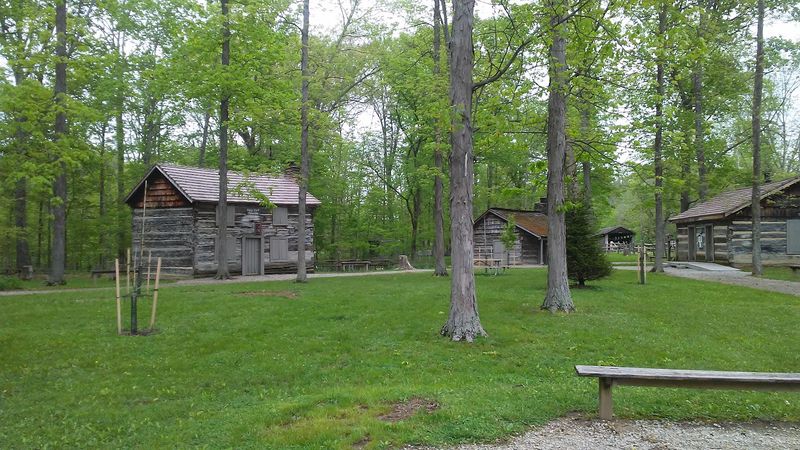
Named after Ohio’s 19th governor, William Bebb, this MetroPark in rural Butler County holds one of the most quietly impressive pioneer village collections in the entire state.
The Pioneer Village at Governor Bebb MetroPark, located at 1979 Bebb Park Lane in Okeana, Ohio, features a cluster of preserved and reconstructed log structures that paint a vivid picture of frontier life in early 19th-century Ohio.
The highlight of the village is the 1799 birthplace cabin and boyhood home of Governor Bebb himself, which adds a specific historical anchor to the broader story of pioneer settlement in the region.
Other authentic log cabins were moved to the park and reconstructed to form a representative early Midwestern settlement, giving the village a compact but meaningful sense of place.
May is an ideal time to visit because the surrounding MetroPark woodland is lush and alive, with wildflowers dotting the forest floor and birdsong filling the air throughout the morning hours.
The park also offers hiking trails that wind through mature forest and open meadows, so you can pair the history visit with a proper nature walk.
The whole property has a relaxed, off-the-beaten-path character that makes it feel like a personal discovery rather than a tourist attraction.
Admission to the MetroPark is free, and access to the cabins is available during educational programs or special events.
It is the kind of place that stays with you long after you have driven back home.
9. German Village, Columbus, Ohio
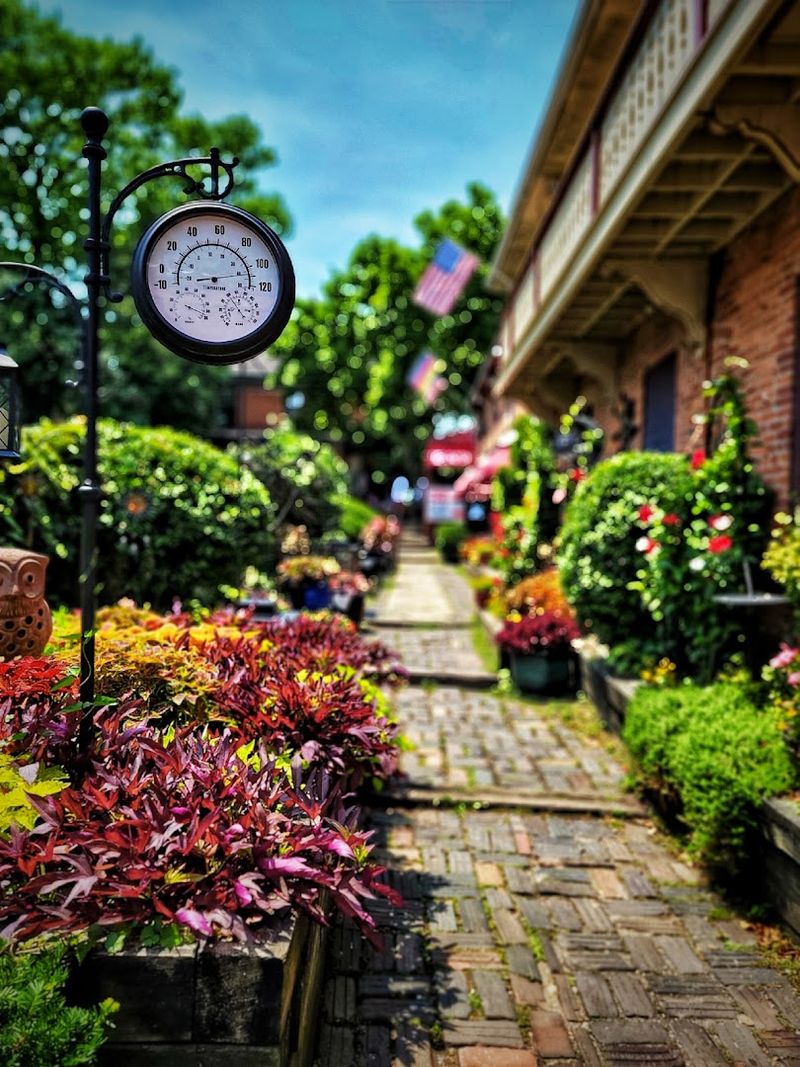
Columbus has a lot going for it, but German Village might be its most visually striking neighborhood, and in May, the whole place looks like it was designed specifically for a long, leisurely afternoon stroll.
Located at the south end of downtown Columbus, with its heart around 588 South Third Street, German Village is a 233-acre historic district that was settled by German immigrants in the mid-1800s and is now one of the largest privately funded historic preservation districts in the United States.
The neighborhood is defined by its gorgeous hand-laid brick streets, meticulously maintained brick rowhouses, and lush private gardens that peek tantalizingly over stone walls and iron fences.
May is arguably the best month to visit because the trees are full, the window boxes are bursting with spring color, and the outdoor seating at local cafes and bakeries is in full operation.
The Book Loft of German Village, a sprawling 32-room independent bookstore housed in a connected series of historic buildings, is a must-visit stop that can easily absorb an hour or two on its own.
Schiller Park, located right in the heart of the neighborhood, is a beautifully landscaped green space with a pond, walking paths, and a performance stage that hosts events throughout the spring season.
German Village rewards slow exploration, so resist the urge to rush and instead let yourself wander the side streets and discover the quieter corners.
It is history you can live in for an afternoon, and that is a rare and special thing.
10. Schoenbrunn Village, New Philadelphia, Ohio
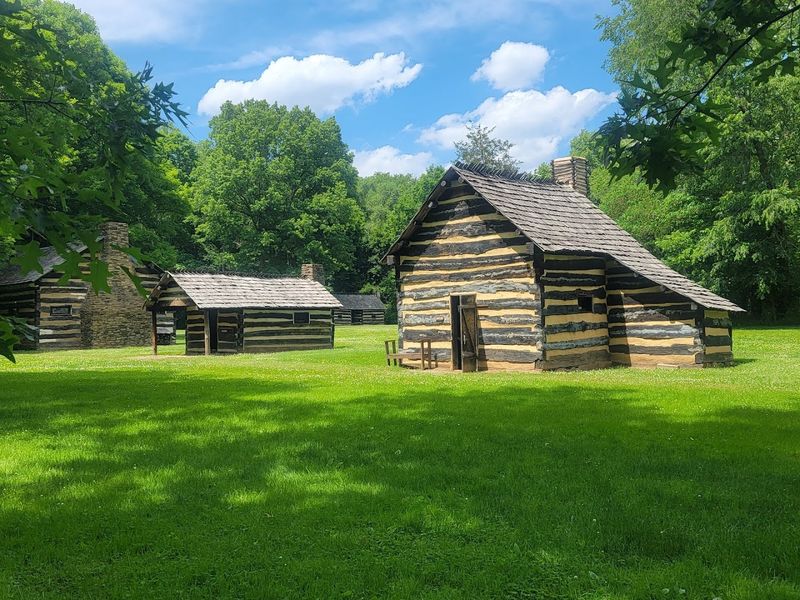
Founded in 1772 by Moravian missionaries among the Delaware Indians, Schoenbrunn Village holds the distinction of being Ohio’s first Christian settlement, and standing inside its reconstructed log buildings makes that history feel genuinely real.
Located at 1984 East High Avenue in New Philadelphia, Ohio, Schoenbrunn Village is managed by the Ohio History Connection and preserves the story of this remarkable early community.
The name Schoenbrunn means beautiful spring in German, and true to that name, the village setting in late May can be quietly breathtaking, with mature trees, open meadows, and the soft sounds of the surrounding countryside providing a deeply peaceful backdrop.
The restored village includes the original cemetery, 16 reconstructed log structures, a church, and gardens, all arranged to help visitors picture daily life in the 1770s.
The site also features a visitor center with exhibits and an introductory video that explain the complex relationships between the Moravian missionaries, the Delaware nation, and the broader colonial world of that era.
General visitation begins Memorial Day and continues through Labor Day, with additional weekend hours in September and October, so this is best planned as a late-May day trip rather than an early-May stop.
Schoenbrunn is located in Tuscarawas County, a region of Ohio that rewards exploration with rolling hills, quiet back roads, and a strong sense of historical depth at every turn.
Ending a spring road trip here feels like a fitting and memorable way to close out a day well spent in Ohio.