
This Ohio Fossil Park Lets You Hunt For 375-Million-Year-Old Treasures
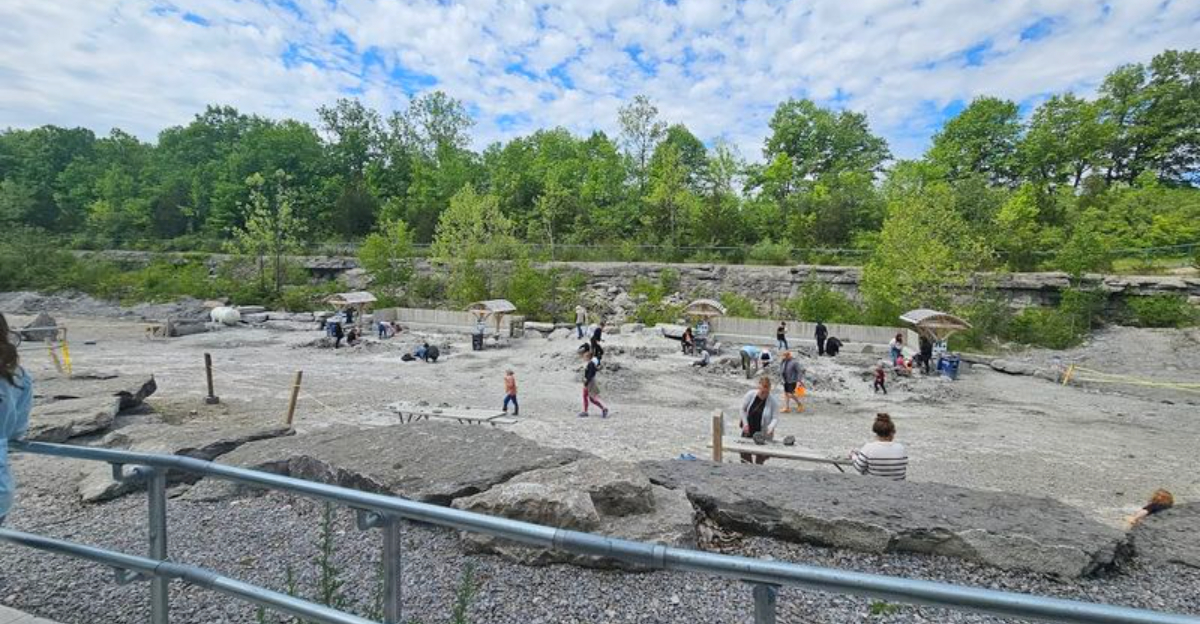
Finding a fossil in Ohio feels a little like shaking hands with deep time, only muddier and much more fun.
At this northwest Ohio spot, visitors can dig through real clay and limestone for marine fossils that are about 375 million years old, which is not exactly your average weekend souvenir. This is treasure hunting with prehistoric bragging rights.
The best part is how hands-on the whole experience feels. Kids can hunt, adults can get just as competitive, and everyone has a fair chance of leaving with something ancient enough to make a regular rock look wildly underqualified.
No museum glass, no complicated setup, no pricey ticket standing between you and the fun. Just bring curiosity, clothes that can handle clay, and enough patience to let the park reveal a few tiny pieces of Ohio’s ancient ocean story.
What Fossil Park Actually Is and Where to Find It
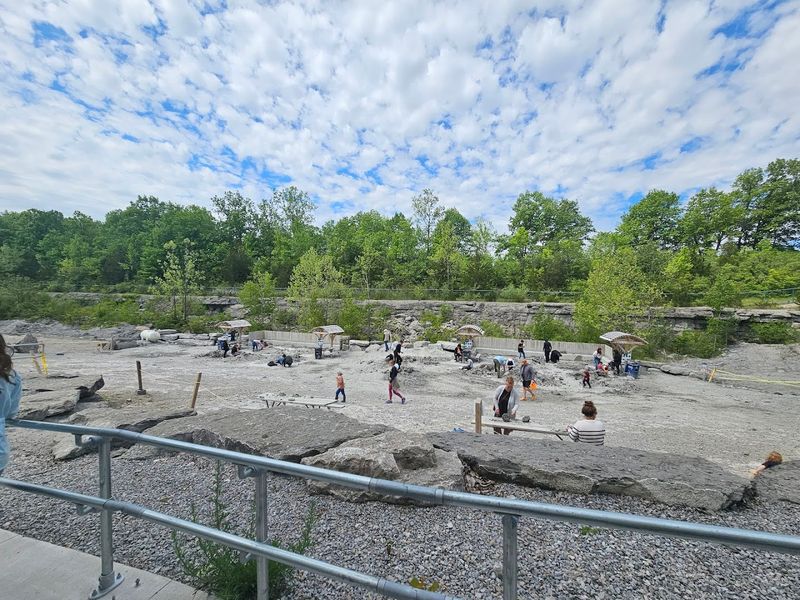
Most fossil stops ask you to look through glass and behave like a polite museum visitor. Fossil Park takes a much better approach: it lets you get your hands dirty, search through real Devonian-era shale, and take home the ancient treasures you find.
The park is free, public, and surprisingly easy to enjoy, even if your fossil-hunting résumé is mostly just picking up interesting rocks and pretending you know things. It sits in Lucas County in northwest Ohio, not far from Toledo, and is operated by Outdoor Sylvania Community Parks.
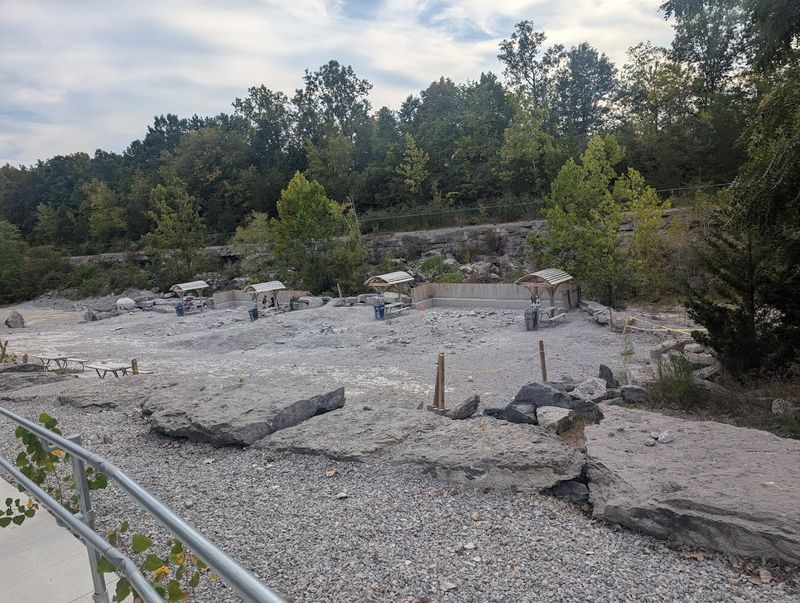
The setup is wonderfully simple. Fossil-bearing shale is brought in from Hanson Aggregate Midwest’s working quarries about a mile south of the park, then placed in a safe, controlled digging area where visitors can search at their own pace.
There is no admission fee, no complicated equipment requirement, and no pressure to be an expert. The parking lot makes arrival easy, and restrooms are available, which is always a small but mighty victory on a family outing.
The parking lot and restrooms are open year-round from 8:00 AM to 90 minutes before sunset, while the fossil digging quarry opens seasonally from mid-April through October. You can start your prehistoric treasure hunt at Fossil Park, 5705 Centennial Rd, Sylvania, OH 43560.
The Devonian Period and Why These Fossils Are So Old
Around 375 million years ago, the land that is now Ohio sat beneath a warm, shallow sea teeming with marine life. Coral reefs stretched across the region, and creatures like brachiopods, crinoids, bryozoans, and trilobites lived and multiplied in those ancient waters.
Over millions of years, those organisms were buried under sediment, compressed, and slowly replaced by minerals until they became the fossils we can find today. The Devonian Period, which lasted from roughly 419 to 359 million years ago, was a time of enormous biological diversity in the oceans, long before the first dinosaurs appeared on land.
What makes Fossil Park so remarkable is that the rock material excavated from this region is genuinely packed with remnants from that era. You are not sifting through replicas or planted specimens.
Every piece of shell, coral, or crinoid stem you pull from the clay is a real artifact from an ocean that vanished hundreds of millions of years ago. Holding one of those fossils for the first time genuinely stops you in your tracks.
The Dig Pit Experience Up Close
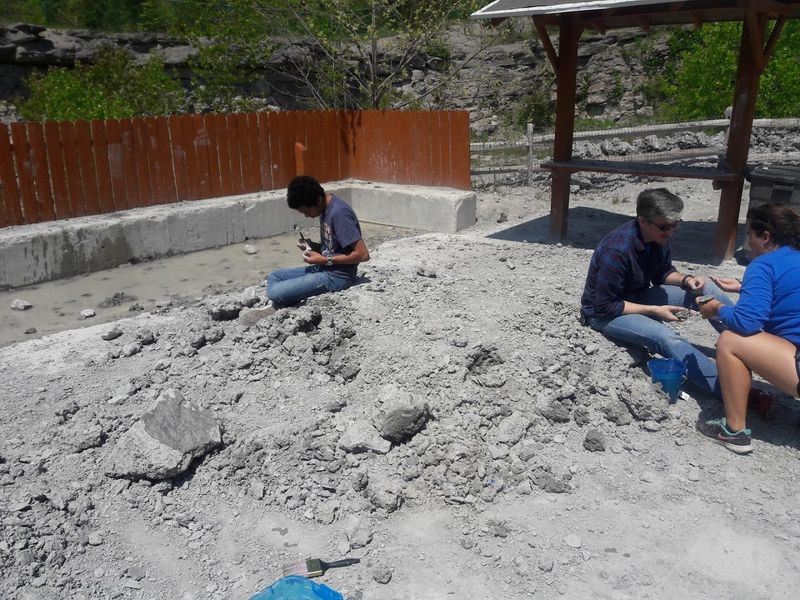
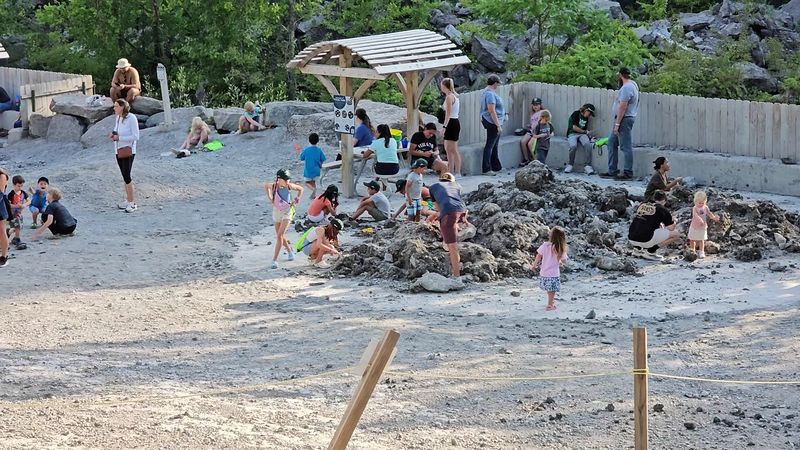
The main attraction at this park is the quarry dig area, a designated zone filled with mounds of fossil-bearing shale material that visitors sort through by hand. The first time I crouched down and picked up a random chunk of rock, I turned it over and found a small shell fossil pressed right into the surface.
That moment alone made the whole trip worthwhile.
The material is soft enough to break apart with your bare hands, which is part of what makes the experience so approachable for families and first-time visitors.
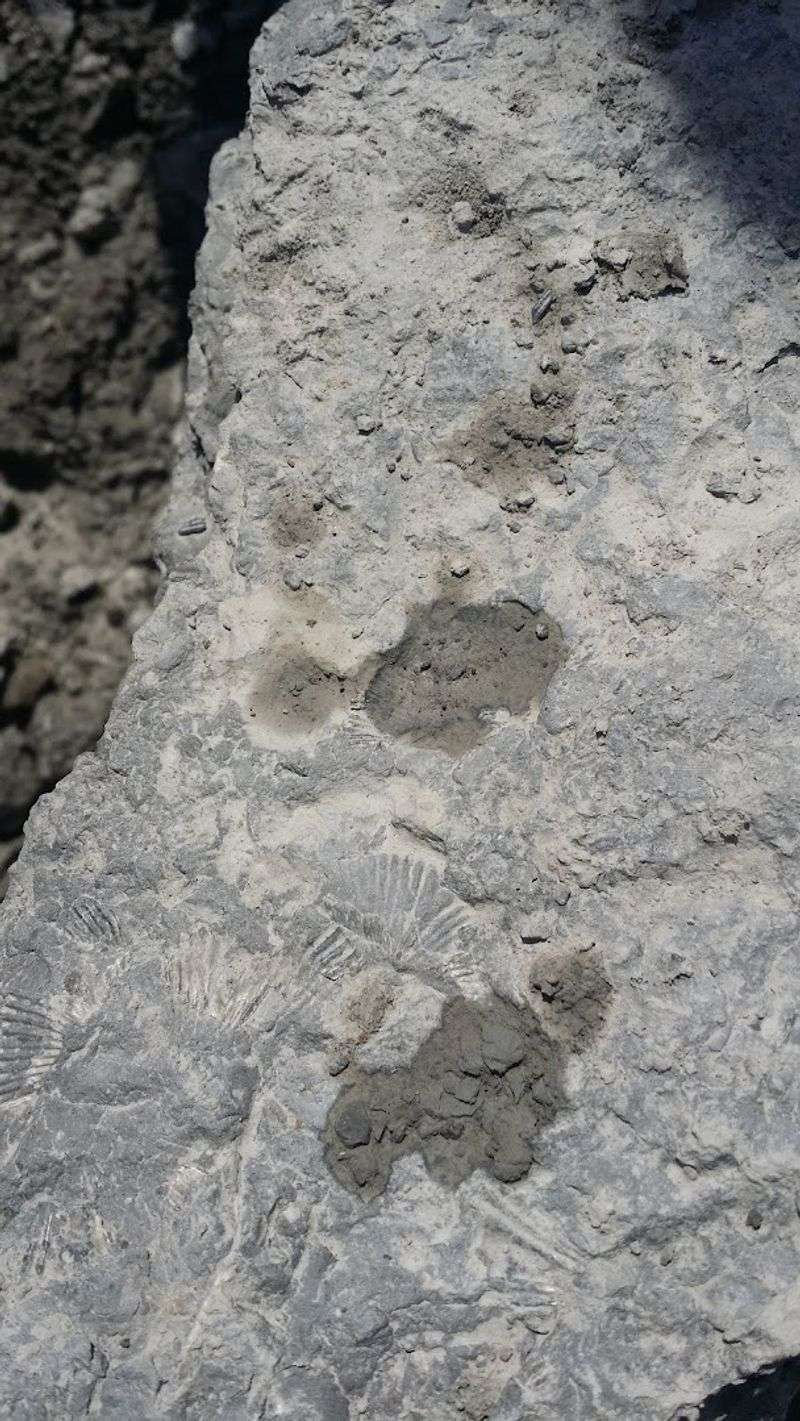
Brachiopod shells are among the most common finds, but crinoid stems, bryozoan colonies, coral fragments, and other marine fossils can also show up with some patience.
Conditions matter more than you might expect. Visitors who go after a rain or during cooler, damper weather tend to find the shale and clay easier to work through, while dry summer days can make the material harder and more compacted.
Either way, most people come away with at least a few small fossils after spending an hour or two at the dig site. It is genuinely addictive once you start.
Types of Fossils You Can Actually Find Here
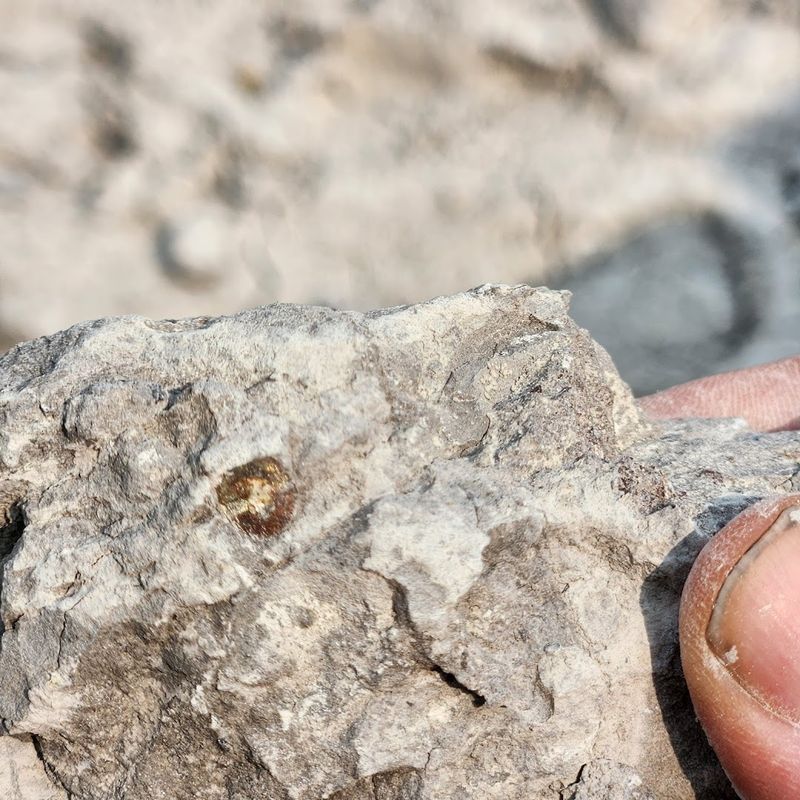
Brachiopods are the star of the show at Fossil Park, and once you learn to recognize their ribbed, clamshell-like shape, you start spotting them everywhere in the rock piles.
They range from tiny thumbnail-sized impressions to larger, more defined specimens that you can hold up and clearly identify without any magnification.
Crinoid stems are another satisfying find, appearing as small round or star-shaped discs that look almost like tiny beads or buttons. These came from ancient sea creatures related to modern starfish and sea urchins, and finding a long chain of connected stem segments feels like a small personal victory.
Bryozoans show up as lacy, branching structures embedded in chunks of limestone, and coral fragments occasionally appear as well. Iron pyrite, sometimes called fool’s gold, also turns up in the clay now and then, adding a glittery surprise to the mix.
The educational posters placed around the park help visitors identify exactly what they have found, which is especially useful for kids who want to name every piece in their collection before heading home.
Completely Free and Family-Friendly From Start to Finish
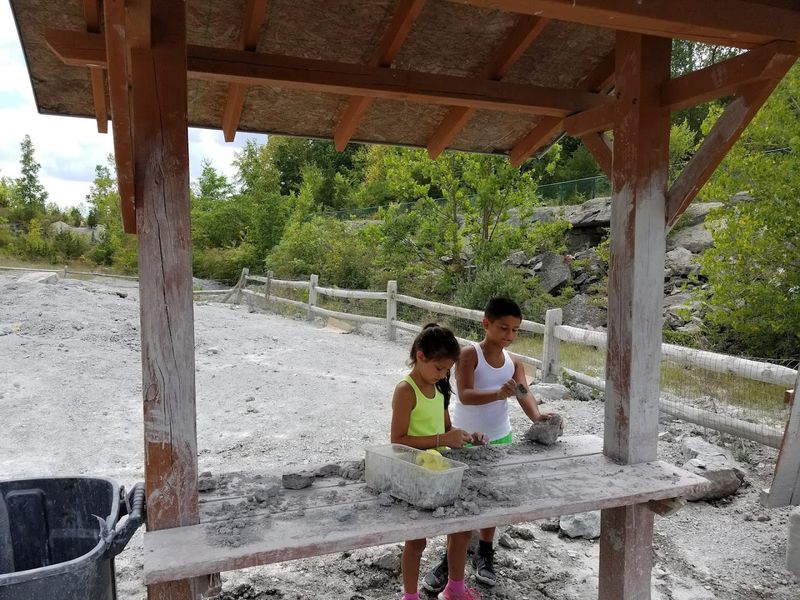
Free admission is one of those things you read about and then quietly wait for a catch that never comes. At Fossil Park, there genuinely is no entry fee, no parking charge, and no cost to take home the fossils you find.
The park operates as a public resource, and that generosity makes it one of the most accessible science experiences in the entire state.
Families with young children are clearly a major audience here, and the setup reflects that thoughtfully. Restroom facilities are available year-round, and the Quarry Ridge Bike Trail, parking lot, and bathrooms remain open even outside the digging season, except for listed closure dates.
There is no food service inside the park, but Mayberry Square is directly across the street and offers nearby restaurant options when everyone needs a break.
The path and quarry area are designed to make fossil hunting approachable, though the dig area itself still involves uneven shale, clay, and gravel terrain that requires a bit of careful footing.
What to Bring for the Best Experience
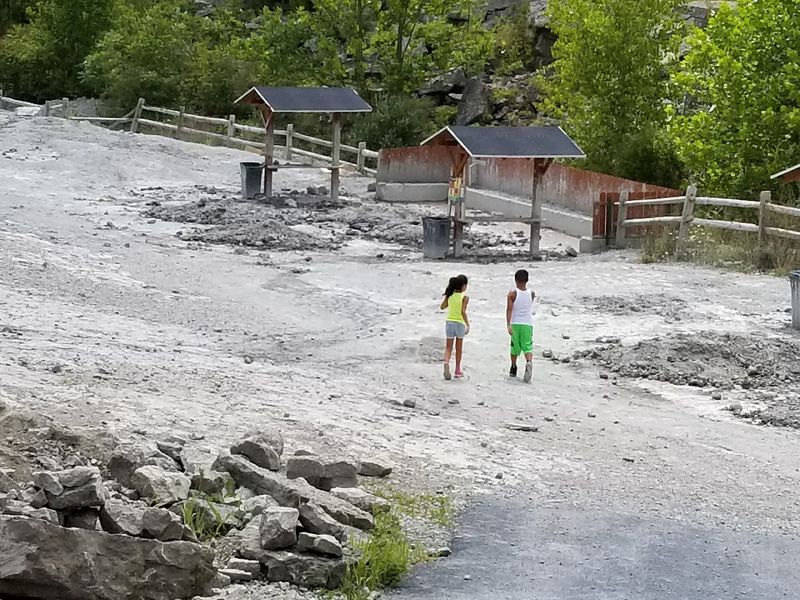
Going in without a few key supplies is the most common mistake first-time visitors make, and it can turn what should be a great afternoon into a sweaty, uncomfortable one. The dig area has very little shade, so sunscreen and a hat are genuinely essential on warm days, not just nice-to-haves.
Bring at least one water bottle per person, and consider bringing extra for kids who will be running around and working harder than they realize. A small container makes it much easier to carry your finds without dropping them on the walk back to the car.
Gloves are helpful for digging through coarser material and keeping hands from getting too scraped up.
The official rules prohibit tools, including hammers, picks, shovels, and similar items, because the shale is soft enough to break with your hands. A brush is allowed and useful for cleaning fossils, and the park recommends bringing a container such as an egg carton or a cut milk jug for carrying smaller finds.
Most importantly, dress everyone in clothes you do not mind getting completely caked in clay, because leaving clean is simply not the brand here.
The Educational Side of the Park
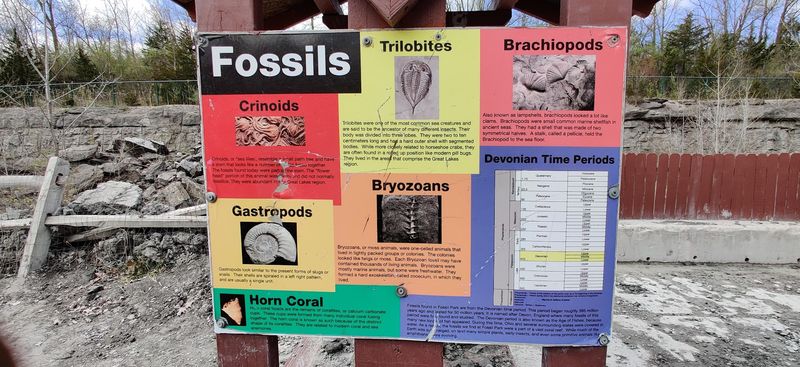
The park does not just hand you a pile of rocks and walk away. Educational materials and resources help visitors understand the Devonian Period, fossil formation, and the kinds of prehistoric marine life found in the region.
For kids who are curious about the science behind what they are touching, those resources make the experience feel more like a hands-on lesson than a regular afternoon outside.
Outdoor Sylvania also welcomes school, scout, camp, and other groups for field trips, with programs that typically include a short instructional portion followed by fossil hunting.
Volunteers may also help with education, fossil searching, and identification through Outdoor Sylvania’s volunteer program, which adds another layer of learning when programs are taking place.
The park attracts school groups for good reason. The hands-on nature of fossil hunting keeps even easily distracted students focused and curious for longer than most classroom activities manage.
There is something about the act of physically discovering something ancient that makes the science click in a way that textbooks rarely achieve. The learning here happens almost without you noticing it.
The Trails and Scenery Beyond the Dig Pit
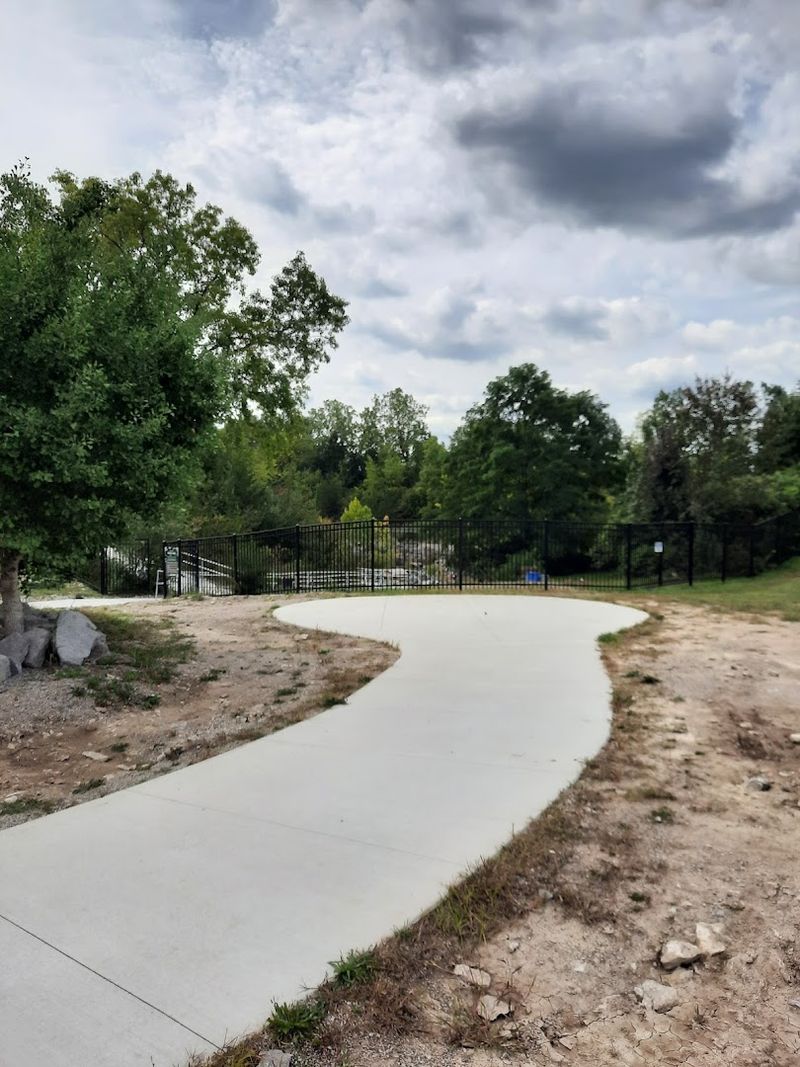
The fossil dig pit gets most of the attention, but the park has more to offer once you have filled your bucket and washed your hands. A walking path winds through the surrounding green space, giving visitors a chance to stretch their legs and take in some quieter scenery after the intensity of crouching over clay piles.
The park is adjacent to areas with bike trails as well, and some visitors mention the cycling paths as a highlight on their own. For families who want to make a longer outing of the trip, combining the fossil dig with a walk or a bike ride turns a two-hour visit into a genuinely full afternoon.
The overall setting is pleasant and well-maintained, with a mix of open space and wooded edges that gives the park a natural, unhurried feel. It sits near the Mayberry area of Sylvania, a quiet part of northwest Ohio that does not feel crowded or rushed.
The combination of fossils, trails, climbing rocks, and picnic space means you rarely run out of things to do before the kids run out of energy, which is saying something.
Honest Tips on Managing Expectations Before You Go
Not every visit to Fossil Park ends with a bucket overflowing with perfect specimens, and it is worth being honest about that before you make a long drive.
The availability of fossils in the dig piles can vary depending on how recently new material has been brought in, and late in the season the pickings can be noticeably thinner.
Visitors who come specifically hoping for a dramatic, museum-quality haul may feel underwhelmed, especially if the ground is dry and hard or if the piles have already been picked over by earlier crowds. Managing that expectation going in makes a real difference in how you experience the place.
That said, most people who come with an open mind and reasonable expectations leave happy. The joy here is in the process as much as the result.
Watching a five-year-old lose their mind over a tiny brachiopod they found themselves is a memory worth more than any polished fossil in a gift shop.
The park is best approached as an adventure rather than a guaranteed treasure hunt, and that mindset makes all the difference in how the day feels when you drive away.
Why This Spot Deserves a Place on Your Ohio Bucket List
There are not many places in the country where you can show up for free, spend a couple of hours getting your hands dirty, and leave with something that is genuinely 375 million years old. That combination is rare, and Fossil Park in Sylvania pulls it off without charging a single dollar for the privilege.
The experience sits in a sweet spot between casual family outing and genuine scientific encounter. You do not need any background in geology or paleontology to enjoy it, but you will probably leave knowing more about both than when you arrived.
That kind of effortless learning is hard to manufacture and even harder to find.
Ohio has plenty of parks and natural attractions worth visiting, but this one offers something genuinely different from a hiking trail or a scenic overlook. It connects you physically to deep time in a way that is hard to describe until you feel it for yourself.
Whether you come with kids, grandkids, or just your own curiosity, Fossil Park has a way of reminding you that the ground beneath your feet has been telling stories for a very, very long time.