
Meet Rescued Wolves At This Peaceful Washington Sanctuary
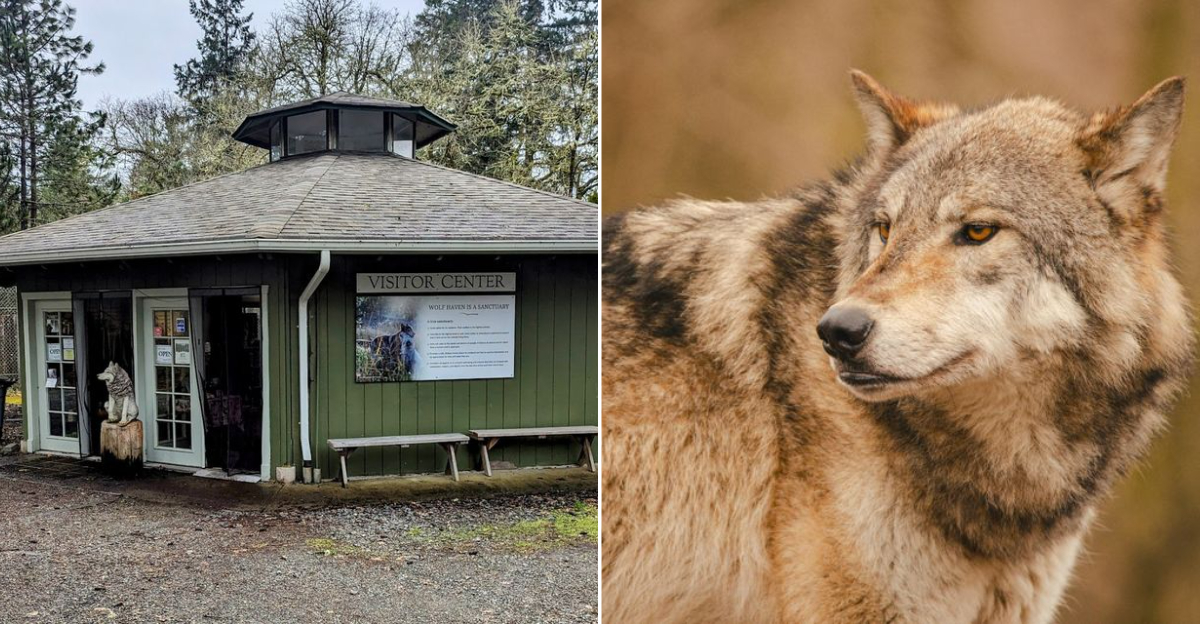
This is not the kind of Washington stop you rush through with a snack in one hand and your camera already out. The sanctuary asks for something softer from visitors. A little quiet.
A little patience. A little respect for the rescued wolves and wolfdogs who now have room to breathe. Many arrived with complicated pasts, but here they are given safety, care, and a more peaceful life.
That makes the whole place feel less like an attraction and more like a reminder. These animals are beautiful, intelligent, and wild at heart, and seeing them in a protected setting is one of Washington’s most memorable experiences.
I visited on a crisp Pacific Northwest morning, and I can honestly say it reshaped how I think about wolves entirely. Read on for everything you need to know before planning your own visit to this remarkable place.
The Story Behind Wolf Haven International
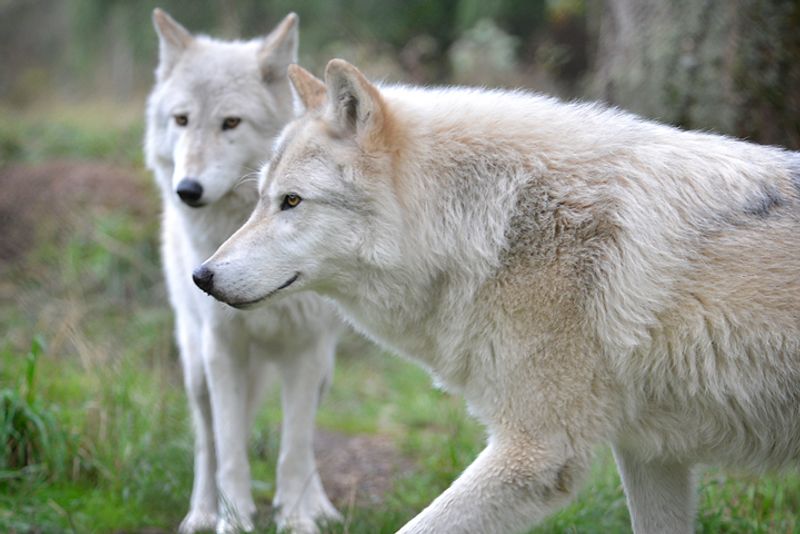
Back in 1982, a couple named Steve and Linda Kuntz started something that most people would have called an impossible dream.
They founded Wolf Haven International in Tenino, Washington, with a straightforward but powerful mission: to conserve and protect wolves and their habitat through sanctuary, education, and active conservation work.
What began as a small rescue operation has grown into a globally recognized facility that now cares for nearly 100 animals across two properties. The main sanctuary in Tenino spans 82 acres, while a second location called McCleery Ranch operates in Bridger, Montana, though that site remains closed to the public.
Many of the animals at Wolf Haven arrived from private ownership, roadside attractions, and zoos where they could no longer be properly cared for. The sanctuary offers every resident a permanent, lifelong home.
Wolf Haven has earned accreditation from both the American Sanctuary Association and the Global Federation of Animal Sanctuaries, and in 2024 it received the Outstanding Wildlife Sanctuary Award.
What A Guided Tour Actually Feels Like
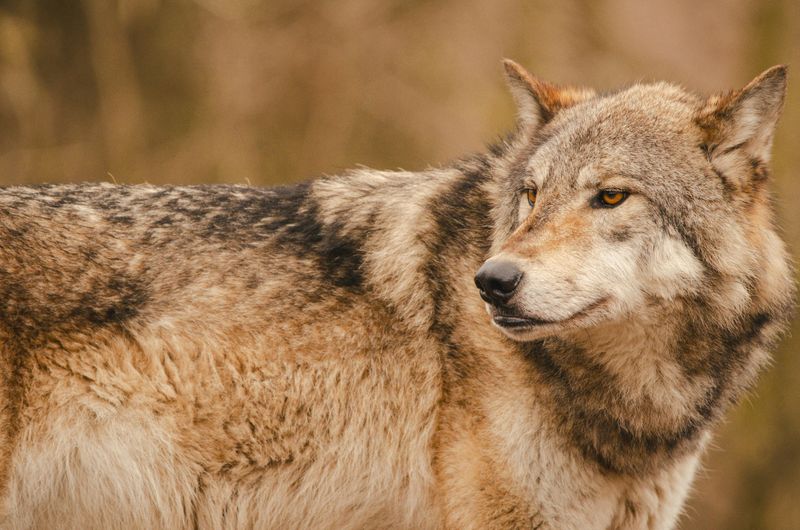
Booking a guided walking tour at Wolf Haven is not something you can do on a whim, and honestly, that structure makes the whole experience better. Visits are by advanced reservation only, and the groups are intentionally kept small so that every guest gets a genuine, unhurried encounter with the animals.
I joined a tour on a quiet weekday morning, and our guide moved us slowly along the paths, pausing at each enclosure to share the resident’s story, personality quirks, and background. The pace felt respectful rather than rushed, which I deeply appreciated.
Wolf Haven operates as a hands-off sanctuary, meaning staff do not socialize with the wolves, and visitors have zero physical contact with any animal. This policy exists to protect the wolves’ wellbeing and preserve their natural behaviors.
Children under six are not recommended for the experience, which makes sense given the need for quiet, focused attention during the walk. Every step of the tour feels thoughtful and purposeful.
The Wolves Living At The Sanctuary
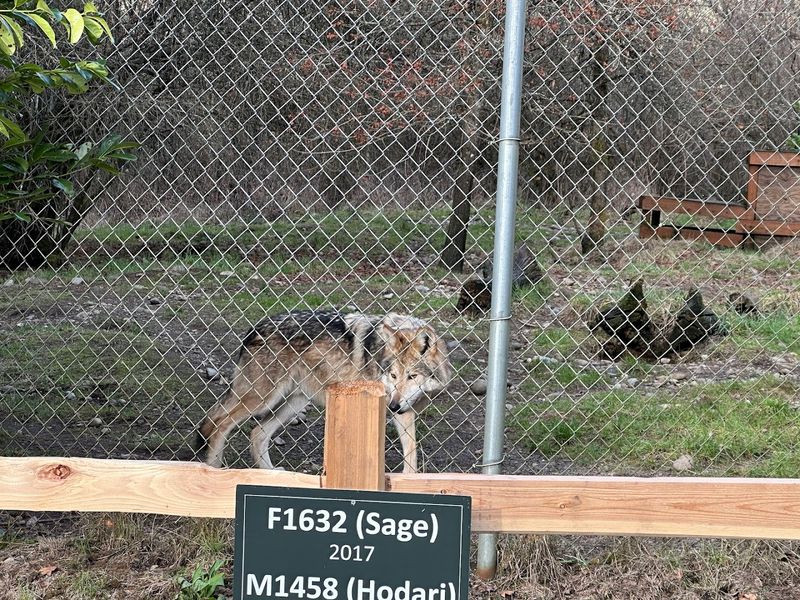
Over 55 animals call the Tenino property home, and each one carries its own story of rescue and resilience. The sanctuary houses wolves, wolfdogs, coyotes, and foxes, and the diversity of residents means no two enclosures feel the same during a tour.
One of the most striking facts I learned on my visit is how long these animals live compared to their wild counterparts.
Wolves in the wild typically survive four to nine years, but those living at Wolf Haven have reached ages of 15 to 19 years. That kind of longevity speaks volumes about the quality of care the staff provides every single day.
Each animal has a named profile, and the guides bring those personalities to life during the tour. Some wolves pace curiously near the fence line while others hang back in the shade, watching visitors with calm, steady eyes.
Watching a wolf simply exist in a safe environment, unhurried and unbothered, is quietly one of the most moving things I have experienced at any wildlife destination.
Conservation Work For Endangered Species
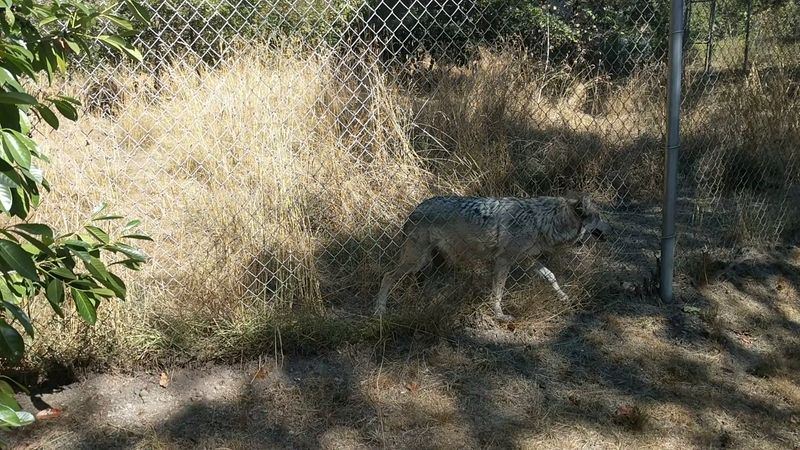
Wolf Haven International is not just a refuge, it is an active participant in saving species that are genuinely running out of time. The sanctuary takes part in federally managed Saving Animals From Extinction programs, specifically for the critically endangered American Red Wolf and the Mexican wolf.
Those two species represent some of the most urgent wildlife recovery efforts in North America, and Wolf Haven holds a rare distinction in that work. It is one of only three pre-release facilities in the entire United States for the Mexican wolf, meaning animals bred here are prepared for eventual release back into the wild.
The numbers behind this work are remarkable. To date, ten litters of Mexican wolf pups and five litters of American Red Wolf pups have been born at Wolf Haven, with several individuals successfully released into wild habitats.
Standing near those enclosures knowing that some of these animals may one day roam free gave me a sense of quiet awe that I was not fully expecting when I arrived.
The Setting And Atmosphere In Tenino
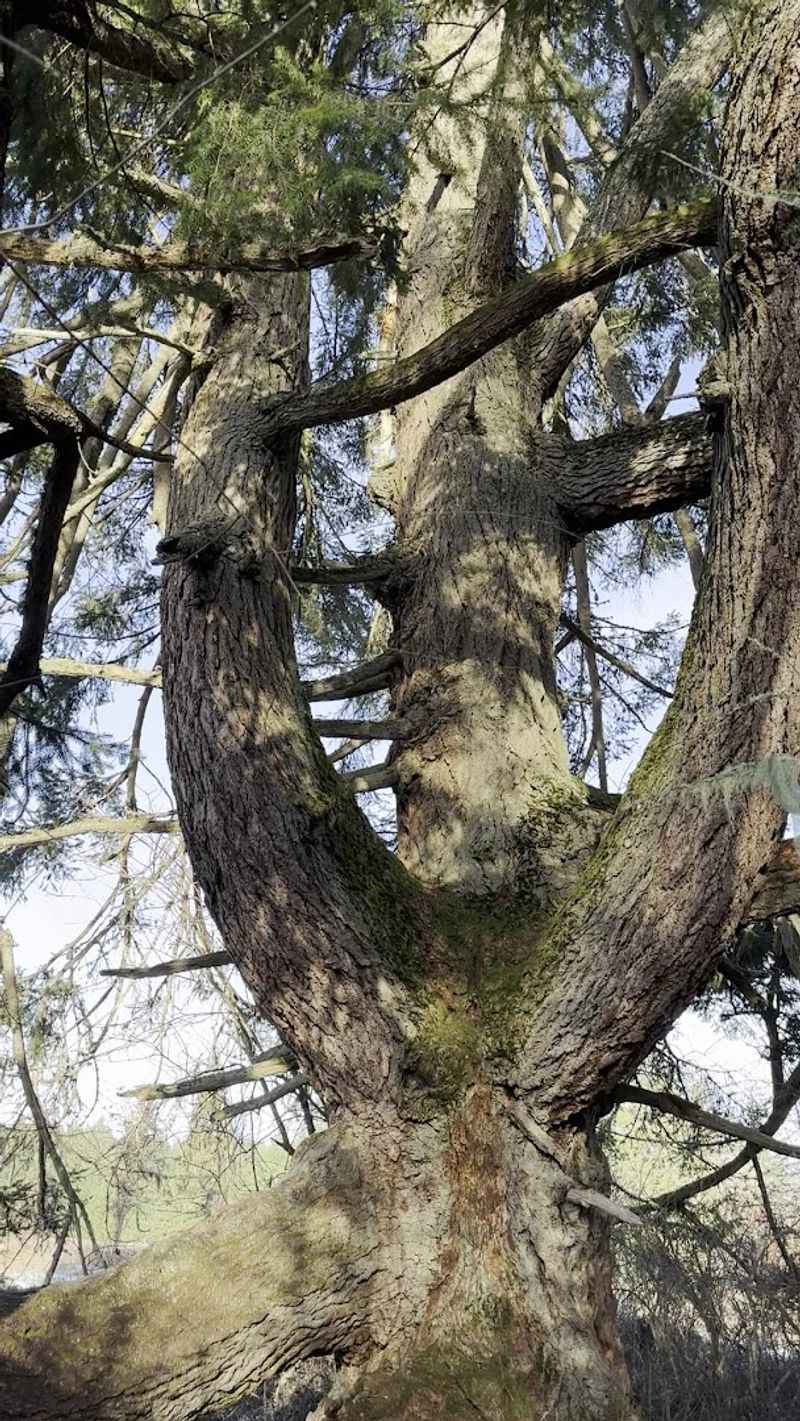
Tenino sits in Thurston County in western Washington, about 20 miles south of Olympia, and the landscape around Wolf Haven feels naturally suited to the animals living there. The 82-acre property is densely wooded, and the enclosures are woven into the forest rather than sitting in open, exposed fields.
Walking through the sanctuary feels more like a quiet nature trail than a conventional zoo visit. The trees filter the light beautifully in the morning, and the air carries that particular Pacific Northwest freshness that makes every breath feel like a small reward.
The overall atmosphere is calm and deliberate. There are no loud carnival sounds, no crowds pressing in from every direction, and no urgency to move faster than the moment deserves.
Wolf Haven has clearly designed the visitor experience around the animals first and the humans second, and that priority shows in every detail of the property. For anyone who finds peace in natural settings, the grounds alone are worth the drive to Tenino.
Planning Your Visit And What To Know First
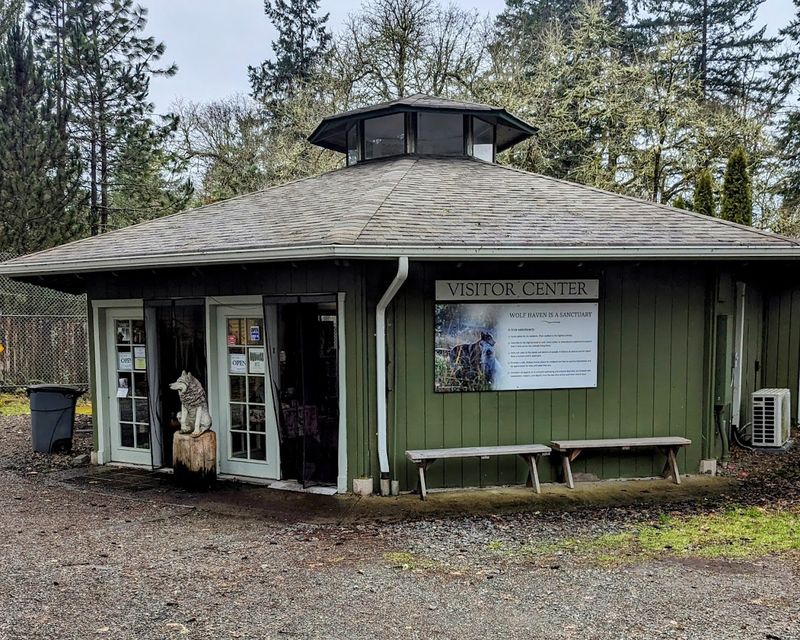
Getting the logistics right before you show up makes a meaningful difference at Wolf Haven, because this is not a drop-in destination. All visits require advance reservations, and spots fill up faster than you might expect, especially during spring and summer weekends.
One important scheduling note: Wolf Haven will be fully closed to the public during April and May 2026 for whelping season. That closure exists to give the wolves privacy and calm during a hormonally active period, which shows exactly the kind of animal-first thinking that defines this organization.
The sanctuary is located at 3111 Offut Lake Road, Tenino, WA 98589. Comfortable walking shoes are a smart choice since the tour covers natural terrain, and layers are helpful given how quickly Washington weather can shift.
The experience is not recommended for children under six, so plan accordingly if you are visiting as a family. Arriving a few minutes early, staying quiet on the path, and following the guide closely will make your visit smooth and genuinely memorable.
Education And Community Outreach
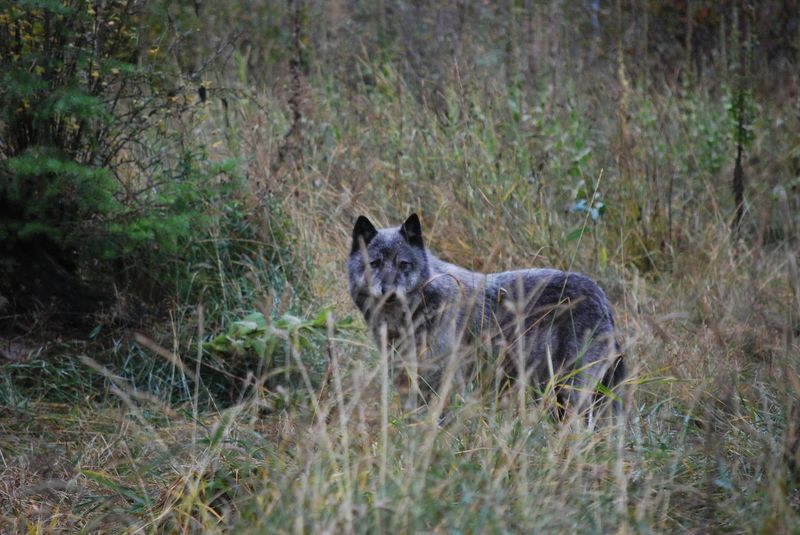
Education sits at the center of everything Wolf Haven International does, and you feel that commitment from the first moment your guide starts speaking. Every tour doubles as a learning experience, blending the personal stories of individual animals with broader context about wolf behavior, ecology, and conservation challenges.
The organization reaches far beyond its own fences through outreach programs designed to shift public perception of wolves, a species that has historically faced enormous misunderstanding and fear.
By connecting people directly with rescued animals in a respectful, science-based setting, Wolf Haven turns visitors into informed advocates.
Staff and educators bring genuine enthusiasm to every interaction, and it is clear these are people who have chosen this work because they care deeply rather than casually. I left my tour with a stack of mental notes I was already planning to share with friends back home.
Wolf Haven seems to understand that lasting conservation depends on building a community of people who truly grasp why wolves matter to healthy ecosystems.
Why Wolf Haven Stands Apart From Other Sanctuaries
Plenty of places claim the title of sanctuary, but Wolf Haven International earns it in ways that go well beyond marketing language.
The dual accreditation from the American Sanctuary Association and the Global Federation of Animal Sanctuaries places it among a small group of facilities held to genuinely rigorous standards of animal care, ethics, and transparency.
The hands-off policy is one of the clearest expressions of that philosophy. By refusing to socialize wolves with humans or allow physical contact during visits, Wolf Haven prioritizes the animals’ psychological health over the crowd-pleasing moments that lesser facilities might trade on.
The longevity of the animals here tells the rest of the story. Wolves reaching 15 to 19 years of age in captivity, compared to four to nine years in the wild, reflects consistent, expert, and compassionate care delivered every single day. Wolf Haven is not a spectacle.
It is a sanctuary in the truest sense, and visiting it feels less like a tourist stop and more like a privilege that deserves to be treated as such.