
This 300-Year-Old New York Fort Still Stands Guard Over One Of America’s Most Dramatic Waterways
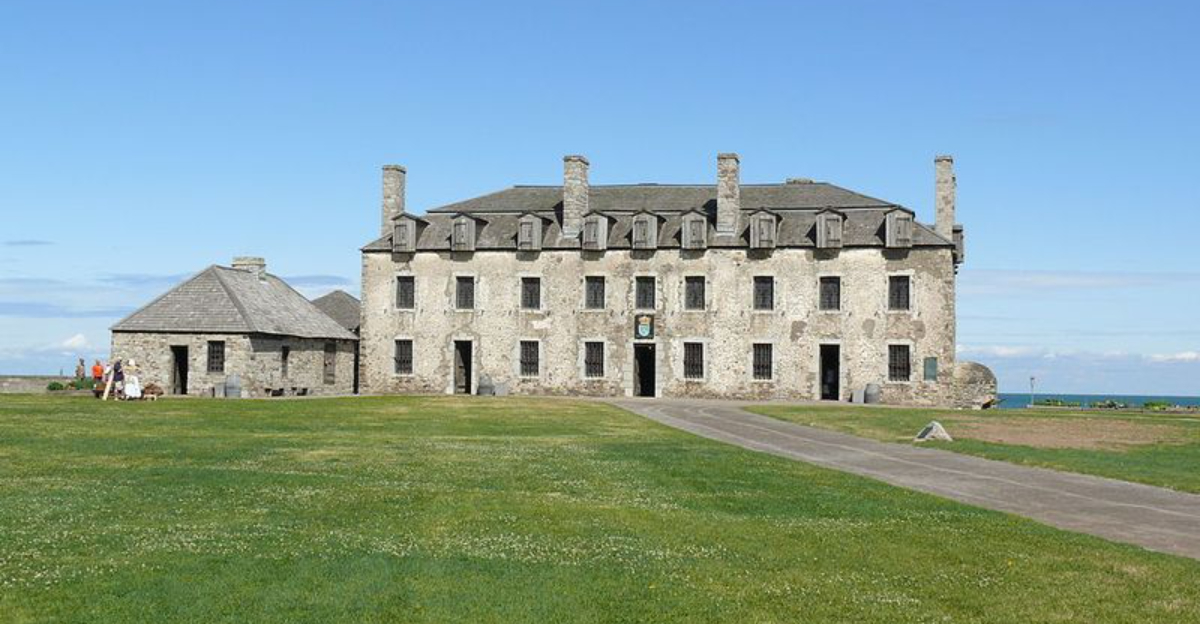
Imagine Game of Thrones, minus the dragons, add real history, and drop it on the edge of a wild, windswept waterway. That’s Old Fort Niagara.
Sitting where the Niagara River meets Lake Ontario, this fort has watched over three centuries of shifting power, French, British, American, all leaving their mark. The highlight?
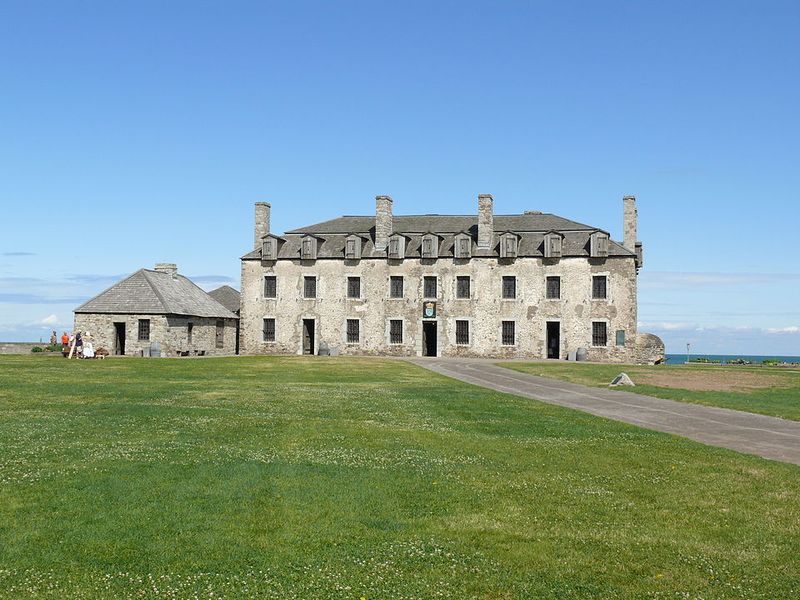
The French Castle, built in 1726. Real stone.
Real history. No replicas, no shortcuts.
And it doesn’t feel frozen in time. Muskets fire. Soldiers march. The whole place moves.
Come for the views. Stay for the feeling that history isn’t behind glass.
It’s happening right in front of you.
The Oldest Building You Can Actually Walk Into
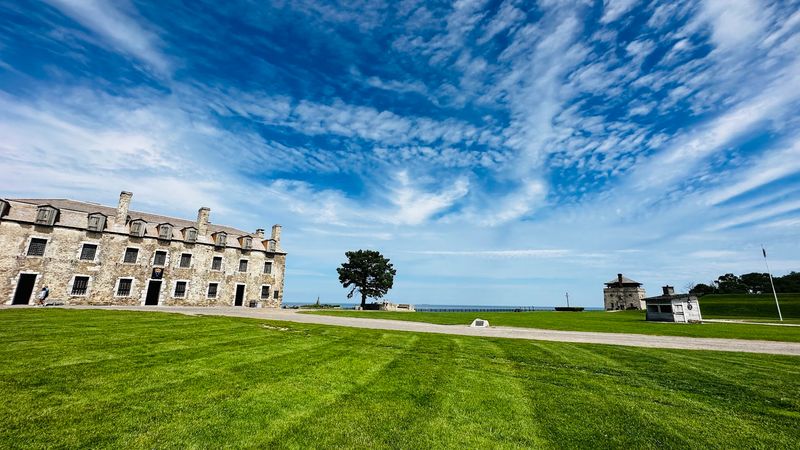
Some buildings make you stop and stare. The French Castle at Old Fort Niagara does exactly that, and then some.
Built in 1726 by French colonists, this structure is considered one of the oldest buildings in the entire Great Lakes Basin.
That is not a small claim. That is nearly 300 years of history packed into thick stone walls that have somehow survived wars, weather, and centuries of change.
The building originally served as a trading house and could shelter around 40 soldiers at a time. It was clever design disguised as diplomacy.
The French built it under the pretense of a “house of peace” to avoid alarming the Haudenosaunee nations nearby. Turns out, history loves a plot twist.
Walking through the interior today, you get a real sense of what life looked like inside those walls. The rooms are preserved with period-accurate details that pull you back in time without needing a time machine.
Stone floors, low ceilings, and the kind of quiet that makes you listen harder.
Historians and casual visitors alike consistently describe the feeling of stepping inside as genuinely transportive. It is one thing to read about the 18th century.
It is another thing entirely to stand inside a building that actually lived through it.
The French Castle is not just the oldest structure at the fort. It is the soul of the entire site.
The Location That Changed North American History
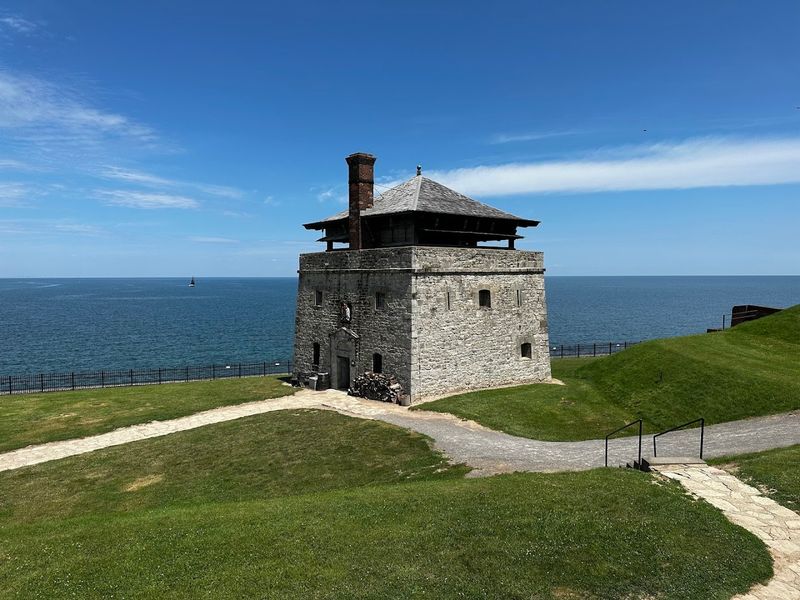
Geography is destiny, and Old Fort Niagara proves that better than almost anywhere else on the map. Positioned right at 102 Morrow Plaza, Youngstown, NY 14174, the fort sits at the exact point where the Niagara River flows into Lake Ontario.
That location was not chosen by accident. Whoever controlled this spot controlled access to the entire Great Lakes system and the routes heading deep into the North American interior.
Think about that for a second. Every major power that wanted a piece of this continent needed this fort.
The French understood it first. Then the British took notice during the French and Indian War.
Then the Americans fought for it during the War of 1812.
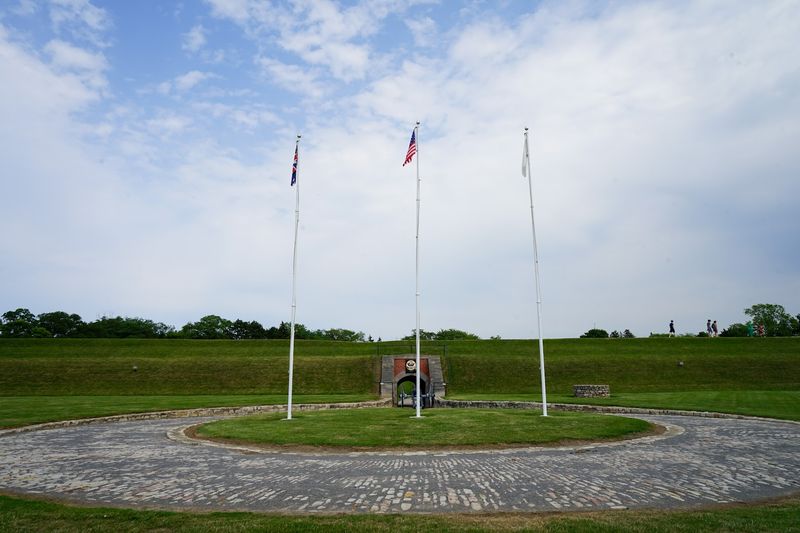
Three flags fly over the fort today, each one representing a chapter in a story that shaped an entire continent.
Standing at the edge of the grounds today, looking out at the water, it becomes immediately clear why this place mattered so much. The Niagara River moves fast and wide.
Lake Ontario stretches out beyond it like a gray-blue infinity.
The strategic importance is not something you just read about here. You feel it standing there, wind in your face, water rushing below.
Old Fort Niagara is considered the oldest continuously occupied military site in North America. The U.S.
Coast Guard still maintains a presence in the area called The Bottoms. History here is not past tense.
Three Flags, Three Empires, One Incredible Story
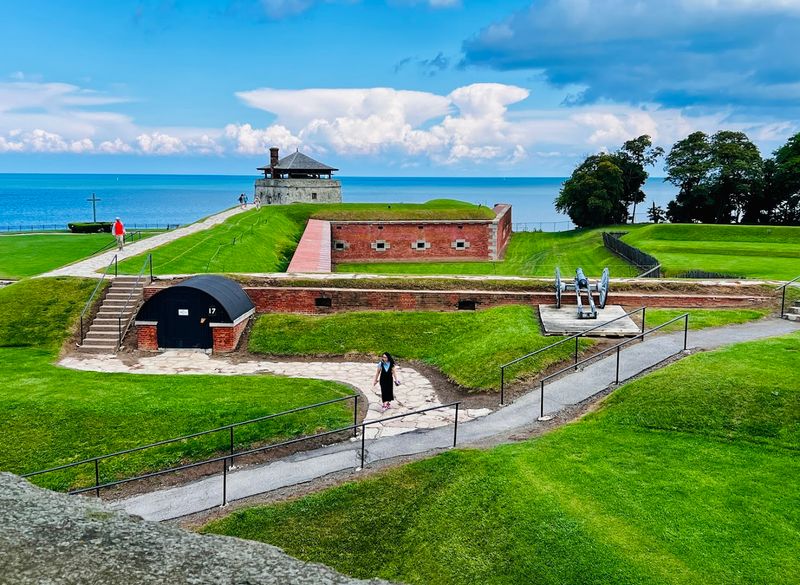
Most forts get one flag. Old Fort Niagara gets three, and every single one of them earned its place.
The French planted the first flag here in the early 1700s, building the permanent stone structure that still stands today.
They held the fort until 1759, when British forces took control during the French and Indian War. Then, after the American Revolution, the Americans finally claimed it in 1796.
Each transfer of power came with its own dramatic backstory. The French and Indian War reshaped the colonial map of North America.
The American Revolution rewrote the rules entirely.
The War of 1812 brought the fighting right back to these walls, with British forces briefly recapturing the fort before the dust finally settled. Three empires.
One strategic chokepoint. Countless stories.
What makes this layered history so compelling is that it is all visible at once when you visit. The three flags flying together over the fort are not just decorative.
They are a visual timeline of competing ambitions and shifting power. Seeing them snap in the Lake Ontario wind is a surprisingly emotional moment.
Visitors who come expecting a quiet historical site often leave talking about this specific detail. The flags make the history feel immediate and real in a way that exhibit panels alone cannot achieve.
Old Fort Niagara holds multiple identities at once, and somehow that makes it feel more honest than most historical sites ever dare to be.
Musket Demonstrations That Actually Make History Feel Loud
There is a moment at Old Fort Niagara where everything gets very real very fast. A reenactor in full period costume raises a musket, the crowd gets quiet, and then the crack of the shot echoes off the stone walls and out over the water.
It is loud. It is thrilling.
And it makes 18th-century warfare suddenly feel far less like a textbook chapter.
Musket demonstrations happen every hour at the fort, which means you do not have to time your visit perfectly to catch one.
Whether you watch up close or from a distance across the grounds, the impact is the same. The sound carries.
The smoke lingers. And the experience of watching someone perform the complex loading and firing sequence of an 18th-century weapon is genuinely fascinating.
Beyond the muskets, the fort also features cannon and drum demonstrations during certain visits. Each one adds another layer to the living history experience that Old Fort Niagara does so well.
These are not just performances.
They are educational moments wrapped in spectacle.
Visitors consistently highlight the demonstrations as one of the most memorable parts of any trip to the fort. Reviews mention watching the musket firing and feeling genuinely transported back in time.
That kind of reaction is hard to manufacture. Old Fort Niagara earns it through authenticity, preparation, and a real commitment to bringing history off the page and into the open air.
The Views From The Fort That No Postcard Can Fully Capture
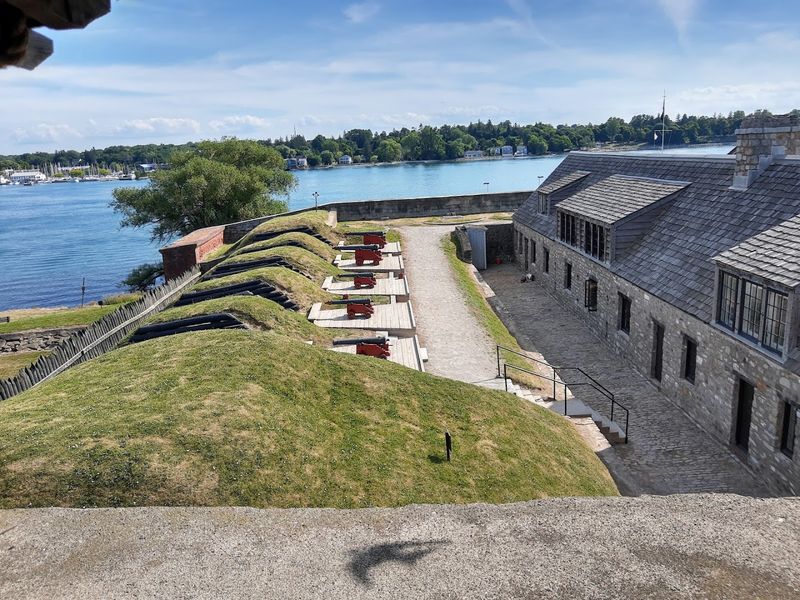
Forget everything you think you know about what a historic fort looks like from the outside. Standing on the grounds of Old Fort Niagara and looking out over the water is a completely different experience from anything a photo can prepare you for.
The Niagara River rushes past on one side. Lake Ontario opens up wide and endless on the other.
On a clear day, you can actually see the Toronto skyline shimmering across the water.
That view has not changed much in 300 years, and that is part of what makes it so striking. The same water that French explorers paddled past in the 1600s is right there in front of you.
The same horizon that British soldiers scanned for approaching ships is the same one you are staring at now. It connects you to something much larger than the moment you are standing in.
There is even a coin-operated viewing finder on the grounds for getting a closer look at the Toronto skyline across Lake Ontario.
It is a small detail, but it perfectly captures the fort’s unique position. You are standing in New York, looking at Canada, on land that three nations once fought over.
Bring a camera, but also just bring yourself. Some views deserve to be experienced without a screen in front of them.
The landscape around Old Fort Niagara is the kind that stays with you long after you have driven home from Youngstown.
The War Of 1812 Flag That Has Survived Against All Odds
Walking through the museum section of Old Fort Niagara, there is one exhibit that tends to stop people in their tracks. It is a flag dated to the War of 1812, and it is considered one of the oldest American flags still in existence.
The fabric is aged, the colors have softened over two centuries, but the flag is unmistakably there. Still intact.
Still meaningful.
The War of 1812 was a defining moment for Old Fort Niagara. British forces captured the fort in a surprise attack in December 1813, holding it until the war ended.
The peace agreement of 1815 returned the fort to American hands, and the site has remained under American control ever since. That flag represents the full arc of that chapter, from conflict to resolution.
Seeing a flag that old in person is a genuinely humbling experience. Most historical artifacts exist behind thick glass in climate-controlled rooms that feel more like vaults than exhibits.
Old Fort Niagara presents its history in a way that feels accessible and human, not locked away or over-curated.
Visitors who take the time to read the exhibit details around the flag often come away with a much deeper appreciation for what the War of 1812 actually meant for this region. It was not just a war.
It was a defining moment for a young nation still figuring out its own borders. That flag quietly holds all of that weight.
Planning Your Visit To One Of New York’s Most Underrated Historic Sites
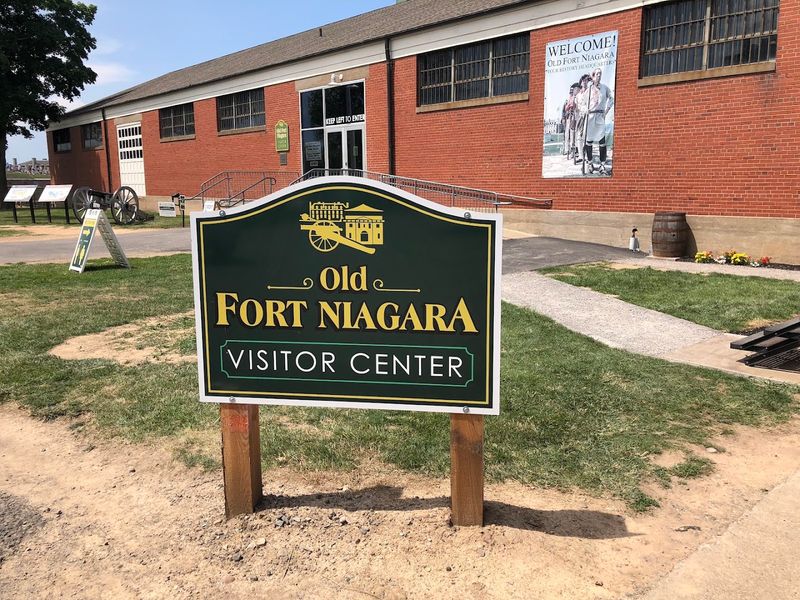
Old Fort Niagara is open Wednesday through Sunday from 10 AM to 4 PM, making it a perfect addition to a Niagara Falls weekend trip.
The fort is located at 102 Morrow Plaza in Youngstown, NY 14174, and sits inside a state park with separate parking and entry fees. A handy tip: keep your parking receipt, because the parking fee gets deducted from your fort admission price.
Most visitors recommend budgeting at least two hours to see everything comfortably. That gives you time for the orientation video, a guided tour, the musket demonstration, and a self-guided wander through the various buildings and grounds.
If you want to also explore the nearby lighthouse, add extra time to your plan. The site has food and water available on-site, so you do not need to overpack for the visit.
Visitors consistently describe feeling genuinely transported by the experience. That reaction does not happen by accident.
It happens because Old Fort Niagara takes its history seriously and presents it in a way that connects with real people.
Whether you visit on a bright summer afternoon or a crisp November day, the fort rewards curiosity. History this layered, this well-preserved, and this dramatically located does not come around often.
Have you been putting off this visit long enough?