
This Ghostly Journey On St. Helena Island In South Carolina Feels Like Stepping Into Another World
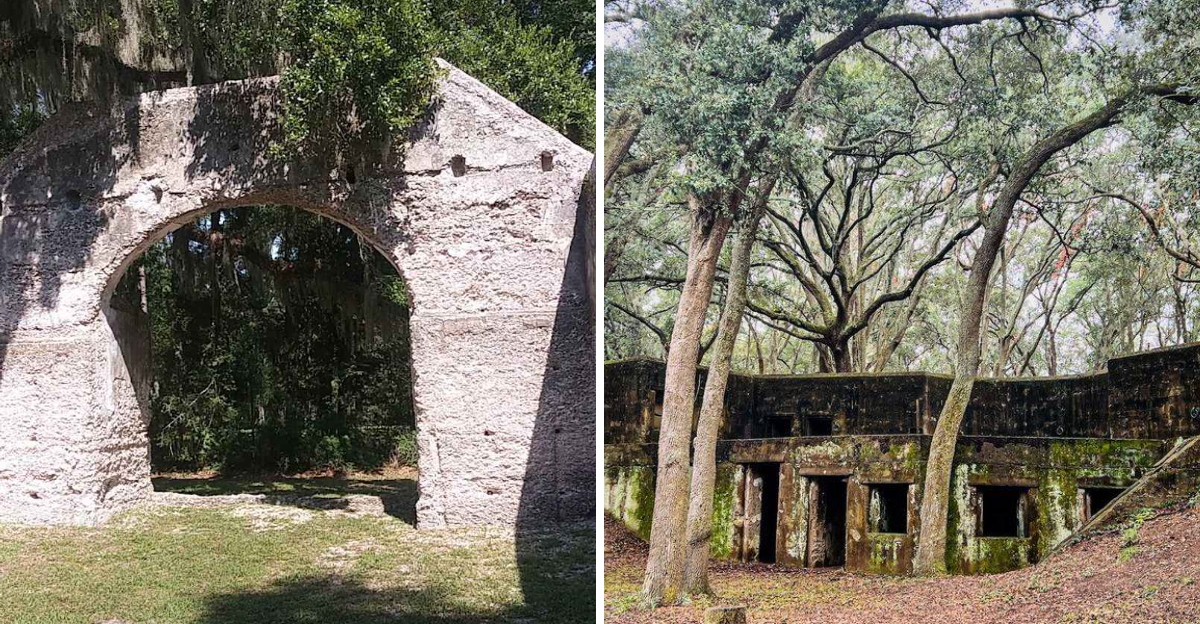
The road gets quieter the farther you go, and by the time you reach this corner of South Carolina, it barely feels connected to the rest of the world anymore.
Everything slows down here. The marsh stretches endlessly, Spanish moss hangs low from the trees, and the air feels heavy with stories you can’t quite place.
Places like this along the South Carolina coast don’t just look different, they feel different the moment you arrive.
Nothing competes for your attention. No crowds, no noise, just landscape and history layered together in a way that feels almost unreal.
You start noticing small things. The stillness of the water.
The way the light changes over the marsh. The sense that this place has been quietly holding onto its past for a very long time.
It’s not polished or overly curated.
That’s exactly why it stays with people.
The farther you explore, the more it feels like you stepped into a version of South Carolina most travelers never get to see.
The Ghostly Atmosphere That Greets You At Lands End Road
Driving down Lands End Road on St. Helena Island feels less like a scenic route and more like a slow drift into a dream you are not quite sure you want to wake up from.
The road winds through a thick canopy of live oak trees so loaded with Spanish moss that sunlight barely filters through, casting everything below in a soft, greenish twilight even on a bright afternoon.
Locals will tell you that this stretch of road has a personality of its own, and honestly, after one drive, you will believe every word they say.
The isolation here is real, and it settles over you gradually, replacing city noise with the sounds of wind, birds, and the occasional distant splash from the marshes.
First-time visitors often slow their cars without realizing it, as if the road itself is asking them to pay closer attention to where they have arrived.
A Civil War History That Still Echoes Across The Land
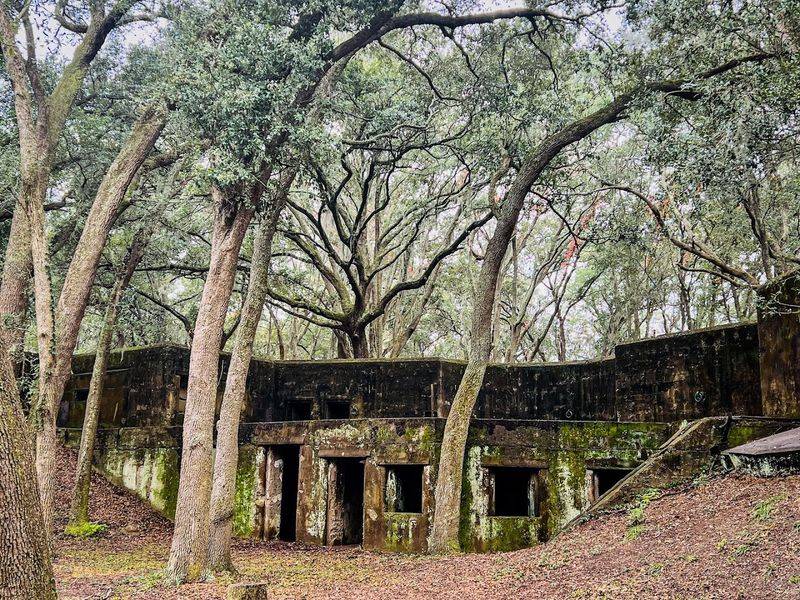
St. Helena Island played a significant role during the Civil War, and Lands End sits at the heart of that story in a way that still feels surprisingly vivid today.
Union forces captured the Sea Islands, including St. Helena, in November 1861, and the area quickly became one of the first places in the South where formerly enslaved people were educated and given land to farm under the Port Royal Experiment.
Standing at Lands End, you are essentially standing on ground where some of the most important social changes in American history were quietly taking root while battles raged elsewhere.
Historical markers along the road point to sites where camps, schools, and communities were established, giving visitors a genuine sense of what this landscape witnessed.
History lovers will find that Lands End rewards slow, thoughtful exploration far more than a quick drive-through ever could.
The Gullah Geechee Culture That Shapes Every Corner Of St. Helena

No visit to Lands End makes complete sense without understanding the Gullah Geechee culture that has shaped St. Helena Island for centuries.
The Gullah Geechee people are descendants of enslaved Africans who developed a distinct language, cuisine, art, and spiritual tradition that survives powerfully on St. Helena to this day, making it one of the most culturally rich destinations in the entire American Southeast.
Sweetgrass baskets woven with extraordinary skill, traditional praise houses still standing along back roads, and a spoken Creole language with roots in West African dialects are just a few of the living traditions you will encounter here.
Penn Center, located nearby on St. Helena Island at 16 Penn Center Circle West, Beaufort, SC 29920, served as one of the first schools for freed Black Americans and remains a cornerstone of Gullah Geechee heritage.
Spending time here means connecting with a culture that refused to disappear, and that kind of resilience is genuinely moving to witness up close.
The Untouched Tidal Marshes That Surround Lands End
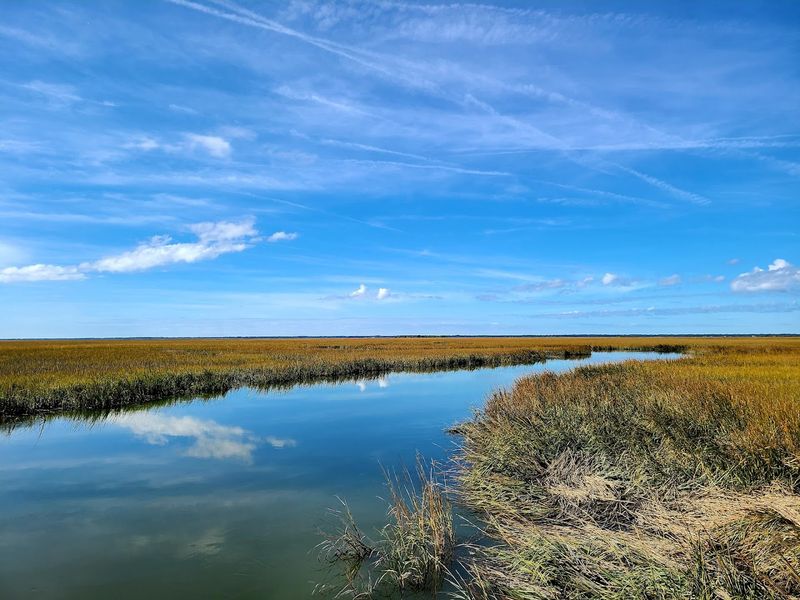
Few natural landscapes in the American South match the sheer, unfiltered beauty of the tidal marshes that wrap around Lands End on St. Helena Island.
At low tide, the marsh grass glows a deep amber-gold, and the exposed mudflats become feeding grounds for herons, egrets, and dozens of shorebird species that wade through the shallows with elegant patience.
The smell of pluff mud, that distinctive earthy, briny scent unique to Lowcountry marshes, hits you the moment you step out of your car, and for anyone who grew up near the South Carolina coast, it is instantly and powerfully familiar.
Kayakers and canoeists love launching into these waterways because the marsh channels offer a completely different perspective on the island, revealing hidden inlets and wildlife that road travelers simply never see.
Nature photographers have been known to spend entire days here without running out of compelling subjects to capture through their lenses.
Wildlife Encounters That Will Catch You Completely Off Guard
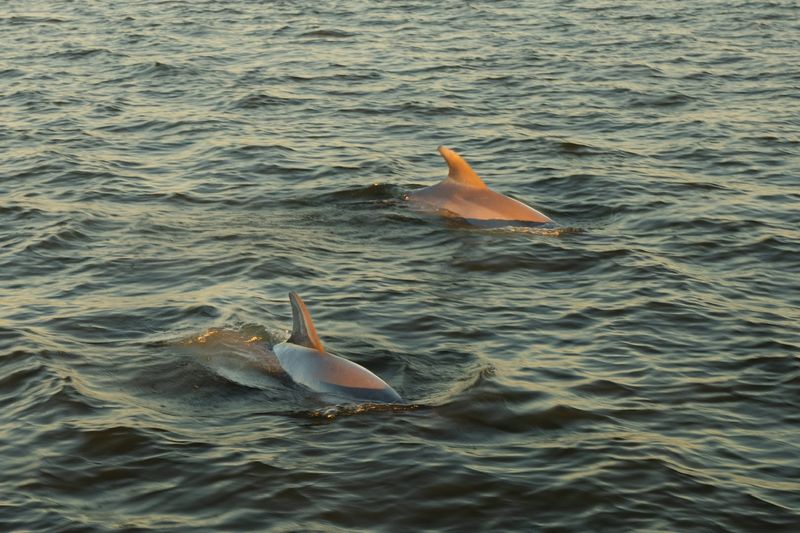
Wildlife at Lands End does not wait politely for you to notice it; it simply appears, sometimes startlingly close, and reminds you that humans are the guests here.
Bottlenose dolphins are regularly spotted in the tidal creeks and nearshore waters surrounding the island, often rolling through the surface in small groups that seem completely unbothered by boats or onlookers nearby.
White-tailed deer, river otters, loggerhead sea turtles, and even the occasional alligator add to a wildlife roster that makes every walk or paddle feel like an unpredictable adventure.
Birders in particular find St. Helena Island and Lands End irresistible, with painted buntings, red-tailed hawks, osprey, and wood storks all making appearances depending on the season you choose to visit.
Bringing a good pair of binoculars and a camera with a zoom lens is one of the smartest packing decisions you will make before heading to this part of South Carolina.
The Eerie Beauty Of The Old Lands End Plantation Site
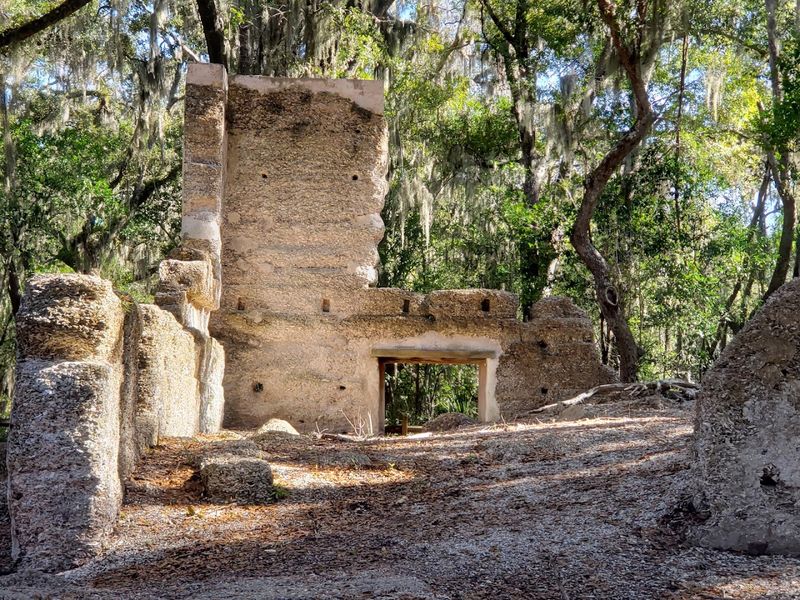
Scattered remnants of plantation-era structures near Lands End carry a quiet, unsettling presence that is hard to describe but impossible to ignore once you are standing among them.
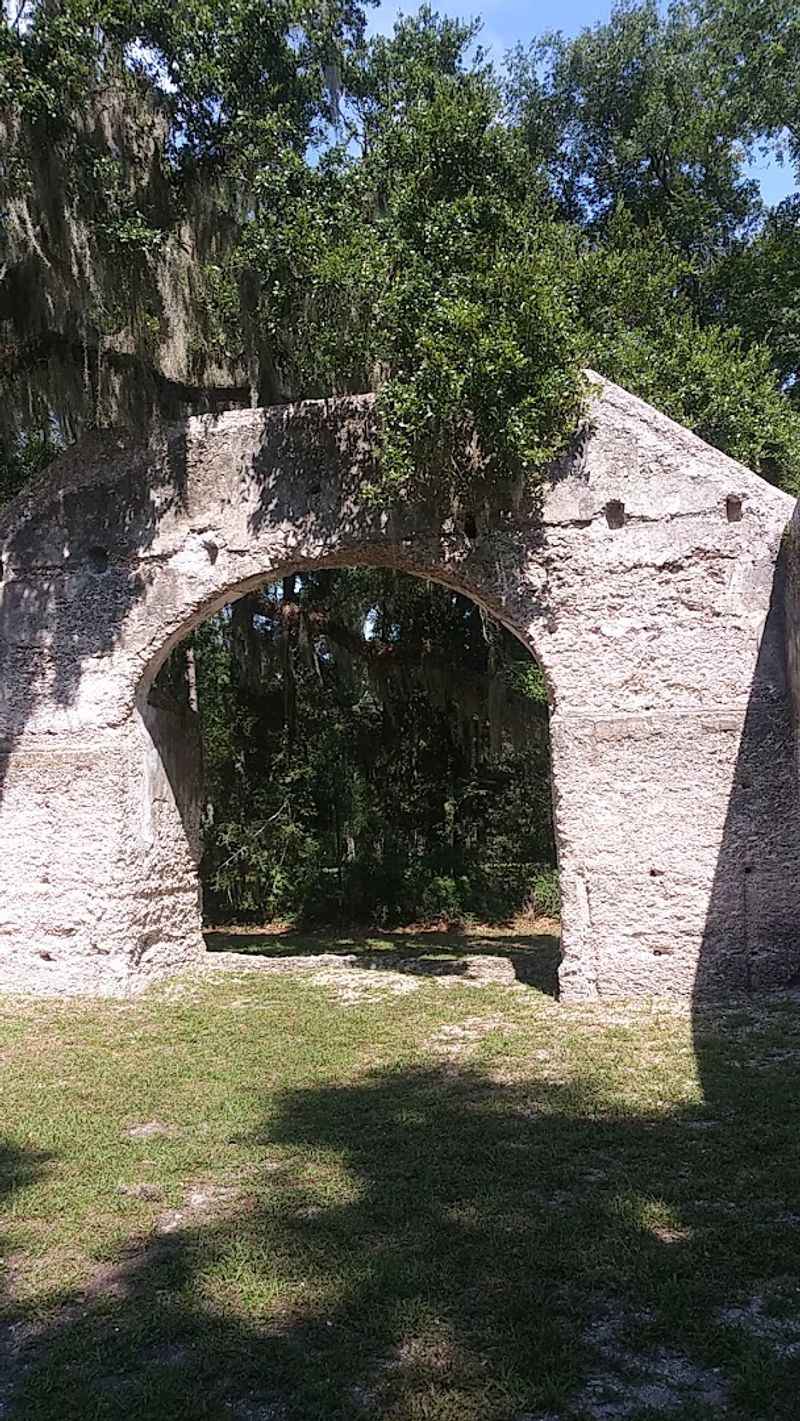
St. Helena Island was home to numerous Sea Island cotton plantations before the Civil War, and the land around Lands End still holds traces of that era in crumbling tabby walls, overgrown foundations, and ancient trees that have silently outlasted every human drama played out beneath them.
Tabby, a construction material made from oyster shells, lime, sand, and water, was the building choice of the Lowcountry planter class, and its ruins appear throughout the island like strange, time-worn sculptures reclaimed by the forest.
Walking through these areas invites a kind of reflective quiet that feels appropriate, given the complex and painful history embedded in this soil.
History here is not displayed behind museum glass; it is right under your feet and all around you, asking to be acknowledged.
Stargazing At Lands End Where Dark Skies Are The Norm
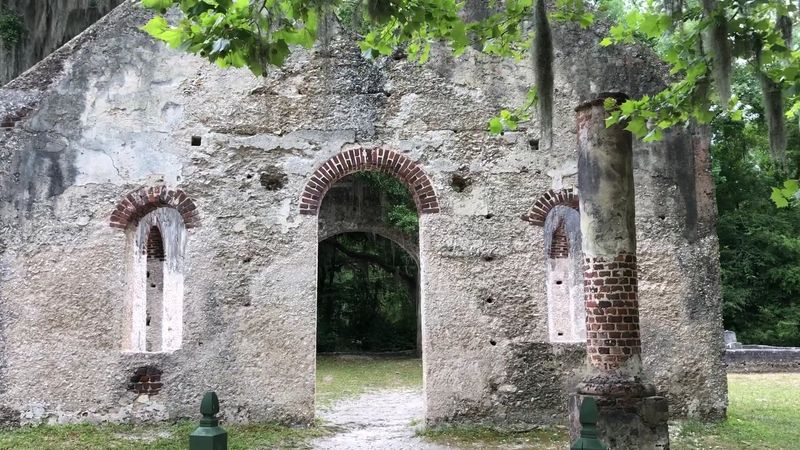
One of the most underrated pleasures of visiting Lands End is what happens after the sun goes down and the sky above St. Helena Island reveals itself in full.
Because the area sits far from the dense light pollution of major cities, the night sky here is genuinely dark in the best possible way, offering views of stars, constellations, and on clear nights, the faint, breathtaking sweep of the Milky Way arching overhead.
Spreading a blanket on the ground near the road’s end and simply lying back to watch the sky is an experience that many visitors describe as unexpectedly emotional, especially if they have spent most of their lives in urban environments where stars are little more than a rumor.
The sounds of the marsh at night, frogs calling, water lapping, the wind moving through the grass, add a sensory layer to the stargazing that makes it feel almost ceremonial.
Plan to stay past dark at least once; your future self will thank you for it.
The Role Of Lands End In The Port Royal Experiment
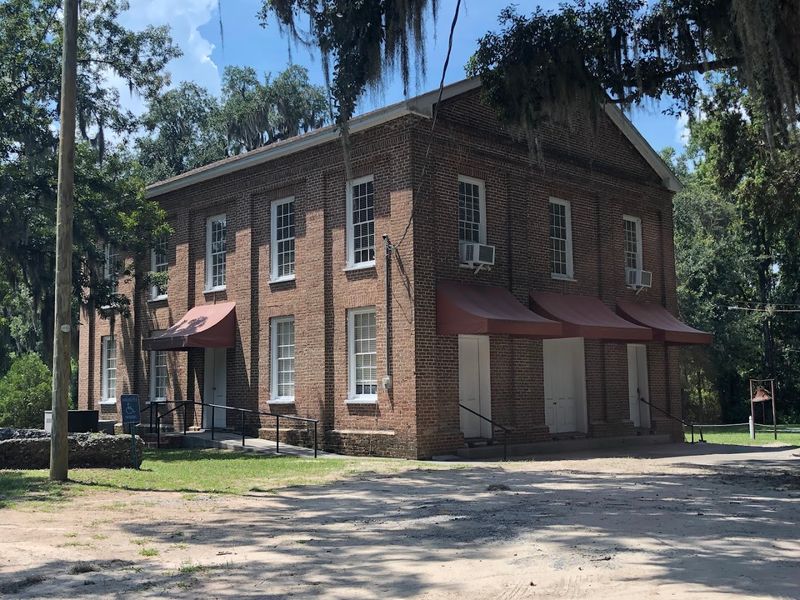
The Port Royal Experiment was one of the most ambitious social programs attempted during the Civil War, and the land around Lands End was central to its unfolding story.
When Union forces took control of the Sea Islands in 1861, the enslaved people who had been forced to work the cotton plantations did not flee; they stayed, and Northern missionaries, teachers, and abolitionists arrived to help build schools, establish land ownership, and create a model of what post-slavery life in America could look like.
This experiment directly influenced later federal Reconstruction policies and laid groundwork for the Freedmen’s Bureau, making St. Helena Island and Lands End genuinely significant in the broader arc of American history.
Researchers, educators, and history enthusiasts who visit today often express surprise at how little this story is known outside academic circles, given how transformative it actually was.
Lands End is not just a scenic endpoint on a map; it is a place where the future of a nation was quietly being argued and shaped.
Kayaking And Paddleboarding The Waterways Around St. Helena
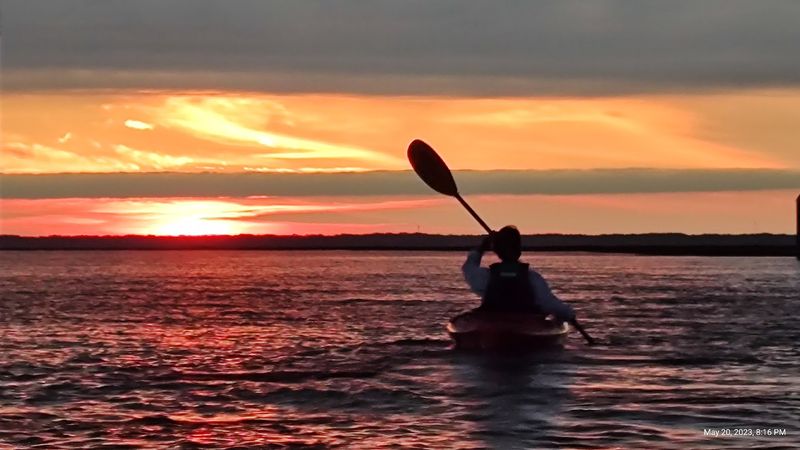
Getting on the water near Lands End is one of the most rewarding ways to experience what makes this corner of South Carolina so genuinely different from anywhere else.
The network of tidal creeks and waterways surrounding St. Helena Island creates a paddling environment that ranges from calm and meditative to surprisingly challenging depending on the tides, which shift dramatically and should absolutely be checked before launching.
Local outfitters near Beaufort offer guided kayak tours that take paddlers through the marsh channels at a pace slow enough to spot wildlife, read the landscape, and actually absorb the experience rather than rushing through it.
Paddleboarding has also grown in popularity here, particularly among visitors who want a slightly more physically engaging way to move through the still, glassy water of the early morning creeks before the wind picks up.
Renting a kayak and spending a few hours exploring the waterways independently is, without question, one of the best decisions you can make on a visit to Lands End.
Practical Tips For Visiting Lands End On St. Helena Island
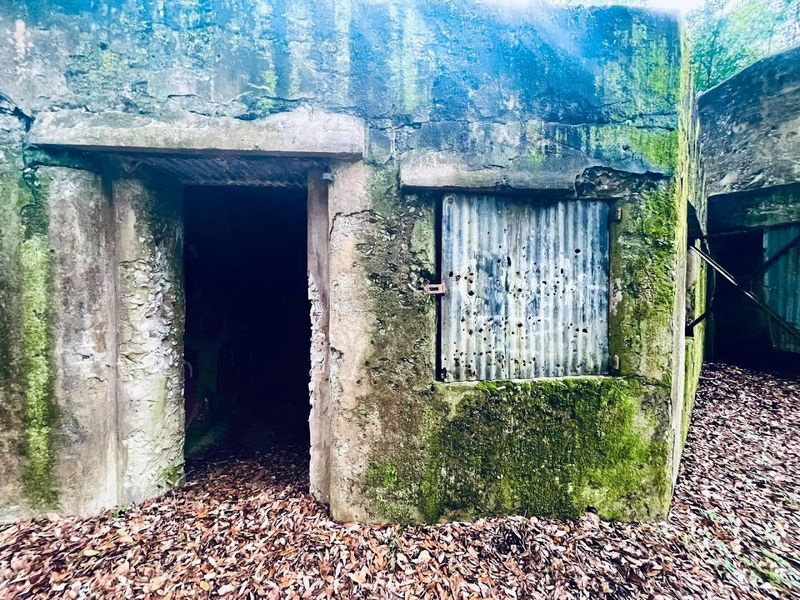
Planning a visit to Lands End requires a bit of preparation, mostly because its remote and undeveloped nature is exactly what makes it special, but also exactly what can catch unprepared visitors off guard.
The road leading to Lands End is narrow and unpaved in sections, so driving a vehicle with decent clearance is a smart move, especially after rain when the surface can become slippery and soft in places.
Bring insect repellent without any hesitation, because the marsh environment means mosquitoes and no-see-ums are a real presence, particularly from late spring through early fall when the humidity is at its peak.
The best times to visit are generally late fall through early spring, when temperatures are comfortable, bugs are less aggressive, and the light on the marsh during the golden hours of morning and late afternoon is nothing short of extraordinary.
Cell service can be spotty here, so downloading offline maps before you go is a small but genuinely useful step worth taking.