
This Surreal 200-Acre Florida State Park Will Make You Feel Like You’re In The Twilight Zone
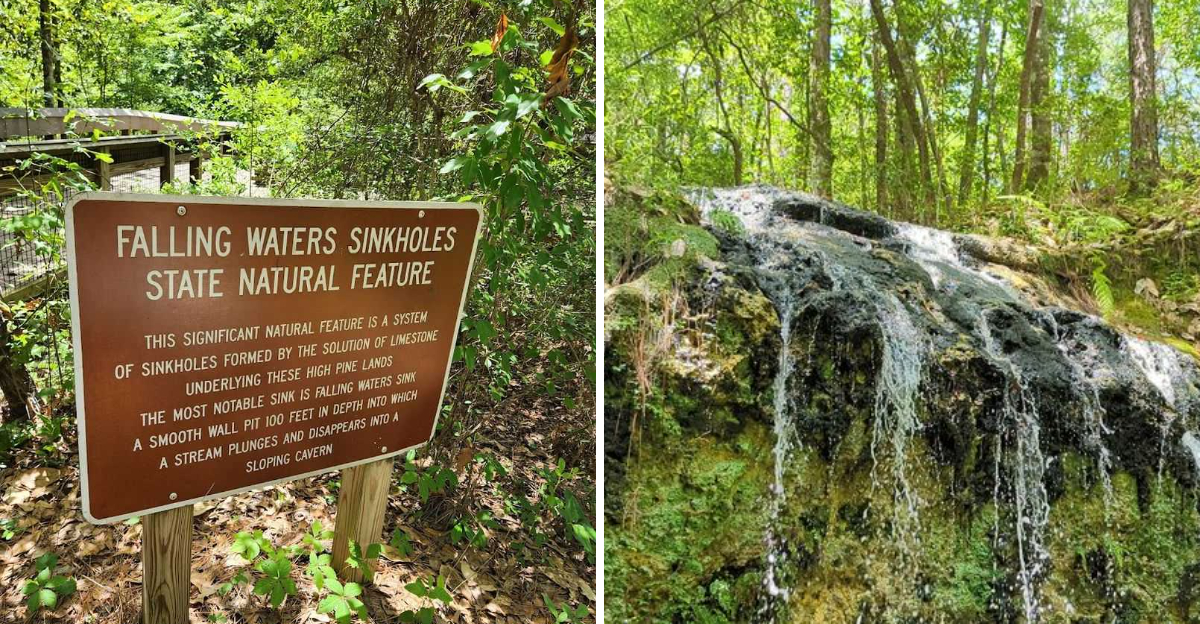
Nothing about this place looks like the Florida most people think they know.
You drive through the Panhandle expecting flat roads, sunshine, maybe a few pine trees. Then the landscape suddenly shifts, and the ground itself starts feeling unfamiliar.
Hidden in Florida is a place where water disappears into the earth and the scenery feels almost impossible for the state.
The trails grow quieter. Sinkholes open beneath the trees.
Then you reach the edge and watch a waterfall vanish straight into darkness below.
It doesn’t feel tropical.
It feels ancient, strange, and completely removed from the version of Florida most visitors picture.
People don’t rush here. They stop, stare, and try to understand what they’re looking at.
It’s not just scenic.
It feels mysterious in a way that stays with you long after you leave.
And somehow, that’s what makes this corner of Florida so unforgettable.
Florida’s Tallest Waterfall Drops Into Pure Mystery
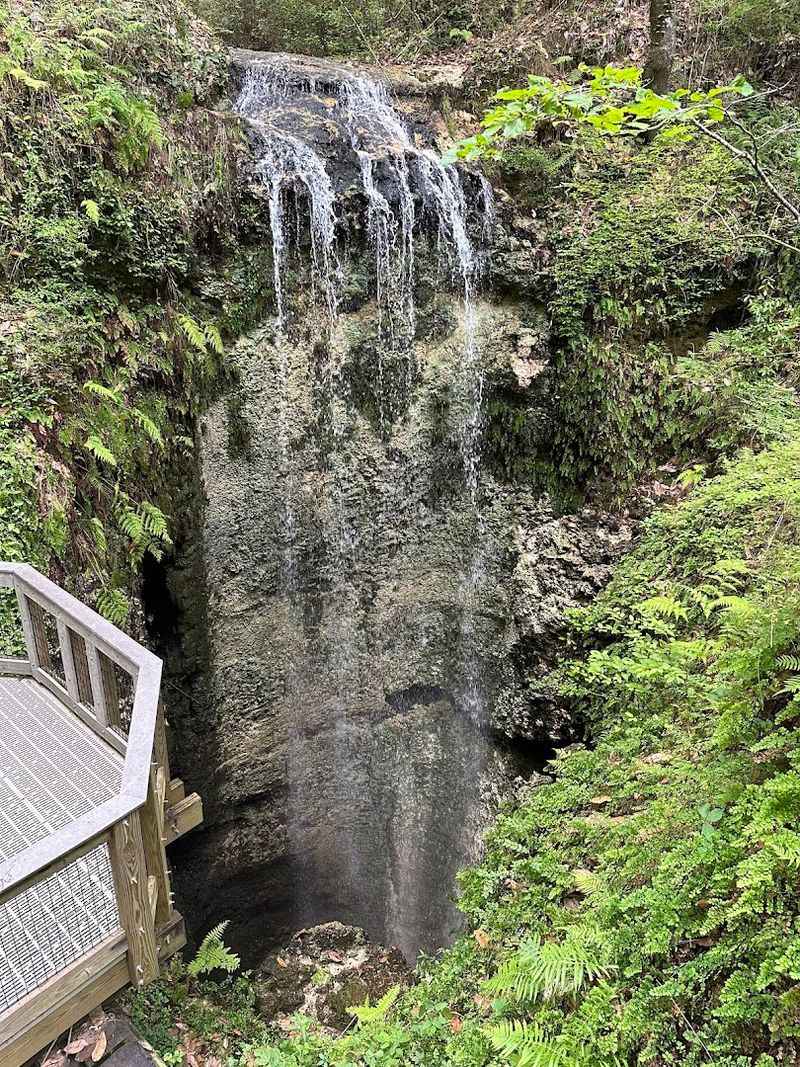
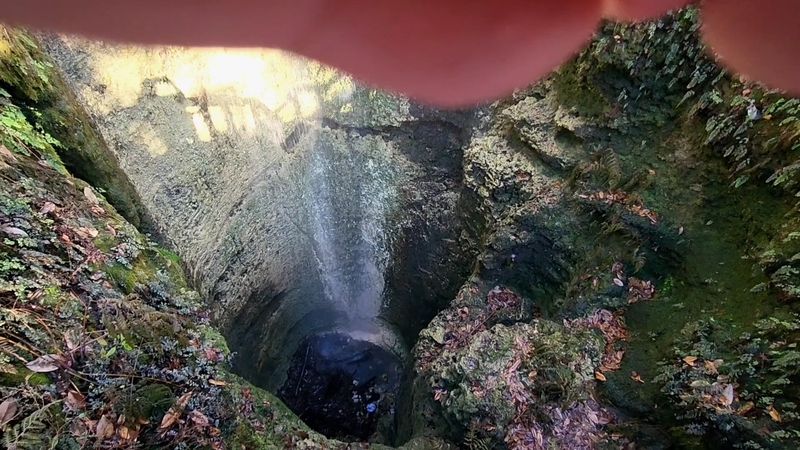
Most people picture Florida as flat, sandy, and completely waterfall-free, which makes the main attraction here all the more jaw-dropping. Falling Waters State Park is home to Florida’s tallest waterfall, a 73-foot cascade that plunges directly into a dark, cylindrical sinkhole and simply disappears.
Nobody knows for certain where the water goes after it vanishes underground, which gives the whole experience an eerie, almost supernatural feeling. Standing at the observation deck and watching water fall into that endless dark pit feels less like a nature hike and more like witnessing a magic trick performed by the earth itself.
Visiting right after a heavy rain is the best way to catch the waterfall at full force, since dry spells can reduce it to a trickle. Call ahead at (850) 638-6130 to check current water flow before making the trip.
The park’s website at floridastateparks.org/park/Falling-Waters also posts helpful updates for planners.
Sinkholes That Look Like The Earth Swallowed Itself
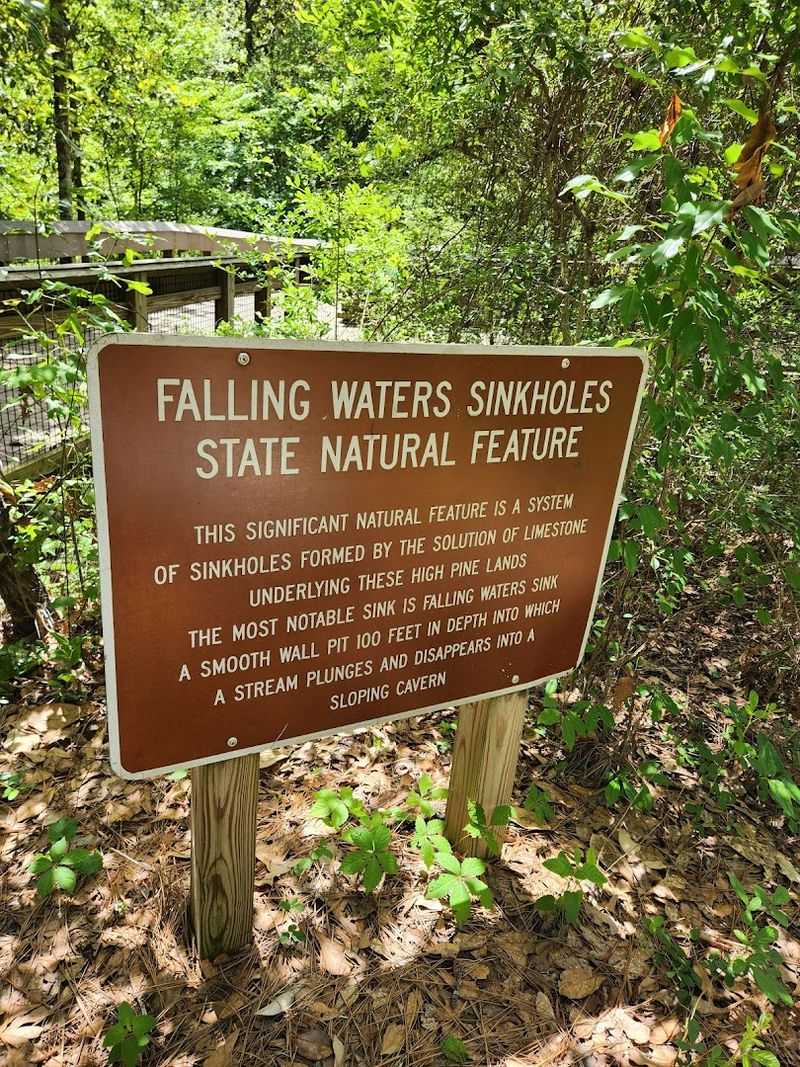
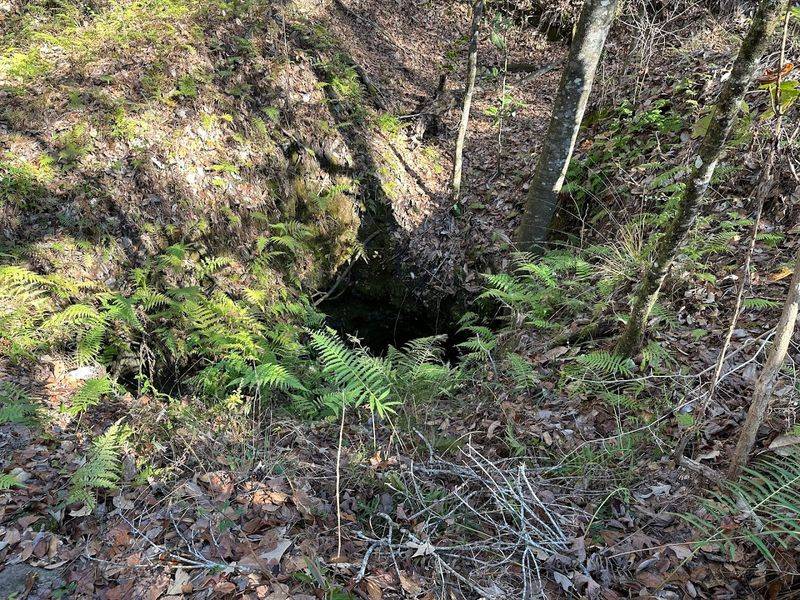
Scattered across the park like nature’s own collection of trapdoors, the sinkholes at Falling Waters are equal parts unsettling and fascinating. Some are wide enough that you could fit an entire house inside, while others drop so deep that peering over the railing genuinely makes your stomach flip.
These geological formations were created over thousands of years as underground limestone dissolved and the ground above slowly collapsed inward. Walking the sinkhole trail feels like wandering through a surreal landscape where the ground simply decided it had better plans below the surface.
The boardwalk paths that wind between the sinkholes are well-maintained and easy to navigate, with sturdy railings keeping curious visitors at a safe distance from the edges. Children and adults alike tend to go quiet when they reach each opening, as if the holes demand a certain respectful silence.
That collective hush is one of the most memorable parts of the whole visit.
Ancient Indigenous History Buried Beneath Your Feet
Long before this land carried a name on any map, Indigenous families gathered here for ceremony, sustenance, and shelter. Archaeologists have uncovered pottery, tools, and even a rare cave painting within the park, confirming that this land held deep cultural significance for thousands of years.
Walking the trails with that knowledge changes the experience entirely. Every step along the boardwalk carries a quiet weight, as if the ground itself is holding onto stories that predate Florida as a state, a territory, or even a concept.
One visitor described the feeling perfectly, saying the park feels older than anything the signs tell you.
That sense of layered history adds a dimension to Falling Waters that most state parks simply cannot offer. The waterfall and sinkholes are visually dramatic on their own, but knowing that humans have stood at these same edges for millennia and felt the same awe makes the visit genuinely moving in a way that sneaks up on you.
A Butterfly Garden That Doubles As A Living Classroom
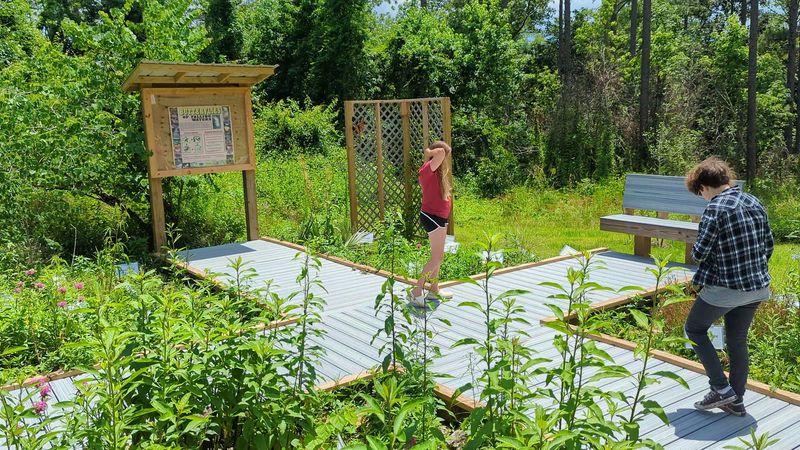
Near the parking area, a dedicated butterfly garden greets visitors before they even hit the trails, offering a surprisingly educational stop that catches most first-timers off guard. Labeled plants explain which species each flower attracts, turning a casual glance into a mini botany lesson that kids actually enjoy.
During peak season, the garden buzzes with activity as native butterflies drift between blooms in a slow, hypnotic rhythm that makes it easy to lose track of time. After a harsh cold snap, the plants may look pruned back and sparse, but the garden bounces back quickly once warmer weather returns.
This spot works especially well for families traveling with younger children who need a gentle warm-up activity before tackling the sinkhole trail. It is also a nice reminder that Falling Waters is not just about dramatic geology.
The park weaves together natural beauty, wildlife, and education in a way that rewards visitors who slow down and pay attention to the smaller details around them.
Camping Under Stars With A Side Of Geological Wonder
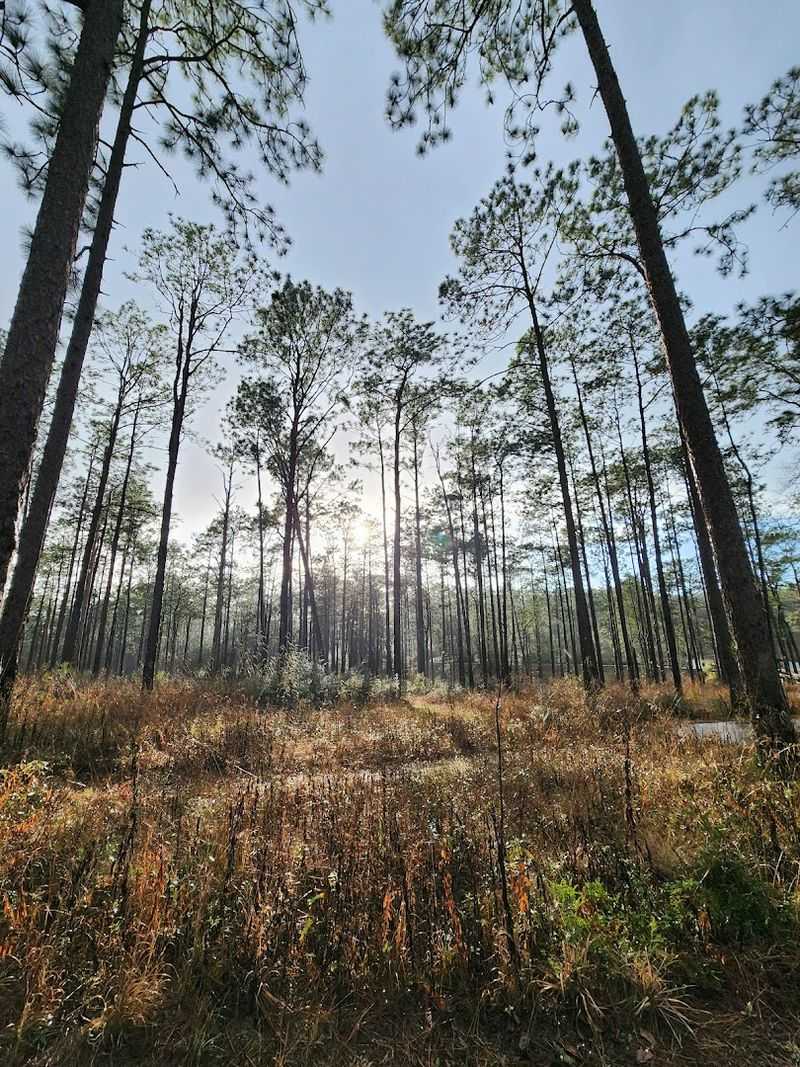
Spending the night at Falling Waters transforms the park from a day-trip destination into a full sensory experience that lingers long after you pack up and head home. The campground offers 24 sites plus host sites, with options for both RV hookups and tent camping spread across a quiet, well-maintained loop.
Campers who stayed here consistently praise the cleanliness of the bathrooms and showers, with hot water and convenient locations that make early morning routines surprisingly comfortable for an outdoor setting. Site 4 gets frequent shoutouts for being easy to back into, and the concrete pads offer a stable base for larger rigs.
At night, the woods settle into a deep, living quiet that feels completely different from the daytime park. Morning mist rises from the nearby sinkholes as if the earth is slowly waking up, and that visual alone is worth setting an early alarm for.
Reservations are recommended, especially during peak travel seasons when sites fill quickly.
The Boardwalk Trail That Feels Like Another World
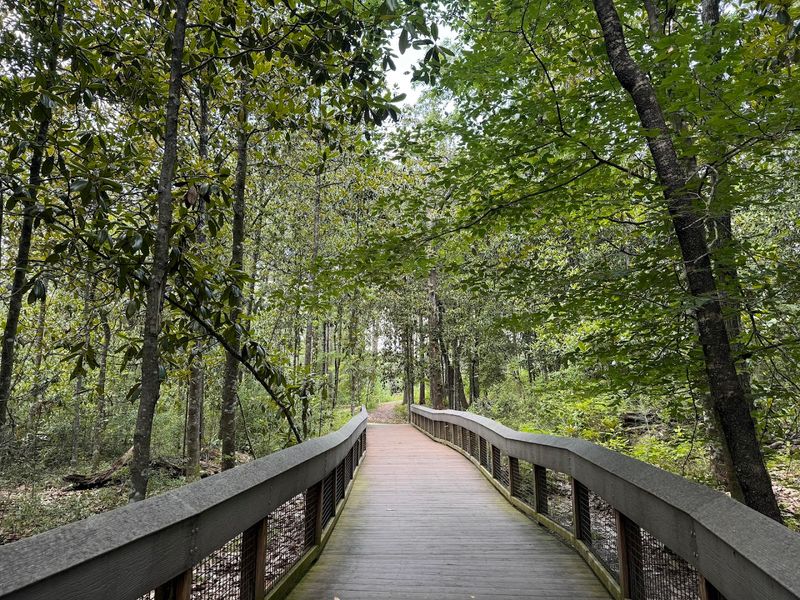
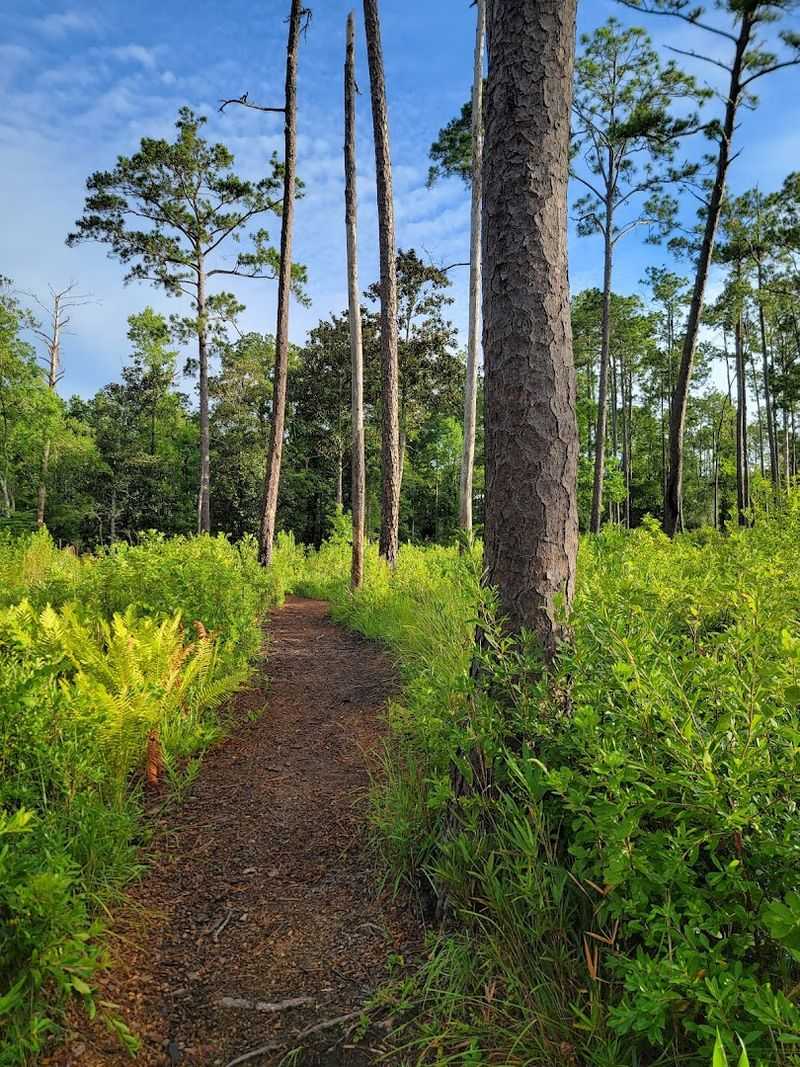
Stepping onto the main boardwalk at Falling Waters feels like crossing a threshold into somewhere quieter and older than the world outside the park gates. Thick ferns carpet the ground on either side, and the tree canopy closes overhead in a way that muffles sound and slows your breathing almost automatically.
The path is paved and well-maintained, making it accessible for a wide range of visitors including those using wheelchairs or strollers. A wheelchair-accessible ramp leads to one of the upper waterfall viewing platforms, ensuring that the park’s most dramatic views are not reserved for only the most athletic visitors.
The lower observation area involves about 25 steps with metal railings that grip firmly underfoot, giving even cautious walkers a secure path down to the most dramatic waterfall views. Every bend in the trail reveals something new, whether that is a peek into a sinkhole, a cluster of native ferns, or a sudden spray of mist rising from below.
The half-mile round trip to all three waterfall lookouts passes far too quickly.
Turtle Lake And A Swimming Spot That Surprises Everyone
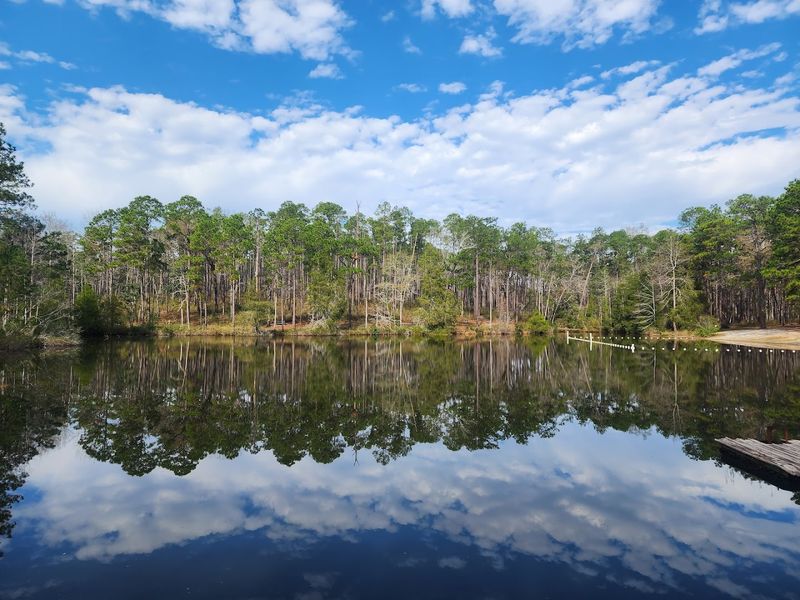
Tucked within the park and easy to miss if you are focused entirely on the waterfall, Turtle Lake offers a two-acre manmade swimming area that catches first-time visitors completely off guard. The lake is small but charming, with a sandy beach area that works perfectly for a post-hike cool-down on a warm Florida afternoon.
Water levels in the lake fluctuate with rainfall and seasonal conditions, so the swim area is not always open year-round. Checking the park’s current status before visiting is a smart move, especially during dry stretches when low water levels may temporarily close the swimming section.
The lake also feeds the waterfall, which means its water level directly affects how impressive the falls will look on any given day. That interconnected relationship between the lake and the waterfall gives the park a satisfying ecological logic that makes the whole place feel like one living, breathing system rather than a collection of separate attractions scattered across a map.
A Playground And Picnic Area That Makes It Family-Perfect
One of the most underrated aspects of Falling Waters is how thoroughly it caters to families with young children without feeling like it has sacrificed anything for more adventurous visitors. A newer playground sits close to the waterfall parking area, complete with a slide and climbing structures that keep younger kids happily occupied while parents soak in the scenery.
Covered picnic tables are scattered throughout the day-use area, offering shaded spots that feel genuinely inviting rather than like an afterthought. Families have used this space for birthday parties, casual lunches, and the classic spontaneous outdoor meal that somehow tastes better than anything eaten indoors.
Clean, well-maintained restrooms with a drinking fountain sit right at the trailhead, which parents of young children will immediately recognize as a genuine luxury. The overall layout of the day-use area is thoughtful and easy to navigate, making the park feel welcoming from the moment you pull into the parking lot and step out of the car.
The Entry Fee That Makes It One Of Florida’s Best Deals
At just five dollars per vehicle for day use, Falling Waters State Park delivers an almost unfair amount of natural spectacle for the price. That single fee covers access to the waterfall, sinkhole trail, butterfly garden, playground, picnic areas, and swimming lake, making it one of the most affordable full-day outings in the entire Florida state park system.
The park sits only about three miles off Interstate 10, which makes it an ideal stop for road-trippers who want to stretch their legs and see something genuinely memorable without adding significant time to their drive. The short detour rewards you with experiences that feel nothing like a highway rest stop.
Rangers at the entrance gate are consistently described by visitors as friendly and helpful, setting a welcoming tone from the very first interaction. Annual passes to Florida state parks are also available, though they occasionally sell out at popular locations.
Arriving early on weekends is a practical tip that helps you beat crowds and snag a shaded picnic table.
Why Timing Your Visit Can Completely Change The Experience
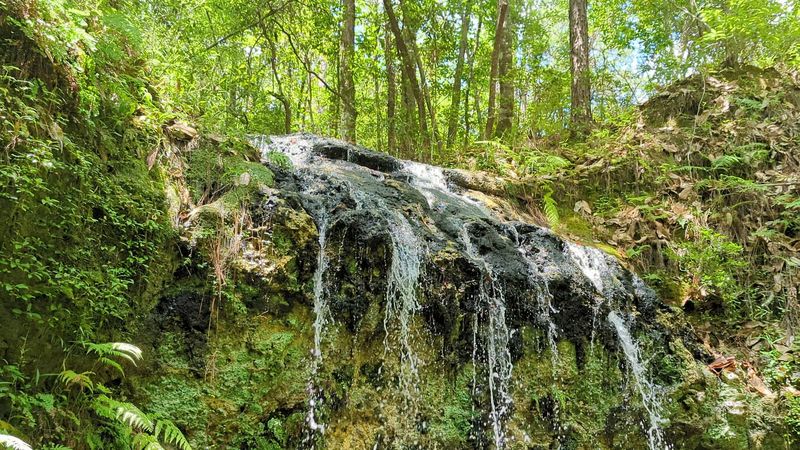
No other single factor shapes a visit to Falling Waters more dramatically than the timing of your trip relative to recent rainfall. The waterfall can swing from a thundering, spray-soaked spectacle to a modest trickle depending entirely on how much rain the region has received in the days leading up to your arrival.
Visitors who called ahead before visiting after a storm reported one of the most impressive waterfall experiences in the entire state park system. Those who arrived during dry spells found the geological features still fascinating but felt the waterfall itself was underwhelming compared to photos online.
A quick call to (850) 638-6130 before you go can save disappointment and help you plan around the best possible conditions.
Late spring and summer tend to bring the most reliable rainfall and the fullest water flow, while fall and winter can leave the falls running low. Visiting a day after a significant storm is the sweet spot that most regulars recommend for catching Falling Waters at its most theatrical and unforgettable best.