
A Short Walk In Northeast Pennsylvania Leads To An Unusual Glacial Swimming Hole With Natural Pools
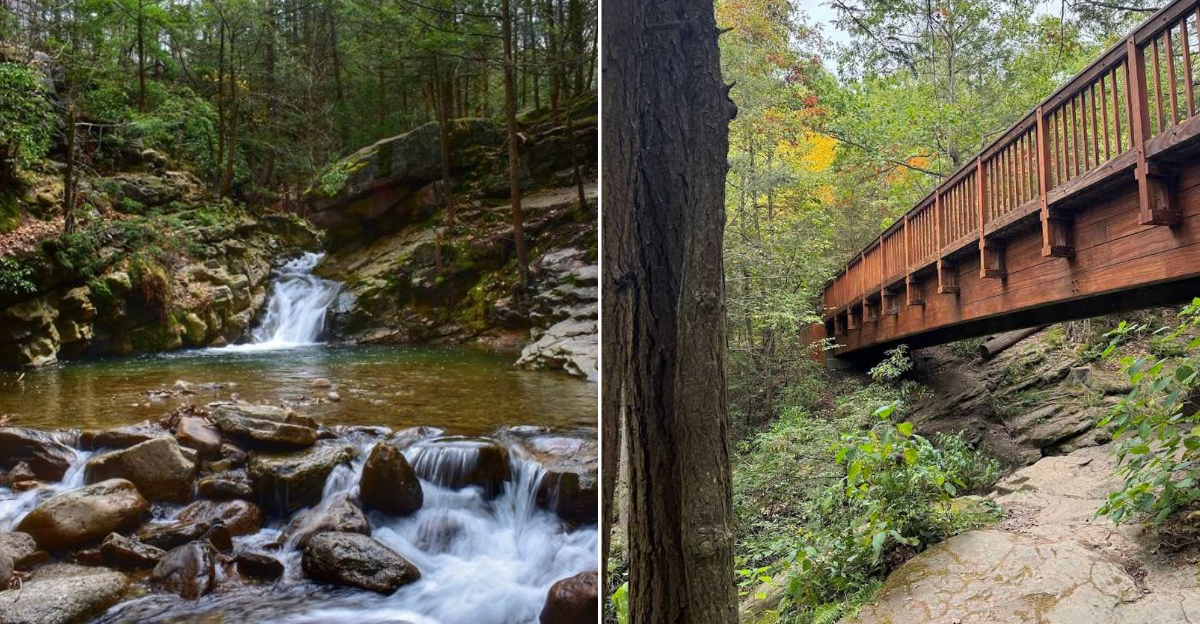
The best outdoor surprises do not always require a long hike or a packed trail bag.
Sometimes a short walk in Northeast Pennsylvania is enough to bring you to rushing water, sculpted rock, and natural pools shaped by forces far older than any weekend plan.
Add a glacial story to the mix, and suddenly a simple stroll feels like nature showing off a little.
This kind of place has instant adventure appeal. Water slips through stone, pools shimmer in unexpected pockets, and every turn makes you want to pause for one more look.
It is refreshing, unusual, and just wild enough to make the walk feel like a discovery without demanding an all-day expedition.
Pennsylvania has plenty of scenic spots, but natural rock basins and cool water always bring a special kind of wonder.
I am the kind of person who will follow the sound of water almost anywhere, and if a short trail leads to something this strange and beautiful, I am already lacing up my shoes.
Where Exactly You Will Find This Place
Seven Tubs Recreation Area is located in Luzerne County in the Wyoming Valley region of northeast Pennsylvania, an area known for its rugged terrain and rich natural history.
The recreation area sits in Plains Township and is managed as part of the broader Pinchot State Forest system.
Getting there is straightforward. The park is accessible from the Bear Creek Boulevard area, and parking near the trailhead makes the short walk to the tubs manageable for most visitors.
One important heads-up: access conditions can change seasonally, so checking current local guidance before you go is a smart move.
Unlike the relatively flat landscapes you might associate with Ohio, this corner of Pennsylvania is hilly, wooded, and full of character.
The drive alone, winding through forested ridges, is a pleasant preview of what waits at the trailhead.
The Glacial History Behind The Tubs
Long before anyone ever set foot in northeast Pennsylvania, massive sheets of ice were quietly doing some of the most impressive landscaping work imaginable.
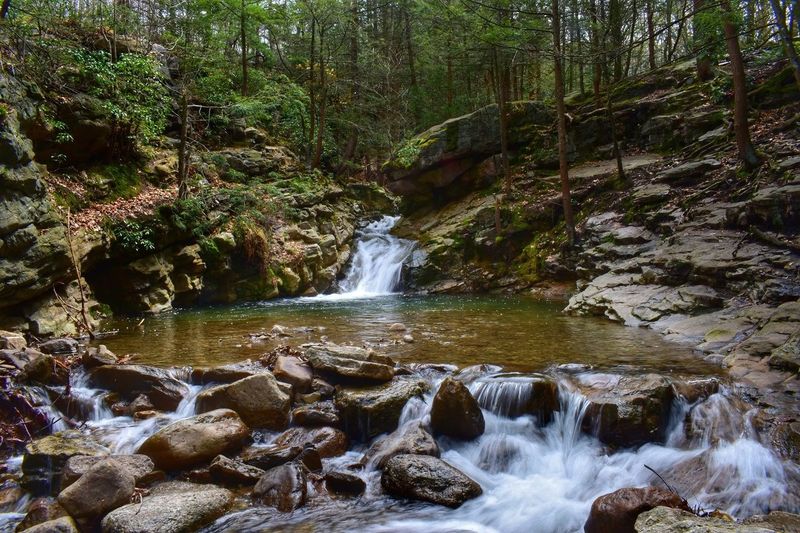
During the last Ice Age, glaciers crept across this region and carved deep, rounded pockets into the bedrock of Wheelbarrow Run, the stream that flows through what is now Seven Tubs Recreation Area.
The result is a series of smooth, bowl-shaped depressions in the rock, filled with flowing stream water, that look almost too perfectly shaped to be natural.
Each tub was formed by swirling water and sediment grinding into the stone over thousands of years, a process called pothole formation.
States like Ohio also have glacial landscape features, but few are as visually dramatic or as swimmable as these.
The geology here is genuinely rare, and understanding it makes every step of the trail feel a little more extraordinary.
The Walk Is Surprisingly Short And Rewarding
One of the best things about this destination is that you do not need to be an experienced hiker to enjoy it.
The main loop to see the tubs is short, around 0.3 miles, making it a quick and rewarding outing for most visitors.
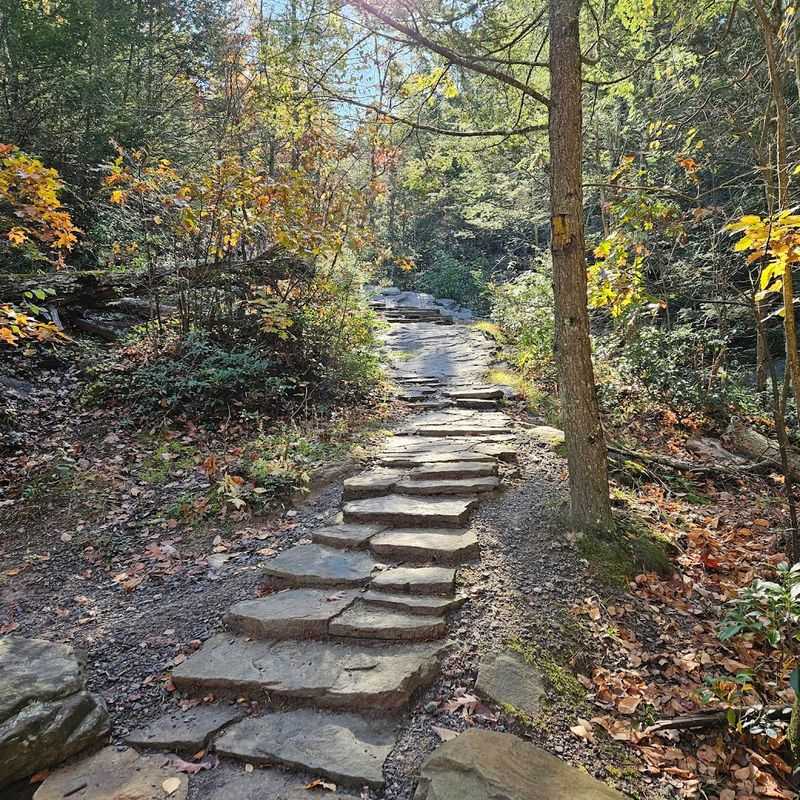
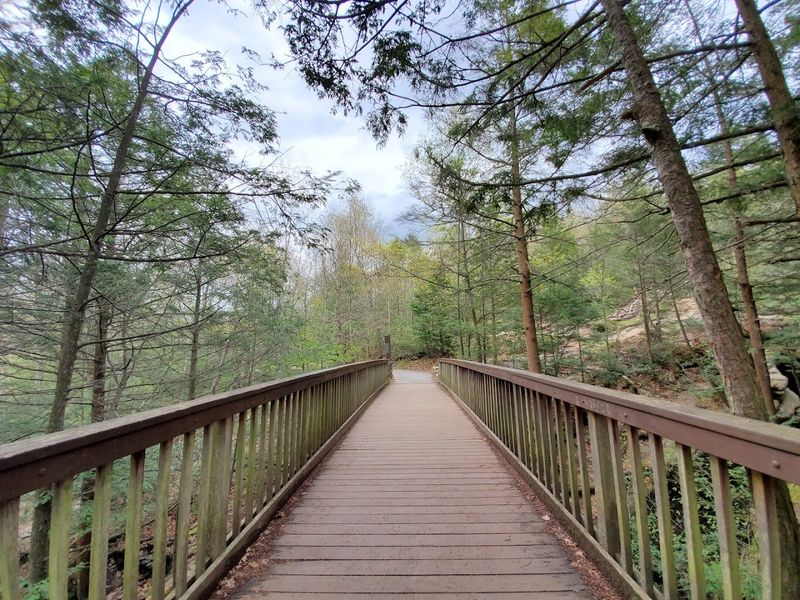
The trail is well-marked, with footbridges and views of the stream and carved rock formations along the way.
Visitors looking for more distance can add the longer Audubon Loop, which stretches the outing into a more substantial hike through wooded terrain.
Compared to long, demanding treks you might find in more mountainous states, this trail feels refreshingly accessible.
Even families with kids and older adults have made the main walk successfully, though proper footwear is strongly recommended because the rocks can get slippery fast.
The Natural Pools Are Actually Swimmable
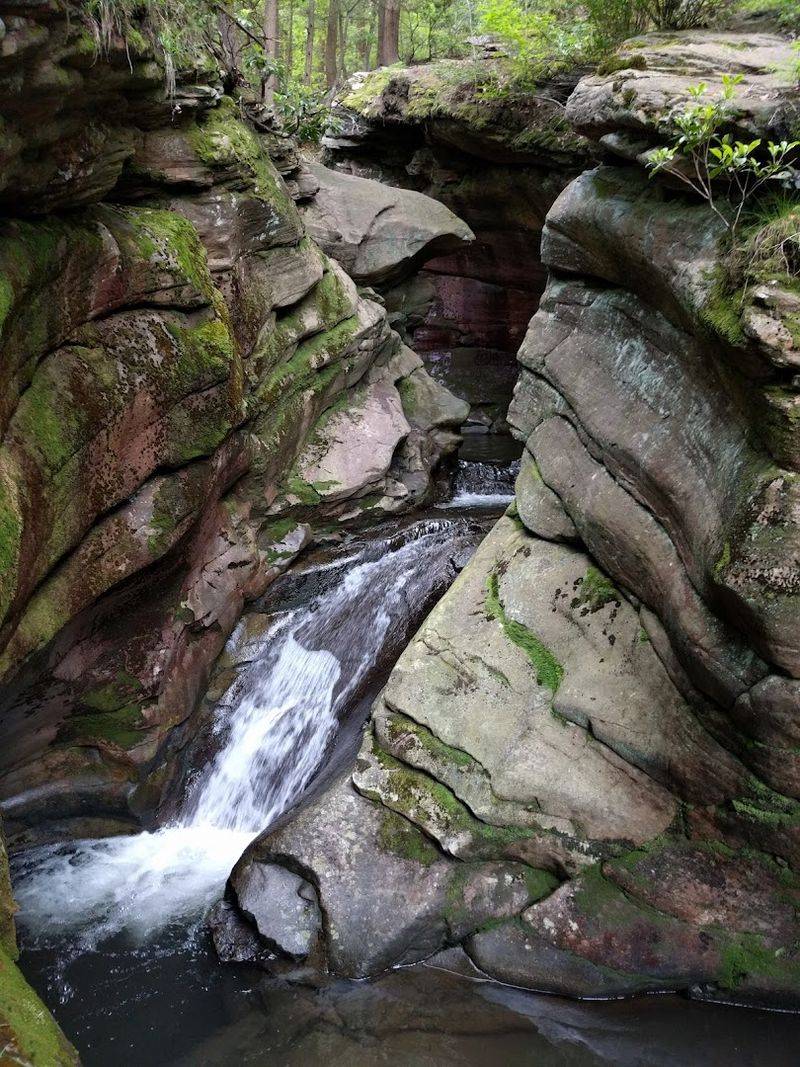
Here is the detail that surprises most first-time visitors: the natural rock pools are striking enough to feel almost unreal in person.
The tubs fill with cold, clear stream water that flows through the carved rock basins, creating one of the most unusual geologic scenes in northeast Pennsylvania.
Visitors who arrive in summer often find the water especially eye-catching, the kind of cool, fast-moving stream scene that makes you want to stay and watch for a while.
The pools and channels have a playful look to them, but they are best appreciated as a scenic natural feature rather than a swimming spot.
Ohio has its share of state parks with water features, but man-made pools simply cannot replicate the feeling of standing beside a rock formation that a glacier and running water spent thousands of years shaping.
Arriving early in the morning means you may have the tubs almost entirely to yourself.
Waterfalls That Appear Around Every Corner
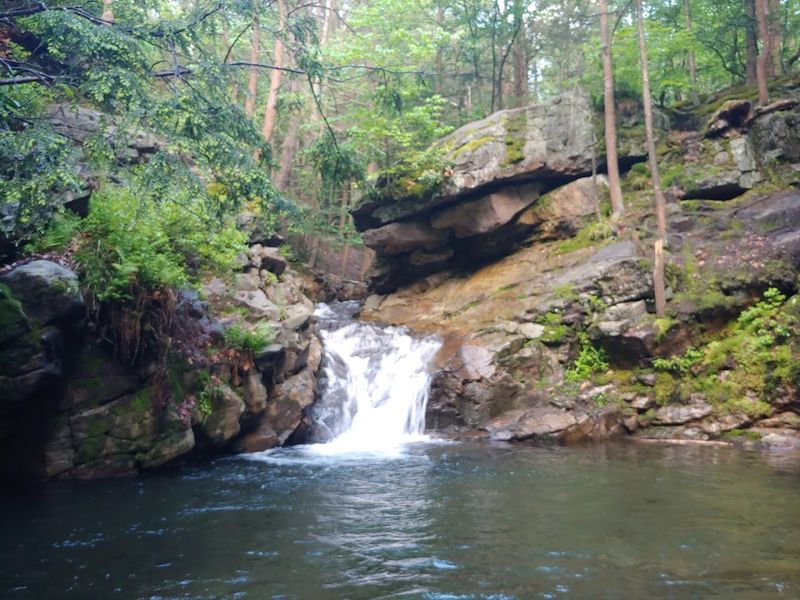
The tubs themselves are the headline act, but the waterfalls along Wheelbarrow Run are a very close second.
The stream drops repeatedly as it flows downhill, creating a series of small but photogenic cascades that frame the trail with constant movement and sound.
Water levels vary quite a bit by season. Spring and early summer tend to offer the most dramatic flow, while October visits may reveal lower water levels that expose more of the beautiful rock formations underneath.
Either way, the scenery holds up remarkably well across all seasons. There is one viewpoint just below the lower footbridge that multiple visitors call the single prettiest spot on the entire trail, and it is easy to see why.
The combination of rushing water, smooth stone, and overhanging forest creates a scene that feels genuinely cinematic.
Much like certain river gorge areas in Ohio, the drama here builds gradually as you move deeper into the trail.
What To Wear And Bring Before You Go
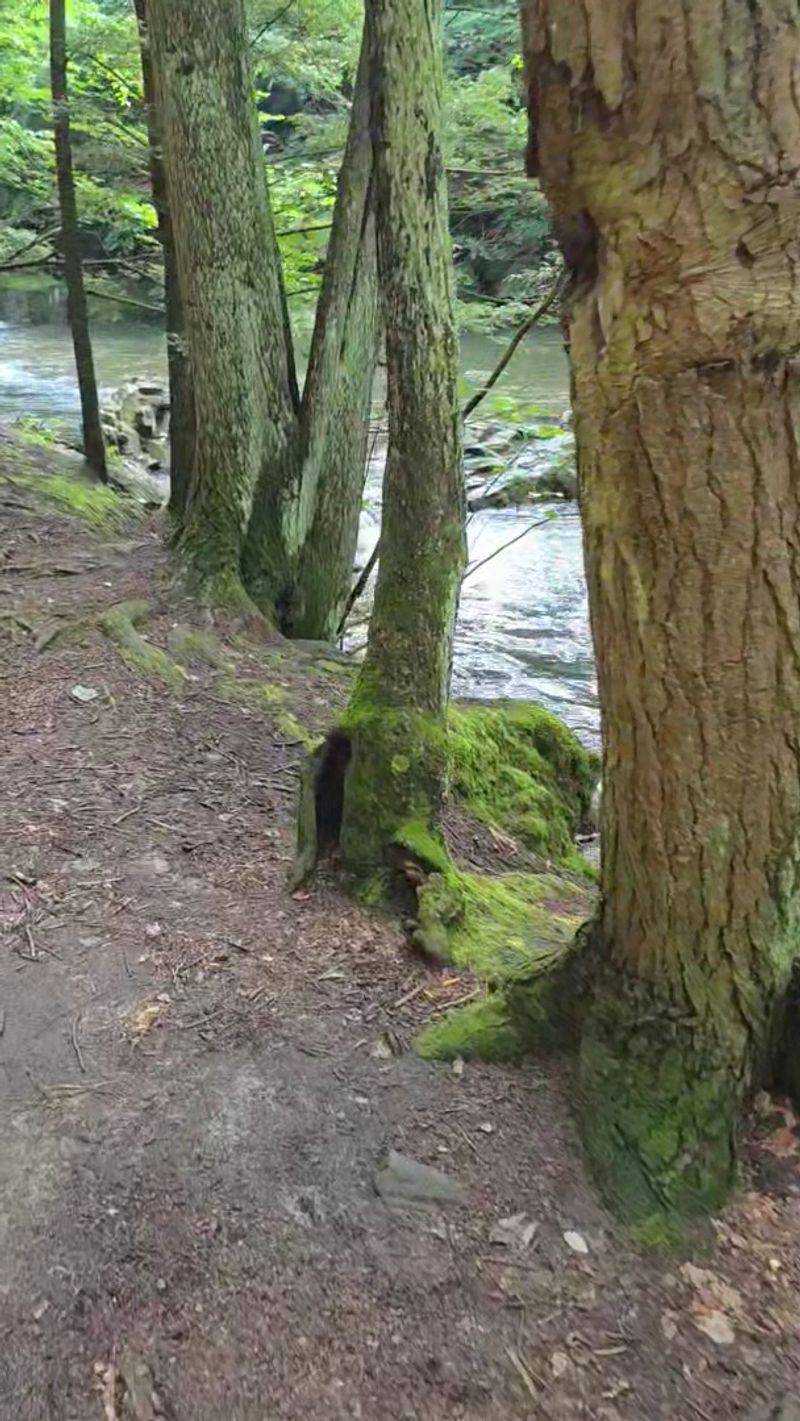
Preparation makes a real difference at Seven Tubs Recreation Area. The terrain includes uneven rock surfaces, muddy patches, and steep sections, so solid hiking boots with good grip are not optional, they are essential.
Several visitors who wore sneakers or sandals ended up regretting it, especially after rain.
Bug spray is another must-have, particularly from late spring through early summer when insects are most active along the shaded stream corridor.
Bringing your own water is also smart since there are no water fountains or food vendors anywhere on the trail.
Trekking poles are a worthwhile addition for anyone who feels less steady on uneven ground, and they make the steep metal staircase section noticeably easier to handle.
Ohio day-hikers who are used to flat rail-trail surfaces may find the rocky terrain here more physically demanding than expected, but the payoff at the tubs is absolutely worth the extra effort.
The Best Times Of Year To Visit
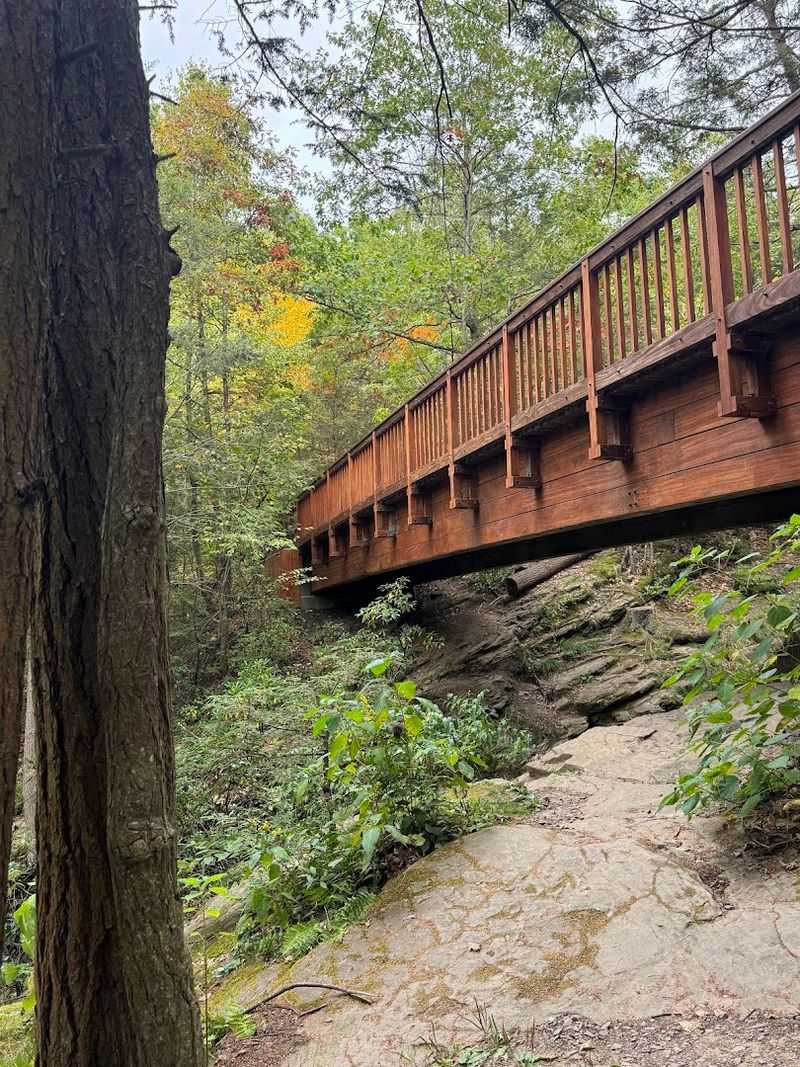
Every season at Seven Tubs Recreation Area offers something different, and choosing the right time to visit really depends on what you are hoping to experience.
Late spring through early summer delivers the highest water levels and the most dramatic waterfall flow, which is ideal for photography and swimming.
Fall foliage season, roughly mid-October in northeast Pennsylvania, transforms the trail into something almost unreal.
The orange and red canopy above the stream creates a color contrast with the grey bedrock and clear water that is hard to photograph badly.
One visitor described an October morning there as extra beautiful, and that tracks with what the landscape delivers.
Winter visits are technically possible on foot, but the road closes seasonally, adding extra walking distance. Ice makes the rocks dangerously slippery.
Spring arrivals in April and May tend to hit a sweet spot of manageable crowds and excellent water flow, similar to peak hiking conditions in Ohio state parks.
Wildlife, Plants, And Fungi Along The Trail

The biodiversity along the Wheelbarrow Run corridor is quietly impressive.
The trail passes through a mix of hardwood forest, streamside vegetation, and rocky outcrops, each microhabitat supporting its own cast of plants and creatures.
Seasonal wildflowers appear in spring, and ferns carpet the shadier sections throughout the warmer months.
One thing that genuinely catches people off guard is the mushroom situation.
Visitors exploring after rain have reported finding an extraordinary variety of mushroom species and other fungi growing on logs, rocks, and forest floor throughout the trail.
It is the kind of unexpected detail that makes a hike feel like a nature scavenger hunt. Bird activity is also notable, particularly in the early morning hours when the trail is quiet.
The stream corridor acts as a natural wildlife corridor, attracting species that might not be found in drier, more open landscapes.
Ohio birders visiting the area often comment on how lush and productive the riparian habitat feels here.
Facilities, Parking, And Practical Logistics
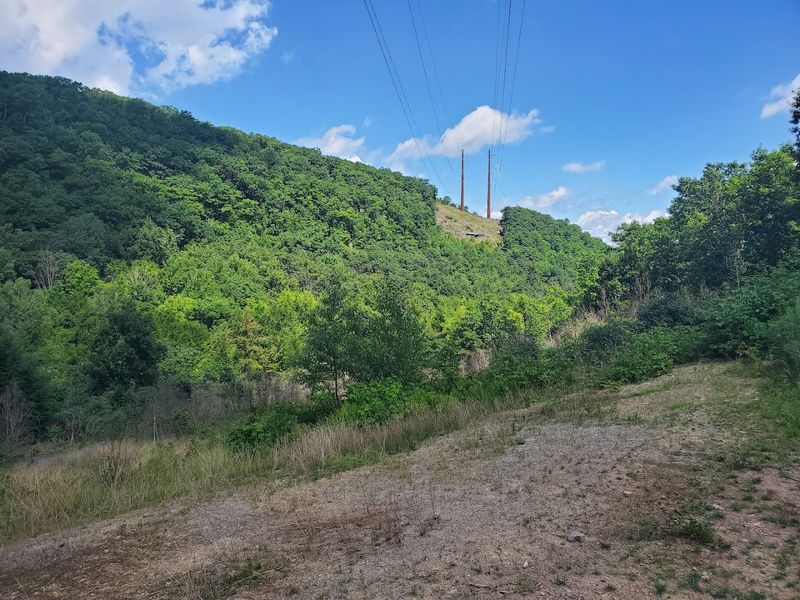
For a free, natural recreation area, Seven Tubs Recreation Area is a well-known and regularly visited outdoor spot.
Parking near the trailhead makes the short walk to the tubs easy to plan, especially if you arrive earlier in the day.
Going first thing in the morning on a weekday is still one of the most reliable ways to avoid crowds, particularly during the busy warmer months when the scenery draws a lot of visitors.
One logistical note worth repeating: access conditions can vary seasonally, so checking current guidance before heading out is a smart move.
Visitors making a road trip to northeast Pennsylvania should factor that into their planning, especially for spring shoulder-season trips.
The History Of Coal, Trains, And The Land Itself
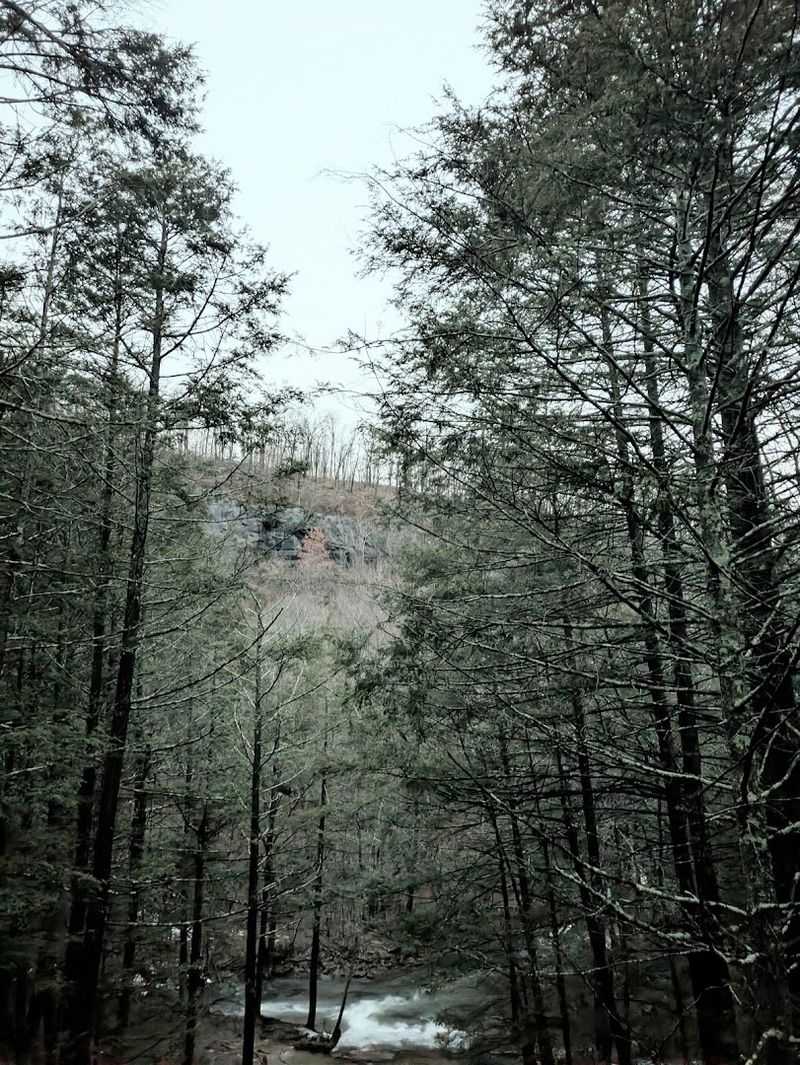
The natural beauty of Seven Tubs Recreation Area sits on land that carries a surprisingly industrial past.
Northeast Pennsylvania was once the heart of the American anthracite coal industry, and the region around Wilkes-Barre was crisscrossed with rail lines used to move coal across the state and beyond.
Some of that railroad history is still traceable in the landscape around the park. The trails and terrain reflect a region that has been both heavily used and gradually reclaimed by nature over the past century.
Long-time visitors mention that the area has a lot of history tied to trains moving coal across Pennsylvania, adding a layer of human story beneath the geological one.
This layered quality, ancient glacial geology sitting beneath industrial-era land use, now returned to a forested recreation area, gives the place a depth that purely scenic spots sometimes lack.
Ohio also has post-industrial landscapes being reclaimed by nature, but few look quite this photogenic in the process.