
This Quiet Colorado Town Tells A Moving Story Of American History And Heart
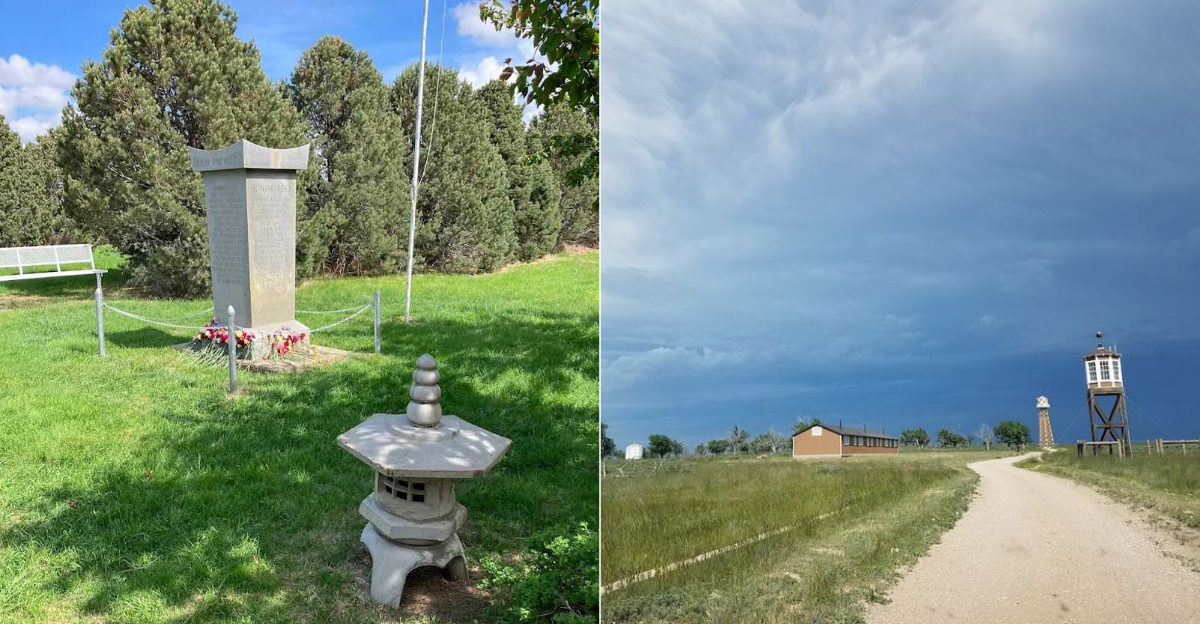
Out on the wide, wind-brushed plains of southeastern Colorado, a quiet historic site holds a story that deserves more than a footnote. This is not the kind of stop with flashy signs or cheerful fanfare, but it leaves a deeper mark than any roadside attraction ever could.
Here, thousands of Japanese Americans were forced from their homes during World War II and made to live behind fences, trying to build routines in a place designed to feel temporary and controlled.
Walking through the area feels calm at first, then suddenly heavy, as small details start turning into real people, real families, and real losses.
You may arrive expecting a history lesson, but Colorado’s past has a way of meeting you face-to-face here. It is thoughtful, sobering, and unforgettable, the kind of visit that stays with you long after the wind has settled behind you, and asks you to remember why.
A Place Where History Stands Its Ground
Some places earn their importance not by what remains standing, but by what they ask you to remember. This place, located in Granada, Colorado, sits on the southeastern plains of the state where the land stretches so far you start to feel the weight of open space pressing back at you.
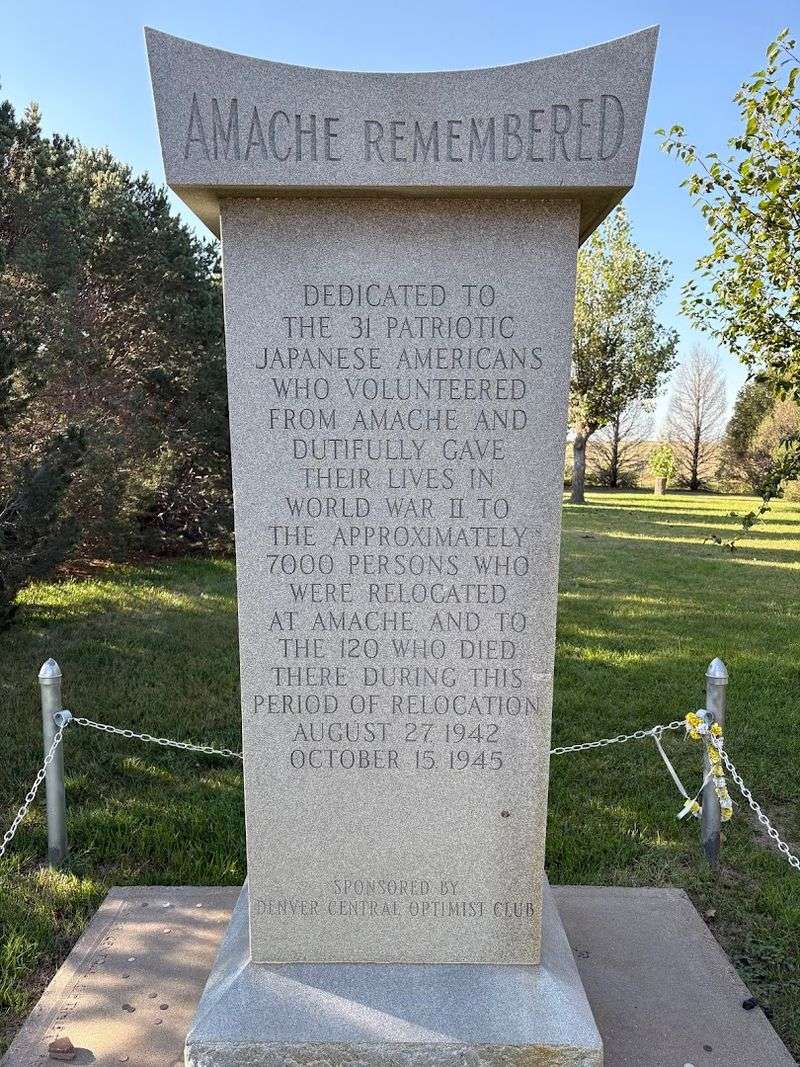
During World War II, this site served as one of ten incarceration camps where Japanese Americans were forced to live after Executive Order 9066 was signed in 1942. At its peak, Amache held over 7,500 people, making it, at one point, the tenth largest city in Colorado.
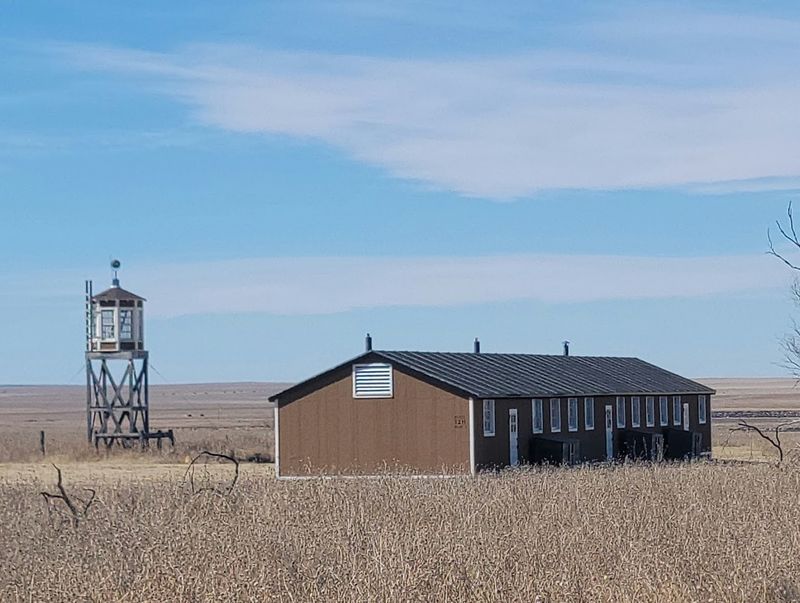
The site became a National Historic Site in June 2022, a designation long overdue for a place carrying this much civic weight. Foundations of barracks, a cemetery, a reconstructed barrack, and interpretive signage now help visitors understand what daily life looked like here.
The audio tour available on site adds texture and voice to what the landscape itself cannot fully communicate.
Quick Tip: The site opens at 8 AM daily. Arrive early when the morning light is low and the plains are quiet.
That stillness mirrors the mood of the history remarkably well.
The Quiet Weight Of Walking These Roads
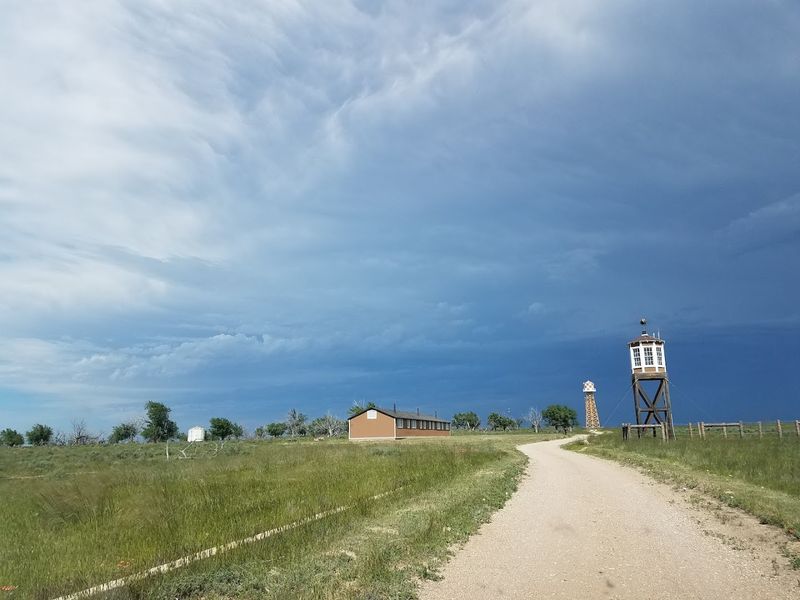
Driving through Amache feels unlike most national historic sites. There is no grand visitor center anchoring the entrance, no polished museum corridor guiding you from room to room.
Instead, you follow a dirt road through what was once a functioning city of forced residents, and the emptiness does most of the talking.
The site is still a work in progress, transitioning from volunteer-run operations to full National Park Service management. That means some amenities, including restroom facilities and staffed ranger stations, may not yet be consistently available.
Plan accordingly and bring water, especially in warmer months when the Colorado plains offer little shade.
What the site lacks in infrastructure, it compensates for in honesty. Foundation outlines mark where barracks, a hospital, schools, and even a cooperative store once stood.
Interpretive plaques placed throughout the grounds provide context that turns concrete slabs into human stories.
Planning Advice: The roads inside the site are unpaved. A standard sedan handles them fine in dry conditions, but after rain the mud can become a genuine obstacle.
One visitor arrived on a wet May morning and wisely chose to tour from the car rather than wade through the field.
Granada’s Small-Town Signal To A Big National Story
Granada, Colorado is the kind of town where the post office knows everyone’s name and the main road takes about ninety seconds to drive end to end. It sits in Prowers County in the far southeastern corner of the state, closer to Kansas than to Denver, and it carries the particular quietness of a place that has never needed to announce itself loudly.
But Granada has a story worth telling at full volume. The town is the closest community to Amache, and its residents have long carried the responsibility of keeping this history alive, often through local school programs and volunteer preservation efforts that predate the National Park Service’s involvement.
Stopping in Granada before or after visiting the site gives the experience a grounding that a roadside pull-off alone cannot provide. The nearby Granada Pioneer Museum offers additional local context, and the town itself serves as a quiet reminder that the communities surrounding these historic sites are part of the story too.
Best For: Families driving across eastern Colorado on a road trip who want a stop that combines genuine historical weight with the unhurried pace of rural small-town America. This is not a detour.
For many visitors, it becomes the highlight of the drive.
What The Cemetery Tells You Without A Single Word
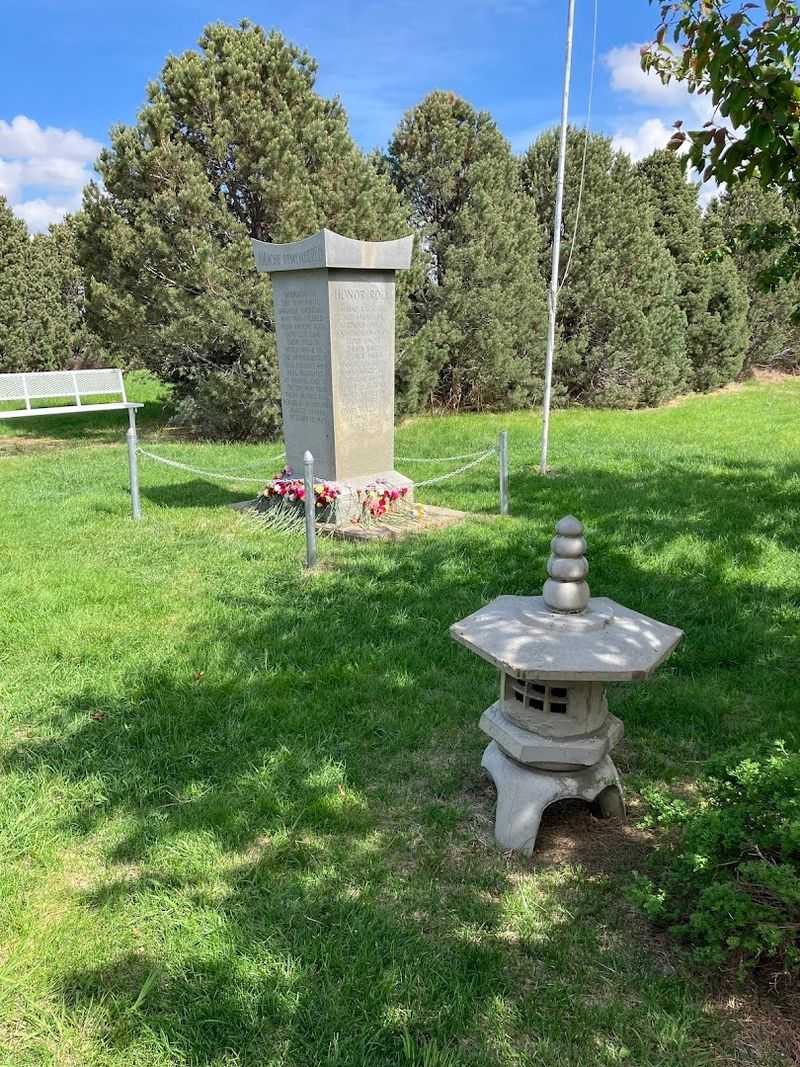
Among the most affecting features of the Amache site is its cemetery, which remains exceptionally well maintained relative to the surrounding grounds. Grave markers stand in careful rows, and a Buddhist monument anchors the space with a sense of intentional reverence that stops visitors mid-step.
More than 150 people died at Amache during the years of operation. The cemetery holds the remains of some of those individuals, and the care given to it speaks to the ongoing commitment of the Japanese American community and preservationists who refused to let this ground become invisible.
Standing there on a windy Colorado afternoon, with the plains rolling out in every direction, the scale of what happened here becomes harder to rationalize and easier to feel. That shift from intellectual understanding to emotional recognition is exactly what physical historic sites accomplish that textbooks simply cannot replicate.
Why It Matters: The cemetery is one of the original features of the site that survived the post-war demolition of most structures. Visiting it connects you directly to the individuals who lived and died here, making the history specific rather than abstract.
Bring a quiet moment and give it the attention it deserves.
The Audio Tour That Fills In What The Landscape Cannot
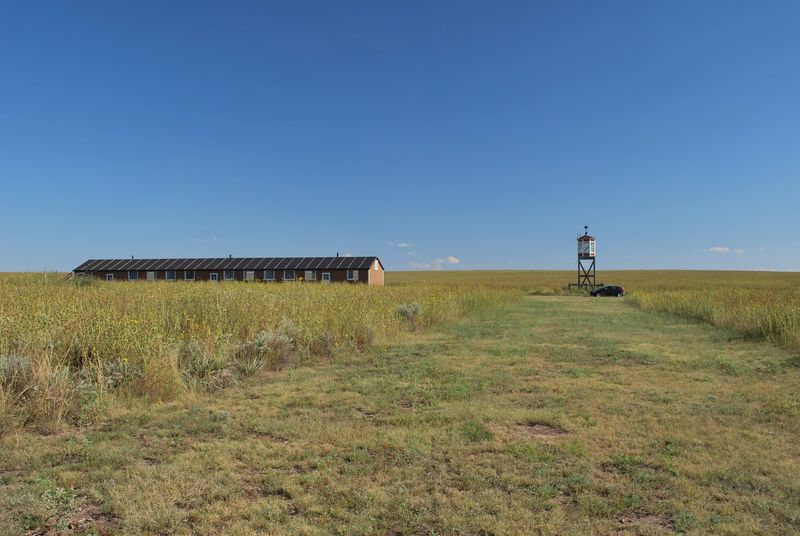
History told through landscape alone can feel incomplete, especially when most of what once stood has been demolished. The audio tour available at Amache addresses that gap with a directness that earns real appreciation from visitors who use it.
The tour walks listeners through what life inside the camp looked like, from the cramped barrack conditions and communal mess halls to the schools, gardens, and social organizations that residents built to preserve some semblance of normal living. Visitors consistently describe it as too short, which is perhaps the best possible endorsement of its quality.
Families with older children will find the audio format particularly effective. Rather than asking kids to read plaques while standing in a field, the narration brings context to the physical space in a way that holds attention and generates genuine conversation during and after the visit.
Insider Tip: Download or access the audio tour content before arriving if possible, since cellular service in this part of southeastern Colorado can be inconsistent. Having the tour ready to play offline ensures you get the full interpretive experience without depending on a strong signal in the middle of the open plains.
Resilience Built Quietly In An Unlikely Place
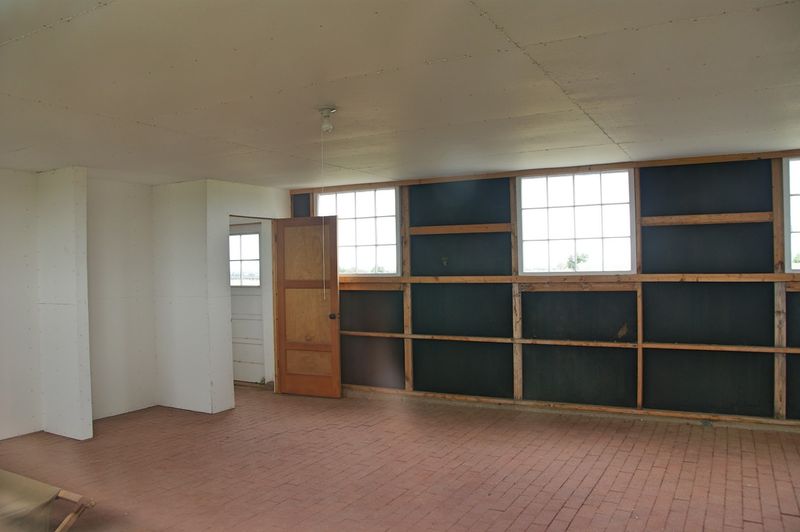
One of the most striking aspects of the Amache story is not the injustice itself, though that is impossible to overlook. It is what the people who lived here built within those conditions.
Residents at Amache established schools, newspapers, sports leagues, and cooperative businesses. They farmed the surrounding land and contributed agricultural production to the war effort, even as their own civil liberties were suspended.
A reconstructed barrack now stands at the site, offering visitors a physical reference point for the living conditions that thousands of people endured. The structure is spare and functional, which is precisely the point.
Standing inside it reframes every abstract statistic into something you can measure with your own footsteps.
Amache also sent a disproportionately high number of young men to serve in the U.S. military from within the camp, a fact that continues to challenge comfortable assumptions about loyalty, citizenship, and belonging. The 442nd Regimental Combat Team, which included many Japanese Americans from internment camps, became one of the most decorated units in American military history.
Who This Is For: History enthusiasts, educators, families with curious teenagers, and anyone who believes that understanding the past is not optional. The site rewards visitors who come prepared to think as well as look.
Why This Stop Earns Its Place On Any Colorado Road Trip
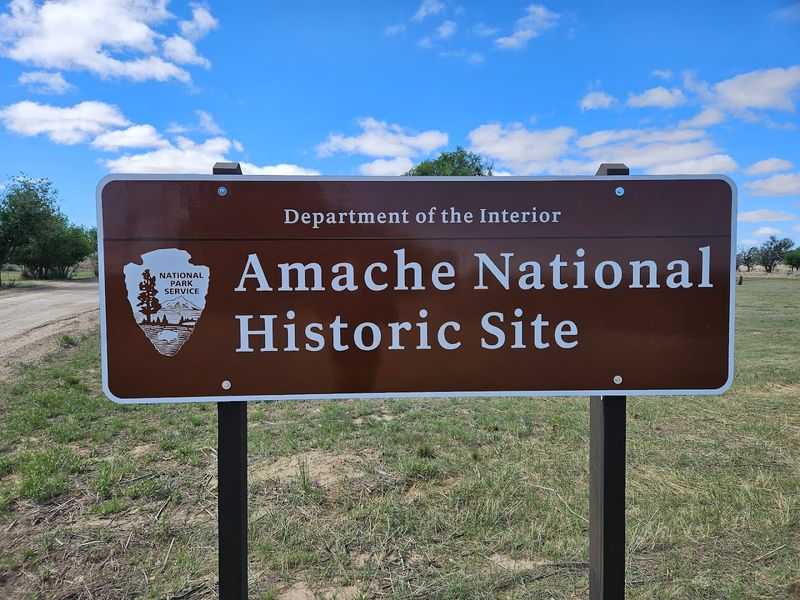
Amache National Historic Site carries a 4.6-star rating across more than 135 visitor responses, which is a remarkable number for a site that offers no gift shop, no cafe, no air-conditioned gallery, and roads that turn to mud in the rain. That rating is earned entirely by the power of what the place represents and how honestly it presents itself.
The site is open every day from 8 AM to 7:30 PM, giving visitors a generous window that accommodates both early risers and late-afternoon arrivals catching the low Colorado sun. It fits naturally into a longer eastern Colorado drive, sitting close enough to the Kansas border to make it a logical stop on a cross-state route.
Granada is the kind of town you might otherwise pass through without slowing down. Amache gives you a reason not only to slow down but to stop, step out, and stand in a field that changed the lives of over 7,500 people who deserved far better from their country.
Key Takeaways: Free to visit. Open daily.
Accessible by standard vehicle in dry conditions. Bring water, a charged phone for the audio tour, and enough time to walk the grounds without rushing.
Some experiences cannot be summarized. This is one of them.